
Bild: Tuscan Blue Rosemary with Deep Blue Blossoms
Publicerad:
Senast uppdaterad: 8 april 2026 kl. 20:30:32 UTC
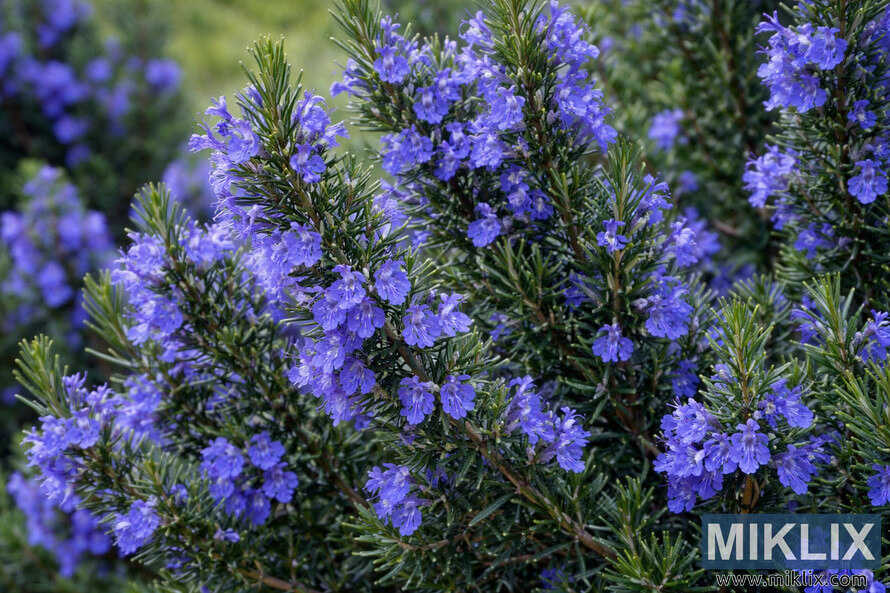
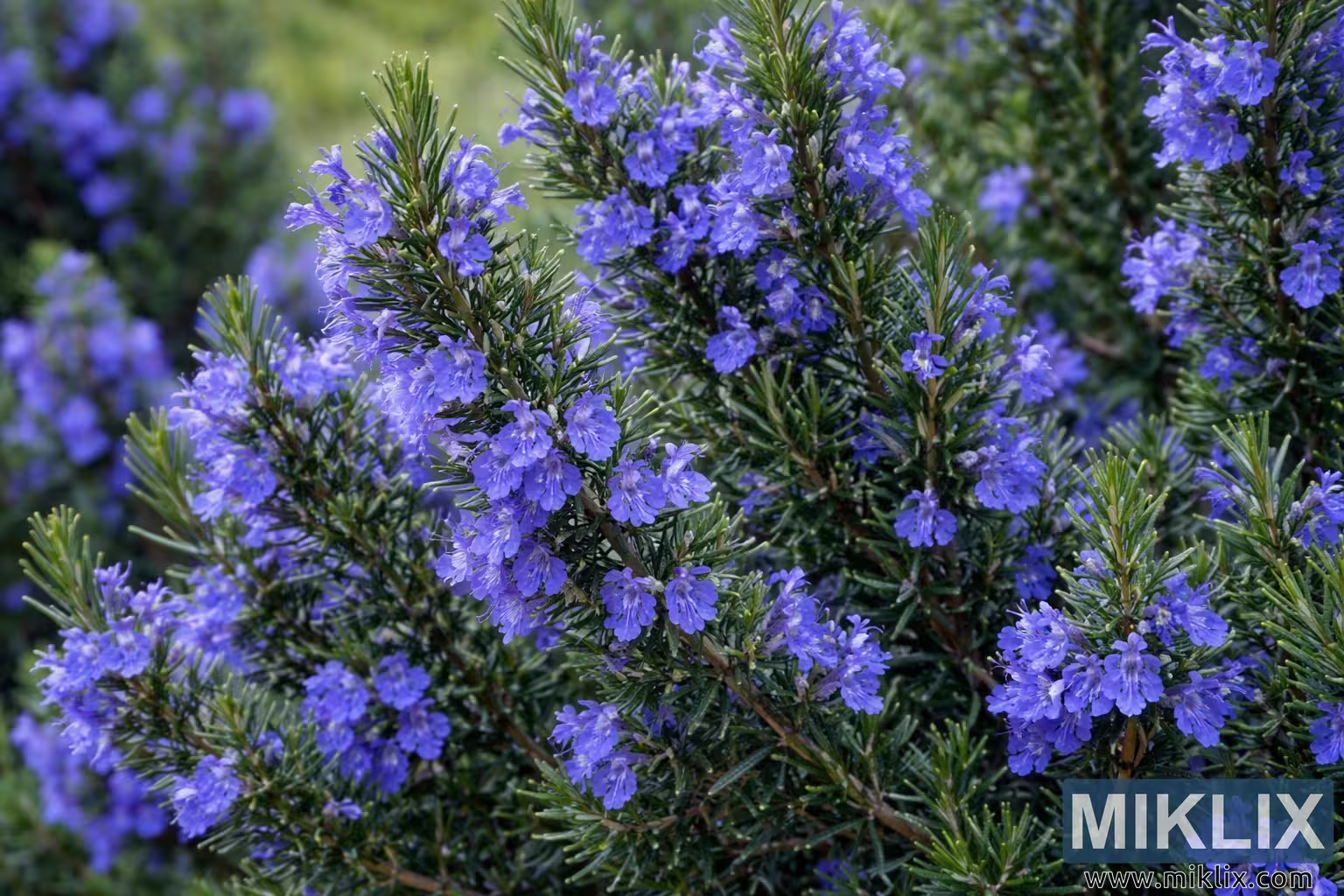
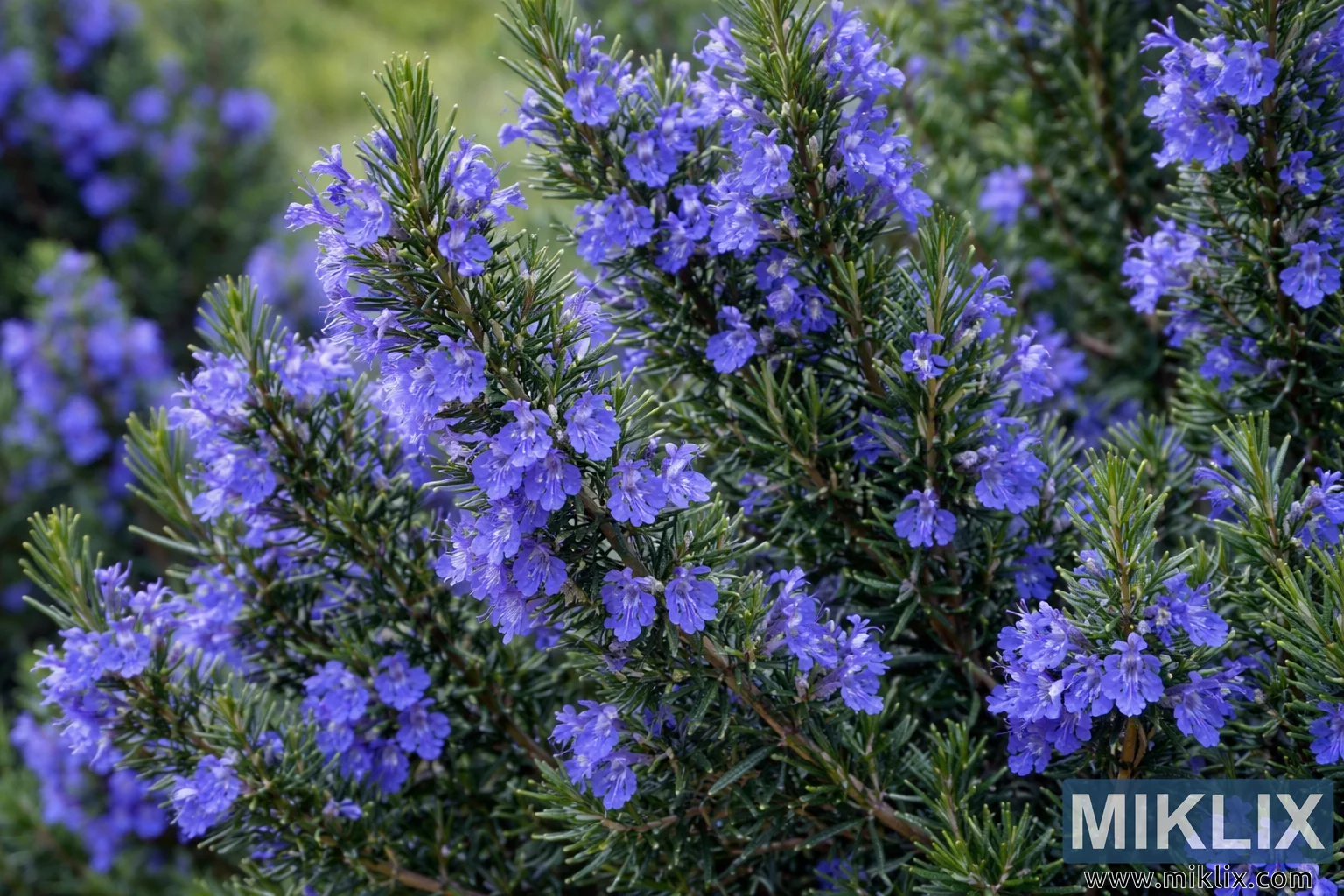
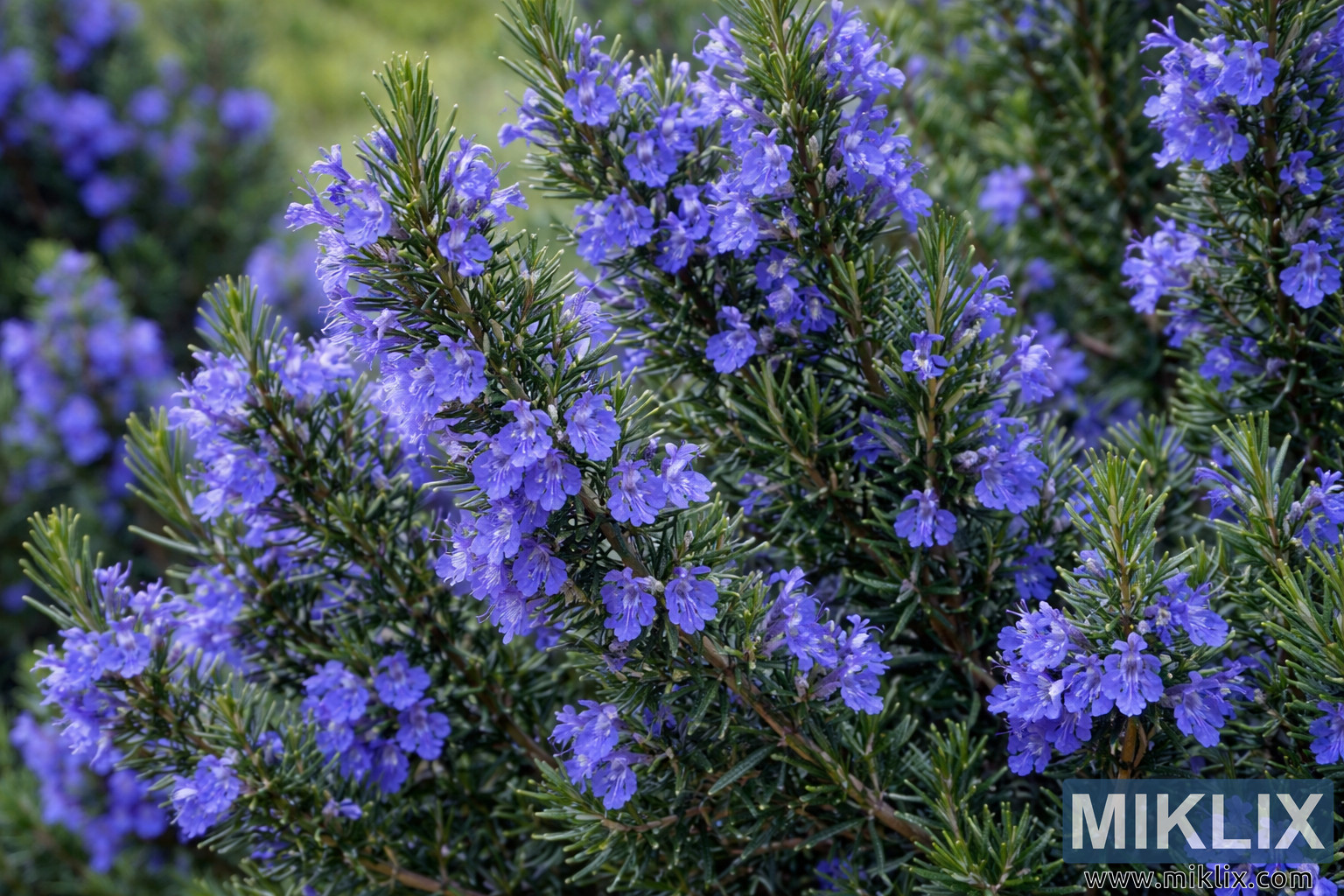
Detailed close-up photograph of Tuscan Blue rosemary showcasing deep blue flowers against dense aromatic green foliage in natural light.
Tuscan Blue Rosemary with Deep Blue Blossoms
Tillgängliga versioner av denna bild
De bildfiler som finns tillgängliga för nedladdning nedan är mindre komprimerade och har högre upplösning - och därmed högre kvalitet - än de bilder som finns inbäddade i artiklar och sidor på denna webbplats, vilka är mer optimerade för filstorlek i syfte att minska bandbreddsförbrukningen.
Normal storlek (1,536 x 1,024)
Stor storlek (3,072 x 2,048)
Mycket stor storlek (4,608 x 3,072)
Extra stor storlek (6,144 x 4,096)
Komiskt stor storlek (1,048,576 x 699,051)
- Laddar fortfarande upp... ;-)
Bildbeskrivning
A detailed close-up photograph presents a flourishing Tuscan Blue rosemary plant (Rosmarinus officinalis 'Tuscan Blue') in full bloom. The image captures multiple upright stems densely covered with narrow, needle-like leaves in a deep, glossy green. Among the foliage, numerous clusters of vibrant blue to violet-blue flowers emerge, each with delicate tubular forms and softly lobed petals. The blossoms grow along the length of the stems, creating a rich tapestry of color that contrasts beautifully with the darker evergreen foliage.
The flowers display the characteristic shape typical of rosemary blooms, with two-lipped petals and subtle speckled markings that add visual texture and detail. Their saturated blue tones range from soft lavender-blue highlights to deeper indigo hues in the shaded portions of the blossoms. These vivid colors stand out sharply against the structured greenery, giving the plant a lively and ornamental appearance.
The rosemary stems rise vertically and slightly outward, forming a dense, bushy structure. Each stem carries rows of slender leaves arranged along the woody branches, giving the plant its signature aromatic, Mediterranean character. The leaves are slightly glossy, reflecting the bright natural daylight that illuminates the scene. Their fine, pointed shapes create a spiky yet elegant texture that complements the soft forms of the flowers.
A shallow depth of field draws the viewer’s attention to the foreground blossoms, which appear crisp and sharply detailed. Individual petals, tiny reproductive structures, and the subtle curvature of each flower are clearly visible. Behind them, the remaining stems and foliage gradually blur into a smooth, softly colored background, emphasizing the central floral clusters while maintaining a sense of lush abundance.
The lighting appears bright and natural, as if the photograph were taken outdoors during a clear day. Sunlight highlights the edges of the leaves and petals, producing gentle shadows that enhance depth and dimensionality. The interplay of light and shade across the plant accentuates the layered arrangement of stems and flowers, giving the composition a vibrant yet natural feel.
Overall, the image conveys the beauty and vitality of the Tuscan Blue rosemary cultivar, a variety prized for both its culinary fragrance and ornamental appeal. The combination of deep blue blossoms, richly textured foliage, and natural lighting creates a striking botanical portrait that celebrates the elegance of this Mediterranean herb in full bloom.
Bilden är relaterad till: How to Grow Rosemary: Your Complete Growing Guide