
Picha: Fresh Shallot Selection Criteria
Iliyochapishwa:
Mara ya mwisho kusasishwa: 5 Agosti 2026, 22:49:26 UTC
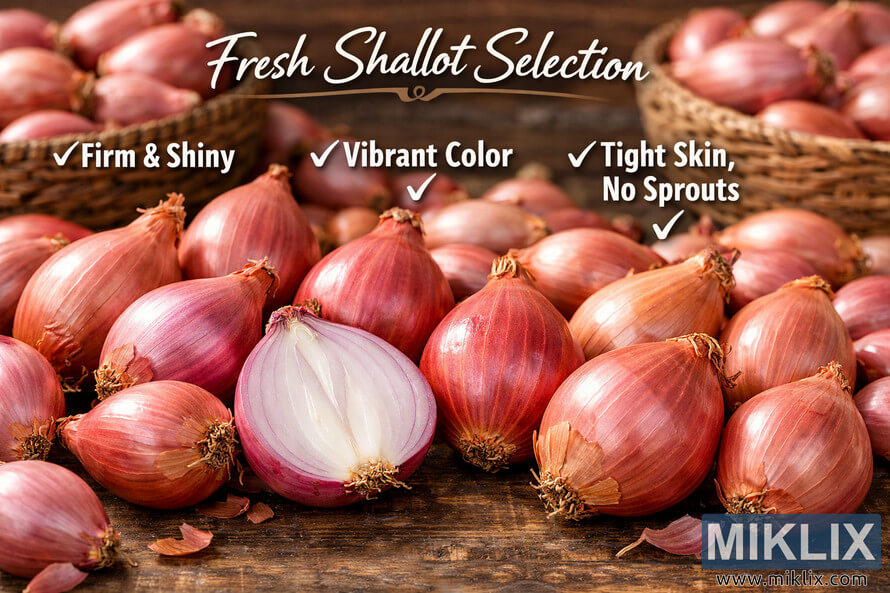
Discover the visual guide to selecting high-quality shallots. This detailed image showcases firm, shiny shallots with vibrant color and tight skins, emphasizing freshness and quality standards for culinary excellence.
Fresh Shallot Selection Criteria
Matoleo yanayopatikana ya picha hii
Faili za picha zinazopatikana kwa kupakuliwa hapa chini hazijabanwa sana na zina ubora wa juu zaidi - na kutokana na hilo, ubora wa juu zaidi - kuliko picha zilizopachikwa katika makala na kurasa kwenye tovuti hii, ambazo zimeboreshwa zaidi kwa ukubwa wa faili ili kupunguza matumizi ya kipimo data.
Ukubwa wa kawaida (1,536 x 1,024)
Ukubwa mkubwa (3,072 x 2,048)
Ukubwa mkubwa sana (4,608 x 3,072)
Ukubwa mkubwa zaidi (6,144 x 4,096)
Ukubwa mkubwa wa vichekesho (1,048,576 x 699,051)
- Bado inapakia... ;-)
Maelezo ya picha
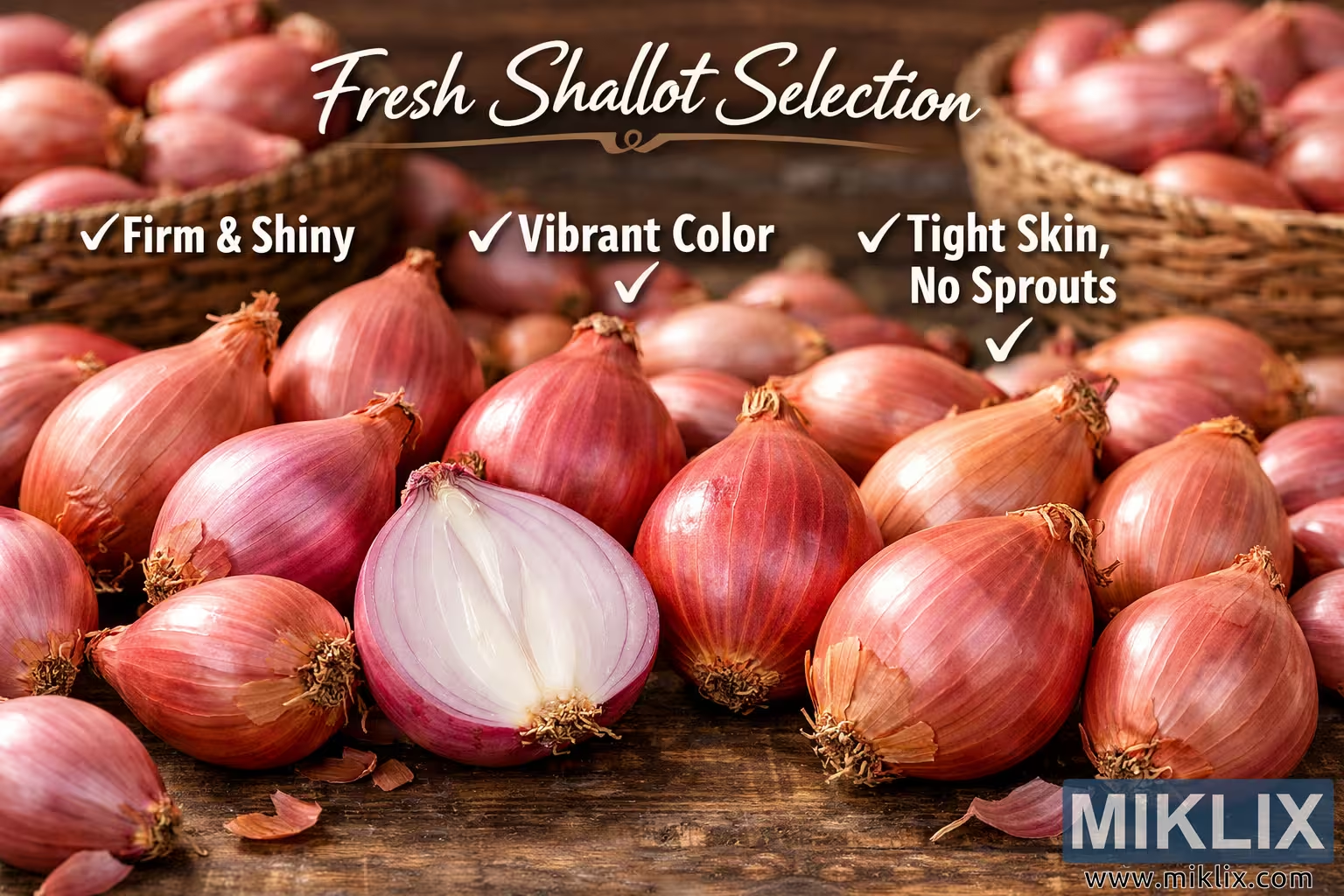
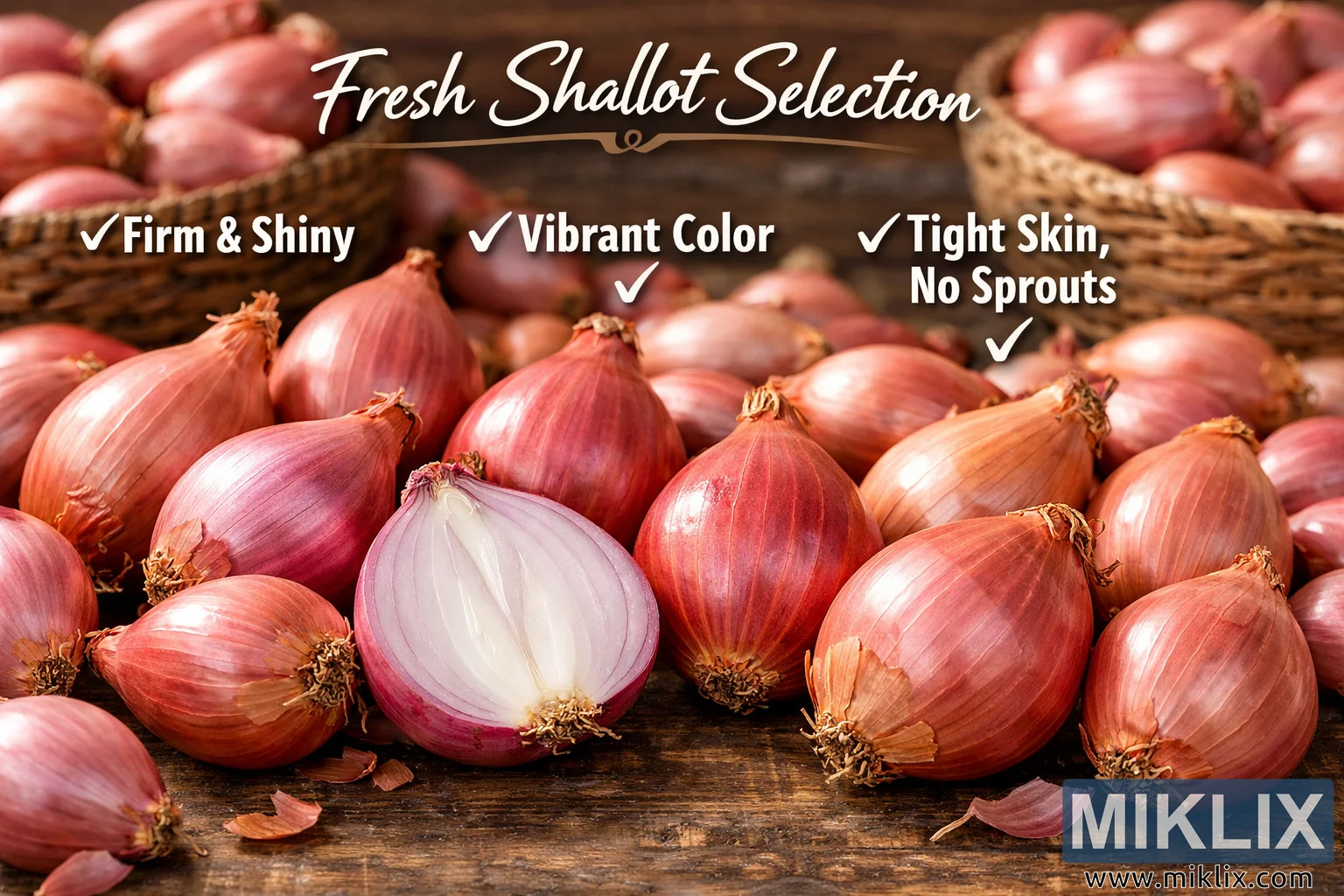
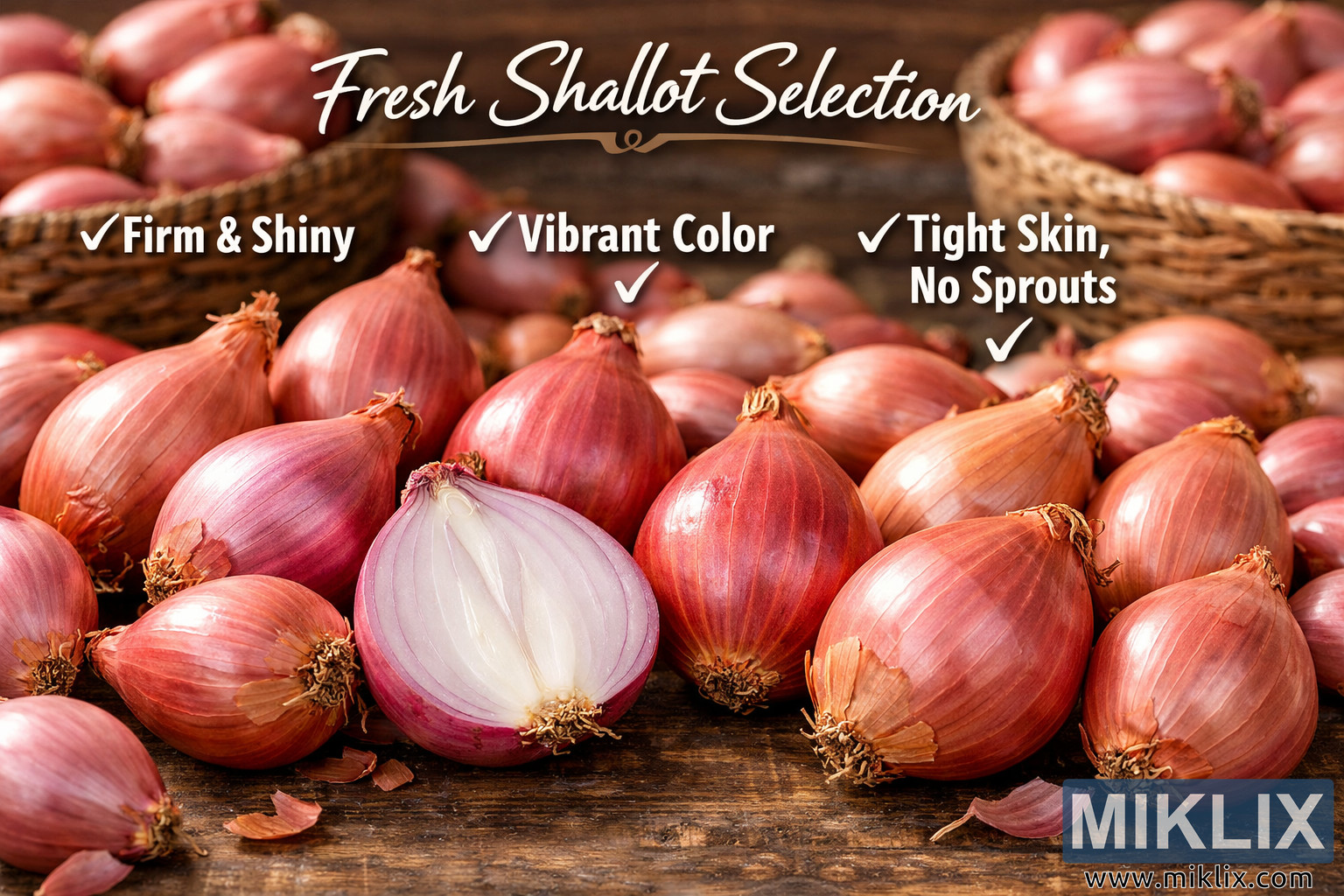
The image presents a meticulously composed landscape photograph that captures the essence of premium shallot selection. In the foreground, several shallots are arranged in a natural yet deliberate pattern on a rustic wooden surface, evoking the atmosphere of a traditional farmer’s market or artisanal kitchen. The lighting is bright and even, illuminating the shallots’ glossy skins and emphasizing their rich hues that range from soft pinkish-red to deep copper tones. The texture of the wooden surface beneath them adds warmth and authenticity, contrasting beautifully with the smooth, reflective surfaces of the shallots themselves.
At the center of the composition, a halved shallot reveals its crisp, white interior tinged with subtle lavender near the outer layers. This cross-section serves as a visual focal point, drawing attention to the freshness and firmness of the produce. The cut is clean and precise, suggesting careful handling and high quality. Surrounding the halved shallot are whole bulbs, each displaying tight, papery skins that cling closely to the flesh beneath—an indicator of freshness and proper storage. The root ends are neatly trimmed, dry, and free of sprouts, reinforcing the message of ideal selection criteria.
In the background, shallow woven baskets filled with additional shallots are softly blurred, creating depth and a sense of abundance. The baskets’ natural fibers complement the earthy tones of the wooden surface, while the blurred shallots contribute to a warm, inviting ambiance. The overall color palette is harmonious, dominated by natural reds, browns, and golds, with subtle highlights that accentuate the shallots’ sheen.
Overlaying the image are three clear textual elements, each accompanied by a white checkmark symbol. On the left, the phrase “Firm & Shiny” appears in bold white text, emphasizing the tactile and visual qualities that define superior shallots. In the center, “Vibrant Color” highlights the importance of hue and saturation as indicators of freshness and nutrient retention. On the right, “Tight Skin, No Sprouts” underscores the physical integrity of the shallots, reminding viewers that loose skins or visible sprouts are signs of aging or poor storage. These text overlays are positioned strategically to balance the composition without obscuring the produce, and their crisp white color contrasts effectively against the warm tones of the background.
Above the shallots, the title “Fresh Shallot Selection” is elegantly written in a flowing script, adding a touch of sophistication and framing the image’s educational purpose. The typography is refined yet approachable, suggesting both professionalism and accessibility. The overall design communicates clarity and trustworthiness, making the image suitable for culinary guides, educational materials, or promotional content related to fresh produce.
The photograph’s technical execution demonstrates attention to detail: the shallow depth of field isolates the foreground subjects, ensuring that the viewer’s focus remains on the shallots’ texture and color. The lighting direction enhances the natural gloss of the skins without creating harsh reflections, while the composition adheres to the rule of thirds, with the halved shallot slightly off-center to create visual interest.
Every element in the image contributes to a cohesive narrative about quality and freshness. The shallots appear firm, unblemished, and full of life, embodying the standards that chefs and home cooks alike seek when selecting ingredients. The rustic setting reinforces the connection between farm and kitchen, while the textual overlays transform the photograph into a practical visual guide.
Overall, this image is not merely a depiction of shallots—it is a celebration of agricultural craftsmanship and culinary precision. It captures the intersection of aesthetics and utility, transforming everyday produce into a subject of beauty and expertise. The viewer is left with a clear understanding of what defines a perfect shallot: firmness, shine, vibrant color, and tight, unsprouted skin. The composition, lighting, and textual elements work in harmony to convey a message of freshness, quality, and authenticity that resonates with anyone who values fine ingredients and thoughtful presentation.
Picha inahusiana na: Shallots: The Small Vegetable with Big Nutritional Benefits