
How to Grow Swiss Chard: A Complete Beginner's Guide
ที่ตีพิมพ์:
ปรับปรุงล่าสุด : 16 เมษายน 2026 เวลา 19 นาฬิกา 41 นาที 34 วินาที UTC
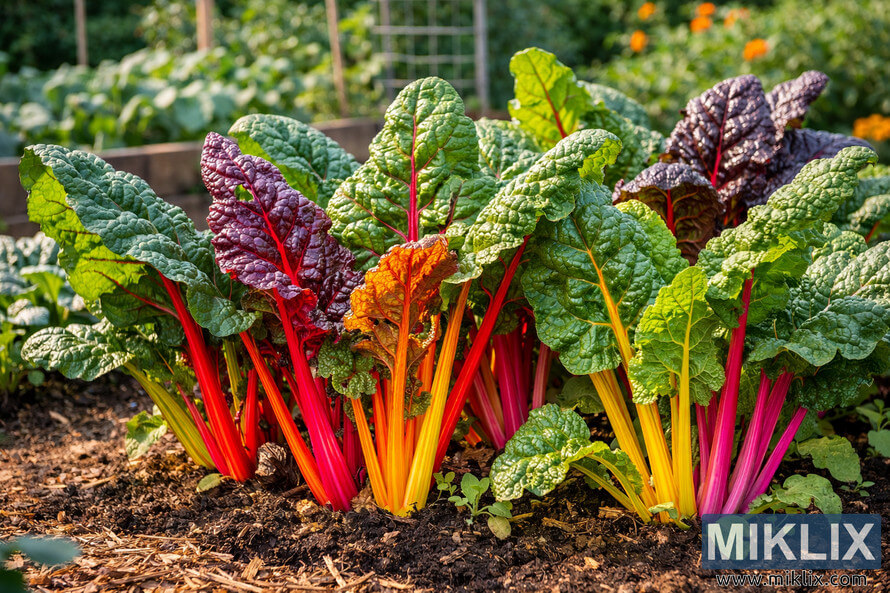
Growing your own swiss chard transforms your vegetable garden into a colorful paradise. This leafy green vegetable thrives in various conditions and rewards gardeners with tender leaves for months. Whether you dream of sautéed swiss chard for dinner or fresh greens for salads, you can harvest this nutritious vegetable from your own backyard.
How to Grow Swiss Chard: A Complete Beginner's Guide
คลิกหรือแตะที่ภาพเพื่อดูข้อมูลเพิ่มเติมและภาพความละเอียดสูงขึ้น
Swiss chard stands out among greens with its vibrant stems and hearty leaves. Beginners find success with this forgiving plant that tolerates both cool and warm weather. The rainbow of colors adds beauty to your garden while providing vitamin-packed greens for your kitchen.
This guide walks you through every step of growing swiss chard successfully. From selecting the best varieties to harvesting your first crop, you will gain confidence in your gardening skills. Let us start your journey to homegrown leafy greens.
Why Grow Swiss Chard in Your Garden
Swiss chard delivers exceptional value to home gardeners. This vegetable produces abundantly throughout the growing season with minimal care. A few plants provide enough greens for regular family meals.
The nutritional benefits make swiss chard a superfood worth growing. Each leaf contains vitamins A, K, and C along with essential minerals. These nutrients support bone health, immune function, and overall wellness.
Garden Benefits
Swiss chard tolerates various growing conditions better than most vegetables:
- Grows in partial shade or full sun
- Withstands light frost and warm weather
- Requires less water than many vegetables
- Resists common garden pests naturally
Kitchen Advantages
Your harvest provides versatile ingredients for countless recipes:
- Use young leaves like spinach in salads
- Sauté mature leaves as a side dish
- Add chard stems to pasta for texture
- Blend leaves into green smoothies
Economic Value
Growing swiss chard saves money at the farmers market:
- One seed packet costs less than two bunches
- Plants produce for four to six months
- Harvest outer leaves while plant continues growing
- No expensive equipment or fertilizers needed
Visual Appeal
Rainbow chard transforms gardens into living artwork:
- Bright stems create garden focal points
- Complements flowers in ornamental beds
- Stays attractive through multiple seasons
- Provides color when other plants fade
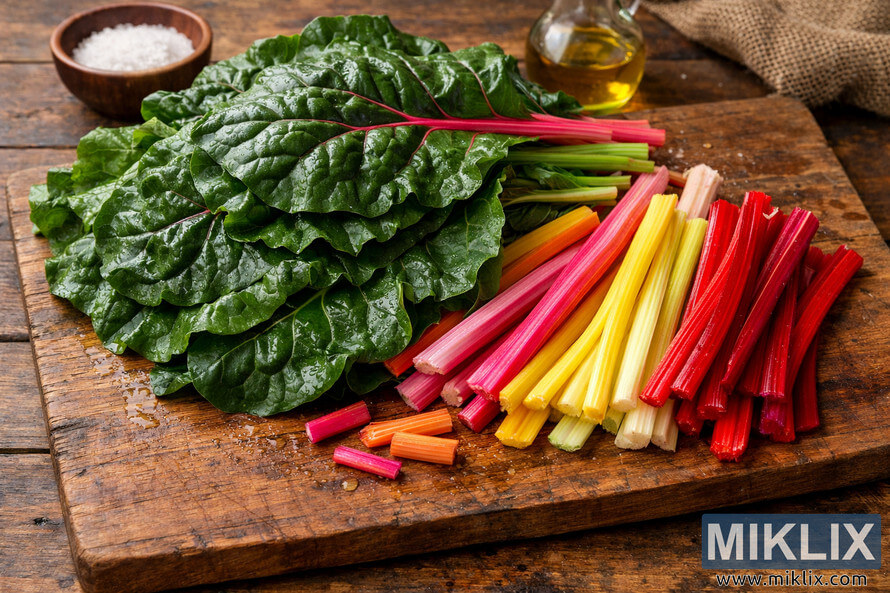
The combination of beauty, nutrition, and reliability makes swiss chard perfect for beginning gardeners. You can expect consistent results without mastering complicated techniques.
คลิกหรือแตะที่ภาพเพื่อดูข้อมูลเพิ่มเติมและภาพความละเอียดสูงขึ้น
Best Swiss Chard Varieties to Grow
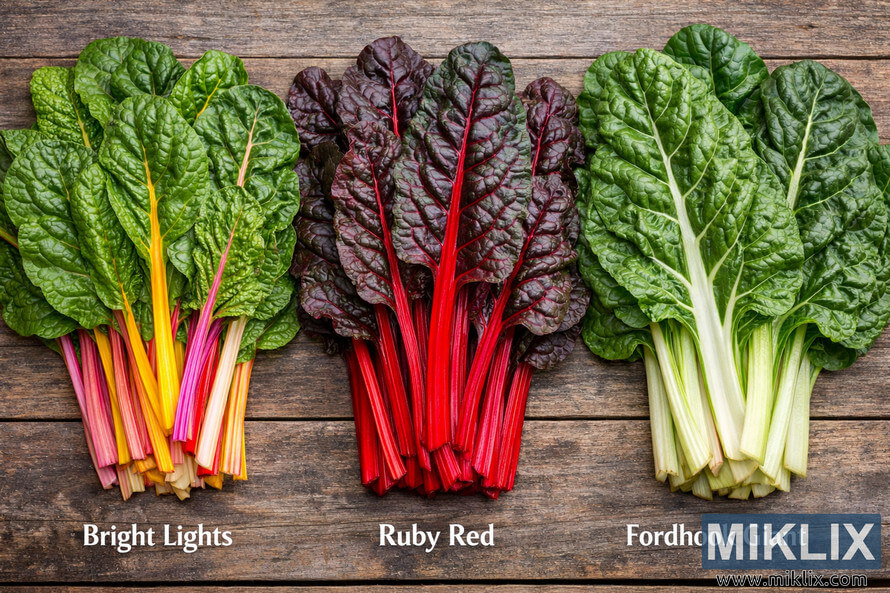
Selecting the right variety ensures success in your garden. Different types of swiss chard offer unique colors, flavors, and growing characteristics. Your climate and cooking preferences guide your choice.
คลิกหรือแตะที่ภาพเพื่อดูข้อมูลเพิ่มเติมและภาพความละเอียดสูงขึ้น
Rainbow Chard (Bright Lights)
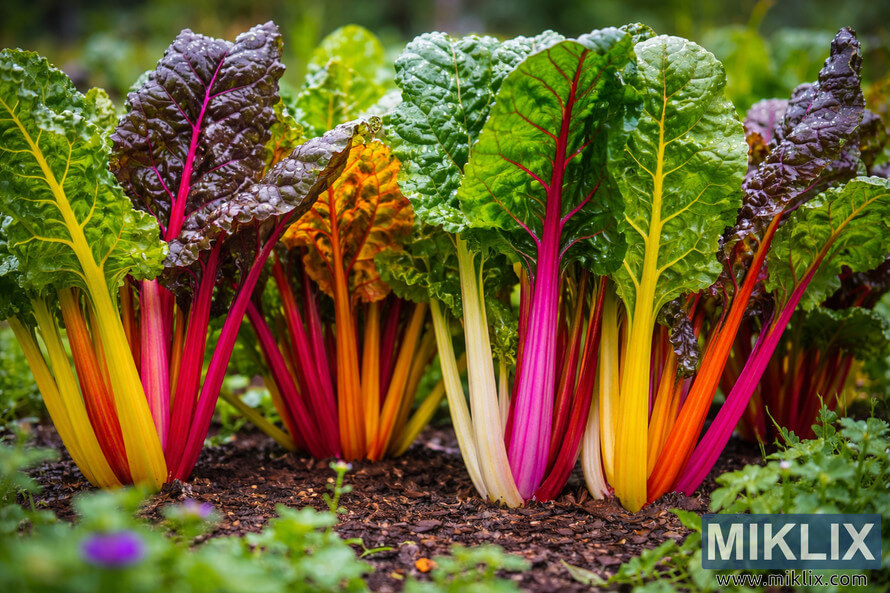
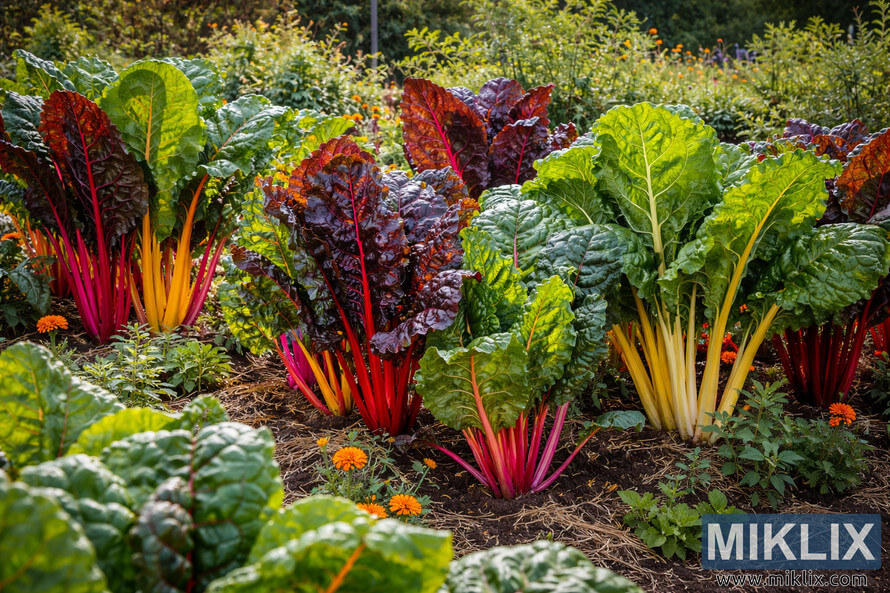
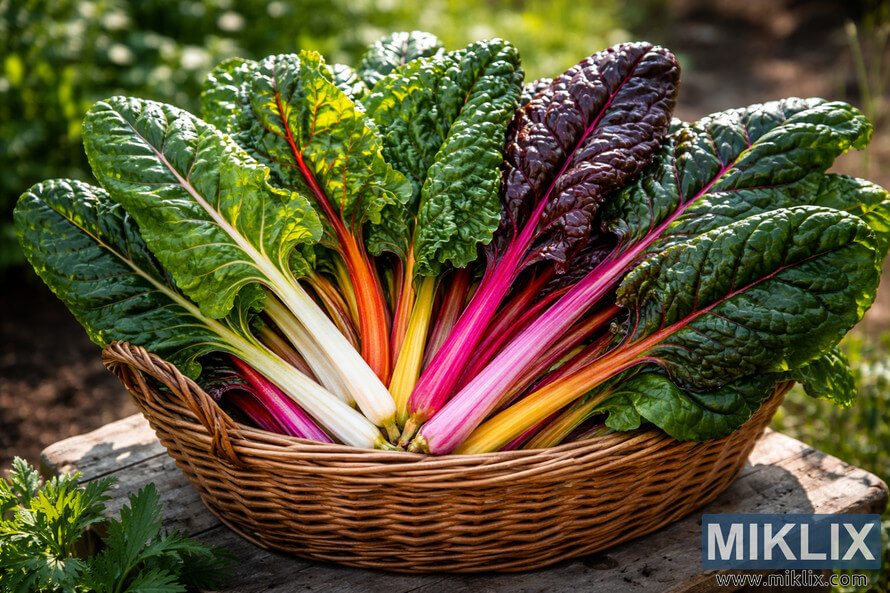
Rainbow chard delivers the most visual impact in your garden. This variety produces stems in yellow, orange, pink, red, and white. Each plant creates a different color combination.
The flavor remains mild and slightly earthy across all stem colors. Young leaves work perfectly in salads while mature leaves shine in sautéed dishes. This variety tolerates both heat and cold exceptionally well.
- Matures in 55 to 60 days from seed
- Stems stay tender even when large
- Attracts attention in ornamental gardens
- Children enjoy the colorful vegetables
คลิกหรือแตะที่ภาพเพื่อดูข้อมูลเพิ่มเติมและภาพความละเอียดสูงขึ้น
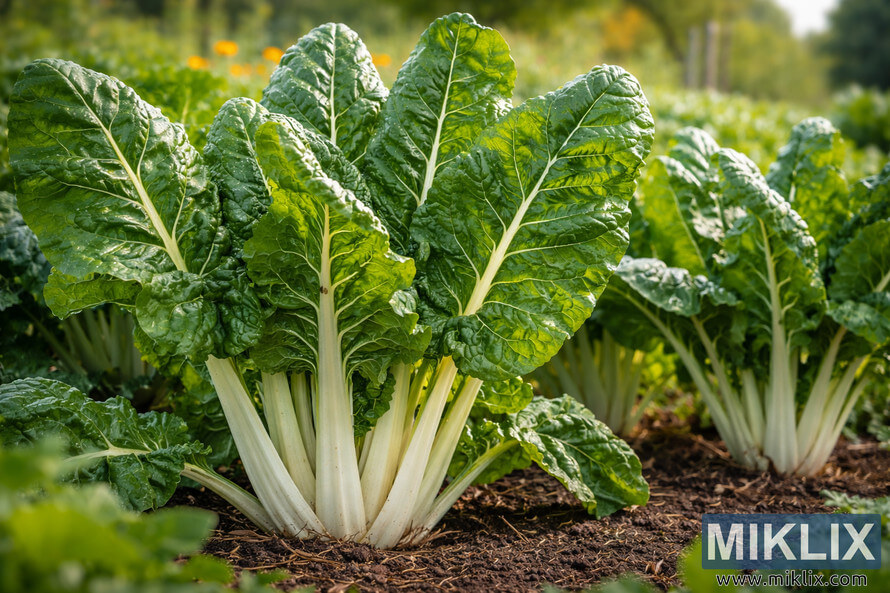
Fordhook Giant
Fordhook Giant produces the largest leaves of any swiss chard variety. White stems contrast beautifully with deep green, heavily savoyed leaves. This heirloom variety has fed gardeners since the 1930s.
The robust flavor stands up to cooking methods like braising and roasting. Leaves maintain their texture better than other varieties when cooked. This makes Fordhook ideal for recipes requiring longer cooking times.
- Ready to harvest in 50 to 60 days
- Produces prolifically throughout summer
- Withstands heat better than most greens
- Stores well after harvest for several days
คลิกหรือแตะที่ภาพเพื่อดูข้อมูลเพิ่มเติมและภาพความละเอียดสูงขึ้น
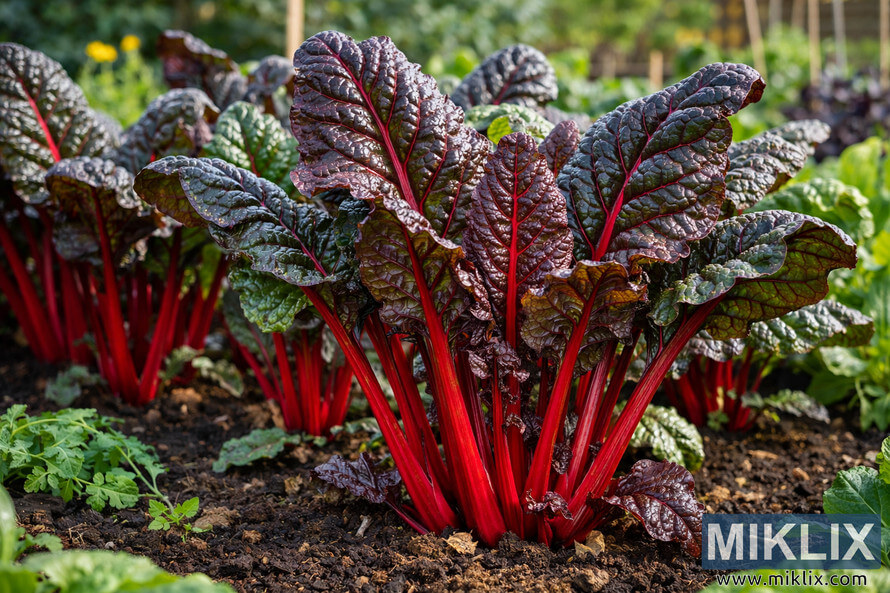
Ruby Red (Rhubarb Chard)
Ruby Red captivates with its stunning crimson stems and veins. The dramatic coloring makes this variety popular in landscaping. Dark green leaves provide beautiful contrast to the red stems.
This variety offers a slightly earthier flavor than rainbow chard. The red color intensifies when cooked but may bleed into lighter ingredients. Consider this when planning recipes with other vegetables.
- Matures in approximately 60 days
- Stems retain color when lightly sautéed
- Performs well in container gardens
- Attracts fewer pests than green varieties
คลิกหรือแตะที่ภาพเพื่อดูข้อมูลเพิ่มเติมและภาพความละเอียดสูงขึ้น
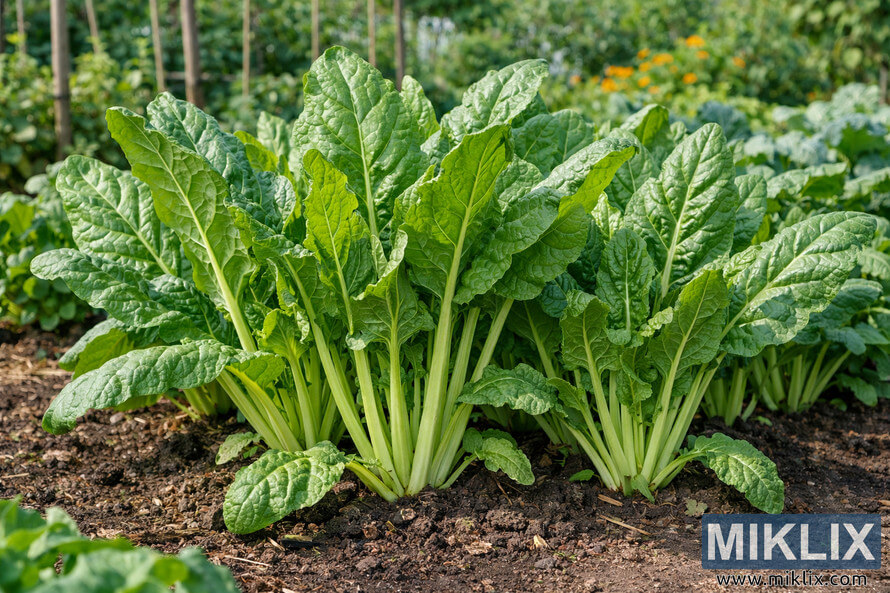
Perpetual Spinach (Leaf Beet)
Despite its name, perpetual spinach belongs to the chard family. This variety produces narrow stems and tender leaves similar to true spinach. The flavor remains milder than traditional swiss chard.
Gardeners appreciate the extended harvest period this variety provides. Plants continue producing new leaves even after repeated cutting. The compact growth suits smaller garden spaces.
- Harvest begins in 45 to 50 days
- Tolerates shade better than other varieties
- Perfect for succession planting
- Rarely bolts in hot weather
คลิกหรือแตะที่ภาพเพื่อดูข้อมูลเพิ่มเติมและภาพความละเอียดสูงขึ้น
Recommended Seed Sources
Quality seeds ensure strong germination and healthy plants. Organic seed companies offer varieties tested for home gardens.
- Choose certified organic seeds when possible
- Look for high germination rate guarantees
- Select untreated seeds for organic growing
- Buy from companies with growing guides
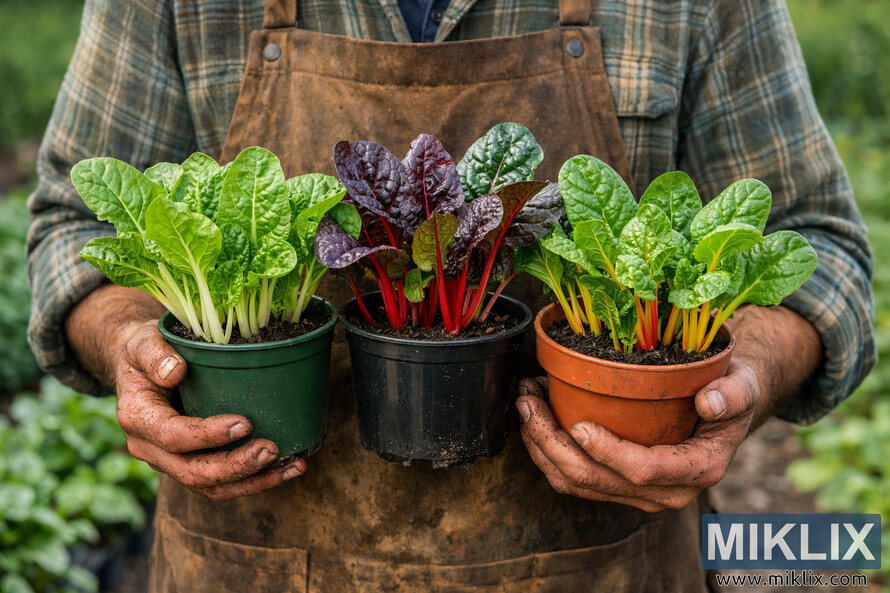
Starting from Transplants
Local nurseries offer swiss chard transplants for quicker harvests. This option works well for beginning gardeners.
- Purchase transplants with healthy green leaves
- Avoid leggy or yellowing seedlings
- Check for pest damage before buying
- Ask about variety-specific care needs
คลิกหรือแตะที่ภาพเพื่อดูข้อมูลเพิ่มเติมและภาพความละเอียดสูงขึ้น
Heirloom Collections
Heirloom varieties connect you to gardening history. These open-pollinated types allow seed saving for future seasons.
- True flavors developed over generations
- Adapt to local growing conditions over time
- Support agricultural biodiversity efforts
- Share seeds with fellow gardeners
Your variety choice depends on your priorities. Rainbow chard wins for visual appeal while Fordhook Giant maximizes harvest weight. Ruby Red adds drama to both garden and plate. Experiment with multiple varieties to discover your favorite.
คลิกหรือแตะที่ภาพเพื่อดูข้อมูลเพิ่มเติมและภาพความละเอียดสูงขึ้น
When and Where to Plant Swiss Chard
Timing your planting correctly leads to months of continuous harvest. Swiss chard tolerates cooler weather better than many vegetables. Understanding your local climate helps you plan planting dates.
Spring Planting Schedule
Start swiss chard seeds two to three weeks before your last expected frost date. The seeds germinate in soil temperatures as low as 50 degrees Fahrenheit. Cool spring weather encourages strong root development.
Direct sow seeds outdoors when soil becomes workable in spring. The young plants tolerate light frosts without damage. This early start extends your harvest season significantly.
- Check your frost date using local extension services
- Soil temperature matters more than air temperature
- Protect seedlings if hard freeze threatens
- Expect germination within seven to fourteen days
Summer and Fall Planting
Swiss chard thrives when planted in mid to late summer for fall harvest. The cooler temperatures improve flavor and reduce bitterness. Plants started in summer often outlast the first fall frosts.
Count back eight to ten weeks from your first expected fall frost. This calculation determines your ideal late summer planting date. Fall-planted chard often survives mild winters in warmer climates.
- Provide afternoon shade for summer-planted chard
- Keep soil consistently moist during establishment
- Mulch around plants to moderate soil temperature
- Extend season with row covers in fall
คลิกหรือแตะที่ภาพเพื่อดูข้อมูลเพิ่มเติมและภาพความละเอียดสูงขึ้น
Succession Planting Strategy
Plant new swiss chard seeds every three to four weeks for continuous harvest. This approach ensures you always have tender young leaves available. Stagger plantings from early spring through late summer.
Mark your calendar with planting reminders throughout the season. Each succession provides fresh greens as earlier plantings mature. This method maximizes your garden productivity.
Site Selection Requirements
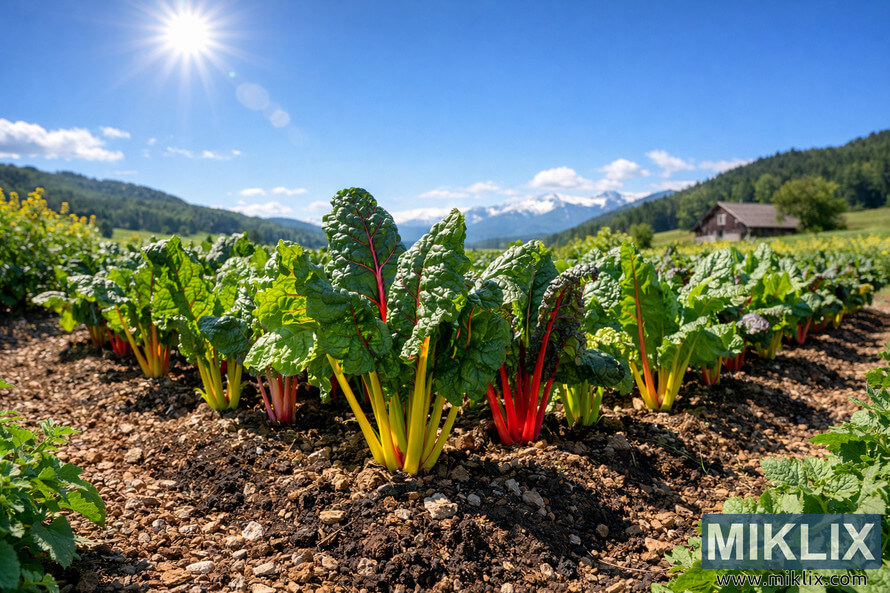
Swiss chard grows best in locations receiving six to eight hours of sunlight daily. Full sun produces the most vigorous growth and largest leaves. However, the plants tolerate partial shade better than most vegetables.
Choose areas with good air circulation to reduce disease pressure. Avoid low-lying spots where water collects after rain. Proper drainage prevents root rot and fungal problems.
Ideal Growing Conditions
- Full sun to partial shade locations
- Well-draining soil without standing water
- Protection from strong afternoon sun in hot climates
- Easy access to water sources
- Space away from large tree roots
Companion Planting Options
Swiss chard grows well alongside many garden vegetables. Strategic companion planting improves overall garden health.
- Plant near beans for nitrogen benefits
- Combine with onions to deter pests
- Grow alongside lettuce and spinach
- Pair with radishes for efficient spacing
- Avoid planting near corn or potatoes
คลิกหรือแตะที่ภาพเพื่อดูข้อมูลเพิ่มเติมและภาพความละเอียดสูงขึ้น
Container Growing Considerations
Swiss chard adapts well to container gardening on patios or balconies. Choose pots at least ten to twelve inches deep for proper root development. Containers offer flexibility for moving plants to optimal conditions.
Select varieties like Ruby Red or Perpetual Spinach for compact growth. Ensure containers have drainage holes to prevent waterlogged soil. Container plants require more frequent watering than in-ground plantings.
Soil Preparation and Planting Instructions
Proper soil preparation creates the foundation for healthy swiss chard plants. This vegetable thrives in nutrient-rich soil with good drainage. Taking time to prepare your planting area pays dividends throughout the growing season.
Testing and Amending Soil
Swiss chard prefers slightly acidic to neutral soil with pH between 6.0 and 7.0. Test your soil before planting using an inexpensive home kit. The results guide your amendment choices.
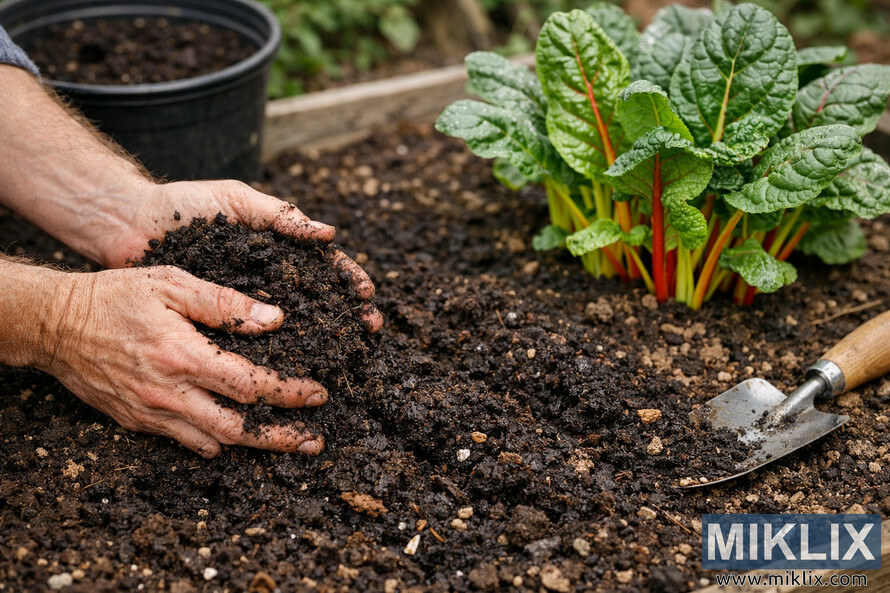
Add organic matter to improve both heavy clay and sandy soils. Compost enriches soil structure while providing slow-release nutrients. Work amendments into the top six to eight inches of soil.
- Mix three to four inches of compost into planting beds
- Add aged manure for additional nitrogen boost
- Incorporate peat moss if soil pH runs too high
- Apply lime only if soil tests show strong acidity
คลิกหรือแตะที่ภาพเพื่อดูข้อมูลเพิ่มเติมและภาพความละเอียดสูงขึ้น
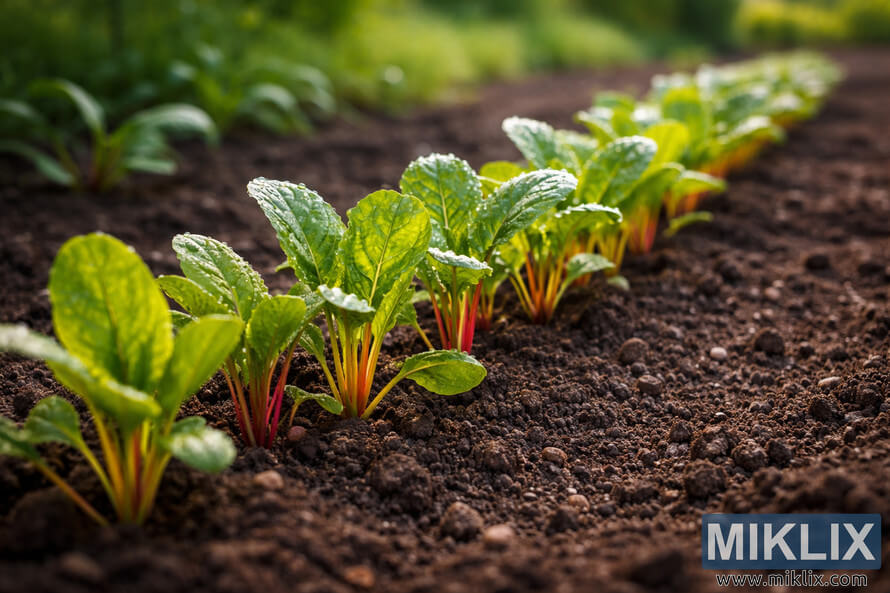
Direct Seeding Method
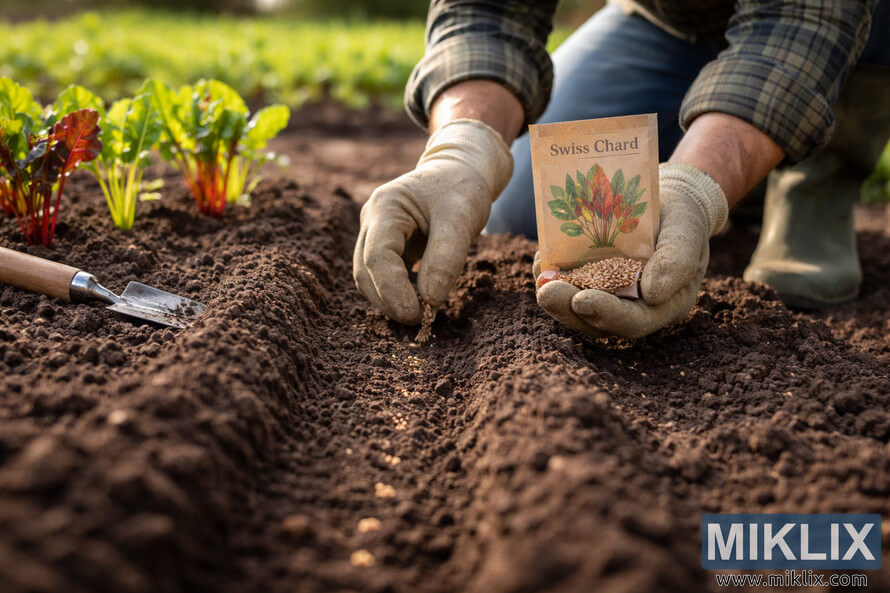
Direct sowing works well for swiss chard in most climates. Create shallow furrows one half inch deep in prepared soil. Space the furrows twelve to eighteen inches apart for easy access.
Drop seeds two to three inches apart along each row. Cover lightly with soil and firm gently with your hand. Water thoroughly using a gentle spray to avoid washing away seeds.
- Mark straight rows using string and stakes
- Create furrows with your finger or tool handle
- Space seeds evenly along each furrow
- Cover seeds and press soil lightly
- Water gently until soil feels evenly moist
- Keep soil moist until seedlings emerge
Thinning Seedlings
- Thin seedlings when they reach three to four inches tall. Crowded plants compete for nutrients and produce smaller leaves. Proper spacing allows each plant to develop fully.
- Remove weaker seedlings to leave final spacing of six to eight inches between plants. Use scissors rather than pulling to avoid disturbing remaining roots. The thinned seedlings make excellent additions to salads.
- Some gardeners prefer closer initial spacing and harvest every other plant as baby greens. This approach maximizes early yields while establishing final plant spacing naturally.
คลิกหรือแตะที่ภาพเพื่อดูข้อมูลเพิ่มเติมและภาพความละเอียดสูงขึ้น
Transplanting Seedlings
Starting seeds indoors gives you a head start on the season. Begin seeds four to six weeks before your intended transplant date. Use quality seed starting mix in individual cells or small pots.
Harden off indoor-started seedlings before transplanting outdoors. Gradually expose plants to outdoor conditions over seven to ten days. This process prevents transplant shock.
- Transplant on a cloudy day or in late afternoon
- Dig holes slightly larger than root balls
- Set plants at the same depth they grew indoors
- Water thoroughly immediately after transplanting
- Provide temporary shade for two to three days
Watering, Fertilizing, and Care Requirements
Consistent care keeps swiss chard producing tender leaves throughout the season. These leafy greens require regular attention to watering and feeding. Simple maintenance routines ensure abundant harvests.
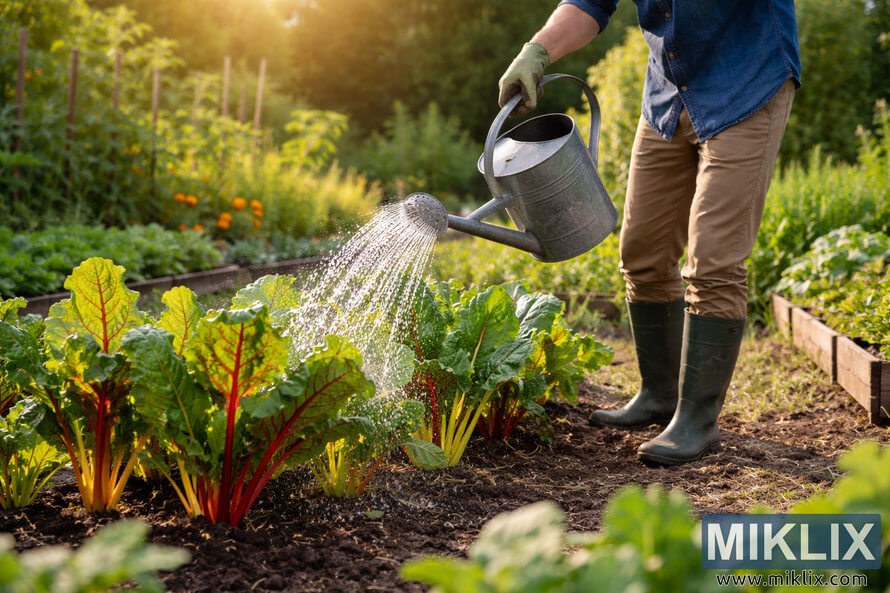
Proper Watering Techniques
Swiss chard needs one to two inches of water per week. Consistent moisture produces the most tender leaves and prevents bitterness. Irregular watering causes stress and reduces plant quality.
Water deeply at soil level rather than overhead spraying. This approach reduces fungal disease while encouraging deep root growth. Morning watering allows foliage to dry before evening.
- Check soil moisture two inches below surface
- Water when top inch feels dry to touch
- Apply mulch to conserve soil moisture
- Increase watering frequency during heat waves
- Reduce watering during cool, cloudy periods
คลิกหรือแตะที่ภาพเพื่อดูข้อมูลเพิ่มเติมและภาพความละเอียดสูงขึ้น
Recommended Watering Tools
Efficient watering equipment saves time while delivering water precisely where plants need it most.
| Tool Type | Best For | Water Efficiency | Cost Range |
| Soaker Hose | Row plantings | Excellent | $15-30 |
| Drip Irrigation | Large gardens | Outstanding | $40-100 |
| Watering Wand | Containers | Good | $20-35 |
| Watering Can | Small plots | Good | $15-25 |
Fertilizing Schedule
Swiss chard benefits from regular feeding throughout the growing season. These heavy feeders need nitrogen for leaf production. Balanced fertilization maintains vigorous growth without encouraging pests.
Apply a balanced organic fertilizer at planting time. Side-dress with compost or liquid fertilizer every three to four weeks. This steady supply of nutrients supports continuous leaf production.
- Use fish emulsion diluted to half strength
- Apply compost tea every two to three weeks
- Work granular fertilizer into soil surface lightly
- Water thoroughly after applying dry fertilizers
- Reduce feeding as temperatures cool in fall
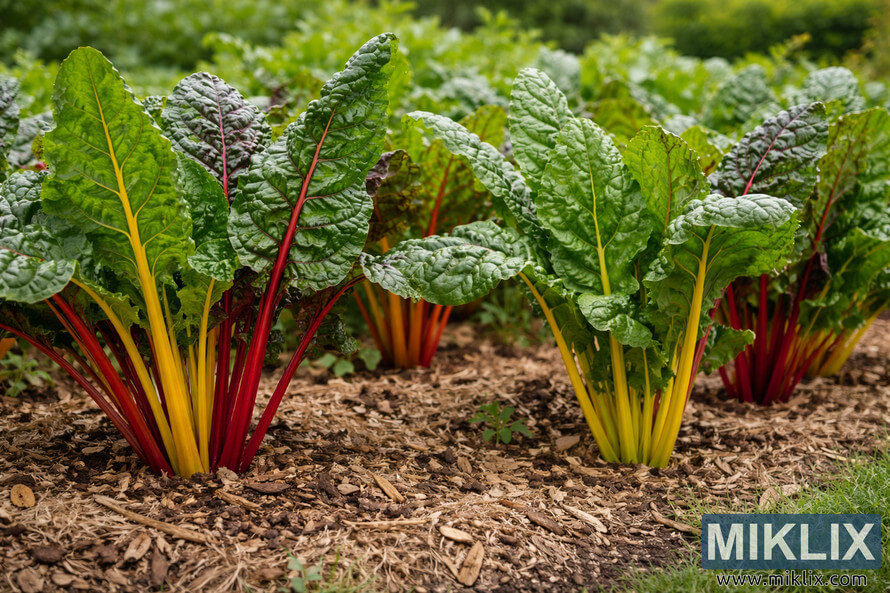
Mulching Benefits
Applying mulch around swiss chard plants offers multiple benefits. A two to three inch layer moderates soil temperature and conserves moisture. Mulch also suppresses weeds that compete for nutrients.
Use organic materials like straw, shredded leaves, or grass clippings. Keep mulch an inch away from plant stems to prevent rot. Refresh the mulch layer as it decomposes through the season.
Pruning and Maintenance
Remove yellowing or damaged outer leaves regularly. This practice improves air circulation and reduces disease risk. The plants redirect energy into producing new healthy growth.
Cut flower stalks as soon as they appear unless you want to save seeds. Flowering signals the end of leaf production. Removing flower stalks extends your harvest period significantly.
- Use clean, sharp scissors for all cutting
- Remove no more than one third of leaves at once
- Cut outer leaves first to encourage new growth
- Compost healthy removed plant material
คลิกหรือแตะที่ภาพเพื่อดูข้อมูลเพิ่มเติมและภาพความละเอียดสูงขึ้น
Seasonal Care Adjustments
Modify your care routine as seasons change. Swiss chard tolerates cool weather but needs protection from extreme conditions. Simple adjustments extend the productive season.
Spring Care Focus
- Protect from late frost with row covers
- Monitor for aphids on new growth
- Water regularly as temperatures rise
- Apply nitrogen-rich fertilizer
- Thin seedlings for proper spacing
Summer Care Focus
- Provide afternoon shade in hot climates
- Increase watering frequency significantly
- Apply thick mulch layer for cooling
- Watch for leaf miner damage
- Harvest frequently to encourage growth
Fall Care Focus
- Reduce watering as temperatures drop
- Apply row covers before first frost
- Continue light fertilizing into autumn
- Remove damaged leaves promptly
- Enjoy sweetest flavor of season
Common Pests and Diseases and How to Manage Them
Swiss chard generally resists pests better than many garden vegetables. However, a few common problems can affect your plants. Early identification and organic solutions prevent serious damage.
คลิกหรือแตะที่ภาพเพื่อดูข้อมูลเพิ่มเติมและภาพความละเอียดสูงขึ้น
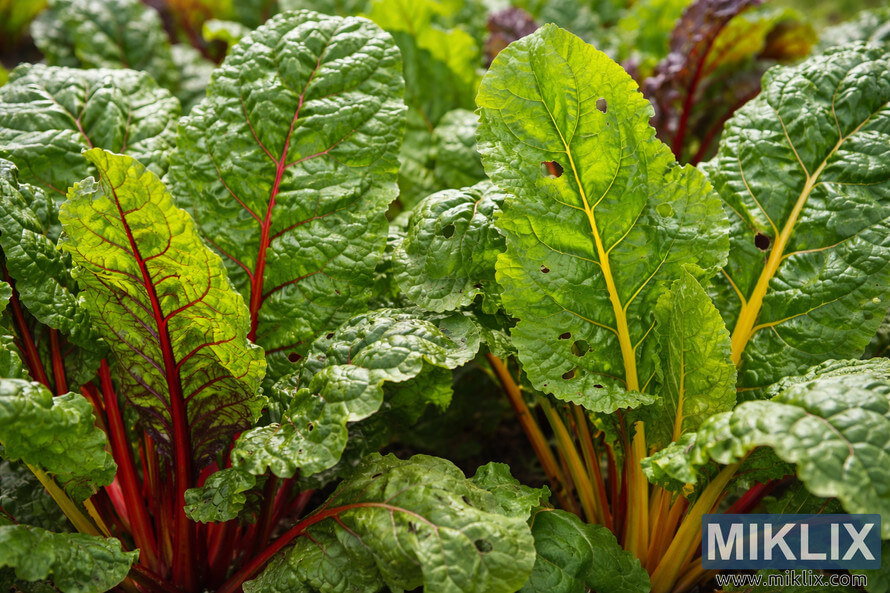
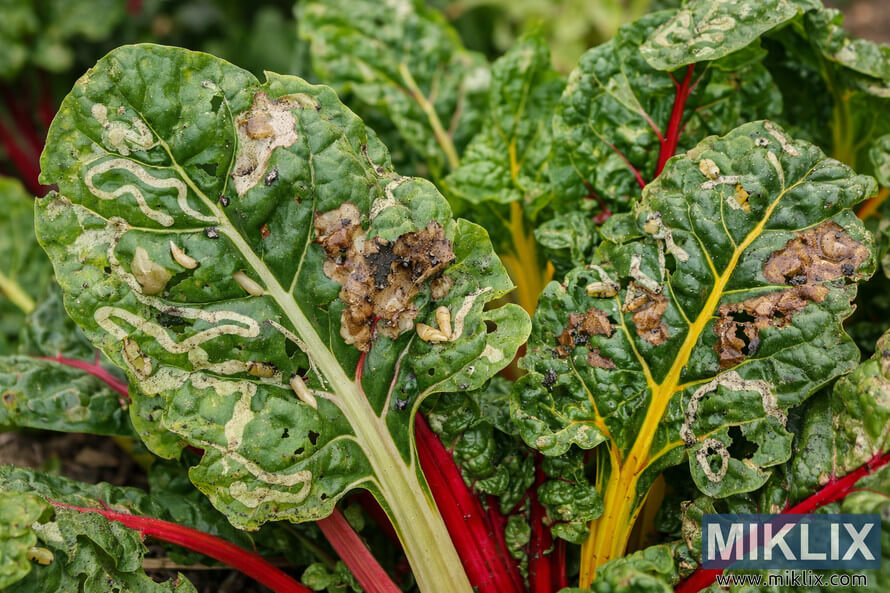
Leaf Miners
Leaf miners create winding tunnels visible on leaf surfaces. These small fly larvae burrow between upper and lower leaf layers. The damage looks worse than it actually affects plant health.
Remove and destroy affected leaves immediately. The damage remains cosmetic if caught early. Cover plants with lightweight row cover to prevent adult flies from laying eggs.
- Inspect leaves regularly for early trails
- Remove damaged portions while leaving healthy sections
- Dispose of infested leaves in trash, not compost
- Use floating row covers as physical barrier
คลิกหรือแตะที่ภาพเพื่อดูข้อมูลเพิ่มเติมและภาพความละเอียดสูงขึ้น
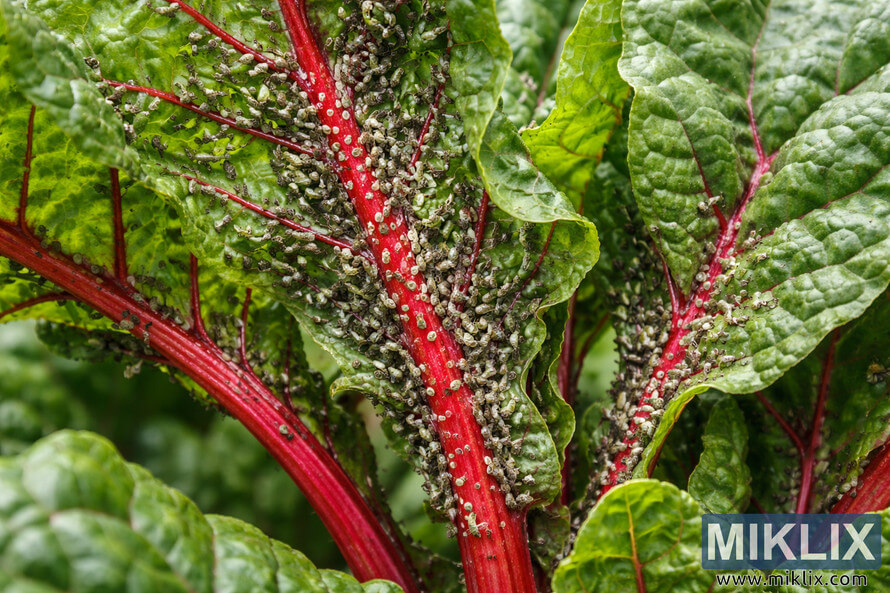
Aphids
Small soft-bodied insects cluster on new growth and leaf undersides. Aphids suck plant sap and can transmit diseases. Their presence often indicates nitrogen-rich soil conditions.
Spray aphids off plants with strong water streams. Apply insecticidal soap for persistent infestations. Encourage beneficial insects like ladybugs that feed on aphids naturally.
คลิกหรือแตะที่ภาพเพื่อดูข้อมูลเพิ่มเติมและภาพความละเอียดสูงขึ้น
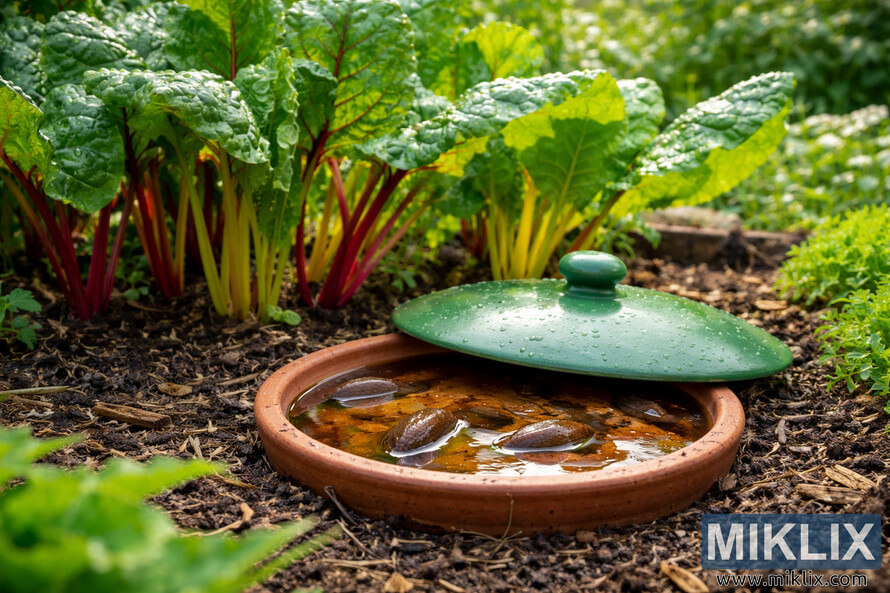
Slugs and Snails
These moisture-loving pests chew irregular holes in chard leaves. They feed primarily at night and hide during daytime. Damage increases during wet weather periods.
Set out beer traps or copper barriers around plants. Hand-pick slugs and snails during evening garden checks. Reduce hiding places by removing debris near plantings.
- Create barriers using crushed eggshells or diatomaceous earth
- Water in morning rather than evening
- Remove mulch temporarily if infestation severe
- Encourage ground beetles that prey on slugs
คลิกหรือแตะที่ภาพเพื่อดูข้อมูลเพิ่มเติมและภาพความละเอียดสูงขึ้น
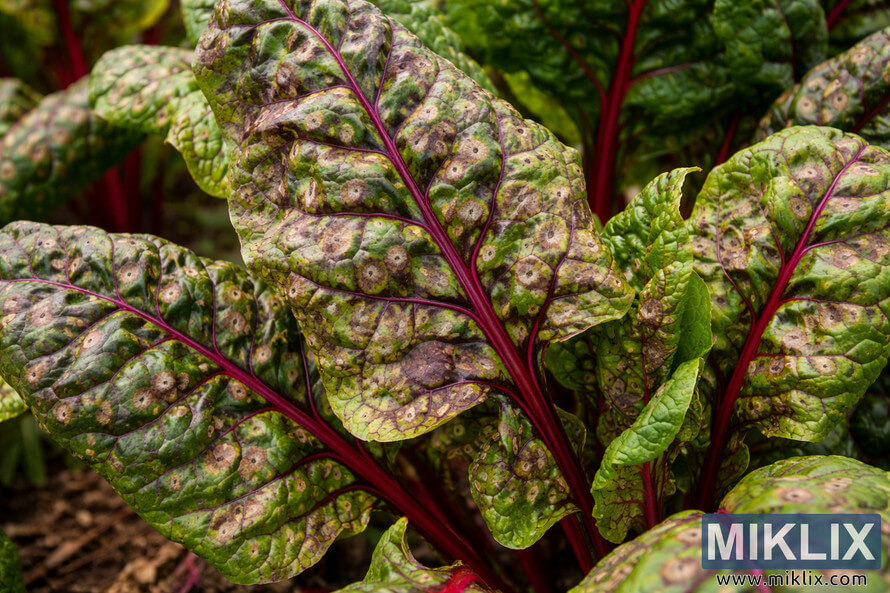
Cercospora Leaf Spot
This fungal disease creates small spots with purple borders on older leaves. The spots grow larger and eventually cause leaves to yellow. Wet conditions and poor air circulation encourage disease development.
Remove infected leaves promptly to slow disease spread. Avoid overhead watering that wets foliage. Space plants properly to improve air movement.
คลิกหรือแตะที่ภาพเพื่อดูข้อมูลเพิ่มเติมและภาพความละเอียดสูงขึ้น
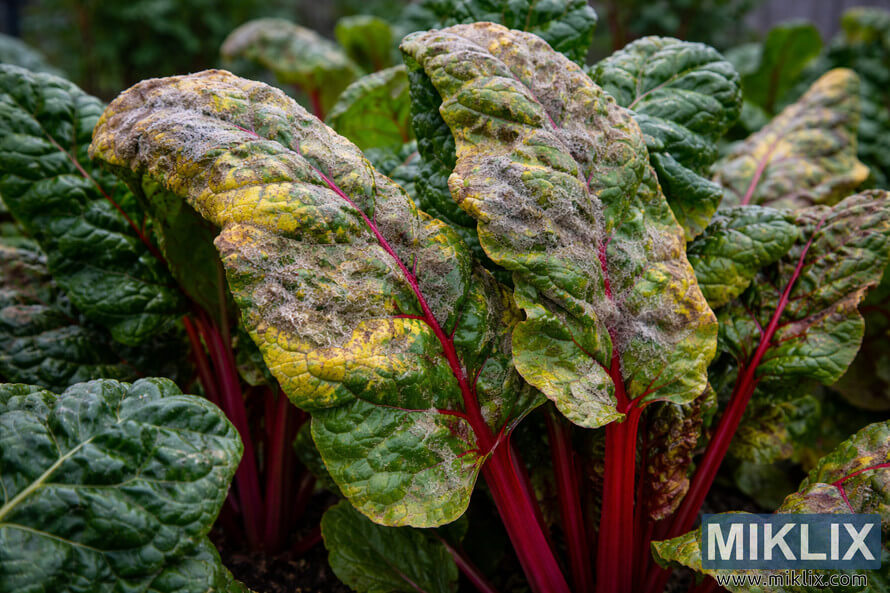
Downy Mildew
Yellow patches appear on upper leaf surfaces while fuzzy growth develops underneath. This disease thrives in cool, moist conditions. Serious infections can defoliate plants quickly.
Improve air circulation through proper spacing and pruning. Water at soil level to keep foliage dry. Apply organic fungicides containing copper if necessary.
คลิกหรือแตะที่ภาพเพื่อดูข้อมูลเพิ่มเติมและภาพความละเอียดสูงขึ้น
Organic Pest Management
- Safe for beneficial garden insects
- No chemical residues on harvest
- Builds healthy soil ecosystem
- Cost-effective long-term approach
- Safe around children and pets
Prevention Strategies
- Rotate crop locations yearly to break pest cycles
- Clean up garden debris that harbors pests
- Plant resistant varieties when available
- Monitor plants weekly for early problems
- Maintain healthy soil for strong plants
Prevention Best Practices
Healthy plants resist pests and diseases better than stressed ones. Focus on creating optimal growing conditions. Prevention requires less effort than treating established problems.
- Provide consistent water without overwatering
- Feed regularly with balanced organic fertilizer
- Remove weeds that compete for resources
- Inspect plants during routine garden tasks
- Act quickly when problems first appear
Harvesting Swiss Chard
Proper harvesting techniques extend your swiss chard season for months. This cut-and-come-again vegetable produces new growth after each harvest. Learning when and how to harvest maximizes your yield.
When to Begin Harvesting
Start harvesting when leaves reach six to eight inches long. Most varieties produce harvestable leaves fifty to sixty days after planting. Young tender leaves offer the mildest flavor for salads.
The entire plant becomes ready for harvest when leaves reach full size. However, continuous harvesting of outer leaves encourages ongoing production. This approach provides fresh greens throughout the season.
- Baby leaves ready at three to four inches
- Mature leaves develop after eight weeks
- Harvest before leaves grow larger than twelve inches
- Cool morning hours provide crispest leaves
คลิกหรือแตะที่ภาพเพื่อดูข้อมูลเพิ่มเติมและภาพความละเอียดสูงขึ้น
Harvesting Techniques
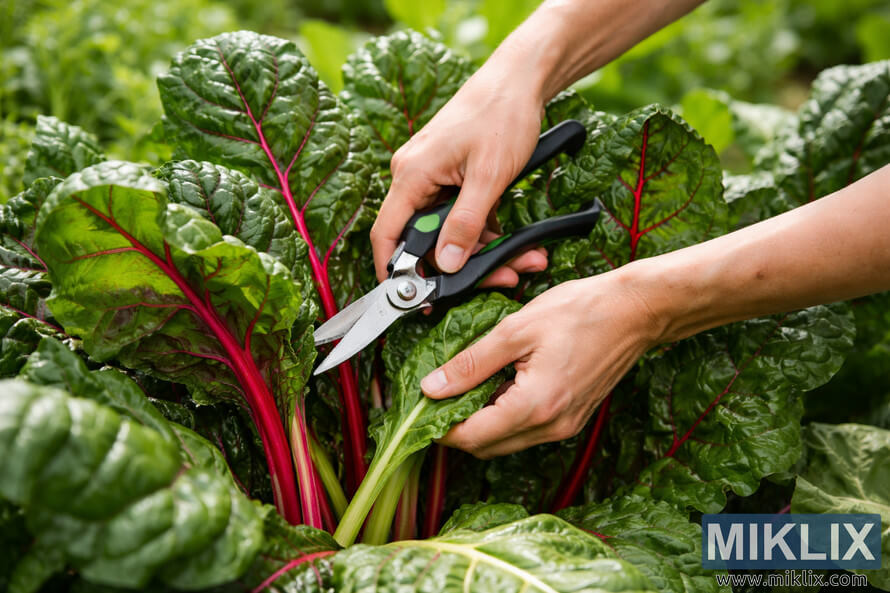
Cut or snap off outer leaves at the base near soil level. Use clean scissors or a sharp knife for clean cuts. Leave the inner growing point intact for continued production.
Remove three to four outer leaves per plant during each harvest. This method maintains plant vigor while providing steady yields. Never remove more than one third of leaves at one time.
- Select largest outer leaves first
- Cut stems one inch above soil surface
- Leave smaller inner leaves to mature
- Rinse harvested leaves immediately
- Pat dry or use salad spinner
- Store properly to maintain freshness
Harvesting Chard Stems Separately
The colorful chard stems require longer cooking than leaves. Many recipes call for stems and leaves added at different times. Separate the two parts during harvest preparation.
Cut leaves away from stems using kitchen scissors. Chop stems into one inch pieces for even cooking. The stems add wonderful texture and color to pasta dishes and stir-fries.
Maximizing Continuous Production
Regular harvesting signals plants to produce more leaves. Plan to harvest every seven to ten days during peak season. This frequency prevents leaves from becoming tough and bitter.
Remove any flower stalks immediately unless saving seeds. Flowering redirects energy away from leaf production. Quick removal extends the harvest period significantly.
- Harvest consistently even if not using immediately
- Share excess harvest with neighbors and friends
- Freeze or preserve surplus for winter use
- Cut all leaves before first hard freeze
คลิกหรือแตะที่ภาพเพื่อดูข้อมูลเพิ่มเติมและภาพความละเอียดสูงขึ้น
Tips for Storing and Using Your Harvest
Proper storage preserves the quality and nutrition of freshly harvested swiss chard. These greens lose moisture quickly after harvest. Simple storage methods keep leaves fresh for up to one week.
Short-Term Storage Methods
Rinse harvested leaves in cool water immediately. Remove any damaged or yellowed portions before storing. Excess moisture encourages decay during storage.
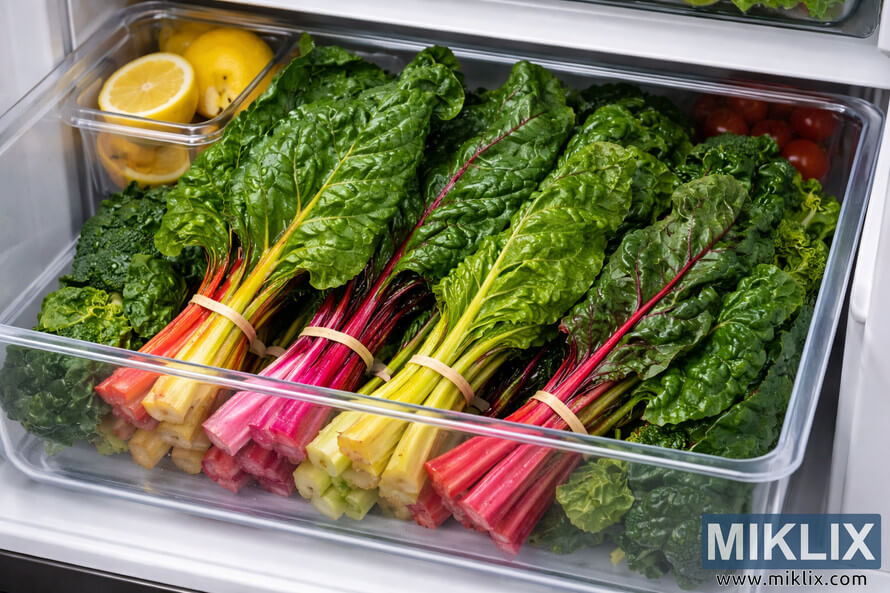
Wrap leaves loosely in damp paper towels. Place wrapped greens in perforated plastic bags. Store in the refrigerator crisper drawer for best results.
- Keep stems attached until ready to use
- Check stored greens every few days
- Remove any wilting leaves promptly
- Use oldest harvest first for best quality
คลิกหรือแตะที่ภาพเพื่อดูข้อมูลเพิ่มเติมและภาพความละเอียดสูงขึ้น
Freezing for Long-Term Storage
Blanching preserves color and nutrition when freezing swiss chard. Bring a large pot of water to boil. Prepare an ice bath in a separate bowl.
Blanch leaves for two minutes then plunge into ice water. Drain thoroughly and squeeze out excess moisture. Pack in freezer bags removing as much air as possible.
- Wash and remove tough stem portions
- Blanch in boiling water briefly
- Cool immediately in ice bath
- Drain and squeeze dry thoroughly
- Pack in meal-sized portions
- Label with date and variety
- Use within eight to twelve months
Cooking with Swiss Chard
- Swiss chard adapts to numerous cooking methods and recipes. Young leaves work raw in salads while mature leaves shine when cooked. The stems require slightly longer cooking than leaves.
- Sautéed swiss chard makes a quick and flavorful side dish. Heat olive oil in a large pan over medium heat. Add minced garlic and cook until fragrant.
- Toss in chopped chard stems first and cook for three minutes. Add leaves and cook until wilted. Season with lemon juice, salt, and pepper to taste.

คลิกหรือแตะที่ภาพเพื่อดูข้อมูลเพิ่มเติมและภาพความละเอียดสูงขึ้น
Popular Swiss Chard Recipes
Swiss Chard and White Bean Soup
This hearty vegetable soup combines chard leaves with creamy beans. The flavor improves after resting overnight. Perfect for cool autumn evenings.
- Sauté onions and garlic in olive oil
- Add chicken or vegetable broth
- Stir in white beans and tomatoes
- Add chopped chard during last minutes

คลิกหรือแตะที่ภาพเพื่อดูข้อมูลเพิ่มเติมและภาพความละเอียดสูงขึ้น
Rainbow Chard Frittata
This colorful egg dish showcases chard stems beautifully. Serve for brunch or a light dinner. The frittata reheats well for easy meals.
- Sauté chard stems until tender
- Add leaves and wilt slightly
- Pour beaten eggs over vegetables
- Bake until set and golden

คลิกหรือแตะที่ภาพเพื่อดูข้อมูลเพิ่มเติมและภาพความละเอียดสูงขึ้น
Pasta with Swiss Chard and Garlic
Simple pasta dishes let chard flavor shine. The stems add pleasant crunch to tender pasta. Ready in less than twenty minutes.
- Cook pasta according to package directions
- Sauté garlic in generous olive oil
- Add chopped chard and cook briefly
- Toss with pasta and parmesan cheese

คลิกหรือแตะที่ภาพเพื่อดูข้อมูลเพิ่มเติมและภาพความละเอียดสูงขึ้น
Substituting Swiss Chard in Recipes
Swiss chard works in most recipes calling for spinach or kale. The flavor sits between these two popular greens. Adjust cooking times based on leaf maturity.
Young chard leaves substitute directly for spinach in any recipe. Mature leaves work like kale but cook slightly faster. The stems add unique texture not found in other greens.
- Use chard in place of spinach for stronger flavor
- Replace kale with chard for milder taste
- Add chard stems to stir-fries like celery
- Blend raw leaves into green smoothies
- Layer leaves in lasagna instead of spinach
Preserving Through Dehydration
Dried chard leaves create nutritious powder for smoothies and soups. Wash and dry leaves completely before dehydrating. Remove thick stems for more even drying.
Arrange leaves in single layers on dehydrator trays. Dry at 135 degrees Fahrenheit until crispy. Crumble dried leaves and store in airtight containers.
Common Mistakes to Avoid
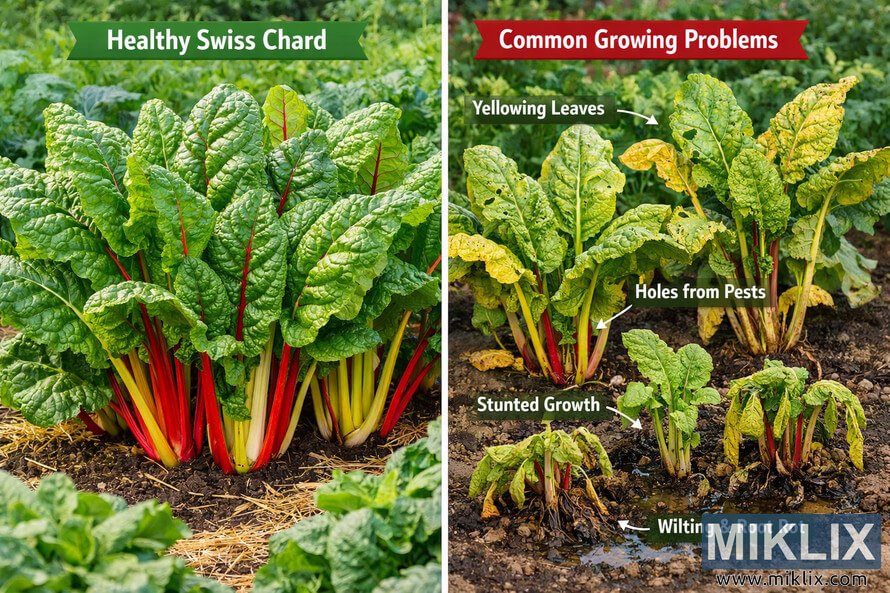
Learning from common mistakes helps new gardeners achieve success faster. Swiss chard forgives many errors but certain practices reduce yields. Avoiding these pitfalls ensures productive plants.
Overcrowding Plants
Planting seeds too closely creates multiple problems. Crowded plants compete for nutrients, water, and light. Poor air circulation increases disease risk significantly.
Thin seedlings ruthlessly to recommended spacing. Each plant needs room to develop full-sized leaves. The temporary abundance of seedlings does not justify keeping them all.
- Follow spacing guidelines on seed packets
- Thin seedlings when they have true leaves
- Use thinned seedlings in salads immediately
- Mark proper spacing before planting
คลิกหรือแตะที่ภาพเพื่อดูข้อมูลเพิ่มเติมและภาพความละเอียดสูงขึ้น
Inconsistent Watering
Alternating between dry and waterlogged soil stresses plants unnecessarily. Inconsistent moisture causes bitter leaves and poor growth. The roots cannot develop properly with erratic watering.
Establish a regular watering schedule based on weather conditions. Check soil moisture before watering rather than following a calendar blindly. Adjust frequency as temperatures change.
Neglecting to Harvest
Allowing leaves to grow too large before harvesting reduces quality. Mature leaves become tough and bitter when overgrown. Regular harvesting actually increases total production.
Plan regular harvest times even if you have more greens than needed. Share extras with neighbors or preserve surplus. Consistent cutting keeps plants producing vigorously.
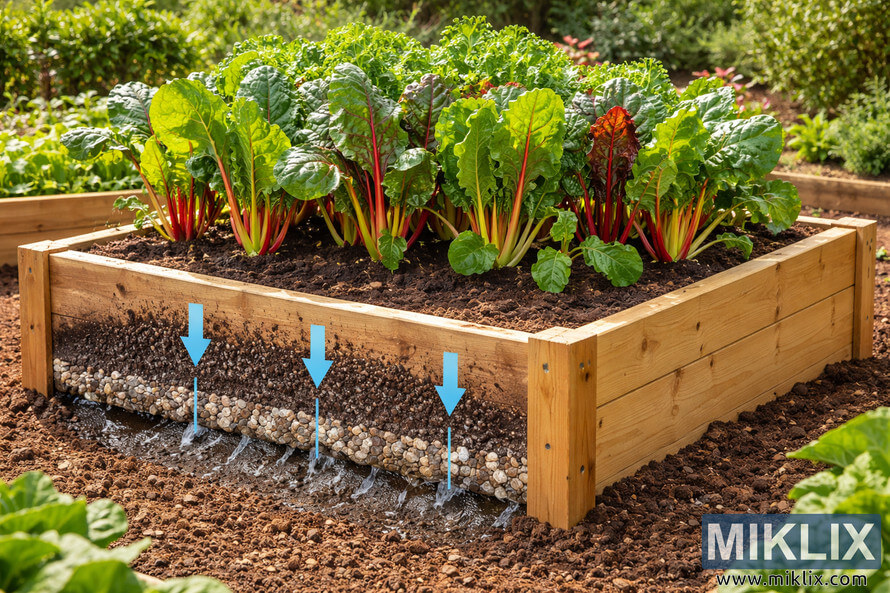
Planting in Poor Drainage
Swiss chard tolerates various conditions but cannot survive in waterlogged soil. Standing water suffocates roots and encourages rot. Poor drainage causes more problems than drought.
Test drainage by digging a hole and filling with water. The water should drain within a few hours. Amend heavy clay soil with compost or build raised beds.
- Choose naturally well-drained sites for planting
- Build raised beds in areas with poor drainage
- Add organic matter to improve soil structure
- Avoid low spots where water collects
คลิกหรือแตะที่ภาพเพื่อดูข้อมูลเพิ่มเติมและภาพความละเอียดสูงขึ้น
Ignoring Succession Planting
Planting all seeds at once limits your harvest window. A single planting produces heavily for a short period. Staggered plantings provide continuous fresh greens.
Sow new seeds every three to four weeks from spring through late summer. This approach ensures you always have tender young leaves available. Mark your calendar with planting reminders.
Failing to Mulch
Bare soil around plants dries out quickly and allows weeds to flourish. Mulch conserves moisture while suppressing competing plants. The time saved on watering and weeding pays back quickly.
Apply two to three inches of organic mulch around established plants. Keep mulch away from stems to prevent rot. Replenish mulch as it decomposes through the season.
Using Chemical Pesticides
Harsh chemicals damage beneficial insects that control pests naturally. Pesticide residues remain on leaves you plan to eat. Organic methods work effectively without compromising safety.
Focus on prevention through healthy growing conditions. Use physical barriers and organic sprays when necessary. Encourage beneficial insects by planting diverse species.
Key Success Factors: Swiss chard grows successfully when you provide consistent moisture, adequate spacing, regular harvesting, and proper nutrition. Most problems arise from neglect rather than difficulty. A few minutes of daily attention prevents major issues and ensures abundant harvests throughout the season.
Growing Your Swiss Chard Journey
Growing swiss chard rewards gardeners with colorful, nutritious harvests for months. This versatile vegetable adapts to various conditions while requiring minimal care. Your success depends on following basic principles rather than complicated techniques.
Start with quality seeds or transplants of varieties suited to your climate. Prepare soil rich in organic matter with good drainage. Plant at the right time for your region and provide consistent moisture throughout the season.
Regular harvesting keeps plants productive while preventing leaves from becoming tough. Monitor for pests and diseases but remember swiss chard resists most problems naturally. Simple organic methods solve the few issues that arise.
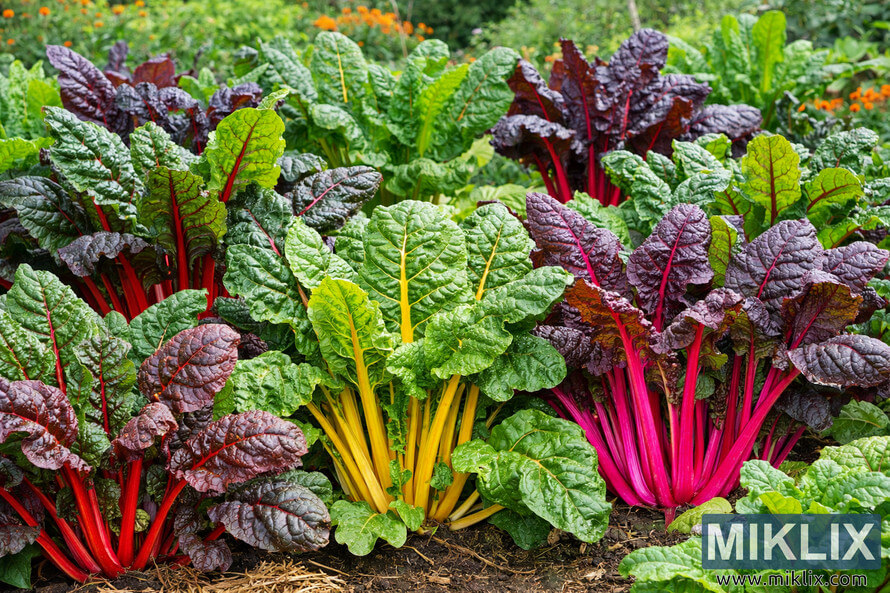
The rainbow of colors available makes swiss chard beautiful in both garden and kitchen. Use your harvest fresh in salads, sautéed as a side dish, or preserved for winter meals. Each leaf provides vitamins and minerals your body needs.
Your first successful swiss chard crop builds confidence for growing other vegetables. The skills you develop transfer to many garden plants. Soon you will expand your homegrown vegetable repertoire.
Begin your swiss chard adventure today by selecting varieties and preparing your garden space. The reward of tender homegrown greens awaits your effort. Every gardener remembers their first successful harvest with pride and satisfaction.
คลิกหรือแตะที่ภาพเพื่อดูข้อมูลเพิ่มเติมและภาพความละเอียดสูงขึ้น
อ่านเพิ่มเติม
หากคุณชอบโพสต์นี้ คุณอาจชอบคำแนะนำเหล่านี้ด้วย:
- คู่มือการเลือกพันธุ์ไม้ Serviceberry ที่ดีที่สุดสำหรับปลูกในสวนของคุณ
- คู่มือฉบับสมบูรณ์สำหรับการปลูกมะนาวในสวนบ้านของคุณ
- การปลูกหญ้าเจ้าชู้: คู่มือฉบับสมบูรณ์ของคุณ ตั้งแต่เมล็ดพันธุ์จนถึงการเก็บเกี่ยว