
影像: Concept Art of Tangerine Antioxidants Protecting Cells from Oxidative Stress
已發佈:
最後更新: 2026年8月11日 下午6:23:01 [UTC]
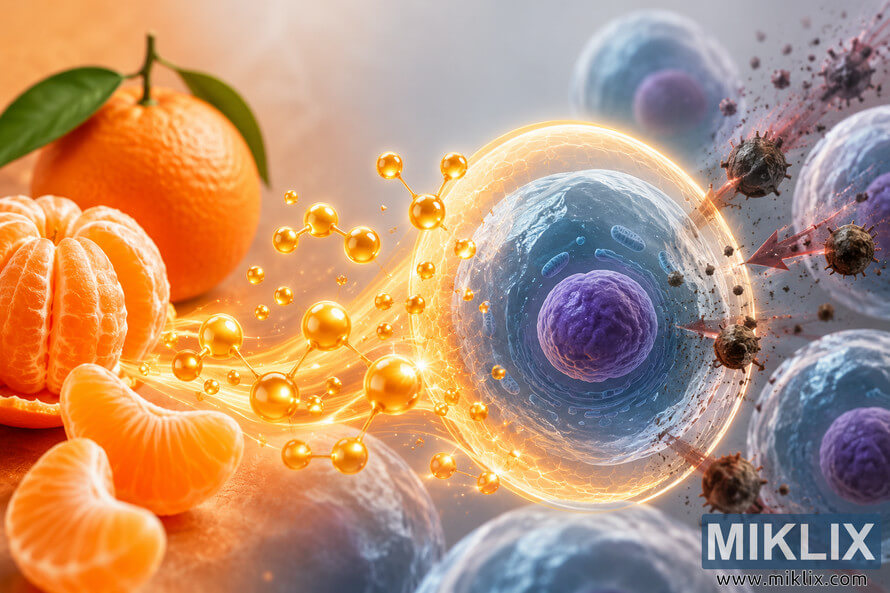
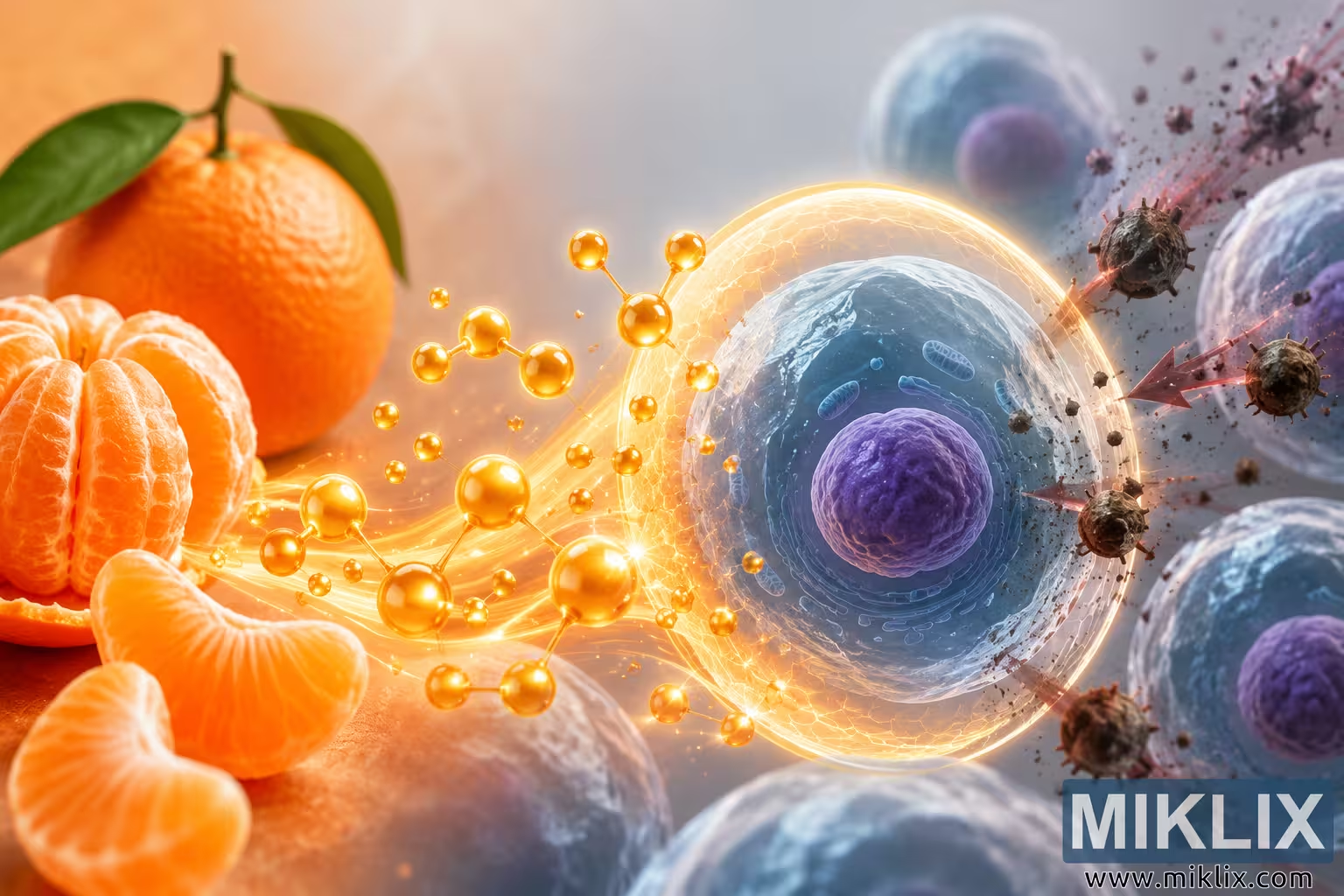
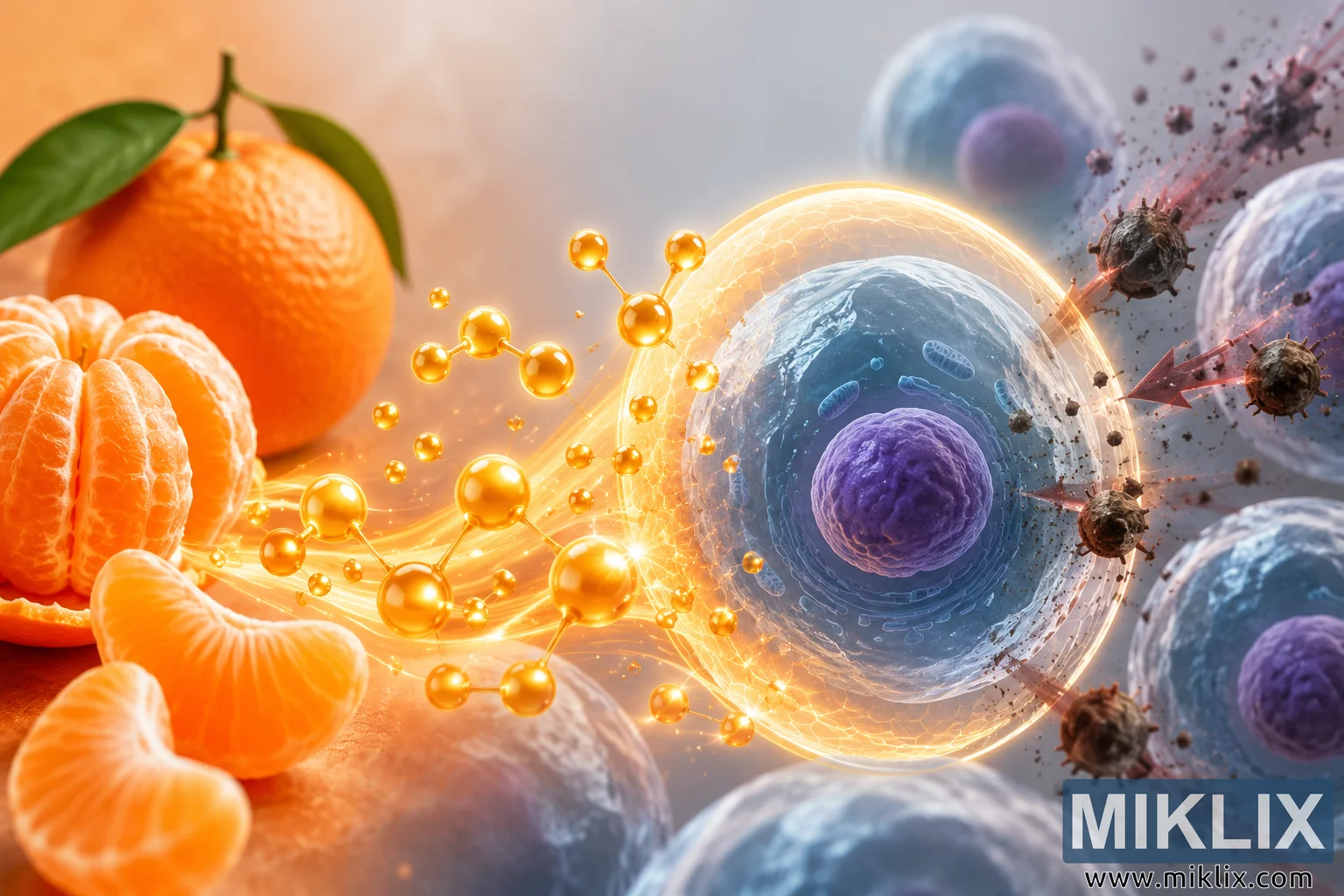
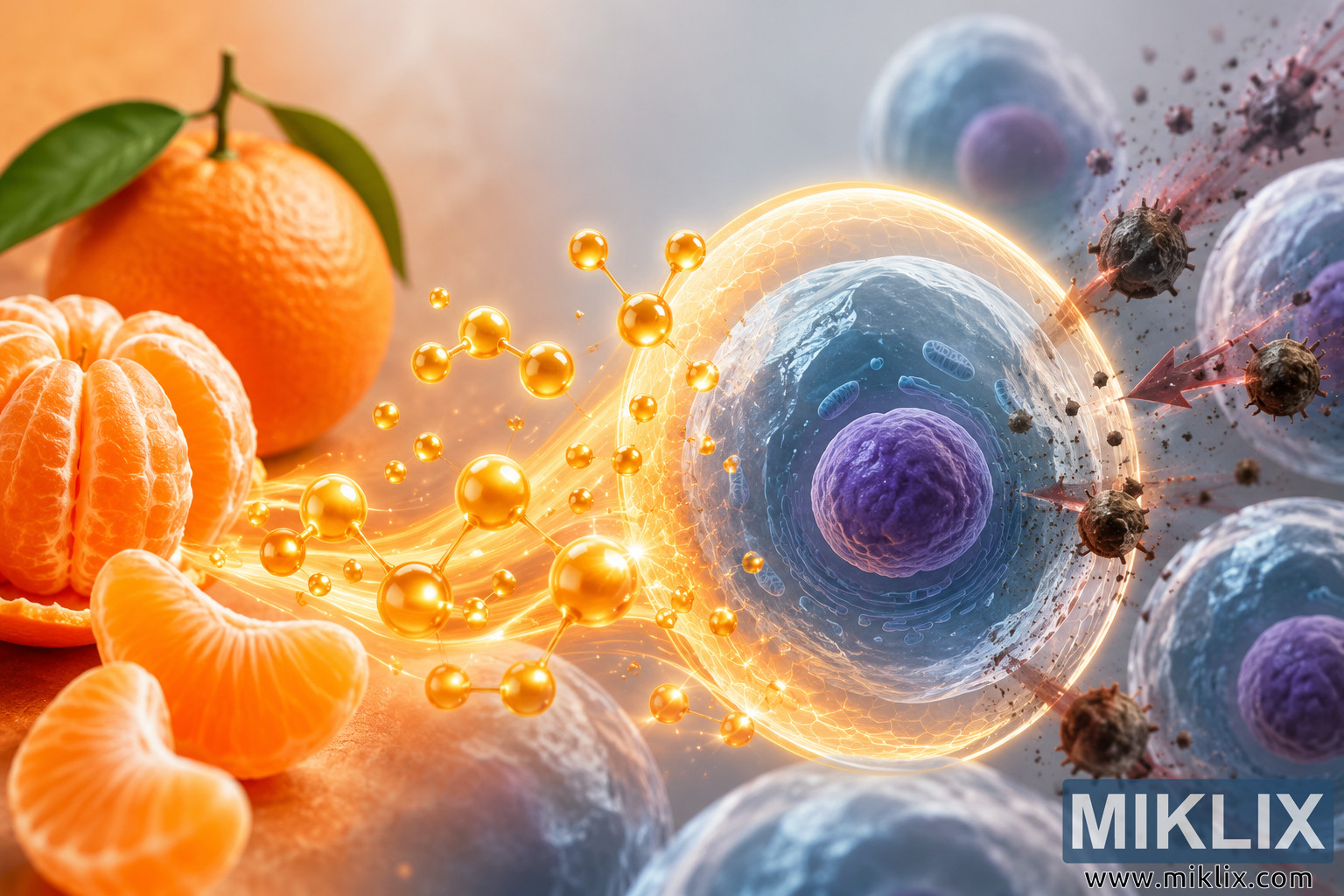
Concept art illustrating antioxidants from tangerines protecting living cells from oxidative stress. Fresh citrus fruit, glowing molecular structures, and a radiant cellular shield visually represent antioxidant defense against damaging free radicals.
Concept Art of Tangerine Antioxidants Protecting Cells from Oxidative Stress
此圖片的可用版本
以下可供下載的圖片檔案壓縮程度較低,解析度也較高 - 因此品質也較高 - 相較於本網站文章和網頁中內嵌的圖片,這些圖片的檔案大小經過優化,以減少頻寬消耗。
一般尺寸 (1,536 x 1,024)
大尺寸 (3,072 x 2,048)
非常大的尺寸 (4,608 x 3,072)
超大尺寸 (6,144 x 4,096)
超大尺寸 (1,048,576 x 699,051)
- 仍在上傳中... ;-)
圖片說明
This high-resolution conceptual biomedical illustration presents a visually engaging interpretation of how antioxidants naturally found in tangerines help protect living cells from oxidative stress. Rather than depicting a literal scientific process, the image uses artistic symbolism inspired by modern molecular biology, nutrition science, and medical visualization to communicate the protective role of antioxidant compounds. The composition is designed with a cinematic landscape format and combines warm organic colors with cool scientific tones to create a striking contrast between nutrition and cellular health.
The left side of the image is dominated by vibrant fresh tangerines displayed in exceptional detail. One whole tangerine remains intact with its textured peel and attached green leaves, while another has been peeled to reveal neatly arranged citrus segments. Additional individual segments rest prominently in the foreground, emphasizing freshness, juiciness, and natural abundance. Rich orange hues dominate this portion of the composition, illuminated by warm soft lighting that enhances the realistic texture of the fruit. The peel exhibits fine pores and subtle imperfections, while the fruit segments display translucent membranes and moist surfaces that suggest freshness and nutritional value. The warm lighting reinforces the association between natural foods and vitality.
Emerging from the citrus fruit is a stream of glowing golden molecular structures. These floating spheres connected by thin luminous bonds resemble stylized molecular models rather than specific chemical compounds. They symbolize antioxidants such as vitamin C and various plant-derived phytochemicals naturally present in tangerines. The molecules appear suspended in motion, flowing gracefully from the fruit toward the cellular environment. Delicate ribbons of glowing energy connect the fruit with these molecular structures, creating the impression that beneficial compounds are actively traveling from their natural source toward the cells that require protection. The bright golden color distinguishes these antioxidant representations from the cooler scientific environment surrounding the cells while visually communicating energy, health, and biological activity.
At the center-right of the composition sits the primary biological subject: a large, highly detailed living cell rendered with semi-transparent membranes and intricate internal structures. The viewer can observe a prominent purple nucleus surrounded by blue cytoplasm and smaller internal organelle-like forms that contribute to the scientific appearance of the illustration. The membrane appears smooth, translucent, and three-dimensional, giving the cell depth and realism while remaining stylized enough to function as educational concept art. Surrounding the cell is a radiant golden protective barrier that resembles a glowing energy shield or honeycomb-inspired membrane. This luminous shell serves as the central visual metaphor for antioxidant protection, illustrating the idea that beneficial compounds help defend cellular structures from oxidative damage.
Approaching the protected cell from the far right are numerous dark irregular particles representing reactive oxygen species or free radicals responsible for oxidative stress. These particles appear rough, fragmented, and chaotic, contrasting sharply with the smooth glowing antioxidant molecules. Several are accompanied by streaks or directional motion trails that imply movement toward the cell. As they reach the golden protective barrier, they appear to be halted, deflected, or unable to penetrate the shield. Small bursts of particles and glowing fragments near the point of contact reinforce the concept that antioxidant defenses neutralize damaging oxidative agents before they can harm important cellular structures. This visual metaphor effectively communicates cellular protection without depicting an exact biochemical mechanism.
The background expands the biological environment by including multiple softly focused cells rendered in cool shades of blue and violet. These secondary cells vary in size and depth of field, helping establish a broader tissue-like environment while maintaining focus on the central protected cell. Their subtle blur creates atmospheric depth and strengthens the cinematic quality of the illustration. The transition from warm orange tones on the left to cool blue scientific colors on the right visually connects nutrition with human biology, suggesting the journey from food consumption to cellular protection.
Lighting throughout the artwork plays a significant storytelling role. Warm illumination surrounding the tangerines conveys freshness, health, and natural origin, while cooler ambient lighting surrounding the cells communicates a clinical biomedical setting. The brightest illumination occurs around the golden antioxidant molecules and the protective cellular barrier, naturally drawing the viewer's attention to the image's central concept. Reflections on the cell membrane, glowing particle effects, volumetric light rays, and subtle lens bloom effects contribute to the premium scientific illustration aesthetic while maintaining clarity and readability.
The illustration intentionally avoids referencing any commercial products, logos, packaging, or identifiable brands. Instead, it presents a timeless educational concept suitable for use in nutrition articles, health education materials, wellness publications, scientific presentations, medical websites, dietary supplement discussions, editorial graphics, classroom resources, and preventive healthcare communications. The composition balances realism with artistic interpretation, making complex biological ideas immediately understandable for a broad audience without sacrificing visual sophistication. Overall, the image communicates the beneficial relationship between naturally occurring antioxidants found in tangerines and the body's ability to defend cells against oxidative stress, using rich symbolism, dynamic composition, and high-end biomedical visualization techniques to create an informative and visually compelling conceptual artwork.
圖像相關: Peel Back the Benefits: Why Tangerines Are So Good for You