
Isithombe: Progression of Bok Choy Sizes on Rustic Wood
Kushicilelwe:
Igcine ukubuyekezwa: Julayi 12, 2026 20:34:52 UTC
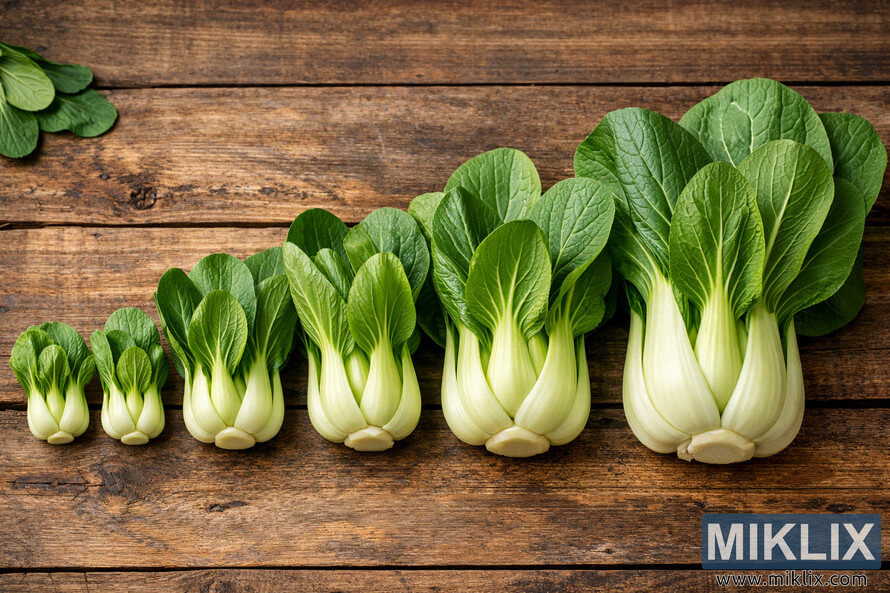
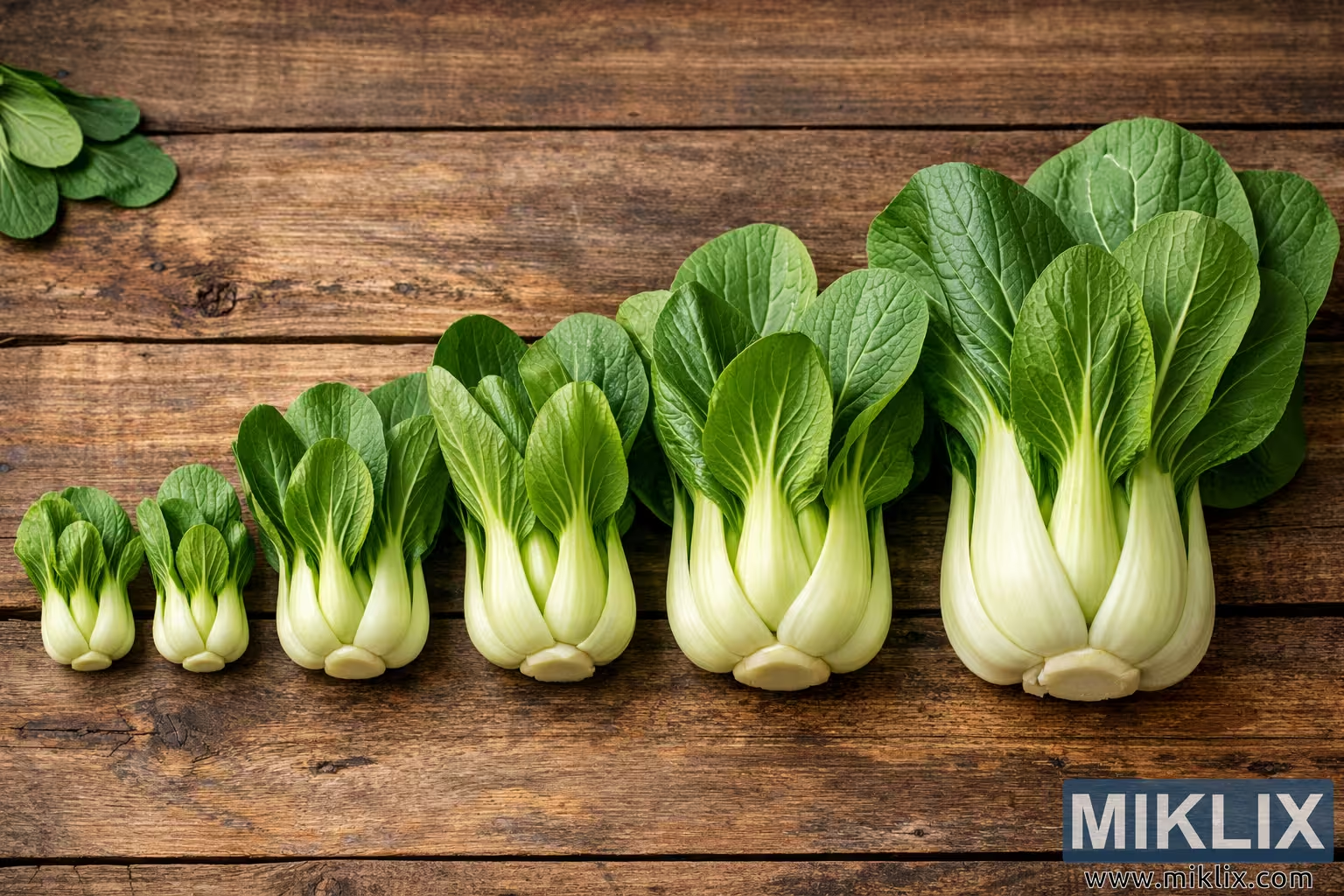
A detailed, high-resolution landscape photo of bok choy arranged by size from baby to mature on a rustic wooden surface, showcasing the natural progression of growth and texture.
Progression of Bok Choy Sizes on Rustic Wood
Izinguqulo ezitholakalayo zalesi sithombe
Amafayela ezithombe atholakalayo ukuze alandwe ngezansi awacindezelwe kakhulu futhi anesisombululo esiphezulu - futhi ngenxa yalokho, ikhwalithi ephezulu - kunezithombe ezifakwe ezihlokweni nasemakhasini akule webhusayithi, ezilungiselelwe kangcono usayizi wefayela ukuze kuncishiswe ukusetshenziswa komkhawulokudonsa.
Usayizi ojwayelekile (1,536 x 1,024)
Usayizi omkhulu (3,072 x 2,048)
Usayizi omkhulu kakhulu (4,608 x 3,072)
Usayizi omkhulu kakhulu (6,144 x 4,096)
Usayizi omkhulu ngokwe-comic (1,048,576 x 699,051)
- Isalayisha... ;-)
Incazelo yesithombe
This high-resolution landscape photograph captures a visually striking arrangement of bok choy showcasing various sizes of bok choy, from the smallest baby specimens to the largest mature heads. The composition is meticulously organized in a left-to-right progression, creating a natural gradient of growth and maturity. The bok choy are placed on a rustic wooden surface that adds warmth and organic texture to the scene, emphasizing the earthy qualities of the vegetables.
On the far left, three baby bok choy are positioned side by side. Their leaves are tender, smooth, and bright green, curling gently outward from compact, bulbous white stems. The stems are short and tightly clustered, giving the baby bok choy a delicate, almost ornamental appearance. The lighting highlights the translucence of the leaves, revealing subtle veins and gradients of color that transition from pale lime near the base to deeper green at the tips.
Moving toward the center, the bok choy gradually increase in size. The next group consists of three slightly larger specimens with broader leaves and more pronounced curvature. Their stems are plumper and elongated, showing the first signs of maturity. The leaves are darker and more robust, with a faint sheen that reflects the soft, natural light. The arrangement maintains a rhythmic balance, with each bok choy angled slightly differently to display its unique shape and structure.
In the middle section, two medium-sized bok choy stand prominently. Their leaves are expansive and fan outward with confidence, revealing intricate vein patterns and subtle variations in hue. The stems are thicker and longer, transitioning smoothly from white to pale green near the leaf junctions. The texture of the leaves becomes more defined here, with visible ridges and gentle undulations that catch the light. These medium-sized bok choy serve as a visual bridge between the youthful delicacy of the baby bok choy and the imposing presence of the mature ones.
On the far right, two large, mature bok choy dominate the composition. Their leaves are deep green, broad, and richly textured, with prominent veins that create a sense of strength and vitality. The stems are thick, sturdy, and elongated, displaying the full development of the vegetable. The mature bok choy exude a sense of completeness and abundance, their size and structure contrasting beautifully with the smaller specimens on the opposite end.
The wooden surface beneath the bok choy is rustic and weathered, with visible grain patterns, cracks, and darker streaks that add depth and authenticity to the image. The warm brown tones of the wood complement the cool greens and whites of the bok choy, creating a harmonious color palette that feels both natural and inviting. A few stray leaves are scattered in the upper left corner, adding a touch of spontaneity to the otherwise orderly arrangement.
The lighting is soft and even, likely diffused daylight, which enhances the natural colors without harsh shadows. The focus is sharp on the bok choy, while the background fades gently into a subtle blur, ensuring that the viewer’s attention remains on the vegetables themselves. The overall composition conveys a sense of growth, progression, and organic beauty.
This image celebrates the diversity and elegance of bok choy as a vegetable, highlighting its transformation from tender baby greens to robust, mature plants. It evokes themes of nature’s cycles, culinary freshness, and the quiet artistry found in everyday produce. The photograph’s clarity, texture, and arrangement make it not only a study in botanical form but also a visual metaphor for development and vitality.
Isithombe sihlobene: Bok Choy Health Benefits: Transform Your Diet with This Nutritional Powerhouse