
Isithombe: Dietary Fiber and Colon Health – A Visual Guide to Prevention
Kushicilelwe:
Igcine ukubuyekezwa: Julayi 21, 2026 20:41:06 UTC
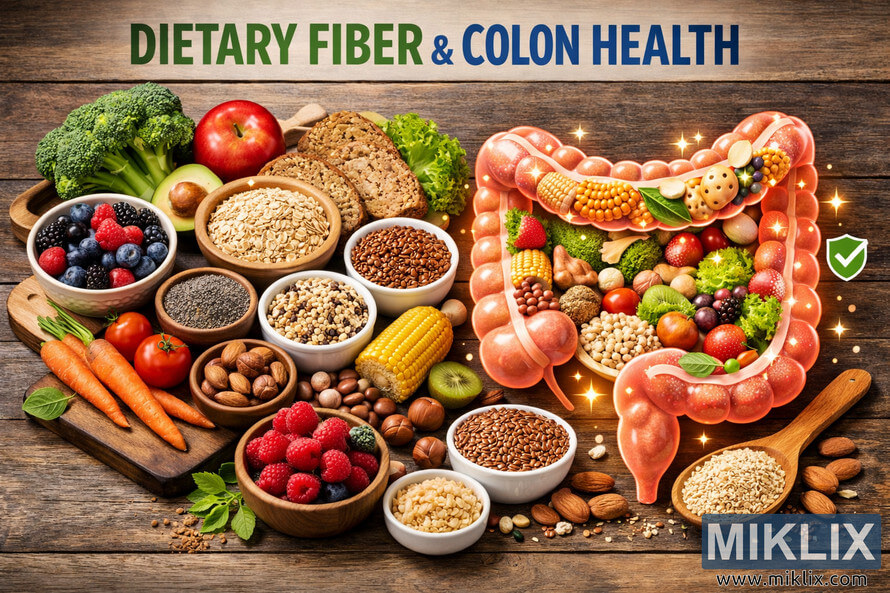
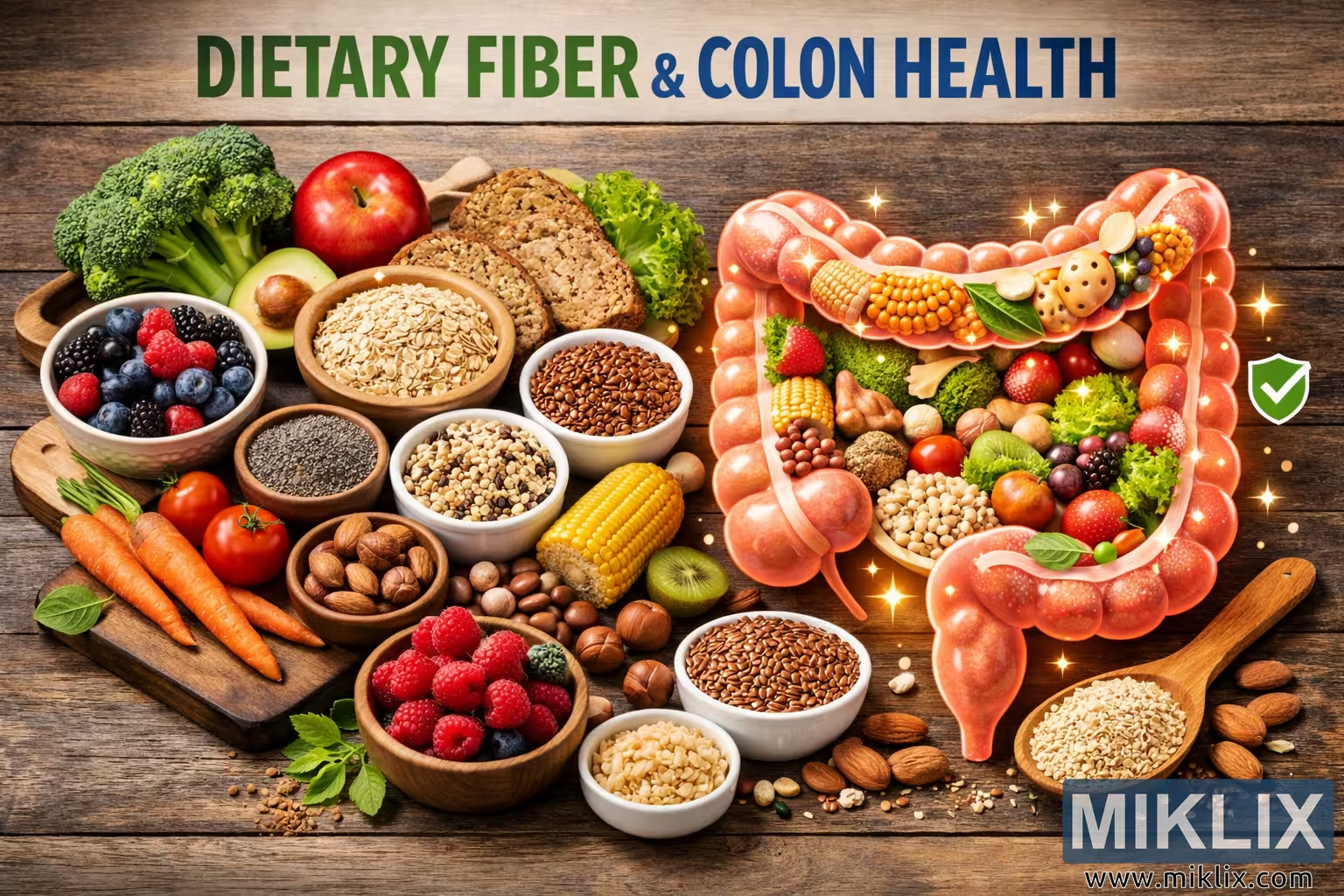
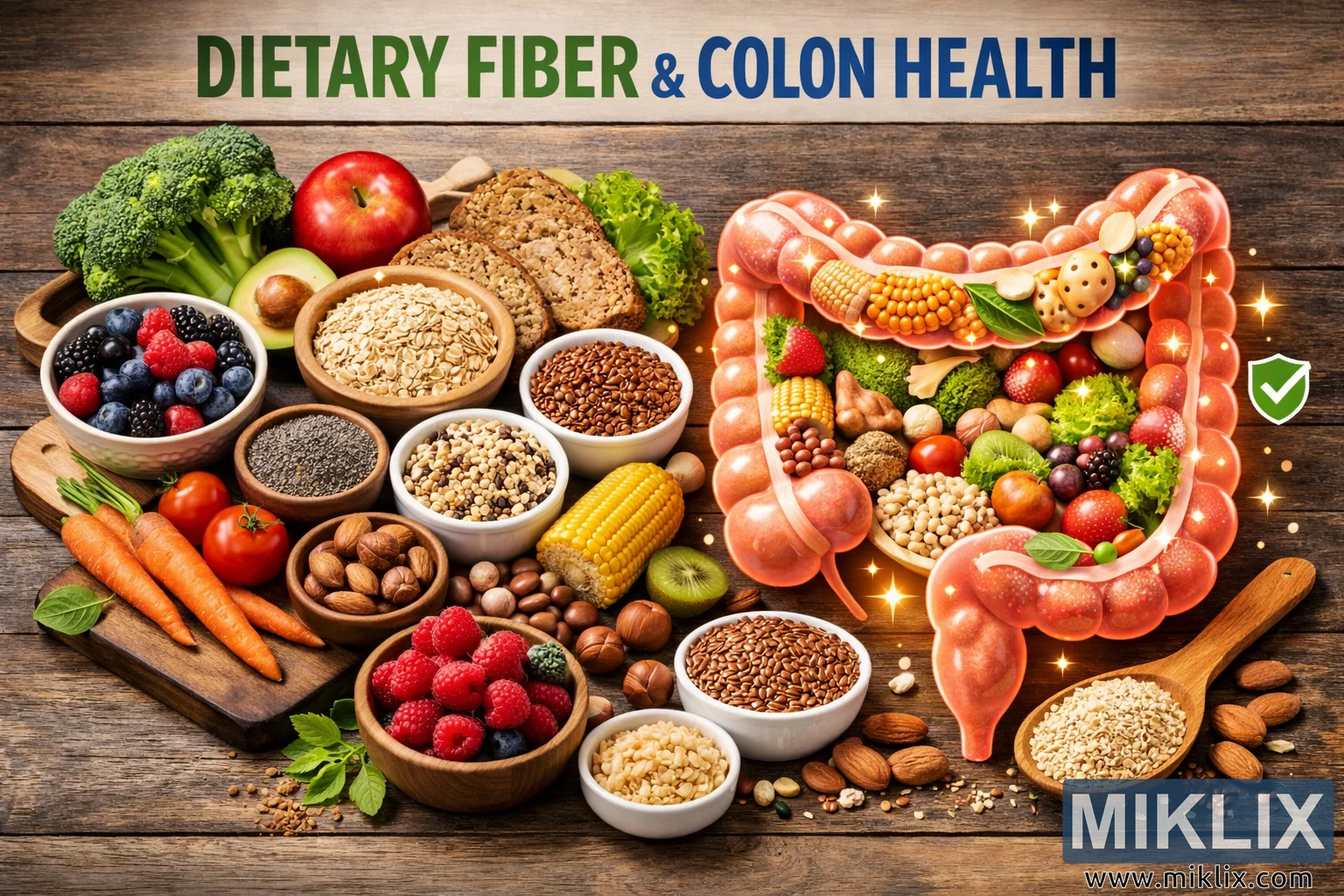
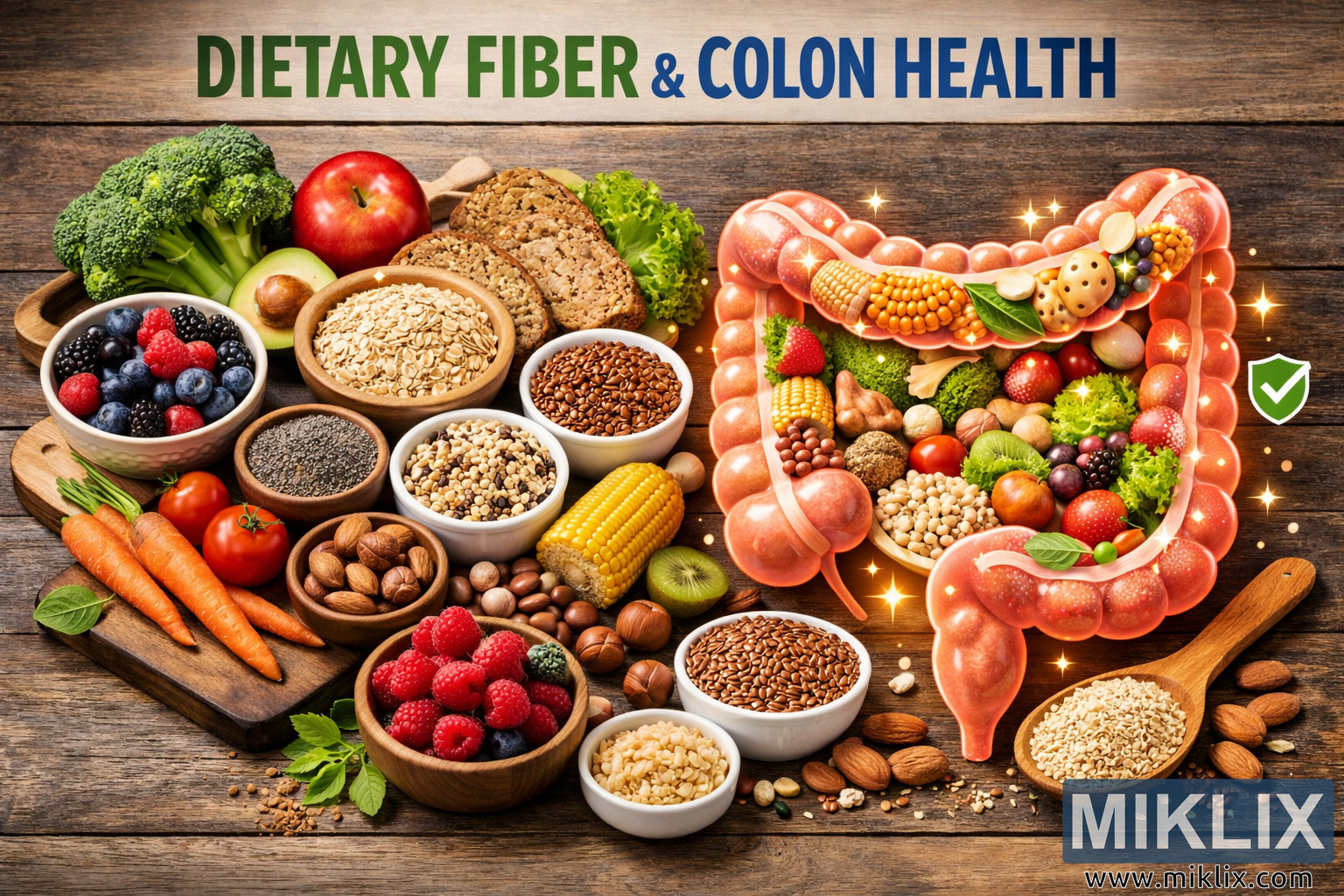
High-resolution landscape image illustrating colon cancer prevention through dietary fiber. The scene combines realistic food photography—broccoli, berries, avocado, tomatoes, carrots, whole grains, nuts, seeds, legumes, and more—with a glowing, stylized colon filled with fiber-rich foods. Health icons and bold text "DIETARY FIBER & COLON HEALTH" emphasize the connection between a fiber-rich diet and colon health, making the concept of prevention visually clear and engaging.
Dietary Fiber and Colon Health – A Visual Guide to Prevention
Izinguqulo ezitholakalayo zalesi sithombe
Amafayela ezithombe atholakalayo ukuze alandwe ngezansi awacindezelwe kakhulu futhi anesisombululo esiphezulu - futhi ngenxa yalokho, ikhwalithi ephezulu - kunezithombe ezifakwe ezihlokweni nasemakhasini akule webhusayithi, ezilungiselelwe kangcono usayizi wefayela ukuze kuncishiswe ukusetshenziswa komkhawulokudonsa.
Usayizi ojwayelekile (1,536 x 1,024)
Usayizi omkhulu (3,072 x 2,048)
Usayizi omkhulu kakhulu (4,608 x 3,072)
Usayizi omkhulu kakhulu (6,144 x 4,096)
Usayizi omkhulu ngokwe-comic (1,048,576 x 699,051)
- Isalayisha... ;-)
Incazelo yesithombe
This high-resolution landscape photograph presents a rich, inviting scene that visually explains the concept of colon cancer prevention through dietary fiber. The composition is carefully divided into two main areas: on the left, a rustic still life of fiber-rich foods laid out on a wooden surface; on the right, a glowing, stylized illustration of a healthy human colon filled with colorful, wholesome ingredients. Together, these elements create a clear narrative—what we eat directly supports the health of our colon.
On the left side of the image, a weathered wooden table serves as the backdrop, adding warmth and a natural, earthy tone. Resting on this surface is a wooden board and several bowls and dishes, each filled with different high-fiber foods. A bowl of bright green broccoli florets sits near the top, their tree-like shapes and textured surfaces catching the light. Next to the broccoli, a small bowl overflows with mixed berries—blueberries, raspberries, and blackberries—each berry glistening slightly, suggesting freshness and juiciness. The deep blues and reds of the berries contrast beautifully with the greens of the vegetables.
A halved avocado is placed prominently, its creamy green flesh and large brown seed clearly visible. The avocado’s smooth interior and rough, dark skin add visual interest and texture. Nearby, cherry tomatoes are scattered, their glossy red skins reflecting the light. Carrot sticks or whole carrots lie close by, their vivid orange color reinforcing the sense of natural, plant-based nutrition. An apple, with its smooth skin, and a sliced kiwi, revealing its bright green interior and tiny black seeds, further emphasize the diversity of fruits included in this fiber-rich spread.
In addition to fresh produce, the image showcases whole grains and seeds. A wooden bowl is filled with rolled oats, their pale, flattened shapes forming a soft, textured mound. A small bowl of chia seeds sits nearby, the tiny dark seeds creating a speckled pattern. Another bowl contains cooked quinoa, its small, round grains slightly puffed and separated, hinting at a light, fluffy texture. Whole grain bread is stacked or arranged in a small pile, the crusty exterior and visible grains reinforcing the theme of wholesome, minimally processed foods.
Scattered among these items are almonds, beans, lentils, and flaxseeds. The almonds add a nutty, crunchy element, while the beans and lentils—possibly in various colors such as brown, green, or red—highlight the importance of legumes as a source of fiber. Flaxseeds, with their glossy brown surfaces, are shown either in a small bowl or sprinkled on the table, suggesting they can be easily added to meals. The overall arrangement feels abundant but intentional, as if inviting the viewer to imagine building meals from these ingredients.
On the right side of the image, the focus shifts to a stylized illustration of a human colon. The colon is depicted in a healthy pink color, with a gentle glow that suggests vitality and well-being. Instead of being empty, the interior of the colon is filled with an assortment of fiber-rich foods—whole grains, beans, nuts, corn, berries, lettuce, and other vegetables. These foods appear integrated into the colon’s shape, visually reinforcing the idea that what we consume travels through and nourishes this part of the body.
The glowing effect around the colon gives it a slightly radiant aura, symbolizing protection and resilience. Surrounding the colon are small icons that further communicate health and prevention. A green checkmark appears near the colon, signaling approval or a positive outcome. A shield icon with a checkmark inside suggests protection, hinting at the role of dietary fiber in defending against disease, including colon cancer. There is also a happy, smiling colon character surrounded by sparkling light, which adds a friendly, approachable touch to the otherwise medical concept. These icons make the message more accessible and encouraging, suggesting that maintaining colon health is achievable and rewarding.
In front of the colon illustration, in the lower right corner, additional foods are displayed to connect the abstract illustration with real ingredients. A wooden spoon is filled with oat bran, its fine, flaky texture visible. Nearby, a small bowl holds flaxseeds, and another bowl contains chickpeas, their round, beige shapes clearly defined. These items emphasize that specific fiber sources—such as oat bran, flaxseeds, and legumes—can be incorporated into everyday meals to support colon health.
Toward the lower center of the image, a wooden bowl brimming with fresh raspberries adds a pop of bright red color. Next to it, a small white dish holds cooked brown rice, the individual grains slightly separated and glistening. These foods bridge the visual gap between the left side’s still life and the right side’s colon illustration, reinforcing the idea that the same ingredients seen on the table are the ones that ultimately benefit the colon.
Scattered throughout the scene are additional items like corn on the cob, hazelnuts, and a burlap sack spilling legumes. The corn’s yellow kernels, the hazelnuts’ smooth brown shells, and the rustic texture of the burlap sack all contribute to the sense of abundance and variety. The spilled legumes suggest that fiber-rich foods are plentiful and accessible, not rare or difficult to obtain.
At the top of the image, bold text ties the visual elements together. The phrase "DIETARY FIBER & COLON HEALTH" is displayed in large, capitalized letters. "DIETARY FIBER" is colored in green, echoing the natural hues of vegetables and plants, while "& COLON HEALTH" is colored in blue, a shade often associated with trust, stability, and medical themes. This color combination reinforces the idea that plant-based foods and scientific understanding work together to promote health.
The lighting throughout the image is even and bright, highlighting the textures and colors of the foods and the colon illustration. Every element—from the rough grain of the wooden table to the smooth surfaces of fruits and the soft glow of the colon—is clearly visible. The depth of field is moderate, ensuring that all key components remain sharp and in focus. The overall color palette is vibrant yet natural, dominated by greens, reds, yellows, browns, and soft pinks, which together create a sense of freshness and vitality.
Conceptually, the image communicates that a diet rich in fiber from fruits, vegetables, whole grains, nuts, seeds, and legumes can support colon health and help prevent conditions such as colon cancer. By visually connecting everyday foods with the internal structure of the colon, the photograph makes the abstract idea of prevention more concrete. The glowing colon, health icons, and smiling character add a hopeful tone, suggesting that proactive dietary choices can lead to a healthier future.
Overall, this image serves as both an educational and motivational visual. It invites viewers to consider how their daily food choices impact their colon and encourages them to include more fiber-rich ingredients in their meals. The combination of realistic food photography and illustrative medical imagery creates a compelling, easy-to-understand representation of colon cancer prevention through dietary fiber.
Isithombe sihlobene: Collard Greens: The Leafy Green Your Diet Is Missing