
Isithombe: Fresh Shallots and Herbs on a Wooden Cutting Board
Kushicilelwe:
Igcine ukubuyekezwa: Agasti 5, 2026 22:49:37 UTC
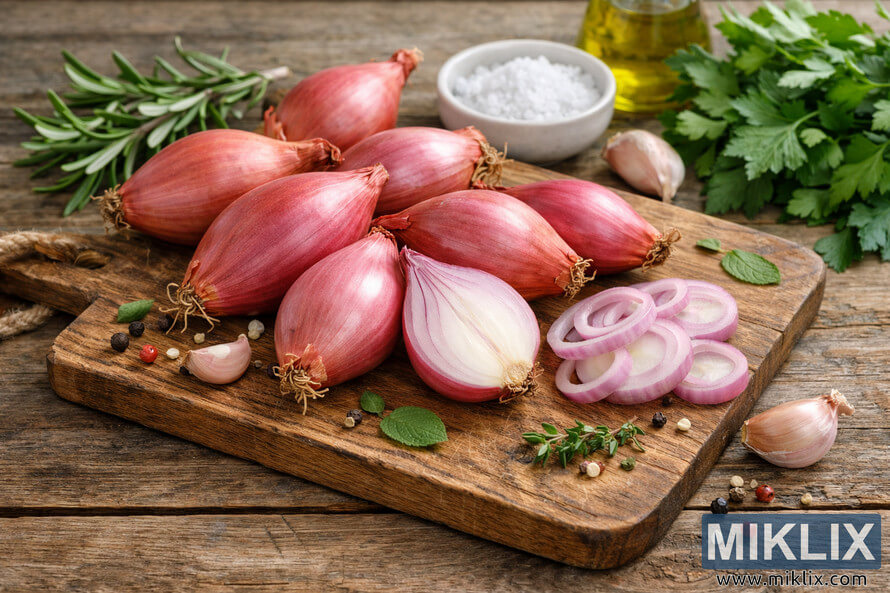
A detailed depiction of fresh shallots on a wooden cutting board surrounded by herbs and spices, symbolizing natural health benefits and culinary freshness.
Fresh Shallots and Herbs on a Wooden Cutting Board
Izinguqulo ezitholakalayo zalesi sithombe
Amafayela ezithombe atholakalayo ukuze alandwe ngezansi awacindezelwe kakhulu futhi anesisombululo esiphezulu - futhi ngenxa yalokho, ikhwalithi ephezulu - kunezithombe ezifakwe ezihlokweni nasemakhasini akule webhusayithi, ezilungiselelwe kangcono usayizi wefayela ukuze kuncishiswe ukusetshenziswa komkhawulokudonsa.
Usayizi ojwayelekile (1,536 x 1,024)
Usayizi omkhulu (3,072 x 2,048)
Usayizi omkhulu kakhulu (4,608 x 3,072)
Usayizi omkhulu kakhulu (6,144 x 4,096)
Usayizi omkhulu ngokwe-comic (1,048,576 x 699,051)
- Isalayisha... ;-)
Incazelo yesithombe
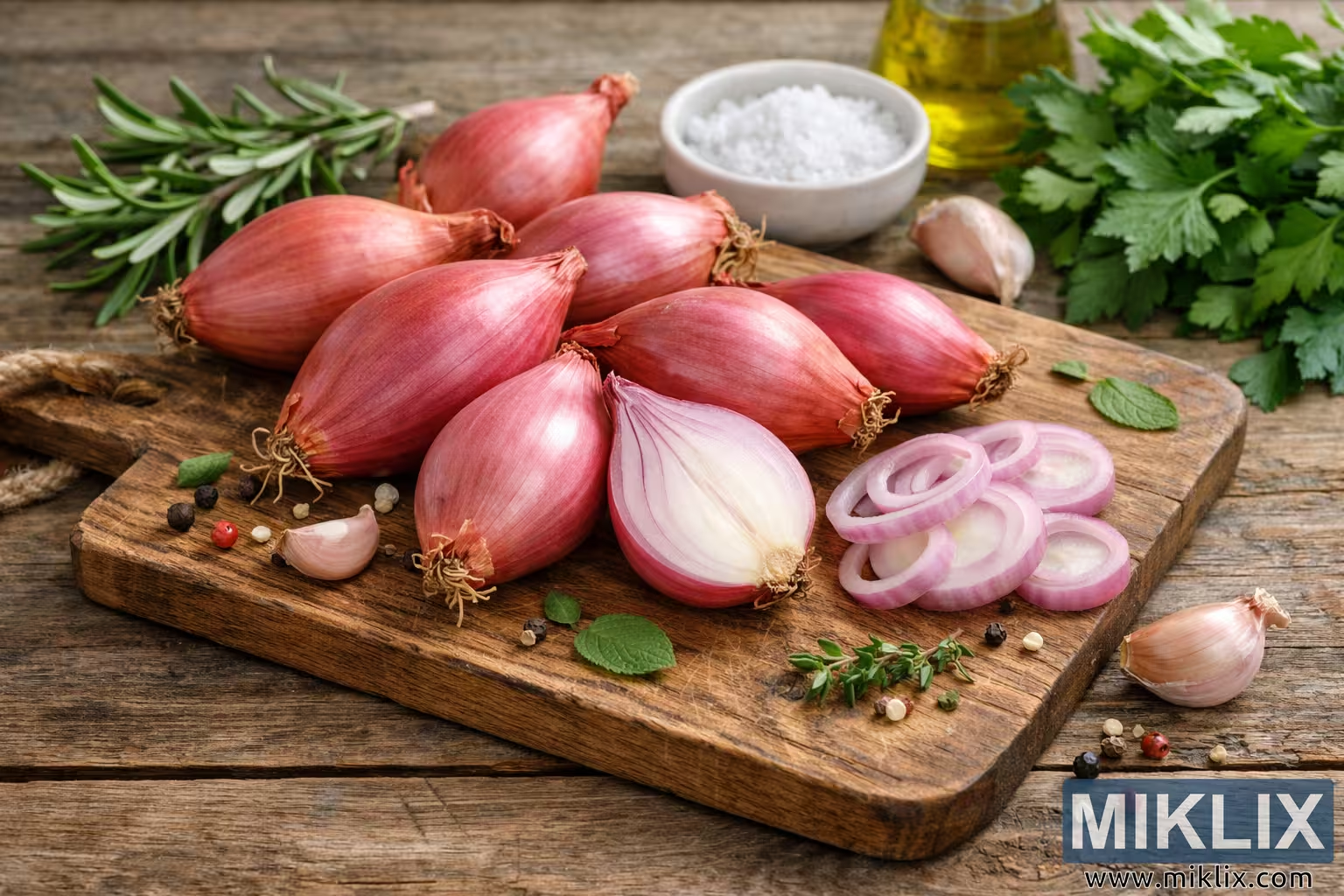
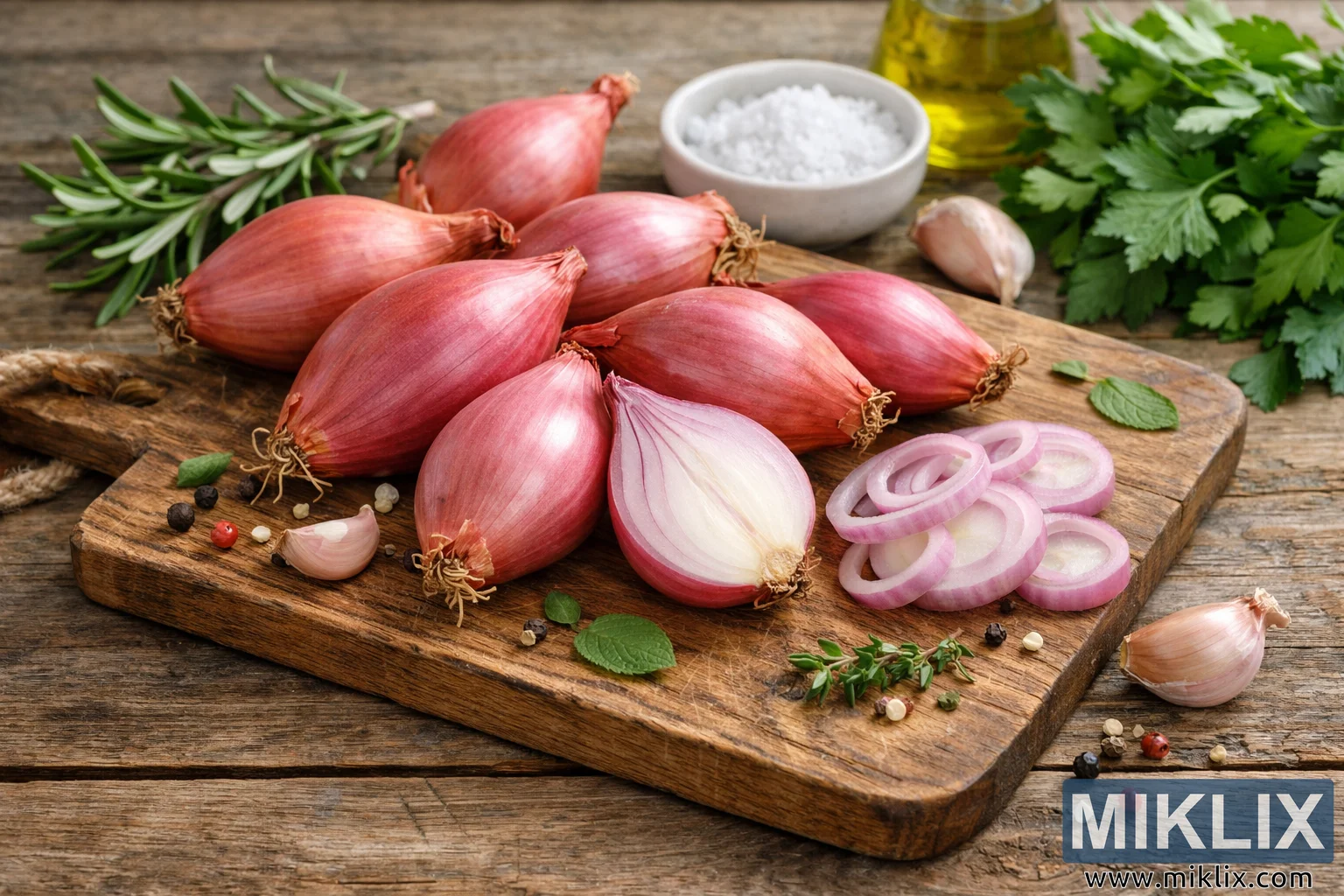
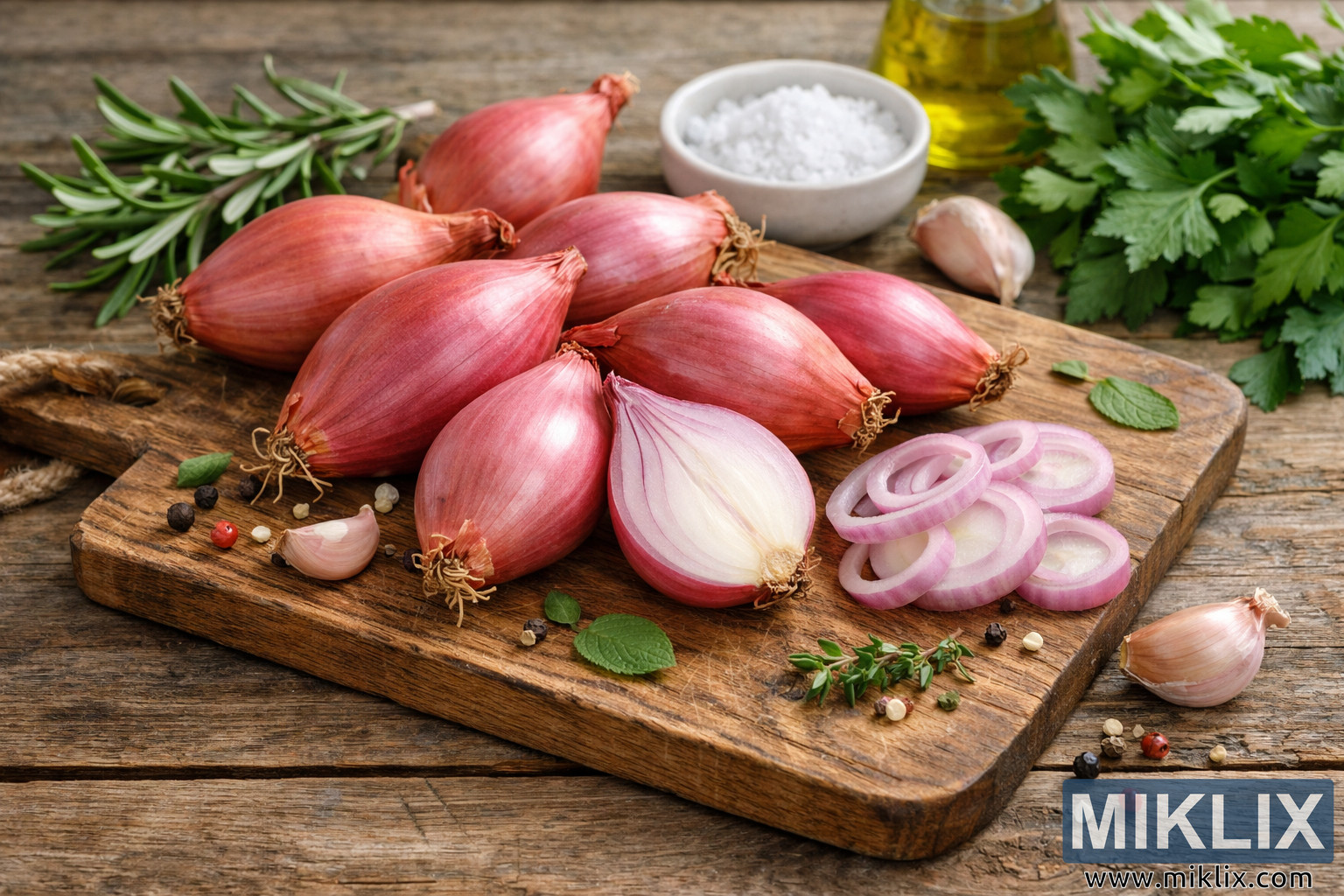
The image presents a beautifully composed still life of fresh shallots arranged on a rustic wooden cutting board, evoking a sense of wholesome culinary preparation and natural health. The shallots, with their reddish-purple papery skins, are the central focus of the composition. They rest gracefully on the board, some clustered together with their roots intact, others scattered loosely to create a natural rhythm. One shallot is sliced in half, revealing its delicate interior layers that transition from white to pale violet, while several thin rings of shallot are placed nearby, their translucency catching the soft light and adding a sense of freshness and vitality.
The cutting board itself is made of aged wood, its surface marked by subtle knife grooves and a visible grain pattern that speaks of long use and craftsmanship. A rope loop attached to the handle on the left side adds a rustic touch, suggesting that the board could be hung in a farmhouse kitchen. The board rests on an old wooden table whose texture and cracks complement the organic theme of the scene.
Surrounding the shallots are an assortment of herbs and seasonings that enhance the visual and symbolic richness of the image. To the left, sprigs of fresh rosemary with dark green, needle-like leaves lie casually across the board, their aromatic presence implied by their vivid color and texture. In the top right corner, a small white ceramic bowl filled with coarse sea salt adds a contrasting brightness. Behind the bowl, a glass bottle of olive oil glows with a golden hue, its smooth surface reflecting the ambient light. To the far right, a bunch of fresh parsley with vibrant green leaves spills gently into the frame, providing a lush backdrop that reinforces the theme of natural health and vitality.
Scattered around the cutting board are peppercorns in shades of black, white, and pink, adding specks of color and texture that balance the composition. A few garlic cloves, one partially peeled to reveal its creamy interior, rest nearby, their curved forms echoing the shape of the shallots. Tiny leaves of thyme are sprinkled across the lower right corner, completing the herbal ensemble. Each element is carefully placed yet appears effortlessly natural, as though the scene were captured in the midst of cooking preparation.
The lighting is soft and diffused, likely from a window source, creating gentle shadows and highlights that emphasize the textures of the shallots, herbs, and wood. The overall color palette is warm and earthy, dominated by browns, greens, and purples, with subtle accents of white and gold. This harmony of tones evokes a sense of comfort and nourishment, aligning perfectly with the theme of health benefits associated with shallots.
Symbolically, the image conveys more than just culinary beauty—it represents the intersection of food and wellness. Shallots are known for their antioxidant properties and their ability to support heart health, and the inclusion of herbs like rosemary, parsley, and thyme reinforces this message of natural healing and vitality. The composition invites the viewer to appreciate not only the aesthetic appeal of fresh ingredients but also their role in promoting a balanced, wholesome lifestyle.
The photograph’s meticulous attention to detail—the sheen of the olive oil, the crystalline texture of the sea salt, the fibrous strands of the shallot roots—creates a tactile realism that draws the viewer in. It feels as though one could reach out and pick up a shallot, inhale the aroma of the herbs, and begin cooking immediately. The interplay of light, texture, and color transforms a simple kitchen scene into a celebration of nature’s bounty and the art of mindful living.
Overall, this image captures the essence of rustic elegance and healthful simplicity. It is both a visual feast and a gentle reminder of the beauty found in everyday ingredients. The shallots, herbs, and wooden surfaces together form a harmonious tableau that speaks to the timeless connection between food, nature, and well-being.
Isithombe sihlobene: Shallots: The Small Vegetable with Big Nutritional Benefits