
Isithombe: Cross-Section of a Turnip: White Flesh and Purple Skin Detail
Kushicilelwe:
Igcine ukubuyekezwa: Septhemba 14, 2026 14:49:42 UTC
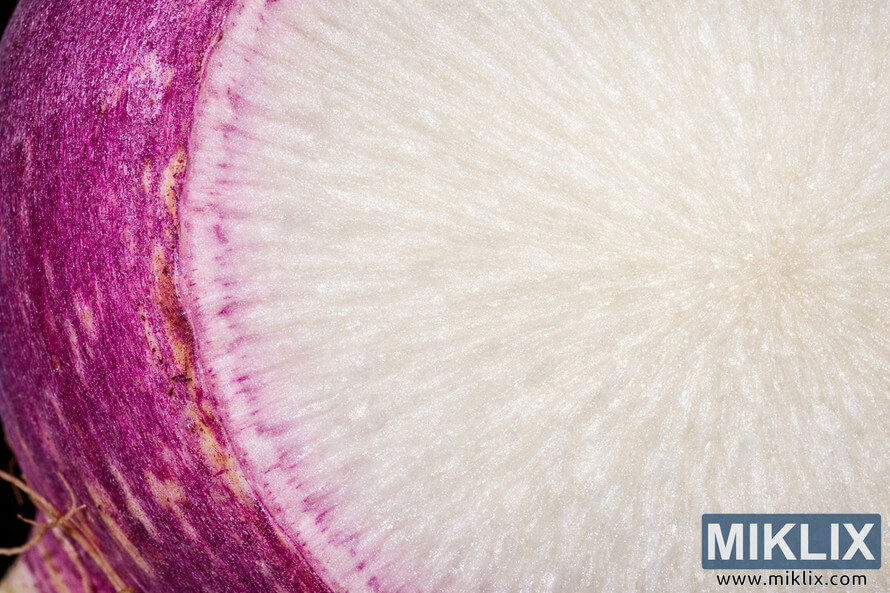
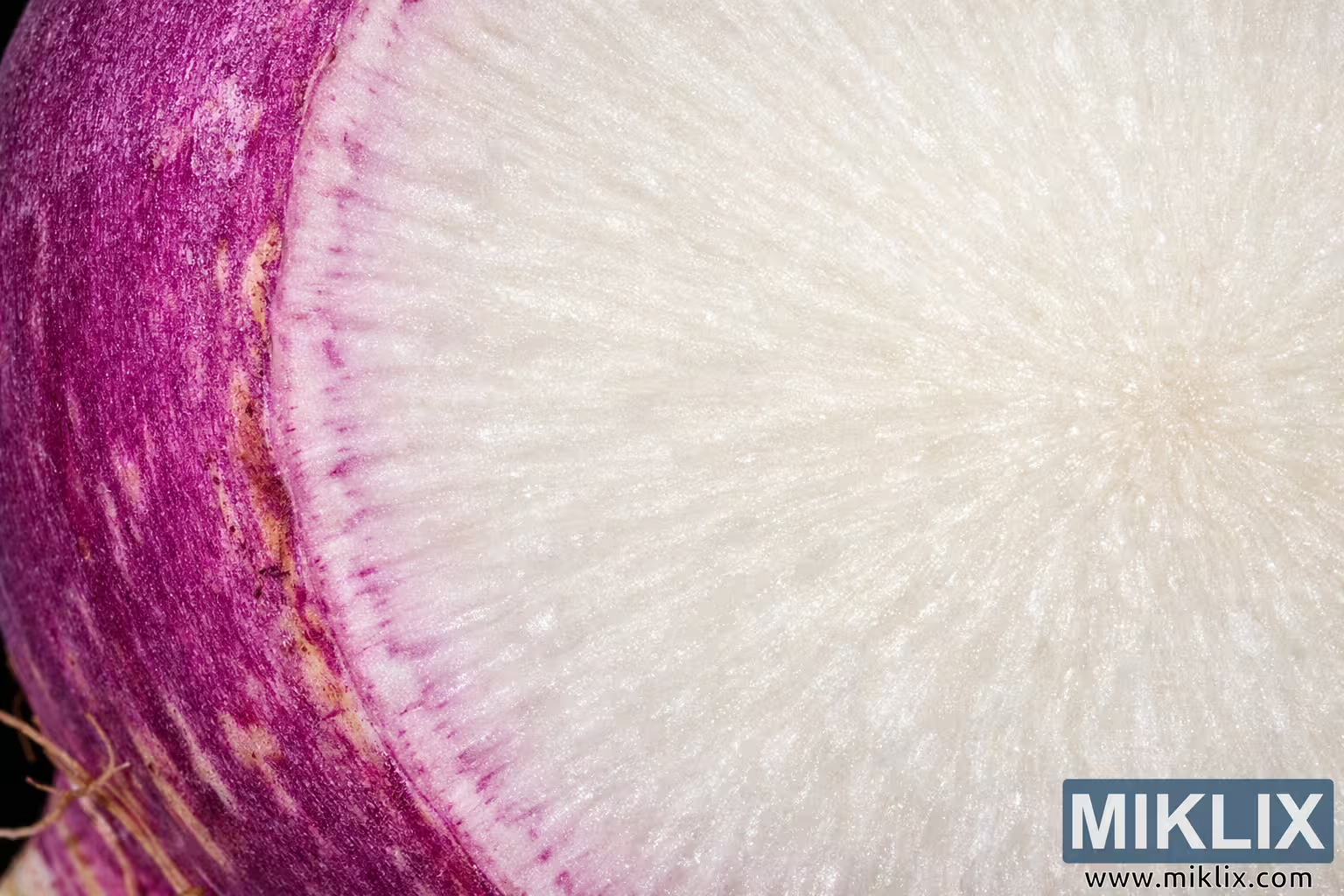
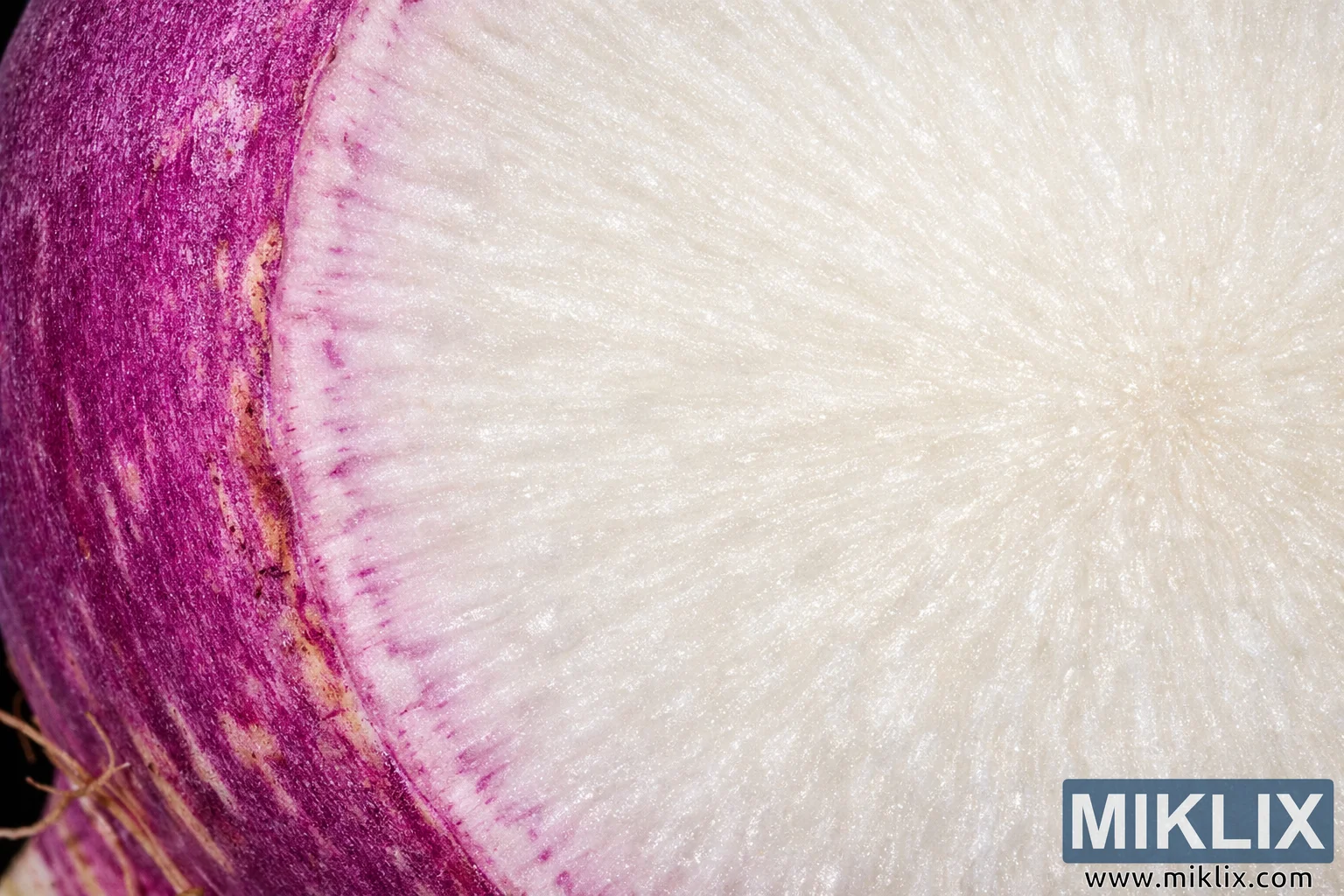
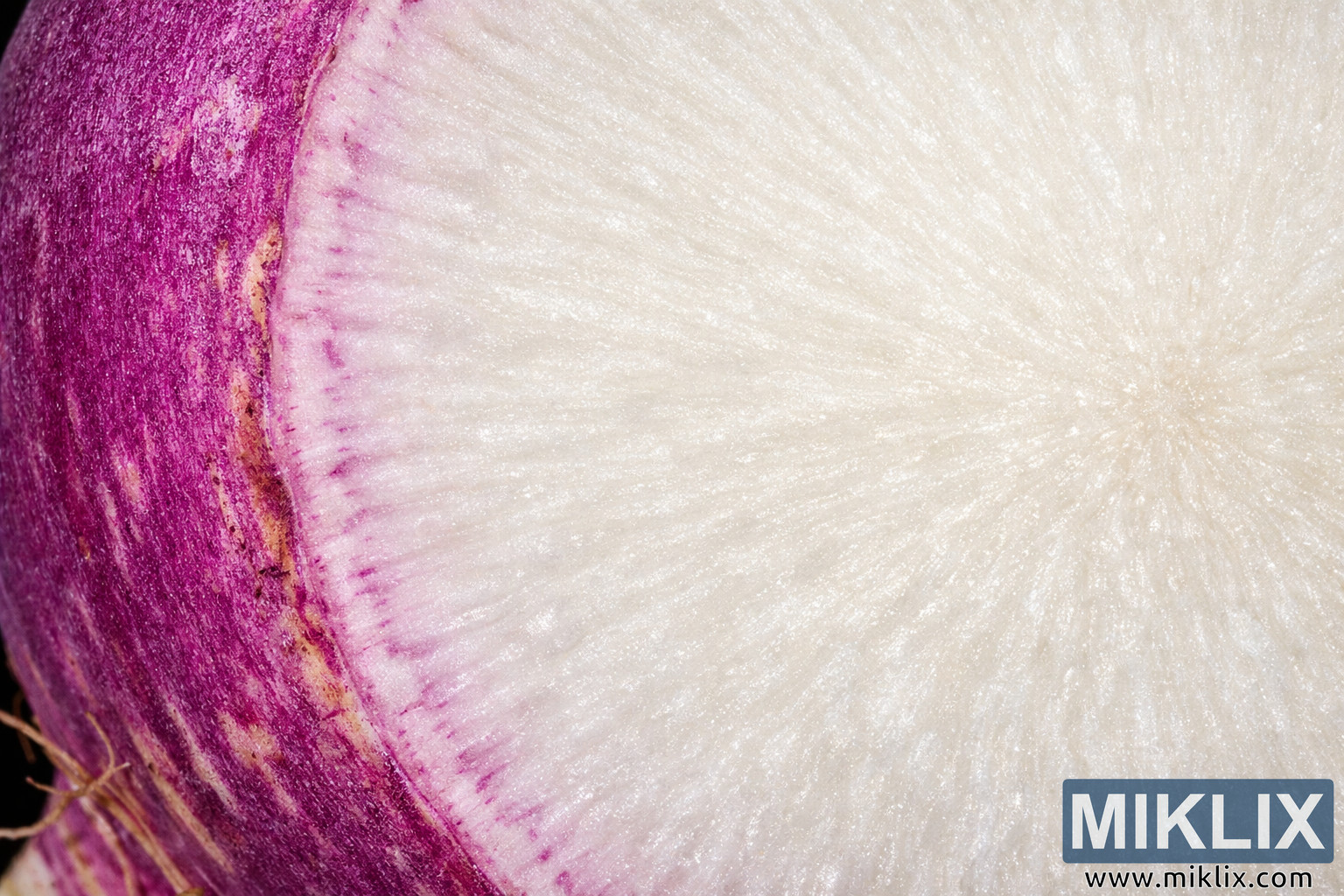
A detailed macro image of a turnip cross-section revealing the contrast between its smooth white flesh and vibrant purple skin. The photograph captures the intricate textures and natural gradients of color, emphasizing the organic beauty of this root vegetable.
Cross-Section of a Turnip: White Flesh and Purple Skin Detail
Izinguqulo ezitholakalayo zalesi sithombe
Amafayela ezithombe atholakalayo ukuze alandwe ngezansi awacindezelwe kakhulu futhi anesisombululo esiphezulu - futhi ngenxa yalokho, ikhwalithi ephezulu - kunezithombe ezifakwe ezihlokweni nasemakhasini akule webhusayithi, ezilungiselelwe kangcono usayizi wefayela ukuze kuncishiswe ukusetshenziswa komkhawulokudonsa.
Usayizi ojwayelekile (1,536 x 1,024)
Usayizi omkhulu (3,072 x 2,048)
Usayizi omkhulu kakhulu (4,608 x 3,072)
Usayizi omkhulu kakhulu (6,144 x 4,096)
Usayizi omkhulu ngokwe-comic (1,048,576 x 699,051)
- Isalayisha... ;-)
Incazelo yesithombe
This image presents an extraordinarily detailed macro view of a turnip cross-section, focusing on the striking contrast between its white inner flesh and the vivid purple skin that encircles it. The composition is horizontal, allowing the viewer’s eye to travel from the deep purple outer layer on the left toward the crisp, pale interior on the right. The lighting is soft yet precise, illuminating the subtle textures and moist sheen of the flesh while preserving the matte roughness of the skin.
The purple skin dominates the left side of the frame, appearing as a thick band with a gradient that transitions from a saturated violet at the outermost edge to a lighter magenta hue closer to the flesh. The surface of the skin is slightly uneven, with faint striations and tiny imperfections that give it a natural, tactile quality. Near the bottom edge, a few fine root fibers protrude, adding a sense of realism and reminding the viewer of the vegetable’s earthy origin. The skin’s outermost layer carries a thin, brownish tint, suggesting exposure to soil and air before harvest.
Moving inward, the boundary between the purple skin and the white flesh is irregular and organic, with a delicate pinkish intermediary zone where the two colors blend. This transitional layer is narrow but visually rich, containing specks of magenta and faint veins that seem to dissolve into the creamy white interior. The white flesh itself occupies most of the right side of the image, characterized by a dense, smooth texture that glistens under the light. Its surface reveals a network of fine, radial fibers converging toward the center, creating a subtle pattern reminiscent of tree rings or crystalline structures.
The lighting setup enhances the natural translucence of the turnip’s flesh, making it appear almost luminous. Tiny droplets of moisture catch the light, giving the impression of freshness and vitality. The interplay between matte and glossy surfaces—the rough skin and the moist flesh—creates a dynamic visual tension that draws the viewer’s attention to the boundary where the two meet.
The photograph’s depth of field is shallow but expertly controlled, ensuring that the entire border between the purple skin and white flesh remains sharply defined while the outer edges gently blur into softness. This selective focus emphasizes the tactile qualities of the vegetable, inviting the viewer to imagine the crispness of the flesh and the firmness of the skin. The color palette is dominated by natural tones: purples, pinks, whites, and subtle browns, all harmonizing to evoke a sense of organic purity.
Beyond its aesthetic appeal, the image serves as a scientific and artistic study of botanical structure. It captures the cellular density of the turnip’s flesh and the pigment concentration in its skin, offering insight into how nature combines function and beauty. The radial fibers visible in the white section hint at the plant’s growth patterns, while the layered pigmentation of the skin reveals its protective adaptation.
The overall impression is one of balance and contrast—between color and texture, softness and firmness, interior and exterior. The turnip’s humble form is elevated to a subject of visual fascination, its ordinary anatomy transformed into an intricate landscape of hues and surfaces. The photograph celebrates the quiet elegance of natural design, reminding viewers that even the simplest vegetables possess extraordinary complexity when observed closely.
In this composition, every detail—from the faint striations in the purple skin to the glistening fibers of the white flesh—contributes to a sense of harmony and precision. The image invites contemplation, encouraging appreciation for the subtle artistry inherent in everyday organic forms. It is both a scientific observation and a work of visual poetry, capturing the essence of the turnip with clarity, depth, and reverence for nature’s craftsmanship.
Isithombe sihlobene: Turnip: The Root Vegetable That Supports Better Health