
Hops in Beer Brewing: Pacifica
Published: March 18, 2026 at 8:41:34 PM UTC
Pacifica, a New Zealand-bred hop variety, is highly valued by craft brewers for its clear, versatile aroma. It was bred from Hallertau Mittelfrüh and released by HortResearch in 1994.
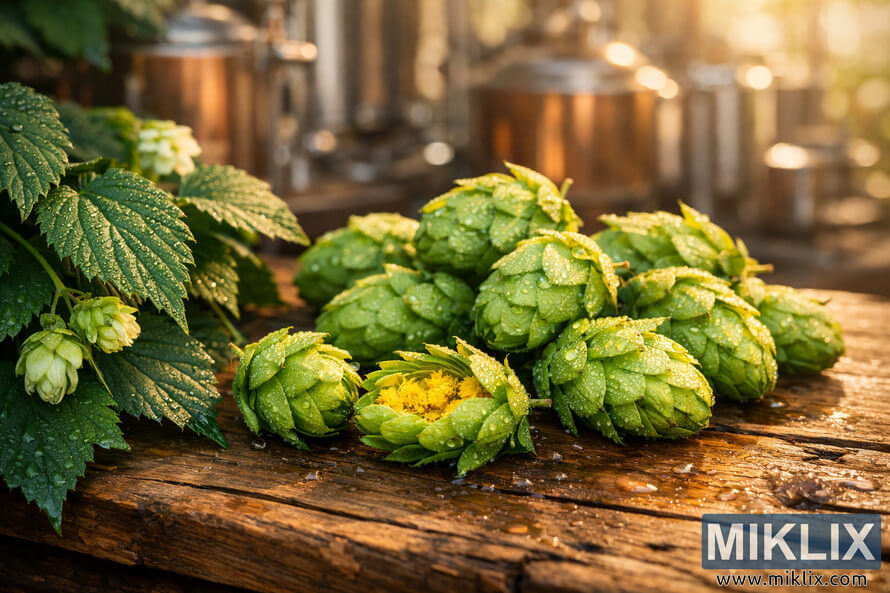
Click or tap the image for more information and higher resolutions.
Pacifica New Zealand boasts a floral core with bright orange and herbal notes, making it suitable for various beer styles. It is commonly used in wheat beers, Kölsch, and blond ales, complementing Motueka and Wai-iti in modern Kiwi-inspired recipes.
For brewers interested in Pacifica brewing, understanding its lab values is crucial. Pacifica alpha acids are modest, highlighting its role as an aroma hop rather than a bittering hop. This balance makes Pacifica hops ideal for late-boil additions and dry hopping, where the citrus and floral oils can be preserved.
This article will delve into Pacifica’s identity, lab values, sensory profile, brewing uses, pairings, substitutions, and storage guidance. It aims to assist U.S. craft brewers and homebrewers in incorporating fresh, expressive hops into their brews.
Key Takeaways
- Pacifica hops originate from New Zealand and descend from Hallertau Mittelfrüh.
- Pacifica is classified mainly as an aroma hop with floral, orange, and herbal traits.
- Pacifica alpha acids are low to moderate, favoring aroma over bitterness.
- Common uses include wheat beers, Kölsch, blond ales, and dry-hop additions.
- Pairs well with Motueka and Wai-iti for Kiwi-style pilsners and pale ales.
Overview of Pacifica Hops
Pacifica, a New Zealand-bred hop, has a distinct Pacifica origin. It was released by HortResearch Pacifica in 1994, under code PCA and cultivar ID 77-01. This hop traces its lineage to the noble Hallertau Mittelfrüh but boasts a bold, fruit-forward character.
Brewers love Pacifica for its vibrant citrus and soft floral notes. It's often described as an orange marmalade hop, blending sweet citrus zest with classic Hallertau warmth. The flavor profile includes floral, herbal, honey, and new-mown hay notes, adding depth.
Pacifica is primarily used for its aromatic qualities, making it a versatile dual-purpose hop. It excels in late-boil additions and dry-hop applications. Its high oil content ensures delicate aromas in lighter styles like Kölsch, blond ales, and wheat beers.
Its adaptability has made Pacifica popular in New Zealand and beyond. Craft brewers and larger breweries appreciate its ability to enhance citrus and floral notes without dominating malt and yeast flavors. When used thoughtfully, Pacifica adds a bright, tangy zest and a soft herbal finish to beers.
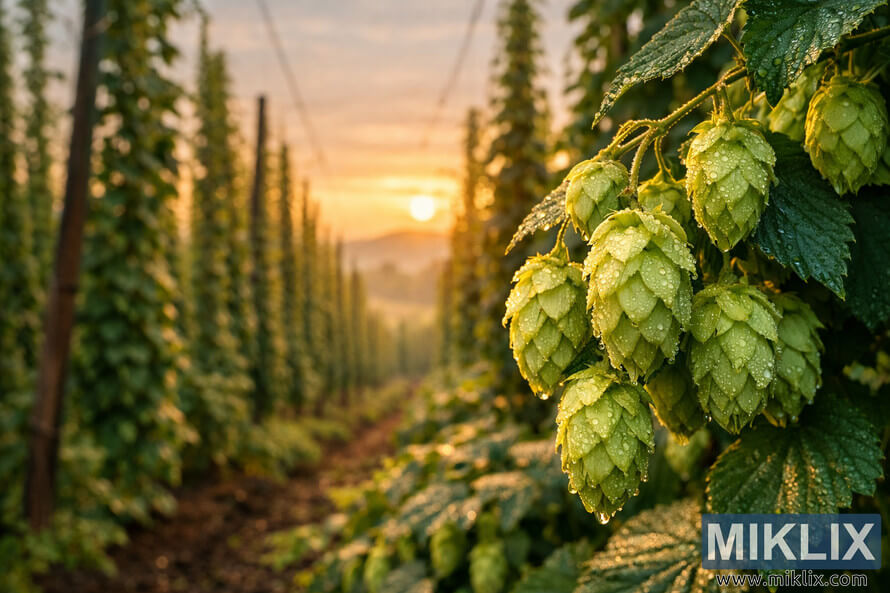
Click or tap the image for more information and higher resolutions.
Pacifica hops
Pacifica hops are sought after by brewers and researchers for their unique blend of citrus, floral, and herbal aromas. This distinctive scent profile is a key driver in Pacifica hops SEO. It influences search terms related to recipe development, pairing suggestions, and supplier inquiries. Accurate naming is crucial for kit manufacturers and vendors to link lab sheets, batch records, and inventory under the Pacifica hop variety name.
Why variety naming matters for brewers and visibility
Using the correct Pacifica hop variety name simplifies the process of sourcing and data lookup. Trade identifiers like PCA or 77-01 and ownership by NZ Hops, Ltd. enable brewers to match hops with lab reports, tasting notes, and vendor listings. This clarity enhances Pacifica hops SEO and makes Pacifica hop search terms more effective for recipe discovery.
Common alpha and beta acid ranges
Pacifica alpha acids typically range from 5.0 to 6.0 percent, with an average of 5.5 percent. This moderate bitterness makes Pacifica suitable for both bittering and flavor/aroma additions. Beta acids usually fall within a similar range, maintaining a balanced ratio with alpha acids.
Typical oil composition and aroma implications
Pacifica oil composition averages about 1.1 mL per 100 g. Myrcene, humulene, and caryophyllene are the main components, with myrcene at 10–15 percent, humulene at 45–55 percent, and caryophyllene at 14–18 percent. These percentages contribute to a woody, spicy, and herbal profile from humulene and caryophyllene, while myrcene adds resinous, citrus, and fruity notes.
- Practical: a predictable Pacifica AA range helps scale recipes and choose substitutions.
- Brewing: high humulene supports late-aroma character without sharp bitterness when used late or dry-hopped.
- Search behavior: clear lab values and flavor tags improve Pacifica hop search terms and Pacifica hops SEO performance.
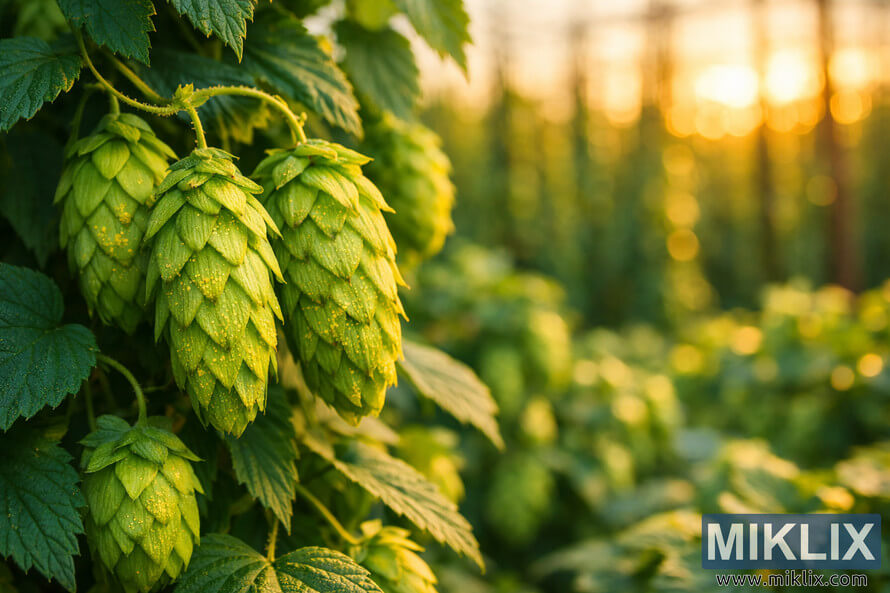
Click or tap the image for more information and higher resolutions.
Flavor and aroma profile of Pacifica
Pacifica hops add a bright, clean lift to lighter beer styles. Brewmasters value it for its balanced citrus and gentle floral complexity. It's best used late in the boil or for dry-hop additions to enhance delicate top notes.
Orange-forward impressions often appear first. The orange marmalade hop flavor is sweet and preserved, pairing well with soft malt bills. A clear citrus zest aroma gives beers a lively finish, cutting through sweetness while staying refined.
Pacifica floral notes add a classic, noble-like warmth, similar to Hallertau floral traits. These floral qualities sit alongside a soft honey hay aroma, recalling freshly cut fields. Use these layers to create subtle complexity in Kölsch, Pilsner, or light Belgian ales.
Herbal character is present but measured. Pacifica herbal notes provide a faint savory edge that supports yeast esters and malt. The tangy zest hop quality adds a brisk, slightly sharp accent that brightens the palate without overwhelming other flavors.
- Best match: pilsner malts and Kolsch ale yeast to showcase herbal citrus hop balance.
- Late additions: maximize orange marmalade hop flavor and citrus zest aroma.
- Dry hopping: emphasize Pacifica floral notes and tangy zest hop for aroma-forward beers.
Blending Pacifica with gentler noble hops or restrained New World varieties highlights its strengths. Its mix of honey hay aroma, floral warmth, and herbal citrus hop elements makes the variety versatile for many classic and modern brews.
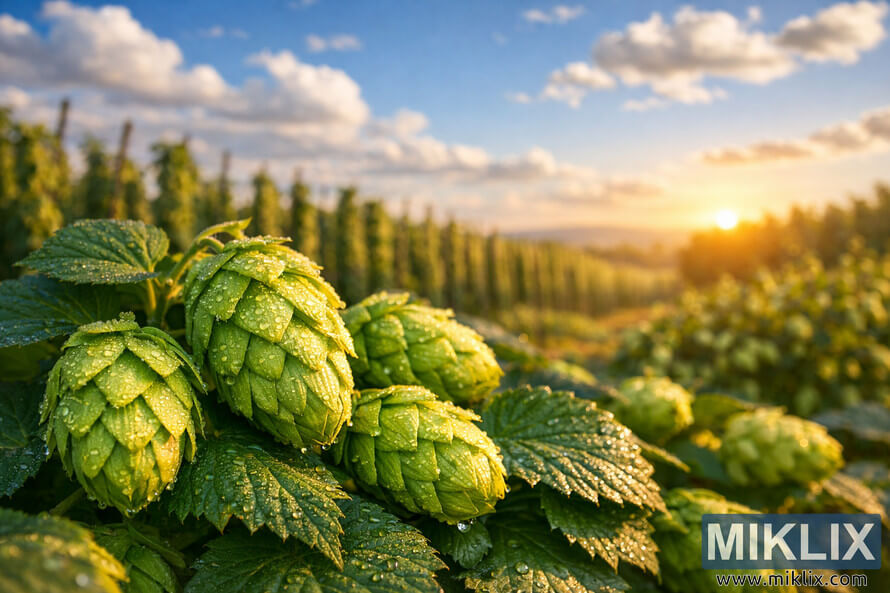
Click or tap the image for more information and higher resolutions.
Brewing values and lab data for Pacifica
Pacifica's bitterness is well-suited for modern, balanced beers. Lab tests reveal an alpha acid percentage of 5–6%, averaging 5.5%. This range allows for gentle bittering or supporting roles, preserving late-hop aroma.
The bitterness of Pacifica is smooth on the palate. Co-humulone levels are around 24–26%, averaging 25%. This moderate level contributes to its softer bitterness compared to high co-humulone varieties.
Pacifica's total oils are modest but aromatic, ranging from 0.9–1.2 mL per 100 g, averaging 1.1 mL. These oils are crucial for the hop's scent but are sensitive to heat and oxygen. To preserve them, use late additions, whirlpool at lower temperatures, or dry hop.
- Pacifica myrcene humulene caryophyllene percentages typically break down as ~12.5% myrcene, ~50% humulene, and ~16% caryophyllene.
- Minor compounds like farnesene and other volatiles make up the rest and add nuance to citrus and herbal notes.
High humulene content favors woody, spicy, and noble-like aromas. Myrcene contributes citrus and resin accents, while caryophyllene brings warm spice. These proportions enable Pacifica to serve as a subtle bittering hop and an aroma contributor.
Pacifica HSI values commonly measure near 0.231, or about 23% on the Hop Storage Index. This level indicates reasonable stability but some loss in alpha and oil after six months at room temperature.
- Choose recent harvests when hop freshness Pacifica matters most for bright citrus and floral notes.
- Store cold and vacuum-sealed to limit alpha loss and preserve Pacifica total oils.
- Prefer late kettle or whirlpool and dry-hop techniques to protect Pacifica myrcene humulene caryophyllene percentages from volatilization.
Crop-to-crop variation exists, so test small batches before scaling. Careful handling extends usable life and keeps Pacifica bitterness and aromatic character where brewers expect it.
Click or tap the image for more information and higher resolutions.
Pacifica as an aroma and dual-purpose hop
Pacifica shines as an aroma-focused hop with a touch of bitterness. Its unique orange marmalade and floral notes are highly valued. Therefore, timing and handling are crucial for achieving a clear aromatic profile.
For optimal results, use Pacifica in the late boil to capture its bright citrus. This method helps preserve volatile oils. Adding it in the last 10–5 minutes ensures you catch the fresh orange and floral notes. This approach prevents the loss of delicate compounds.
Whirlpool at lower temperatures, around 170–180°F (77–82°C), to enhance flavor extraction. This technique retains more hop oil, resulting in a cleaner finish. It's more effective than a long, hot boil.
Pacifica dry hop is essential for boosting the beer's aroma post-fermentation. Dry hopping captures the top-note citrus and honey nuances. These flavors are lost under prolonged heat.
When comparing Pacifica's bitterness to its aroma, note its modest alpha acids. This characteristic makes it suitable as a gentle bittering hop. Use it in early additions for a smooth, restrained bitterness. This allows the floral character to shine through.
For a dual-purpose use, combine a small early addition for base bitterness with larger late or dry-hop charges for aroma. This method ensures a balanced beer. It highlights the citrus and floral layers.
- Late-kettle: last 10–5 minutes to highlight orange marmalade.
- Whirlpool: cool to 170–180°F for better oil retention.
- Dry-hop: post-fermentation for maximum aromatic lift.
To preserve Pacifica oils, employ gentle hop oil preservation techniques. Store them cold and vacuum-sealed to reduce oxidation. This helps retain the volatile terpenes that define the hop's character.
Minimize oxygen exposure during transfers and add hops after fermentation or at a low-temp whirlpool. This helps preserve the fragile citrus and floral notes. These simple steps ensure Pacifica maintains its vivid aroma in the finished beer.
Click or tap the image for more information and higher resolutions.
Pacifica in different beer styles
Pacifica is versatile, fitting well in various beer styles from crisp lagers to spicy farmhouse ales. Its citrus and floral notes complement a clean malt base, allowing delicate yeast characteristics to shine. It's ideal for recipes where a subtle aroma lift is desired without heavy bitterness.
Classic lagers, Pilsners, and Kölsch benefit from a restrained hop presence. Pacifica Pilsner is added late in the boil or as a gentle whirlpool charge. This adds orange zest and a hint of Hallertau-style warmth. A touch of Pacifica Kölsch in dry-hop or late hopping brightens the finish, keeping the beer crisp.
Pale ales, blond ales, and session beers gain drinkability from Pacifica's balanced profile. In a Pacifica pale ale, use modest bittering with more late hops to preserve aroma. For Pacifica blond ale and Pacifica session beers, pair with light malts and neutral yeast. This highlights citrus and honey notes without overpowering alcohol or body.
Saisons and Belgian-style brews welcome a more floral and spicy hop partner. Add Pacifica Saison or Pacifica Belgian ale in the whirlpool and for short dry-hop. This allows farmhouse yeast to lend peppery esters. Pacifica farmhouse ale works best with a simple malt bill and an expressive yeast.
Pairing Pacifica with other hops and ingredients
Pacifica shines as a balancing force. Its orange-marmalade and floral aspects enhance without overpowering. It's used to soften the edges of sharp citrus hops or to add a subtle floral layer under tropical varieties.
In lighter styles, Pacifica pairs traditionally well. Hallertau, with its noble lineage, blends smoothly for a gentle spice and floral support. Motueka's bright lime and citrus complement Pacifica Motueka, creating a fresh Kiwi character. Wai-iti's grassy and stone-fruit tones highlight Pacifica Wai-iti in wheat and Kölsch recipes.
For IPAs and pale ales, Pacifica acts as a bridge hop. Use it in Pacifica IPA blends to temper resinous or pine-forward hops. This allows citrus and floral notes to shine beneath bolder layers. In pale ales, keep Pacifica in mid or late additions, pairing with hops that add tropical or pine top notes for contrast.
Explore specific Pacifica hop combinations for balanced aroma. Pair it with clean citrus like Amarillo or Citra for punch, or Mosaic for berry and tropical lift. In IPAs, include Pacifica blends alongside hops that add bitterness early and aroma late. For lighter beers, a restrained Pacifica blend highlights nuance over power.
Malt and yeast choices significantly impact Pacifica's presentation. Use pilsner malt Pacifica to keep the grain bill light, allowing hop aromatics to shine. Vienna or light ale malts add a touch of breadiness while remaining restrained. For malt yeast, select clean-fermenting strains that preserve hop clarity.
Yeast pairing is crucial for aroma clarity. Kolsch and clean ale yeasts provide a neutral canvas for Pacifica, preserving orange and floral notes. Saison yeasts add peppery or fruity complexity, complementing Pacifica for a more rustic outcome.
- Traditional match: Pacifica Hallertau for gentle floral balance.
- Kiwi accent: Pacifica Motueka with light malt and wheat.
- Bright pairing: Pacifica Wai-iti in Kölsch or wheat beers.
- Modern IPA: Pacifica IPA blends with pine or tropical-forward hops.
- Base malts: pilsner malt Pacifica or light ale malts to showcase aroma.
- Yeasts: choose Pacifica yeast pairing that keeps esters low for hop clarity.
In practice, place Pacifica in mid to late additions and in dry hop. This preserves delicate oils and yields layered hop character. Small changes in hop timing or yeast selection can alter balance, so test scaled batches before full production.
Recipe ideas and example formulations
Below are compact recipe sketches that highlight Pacifica’s citrus and floral oils. Each outline keeps grain bills simple and hopping focused on late kettle work, whirlpool, and light dry hopping. This preserves freshness and sessionability.
Pacifica-forward Kolsch or wheat beer recipe sketch
- Grain bill: 90% Pilsner malt, 10% wheat (for a wheat version, increase to 30% wheat).
- Yeast: clean German Kölsch strain or a neutral ale yeast to showcase hops.
- Bittering: use a neutral high-alpha hop for 10–15 IBUs.
- Late additions: Pacifica at 10 min and 0 min to bring orange-marmalade and floral lift.
- Dry hop: Pacifica dry hop session ale style, 3–5 g/L for 3–4 days to lift aroma without harshness.
- Target: low ABV, crisp finish for a true Pacifica Kolsch recipe or Pacifica wheat beer recipe.
Kiwi Pilsner with Pacifica and Motueka — hop schedule ideas
- Grain bill: pilsner base, 5–10% cara or dextrin malt for balance.
- Bittering: modest bittering to 20–25 IBUs from a neutral hop to support drinkability.
- Whirlpool: add Pacifica and Motueka at 170–180°F for a 15–20 minute whirlpool to capture citrus and lime esters.
- Late kettle: small Pacifica addition at 5–10 minutes to emphasize orange and floral notes.
- Dry hop: light dual dry hop with Motueka and Pacifica to finish; follow a Pacifica Motueka schedule that staggers additions for brightness.
- Result: a banging Kiwi Pilsner Pacifica Motueka pairing with fresh citrus lift and a clean pilsner body.
Session pale ale featuring late Pacifica additions
- Grain bill: pale malt base with 5–8% crystal for body and mouthfeel.
- IBUs: keep total bitterness modest (around 25 IBUs) to favor drinkability.
- Hop timing: neutral bittering hop early, Pacifica late additions at 10 and 0 minutes for aroma.
- Whirlpool: optional brief whirlpool with Pacifica to intensify orange notes.
- Dry hop: Pacifica dry hop session ale approach, 3–5 g/L for a short contact time to avoid grassy character.
- Outcome: a Pacifica session pale ale with bright aroma, low ABV, and strong drinkability.
Tips for all recipes: emphasize late kettle and dry hop work, choose clean-fermenting yeast, and keep hopping rates modest to maintain balance. Use Pacifica late additions to showcase orange marmalade and floral character, while Motueka brings a top note of lime when paired for Kiwi Pilsner Pacifica Motueka blends.
Substitutes for Pacifica and how to match its profile
When Pacifica hops are hard to find, brewers can still achieve the variety's unique flavor. Start with a Hallertau substitute for Pacifica's noble warmth. Then, add New Zealand or Kiwi hops to enhance citrus notes. It's crucial to add these hops late or in dry-hop to preserve their delicate oils and match Pacifica's citrus floral herbal character.
Hallertau and other noble hops provide the floral and hay-like notes that Pacifica is known for. Opt for Hallertau Mittelfrüh or traditional Hallertau blends as a Hallertau substitute for Pacifica. Combine these with Motueka or Wai-iti to bring back the lime and lemon flavors.
- Floral core: Hallertau or Saaz for gentle perfume and new-mown hay.
- Citrus lift: Motueka or Wai-iti to restore orange and lime brightness.
- Herbal edge: Perle or Styrian Golding to add spice and green herbal tones.
To match Pacifica's flavor, focus on oil contributions. Use a moderate myrcene hop for citrus impact and a higher humulene hop for noble warmth. Aim for a blend where citrus hops make up 30–50% of the mix, floral hops 30–40%, and herbal hops 10–30% to achieve the desired aroma.
Adjust your hopping timing to Pacifica's style by favoring late-boil additions and generous dry hops. If the substituted hops have higher alpha acids than Pacifica's 5–6%, reduce the bittering weight or move additions later. This helps avoid excess bitterness while preserving the aroma.
- Estimate Pacifica substitution rates by weight, then reduce rates for high-AA varieties by 10–25%.
- Shift more of the substituted hop mass into 5–10 minute and dry-hop additions to protect volatile oils.
- Conduct small test batches to fine-tune Pacifica substitution rates and flavor matching before scaling.
Experienced brewers and data-driven tools can help find noble hop alternatives quickly. When aroma is key, focus on late additions and dry hopping. For bitterness, use a low-alpha noble as the bittering hop and add aroma hops later.
Sourcing Pacifica hops and buying tips
Pacifica is a New Zealand-bred hop, often exported for craft brewing. In the United States, brewers can find Pacifica hops through specialty distributors, regional wholesalers, and online retailers. Availability changes with farm yields and shipping schedules. Plan your purchases around the crop calendar.
- Availability by region and harvest seasons
- New Zealand's harvest season runs from late February to early April. This period determines when fresh Pacifica hops reach international markets. Suppliers can provide information on arrival dates, helping you align orders with peak aromatics.
- Forms: whole cone, pellets, and lupulin availability
- Pacifica whole cone and pellets are commonly found. Pellets are better for stability and dosing in the brewhouse. Currently, there is no Cryo-style lupulin powder available for this variety, limiting Pacifica lupulin availability to standard formats.
- How to choose between suppliers and vintage variations
- Different vendors offer various harvest years and lab data. The Pacifica vintage variation impacts aroma intensity and oil percentages. When selecting a Pacifica supplier, ask for the harvest year, alpha acid numbers, oil breakdown, and HSI if available.
When ordering Pacifica hops, prioritize vacuum-sealed packs and cold shipping for longer transit. Opt for the most recent crop for peak citrus and floral notes. While comparing prices is important, consider freshness and lab analysis more than a small discount.
For bulk purchases, compare seasonal stock across multiple vendors. For trial batches, start with small quantities of Pacifica pellets or whole cone. This allows you to test how a specific Pacifica vintage variation performs in your recipe.
Storage, freshness, and maximizing aroma retention
Pacifica hops deliver their best when their oils remain intact. Brewers who monitor the Pacifica HSI understand its value is around 23% (0.231). This indicates fair stability but also measurable losses over six months at room temperature. Thus, Pacifica freshness becomes a critical factor for recipes that emphasize aroma.
Adopt a simple and strict storage approach. Store Pacifica hops in sealed foil bags to minimize oxygen exposure. Vacuum-pack hops or request nitrogen-flushed packaging from suppliers. These methods slow down oil and acid degradation, preserving citrus and floral notes.
Cold storage is key for preserving hop character. For long-term storage, freeze hops at 0–4°F (-18 to -15°C). Short-term refrigeration is acceptable if you plan to use the hops within weeks. These steps help maintain Pacifica's fresh crop traits, including its distinctive orange marmalade and floral nuances.
- Request the harvest year from suppliers and aim for the Pacifica fresh crop.
- Opt for the freshest Pacifica hops for late additions and dry hops.
- If using older stock, increase dry-hop rates to recover lost aromatics.
Crop variation impacts aroma intensity. Brewers who use recent harvest Pacifica capture the peak of citrus and floral oils. Adhere to hop storage index Pacifica guidance and the Pacifica HSI number to prioritize storage and plan recipes around the freshest Pacifica hops.
Conclusion
Pacifica, a New Zealand hop, is a descendant of Hallertau Mittelfrüh, offering floral, orange, and herbal notes. Its balanced and refined character is due to lab figures: 5–6% alpha and beta acids, and 0.9–1.2 mL/100g oils. High humulene content makes it ideal for late-addition or dry-hop use. This summary emphasizes Pacifica's noble heritage and citrus clarity, perfect for Kolsch, wheat beers, blond ales, and Kiwi-style Pilsners.
Practical brewing advice includes preserving delicate oils. Use recent crop years, keep hops cold and vacuum-sealed, and favor late-boil and dry-hop schedules. Pacifica's HSI near 23% and lack of lupulin powder form suggest handling it like other aroma-forward New Zealand varieties.
For blending and substitution, pair Pacifica with Motueka, Wai-iti, or Hallertau to enhance citrus and floral layers. The Pacifica hop conclusion for U.S. craft brewers and homebrewers is clear: choose fresh hops, prioritize late additions for orange and floral nuances. Treat Pacifica as a versatile option that bridges noble refinement and modern citrus character.
Overall Pacifica brewing takeaways: use it late or for dry hopping, store it carefully, and blend thoughtfully. This will yield a refined, citrus-forward profile that enhances pale lagers and session ales without overpowering malt or yeast choices.
FAQ
What is Pacifica and where did it come from?
Pacifica is a hop variety from New Zealand, bred from Hallertau Mittelfrüh. HortResearch developed it in 1994. It's owned by NZ Hops, Ltd. and known for its citrus, floral, and herbal aromas.
What are Pacifica’s primary aromatic characteristics?
Pacifica offers bright citrus and orange-marmalade notes. It also has sweet floral tones, honey, and new-mown hay. Tangy herbal zest and subtle woody/spicy facets complete its profile, thanks to high humulene and caryophyllene.
What are the typical lab values for Pacifica (alpha, beta, oils)?
Pacifica has alpha acids around 5–6% and beta acids near 5–6%. Total oils are 0.9–1.2 mL/100g. Myrcene, humulene, and caryophyllene make up its oil breakdown.
How does Pacifica’s co-humulone and HSI affect its bitterness and stability?
Co-humulone is 24–26%, suggesting smooth bitterness. The Hop Storage Index (HSI) is 23%, showing fair stability. However, alpha and oil loss occurs over time, especially at room temperature.
Is Pacifica more of an aroma hop or a bittering hop?
Pacifica is mainly used as an aroma hop and dual-purpose variety. Its moderate alpha acid level allows for gentle bittering. It's best used in late-kettle additions or dry hopping to preserve its oils.
What hopping techniques best preserve Pacifica’s delicate oils?
To preserve Pacifica's oils, add it late in the boil or whirlpool at 170–180°F. Dry hopping post-fermentation is also effective. Minimize high-temperature exposure and oxygen pickup for best results.
Which beer styles benefit most from Pacifica?
Pacifica excels in lighter styles like Pilsner, Kölsch, and wheat beers. It also suits saisons and Belgian ales. In pale ales and session IPAs, it adds a subtle citrus backbone.
What hops pair well with Pacifica?
Hallertau, Motueka, and Wai-iti complement Pacifica well. They add lime and citrus layers. Saaz or Styrian Golding can enhance floral and herbal notes.
How should I approach substitutions if Pacifica isn’t available?
Hallertau is a close substitute for Pacifica's floral notes. Motueka or Wai-iti can add citrus. Adjust hop rates and timing to match the desired aroma and bitterness.
What are example formulations or recipe tactics using Pacifica?
For a Pacifica-forward Kölsch, use a clean pilsner malt base and a neutral yeast. Add Pacifica at 10 and 0 minutes, whirlpool at 175°F, and dry hop. For a Kiwi-style Pilsner, blend Pacifica with Motueka for a lime-and-orange contrast.
When is Pacifica harvested and how widely available is it?
Pacifica is harvested from late February to early April. It's widely grown in New Zealand and exported. U.S. brewers can find it through specialty suppliers and online retailers.
In what formats is Pacifica sold? Is a cryo/lupulin form available?
Pacifica is sold as whole cones and pellets. There's no widely available lupulin or cryo concentrate. Use pellets or cones and store them carefully to protect the oils.
How should I store Pacifica to maximize freshness and aroma?
Store Pacifica vacuum-sealed or nitrogen-flushed in foil bags. Keep it cold, ideally in a freezer at 0–4°F. Short-term refrigeration is okay if you'll use the hops soon. Check the supplier's lab data and HSI when buying.
How much will crop-to-crop variation affect performance?
Crop-to-crop variation can change Pacifica's aroma intensity and lab numbers. Use current-season hops and check supplier lab analysis. If using older stock, increase hop rates to compensate for lost oils.
How many grams per liter should I use for dry hopping with Pacifica?
Start with 3–5 g/L for dry hopping. Adjust based on desired aroma intensity. For subtle lift, use the lower end; for pronounced aroma, use the higher end.
Does Pacifica work in IPAs and pale ales?
Yes. Pacifica works well in IPAs and pale ales as a late-addition or dry-hop component. It adds an elegant citrus-floral backbone. Balance timing and blending to avoid overpowering the beer.
What lab data should I request from suppliers when buying Pacifica?
Request alpha and beta acid percentages, total oil content, and breakdown. Also ask for co-humulone percentage, Hop Storage Index (HSI), and harvest year. This data helps predict bitterness, aroma, and freshness.
Further Reading
If you enjoyed this post, you may also like these suggestions: