
Hops in Beer Brewing: Delta
Published: December 2, 2025 at 9:52:57 PM UTC
Hopsteiner Delta is designed for aroma use but is also versatile for dual-purpose applications. It is frequently found in homebrew and craft-brew databases, appealing to brewers looking to experiment with American hop varieties.
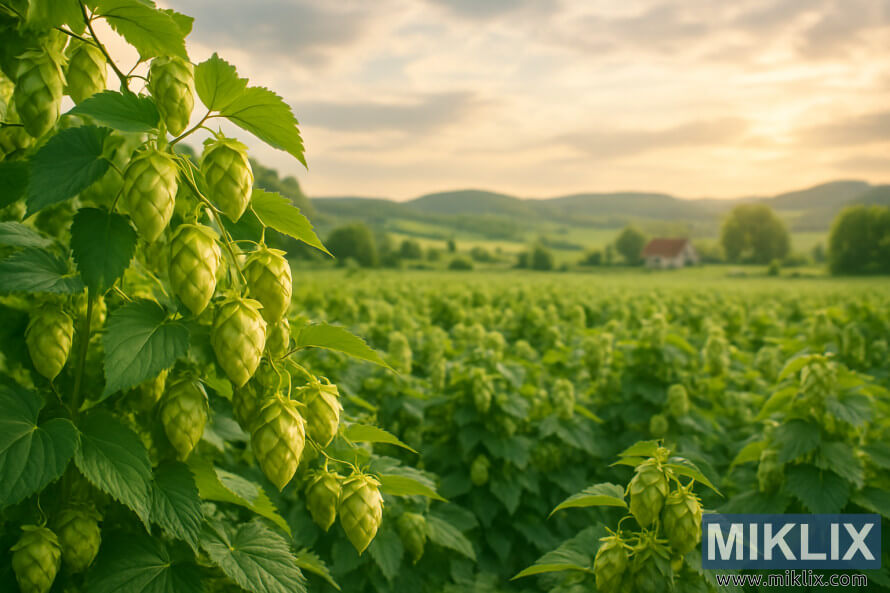
Click or tap the image for more information and higher resolutions.
Delta, an American aroma hop, was introduced by Hopsteiner in 2009. It is identified by the international code DEL and Cultivar/Brand ID 04188.
Developed in collaboration with Harpoon Brewery and Hopsteiner, Delta hop has been showcased in single-hop showcases and hundreds of recipes. Its availability can vary by supplier and harvest year. Delta hops can be sourced through various retailers, including online platforms.
For homebrewers, handling Delta brewing requires attention to detail. Boiling starter flasks on electric or gas ranges is feasible but requires caution to avoid boilovers and preserve the hop's aroma. Proper care during the brewing process is essential to maintain the Delta aroma hop's unique character.
Key Takeaways
- Delta is an American aroma hop released by Hopsteiner in 2009 (code DEL, ID 04188).
- Hopsteiner Delta is often used as an aroma or dual-purpose hop in many recipes.
- Developed with Harpoon Brewery input and featured in single-hop demonstrations.
- Available from multiple suppliers; price and freshness can vary by harvest year.
- Homebrewers should handle starters and wort carefully to protect Delta's aroma.
What is Delta and its Origin in American Hop Breeding
Delta, an American-bred aroma hop, was released in 2009. Its origins stem from a deliberate cross, blending English and American hop traits.
The Delta genealogy reveals Fuggle as the female parent and a male derived from Cascade. This combination brings together classic English herbal notes and the brighter U.S. citrus tones.
Hopsteiner holds the cultivar ID 04188 and the international code DEL. The Hopsteiner Delta origin reflects their breeding program focused on creating versatile aroma varieties.
Brewers at Harpoon Brewery collaborated with Hopsteiner to test and refine Delta. Their involvement in trials helped shape its real-world application in ales.
- Lineage: Fuggle female, Cascade-derived male.
- Release: United States, 2009.
- Registry: DEL, cultivar ID 04188, owned by Hopsteiner.
The hybrid pedigree makes Delta a dual-purpose hop. It offers spice and earthy character from the Fuggle side, complemented by citrus and melon accents from the Cascade male.
Delta Hop Profile: Aroma and Flavor Characteristics
Delta's aroma is mild and pleasant, blending classic English earthiness with American zest. It has a subtle spicy edge that complements malt and yeast without overpowering them.
The flavor profile of Delta leans towards citrus and soft fruit. It offers hints of lemon peel, ripe melon, and a faint ginger-like spice. These flavors become more pronounced when used late in the boil or during dry hopping.
Delta's tasting notes often include citrus, melon, and spicy. It shares some earthiness with Willamette or Fuggle but adds a crispness from American breeding. This unique blend makes it ideal for adding gentle complexity to beers.
To bring out the citrus melon spicy notes, add Delta late in the boil or during dry hopping. This preserves the volatile oils that carry the delicate fruit and spice. Even small amounts can add significant aroma without affecting bitterness.
When used correctly, Delta enhances the subtle fruit and spice in pale ales, saisons, and traditional English-style beers. Its balanced profile allows brewers to focus on malt and yeast, making it a versatile tool for achieving nuanced aroma and balance.
Brewing Values and Chemical Composition of Delta
Delta's alpha levels range from 5.5–7.0%, with some reports as low as 4.1%. This makes it ideal for late-kettle additions and aroma work, not as a primary bittering hop. The balance between Delta alpha acids and Delta beta acids is roughly one-to-one, ensuring predictable iso-alpha formation for bitterness.
Delta cohumulone is around 22–24% of the total alpha fraction, averaging 23%. This contributes to a firm, clean bitterness when used early in the boil. Crop-to-crop variation affects alpha and beta numbers, so lab results for each harvest are critical for precise formulation.
Total oil content is usually between 0.5 and 1.1 mL per 100 g, averaging 0.8 mL. The Delta oil composition favors myrcene and humulene, with myrcene often 25–40% and humulene near 25–35%. This results in citrus, resinous, and fruity top notes from myrcene, along with woody and spicy tones from humulene and caryophyllene.
Caryophyllene is commonly found at about 9–15% of the oil profile, adding peppery and herbal character. Minor terpenes like linalool, geraniol, β-pinene, and selinene make up a useful portion of the remaining oil fraction. They contribute to a nuanced aroma during dry hopping or late additions.
- Alpha range: typical 5.5–7.0% (avg ~6.3%) with some sources down to ~4.1%.
- Beta range: commonly 5.5–7.0% (avg ~6.3%), though some datasets report lower values.
- Cohumulone: ~22–24% of alpha acids (avg ~23%).
- Total oils: 0.5–1.1 mL/100 g (avg ~0.8 mL).
- Key oil breakdown: myrcene ~25–40%, humulene ~25–35%, caryophyllene ~9–15%.
- Delta HSI commonly measures near 0.10–0.20, which is about 15% and signals very good storage quality.
Delta HSI values that sit low favor aroma retention, so fresher Delta hops deliver more vibrant citrus and resin notes. Brewers should check batch certificates for actual Delta alpha acids and Delta beta acids before scaling recipes. This small step avoids mismatched IBUs and preserves the intended flavor profile.
For practical use, treat Delta as an aroma-forward option. Its oil mix and moderate acids support late-boil additions, whirlpool hops, and dry hopping. Use myrcene-driven citrus and humulene-driven woody spice where they will show best. Adjust timing and quantities to account for measured Delta cohumulone and the current Delta oil composition for reliable results.

Click or tap the image for more information and higher resolutions.
Hop Usage: Aroma, Late Boil, and Dry Hopping with Delta
Delta is celebrated for its volatile oils. It's often used for its aroma, with brewers adding it late to preserve citrus, melon, and mild spice notes.
For late addition hops, add Delta in the last 5–15 minutes of the boil. This is when aroma retention is most critical. Short contact time in the kettle helps keep the bright top notes intact.
Whirlpool Delta is another effective method. Cool the wort to under 175°F (80°C) and steep for 15–30 minutes. This method pulls soluble oils without losing delicate aromatics. It's ideal for single-hop pale ales and ESBs where aroma is the lead.
Delta dry hop is also effective, whether during fermentation or in bright beer. Typical dry hop rates and contact times of 3–7 days extract aroma without harsh vegetal character. Adding during active fermentation can enhance tropical ester lift.
- Do not subject Delta to long, vigorous boils if aroma matters.
- Use whole cone or pellet forms; no lupulin concentrates are widely available.
- Combine late addition hops with modest whirlpool Delta doses for layered aroma.
Delta should be treated as a finishing touch in recipes. Even small changes in timing and temperature can significantly alter aroma and perceived flavor.
Typical Beer Styles That Showcase Delta
Delta is perfect for hop-forward American ales. It adds bright citrus and light melon notes to American Pale Ale. These flavors enhance the malt backbone without overpowering it.
In American IPA, Delta is prized for its clean bitterness and subtle fruitiness. It's ideal for single-hop IPAs or as a late addition to boost hop aromatics.
Delta ESB experiments reveal its English heritage with an American twist. Harpoon's single-hop ESB examples showcase Delta ESB. It brings a mild spiciness and earthy background, maintaining high drinkability.
- American Pale Ale: forward aroma, sessionable bitterness.
- American IPA: bright citrus, late-hop clarity, and hop resin balance.
- ESB and English-style ales: restrained spice, subtle herbal tones.
- Amber ales and hybrids: supports caramel malts without overpowering.
- Experimental single-hop brews: reveals melon, light pine, and floral edges.
Recipe databases list Delta across hundreds of entries, highlighting its dual-purpose use in ales. Brewers opt for Delta when they seek balance, wanting hop character without aggressive bitterness.
When choosing a style, align Delta's soft spice and citrus with malt strength and yeast profile. This pairing allows Delta American Pale Ale and Delta in IPA to shine. It also preserves subtlety in Delta ESB.
Dosage Guidelines and Recipe Examples for Delta
Delta is most effective as a late aroma hop and in dry hop additions. For those brewing at home, using pellets or whole-cone hops, aim for modest late additions. This helps preserve the floral and citrus notes. There is no Cryo or lupulin-only product for Delta, so use the whole pellet amounts listed.
Typical Delta dosage aligns with common homebrew practices. For a 5-gallon batch, target 0.5–2.0 oz (14–56 g) for late additions or dry hopping. This depends on the style and desired intensity. Recipe databases reflect a broad range, but most entries fall within this homebrew window.
- American Pale Ale (5 gal): 0.5–1.5 oz at 5 minutes + 0.5–1.0 oz dry hop. This Delta recipe showcases bright top notes without overwhelming the malt.
- American IPA (5 gal): 1.0–2.5 oz late addition + 1.0–3.0 oz dry hop. Use higher Delta hop rates for a juicy, forward aroma.
- Single-hop ESB (5 gal): 0.5–1.5 oz late addition with low bittering from base malts or a small bittering hop. Let Delta carry the aroma and character.
When scaling Delta hop rates, balance is key. For beers needing subtlety, use the lower end of the range. For hop-forward styles, aim for the upper end or extend dry hop contact. This intensifies the aroma without adding bitterness.
Practical steps for dry hopping include cold crashing to 40–45°F. Add Delta for 48–96 hours, then package. These Delta dry hop rates ensure a consistent aromatic punch. They avoid grassy extraction in most homebrew setups.
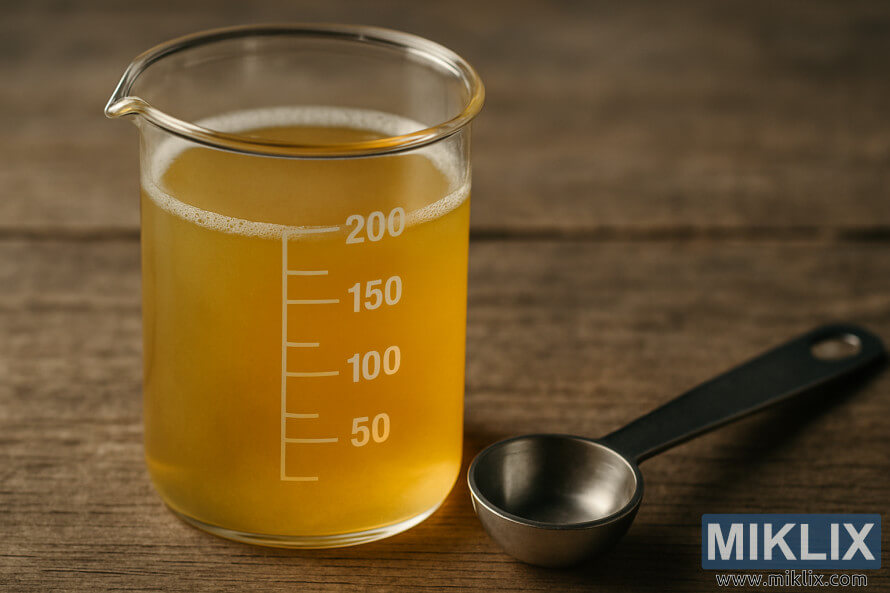
Click or tap the image for more information and higher resolutions.
Pairing Delta with Malts and Yeasts
Delta shines on American Pale Ale and IPA bases. Its mild spice, citrus, and melon notes complement a neutral two-row pale malt. For beers with a bright tangerine or citrus flavor, American two-row is ideal for clarity and balance.
For English-style beers, richer malts like Maris Otter or medium crystal are perfect. They bring out Delta’s Willamette-like spice, creating a rounded malt backbone in ESBs or brown ales.
Hop blending is key to Delta’s character. Pair it with Cascade, Citra, Amarillo, Simcoe, or Magnum for citrus, tropical, and resinous layers. This combination enhances Delta’s bright tones while supporting the malt profile.
Yeast choice impacts the beer's character. Clean American ale strains like Wyeast 1056, White Labs WLP001, or Safale US-05 emphasize hop aromatics. These are perfect for modern pale ales and IPAs where Delta's citrus and melon are the focus.
English ale yeasts, such as Wyeast 1968 or White Labs WLP002, bring out malty depth and gentle esters. Delta with English yeast highlights its spice and earthier notes, ideal for traditional ales and session beers.
- Delta malt pairings: American two-row for bright ales; Maris Otter for malt-forward styles.
- Delta yeast pairings: Clean American strains for hop focus; English strains for malt balance.
- Delta with Willamette: Treat as a bridge between American zest and classic English spice.
- Delta with English yeast: Use when you want Delta’s spice to complement a stronger malt backbone.
Recipe tips: keep late-hop additions or dry-hop doses moderate to preserve Delta’s delicate melon notes. Balance base malt with a single small specialty addition to avoid masking Delta’s nuance.
Hop Substitutions and Similar Varieties to Delta
Delta hops are closely related to Fuggle and Cascade, making them popular substitutes when Delta is scarce. For a more earthy flavor, consider Fuggle or Willamette hops. These varieties bring herbal and spicy notes, fitting well into English-style beers.
For a citrusy and fruity aroma, opt for a Cascade-like hop. Hops like Cascade, Citra, or Amarillo enhance the zest and grapefruit notes. Adjust the amount of hops in late additions to match the desired intensity, as their oil content varies from Delta.
- For English character: Fuggle substitute or Willamette substitute at similar alpha levels.
- For American zest: Cascade-like hop or single-citrus varieties in late additions.
- When dry-hopping: increase by 10–25% versus Delta to get equal aroma impact.
When substituting hops, focus on the desired flavor profile, not just the alpha acid content. Use Fuggle for malt-forward beers and Willamette for a softer floral spice. Cascade-like hops are ideal for bright, modern US hop flavors.
Adjust the timing of hop additions based on their oil content. Small test batches can help confirm the balance. Keep a record of these adjustments to create a reliable guide for future brews.
Storage, Freshness and Hop Storage Index for Delta
Delta's Hop Storage Index (Delta HSI) is near 15%, categorizing it as "great" for stability. The HSI measures the loss of alpha and beta acids after six months at 68°F (20°C). This metric is key for brewers to assess Delta's stability over time, whether for aroma or late additions.
Ensuring the freshness of Delta hops is critical. Fresh hops maintain volatile oils like myrcene, humulene, and caryophyllene. Delta's oil content is moderate, ranging from 0.5 to 1.1 mL per 100 g. This means small losses in aroma compounds can significantly affect the beer's final taste.
Proper storage of Delta hops is essential to minimize degradation. Vacuum-sealed packaging with oxygen scavengers is recommended. Store these packages in refrigeration or freezing, ideally between -1 and 4°C. This method helps preserve alpha acids and essential oils better than room-temperature storage.
When storing Delta hops, use opaque containers and minimize headspace each time you open a bag. Avoid frequent temperature changes. Cold, stable storage slows oxidation, preserving both bittering and aroma.
- Buy from reputable suppliers with lot reports when available.
- Check harvest year and crop variability before purchase.
- Label packages with date received and freeze older lots first.
Monitoring hop freshness Delta by date and HSI aids brewers in deciding when to use hops for dry hopping or late aroma additions. For beers focusing on aroma, use the freshest lots. For bittering, slightly older but well-stored Delta can offer reliable alpha acid contribution.
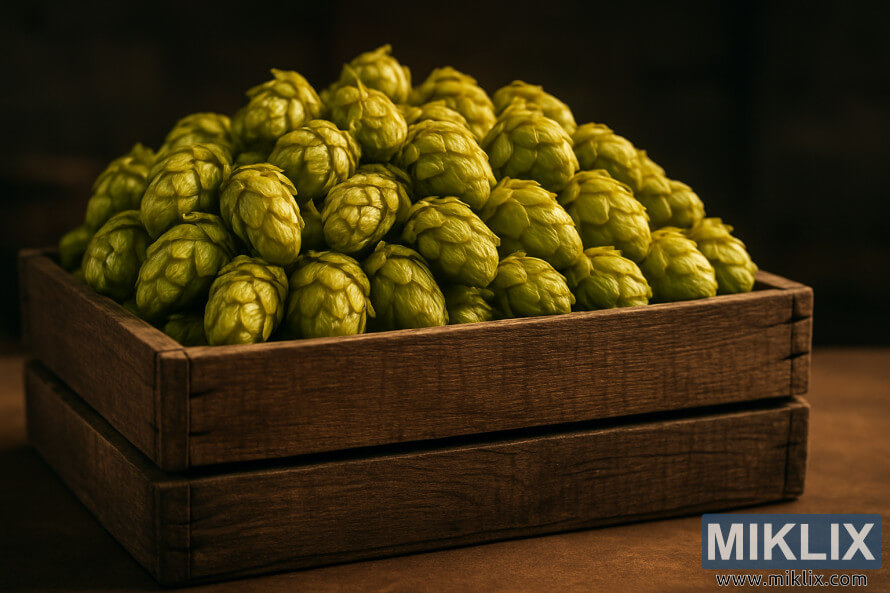
Click or tap the image for more information and higher resolutions.
Delta in Commercial Brewing vs. Homebrewing
Delta is a staple in the brewing world, found in many professional breweries. For commercial use, breweries buy in bulk from Hopsteiner or local distributors. This ensures a steady supply for their production needs.
Even smaller breweries use Delta creatively. They blend it with other hops and extend hop times to enhance the aroma in IPAs and pale ales. This approach showcases Delta's unique qualities.
Homebrewers also appreciate Delta for its distinct flavor and versatility. They often purchase it in pellet or whole cone form. Online databases are filled with recipes, both for homebrewers and commercial brewers, highlighting Delta's popularity.
Commercial brewers focus on bulk purchases and consistent quality. Homebrewers, on the other hand, consider factors like price, freshness, and year-to-year variation when selecting small quantities.
Handling techniques also vary. Commercial breweries use specialized systems to concentrate Delta's oils. Homebrewers must carefully plan their additions to avoid issues with foam and boil-overs in smaller kettles.
Practical tips for each audience:
- Commercial brewers: design multi-point dry-hop schedules, test blends, track lot variability for reliable Delta brewery usage.
- Homebrewers: scale down recipes from commercial examples, stagger additions to protect aroma, and consider vacuum-sealed storage to keep pellets fresh for Delta homebrewing.
- Both: review lab data when available and taste-test single-hop brews. Harpoon Delta was used in a single-hop ESB to highlight the variety’s character; that example helps both pros and hobbyists judge fit for style.
Understanding the differences in supply chains, dosing formats, and handling techniques is key to consistent results. Delta can be a versatile tool, suitable for both large-scale commercial brewing and small-batch homebrewing, when used with care.
Analytical Data Brewers Should Know About Delta
Brewers need exact figures. Delta analytics show alpha acids at 5.5–7.0%, averaging 6.3%. Beta acids are similar, with a 5.5–7.0% range and an average of 6.3%.
Lab sets sometimes report wider ranges. Alpha acids can be 4.1–7.0%, and beta acids 2.0–6.3%. Variability comes from crop year and lab method. Always check your purchase invoice for specific analysis before formulating a recipe.
Delta's alpha and beta values being close means its bitterness is moderate. It contributes bitterness like many aroma hops, not a strong bittering hop. This balance is useful when adding hops in the late boil and whirlpool.
- Cohumulone typically ranges 22–24% with an average about 23%.
- Total oils most often fall between 0.5–1.1 mL/100g, average roughly 0.8 mL/100g.
Delta's cohumulone in the low- to mid-20% range suggests a smoother bitterness. For a softer bitter edge, pair Delta with higher-cohumulone varieties if necessary.
Examine the Delta oil breakdown for aroma planning. Myrcene averages 32.5% of total oil. Humulene is about 30%, caryophyllene around 12%, and farnesene near 0.5%. The rest varies with harvest.
Combine Delta analytics and oil breakdown when scaling recipes. Alpha and beta guide IBUs. Oil composition influences late additions, hopstand timing, and dry-hop doses.
Always request a certificate of analysis for each lot. This document provides final Delta alpha beta numbers, cohumulone percentage, and oil profile. It's essential for precise flavor and bitterness control.
Harvest Timing, Crop Variability and Year-to-Year Differences
In the United States, the Delta harvest season for most aroma hops starts in mid-to-late August. Growers in Oregon, Washington, and Idaho carefully plan drying and processing to preserve volatile oils. This timing aids brewers in planning for late-summer and early-fall deliveries.
Delta crop variability is evident in oil levels and alpha ranges between lots. Factors like rainfall, heat during bloom, and harvest timing affect essential oil composition. Databases and recipe sites track these changes, enabling brewers to compare recent lots.
Year-to-year differences in Delta hops are noticeable in bittering and aroma intensity. Alpha acids, beta acids, and key terpenes vary with seasonal stress and farming practices. Small changes can significantly impact how much to add in late boil or for dry hopping.
Practical steps help manage variability.
- Request lot-specific COAs and sensory notes before ordering.
- Proof small pilot batches to gauge current aromatic strength.
- Adjust late additions and dry-hop dosages based on recent samples.
Brewers who monitor Delta harvest data and run quick sensory trials can reduce surprises at packaging. Regular checks of chemistry and aroma ensure consistent recipes, despite natural Delta crop variability and shifting Delta year-to-year characteristics.
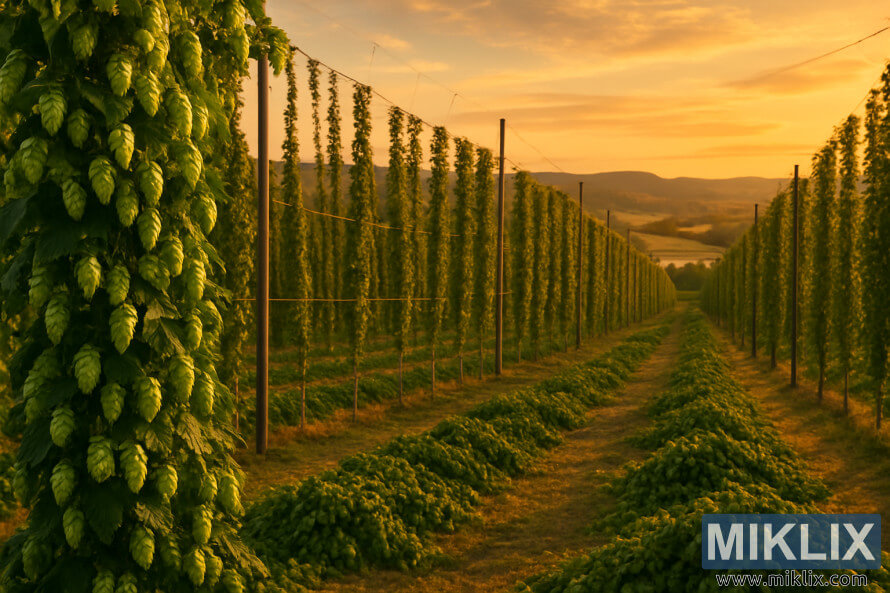
Click or tap the image for more information and higher resolutions.
Pairing Delta with Other Hops and Adjuncts for Complexity
Delta's citrus, melon, and pepper notes complement classic American hops. Pair Delta with Cascade for enhanced bright grapefruit flavors. Amarillo adds orange and floral layers, best used in late additions or dry hops.
Delta blends with Simcoe create a resinous, piney depth while maintaining fruitiness. For a clean bittering backbone, combine Delta with Magnum. When using Delta with Citra, use half of each in late additions to prevent palate overload.
Adjuncts and specialty malts can elevate Delta's character. Light crystal or Munich malts add malt depth in ESB-style beers. Wheat or oats in small percentages enhance mouthfeel in hazy ales, allowing Delta's aroma to stand out.
- Dry-hop recipe idea: Delta, Citra, and Amarillo for layered citrus and tropical fruit.
- Balanced IPA: Delta, Simcoe, and a restrained Magnum bittering charge.
- Malt-forward ale: Delta with a dash of Munich and crystal for rounded sweetness.
Delta adjuncts like citrus peel or lactose can add dessert-like qualities without overpowering hop spice. Use them sparingly to keep hop aromatics prominent.
Test blends with small-scale split batches to observe how Delta pairings change with timing, yeast, and adjuncts. Record these variations and scale up the best combination to preserve Delta's citrus-melon essence.
Delta in Recipe Development and Troubleshooting
Delta is ideal as an aroma hop. For recipe development, late-boil additions and dry hopping are key to preserving volatile oils. Use pellets or whole cones, focusing on the desired Delta hop intensity, as there's no cryo or lupulin form.
Begin with historical dosage ranges for recipe creation. Delta is often showcased in ESBs or blended into American ales. Use these examples to set an initial dose, then adjust in small increments to achieve the perfect Delta hop intensity.
In designing a hop schedule, separate bittering from aromatic goals. Place most Delta in the last 10 minutes or during whirlpool and dry-hop stages. This method ensures Delta's aroma is preserved, minimizing loss of citrus and melon notes during boiling.
- Single-hop test: 1.0–2.0 oz per 5 gallons in late additions for clear Delta character.
- Blended schedules: combine Delta with Citra or Amarillo to boost citrus lift.
- Dry hop: 0.5–1.5 oz per 5 gallons, adjusted by desired Delta hop intensity.
Troubleshooting often resolves muted or off aromas quickly. In Delta troubleshooting, first check hop freshness and the Hop Storage Index. Poor storage or high HSI can dull the expected aroma.
If Delta smells grassy or vegetal, shorten dry-hop contact time. Switch to whole cones for cleaner aromatics. Pellet-to-whole cone changes affect extraction, altering Delta hop intensity and character.
To recover lost citrus or melon notes, increase dry-hop rates or add a complementary citrus-forward hop like Citra or Amarillo. Monitor contact time and oxygen exposure. These factors impact Delta aroma preservation more than a higher dose alone.
Conclusion
Delta summary: Delta is a U.S.-bred aroma hop (DEL, ID 04188) released by Hopsteiner in 2009. It combines Fuggle's earthiness with a Cascade-derived zest. This blend yields mild spice, citrus, and melon notes. Its unique character makes it ideal for creating a gentle balance between English and American hop profiles.
Delta hops overview: Delta is best used for late additions, whirlpool, and dry hopping. This preserves its volatile oils. With moderate alpha acids and total oil content, it won't overpower bitterness. Fresh pellets or whole cones are recommended. Remember to consider HSI and storage to maintain its aromatic integrity.
Delta brewing takeaways: For U.S. brewers, pair Delta with Cascade, Citra, or Amarillo for a citrus lift. Or blend it with Fuggle and Willamette for classic English tones. Always check the lot-specific analysis and adjust dosages to match the target style. Whether it's ESB, American Pale Ale, or IPA, Delta is a reliable, nuanced tool in recipe development and finishing hops.
Further Reading
If you enjoyed this post, you may also like these suggestions: