
Hops in Beer Brewing: Vic Secret
Published: December 12, 2025 at 10:03:37 PM UTC
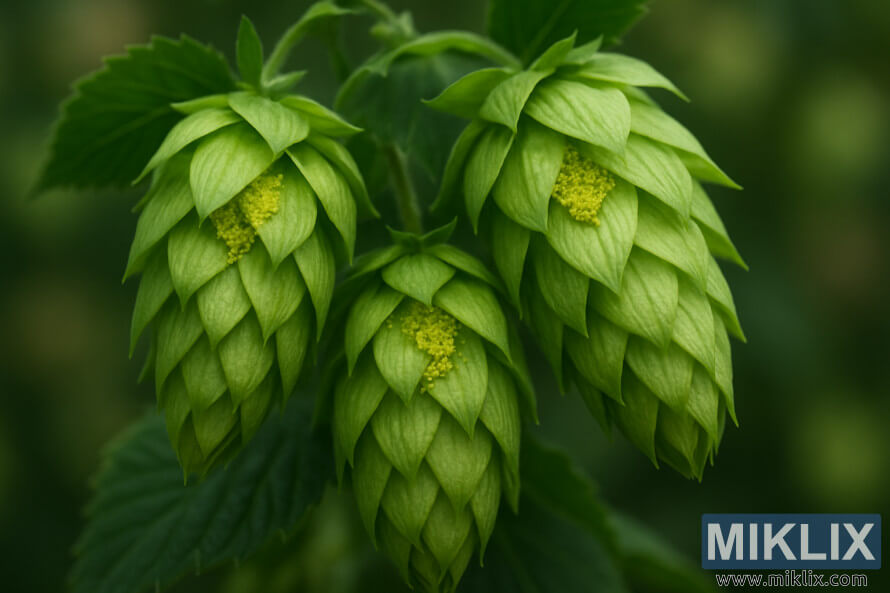
Vic Secret, an Australian hop variety, was bred by Hop Products Australia (HPA) and introduced in 2013. It quickly became a favorite in modern brewing for its bold tropical and resinous flavors, making it ideal for IPAs and other pale ales.
Click or tap the image for more information and higher resolutions.
This article delves into Vic Secret's origin, its hop profile, and its chemical makeup. It also explores its practical uses in brewing, including kettle additions and dry hopping. We'll discuss pairings, substitutions, and how to source Vic Secret. Recipe examples, sensory evaluations, and insights on crop variability by harvest year are also covered. Our goal is to provide data-driven insights and brewer experiences to aid in recipe design and purchasing decisions.
Vic Secret is a staple in IPAs and Pale Ales, often used to showcase its floral, pine, and tropical fruit notes. Cinderlands Test Piece: Vic Secret is a prime example of this. For brewers looking to brew with Vic Secret, this article offers specific guidance and warnings.
Key Takeaways
- Vic Secret is an Australian hops variety released by Hop Products Australia in 2013.
- The Vic Secret hop profile favors tropical fruit, pine, and resin—popular in IPAs and Pale Ales.
- This article blends lab data and brewer experience for practical recipe design.
- Coverage includes brewing with Vic Secret across kettle additions, dry hopping, and single-hop showcases.
- Sections offer sourcing tips, substitutions, sensory checks, and common mistakes to avoid.
What Are Vic Secret Hops
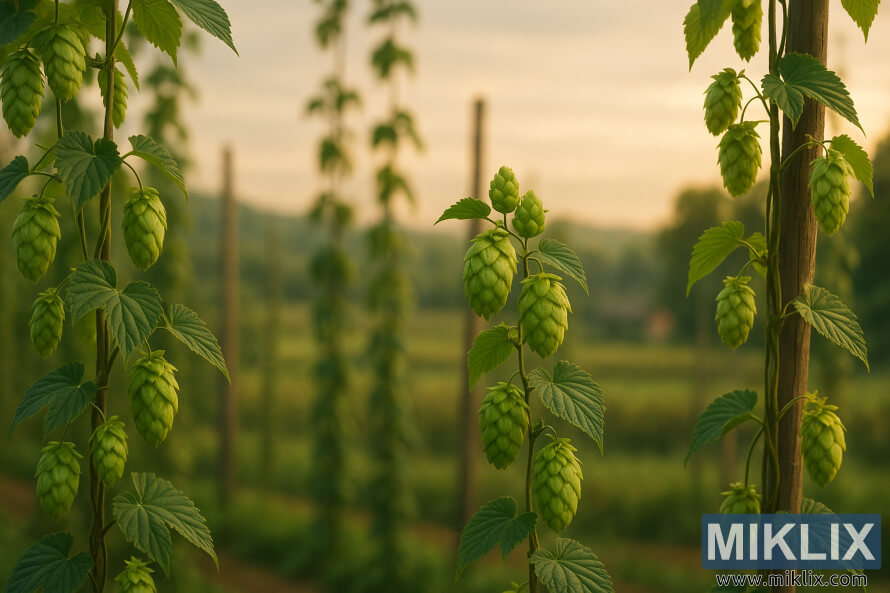
Vic Secret is a modern Australian cultivar developed by Hop Products Australia. Its origins stem from crossings between high-alpha Australian lines and Wye College genetics. This combination brings together English, European, and North American hop characteristics.
The official VIS hop code and cultivar ID 00-207-013 signify its registration and ownership by HPA. Growers and brewers widely recognize HPA Vic Secret as a registered variety. It is used in both commercial and craft brewing.
Vic Secret is classified as a dual-purpose hop. It is suitable for bittering and for late additions to enhance aroma and flavor. Its versatility makes it a favorite for creating pale ales, IPAs, and hybrid styles.
- Genealogy: Australian high-alpha lines crossed with Wye College stock
- Registry: VIS hop code with cultivar/brand ID 00-207-013
- : bittering and aroma/flavor additions
Availability can vary by supplier, with hops sold through distributors and marketplaces. Prices and harvest-year specifics differ by crop and seller. Buyers often check harvest details before making a purchase.
Production of Vic Secret hopped up quickly after its release. In 2019, it was the second-most produced Australian hop, after Galaxy. That year, about 225 metric tonnes were harvested. This growth reflects the increasing interest from commercial brewers and craft producers.
Flavor and Aroma Profile of Vic Secret
Vic Secret is celebrated for its bright tropical hops character. It offers a primary impression of pineapple passionfruit pine. The flavor starts with a juicy pineapple note and ends with a resinous pine undertone.
Secondary notes include tangerine, mango, and papaya, enriching the tropical hops spectrum. Herbal accents are present in small amounts. A faint earthy character may emerge from late boil additions.
Compared to Galaxy, Vic Secret's flavor and aroma are slightly lighter. This makes Vic Secret ideal for adding fresh tropical notes without overwhelming malt or yeast.
Brewers find the best results from late kettle additions, whirlpool, and dry hopping. These methods preserve volatile oils, delivering pineapple passionfruit pine aromas while keeping bitterness in check.
Some brewers have noted strong bag aroma and vivid tropical-pinefruity impressions. In New England IPA builds, handling and recipe interactions can introduce grassy or vegetal tones. This highlights the impact of dry-hop rates and contact time on aroma perception.
- Primary: pineapple passionfruit pine
- Fruit: tangerine, mango, papaya
- Herbal/earth: light herbal notes, occasional earthy edge with late heat
Brewing Values and Chemical Composition
Vic Secret alpha acids range from 14% to 21.8%, averaging about 17.9%. This makes it versatile for both bittering and late additions, adding punch and aroma. The alpha-beta balance is notable, with beta acids between 5.7% and 8.7%, averaging 7.2%.
Alpha-Beta ratios are typically between 2:1 and 4:1, with a rough average of 3:1. This balance is key to predicting bitterness stability. Vic Secret's cohumulone content is significant, usually between 51% and 57%, averaging 54%. This high cohumulone content can alter how bitterness is perceived in the beer.
Total volatile oils in Vic Secret hops are about 1.9–2.8 mL per 100 g, averaging 2.4 mL/100g. These oils are responsible for the beer's aroma, making late additions, whirlpool additions, or dry hopping techniques beneficial. The high oil content rewards careful handling to preserve these volatile compounds.
The oil composition is predominantly myrcene, ranging from 31% to 46%, averaging 38.5%. Myrcene contributes tropical and resinous notes. Humulene and caryophyllene, averaging 15% and 12% respectively, add woody, spicy, and herbal flavors.
Minor compounds like farnesene and terpenes (β-pinene, linalool, geraniol, selinene) make up the rest, with farnesene averaging 0.5%. Understanding Vic Secret's chemical composition aids in timing additions and predicting aroma outcomes.
- Alpha acids: 14–21.8% (avg ~17.9%)
- Beta acids: 5.7–8.7% (avg ~7.2%)
- Co-humulone: 51–57% of alpha (avg ~54%)
- Total oils: 1.9–2.8 mL/100g (avg ~2.4)
- Major oils: myrcene 31–46% (avg 38.5%), humulene 9–21% (avg 15%), caryophyllene 9–15% (avg 12%)
Practical implication: High Vic Secret alpha acids and oils benefit from late-kettle and dry-hop additions. This preserves citric, tropical, and resinous aromas. The high cohumulone content can influence bitterness nuance. Adjust hopping rates and timing to suit your beer style and desired bitterness.
Click or tap the image for more information and higher resolutions.
How Vic Secret Hops Are Used in the Brewing Process
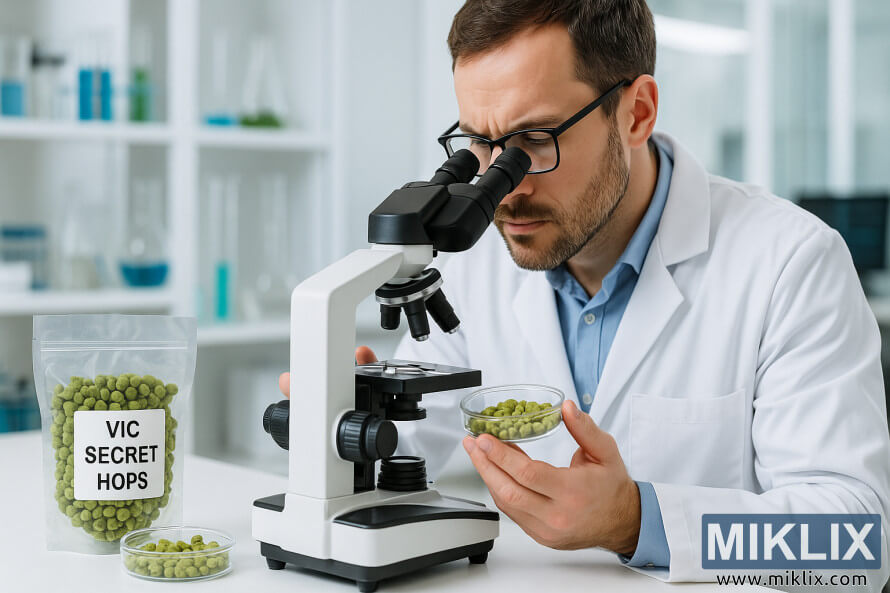
Vic Secret is a versatile hop, suitable for both bittering and aroma. It's ideal for bittering due to its high AA% content. Brewers often use a small amount for bittering and reserve the majority for late additions.
For aroma, most of the hop mass should be added in late-kettle touches. A focused Vic Secret whirlpool at 160–180°F extracts oils effectively, avoiding harsh vegetal notes. Short whirlpool rests help preserve tropical fruit and pine aromas, minimizing alpha acid isomerization.
Dry hopping brings out the hop's fullest fruity perfume. Use Vic Secret dry hop in moderation for IPAs and NEIPAs. A two-step dry hopping process—early charge and short finishing addition—enhances mango, passionfruit, and pine flavors without introducing grassy tones.
Be mindful of boil duration. Prolonged heat can vaporize volatile compounds, leading to earthier flavors. Treat Vic Secret boil additions strategically: brief late-boil hops for flavor, but rely on whirlpool and dry hop for preserving delicate aromatics.
- Dosage: match rates to other intense tropical varieties; moderate amounts in whirlpool and dry hop for hazy, aromatic ales.
- Bittering: reduce initial bittering weight to account for high AA% and cohumulone content when calculating IBUs.
- Form: pellets are standard; no cryo or lupulin concentrates are currently produced by major suppliers, so plan recipes around pellet performance.
When blending hops, be cautious. Some brewers find a grassy edge when Vic Secret dominates. Adjust Vic Secret usage in blends with complementary varieties like Citra, Mosaic, or Nelson Sauvin to balance vegetative notes and enhance complexity.
Practical steps: begin with modest Vic Secret boil additions, allocate most aroma to whirlpool, and conclude with a conservative dry hop. Monitor changes between batches and adjust for the desired tropical intensity, avoiding excessive green character.
Beer Styles Suited to Vic Secret
Vic Secret excels in hop-forward styles, accentuating aroma and flavor. It's a standout in Pale Ales and American IPAs, revealing tropical fruit, passionfruit, and resinous pine. Single-hop experiments showcase its unique characteristics.
New England IPAs (NEIPAs) benefit from Vic Secret's addition in whirlpool and dry hopping. Its oil-rich profile enhances haze-driven juiciness, adding soft citrus and mango notes. Brewers often opt for low bitterness and emphasize late additions.
Session IPAs and aroma-driven Pale Ales are ideal for a drinkable beer with intense hop aroma. Dry hopping and late kettle additions highlight tropical esters and pine, avoiding harsh bitterness.
Vic Secret Pale Ales demonstrate the hop's ability to carry a beer with minimal malt. A two- to three-hop blend, featuring Vic Secret late, presents a predominantly tropical and floral profile with a resinous backbone.
When using Vic Secret in stouts or porters, caution is advised. It can introduce surprising tropical brightness to dark malts. Small quantities are recommended for single-hop showcases or experimental batches to prevent flavor clashes.
For recipe planning, prioritize late kettle, whirlpool, and dry hop additions. Use conservative bittering if necessary to balance the high AA%. Vic Secret shines in hop-forward styles, delivering vivid aroma and clear varietal identity.
Pairing Vic Secret with Other Hops
Vic Secret pairs well with hops that complement its bright pineapple and tropical flavors. Brewers often use a clean base beer and add hops in whirlpool and dry hop stages. This method helps preserve Vic Secret's unique top notes.
Citra and Mosaic are common choices to enhance citrus and tropical flavors. Galaxy adds to the tropical notes but should be used sparingly to keep Vic Secret in the spotlight. Motueka brings lime and herbal notes that balance out the malt sweetness.
- Simcoe contributes resin and pine, adding depth to Vic Secret.
- Amarillo adds orange and floral notes without overpowering the mix.
- Waimea introduces bold tropical and resin flavors for a richer mouthfeel.
Mandarina Bavaria and Denali are successful in whirlpool and dry hop additions for tropical blends. These pairings show how Vic Secret blends can create complex fruit profiles when balanced.
- Plan a hop schedule with Vic Secret in late kettle or whirlpool to keep volatiles.
- Use a strong tropical hop like Galaxy in small amounts to avoid dominance.
- Simcoe or Waimea are best for supporting roles with their resinous qualities.
- Steer clear of too many grassy or vegetal hops in the same stages to avoid off-flavors.
When selecting hops to pair with Vic Secret, aim for contrast, not duplication. Thoughtful pairing results in vibrant Vic Secret blends. These blends highlight both the varietal's signature fruit and the complementary character of other hops.
Click or tap the image for more information and higher resolutions.
Substitutions for Vic Secret Hops
When Vic Secret is out of stock, brewers often turn to Galaxy as a substitute. Galaxy brings bright tropical and passionfruit notes, making it a natural fit for late additions and dry hopping.
Use Galaxy with caution. It's more intense than Vic Secret, so reduce the rate by 10–30 percent. This adjustment prevents tropical notes from dominating the beer's flavor.
Other hop alternatives to Vic Secret include Citra, Mosaic, and Amarillo. Citra emphasizes citrus and ripe mango, Mosaic adds berry and resinous pine, and Amarillo contributes orange and floral lift.
Blends can be effective when a single hop doesn't quite cut it. Try Citra + Galaxy for a juicy, punchy profile or Mosaic + Amarillo to bring a rounded fruit-and-pine character closer to Vic Secret.
- Galaxy substitute: reduce usage to avoid dominance, use for strong tropical forward beers.
- Citra: bright citrus and mango, fits pale ales and IPAs.
- Mosaic: complex berry and pine, good in balanced blends.
- Amarillo: orange zest and floral notes, supports softer fruit tones.
Test small-scale batches before scaling a change. Tasting adjustments after whirlpool and dry-hop additions helps dial in the right balance. This method gives a reliable path to match Vic Secret’s character when you need a substitute.
Sourcing and Purchasing Vic Secret Hops
Brewers aiming to acquire Vic Secret hops have various options. Independent hop suppliers often include pellets in their catalogs. Online platforms like Amazon and specialty homebrew stores offer both single-pound and bulk quantities.
When evaluating Vic Secret suppliers, it's essential to consider the harvest year and alpha acid content. These factors can significantly impact bitterness and aroma. Recent crops tend to offer more vibrant tropical and resinous flavors.
The form of the product is critical for both storage and dosage. Vic Secret is predominantly sold as hop pellets. Formats like Cryo, LupuLN2, or Lupomax are less common for Vic Secret, making pellets the preferred choice.
- Compare price per ounce and minimum order quantities.
- Confirm pellet packaging and vacuum sealing to preserve freshness.
- Ask suppliers about cold-chain or insulated shipping for U.S. orders.
Market availability fluctuates with each harvest. Australian production has shown that Vic Secret is consistently available but not limitless. The aroma and alpha acid content can vary significantly between crops.
For substantial quantities, reach out to commercial hop brokers or well-established suppliers like BarthHaas or Yakima Chief. They may list Vic Secret. Homebrewers can find regional distributors that allow purchasing by the ounce or pound.
Before making a purchase, ensure the supplier provides accurate alpha acid and harvest year information. Also, verify storage recommendations and shipping times. This diligence helps maintain the hops' aroma quality and ensures they meet your recipe's needs.
Recipe Examples and Practical Brewing Tips
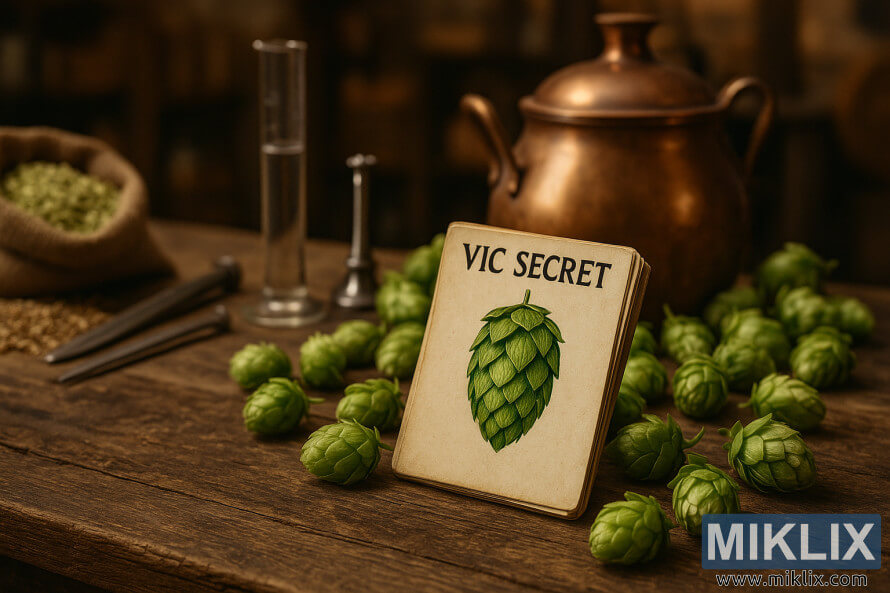
Begin with IPAs and NEIPAs to showcase Vic Secret's full spectrum. Be cautious with bittering additions, as Vic Secret's alpha acids can be high. Adjust IBUs to avoid harsh bitterness. For floral and tropical notes, use whirlpool hops at 170–180°F.
Building depth is key with dry-hop staging. A common method is to split additions: 50% at day 3–4, 30% at day 6–7, and 20% at packaging. This approach prevents grassy or vegetal notes. If NEIPA trials show grassy characters, reduce whirlpool hop mass.
Blend successful ideas in your recipes. For a tropical flavor, pair Vic Secret with Citra or Galaxy but reduce Galaxy rates. For a citrus-tropical balance, combine Vic Secret with Amarillo. Vic Secret and Mandarina Bavaria or Denali create a strong tangerine and passionfruit flavor profile.
- Example IPA: pale malt base, 20 IBU bittering, whirlpool 1.0–1.5 oz Vic Secret per 5 gal at 30 minutes, dry-hop split per staging above.
- Example NEIPA: full adjunct mash, low late-boil time, whirlpool 1.5–2.0 oz Vic Secret per 5 gal, dry-hop heavy but staged for haze stability.
Keep late-boil time short to preserve volatile oils. Minimize hop additions in the last 10 minutes of the boil. Pellets retain oils best when stored cold and sealed, so refrigerate or freeze unopened bags. Check supplier alpha and oil specs before scaling recipes to match intended bitterness and aroma.
Monitor fermentation and yeast choice to avoid grassy esters. Use clean, attenuating ale strains and control fermentation temperature. If grassy notes persist, lower whirlpool hop mass or move more of the aromatic charge to dry-hop additions when brewing with Vic Secret.
Click or tap the image for more information and higher resolutions.
Sensory Evaluation and Tasting Notes
Begin by tasting Vic Secret in small, focused trials. Utilize single-hop batches or steep hop samples in beer base to isolate its character. Take separate aroma samples from whirlpool and dry-hop steps to note differences clearly.
Typical tasting Vic Secret reveals dominant pineapple and passionfruit flavors. A firm tropical fruit body sits alongside pine resin. Secondary notes can include tangerine, mango, and papaya.
Vic Secret sensory impressions change with timing and dosage. Late kettle additions and whirlpool work bring bright fruit and resin. Dry-hopping lifts volatile tropical esters and a soft herbal edge.
Perception varies by recipe and yeast. Some brewers report exotic bag aromatics that read as juicy and clean. Others find grassy or vegetal tones, which are more pronounced in hazy New England–style ales.
- Evaluate aroma intensity from whirlpool separately.
- Assess dry-hop notes on day three, five, and ten to track evolution.
- Run single-hop comparisons against Galaxy to hear nuances.
Comparing Vic Secret to Galaxy provides context. Vic Secret is in the same flavor family but reads lighter and subtler. Galaxy tends to project more intensely; Vic Secret rewards layered hopping and restraint.
Record Vic Secret tasting notes in a consistent format: aroma, flavor, mouthfeel, and aftertaste. Note any vegetal or herbal cues and link them to process variables like oxygen, temperature, and contact time.
For reproducible results, document hop lot, alpha acids, addition times, and yeast strain. These data points clarify why Vic Secret sensory traits appear strong in one batch and muted in another.
Crop Variability and Harvest Year Effects
Vic Secret's harvest variation is evident in its alpha acids, essential oils, and aroma strength. Growers attribute these changes to weather, soil conditions, and harvest timing. As a result, brewers can expect variations between batches.
Historical data on Vic Secret's alpha acids range from 14% to 21.8%, averaging around 17.9%. Total oil volumes vary between 1.9–2.8 mL/100g, with an average of 2.4 mL/100g. These figures illustrate the typical variability in hop crops.
Production trends also impact Vic Secret's availability. In 2019, Australian output reached 225 metric tonnes, a 10.8% increase from 2018. Despite this, Vic Secret's supply is subject to seasonal fluctuations and regional yields. Small harvests or shipping delays can further restrict availability.
When making purchasing decisions, consider the harvest data. For hops that enhance aroma, choose recent harvests and verify total oil levels from suppliers. If a batch has an unusually high AA, such as 21.8%, adjust bittering charges to match the reported acid content.
To manage variability, request AA% and oil totals from suppliers for specific lots. Also, note the harvest year on the label and track sensory notes for each batch. These steps can help mitigate unexpected flavor shifts in beer due to hop crop variability.
Commercial Use Cases and Notable Beers
Vic Secret's popularity in brewing has surged, thanks to its bold tropical and pine flavors. Craft breweries frequently use it in IPAs and Pale Ales. This hop adds bright mango, passionfruit, and resinous notes, making it a favorite for hop-forward blends and single-hop beers.
Cinderlands Test Piece is a prime example of Vic Secret's impact. The brewery used 100% Vic Secret, highlighting its juicy top notes and clean bitterness. This showcases the hop's suitability for modern American-style IPAs. Such single-hop beers allow brewers and drinkers to assess aroma clarity and flavor intensity.
The global brewing industry's adoption of Vic Secret reflects its practical use. In 2019, Vic Secret was the second-most produced Australian hop, after Galaxy. This high production level indicates confidence from maltsters and growers, making the hop more accessible for brewers.
Many breweries combine Vic Secret with Citra, Mosaic, Galaxy, and Simcoe to create complex hop profiles. These blends offer citrus lift, dank complexity, and tropical depth without overpowering each other. Brewers often use Vic Secret in late kettle additions and dry hops to preserve its volatile aromatics.
- Typical styles: West Coast and New England IPAs, Pale Ales, and hop-forward lagers.
- Showcase approach: Vic Secret single hop beers provide a direct study of its aromatic fingerprint.
- Blend strategy: Combine with contemporary aroma hops to broaden the hop spectrum in commercial releases.
For brewing teams aiming to stand out in the market, Vic Secret offers a distinct flavor profile. It appeals to hop-savvy consumers. Used wisely, Vic Secret supports both limited releases and year-round offerings.
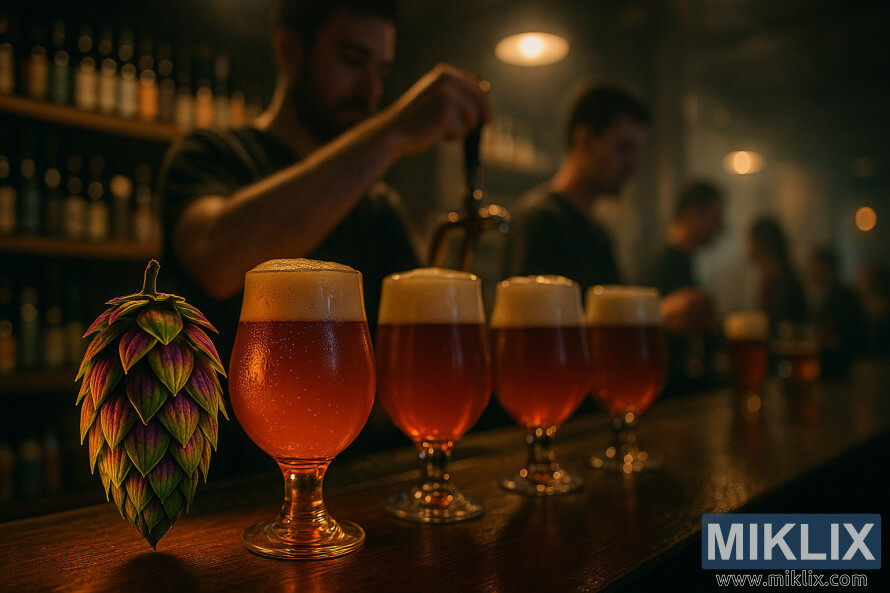
Click or tap the image for more information and higher resolutions.
Scientific and Analytical Resources for Brewers
Brewers aiming for precise hop handling should first consult supplier technical sheets and Certificates of Analysis. These documents provide detailed hop chemical data for Vic Secret, including alpha and beta acid ranges and cohumulone percentages. This information is essential for each harvest.
Industry reports from Hop Growers of America and independent lab summaries offer a broader view of Vic Secret hop analysis trends. They reveal typical hop oil composition averages. Myrcene is near 38.5%, humulene about 15%, caryophyllene roughly 12%, and farnesene around 0.5%.
- Use COAs to confirm total oil values and the percent of key terpenes.
- Compare technical sheets across years to track crop variability.
- Adjust IBU targets and late-hop aroma additions based on hop chemical data Vic Secret for the lot you buy.
Lab reports often detail remaining oil fractions, including β-pinene, linalool, and geraniol. This information refines pairing choices and dry-hop strategies. It links hop oil composition to sensory outcomes.
To enhance practical analytics, maintain a simple log. Record supplier COAs, measured IBU deviations, and tasting notes. This habit closes the loop between lab numbers and beer quality. It makes future Vic Secret hop analysis more actionable for each recipe.
Common Brewing Mistakes with Vic Secret and How to Avoid Them
Many Vic Secret brewing errors come from not verifying hop characteristics. Alpha acids can hit up to 21.8%, leading to excessive bitterness if used solely for bittering. It's essential to check the AA% and adjust bittering hops as necessary.
Excessive use in whirlpool and dry hop stages can also cause issues. Brewers often encounter grassy or vegetal notes in hazy IPAs due to large late-hop additions. To prevent this, reduce late-hop quantities or split dry-hop additions into multiple steps.
Long boil times can strip away the volatile oils that give Vic Secret its distinctive tropical and pine aromas. Boiling pellets for extended periods can result in dull or earthy flavors. To maintain the bright aroma, use most Vic Secret for late additions, whirlpool, or brief hop stands.
Recipe imbalances can also occur due to incorrect expectations. Vic Secret should be treated as a distinct variety, not a direct substitute for Galaxy. Galaxy's intensity requires adjusting Vic Secret rates and possibly tweaking malt and yeast choices to maintain balance.
Poor handling and storage can also mute hop oils. Store pellets in a cold, vacuum-sealed environment and use recent harvests to preserve aroma. Stale hops are a common culprit behind muted or off aromas, making them a key issue in Vic Secret troubleshooting.
- Check supplier AA% before adjusting IBUs.
- Reduce single heavy dry-hop additions to avoid grassy Vic Secret.
- Favor late additions to preserve volatile oils and fresh aromatics.
- Treat Vic Secret as unique when substituting for Galaxy.
- Store hops cold and sealed to prevent aroma loss.
If unexpected flavors emerge, employ a stepwise Vic Secret troubleshooting strategy. Confirm hop age and storage, recalculate IBUs with actual AA%, and split late-hop additions. Small, targeted adjustments can often restore the desired tropical-pine profile without overcompensating.
Conclusion
Vic Secret summary: This Australian HPA-bred hop is known for its bright pineapple, passionfruit, and pine flavors. It has a myrcene-forward oil profile and high alpha acids. It excels in late additions, whirlpool, and dry hopping, preserving its tropical-fruit aroma. Brewers should be cautious with its bittering, avoiding early-boil use.
Practical takeaway for U.S. brewers: Ensure you source fresh, recent-harvest Vic Secret pellets. Confirm lab specs before calculating IBUs. Pair Vic Secret hops with citrus and resinous varieties like Citra, Mosaic, Galaxy, Amarillo, or Simcoe. This combination enhances complexity without overpowering the fruit tones. Avoid high-temperature exposure to prevent grassy or earthy off-notes.
Vic Secret brewing conclusions highlight its versatility in modern craft recipes. Its increasing production and proven commercial success make it a great choice for both single-hop showcases and blending partners. Begin with small pilot batches to explore its role in your lineup. Adjust techniques based on sensory feedback and analytic data.
Further Reading
If you enjoyed this post, you may also like these suggestions:
- Hops in Beer Brewing: Pilgrim
- Hops in Beer Brewing: Whitbread Golding
- Hops in Beer Brewing: Tardif de Bourgogne