
Fermenting Beer with White Labs WLP521 Hornindal Kveik Ale Yeast
Published: January 30, 2026 at 6:21:02 PM UTC
White Labs WLP521 Hornindal Kveik Ale Yeast is a fast, fruit-forward option for homebrewers. It thrives in very warm fermentations without losing its character. Hailing from Hornindal, Norway, this kveik isolate brings out bright tangerine, mango, and pineapple notes.
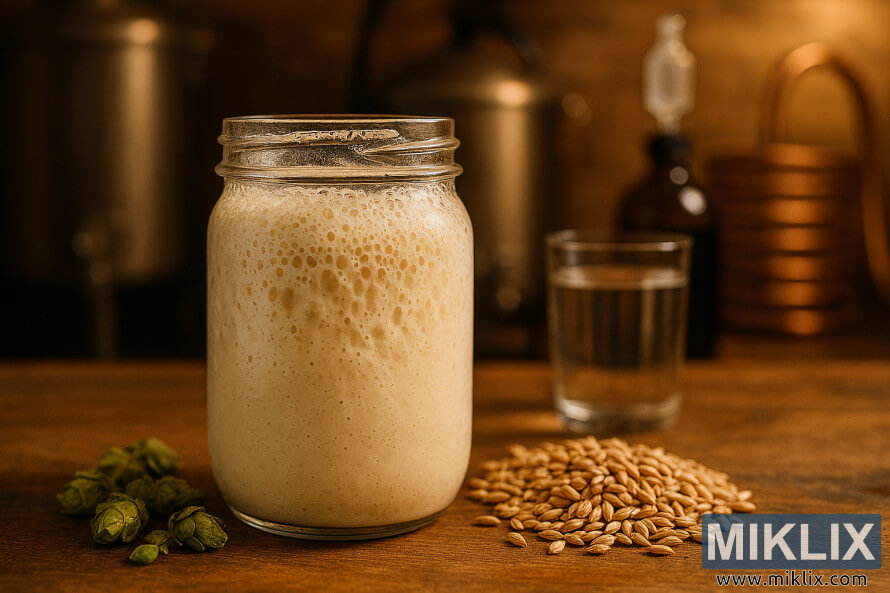
Click or tap the image for more information and higher resolutions.
For those diving into Hornindal kveik fermentation, WLP521 streamlines the process. It offers short lag times and rapid attenuation at 72°–98°F (22°–37°C). Unlike many kveik cultures, which were once mixed farmhouse blends, White Labs provides a clean single-isolate. This emphasizes tropical esters without bacterial contamination.
Practical pitching strategies and temperature control allow you to fine-tune ester intensity. This helps avoid excessive fusels when fermenting with WLP521.
Key Takeaways
- White Labs WLP521 Hornindal Kveik Ale Yeast produces pronounced tropical esters ideal for fruit-forward IPAs.
- Typical attenuation lands between 75% and 82%, with high flocculation for clearer beer.
- Fermentation range is wide (72°–98°F / 22°–37°C), enabling fast turnarounds.
- WLP521 review notes medium-to-high alcohol tolerance (about 8–12%).
- Use pitch-rate adjustments and modest temperature control to shape esters during Hornindal kveik fermentation.
What is White Labs WLP521 Hornindal Kveik Ale Yeast
White Labs WLP521 Hornindal Kveik Ale Yeast is a commercial isolate from traditional Norwegian farmhouse yeast. It offers intense tropical flavors like tangerine, mango, and pineapple during fermentation. This strain is prized for its fast fermentation and robust performance at warm temperatures.
The Hornindal origin comes from Hornindal, Norway, thanks to Terje Raftevold and earlier custodians like Olav Sverre Gausemel. Lars Marius Garshol documented the kveik history, introducing these yeasts to craft brewers globally. His work made it possible for commercial labs to offer isolates for consistent homebrew use.
White Labs categorizes WLP521 as a Vault product, known for its clean, fruit-forward profile and STA1 negative behavior. It boasts high temperature tolerance, high flocculation, and predictable attenuation. The strain produces prominent esters without the mixed bacterial character common in farmhouse cultures.
Commercial availability of Hornindal across vendors shows various approaches to the same lineage. Brands like Omega, GigaYeast, The Yeast Bay, Escarpment Labs, and White Labs all offer Hornindal or related isolates. This variety allows brewers to compare Hornindal strains and select the best fit for their recipes or fermentation plans.
- Origins: passed through households in Hornindal, documented by Garshol.
- Lab profile: Vault product with consistent tropical esters.
- Use cases: fast ales, pseudo-lagers, and high-temp fermentations.
When comparing Hornindal strains, expect variations in ester intensity, attenuation, and heat tolerance. Commercial isolates generally offer cleaner base flavors than mixed Norwegian farmhouse yeast blends. This distinction is crucial for tailoring beers to specific hop-forward or malt-focused recipes.
Key Fermentation Metrics for WLP521
Understanding core numbers is crucial for a reliable fermentation with White Labs WLP521 Hornindal. Below are the practical metrics most homebrewers check when designing a recipe and scheduling transfers.
Attenuation range and expected final gravity (75–82%)
White Labs lists WLP521 attenuation between 75 and 82 percent. This range typically yields a fairly dry finish in moderate original gravity beers. Use the attenuation band to set a target gravity for your beer's intended body and balance.
Pitching rate and wort health significantly affect realized attenuation. Undercalculated cell counts or oxygen-poor wort can push final gravity higher than the lab figure. So, factor yeast starter size or a fresh pack into your planning.
Flocculation behavior: High flocculation implications
WLP521 shows high kveik flocculation, which helps clarify beer quickly and eases racking. Fast settling reduces conditioning time for many ales.
High flocculation can reduce the amount of yeast available for repitching. Plan harvests from the trub and consider a starter when you want repeatable attenuation across batches.
Alcohol tolerance and limits for recipe planning (8–12%)
White Labs specifies WLP521 ABV tolerance at roughly 8–12 percent. Design target gravity to stay inside that window for predictable fermentation and minimal stress on the culture.
Some brewers report Hornindal isolates tolerating higher ABV in practice. Rely on WLP521 ABV tolerance for conservative recipe design to lower the risk of stalled or sluggish finishes.
Optimal Fermentation Temperatures and Profiles
White Labs provides a broad WLP521 temperature range, spanning 72°–98°F (22°–37°C). This range allows brewers to adjust flavor intensity and fermentation speed. Small adjustments within this range can significantly alter ester production and attenuation, without requiring extreme measures.
The recommended temperature range is 72°–98°F (22°–37°C).
This range accommodates both cool kveik-style pitches and very warm ferments. For a cleaner character and tighter esters, use the lower end. The upper end enhances tropical and citrus notes, typical of Hornindal ideal temps. Commercial brewers often achieve clean finishes even at temperatures near 90°F (32°C).
Effects of fermenting low vs high within the range
Fermenting at the lower end results in subdued fruit esters and clearer malt. It produces a profile closer to traditional ale strains. On the other hand, fermenting at higher temperatures increases fruity esters—such as tangerine and mango—and shortens the fermentation period. However, very warm ferments may lead to increased fusels if wort nutrition and pitching are suboptimal. Therefore, it's crucial to balance temperature with proper practices.
Practical temperature-control strategies for homebrewers
- Warm-pitch then cool: start near the mid-range to get a strong rise, then lower a few degrees to tame ester formation.
- Free-rise method: let ambient room heat push the ferment to desired temps when precise homebrew temperature control is unavailable.
- Swamp cooler or insulated fermenter: use ice packs or towels to nudge temps down during hot spells, or add heat wrap to hold steady in cooler basements.
- Thermal mass and timing: use a full fermenter and schedule batches so peak activity occurs during predictable warm hours.
Pitch temperature and timing are as important as absolute setpoints. A warm pitch boosts early growth and can shorten lag time, while a controlled drop after vigorous activity limits excessive esters. Apply these approaches to match Hornindal ideal temps and desired beer character when fermenting kveik temps in a home setting.
Flavor and Aroma Contributions of Hornindal Kveik
WLP521 introduces a unique, fruit-forward character to beer. Its distinct Hornindal flavor profile is celebrated for its clear tangerine, mango, and pineapple notes. These enhance pale ales and hazy IPAs. Commercial isolates replicate these traits, offering them without the farmhouse bacterial notes found in raw cultures.
Fermentation choices significantly influence WLP521 esters. Warmer ferments accentuate bold tropical esters and citrus notes. By pitching warm and then cooling, brewers can manage excessive esters while maintaining a lively fermentation. Kveik's high-temperature tolerance allows for either intense fruitiness or a cleaner, lager-like finish.
Pairing hops with kveik can enhance or balance the yeast's output. Hops like Citra, Mosaic, and El Dorado, known for their juicy, stone-fruit, and citrus flavors, complement Hornindal's tropical kveik aromas.
- For juicy IPAs: emphasize late-hop additions and dry-hop with fruity varieties to sync with the Hornindal flavor profile.
- For restrained ales: choose cleaner, herbal hops and moderate whirlpool temps to mute WLP521 esters.
- With adjuncts: fruit purees or fresh citrus peel can layer with WLP521 esters without clashing.
Keep fermentation control simple. Monitor temperatures and adjust pitch size to steer ester levels. This approach makes it easy to use the tropical kveik aromas as either a headline trait or a supporting note in balanced recipes.
Pitching Rates and Yeast Management for WLP521
Mastering the art of pitching with WLP521 involves setting clear objectives: achieving rapid fermentation, enhancing ester profiles, and ensuring fermentation consistency. White Labs provides a pitching rate calculator for WLP521, yet homebrewers can tailor their methods based on other ales. Kveik strains, unlike traditional ale or lager yeasts, demand a tailored approach to pitching. This is crucial for temperature, gravity, and desired ester levels.
- The warm-pitch method involves pitching at a higher temperature and then cooling. This technique can reduce lag time, allowing for slightly lower cell counts while maintaining fermentation vigor. Many brewers adopt this method, keeping kveik pitch recommendations in mind.
- For standard ale brewing, aim for cell counts around 1.0 million cells/mL/°Plato. Lager brewing, however, typically requires higher counts, approximately 2.0 million cells/mL/°Plato.
- Lab-grown products, such as PurePitch, may perform effectively at lower viable counts. This is due to their high viability and clean handling practices.
Intentionally underpitching Hornindal yeast is a deliberate choice, often made when accepting certain compromises. Traditional Hornindal practices and many homebrewers have shown that even modest pitches can lead to resilient fermentation. However, underpitching can enhance ester production and tropical flavors. It's crucial to be aware of the risks, especially in high-gravity wort or unsanitary conditions.
- Underpitching is suitable for low-gravity, single-batch experiments or when aiming for pronounced esters. Ensure tight sanitation and proper oxygenation.
- However, avoid underpitching in high-ABV beers, repeated repitches, or commercial timelines. In these cases, use the full recommended cell counts.
Consistency in brewing comes from precise measurements. Utilize a yeast cell count calculator or hemocytometer estimates to determine starter and cropped yeast volumes. Monitor viability after storage and keep track of cumulative repitch history. The yeast cell count calculator aids in converting recommended cell counts into appropriate starter or slurry volumes for your batch size.
Practical steps for reliable results:
- Begin with the WLP521 pitching rate guidance and adjust based on temperature and gravity.
- Create a small starter for batches over 1.060 original gravity or when using older yeast harvests.
- Record repitch cycles and viability. Fresh, healthy yeast minimizes the need for overpitching.
- Combine measured counts with kveik pitch recommendations to decide whether to underpitch Hornindal for flavor or hit target counts for predictability.
Suggested Beer Styles and Recipe Ideas
White Labs WLP521 Hornindal opens many doors for brewers who want fruity esters or fast, warm fermentation. It's perfect for pushing tropical hop character in modern IPAs or keeping flavors clean in darker, stronger beers. Below are recipe directions and style ideas that match WLP521’s strengths and practical tips to get consistent results.
IPAs and juicy, haze-forward beers benefit from WLP521’s citrus and tropical esters. For a Hornindal IPA recipe, choose expressive late-charge hops like Citra, Mosaic, or El Dorado. Ferment warm to accentuate mango and tangerine notes, then dry-hop gently to layer bright hop aroma over the yeast’s fruit profile.
- Target OG: 1.060–1.070 for a single IPA; 1.080+ for double IPA.
- Fermentation: 75–90°F (24–32°C) to tune ester intensity.
- Suggested hop schedule: bittering early, heavy late additions, and a 3–5 day dry hop.
Many homebrewers ask what beers to brew with WLP521 beyond IPAs. Blonde ales and pale ales are excellent canvases. Use a simple malt bill and modest hopping to let Hornindal’s fruitiness shine without overwhelming bitterness. For double IPAs, raise the malt backbone and stagger hop additions to balance high gravity while preserving juicy character.
- Blonde/Pale Ale: OG 1.045–1.055, single-step mash, moderate hopping.
- Double IPA: OG 1.075–1.090, oxygenation at pitch, and consider a higher pitch rate to help attenuate.
WLP521 handles rich, high-ABV beers with care when managed properly. Some kveik strains tolerate extreme alcohol levels, though White Labs rates WLP521 around 8–12% ABV. For kveik for high ABV projects, plan staggered nutrient additions, oxygenate well at the start, and consider short, controlled ferment rests to let the yeast finish cleanly.
Use WLP521 in stouts or barleywines to add a subtle fruit lift to dark malt complexity. For barrel-worthy barleywine, pitch enough healthy yeast, keep fermentation temperatures moderate, and monitor attenuation. The yeast can bring delicate esters that complement dried fruit and toffee notes without becoming overpowering.
- Hazy IPA kveik checklist: soft water profile, high-protein malt (oats/wheat), low-kilned base, late hop additions, dry hop at low temps after primary.
- Hornindal IPA recipe tip: ferment warmer for 24–48 hours to jump-start ester production, then allow a short conditioning period to smooth out volatile esters.
- kveik for high ABV reminder: respect White Labs’ tolerance rating, but use graduated oxygen and nutrient strategies when pushing to stronger beers.
These ideas make WLP521 useful across a range of styles. Match pitching, oxygenation, and temperature to the target beer and the yeast will reward you with vivid tropical notes or restrained complexity as needed.
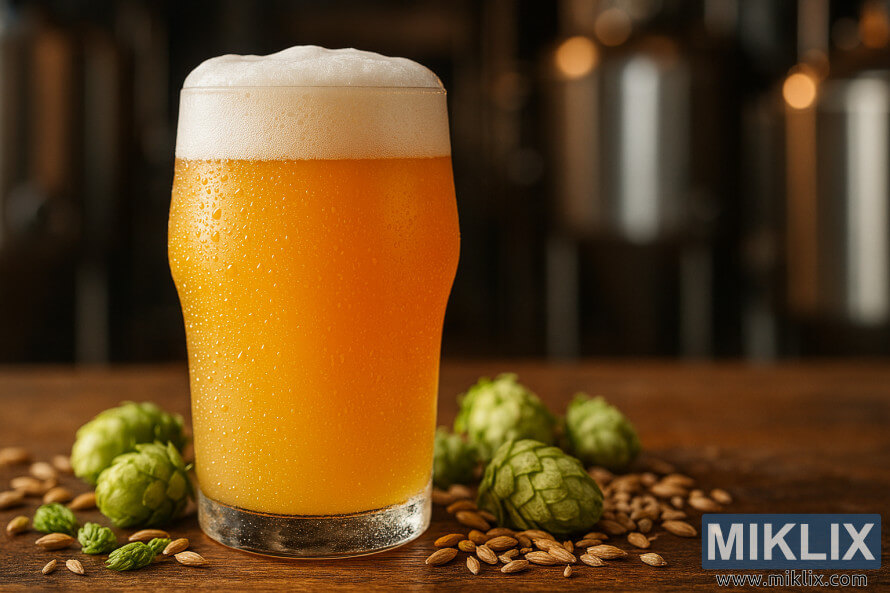
Click or tap the image for more information and higher resolutions.
Fermentation Speed and Timeline Expectations
WLP521 fermentation speed often surprises brewers who expect ale timelines. At warm pitches, Hornindal shows rapid activity and short lag phases. This makes it a go-to for fast house beers and quick recipe tests.
Typical Hornindal lag time is much shorter than many ale strains. When pitched warm, visible krausen and bubbling can appear within 8–24 hours. This early activity reflects the kveik fast fermentation trait and helps brewers predict when to check gravity.
Active fermentation at higher temperatures tends to peak hard and finish sooner. WLP521 fermentation speed at 90°F (32°C) or above often yields terminal gravity in a few days for standard-strength ales. Watch krausen and use a hydrometer or refractometer to confirm attenuation.
- Pitch warm to encourage short Hornindal lag time.
- Expect vigorous activity within 12–24 hours in many homebrew setups.
- Monitor fermenter temperature to manage ester expression.
WLP521 enables fast turnarounds compared to lager yeasts that need long cold rests. Kveik strains deliver rapid attenuation without extended lager conditioning. This allows brewers to free tanks and kegs much sooner when schedules are tight.
Conditioning time varies by style and clarity goals. For hop-forward IPAs, active fermentation may finish in days, but a packaging timeline kveik usually includes 7–14 days of maturation to let harsh esters soften and hops settle.
- For session and standard ales: consider 3–7 days active fermentation, plus 7–14 days conditioning.
- For higher-ABV or complex beers: extend conditioning until gravity stabilizes and flavors balance.
- Use high flocculation to your advantage; WLP521 clears faster, aiding an earlier packaging timeline kveik.
Decide to package or keg based on stable final gravity and desired clarity. Rapid WLP521 fermentation speed cuts primary time, but good practice is to confirm terminal gravity on two consecutive readings. This reduces the risk of early packaging and re-fermentation in the bottle or keg.
Handling High-Temperature Fermentations Safely
Kveik strains, such as White Labs WLP521, have become popular in brewing. They ferment quickly and handle warm temperatures well. This allows brewers to finish batches faster and reduce energy consumption. However, warm fermentations require careful handling to preserve flavor and yeast health.
Why these yeast strains handle heat well
Hornindal kveik comes from Norwegian farmhouse brewing, where yeast is pitched at room temperature or warmer. White Labs recommends WLP521 for temperatures up to 98°F (37°C). This reflects the genuine high-temperature tolerance of kveik yeast, backed by tradition and scientific data. Their resilience stems from natural selection for robust metabolism and rapid sugar uptake.
How to minimize fusel alcohols and off-flavors
To avoid fusels with Hornindal and similar strains, proper handling is key. Start with healthy, active yeast and a well-oxygenated, nutrient-rich wort. This reduces stress. Pitch at a warm but not extreme temperature and gradually cool it after peak activity to minimize higher alcohols.
Practical tips for brewers without fancy gear
- Use a swamp cooler with frozen bottles to trim temps by a few degrees during the most active phase.
- Insulated boxes or a simple brew belt give steady warmth when ambient swings would stress yeast.
- Pitch generous, active starters to shorten lag time and lower risk of off-flavors.
- Monitor gravity and airlock activity; if esters are too strong, shift to a cooler spot for conditioning.
- Consider gentle pressure fermentation if you plan many warm batches; it can suppress unwanted metabolites in commercial setups, but homebrewers rarely need it.
These homebrew kveik tips help balance the strain’s speed and high-temperature tolerance with practical practices. With a simple plan before brewing, you can enjoy safe high-temperature fermentation without compromising on clean flavor.
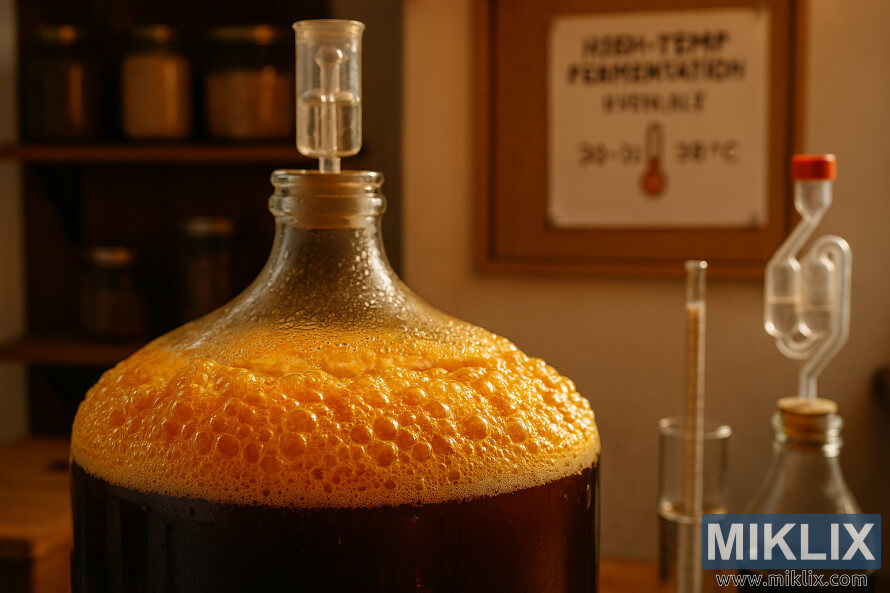
Click or tap the image for more information and higher resolutions.
Yeast Health, Nutrients, and Wort Preparation
Healthy yeast is crucial for reliable fermentation with Hornindal. A well-prepared wort and focus on WLP521 yeast health can reduce lag times. This leads to clean ester profiles and faster turnover without losing flavor.
Begin with a gravity and malt bill that aligns with the style and strain's strengths. The wort prep for Hornindal should have a balanced malt profile. It also needs adequate free amino nitrogen to meet kveik nutrient needs. For recipes with high gravity or a lot of adjuncts, adding yeast nutrient is essential for healthy cell growth.
Follow these practical steps at pitching to protect yeast vitality and support WLP521 yeast health:
- Check viability and use an appropriate pitch rate given your starting gravity and target ABV.
- Provide oxygenation for kveik right before pitching; warm, active kveik benefits from a measured oxygen dose to fuel early biomass generation.
- Add a yeast nutrient when the recipe is sugar-heavy or lacks complex proteins, addressing common kveik nutrient needs gaps.
Keep sanitation strict. Commercial isolates such as White Labs' WLP521 arrive pure and work best when equipment, racking gear, and fermentors stay clean. Cross-contamination risks compromise yeast performance faster than most other brewing errors.
If you plan to underpitch, compensate with excellent wort prep Hornindal and stronger oxygenation for kveik at the start. When repitching harvested yeast, evaluate cell counts and sanitation before reuse to maintain consistent WLP521 yeast health across batches.
Simple monitoring pays off: track gravity, aroma, and krausen early. If fermentation shows sluggish signs, consider a small nutrient addition or a gentle temperature nudge within the strain's range rather than aggressive interventions that stress yeast.
Repitching, Harvesting, and Storage Practices
WLP521's high flocculation makes yeast collection post-fermentation easy. Homebrewers can skim trub or harvest the thick yeast cake from the fermenter for repitching. It's crucial to handle the culture gently and maintain cleanliness to ensure its health for the next batch.
When harvesting kveik, follow a few key steps to preserve the strain's character. Use sanitized tools, decant clear beer from the yeast, and transfer the solids to sterile jars. Refrigerate them short-term or create a starter if more cells are needed for a stronger pitch.
- Collect layers: transfer the creamy yeast layer, avoiding excess trub.
- Label jars with date, batch gravity, and temperature.
- Use White Labs pitch-rate guidance or calculators to estimate required cells.
Before reusing yeast, it's essential to check its viability to avoid underpitching. Perform a quick viability stain or microscope counts when feasible. Consider the original gravity and fermentation temperature when setting repitch numbers.
- Take a sample from the harvest and estimate live cell percentage.
- Adjust repitch volume based on viability and target beer strength.
- When in doubt, build a starter to restore vigor instead of risking a weak fermentation.
Yeast storage in Hornindal requires cold, clean conditions to slow viability loss. Store jars at refrigerated temperatures and limit storage time to preserve flavor. For longer pauses, freezing in glycerol is an option, but hobby setups risk strain changes.
Routine rotation and conservative repitch intervals enhance reliability. Fresh commercial cultures often allow lower repitch rates due to higher viability. However, monitoring remains crucial. Thoughtful harvest kveik and disciplined checking yeast viability ensure WLP521 repitching remains predictable and repeatable.
Click or tap the image for more information and higher resolutions.
Troubleshooting Common Issues with WLP521 Fermentations
WLP521 Hornindal kveik is generally reliable but can face challenges. A detailed checklist helps diagnose issues like slow fermentation, unexpected esters, or off-flavors. It's crucial to note the pitch rate, wort oxygenation, nutrient additions, and temperature history before making adjustments.
Slow or stuck fermentations: diagnosis and fixes
Start by confirming gravity readings and comparing them to expected attenuation levels. A stuck fermentation often stems from low pitch rates, insufficient oxygenation, or a cold spot in the fermenter.
- Gradually increase the temperature to the middle of WLP521's range to revive fermentation.
- Ensure proper aeration if oxygen was lacking at pitch; use brief, sterile oxygen or pure O2, avoiding vigorous shaking.
- Repitch with healthy, active yeast if viability appears low. A known ale strain may salvage the batch.
Managing unexpected off-flavors or excessive esters
Excessive ester production often results from underpitching, high fermentation temperatures, or nutrient-poor wort. Small adjustments can significantly reduce ester levels without compromising aroma.
- Boost the pitch rate for the next brew and consider a starter for larger or high-gravity worts.
- To minimize esters, target lower temperatures within the strain's comfortable range and ensure proper nutrition.
- If off-flavors persist, conduct a bench trial: ferment a small volume at different temperatures to pinpoint the cause.
When to consider a different strain or a blend
If repeated fixes fail or the recipe demands a cleaner profile, it might be time to switch yeast strains. Opt for Omega Lutra for a very clean ester profile or blend WLP521 with a neutral ale strain to temper tropical notes.
- Blend for balance: partial inoculation with a neutral strain can preserve Hornindal character while reducing extremes.
- For rescue fermentations, repitch with a vigorous, clean-fermenting ale strain to ensure reliable completion.
- Document outcomes to decide whether to standardize a new approach for future batches.
Practical Brewing Examples and Case Studies
These examples illustrate WLP521's performance in real-world brewing scenarios. They range from a homebrew kveik example to a scaled production plan. By focusing on small, targeted recipes and clear timelines, brewers can achieve fast turnaround beers or lager-like clarity.
Homebrew recipe example for a tropical IPA using WLP521
For a 5-gallon (19 L) batch, aim for an OG of 1.060. This will help reach an FG of 1.012–1.015, given WLP521's attenuation. Use a malt bill of 10 lb Maris Otter, 1 lb Munich, and 0.5 lb light crystal for body and malt balance.
Hop additions should emphasize late kettle and whirlpool hops. This allows tangerine and mango esters to shine. Dry hop with Citra and Mosaic for aroma.
- Pitch warm: 86–92°F (30–33°C) for robust ester formation.
- Pitching: healthy starter or adequate cell count to avoid underpitching.
- Fermentation: active in 24–48 hours, finish in 3–5 days; cold-condition 24–48 hours before packaging if clarity is desired.
Case study: fermenting a fast pseudo-lager with Hornindal
Use a restrained malt profile and a cleaner hop schedule to mimic lager traits. Start fermentation warm at 65–68°F (18–20°C) for several hours. Then, ramp to a moderate warm range to push activity while limiting heavy ester production.
Spunding or fermenting under gentle pressure reduces volatile esters and gives a crisper finish.
- Prepare a 5-gallon light pilsner-style wort with an OG around 1.048.
- Pitch WLP521 at the lower end of its recommended cell counts to favor a cleaner profile.
- Manage temperature: begin 65–68°F, then hold 70–75°F if more fermentation vigor is needed.
Scaling tips from 5-gallon batches to larger volumes
Scaling kveik brewing requires recalculating pitch rates with yeast calculators and planning yeast propagation steps. For larger systems, oxygenation becomes critical; use pure oxygen for high-gravity or high-volume batches. Expect higher flocculation when harvesting; set up dedicated containers for yeast washing and storage.
- Adjust pitch: scale cell counts linearly with volume and gravity.
- Propagate: build multi-step starters for batches above 10 gallons.
- Harvesting: collect yeast after peak flocculation to maximize viability for reuse.
Each example integrates practical timelines and adjustments. Use the WLP521 IPA recipe approach for juicy IPAs, follow the Hornindal pseudo-lager case study steps for fast, clean ales, and apply scale kveik brewing tactics when moving from a homebrew kveik example to pro-scale runs.
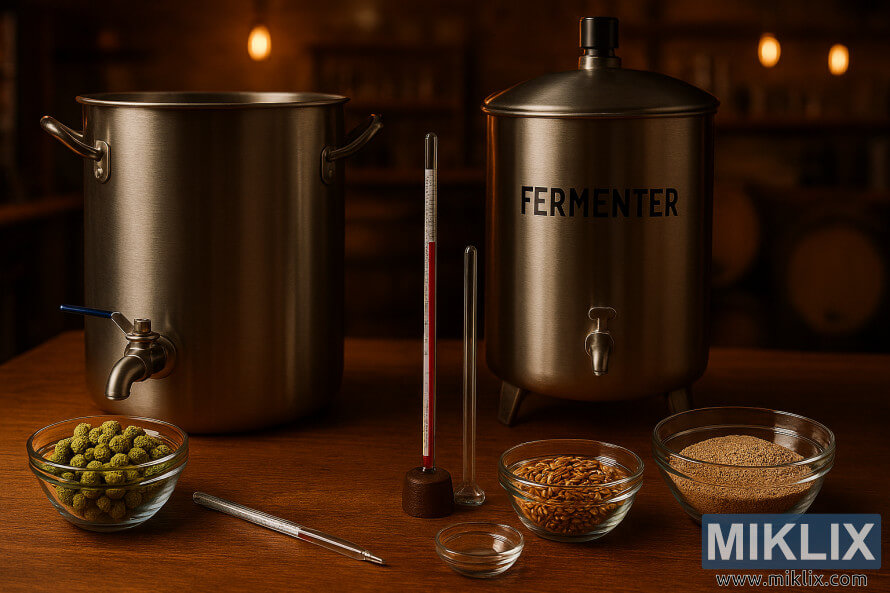
Click or tap the image for more information and higher resolutions.
Conclusion
White Labs WLP521 Hornindal Kveik Ale meets its Vault promises: 75–82% attenuation, high flocculation, 8–12% alcohol tolerance, and a wide 72°–98°F (22°–37°C) fermentation range. This review highlights how these features lead to quick, reliable fermentations. They also bring out tropical esters that complement tangerine, mango, and pineapple flavors in hops.
For homebrewers, using Hornindal is straightforward. Warm pitching, correct cell counts, and proper wort nutrition ensure consistent, fast results. Tools like pitch calculators and basic oxygenation practices help avoid underpitching. This maximizes the strain's benefits without harsh off-flavors.
The verdict on White Labs kveik is clear: WLP521 is a versatile asset for IPAs, pale ales, and even pseudo-lagers needing rapid fermentation. By following standard yeast-health practices and adhering to the strain's temperature and attenuation specs, you can expedite brewing. This approach enhances the beer's bright, fruit-forward aromas.
FAQ
What is White Labs WLP521 Hornindal Kveik Ale Yeast and where does it come from?
White Labs WLP521 Hornindal Kveik Ale Yeast is a commercial kveik isolate from Norway's Hornindal farmhouse lineage. Terje Raftevold shared the original strain, tracing back to Olav Sverre Gausemel's farmhouse tradition. Lars Marius Garshol helped popularize kveik globally. WLP521, a Vault product, offers a clean profile, preserving tropical and citrus esters without bacterial contamination.
What are the key lab specifications for WLP521?
White Labs lists WLP521 with 75–82% attenuation, high flocculation, and alcohol tolerance around 8–12%. It ferments best between 72°–98°F (22°–37°C). The product is STA1 negative, ideal for fast, warm fermentations with pronounced tropical fruit esters.
How does WLP521 compare to other Hornindal kveik isolates?
WLP521 is among several Hornindal isolates available commercially. It stands out as a pure laboratory isolate, fermenting cleaner than mixed cultures. Variability exists among isolates in ester intensity, alcohol tolerance, and temperature responsiveness. White Labs' specs are conservative and reliable for recipe planning.
What attenuation can I expect and how will that affect final gravity?
Expect 75–82% attenuation under typical conditions. This range usually results in a dry finish for moderate original gravities. Use the listed attenuation to estimate terminal gravity and balance; for higher-gravity beers, plan oxygenation, nutrients, and possibly a starter to reach your target FG.
What does high flocculation mean for my brew and for harvesting yeast?
High flocculation means WLP521 will settle out quickly after fermentation, improving clarity and easing racking. It also reduces the amount of suspended yeast available for repitching, so if you plan to harvest or repitch, collect yeast promptly and account for lower active cell counts compared with low-flocculant strains.
Is 8–12% alcohol tolerance a hard limit for WLP521?
White Labs specifies 8–12% as a conservative planning range for WLP521. Some Hornindal isolates and anecdotal reports show higher tolerance in practice, but for consistent results follow the 8–12% guideline, and for stronger beers use staged oxygenation, nutrient additions, and consider making a starter or blending strains for assurance.
What temperature should I ferment WLP521 at?
White Labs lists 72°–98°F (22°–37°C). Fermenting at the lower end yields cleaner, restrained esters. Mid-to-high range temps (especially 86–95°F / 30–35°C) accelerate fermentation and enhance tropical/citrus esters. Choose a profile based on desired ester intensity and beer style.
How does fermentation temperature change the yeast’s flavor contributions?
Lower temperatures within the WLP521 range produce cleaner profiles with subdued fruit esters. Higher temperatures bring forward tangerine, mango, pineapple, and citrus notes—very high temps emphasize citrus and sharper fruit esters like lemon. Control temperature to dial ester expression for IPAs vs pseudo-lagers or cleaner ales.
What practical temperature-control methods work for homebrewers using kveik?
Simple options include warm pitching and free-rise ambient fermenting, insulated fermenters, swamp coolers, heat belts or controlled fermentation chambers. Many homebrewers rely on warm ambient temps for kveik. If you need to tone down esters, pitch warm for a short lag, then lower the temperature or use a cooler ambient environment.
What flavors and aromas should I expect from Hornindal/WLP521?
WLP521 produces intense tropical and stone-fruit aromas—fresh tangerine, mango, and pineapple are typical. At high fermentation temperatures you’ll notice brighter citrus notes. Because this is a pure commercial isolate, you’ll get cleaner tropicality without the bacterial farmhouse notes such as lactic or ‘barnyard’ character.
Which hops and adjuncts pair best with WLP521?
Fruit-forward and citrusy hops are excellent partners—Citra, Mosaic, Galaxy, Amarillo, and Nelson Sauvin complement Hornindal’s esters. Adjunct fruit purees (mango, tangerine, pineapple) enhance the yeast’s profile in hazy or fruited IPAs. For cleaner styles, use noble-leaning hops or restrained late hopping.
How should I pitch WLP521 — any special strategies versus ale or lager yeasts?
Standard ale pitch rates apply, but kveik can be pitched with lower cell counts when warm-pitch methods are used. Industry guidance often recommends ~1.0 million cells/mL/°Plato for ales as a baseline. Warm pitching can shorten lag time and allow modest underpitching, but use pitch calculators and consider wort gravity and desired ester outcome for consistency.
Is underpitching common with Hornindal and what are the risks?
Underpitching is common in homebrew kveik practice and can boost ester production, but it raises risks of stressed yeast, off-flavors, or stuck fermentations—especially in high-gravity worts. For reliable results in larger or stronger batches, use proper cell counts, oxygenation, and consider making a starter or repitching healthy yeast.
Should I use a pitch calculator or count cells for WLP521?
Yes. Use a pitch calculator and factor in vitality, gravity, and temperature strategy to achieve reproducible results. White Labs provides pitch guidance and a calculator; for high-gravity beers or repeat repitches, viability checks and math help avoid stalled fermentations.
What beer styles are best suited for WLP521?
White Labs recommends American IPA, Blonde Ale, Double IPA, Hazy/Juicy IPA, and Pale Ale. WLP521’s tropical esters shine in hop-forward beers, while its warm-fast fermentation and clean tendencies also make it useful for pseudo-lagers, stouts, porters, and some higher-ABV styles when managed carefully.
Can WLP521 be used in high-ABV beers like imperial stouts or barleywines?
It can, but follow White Labs’ 8–12% guideline and take precautions: oxygenate well, add yeast nutrients, consider staggered nutrient additions, and possibly build a starter. Some brewers push Hornindal strains higher, but conservative planning reduces the chance of stuck fermentations or stressed-off flavors.
How fast does WLP521 ferment and what lag times are typical?
WLP521 is fast. When pitched warm, active fermentation often begins within 12–24 hours and can reach terminal gravity quickly—sometimes days for low- to moderate-gravity beers. Lag time shortens with proper oxygenation and healthy pitch rates.
How does WLP521 speed compare to traditional lager yeasts?
Kveik strains like WLP521 dramatically shorten turnaround compared with lager fermentations. They ferment rapidly at warm temperatures and generally eliminate lengthy cold-conditioning required for lagers, enabling much faster batch-to-batch throughput.
When should I package or keg after fermenting with WLP521?
For hop-forward ales, active fermentation may finish within days, but allow additional conditioning—typically several days to one to two weeks—to let esters settle and clarity improve. Because WLP521 flocculates well, conditioning times are often shorter; always confirm stable terminal gravity before packaging.
Why can kveik tolerate such high fermentation temperatures?
Hornindal and other kveik strains come from farmhouse traditions where high-temperature pitching and minimal control were common. Genetic adaptation over generations selected for yeast that remain viable and productive at elevated temperatures while still producing desirable esters without common high-temp faults.
How do I avoid fusel alcohols or off-flavors when fermenting hot with WLP521?
Avoid oxygen starvation at pitch, maintain adequate nutrients, use sensible pitch rates, and don’t push beyond recommended alcohol tolerance without planning. If you want fewer esters, ferment lower in the range or pitch warm briefly then reduce temperature. Proper sanitation and yeast health reduce risk of off-flavors.
What can homebrewers without precise temp control do to manage WLP521 fermentations?
Embrace kveik’s tolerance: use warm ambient spaces, insulated fermenters, or simple swamp coolers. For cleaner profiles, pitch at the lower end of the range or move the fermenter to a cooler spot after vigorous activity. Many brewers achieve excellent results with basic heat sources and insulation rather than full refrigeration.
How important is wort nutrition and oxygenation for WLP521?
Very important. A nutrient-rich wort and proper oxygenation at pitching support vigorous, clean fermentations and reduce stress-related off-flavors—especially when underpitching or brewing high-gravity beers. Add yeast nutrient for adjunct-heavy or high-OG worts and ensure adequate dissolved oxygen before pitching.
When should I add yeast nutrients for best results with kveik?
Add nutrients when brewing high-gravity worts, heavy adjunct recipes, or when planning to underpitch. Consider a staggered nutrient schedule for very high-ABV beers. For typical IPAs and pale ales, balanced malt bills and a single nutrient addition can be sufficient.
What sanitation and pitching best practices apply to WLP521?
Use clean, sanitized equipment and handle the pure culture carefully to avoid contamination. Cold storage of harvested yeast should be sanitary and short-term. For repitching, check viability and avoid extended storage without refrigeration or a starter to reactivate cells.
How do I harvest and store WLP521 given its high flocculation?
Collect yeast promptly after fermentation before it compacts too tightly. Store in sanitized, airtight containers in the fridge for short-term use. Because high flocculation reduces active biomass, consider making a starter before repitching or use harvested slurry quickly for best viability.
How often can I repitch WLP521 and how should I check viability?
Repitching frequency depends on harvest method and storage. Perform viability checks (microscope or staining) or use conservative repitch intervals. If viability is uncertain, build a starter to restore cell count. Monitor off-flavors and fermentation vigor as indicators of declining performance.
What causes slow or stuck fermentations with WLP521 and how do I fix them?
Common causes include underpitching for gravity, insufficient oxygenation or nutrients, low viability in harvested yeast, or wort temperatures outside a practical range. Remedies: warm the fermenter within the recommended range, oxygenate carefully, add nutrient, pitch fresh healthy yeast or a starter, and check sanitation and gravity targets.
If fermentation produces excessive esters, what can I do?
For finished batches, age and allow conditioning to mellow esters. For active ferments, lower temperature if within safe timing, or gently aerate early (only if still in early growth phase). For future batches, increase pitch rate, lower fermentation temperature, or adjust pitching strategy to reduce ester production.
When should I consider using a different strain or blending yeasts?
Consider a different strain if you need a very clean lager profile, have repeatedly stalled high-OG batches using WLP521 within its specified tolerance, or want different ester characteristics. Blending can balance traits—use WLP521 for tropical notes and a cleaner strain for backbone control where needed.
Can you give a brief example of a homebrew recipe idea using WLP521?
A tropical NEIPA: 5-gallon batch with an OG around 1.062, pale and oats mash, heavy late and whirlpool hopping with Citra and Mosaic, dry hop addition of Citra and Galaxy, pitch WLP521 at mid-range pitch rate, ferment warm (85–90°F / 29–32°C) for pronounced mango and tangerine esters, condition 5–10 days then keg once FG is stable.
How can I scale WLP521 fermentation practices from 5 gallons to larger systems?
Scale cell counts with a pitch calculator, plan oxygenation and nutrient needs proportionally, and consider yeast propagation to ensure healthy quantities. High-flocculation behavior means plan yeast harvesting and repitch logistics in larger systems. Monitor temperature control and gravity closely as batch size increases.
Where can I find pitch-rate guidance specific to WLP521?
White Labs provides pitch-rate tools and guidance for Vault products. Use those resources along with industry recommendations—ale baseline around 1.0 million cells/mL/°Plato and lager higher—then adjust for warm-pitch methods, gravity, and desired ester profile.
Are there safety or quality precautions unique to kveik like WLP521?
Follow standard sanitation, oxygenation, and yeast-care practices. Kveik’s high-temp tolerance doesn’t remove the need for proper pitching hygiene and viability checks. For high-temperature fermentations in professional settings, pressure control or spunding can manage unwanted metabolites, but homebrewers typically rely on yeast health and sensible pitching.
Further Reading
If you enjoyed this post, you may also like these suggestions:
- Fermenting Beer with Mangrove Jack's M84 Bohemian Lager Yeast
- Fermenting Beer with White Labs WLP833 German Bock Lager Yeast
- Fermenting Beer with Wyeast 3191-PC Berliner Weisse Blend