
Fermenting Beer with White Labs WLP677 Lactobacillus Delbrueckii
Published: October 3, 2026 at 6:16:38 AM UTC
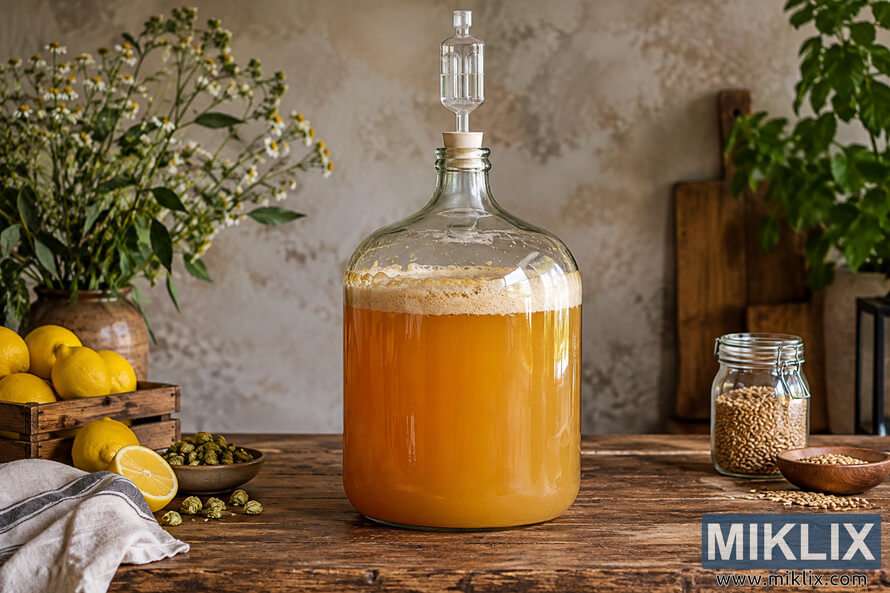
Crafting authentic sour beers at home requires the right lactic acid bacteria strain. White Labs WLP677 Lactobacillus delbrueckii stands out as a professional-grade option for homebrewers seeking moderate levels acidity and traditional sour flavours found in classic European styles.
Click or tap the image for more information and higher resolutions.
This guide walks you through everything you need to know about using WLP677 effectively. You'll discover proper handling techniques, optimal fermentation conditions, and troubleshooting strategies that help you avoid common pitfalls.
What Is WLP677 Lactobacillus delbrueckii?
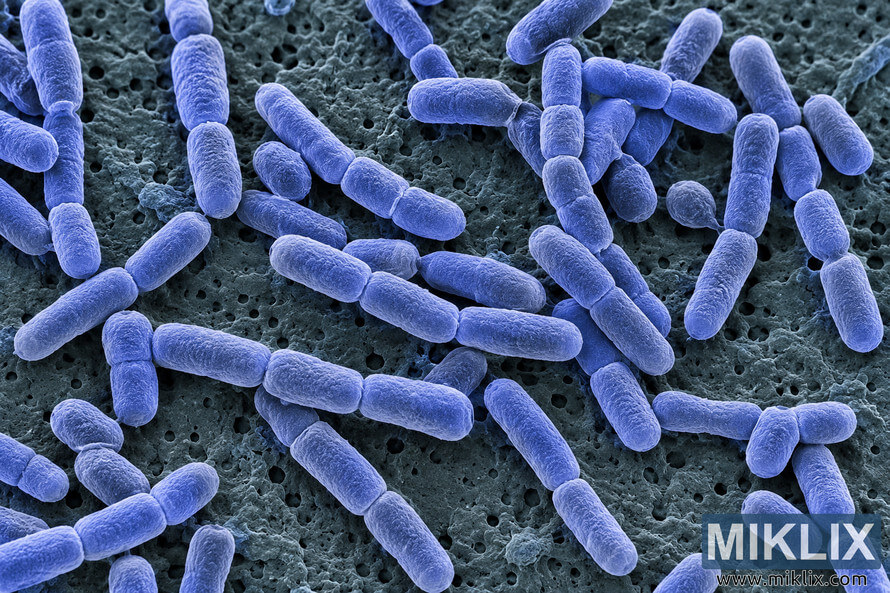
WLP677 is a specialized lactic acid bacteria strain isolated and cultivated by White Labs. Unlike traditional brewing yeast, this acid bacteria produces lactic acid during fermentation, creating the characteristic sourness found in German and Belgian sour beer styles.
The bacteria produces moderate levels of acidity without overwhelming hop bitterness or malt character. This balanced approach makes it ideal for homebrewers new to sour beer production.
Key Characteristics
- Homofermentative lactic acid bacteria
- Produces clean, crisp acidity
- Works well in kettle souring methods
- Compatible with standard ale yeasts
- No off-flavor production when used correctly
Click or tap the image for more information and higher resolutions.
How WLP677 Differs from Other Lactobacillus Strains
White Labs offers several lactobacillus strains, but WLP677 lactobacillus delbrueckii provides specific advantages for traditional sour beer styles. It produces moderate acidity levels that develop gradually, giving you better control over final pH.
| Strain | Acid Production | Temperature Range | Best Styles |
| WLP677 L. delbrueckii | Moderate | 95-100°F | Berliner Weisse, Gose |
| WLP672 L. brevis | High | 85-95°F | Lambic, Sour Brown |
| WLP605 L. plantarum | Fast/High | 80-95°F | Quick Sours, Kettle Sours |
Fermentation Parameters and Usage
Success with WLP677 lactobacillus delbrueckii depends on maintaining precise fermentation conditions. Temperature control and proper pitch rates determine both the speed of acidification and final flavor profile.
Optimal Fermentation Temperature
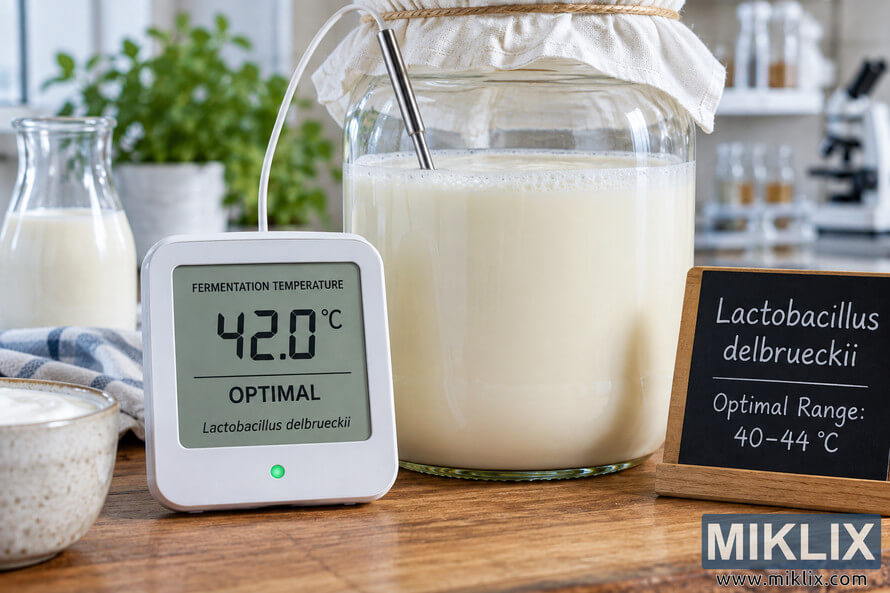
The bacteria produces moderate levels acidity most effectively between 95-100°F (35-38°C). This elevated temperature range allows rapid acid development while maintaining clean flavor characteristics.
Lower temperatures slow acid production significantly. Below 85°F, fermentation may stall completely. Higher temperatures above 105°F risk killing the bacteria and creating off-flavors.
Pro Tip: Maintain consistent temperature throughout the souring period. Temperature fluctuations can produce inconsistent acidity and unpredictable flavors in your finished beer.
Click or tap the image for more information and higher resolutions.
Pitch Rates and Cell Counts
Proper pitch rates ensure predictable acidification timelines. White Labs recommends different approaches based on your souring method.
Kettle Souring Method
For kettle souring, pitch one PurePitch package (approximately 140 billion cells) per 5 gallons of wort. This concentration provides rapid pH drop within 24-48 hours.
The higher cell count compensates for the short souring window before boiling kills the bacteria.
Traditional Souring Method
For barrel aging or long-term souring, use 0.5-0.75 packages per 5 gallons. Lower pitch rates allow gradual acid development over weeks or months.
This approach better suits complex sour beer styles requiring extended aging periods.
Wort Preparation and Gravity Considerations
Wort composition significantly impacts lactic acid bacteria performance. Starting gravity affects both fermentation speed and final acidity levels.
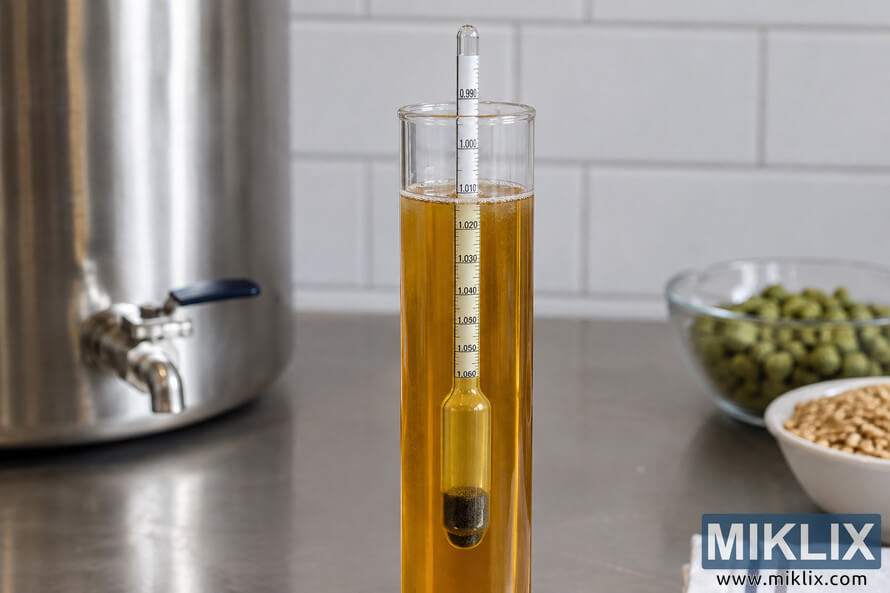
Target gravity between 1.030-1.050 for optimal results. Lower gravity wort acidifies faster but may lack body. Higher gravity slows acid production and can create residual sweetness that balances acidity.
Avoid hopping wort before bacteria inoculation. Hop compounds inhibit lactobacillus growth. Add hops only after completing the souring phase and adding brewing yeast for final fermentation.
Click or tap the image for more information and higher resolutions.
Flavor Profile and Characteristics
The acid bacteria produces moderate levels acidity with clean, crisp lactic acid character. Unlike harsh acetic acid (vinegar), lactic acid provides smooth, yogurt-like tartness that complements rather than dominates beer flavor.
Expected Acidity and pH Levels
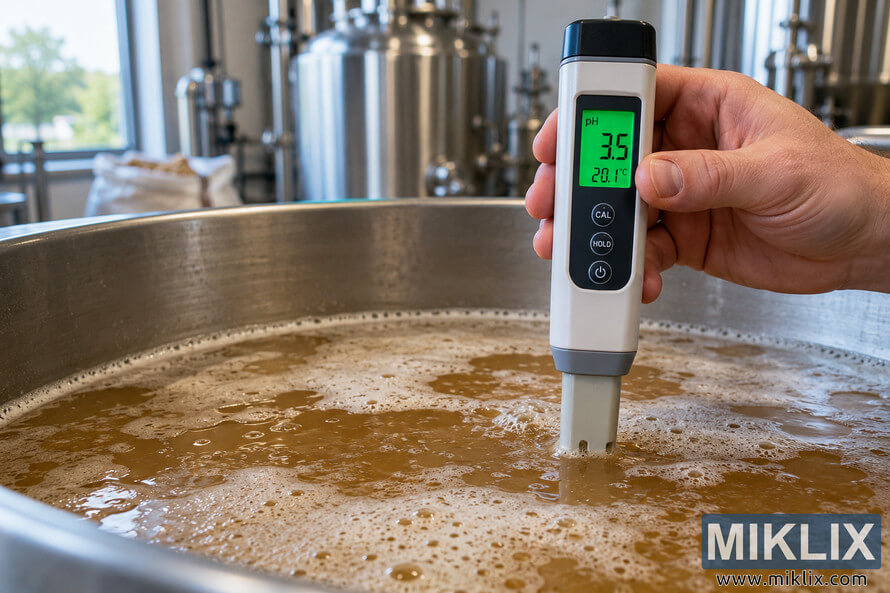
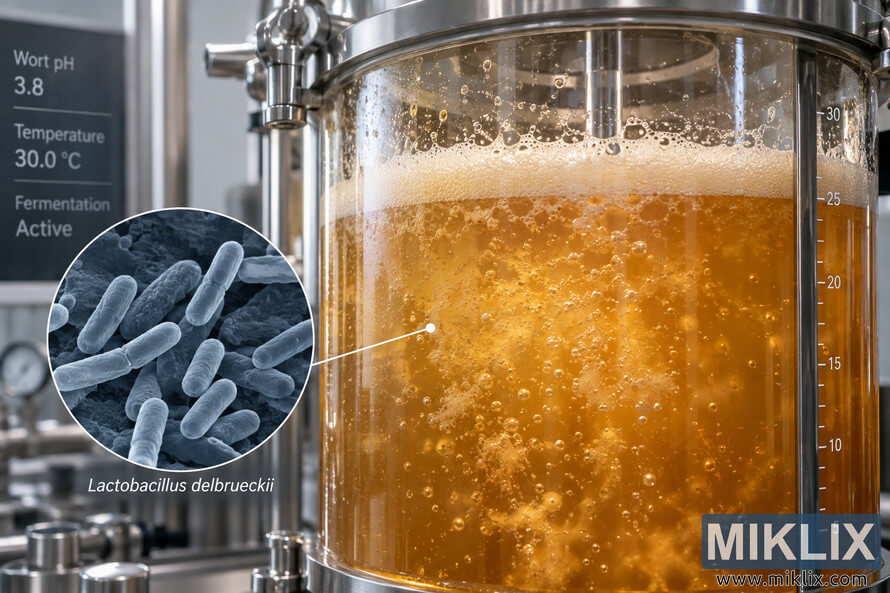
WLP677 typically reduces wort pH to 3.2-3.6 within 48 hours at optimal temperature. This range produces moderate levels acidity sour enough for authentic Berliner Weisse character without overwhelming palate.
Final perceived sourness depends on several factors beyond pH alone. Residual sweetness, alcohol content, and carbonation level all influence how tart the beer tastes to drinkers.
Flavor Development Timeline
- 0-12 hours: Minimal acid development, slight pH drop
- 12-24 hours: Noticeable tartness emerges, pH drops to 3.8-4.0
- 24-48 hours: Peak acid production, pH reaches 3.2-3.6
- 48+ hours: Acid production slows, flavor complexity develops
Click or tap the image for more information and higher resolutions.
Complementary Flavors and Aromatic Compounds
Beyond basic acidity, lactic acid bacteria produces subtle aromatic compounds that enhance complexity. The bacteria produces clean fermentation with minimal ester or phenol production.
You'll detect subtle notes of fresh yogurt, light citrus, and gentle tartness. These flavors integrate seamlessly with wheat malt sweetness and fruity additions common in sour beer styles.
Best Beer Styles for WLP677
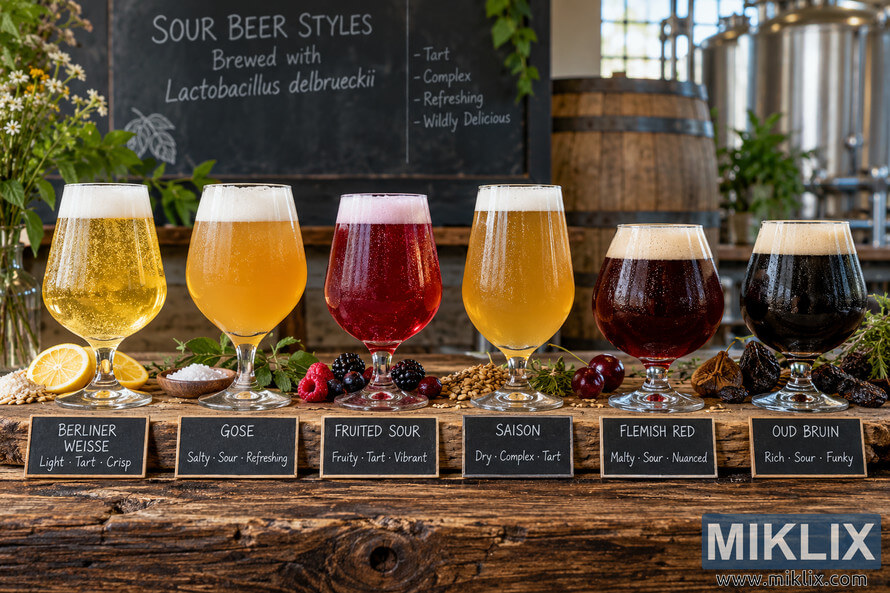
The bacteria produces moderate levels acidity that suits specific traditional sour beer styles. Understanding which styles benefit most from this strain helps you plan recipes that showcase its characteristics.
Click or tap the image for more information and higher resolutions.
Berliner Weisse
This classic German style represents the ideal application for WLP677. The bacteria produces moderate levels acidity sour enough for authentic character while allowing delicate wheat malt flavors to shine.
Traditional Berliner Weiss features low gravity (1.028-1.032), minimal hopping, and refreshing acidity. The light body and crisp tartness make it perfect for summer drinking.
Traditional Berliner Weisse Recipe
- 50% Pilsner malt, 50% wheat malt
- Target OG: 1.030-1.032
- No hop additions during souring
- Sour 24-36 hours to pH 3.3-3.4
- Ferment with neutral ale yeast
Modern Fruited Berliner
- 60% Pilsner malt, 40% wheat malt
- Target OG: 1.040-1.045
- Sour to pH 3.4-3.5
- Add fruit puree post-fermentation
- Popular fruits: raspberry, peach, mango
Gose Style Adaptation
- 50% Pilsner, 40% wheat, 10% acidulated malt
- Target OG: 1.036-1.042
- Sour to pH 3.4
- Add coriander and sea salt at flameout
- Light, refreshing with mineral character
Sour Brown Ales and Brett Beers
WLP677 works well as the primary acid source in complex mixed-fermentation beers. Combine it with Brettanomyces yeasts for sour brown ales featuring both lactic acidity and funky Brett character.
For these styles, use lower pitch rates and extend souring time to several weeks. The bacteria produces moderate levels acidity that provides foundation while Brett adds complexity over months of aging.
Quick Sour Variations
The kettle souring technique with WLP677 enables rapid production of clean sour beers. This method works for various base styles beyond traditional German wheat beers.
Excellent Styles for WLP677
- Berliner Weisse
- Gose
- Sour Blonde Ale
- Fruited Wheat Beer
- Light Sour Saison
Acceptable with Modifications
- Sour Brown (blend with other strains)
- Flanders Red (needs additional bacteria)
- American Wild Ale (combine with Brett)
- Sour IPA (requires careful hop timing)
Not Recommended
- Traditional Lambic (needs mixed culture)
- Heavy sour stouts (too much acidity)
- Gueuze (requires spontaneous fermentation)
- Aged sour brown (needs Pediococcus)
Storage, Handling, and Preparation
Proper storage maintains bacteria viability and ensures consistent performance. Lactic acid bacteria requires different handling than standard brewing yeast.
Click or tap the image for more information and higher resolutions.
Optimal Storage Conditions
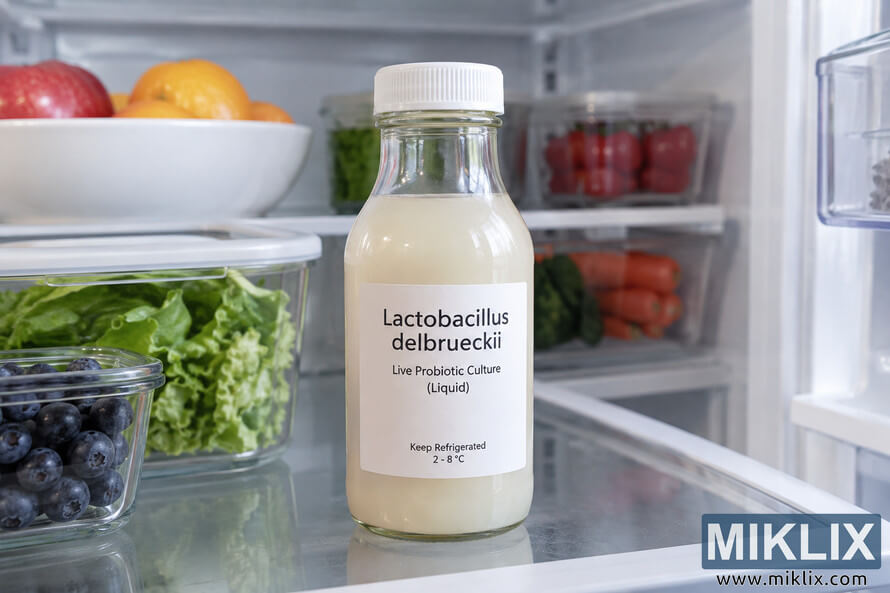
Store unopened WLP677 packages in your refrigerator at 35-40°F. Never freeze bacteria cultures as ice crystal formation damages cell walls and reduces viability.
Check the production date stamped on each package. White Labs guarantees viability for four months from production when stored properly. Older packages may require larger pitch rates or starter cultivation.
Important: Keep bacteria separate from brewing yeast in storage. Cross-contamination can ruin neutral beer batches. Use dedicated storage containers or clearly label bacteria packages.
Shipping Considerations
Temperature during shipping affects bacteria viability. Order during moderate weather when possible. Many suppliers include cold packs for summer shipping.
If packages arrive warm, refrigerate immediately and use within two weeks. Warm storage periods reduce viable cell counts even if refrigerated afterward.
Preparing WLP677 for Pitching
Remove bacteria from refrigerator 30-60 minutes before pitching. Allowing it to warm slightly reduces temperature shock when introduced to warm wort.
Step-by-Step Preparation
- Remove package from refrigerator
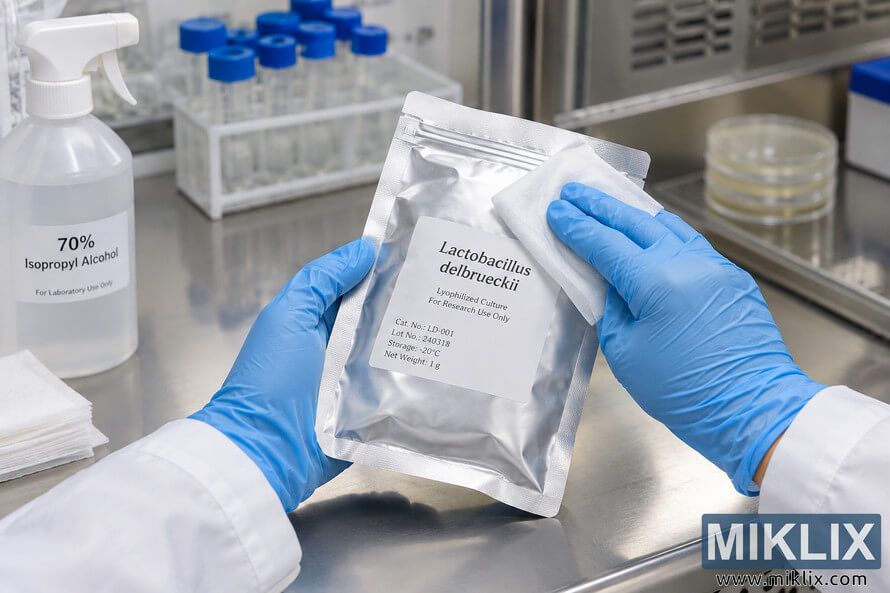
- Wipe exterior with sanitizer
- Allow to warm for 30-60 minutes
- Shake package vigorously
- Sanitize package corner and scissors
- Cut corner and pour directly into wort
- Swirl fermenter to distribute bacteria
Click or tap the image for more information and higher resolutions.
Making a Bacteria Starter
Unlike brewing yeast, lactic acid bacteria starters require special considerations. Standard wort starters don't work well due to hop sensitivity and different nutrient requirements.
For best results with older packages, make a small test batch first. Pitch bacteria into 1-2 quarts of unhopped wort at proper temperature. Monitor pH drop over 48 hours to confirm viability before committing to full batch.
Troubleshooting Common Issues
Even experienced homebrewers encounter challenges when working with lactic acid bacteria. Understanding common problems helps you identify and correct issues quickly.
Click or tap the image for more information and higher resolutions.
Slow or Stalled Acidification
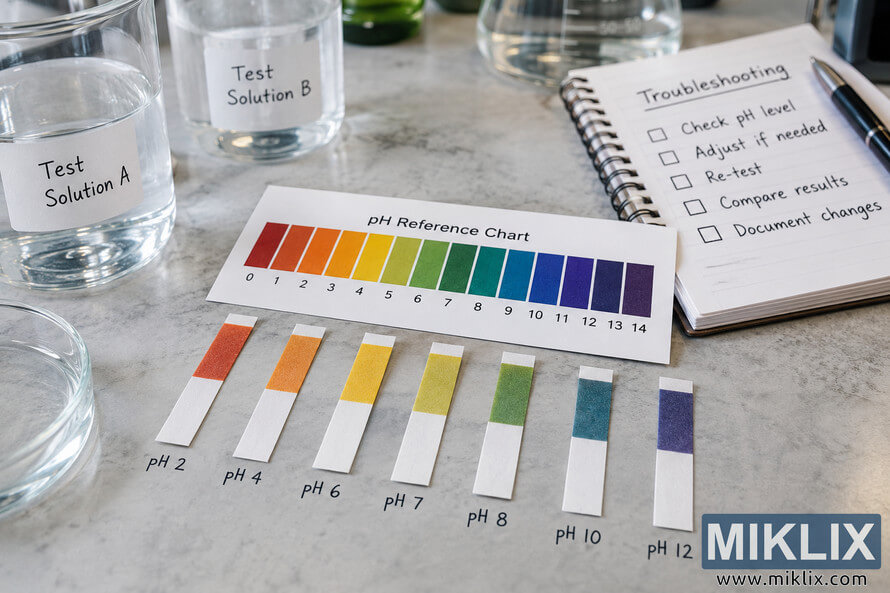
If pH hasn't dropped significantly after 48 hours, several factors may be responsible. Temperature problems cause most stalled fermentations with lactic acid bacteria.
Why isn't my wort acidifying?
Check fermentation temperature first. The bacteria produces moderate levels acidity only within 95-100°F range. Verify actual wort temperature with calibrated thermometer.
Low pitch rates also slow acidification. Old bacteria packages may have reduced viability. Consider pitching additional fresh bacteria or extending souring time.
Can I add more bacteria mid-fermentation?
Yes, pitching additional bacteria helps restart stalled fermentations. Add another package and increase temperature if needed. Monitor pH every 12 hours to track progress.
How do I prevent contamination with unwanted bacteria?
Maintain rigorous sanitation throughout the process. Purge fermenters with CO2 to create anaerobic environment. This prevents aerobic spoilage bacteria while allowing lactobacillus to thrive.
Never let temperature drop below 90°F during souring, as cooler temperatures favor unwanted microorganisms over WLP677.
What causes off-flavors in my sour beer?
Buttery diacetyl flavors indicate contamination with unwanted bacteria. This happens most often with slow acidification or temperature problems.
Vinegar character suggests acetic acid bacteria contamination. These require oxygen, so ensuring anaerobic conditions prevents this issue.
Excessive Sourness
Over-acidified beer results from extended souring time or excessive bacteria. Once pH drops below 3.0, beer becomes unpleasantly sour and harsh.
Solutions for Over-Soured Beer
- Blend with neutral beer to dilute acidity
- Add lactose for balancing sweetness
- Increase residual sugars through mash changes
- Blend with fruit to complement tartness
- Age longer to mellow harsh acidity
Prevention Strategies
- Monitor pH closely during souring
- Stop souring at target pH immediately
- Reduce pitch rate for gentler acidity
- Lower fermentation temperature slightly
- Use proper wort gravity for style
Yeast Performance After Souring
Standard ale yeast performs differently in acidified wort. Low pH stress can slow fermentation or reduce alcohol production.
Choose yeast strains known for acid tolerance. Hefeweizen and Saison yeasts handle low pH better than most ale strains. Pitch higher yeast rates to compensate for stressed conditions.
Click or tap the image for more information and higher resolutions.
Advanced Techniques and Tips
Experienced homebrewers can explore advanced methods that expand WLP677's applications beyond basic kettle souring. These techniques produce more complex flavor profiles and unique sour beer variations.
Co-Fermentation with Brewing Yeast
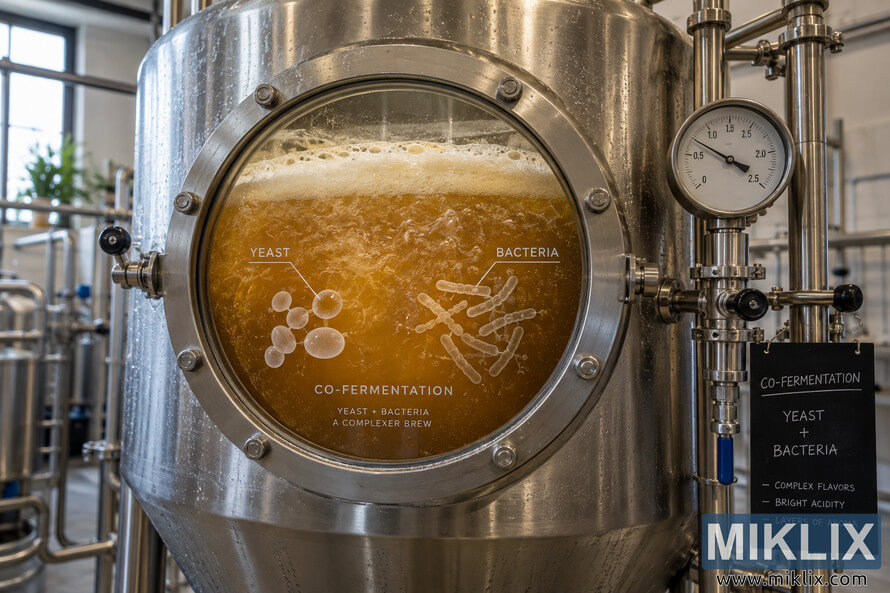
Some brewers pitch lactic acid bacteria and ale yeast simultaneously. This technique creates different flavor development compared to sequential fermentation.
Co-fermentation produces beer with integrated acidity rather than layered tartness. The bacteria produces moderate levels acidity while yeast creates esters and other fermentation compounds simultaneously.
Co-Fermentation Guidelines
Use lower bacteria pitch rates (0.25-0.5 package per 5 gallons) to prevent excessive sourness. Ferment at compromise temperature around 75-80°F.
This temperature allows both organisms to work but favors yeast over bacteria. Monitor pH and gravity together to track dual fermentation progress.
Click or tap the image for more information and higher resolutions.
Barrel-Aged Sour Beer Production
For complex aged sours, use WLP677 as primary acid source before barrel aging. The bacteria produces clean acidity that provides foundation for additional microorganisms introduced during barrel aging.
Sour wort to target pH, then transfer to barrels with Brettanomyces and other wild yeast cultures. This layered approach creates depth impossible with single-strain fermentation.
Controlling Final Acidity Precisely
Advanced brewers use calculated blending to achieve exact acidity targets. Sour a portion of total batch volume, then blend with neutral beer to dial in perfect tartness.
Blending Formula: Determine target pH, then calculate blend ratio based on pH of soured and neutral portions. This method produces consistent results batch after batch.
Fruit Integration Strategies
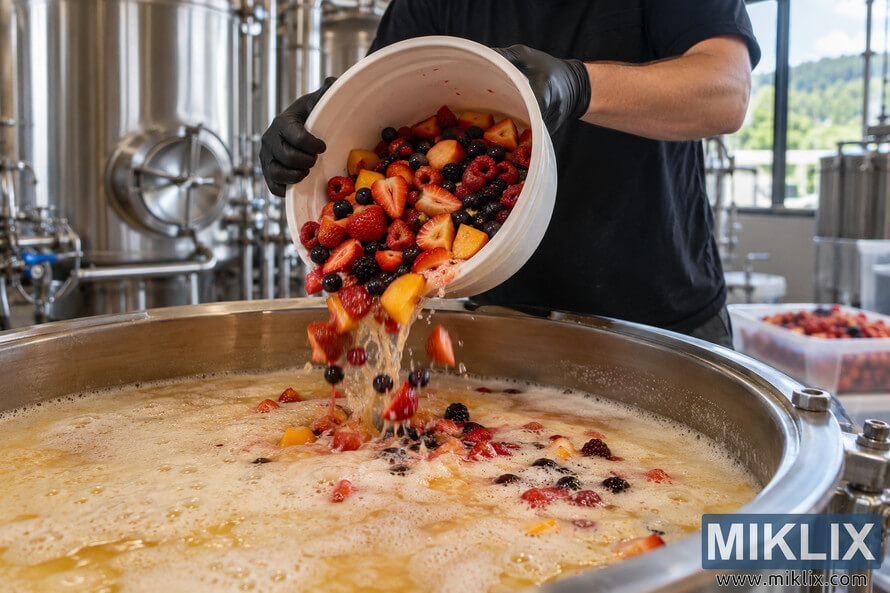
Adding fruit to sour beer requires timing consideration. Fresh fruit contains wild yeast and bacteria that can create unpredictable results.
For consistent outcomes, add fruit after completing primary fermentation. Pasteurize fruit puree or use aseptic commercial products. This prevents unwanted fermentation while preserving fresh fruit character.
Click or tap the image for more information and higher resolutions.
Conclusion
White Labs WLP677 Lactobacillus delbrueckii provides homebrewers with reliable, consistent acidity for traditional sour beer styles. The bacteria produces moderate levels acidity that creates authentic character without overwhelming other flavor components.
Success requires attention to fermentation temperature, proper pitch rates, and understanding how lactic acid bacteria behaves differently from standard brewing yeast. Following guidelines for wort preparation, sanitation, and fermentation management produces excellent results even for brewers new to sour beer production.
The techniques covered in this guide give you foundation for exploring various sour beer styles. From quick kettle-soured Berliner Weisse to complex barrel-aged projects, WLP677 serves as versatile tool for adding clean lactic acidity.
Start with simple styles like Berliner Weisse to build confidence. Monitor pH carefully and maintain optimal temperature throughout souring. These practices establish good habits that carry forward to more advanced applications.
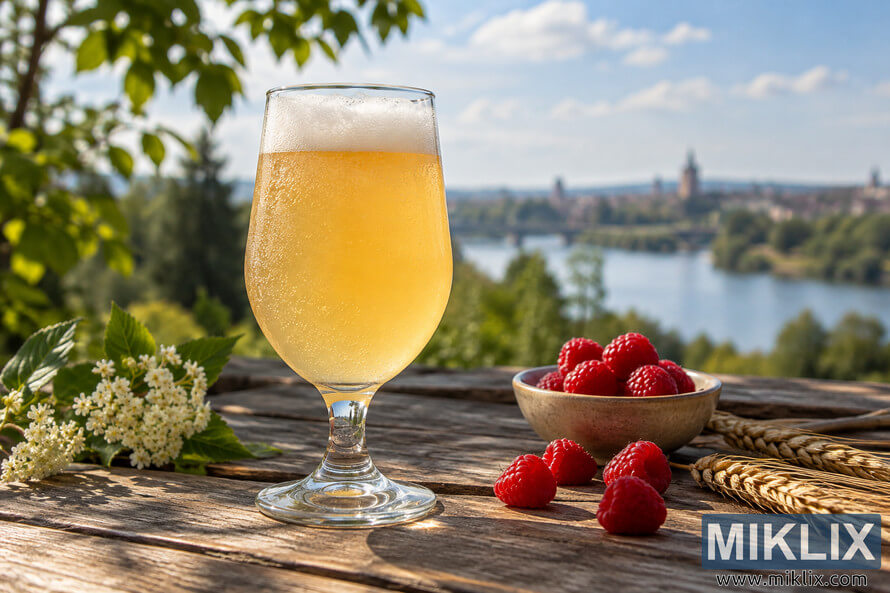
Click or tap the image for more information and higher resolutions.
Further Reading
If you enjoyed this post, you may also like these suggestions:
- Fermenting Beer with White Labs WLP565 Belgian Saison I Yeast
- Fermenting Beer with CellarScience German Yeast
- Fermenting Beer with Fermentis SafBrew DA-16 Yeast