
Fermenting Beer with Wyeast 3787 Belgian High Gravity Yeast
Published: October 17, 2026 at 5:11:46 PM UTC
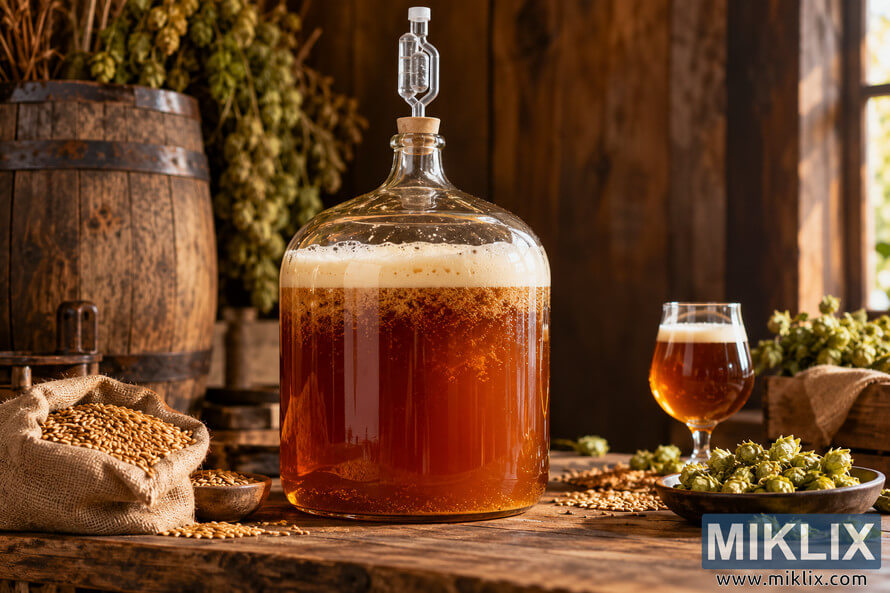
Belgian ales captivate beer enthusiasts worldwide with their complex flavor profiles and distinctive character. At the heart of these remarkable brews lies exceptional yeast strains like Wyeast 3787 Belgian High Gravity. This liquid yeast powerhouse transforms ordinary wort into extraordinary Belgian-style beers that rival professional brewery offerings.
Click or tap the image for more information and higher resolutions.
Whether you're crafting a robust Belgian Strong Ale or a delicate Tripel, understanding this yeast strain elevates your homebrewing game. This comprehensive guide walks you through every aspect of working with Wyeast 3787, from proper handling to achieving that authentic Belgian character in your fermentation.
Understanding Wyeast 3787 Belgian High Gravity Characteristics
Wyeast 3787 stands out among Belgian yeast strains for its robust performance and distinctive flavor contributions. This strain originates from a renowned Belgian Trappist brewery, bringing centuries of brewing tradition to your homebrewing setup. The yeast produces the classic Belgian ale character that defines world-class beers.
This liquid yeast strain delivers exceptional alcohol tolerance, making it ideal for high gravity brewing projects. Homebrewers appreciate its reliable performance across various beer styles. The 100 billion cells in each yeast pack provide sufficient biomass for standard five-gallon batches without requiring extensive starter preparation.
Flavor Profile and Fermentation Characteristics
The flavor profile produced by Wyeast 3787 defines authentic Belgian brewing. This yeast strain generates moderate to high levels of phenolic character, creating spicy clove notes that complement fruity esters. The fermentation produces peppery phenols balanced with subtle fruit complexity.
Attenuation ranges from 74% to 78%, resulting in moderately dry beers with residual body. This characteristic allows the malt backbone to shine through while maintaining the crisp finish expected in Belgian ales. The yeast works efficiently across a wide temperature range, though temperature control significantly impacts final flavor development.
Wyeast 3787 Advantages
- High alcohol tolerance up to 12% ABV
- Authentic Belgian Trappist character
- Reliable attenuation performance
- Complex flavor profile development
- Suitable for multiple beer styles
- Excellent flocculation properties
Considerations
- Requires temperature control for best results
- Higher cost than dry yeast alternatives
- Limited shelf life requires cold storage
- Strong phenolic character may overpower delicate styles
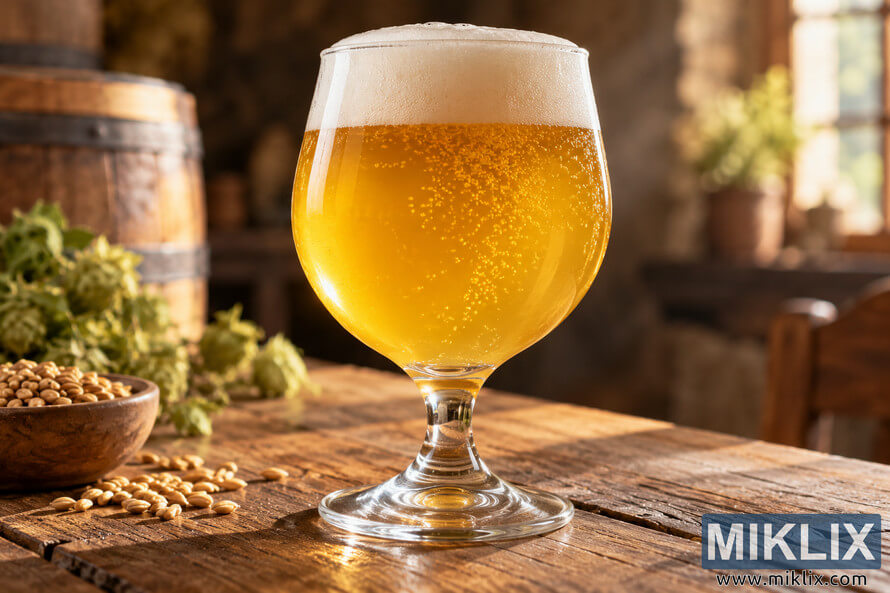
Pro Tip: Wyeast 3787 expresses different flavor profiles based on fermentation temperature. Lower temps emphasize fruity esters, while higher temperatures bring out spicy phenolic character. Experiment within the recommended range to find your preferred balance.
Click or tap the image for more information and higher resolutions.
Optimal Fermentation Temperature for Wyeast 3787
Temperature management determines success when working with Belgian yeast strains. Wyeast 3787 Belgian High Gravity performs best between 64°F and 78°F, though this wide range offers significant creative flexibility. The fermentation temperature you choose dramatically impacts the final beer character.
Starting fermentation at the lower end of the temp range produces cleaner esters with subtle fruit notes. As fermentation progresses, allowing temperature to rise naturally enhances ester production and creates more complex flavor profiles. Many professional brewers employ this temperature ramping technique to maximize yeast performance.
Click or tap the image for more information and higher resolutions.
Temperature Control Strategies
| Temperature Range | Flavor Character | Recommended Beer Styles | Fermentation Speed |
| 64-68°F | Clean esters, subtle spice, restrained phenols | Belgian Blonde, Belgian Pale Ale | Slower (10-14 days) |
| 68-72°F | Balanced fruit and spice, classic Belgian profile | Belgian Tripel, Belgian Golden Strong Ale | Moderate (7-10 days) |
| 72-78°F | Intense phenols, prominent clove, peppery finish | Belgian Dark Strong Ale, Quad | Rapid (5-7 days) |
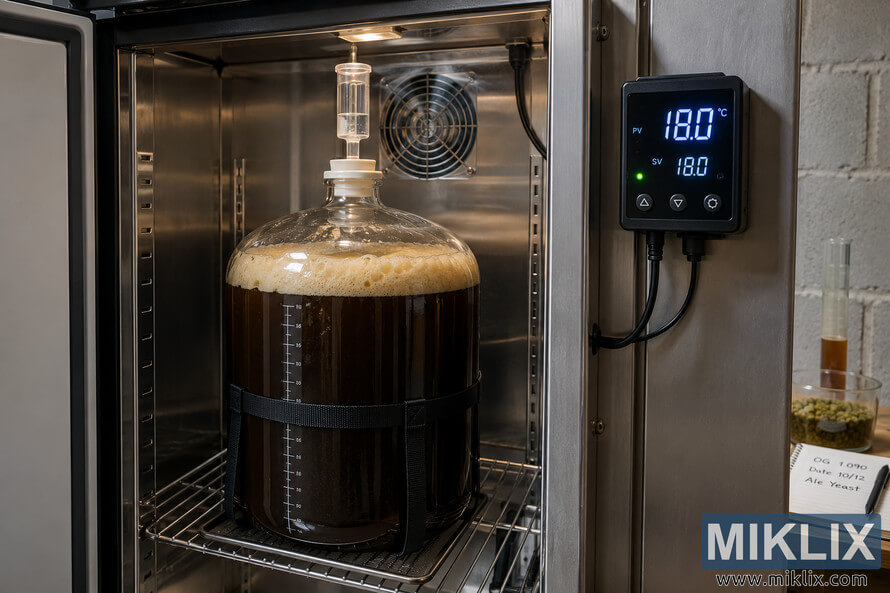
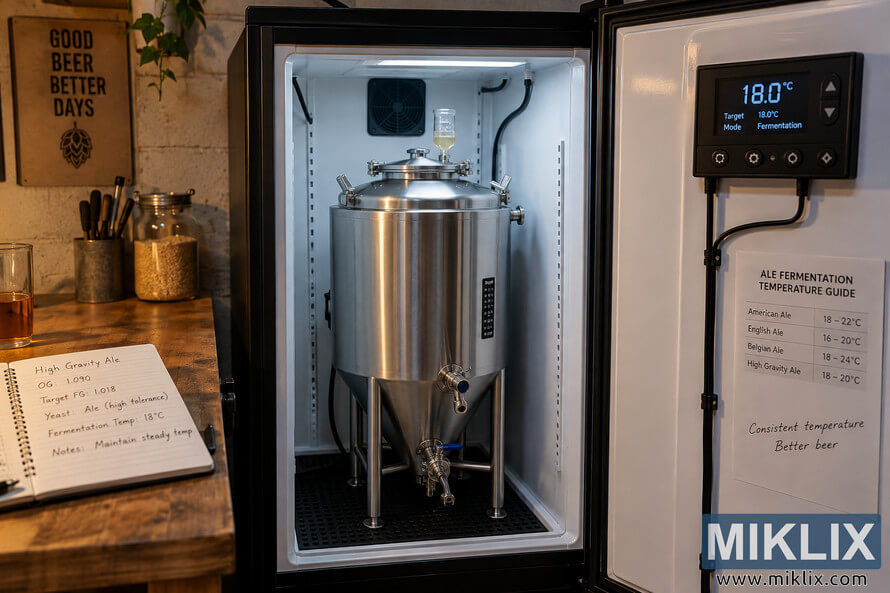
Invest in reliable temperature control equipment to achieve consistent results. A temperature-controlled fermentation chamber provides the precision needed for repeatable batches. Simple solutions like fermentation wraps or water bath systems work effectively for brewers on tighter budgets.
Temperature Ramping Technique: Start fermentation at 65°F for the first 48 hours, then allow temperature to rise naturally to 72°F. This approach minimizes fusel alcohol production while encouraging complete attenuation and complex flavor development.
Click or tap the image for more information and higher resolutions.
Creating the Perfect Yeast Starter for Wyeast 3787
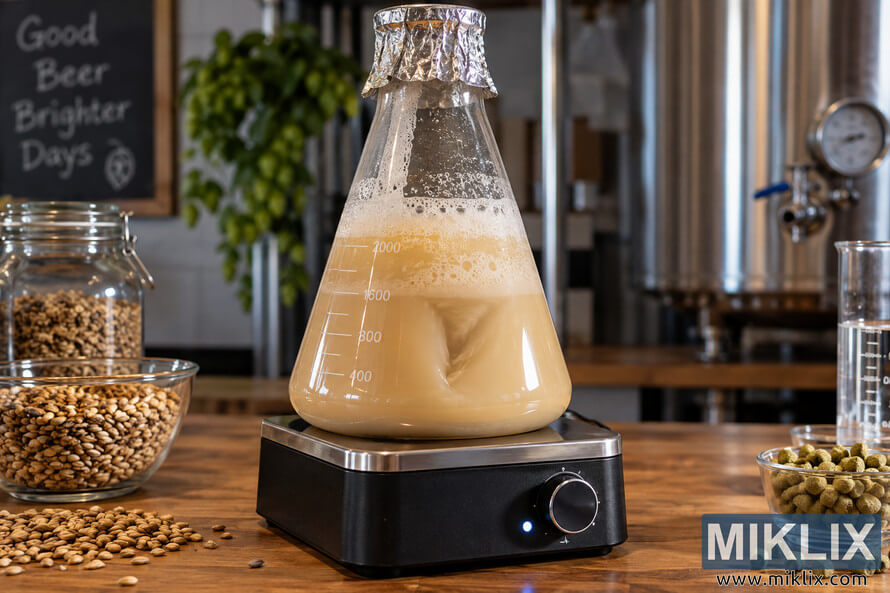
Building a yeast starter maximizes fermentation health and beer quality. While Wyeast 3787 packs contain 100 billion cells suitable for standard gravity beers, high gravity brewing demands increased cell counts. A properly prepared starter ensures vigorous fermentation and complete attenuation.
The yeast starter process activates dormant cells and multiplies the population before pitching into your wort. This preparation step reduces lag time, minimizes contamination risk, and creates healthier fermentation conditions. Professional brewers consider starter preparation essential for liquid yeast success.
Click or tap the image for more information and higher resolutions.
Step-by-Step Starter Instructions
- Calculate required cell count using an online yeast calculator based on your target gravity and batch size
- Prepare starter wort using dried malt extract at 1.040 specific gravity, approximately 100 grams DME per liter of water
- Boil starter wort for 15 minutes to sterilize, then cool rapidly to 68°F using an ice bath or wort chiller
- Sanitize your starter flask thoroughly and transfer cooled wort into the vessel
- Activate your Wyeast 3787 pack by smacking the nutrient packet inside and letting it swell for 3-6 hours
- Pitch the entire yeast pack into the starter wort and place on a stir plate if available
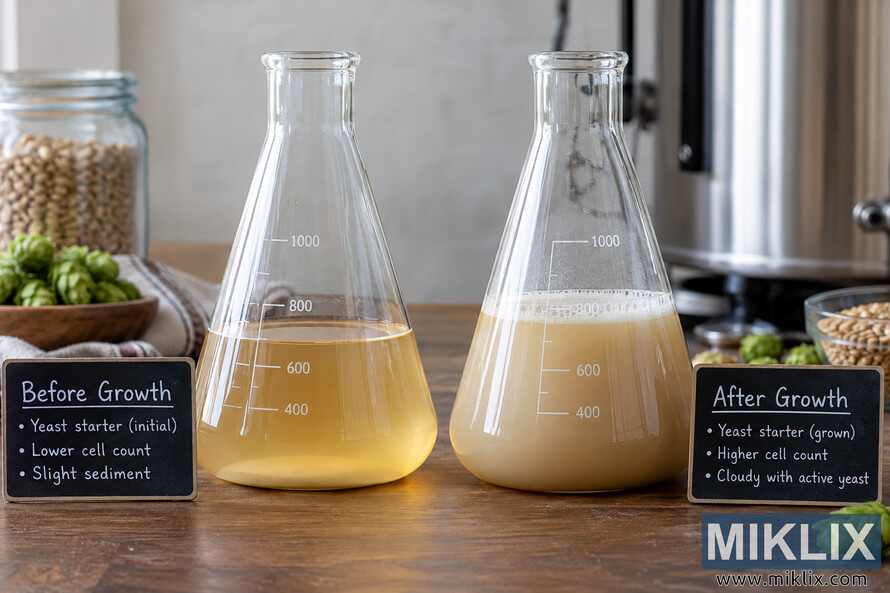
- Ferment the starter for 24-48 hours at room temperature until you see active yeast growth
- Cold crash the starter in your refrigerator for 24 hours to settle yeast cells
- Decant clear liquid from the top and pitch the concentrated yeast slurry into your beer
- Stir plates dramatically improve starter efficiency by keeping yeast in suspension and increasing oxygen exposure. Continuous agitation produces healthier cells with better fermentation performance. Alternative methods include intermittent shaking every few hours if a stir plate isn't available in your brewing setup.
Click or tap the image for more information and higher resolutions.
Download Free Yeast Starter Calculator
- Calculate exact starter volumes and DME requirements for any batch size. Get our professional brewing calculator plus fermentation schedule template delivered instantly to your inbox.
- Email Address
- Typical Batch Size
- Get Free CalculatorWe respect your privacy. Unsubscribe anytime. No spam, only valuable brewing tips.
- Important: Always check the manufacture date on your Wyeast 3787 pack. Yeast viability decreases over time, with approximately 20% cell death per month. Packs older than three months require larger starters to achieve target cell counts for proper fermentation.
Wyeast 3787 Pitching Rates and Usage Guidelines
Proper pitching rates determine fermentation success and final beer quality. Under-pitching creates stressed yeast that produces off-flavors and incomplete attenuation. Over-pitching suppresses ester production and reduces the characteristic Belgian flavor profile you want from this strain.
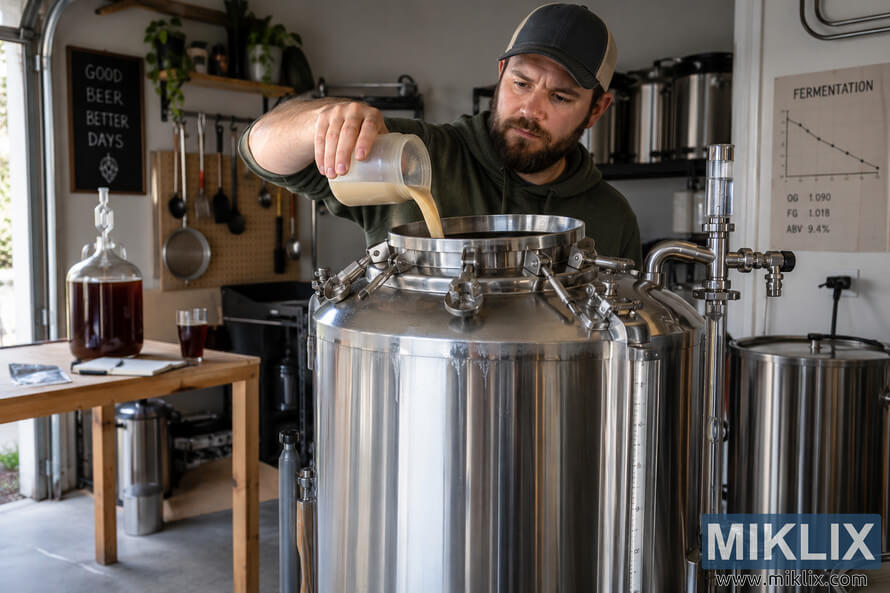
Standard ale pitching rates call for approximately 0.75 million cells per milliliter per degree Plato. A single Wyeast 3787 pack containing 100 billion cells works perfectly for beers up to 1.060 specific gravity in five-gallon batches. Higher gravity beers demand increased cell counts achieved through starter preparation.
Click or tap the image for more information and higher resolutions.
Pitching Rate Recommendations by Beer Style
Standard Gravity Beers (1.040-1.060)
Belgian Blonde Ales, Belgian Pale Ales, and lower-alcohol Belgian styles work well with direct pitching from a single fresh yeast pack. The 100 billion cells provide adequate biomass for healthy fermentation without additional preparation steps.
- Pitch one fresh Wyeast 3787 pack directly
- Ensure wort temperature matches yeast temp
- Oxygenate wort thoroughly before pitching
- Expect visible fermentation within 12-24 hours
High Gravity Beers (1.060-1.090)
Belgian Tripels, Strong Golden Ales, and Quadrupels require increased cell counts through starter preparation. These challenging fermentations benefit from healthy, abundant yeast populations to handle high sugar concentrations and achieve target alcohol levels.
- Build 1.5-2 liter starter for reliable results
- Target 200-250 billion cells minimum
- Consider multi-step starter for beers above 1.080
- Monitor fermentation progress with hydrometer readings
Proper wort oxygenation works synergistically with adequate pitching rates. Yeast cells require oxygen during the initial growth phase to build healthy cell membranes. Shake your fermenter vigorously for 60 seconds or use pure oxygen with a diffusion stone for optimal results.
Best Beer Styles for Wyeast 3787 Belgian High Gravity
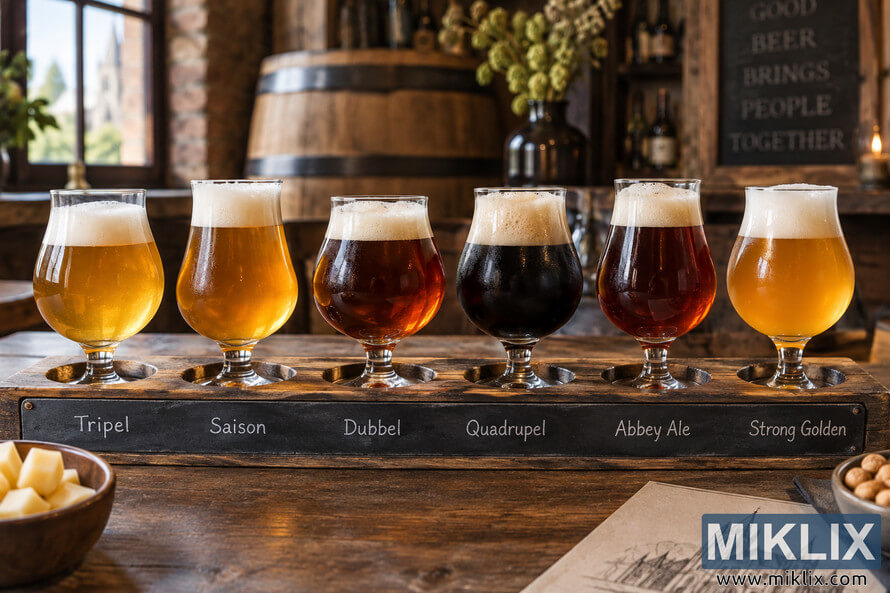
Wyeast 3787 excels across the entire spectrum of Belgian ale styles. This versatile strain authentically recreates classic Trappist monastery beers while offering creative flexibility for experimental brewing. Understanding which styles showcase this yeast's strengths helps you plan successful brewing projects.
The high alcohol tolerance makes this strain particularly valuable for strong Belgian ales. Professional brewers trust Wyeast 3787 for beers ranging from delicate Golden Ales to robust Belgian Dark Strong Ales. Each style benefits from the yeast's distinctive character and reliable performance.
Click or tap the image for more information and higher resolutions.
Belgian Beer Styles Perfect for Wyeast 3787
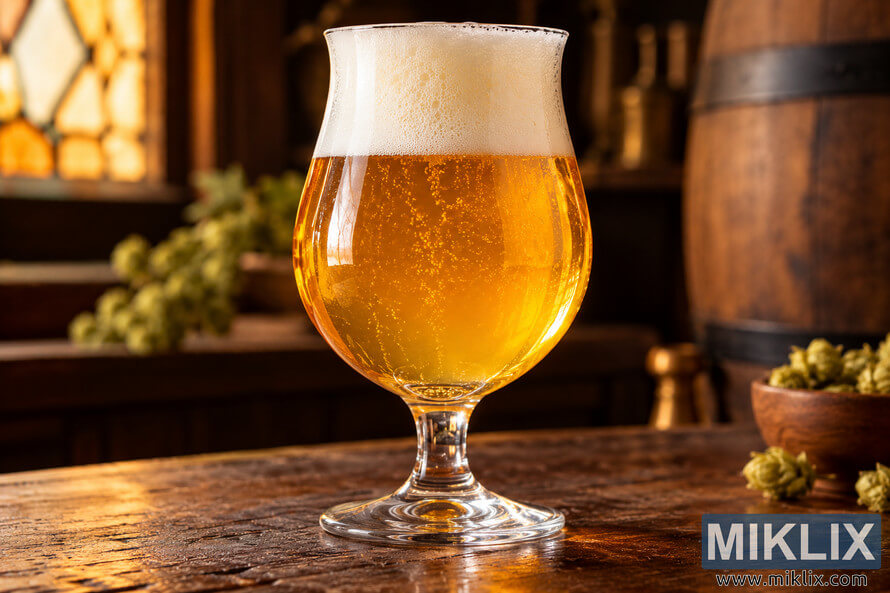
Belgian Tripel
The quintessential showcase for Wyeast 3787 character. This style highlights the yeast's spicy phenols and fruity esters balanced with pale malt sweetness. Ferment between 68-72°F for classic Tripel character with 8-10% alcohol by volume.
- Target gravity: 1.075-1.085
- Expected attenuation: 75-80%
- Fermentation temp: 68-72°F
- Typical finishing time: 2-3 weeks
Click or tap the image for more information and higher resolutions.
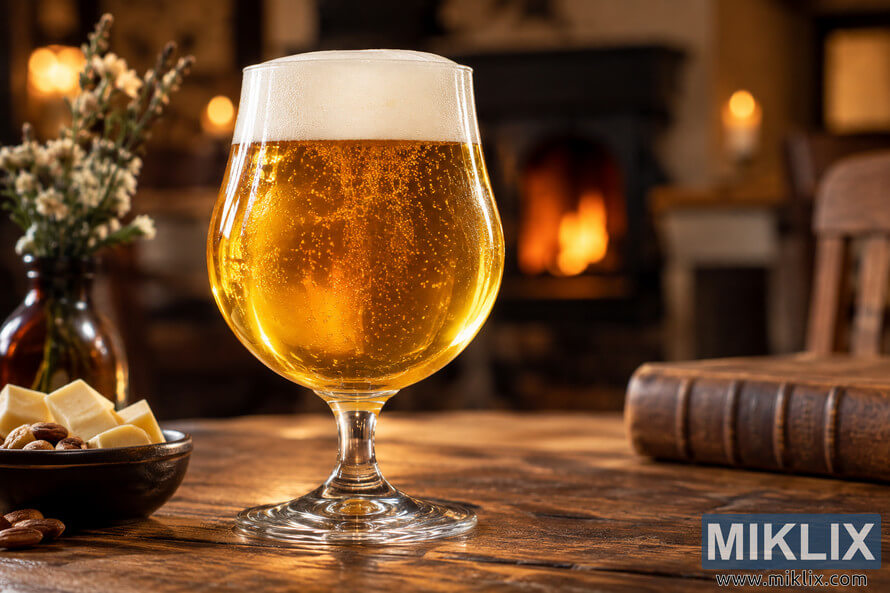
Belgian Golden Strong Ale
Deceptively strong yet dangerously drinkable. Wyeast 3787 creates the signature peppery spice that defines this style while maintaining a clean, crisp finish. The high alcohol tolerance handles the substantial fermentables required for this potent brew.
- Target gravity: 1.070-1.095
- Expected attenuation: 74-78%
- Fermentation temp: 70-75°F
- Typical finishing time: 3-4 weeks
Click or tap the image for more information and higher resolutions.
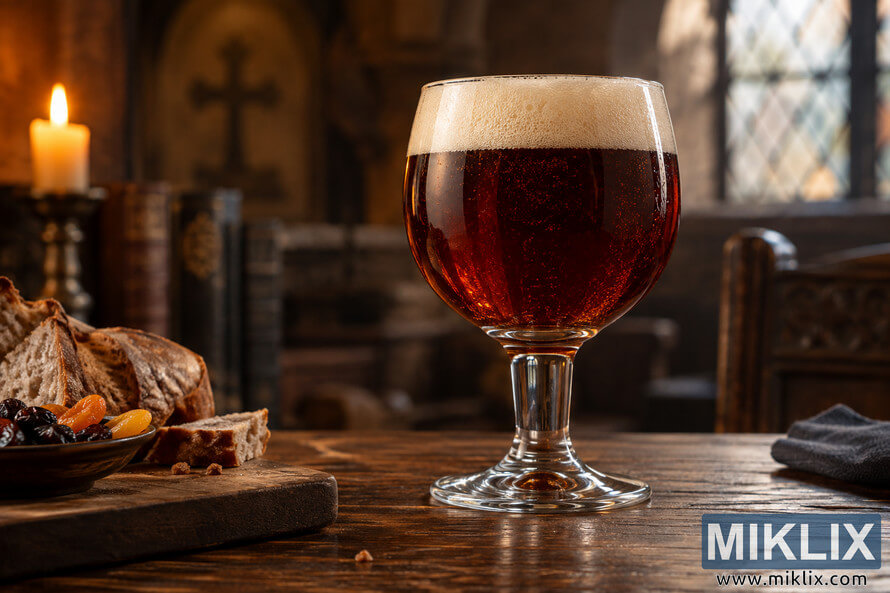
Belgian Dubbel
Rich malt complexity meets Belgian yeast character in this classic monastery style. The moderate gravity allows Wyeast 3787 to shine without overwhelming alcohol heat. Expect beautiful dark fruit esters complementing the spicy yeast phenols.
- Target gravity: 1.062-1.075
- Expected attenuation: 72-76%
- Fermentation temp: 65-70°F
- Typical finishing time: 2-3 weeks
Click or tap the image for more information and higher resolutions.
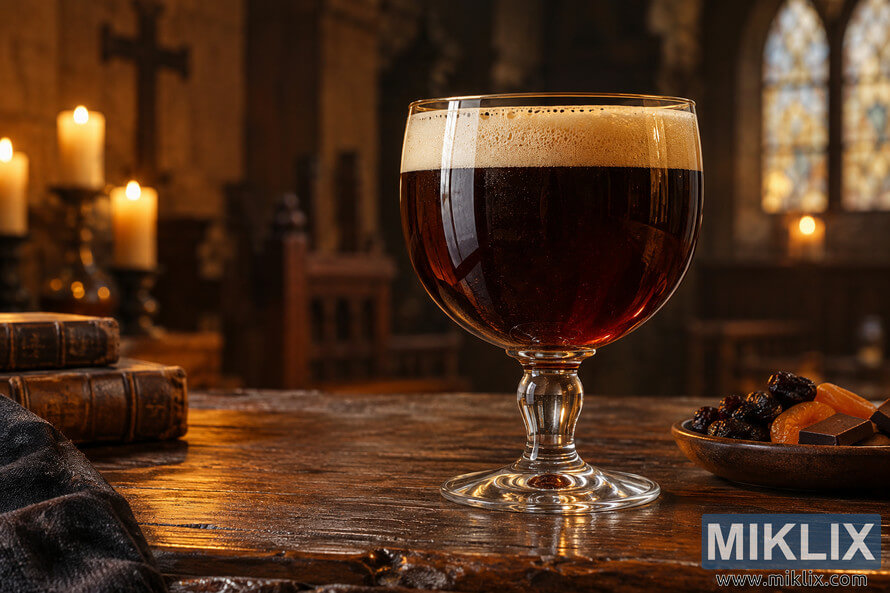
Belgian Quadrupel
The ultimate test of Wyeast 3787's capabilities. This massive beer challenges yeast with extreme gravity and prolonged fermentation demands. The strain's alcohol tolerance and flavor complexity create world-class results when properly managed.
- Target gravity: 1.085-1.120
- Expected attenuation: 74-78%
- Fermentation temp: 70-78°F
- Typical finishing time: 4-6 weeks
Click or tap the image for more information and higher resolutions.
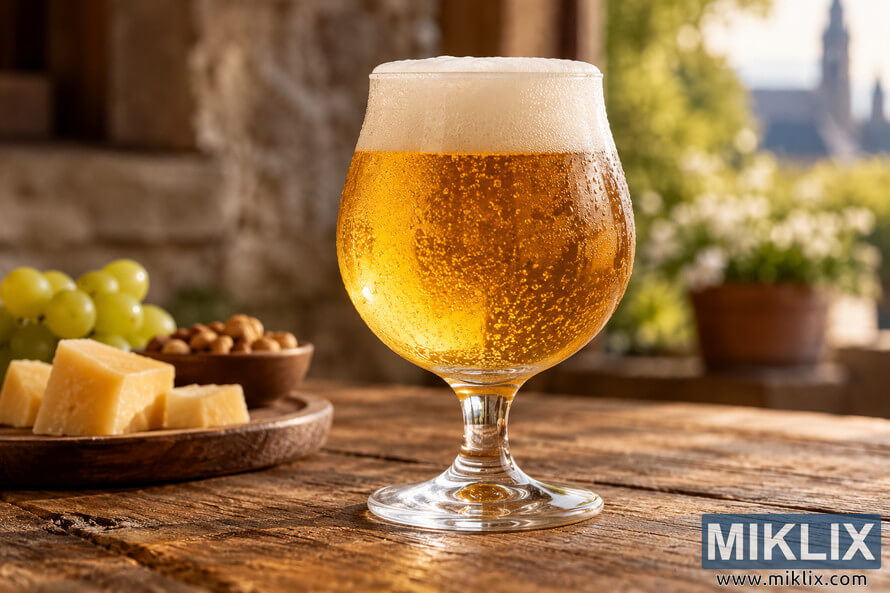
Belgian Blonde Ale
A lighter introduction to Belgian brewing showcasing restrained yeast character. Lower fermentation temperatures with Wyeast 3787 produce subtle spice notes that complement rather than dominate the delicate malt profile.
- Target gravity: 1.062-1.075
- Expected attenuation: 74-78%
- Fermentation temp: 64-68°F
- Typical finishing time: 10-14 days
Click or tap the image for more information and higher resolutions.
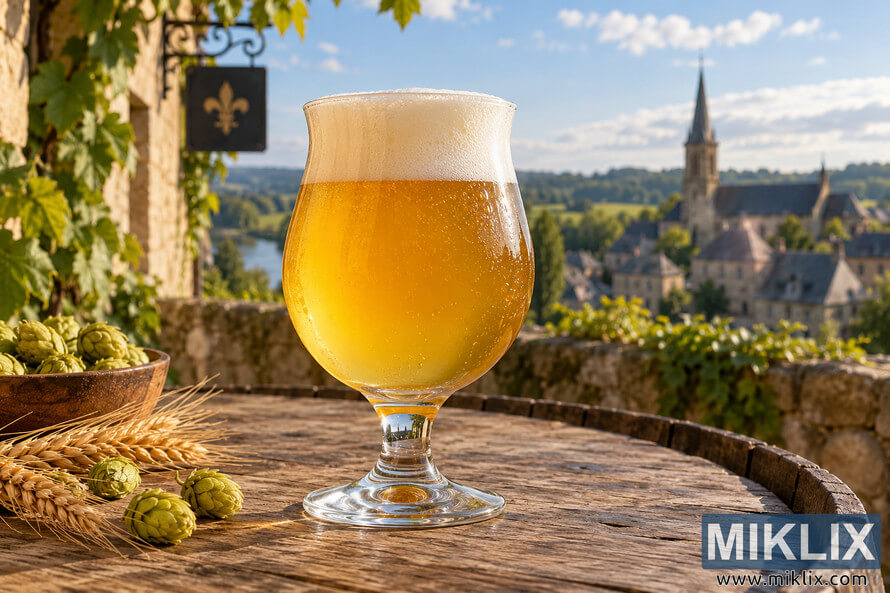
Belgian Saison
While not traditional for this style, adventurous brewers achieve excellent results using Wyeast 3787 for Saisons. Higher fermentation temperatures unlock intense phenolic character that creates distinctively spicy farmhouse ales.
- Target gravity: 1.048-1.065
- Expected attenuation: 76-80%
- Fermentation temp: 72-78°F
- Typical finishing time: 2-3 weeks
Click or tap the image for more information and higher resolutions.
Common Issues and Troubleshooting with Wyeast 3787
Even experienced homebrewers encounter challenges when working with liquid yeast strains. Understanding common problems and their solutions prevents ruined batches and wasted brewing effort. Wyeast 3787 performs reliably when handled properly, but specific issues occasionally arise during fermentation.
Most fermentation problems stem from inadequate temperature control, insufficient oxygenation, or improper pitching rates. Recognizing symptoms early allows corrective action before permanent damage occurs. The following troubleshooting guide addresses frequent concerns reported by homebrewers using this Belgian yeast strain.
Fermentation Never Started or Shows Minimal Activity
Symptoms: No visible airlock activity after 24-48 hours, unchanged gravity readings, no krausen formation on beer surface.
Causes: Insufficient viable yeast cells from old packs, improper wort temperature at pitching (too hot kills yeast, too cold prevents activation), inadequate wort oxygenation, or contamination issues.
Solutions: Check manufacture date on yeast packs and avoid using packs older than 6 months without building starters. Ensure wort temperature matches yeast temperature within 10°F at pitching. Oxygenate wort thoroughly by shaking fermenter vigorously for 60-90 seconds. If fermentation hasn't started within 48 hours, pitch a fresh pack or prepared starter immediately.
Stuck Fermentation Before Reaching Target Gravity
Symptoms: Fermentation stops prematurely with gravity 10-15 points higher than expected, persistent sweetness in beer samples, no visible yeast activity.
Causes: Insufficient yeast nutrients in high gravity worts, temperature dropping too low mid-fermentation, under-pitching for the wort gravity, poor wort oxygenation at start.
Solutions: Gently swirl fermenter to rouse yeast back into suspension. Gradually raise fermentation temperature by 5°F to encourage yeast activity. Add yeast nutrients according to package directions. If gravity remains stable after 48 hours, pitch a small fresh starter of rehydrated dry yeast to complete fermentation. Prevent future occurrences by using proper pitching rates calculated for your target gravity.
Excessive Phenolic or Solvent-Like Off-Flavors
Symptoms: Overwhelming clove, medicinal, or band-aid flavors, harsh alcoholic taste despite proper ABV, unpleasant spicy character dominating beer profile.
Causes: Fermentation temperatures too high (above 78°F), wild yeast contamination, chlorine or chloramine in brewing water, phenolic compounds from malt or water chemistry.
Solutions: Maintain stricter temperature control during active fermentation phase. Filter brewing water or use Campden tablets to remove chlorine compounds. Ensure all equipment receives proper sanitization. For current batch, extended cold conditioning may mellow harsh phenolic character. Future batches benefit from lower fermentation temperatures in the 68-72°F range.
Poor Flocculation and Persistent Cloudiness
Symptoms: Beer remains cloudy weeks after fermentation completion, yeast stays in suspension despite cold crashing, hazy appearance in finished beer.
Causes: Insufficient cold conditioning time, fermentation temperature too warm throughout entire process, high protein content in grain bill, premature packaging.
Solutions: Cold crash fermented beer at 35-40°F for 48-72 hours minimum. Wyeast 3787 flocculates well but requires adequate settling time. Consider using fining agents like gelatin or isinglass during cold crash. For heavily hopped beers, haze may result from hop particulate rather than yeast. Always verify fermentation completion with stable gravity readings before cold crashing.
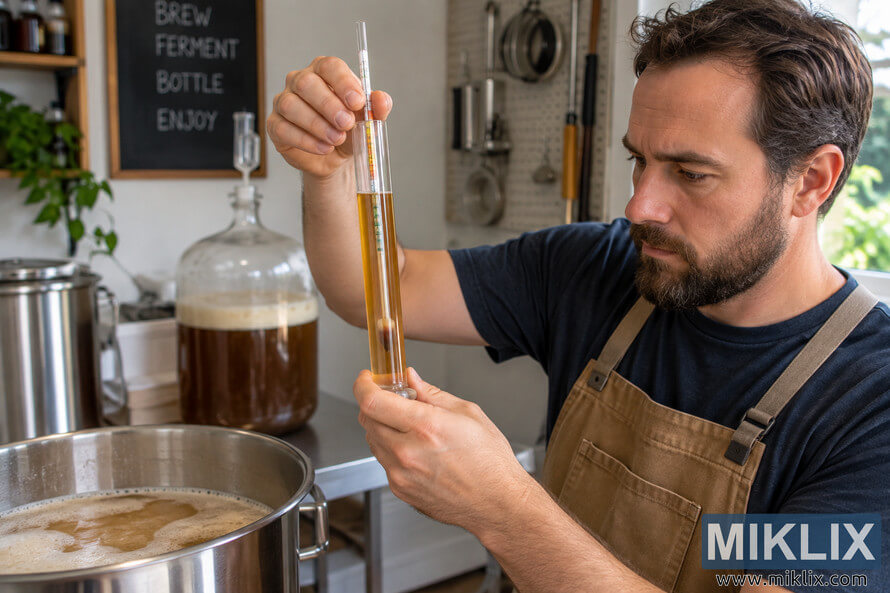
Weak Belgian Character and Bland Flavor Profile
Symptoms: Lacking distinctive Belgian spice and fruit esters, tastes more like generic ale yeast, missing the complexity expected from Wyeast 3787.
Causes: Fermentation temperature too low throughout process, over-pitching suppressing ester production, insufficient fermentation time, old yeast with degraded vitality.
Solutions: Ensure fermentation occurs within optimal 68-75°F range for characteristic flavor development. Avoid over-pitching which reduces ester formation. Allow fermentation to proceed for full 2-3 weeks even if gravity reaches final reading earlier. Consider deliberately under-pitching slightly (25% reduction) to increase ester production, though this risks stuck fermentation in high gravity beers.
Click or tap the image for more information and higher resolutions.
Wyeast 3787 vs. Other Belgian Yeast Strains
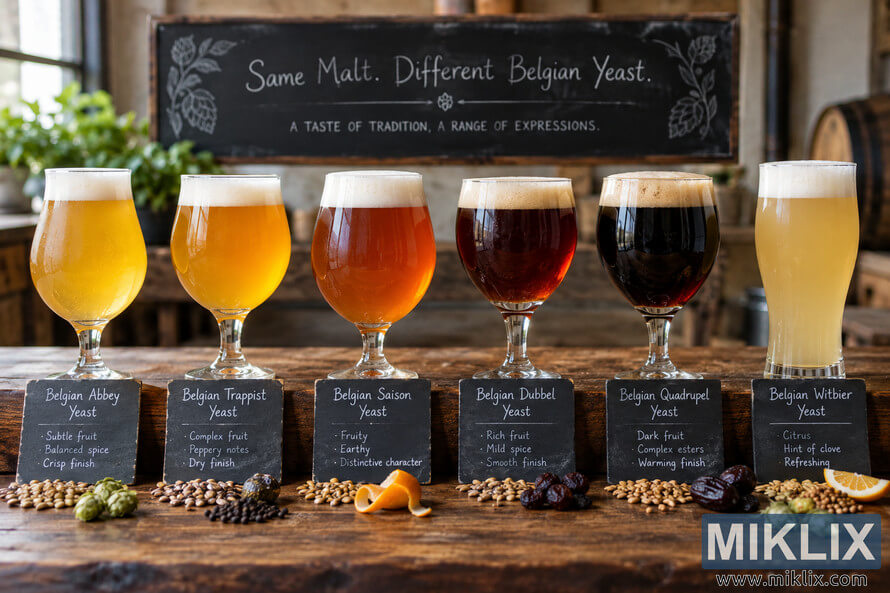
The Belgian yeast landscape offers numerous excellent strains, each bringing unique characteristics to your beer. Understanding how Wyeast 3787 compares with alternatives helps you select the perfect strain for specific brewing projects. Different strains excel in various beer styles despite sharing Belgian heritage.
Professional brewers often maintain multiple Belgian strains to achieve precise flavor targets. Comparing attenuation characteristics, flavor profiles, and fermentation requirements reveals why certain yeasts work better for particular applications. This comparison focuses on popular alternatives frequently considered alongside Wyeast 3787 Belgian High Gravity.
| Yeast Strain | Attenuation | Temperature Range | Alcohol Tolerance | Flavor Character | Best Applications |
| Wyeast 3787 Belgian High Gravity | 74-78% | 64-78°F | 12% ABV | Moderate to high phenols, balanced esters, spicy clove, peppery finish | Tripels, Strong Golden Ales, Quads, high gravity beers |
| White Labs WLP530 Abbey Ale | 75-80% | 66-72°F | 12% ABV | Complex fruity esters, subtle spice, less phenolic than 3787 | Dubbels, Abbey Ales, moderate Belgian styles |
| Wyeast 3522 Belgian Ardennes | 72-76% | 65-85°F | 12% ABV | Intense phenols, very spicy, robust character, earthy notes | Saisons, farmhouse ales, rustic Belgian styles |
| Safbrew Abbaye BE-256 (Dry Yeast) | 73-77% | 59-77°F | 11% ABV | Mild phenols, fruity esters, neutral compared to liquid strains | Budget-friendly Belgian ales, beginner projects |
| Wyeast 1214 Belgian Abbey | 72-76% | 68-78°F | 10% ABV | Subtle phenols, enhanced fruit esters, clean finish | Belgian Blonde, lower gravity Belgian styles |
| Omega OYL-028 Belgian Ale W | 74-78% | 68-78°F | 12% ABV | Similar profile to 3787, slightly more ester-forward | All Belgian styles, 3787 alternative |
Key Differences and Selection Guidance
When to Choose Wyeast 3787 Over Alternatives
- High gravity beers above 1.075 requiring robust alcohol tolerance
- Projects demanding authentic Trappist monastery character
- Brewers preferring balanced phenol-to-ester ratios
- Wide temperature range flexibility during fermentation
- Classic Belgian Tripel or Strong Golden Ale production
- Professional-quality results with liquid yeast reliability
When Alternative Strains May Serve Better
- Budget constraints favor dry yeast like Safbrew BE-256
- Extreme phenolic character desired (choose Wyeast 3522)
- Fruit-forward esters prioritized over spice (try WLP530)
- Lower alcohol beers under 7% ABV (Wyeast 1214 works well)
- Beginner brewers wanting simpler dry yeast handling
- Experimentation with similar but distinct flavor profiles
Liquid yeast strains like Wyeast 3787 consistently outperform dry yeast alternatives in flavor complexity and fermentation reliability. The higher cost represents investment in superior results and authentic Belgian character. However, dry yeasts offer convenience and extended shelf life that appeals to occasional brewers or those testing new recipes.
Click or tap the image for more information and higher resolutions.
Proper Storage and Handling of Wyeast 3787
Liquid yeast requires careful storage to maintain viability and performance. Improper handling reduces cell counts and creates disappointing fermentation results. Wyeast 3787 packs arrive with approximately 100 billion cells when fresh, but this population degrades without proper cold storage conditions.
Understanding yeast biology and storage requirements protects your brewing investment. Temperature fluctuations, excessive age, and physical damage compromise yeast health. Following professional storage practices ensures maximum viability when you're ready to brew, regardless of whether you're storing packs for weeks or months.
Storage Best Practices
Proper Storage Methods
- Store Wyeast packs immediately at 35-40°F upon receipt
- Keep packs upright to prevent nutrient mixing before ready
- Maintain consistent refrigerator temperature without fluctuations
- Use dedicated brewing refrigerator separate from food items
- Check and record manufacture dates on all yeast packs
- Rotate stock using FIFO method (first in, first out)
- Allow packs to warm naturally to room temp before smacking
- Plan brewing schedule around yeast freshness windows
Storage Mistakes to Avoid
- Never freeze liquid yeast packs (kills cells permanently)
- Avoid storing in warm environments above 50°F
- Don't smack packs more than 24 hours before use
- Never use packs showing bulging or unusual swelling
- Don't shake vigorously before activating nutrient packet
- Avoid direct sunlight exposure during storage or shipping
- Don't purchase packs without visible manufacture dates
- Never pitch yeast directly from refrigerator into warm wort
Handling Guidelines and Activation Process
Activating Wyeast 3787 properly ensures vigorous fermentation performance. The Smack Pack system includes an internal nutrient pouch that stimulates yeast metabolism when broken. This activation process begins cell multiplication and demonstrates yeast viability before pitching into your valuable wort.
- Remove yeast pack from refrigerator 2-3 hours before brewing to reach room temperature gradually
- Locate the small raised nutrient packet inside the Smack Pack by feeling the exterior
- Place pack on firm flat surface and strike the nutrient pouch firmly with your palm to break the seal
- Gently massage the pack to mix nutrients throughout the liquid yeast suspension
- Store activated pack at room temperature in clean area away from direct sunlight
- Watch for swelling over 3-6 hours indicating healthy yeast activity and viable cells
- Sanitize pack exterior with alcohol wipe before cutting corner to pitch yeast
- Pour entire contents into properly prepared and oxygenated wort at correct temperature
Activation Timeline: Smack packs typically swell within 3-6 hours for fresh yeast. Minimal swelling doesn't necessarily indicate dead yeast, especially in cold storage. Build a starter if swelling doesn't occur or if pack age exceeds 3 months from manufacture date.
Yeast Viability and Age Considerations
Cell viability decreases approximately 20% per month under ideal storage conditions. Fresh packs less than one month old deliver optimal results for direct pitching into standard gravity beers. Older packs require starter preparation to rebuild adequate cell populations for healthy fermentation.
| Pack Age | Estimated Viability | Viable Cells Remaining | Recommended Action |
| 0-1 months | 100% | 100 billion cells | Direct pitch for beers up to 1.060 |
| 2 months | 80% | 80 billion cells | Small starter recommended |
| 3 months | 64% | 64 billion cells | 1-liter starter required |
| 4-5 months | 51% | 51 billion cells | 1.5-2 liter starter essential |
| 6+ months | 40% or less | 40 billion cells or fewer | Multi-step starter or purchase fresh |
Achieving Brewing Excellence with Wyeast 3787
Mastering Wyeast 3787 Belgian High Gravity opens doors to world-class Belgian ale production in your home brewery. This versatile liquid yeast strain delivers authentic Trappist character that transforms ordinary beers into extraordinary examples worthy of commercial comparison. The investment in quality yeast and proper technique pays dividends in every glass.
Success with Belgian brewing requires attention to fermentation fundamentals combined with strain-specific knowledge. Temperature control, adequate pitching rates, proper oxygenation, and patient conditioning all contribute to exceptional results. This yeast rewards careful handling with complex flavors that define the Belgian brewing tradition.
Your Belgian brewing journey begins with selecting quality ingredients and following proven techniques. Wyeast 3787 consistently performs when given proper fermentation conditions and adequate cell counts. Whether crafting your first Tripel or perfecting a house Quad recipe, this strain provides the foundation for memorable beers that showcase your brewing skills.
Final Recommendation: Start with a moderately challenging beer style like Belgian Blonde or Dubbel to learn Wyeast 3787's character before attempting extreme gravity beers. Build confidence with temperature management and proper yeast handling. Each successive batch teaches valuable lessons that improve your Belgian brewing expertise.
The craft brewing community continues growing as homebrewers discover the satisfaction of creating authentic beer styles. Belgian ales represent some of brewing's most rewarding challenges, offering endless opportunities for experimentation within traditional style parameters. Wyeast 3787 Belgian High Gravity provides the essential tool for this brewing adventure.

Click or tap the image for more information and higher resolutions.
Further Reading
If you enjoyed this post, you may also like these suggestions:
- Fermenting Beer with Lallemand LalBrew CBC-1 Yeast
- Fermenting Beer with CellarScience English Yeast
- Fermenting Beer with Wyeast 2124 Bohemian Lager Yeast