
Fermenting Beer with Wyeast 3942-PC Belgian Wheat Ale
Published: October 28, 2026 at 9:54:44 PM UTC
Belgian wheat beers capture the hearts of craft beer enthusiasts worldwide. Their signature flavor comes from one critical ingredient: the right yeast strain. Wyeast 3942-PC Belgian Wheat delivers the authentic character you need for exceptional witbiers and Belgian wheat ales.
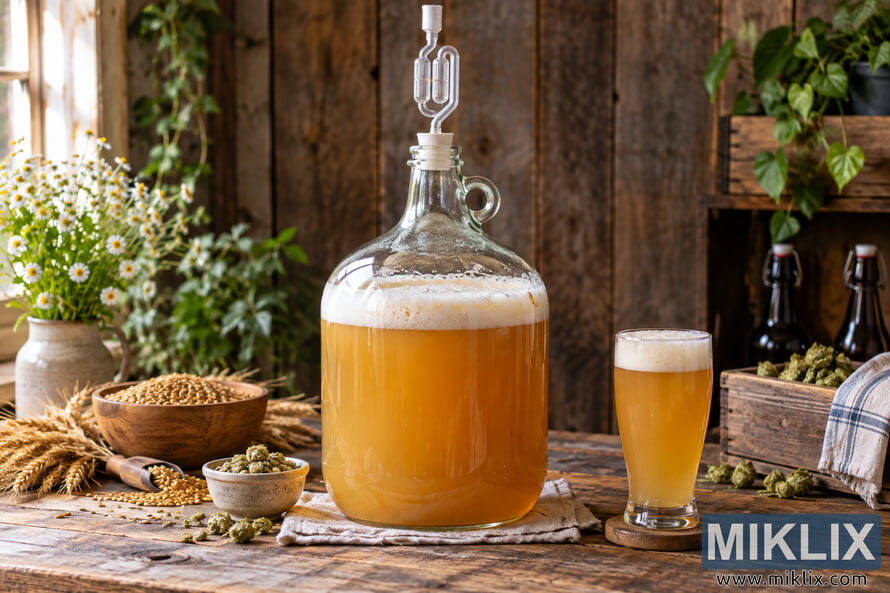
Click or tap the image for more information and higher resolutions.
This liquid yeast strain was isolated from a small Belgian brewery. It produces beers with moderate esters and minimal phenolics. The result is a clean, balanced wheat beer profile that showcases both malt and wheat character.
Understanding how to work with this Private Collection strain transforms good homebrew into outstanding Belgian-style wheat beer. Let's explore everything you need to know about fermenting with Wyeast 3942-PC.
Understanding Wyeast 3942-PC Belgian Wheat Characteristics
Flavor Profile and Fermentation Properties
Wyeast 3942-PC Belgian Wheat creates a distinctive flavor profile. This strain produces beers with moderate esters that add fruity complexity. The minimal phenolics mean you get subtle spice notes without overwhelming clove character.
The fermentation temperature range significantly impacts the final beer. This ale yeast performs best between 62°F and 75°F. Lower temperatures produce cleaner profiles. Higher temperatures increase ester production.
Attenuation typically ranges from 72% to 76%. This means the yeast consumes most fermentable sugars. You'll achieve a beer with good body but not overly sweet finish.
Key Point: This Private Collection strain differs from standard Belgian wheat yeasts. It provides more control over phenolic character. This makes it ideal for brewers seeking balanced wheat beers without excessive spice notes.
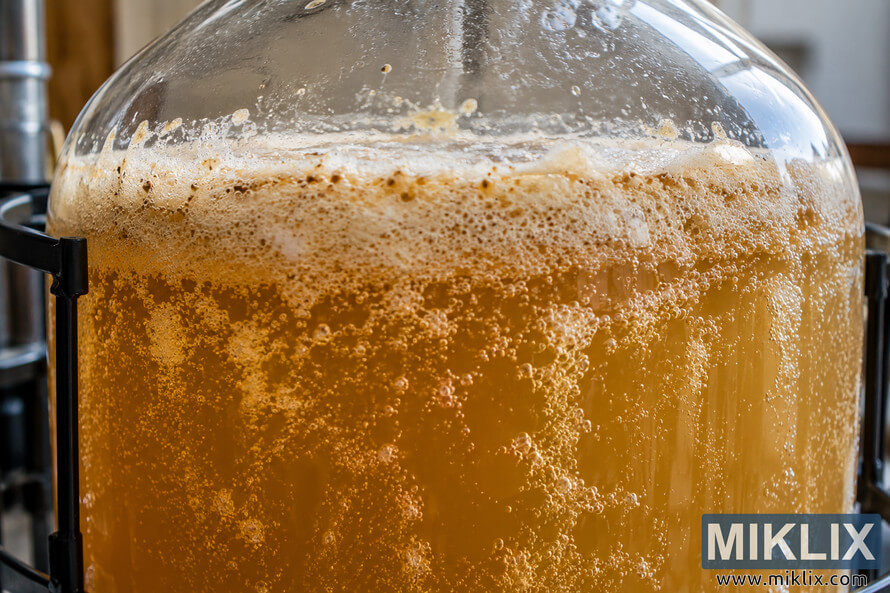
Click or tap the image for more information and higher resolutions.
Technical Specifications
| Parameter | Specification | Impact on Beer |
| Temperature Range | 62°F - 75°F | Controls ester production |
| Attenuation | 72% - 76% | Determines final gravity and body |
| Flocculation | Low to Medium | Creates characteristic haze |
| Alcohol Tolerance | Up to 10% ABV | Suitable for standard and strong ales |
Proper Liquid Yeast Preparation and Handling
Receiving and Storing Your Wyeast Package
Liquid yeast requires careful handling from the moment it arrives. Wyeast packages need proper shipping conditions. Most suppliers include an ice pack during warm months. This protects yeast viability during transit.
Upon arrival, refrigerate your Wyeast 3942-PC Belgian Wheat immediately. Store it at 35°F to 40°F. The yeast remains viable for several months under proper refrigeration. Check the production date on the package.
Never freeze liquid yeast. Freezing kills yeast cells and ruins the culture. Room temperature storage also reduces viability quickly. Refrigeration is essential for maintaining healthy yeast.
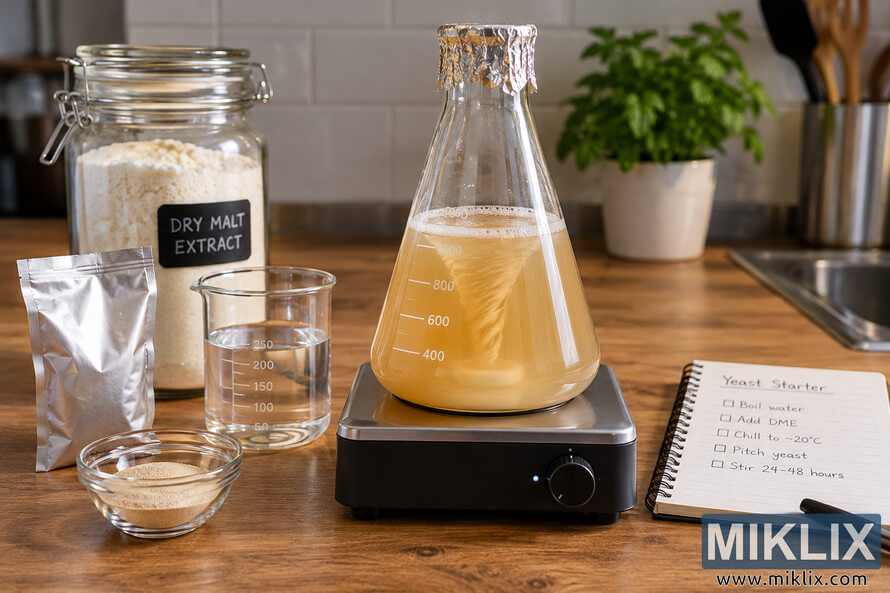
Click or tap the image for more information and higher resolutions.
Activating Your Smack Pack
Wyeast packages come as "smack packs" with an internal nutrient pouch. Activation begins several hours before brewing. This process jumpstarts yeast metabolism.
Remove the package from refrigeration three hours before pitching. Locate the small nutrient pouch inside the outer package. Strike the package firmly to break the inner pouch.
The package will swell as yeast becomes active. This indicates healthy, viable yeast culture. A fully swollen pack is ready for pitching. If the pack doesn't swell after six hours, the yeast may have low viability.
Activation Timeline
- Remove from refrigerator: 3-6 hours before brewing
- Break internal nutrient pouch
- Wait for package to swell
- Pitch when fully inflated
- Alternative: Make a starter 2-3 days ahead
Making a Yeast Starter
A yeast starter increases cell count dramatically. This is especially important for higher gravity beers. For a standard 5-gallon batch of wheat beer, a 1-2 liter starter ensures adequate yeast cells.
Create starter wort using dried malt extract. Aim for 1.036-1.040 specific gravity. Boil the starter wort for 10 minutes to sterilize. Cool to fermentation temperature before adding yeast.
Pitch your activated Wyeast 3942-PC Belgian Wheat into the cooled starter. Use a stir plate if available for constant aeration. Ferment the starter for 24-48 hours at room temperature.
Cold crash the starter by refrigerating for 12-24 hours before brew day. This allows yeast to settle. Decant most of the liquid and pitch the concentrated yeast slurry into your wort.
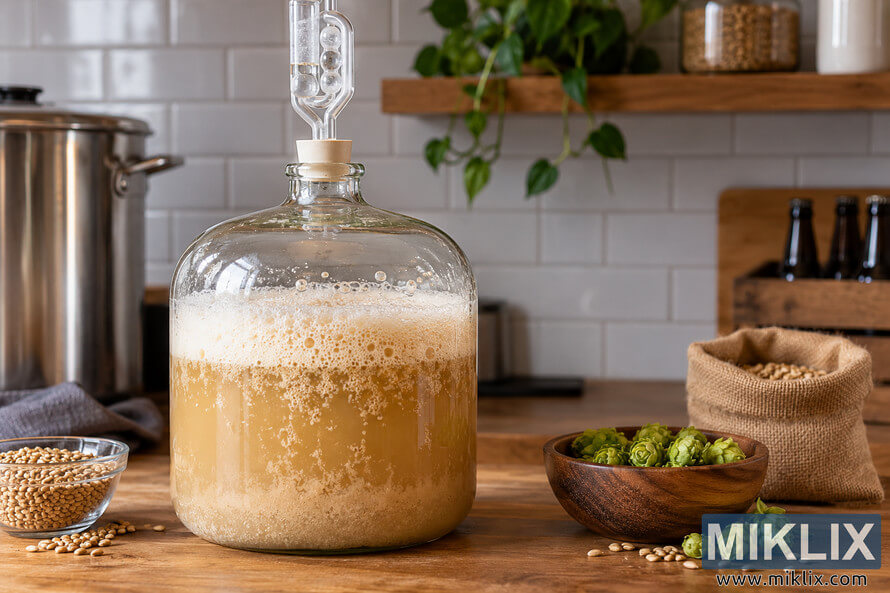
Click or tap the image for more information and higher resolutions.
Mastering the Fermentation Process
Pitching and Temperature Control
Proper pitching temperature sets the foundation for successful fermentation. Cool your wort to 65°F before pitching Wyeast 3942-PC Belgian Wheat. This temperature balances yeast health with flavor development.
Aerate your wort thoroughly before pitching. Oxygen is critical for yeast cell reproduction. Shake your fermenter vigorously for 60 seconds. Better yet, use an aeration stone with pure oxygen for 60-90 seconds.
Pitch your prepared yeast into the aerated wort. Seal your fermenter and attach an airlock. Place the fermenter in a temperature-controlled environment immediately.
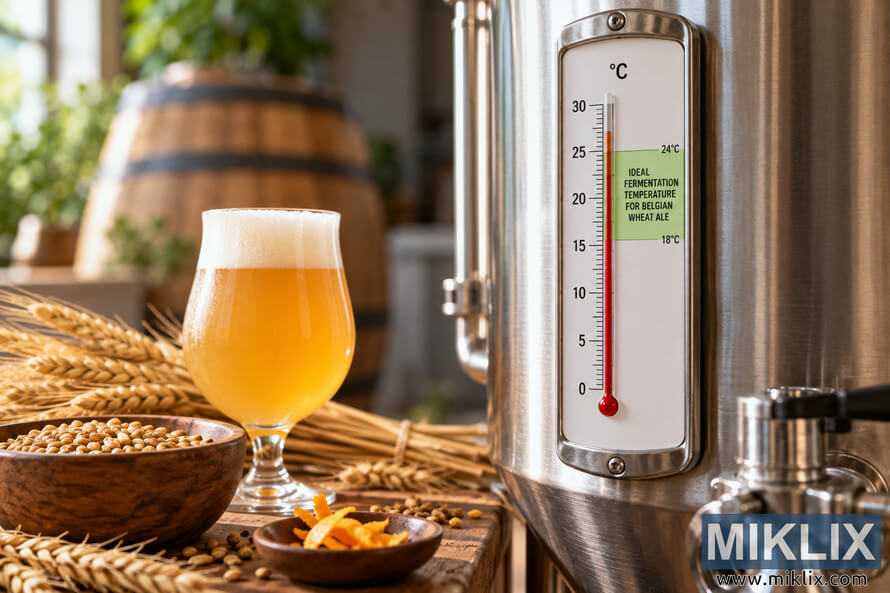
Click or tap the image for more information and higher resolutions.
Temperature Management Throughout Fermentation
Temperature control during fermentation determines the final beer character. Belgian wheat beers benefit from specific temperature profiles. This strain produces moderate esters at controlled temperatures.
Maintain 65°F to 68°F during the first 3-4 days of fermentation. This primary phase sees the most vigorous activity. The yeast reproduces and begins consuming sugars. Lower temperatures produce cleaner beer with subtle fruit notes.
After primary fermentation slows, consider a temperature increase. Raising temperature to 70°F-72°F for the final days helps complete fermentation. This prevents diacetyl formation and ensures proper attenuation.
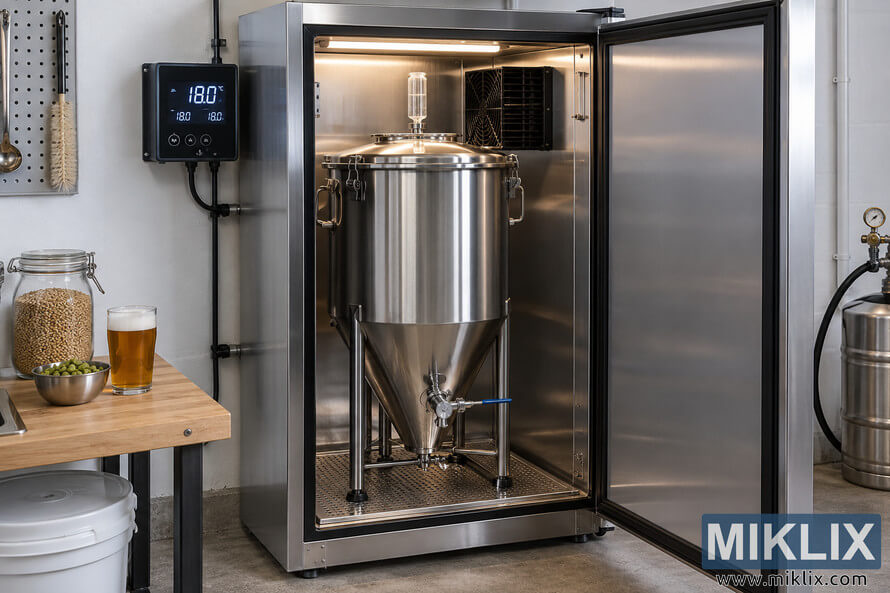
Click or tap the image for more information and higher resolutions.
Managing Common Fermentation Issues
Even experienced brewers encounter fermentation challenges. Understanding common issues helps you respond appropriately. This Wyeast strain has predictable behavior when properly managed.
Fermentation Advantages
- Reliable attenuation in recommended temperature range
- Moderate ester production for balanced flavor
- Minimal phenolics prevent excessive spiciness
- Creates authentic Belgian wheat beer character
- Tolerates higher alcohol levels up to 10% ABV
Potential Challenges
- Requires proper shipping with ice pack for viability
- Low to medium flocculation creates persistent haze
- Benefits from yeast starter for optimal performance
- Temperature fluctuations affect ester profile significantly
- Private Collection availability can be limited
Recipe Applications and Beer Styles
Classic Belgian Witbier
Wyeast 3942-PC Belgian Wheat excels in traditional witbier recipes. This style showcases the strain's ability to produce moderate esters without overwhelming phenolics. The yeast complements wheat malt and classic witbier spices perfectly.
A typical witbier grain bill contains 50% wheat malt and 50% pilsner malt. Add small amounts of flaked oats for creamy texture. Target original gravity around 1.048-1.052 for authentic strength.
Traditional spices include coriander and orange peel. Add these during the final 5 minutes of boil. The yeast's minimal phenolics let these spices shine through clearly.

Click or tap the image for more information and higher resolutions.
American Wheat Beer Variations
This Belgian wheat strain adapts well to American wheat beer styles. The moderate esters add complexity to hop-forward wheat ales. Use American hops for citrus and pine character.
Reduce wheat content to 30-40% for American styles. Increase pilsner or pale malt accordingly. This creates lighter body while maintaining wheat character.
American wheat beers benefit from dry hopping. Add hops after primary fermentation completes. The yeast's low flocculation keeps some haze that complements the style.
Recipe Adjustment Tip
When adapting recipes from other Belgian wheat yeasts, reduce spice additions by 20-30%. Wyeast 3942-PC produces less phenolic character than many Belgian strains. This lets you taste spices and hops more clearly.
Stronger Belgian Wheat Ales
The strain's 10% alcohol tolerance supports stronger wheat beer styles. Belgian strong wheat ales showcase the yeast's ester production at higher gravities. These beers develop more complex fruit character.
Increase base grain bills to achieve 1.065-1.075 original gravity. The yeast still attenuates well at these strengths. Expect slightly lower attenuation percentages than standard strength beers.

Click or tap the image for more information and higher resolutions.
Where to Purchase Wyeast 3942-PC Belgian Wheat
Finding quality liquid yeast from reliable suppliers ensures successful brewing. Several trusted retailers stock Wyeast 3942-PC Belgian Wheat. Price consistency around $13.99 makes this strain affordable for homebrewers.
Supplier Comparison and Shipping Considerations
| Supplier | Price | Shipping Options | Ice Pack Included | Stock Status |
| SoCal Brewing Supply | $13.99 | Multiple speed options | Seasonal (warm months) | Generally available |
| Oregonized Brewing | $13.99 | Standard and expedited | Temperature-controlled | Regular stock |
| The Malt Miller | Comparable pricing | International available | Temperature protection | Check availability |
Important Shipping Considerations
Shipping conditions critically impact yeast viability. Liquid yeast cells die when exposed to extreme temperatures. Summer shipping requires extra precautions with ice packs.
Order yeast early in the week to avoid weekend delivery delays. Choose expedited shipping during warm months. The extra cost protects your investment in quality yeast.
Some suppliers automatically include ice packs when temperatures exceed 70°F. Verify shipping policies before ordering. Contact customer service if you have temperature concerns.
Stock Availability and Planning
Wyeast 3942-PC Belgian Wheat is a Private Collection strain. Availability can vary by season and production schedules. Plan purchases ahead of brew day to ensure you have fresh yeast.
Check production dates when ordering online. Fresher packages have higher cell counts and better viability. Most suppliers rotate stock regularly to maintain freshness.
Consider ordering multiple packages if planning several batches. Properly refrigerated yeast remains viable for months. Having backup yeast prevents brewing delays.
Troubleshooting and Optimization Tips
Addressing Slow or Stuck Fermentation
Slow fermentation occasionally occurs even with healthy yeast. Several factors contribute to sluggish fermentation. Understanding causes helps you respond effectively.
Low pitching temperature can delay fermentation start. If lag phase exceeds 36 hours, gently increase temperature by 2-3 degrees. This activates yeast without stressing cells.
Insufficient oxygenation limits yeast reproduction. This reduces cell population and slows fermentation. Always aerate wort thoroughly before pitching.
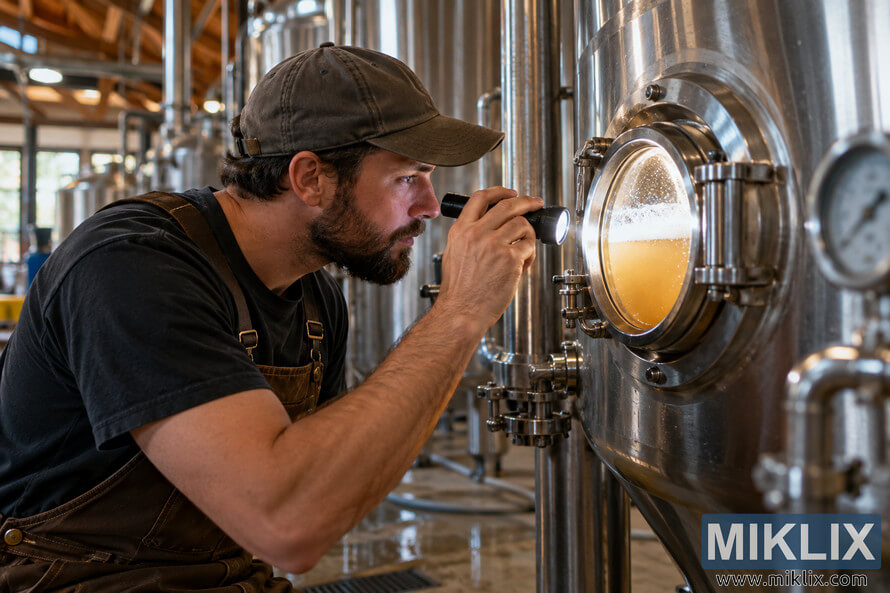
Click or tap the image for more information and higher resolutions.
Why is my fermentation not starting after 24 hours?
Check fermentation temperature first. Ensure the wort temperature is within 62°F-75°F range. Verify your yeast package was properly stored and activated. If the smack pack didn't swell, yeast viability may be compromised.
Gently rouse the fermenter by swirling to distribute yeast. Increase temperature slightly to encourage activity. If fermentation hasn't started after 48 hours, consider pitching fresh yeast.
How do I know when fermentation is truly complete?
Take gravity readings over 2-3 consecutive days. Stable readings indicate fermentation completion. For Wyeast 3942-PC Belgian Wheat, expect 72-76% attenuation from original gravity.
Visual indicators include reduced airlock activity and yeast settling. However, only gravity readings confirm completion. Don't rely solely on airlock activity as temperature changes can cause bubbling.
Can I reuse this yeast strain for multiple batches?
Yes, you can harvest and reuse Wyeast 3942-PC Belgian Wheat. Collect yeast from the fermenter after transferring beer. Store in sanitized jars under refrigeration.
Repitch within 2-3 weeks for best results. Each generation may show slight character changes. Most homebrewers successfully reuse yeast for 5-7 generations before characteristics drift significantly.
What if my beer has excessive phenolic character?
Wyeast 3942-PC produces minimal phenolics compared to other Belgian strains. Excessive phenolic character usually indicates fermentation temperature too high or contamination.
Verify your fermentation temperature stayed below 72°F during primary fermentation. Check equipment sanitation. Wild yeast or bacteria can produce unwanted phenolic flavors. Consider your water chemistry as chlorine or chloramine creates medicinal phenolic flavors.
Optimizing Flavor Development
Fine-tuning fermentation parameters produces exceptional Belgian wheat beers. Small adjustments create significant flavor differences. Experience with this strain teaches you its characteristics.
For cleaner beer with subtle esters, ferment at 64°F-66°F throughout primary fermentation. This temperature range emphasizes malt and wheat character. Fruit esters remain background notes.
For more pronounced ester character, ferment at 68°F-70°F. The yeast produces more fruity esters at warmer temperatures. This creates complexity without excessive phenolic spice.
Consider a controlled fermentation ramp. Start at 65°F for first 3 days. Gradually increase to 70°F over next 2 days. Finish at 72°F for final cleanup. This profile balances ester production with complete attenuation.
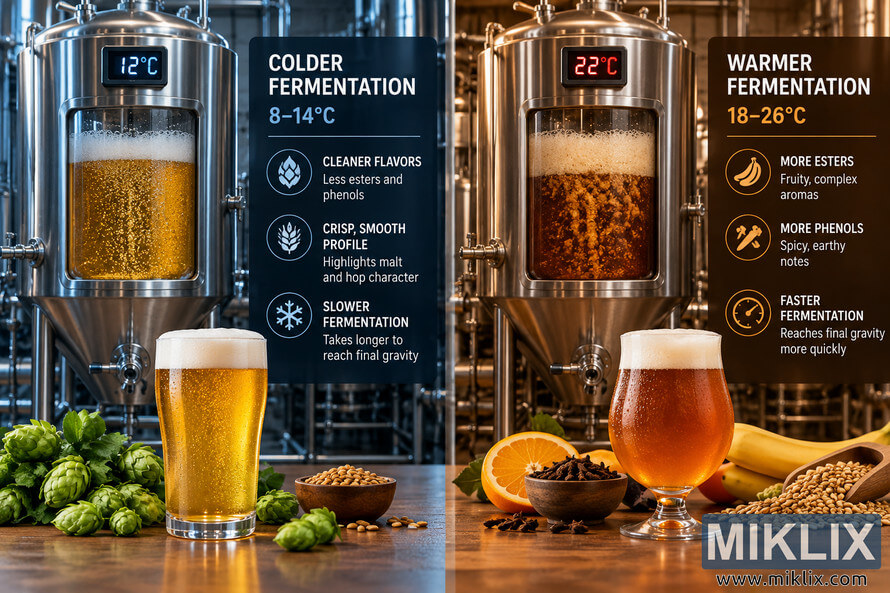
Click or tap the image for more information and higher resolutions.
Advanced Brewing Techniques with Wyeast 3942-PC
Blending with Other Yeast Strains
Experienced brewers sometimes blend yeast strains for unique character. Wyeast 3942-PC Belgian Wheat combines well with complementary strains. Blending creates custom flavor profiles.
Consider blending with a more phenolic Belgian strain for increased spice character. Use 70% Wyeast 3942-PC and 30% phenolic strain. This adds complexity while maintaining the base strain's balance.
Alternatively, blend with a clean American ale yeast for a hybrid character. This reduces esters while keeping wheat beer qualities. Experiment with ratios to find your preferred balance.
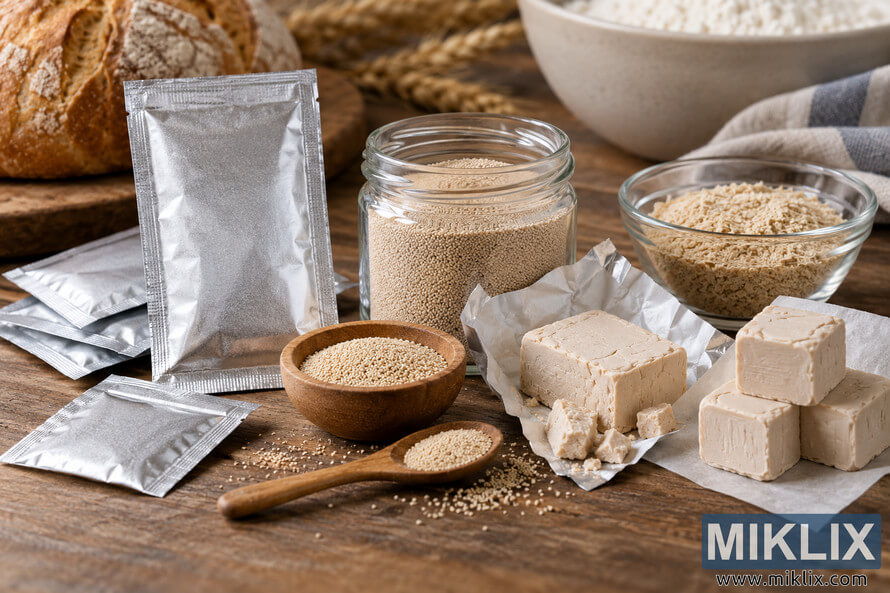
Click or tap the image for more information and higher resolutions.
Sour Beer Applications
Wyeast 3942-PC works in mixed-fermentation sour beer projects. Use it for primary fermentation before adding souring microorganisms. The strain provides a clean base for complex sour development.
Complete primary fermentation with Wyeast 3942-PC Belgian Wheat as normal. After reaching final gravity, add Lactobacillus or Brettanomyces cultures. The Belgian wheat character complements sour and funky flavors beautifully.
Barrel Aging Considerations
Belgian wheat beers aged in barrels develop unique characteristics. Wyeast 3942-PC provides stable base fermentation for barrel projects. The moderate esters complement oak and spirit flavors.
Complete primary fermentation before transferring to barrels. Ensure fermentation is fully finished to prevent over-carbonation. The low to medium flocculation means some yeast transfers with the beer providing slight continued activity.
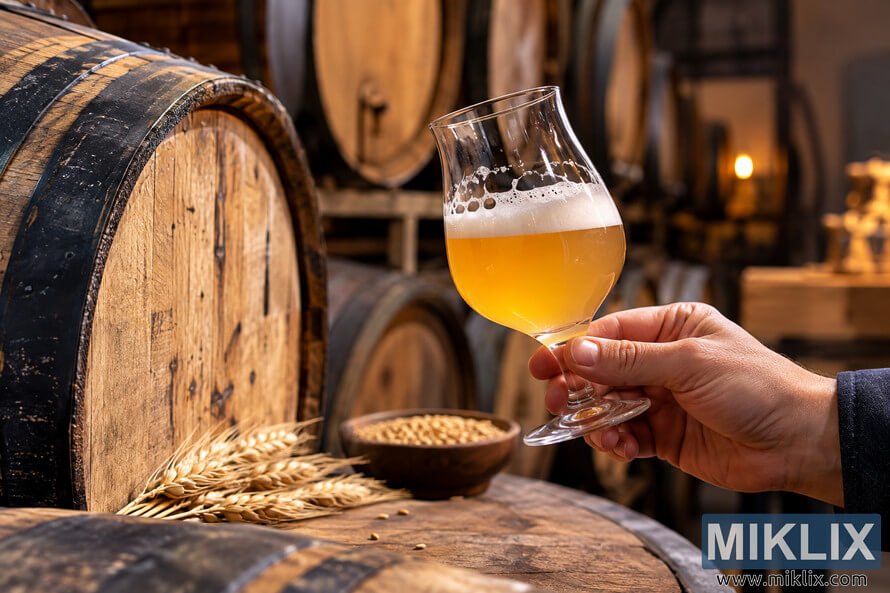
Click or tap the image for more information and higher resolutions.
Conclusion
Wyeast 3942-PC Belgian Wheat offers homebrewers an exceptional tool for authentic Belgian wheat beer production. This Private Collection strain was isolated from a small Belgian brewery. It produces beers with moderate esters and minimal phenolics that define quality witbiers.
Success with this liquid yeast requires attention to handling and fermentation management. Proper storage with refrigeration maintains viability. Shipping with ice pack protection ensures healthy yeast arrives at your door. Temperature control during fermentation determines final beer character.
The fermentation temperature range of 62°F to 75°F provides flexibility for different flavor profiles. Lower temperatures create clean, balanced beers. Higher temperatures increase ester complexity. Understanding these relationships empowers you to craft beer matching your vision.
Whether brewing classic witbiers, American wheat ales, or stronger Belgian wheat styles, Wyeast 3942-PC delivers consistent results. The strain's moderate character lets grain, hops, and spices shine through clearly. This balance makes it invaluable for brewers seeking authentic Belgian wheat beer flavor.
Equipment, technique, and quality ingredients combine to create outstanding homebrew. With proper preparation and fermentation management, Wyeast 3942-PC Belgian Wheat helps you brew Belgian wheat beers rivaling commercial examples. Your next batch awaits.

Click or tap the image for more information and higher resolutions.
Further Reading
If you enjoyed this post, you may also like these suggestions:
- Fermenting Beer with CellarScience Hazy Yeast
- Fermenting Beer with Fermentis SafBrew LA-01 Yeast
- Fermenting Beer with Wyeast 1028 London Ale Yeast