
Rutabaga: The Root Vegetable Packed with Nutrients
Δημοσιεύθηκε:
Τελευταία ενημέρωση: 10 Σεπτεμβρίου 2026 στις 9:57:25 π.μ. UTC
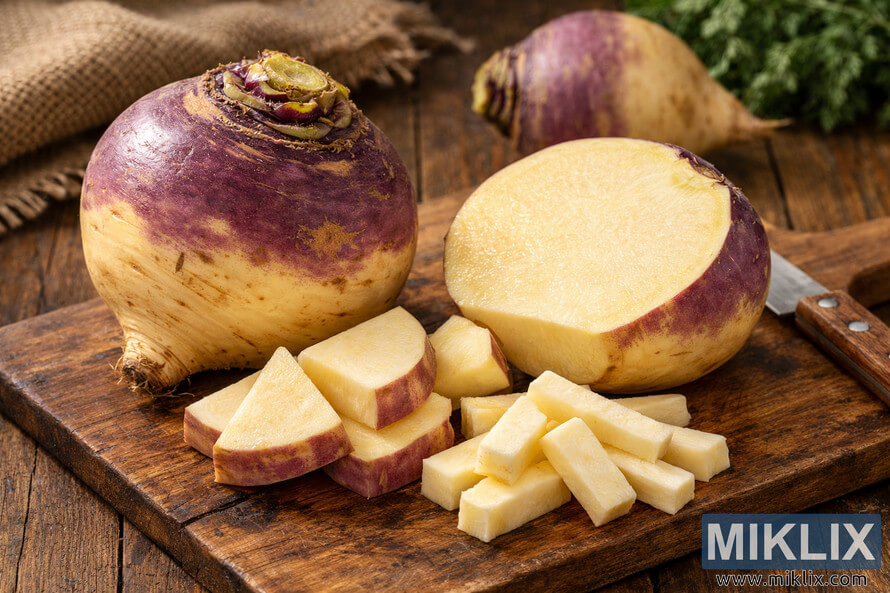
Rutabaga stands as one of nature's most underappreciated nutritional powerhouses. This humble root vegetable offers remarkable health benefits that rival more popular vegetables. Many people walk past rutabagas in grocery stores without realizing what they're missing.
Rutabaga: The Root Vegetable Packed with Nutrients
Κάντε κλικ ή πατήστε την εικόνα για περισσότερες πληροφορίες και υψηλότερες αναλύσεις.
Often confused with turnips, rutabagas deserve recognition for their unique nutritional profile. They pack impressive amounts of vitamins, minerals, and beneficial compounds into every serving. Understanding what makes rutabaga special can transform your approach to healthy eating.
Ready to explore more nutrient-dense vegetables? Our comprehensive root vegetable nutrition series covers everything from sweet potatoes to turnips, helping you build a healthier diet with delicious, versatile options.
What Is Rutabaga and Where Does It Come From
Rutabaga is a root vegetable that emerged from a cross between cabbage and turnip plants. Also known as swede or Swedish turnip, this vegetable has been cultivated for centuries. The name "rutabaga" comes from the Swedish word "rotabagge," meaning root bag.
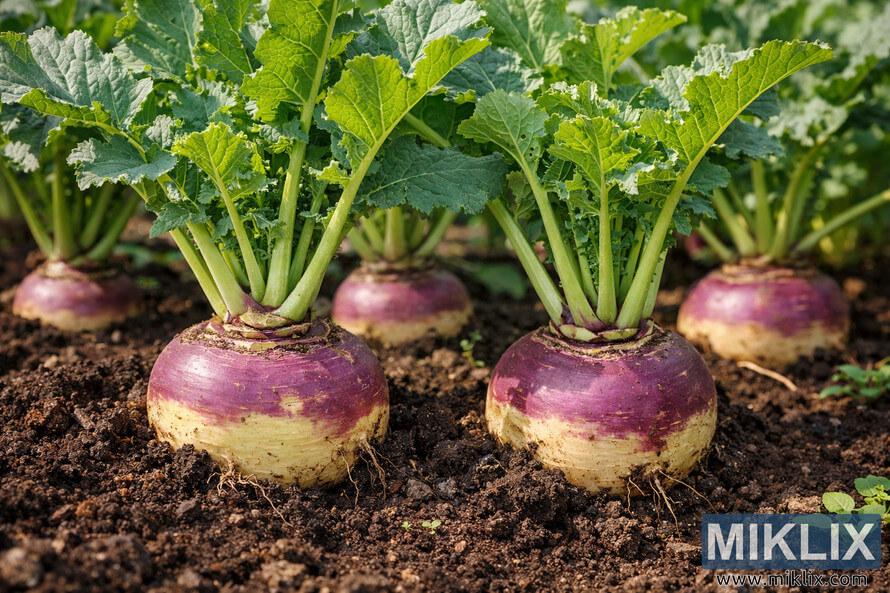
This cool-season crop thrives in northern climates where winters are mild. Rutabagas grow larger than turnips and develop a distinctive sweet, earthy flavor. The vegetable features a bulbous root with purple-tinged skin on top and cream-colored flesh inside.
Κάντε κλικ ή πατήστε την εικόνα για περισσότερες πληροφορίες και υψηλότερες αναλύσεις.
The Difference Between Rutabaga and Turnip
Many shoppers confuse rutabagas with turnips because both are root vegetables. Several key differences help you tell them apart. Rutabagas are generally larger and have a more pronounced neck where the greens attach.
The color provides another clear distinction. Turnips usually have white skin with purple tops, while rutabagas display more yellow flesh beneath their skin. Rutabagas also taste sweeter and less bitter than turnips.
Texture differs significantly between these two vegetables. Rutabaga flesh is denser and holds up better during cooking. This makes rutabagas ideal for soups, stews, and roasting applications where you want vegetables to maintain their shape.
Rutabaga Characteristics
- Larger size, typically 3-5 inches diameter
- Yellow-orange flesh inside
- Sweet, mild flavor profile
- Dense, firm texture
- Purple and cream exterior
Turnip Characteristics
- Smaller size, usually 2-3 inches
- White flesh throughout
- Peppery, sharper taste
- Tender, softer texture
- White with purple top
Nutritional Profile of Rutabaga
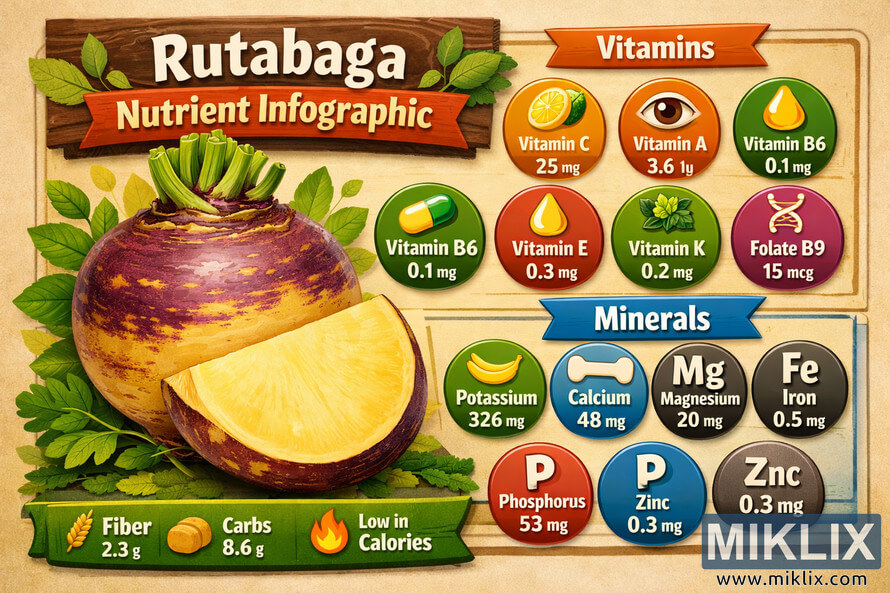
Rutabagas deliver impressive nutrition while remaining low in calories. One cup of cubed rutabaga contains only about 50 calories. This makes rutabaga an excellent choice for anyone watching their calorie intake while seeking nutrient-dense food options.
The vegetable provides substantial amounts of vitamin C, potassium, and fiber. You'll also find meaningful quantities of magnesium, calcium, and various B vitamins. These nutrients work together to support overall health and wellness.
Vitamins and Minerals in Rutabaga
Vitamin C stands out as rutabaga's most abundant nutrient. A single serving provides about 35% of your daily vitamin C needs. This powerful antioxidant supports immune function and helps your body produce collagen.
Potassium content in rutabagas helps regulate blood pressure and fluid balance. The vegetable also contains important minerals like manganese and phosphorus. These minerals support bone health and energy metabolism throughout your body.
Κάντε κλικ ή πατήστε την εικόνα για περισσότερες πληροφορίες και υψηλότερες αναλύσεις.
| Nutrient | Amount per Cup (Raw) | % Daily Value |
| Calories | 50 | 2% |
| Vitamin C | 35 mg | 35% |
| Potassium | 472 mg | 10% |
| Fiber | 3.2 g | 12% |
| Calcium | 66 mg | 5% |
| Magnesium | 32 mg | 8% |
Fiber and Water Content
Dietary fiber makes up a significant portion of rutabaga's nutritional value. Each cup provides about 3 grams of fiber, supporting digestive health. This fiber content helps you feel full longer after meals.
Water comprises roughly 90% of a rutabaga's weight. This high water content contributes to hydration while keeping calorie density low. The combination of fiber and water makes rutabagas excellent for weight management goals.
Science-Backed Health Benefits of Rutabaga
Research reveals multiple ways rutabagas support your health. The vegetable's nutrient composition provides benefits that extend beyond basic nutrition. Understanding these advantages helps you make informed dietary choices.

Κάντε κλικ ή πατήστε την εικόνα για περισσότερες πληροφορίες και υψηλότερες αναλύσεις.
Immune System Support
Vitamin C content in rutabagas provides powerful immune system support. This essential nutrient helps white blood cells function more effectively. Regular consumption may help reduce the duration and severity of common colds.
The antioxidants in rutabagas protect immune cells from damage. These protective compounds also help reduce inflammation throughout your body. A strong immune system relies on consistent intake of vegetables like rutabaga.
Digestive Health Benefits
Fiber in rutabagas promotes healthy digestion and regular bowel movements. This type of dietary fiber feeds beneficial gut bacteria. A healthy gut microbiome influences everything from mood to immune function.
The vegetable's fiber content may also help prevent constipation. Rutabagas also contain compounds that support the intestinal lining. These protective effects contribute to overall digestive wellness.
Heart Health and Blood Pressure
Potassium in rutabagas helps counteract sodium's effects on blood pressure. This mineral supports healthy blood vessel function. Regular consumption of potassium-rich vegetables may reduce cardiovascular disease risk.
Fiber from rutabagas can help lower cholesterol levels. The vegetable also contains anti-inflammatory compounds that protect blood vessels. These combined effects make rutabaga a heart-healthy food choice.
Weight Management Support
Low calorie density makes rutabagas ideal for weight management. The combination of fiber and water promotes satiety without excess calories. You can eat satisfying portions while maintaining a calorie deficit.
Rutabagas can effectively replace higher-calorie starches like potatoes in many recipes. This simple swap reduces overall calorie intake without sacrificing volume. The natural sweetness also satisfies cravings for comfort food.
Blood Sugar Regulation
The fiber in rutabagas slows sugar absorption into your bloodstream. This helps prevent rapid blood sugar spikes after meals. Stable blood sugar levels support energy and reduce diabetes risk.
Rutabagas have a relatively low glycemic index compared to other starchy vegetables. This makes them suitable for people managing blood sugar levels. The vegetable provides sustained energy without dramatic glucose fluctuations.
Anti-Inflammatory Properties
Rutabagas belong to the cruciferous vegetable family known for anti-inflammatory compounds. These plants produce special substances called glucosinolates. When you eat rutabagas, your body converts these compounds into beneficial molecules.
Chronic inflammation contributes to many serious health conditions. The anti-inflammatory properties of rutabagas may help reduce this underlying risk. Regular consumption of cruciferous vegetables supports long-term health.
Antioxidant Protection
Multiple antioxidants in rutabagas protect your cells from oxidative stress. Vitamin C acts as a powerful free radical scavenger. The vegetable also contains other protective compounds like beta-carotene.
These antioxidants help prevent cellular damage that can lead to disease. They support healthy aging by protecting against accumulated oxidative damage. Eating a variety of antioxidant-rich vegetables provides comprehensive protection.
Κάντε κλικ ή πατήστε την εικόνα για περισσότερες πληροφορίες και υψηλότερες αναλύσεις.
Glucosinolates and Beneficial Plant Compounds
As a member of the cabbage family, rutabaga contains special sulfur-containing compounds. These glucosinolates give cruciferous vegetables their characteristic flavors. More importantly, they provide significant health benefits when consumed regularly.
Your body breaks down glucosinolates into active compounds like isothiocyanates. Research suggests these molecules may have cancer-protective properties. They also support liver detoxification processes.
How Cooking Affects Beneficial Compounds
Cooking methods influence how many beneficial compounds remain in rutabagas. Gentle cooking preserves more nutrients than prolonged high heat. Steaming and roasting generally maintain higher nutrient levels than boiling.
Some compounds become more bioavailable through light cooking. The key is finding the right balance between making nutrients accessible and avoiding excessive nutrient loss. Brief cooking times often provide the best nutritional outcomes.
Nutritional Value of Rutabaga Greens
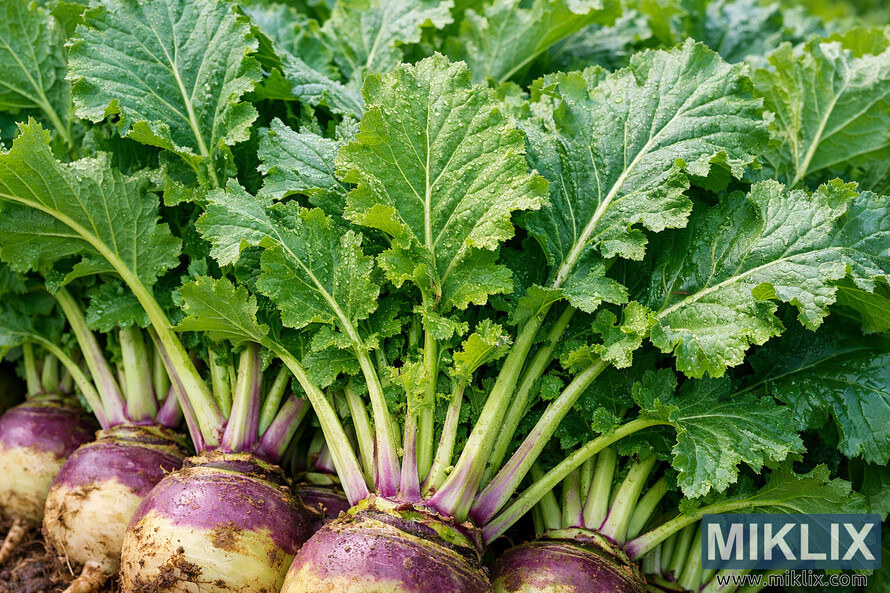
The leaves of rutabaga plants offer nutrition that rivals the root itself. These greens contain high levels of vitamins A, C, and K. Many people discard rutabaga greens without realizing their nutritional value.
Rutabaga greens taste similar to other leafy vegetables like kale or collards. The leaves provide fiber, calcium, and various beneficial plant compounds. Using both the root and greens maximizes nutritional benefits from this versatile vegetable.
Κάντε κλικ ή πατήστε την εικόνα για περισσότερες πληροφορίες και υψηλότερες αναλύσεις.
Ways to Use Rutabaga Leaves
Prepare rutabaga greens like any other cooking green. Sauté them with garlic and olive oil for a simple side dish. You can also add chopped greens to soups, stews, or stir-fries.
The leaves work well in salads when harvested young and tender. Older leaves benefit from cooking to soften their texture. Experimenting with rutabaga greens adds variety to your vegetable intake.
How to Incorporate Rutabaga Into Your Diet
Adding rutabaga to your regular meal rotation is easier than many people think. This versatile root vegetable adapts to numerous cooking methods. Start with simple preparations to become familiar with rutabaga's unique flavor.

Κάντε κλικ ή πατήστε την εικόνα για περισσότερες πληροφορίες και υψηλότερες αναλύσεις.
Selecting and Storing Rutabagas
Choose rutabagas that feel heavy for their size with smooth, firm skin. Avoid vegetables with soft spots, cracks, or excessive blemishes. Smaller rutabagas often taste sweeter than very large ones.
Store whole rutabagas in a cool, dark place for several weeks. They keep longer than most vegetables when properly stored. Refrigeration extends shelf life even further, especially for cut pieces.
Preparing Rutabaga for Cooking
Start by washing the rutabaga thoroughly under running water. Use a sharp vegetable peeler or knife to remove the thick skin. The waxy coating on some rutabagas requires more effort to peel than other vegetables.
Cut the peeled rutabaga into your desired shape and size. Smaller pieces cook faster and more evenly. Keep cut rutabaga in cold water until ready to cook to prevent browning.
Best Cooking Methods for Rutabaga
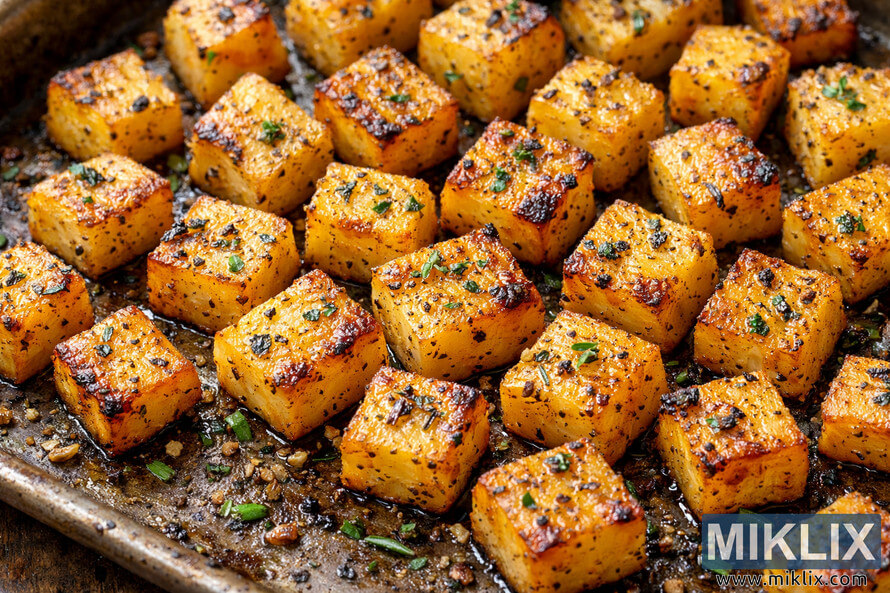
Roasting brings out rutabaga's natural sweetness and creates caramelized edges. Toss cubed rutabaga with olive oil, salt, and your favorite seasonings. Roast at 400°F until tender and golden brown.
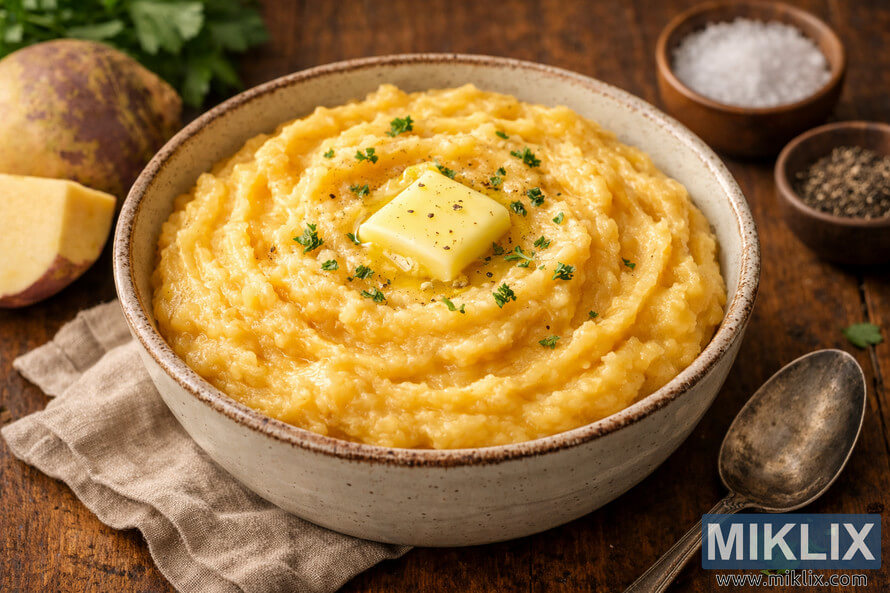
Boiling or steaming works well when you plan to mash rutabaga. This method softens the vegetable quickly and thoroughly. Mashed rutabaga can replace or complement mashed potatoes in many dishes.
Sautéing thin rutabaga slices creates a quick side dish. This method preserves more nutrients than prolonged boiling. Add rutabaga to stir-fries for extra nutrition and texture variety.
Roasted Rutabaga
Cut into cubes, toss with olive oil and herbs, roast at 400°F for 30-35 minutes until tender and caramelized.
Κάντε κλικ ή πατήστε την εικόνα για περισσότερες πληροφορίες και υψηλότερες αναλύσεις.
Mashed Rutabaga
Boil until soft, mash with butter and cream, season with salt and pepper for a lower-carb alternative to potatoes.
Κάντε κλικ ή πατήστε την εικόνα για περισσότερες πληροφορίες και υψηλότερες αναλύσεις.
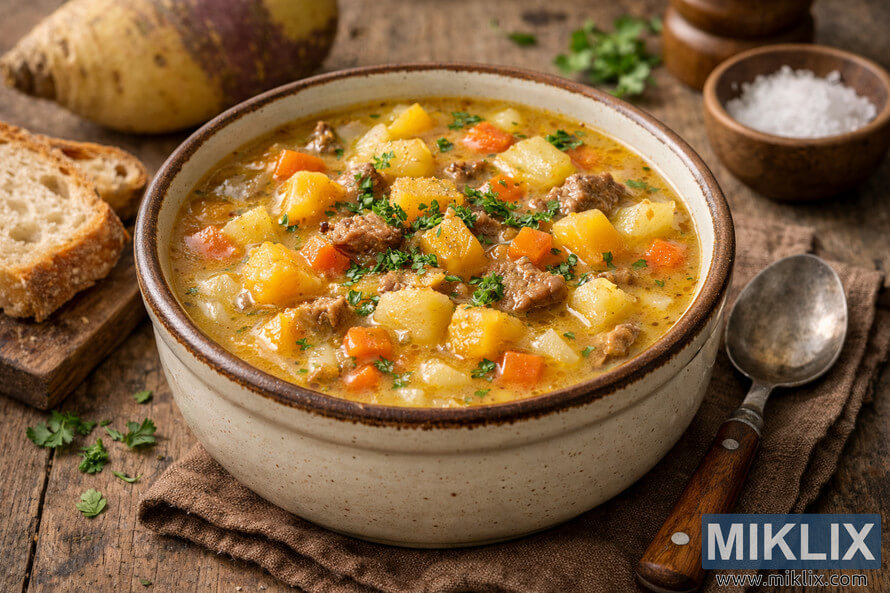
Rutabaga Soup
Simmer with broth, onions, and carrots for a warming winter soup packed with nutrients and satisfying flavor.
Κάντε κλικ ή πατήστε την εικόνα για περισσότερες πληροφορίες και υψηλότερες αναλύσεις.
Flavor Pairings and Seasonings
Rutabaga pairs beautifully with warming spices like nutmeg, cinnamon, and ginger. These seasonings complement the vegetable's natural sweetness. Savory herbs like thyme, rosemary, and sage also work exceptionally well.
The vegetable's mild flavor accepts bold seasonings without becoming overpowered. Try curry spices, garlic, or even a touch of maple syrup. Experimenting with different flavor combinations keeps rutabaga dishes interesting.
Recipe Ideas and Meal Suggestions
Substitute rutabaga for potatoes in traditional comfort food recipes. Make rutabaga fries by cutting the vegetable into strips and baking until crispy. You can also add rutabaga to pot roasts, where it absorbs delicious meat flavors.
Grate raw rutabaga into salads for a crunchy, slightly peppery addition. Dice it into hearty soups and stews for extra nutrition and substance. Rutabaga also works well in vegetable gratins and casseroles.
Create a simple rutabaga hash by combining diced rutabaga with onions and other root vegetables. This makes an excellent breakfast side or vegetarian main dish. The possibilities extend far beyond basic preparations.
Rutabaga Compared to Other Root Vegetables
Understanding how rutabaga compares to similar vegetables helps you make informed choices. Each root vegetable offers unique nutritional advantages. Knowing these differences allows you to maximize dietary variety and nutritional benefits.
Rutabaga vs Potatoes
Rutabagas contain significantly fewer calories and carbohydrates than potatoes. One cup of rutabaga has about half the calories of the same amount of potato. This makes rutabaga an excellent lower-calorie substitute in many dishes.
Potatoes provide more potassium, while rutabagas offer more vitamin C and fiber. Both vegetables have valuable nutritional roles in a balanced diet. The choice often depends on your specific nutritional goals and preferences.
Rutabaga vs Carrots
Carrots contain much more beta-carotene than rutabagas, giving them their orange color. However, rutabagas provide more vitamin C and different beneficial compounds. Both vegetables belong to different plant families with distinct nutritional profiles.
The flavor and texture differences make each vegetable suitable for different culinary applications. Carrots taste sweeter and cook more quickly than rutabagas. Including both in your diet ensures diverse nutrient intake.
| Vegetable | Calories per Cup | Fiber (g) | Vitamin C (% DV) | Potassium (mg) |
| Rutabaga | 50 | 3.2 | 35% | 472 |
| Potato | 110 | 2.4 | 28% | 620 |
| Turnip | 36 | 2.3 | 30% | 248 |
| Carrot | 52 | 3.6 | 13% | 410 |
| Sweet Potato | 114 | 3.8 | 37% | 448 |
Precautions and Considerations When Eating Rutabaga
Most people can safely enjoy rutabaga as part of a healthy diet. However, certain individuals should exercise caution or moderation. Understanding potential concerns helps you make appropriate dietary decisions.
Thyroid Function Considerations
Rutabagas and other cruciferous vegetables contain compounds called goitrogens. These substances can interfere with thyroid hormone production when consumed in very large amounts. People with existing thyroid conditions should discuss rutabaga consumption with their healthcare provider.
Cooking significantly reduces goitrogen content in rutabagas. Most people can eat normal serving sizes without thyroid concerns. Only consuming extremely large quantities of raw cruciferous vegetables typically causes problems.
Digestive Sensitivity
Some individuals experience gas or bloating when eating rutabaga. The fiber and certain carbohydrates in the vegetable can cause digestive discomfort. Starting with small portions allows your digestive system to adjust gradually.
People with irritable bowel syndrome may need to limit rutabaga intake. The vegetable contains FODMAPs that can trigger symptoms in sensitive individuals. Cooking rutabaga thoroughly often improves digestibility.
Allergic Reactions
True allergies to rutabaga are relatively rare but can occur. Symptoms may include itching, swelling, or digestive upset. Anyone experiencing allergic reactions should avoid rutabaga and consult a healthcare provider.
Cross-reactivity can occur in people allergic to other cruciferous vegetables. If you have known allergies to cabbage family plants, introduce rutabaga cautiously. Monitor your body's response when trying rutabaga for the first time.
Medication Interactions
The vitamin K content in rutabaga greens may affect blood-thinning medications. People taking warfarin should maintain consistent vitamin K intake. Discuss dietary changes with your doctor if you take blood thinners.
Rutabaga's potassium content rarely causes issues for healthy individuals. However, people with kidney problems or taking certain medications should monitor potassium intake. Your healthcare provider can offer personalized guidance.
Important Note: While rutabaga offers numerous health benefits, it should not replace medical treatment or advice. Always consult healthcare professionals about specific health concerns or before making significant dietary changes, especially if you have existing health conditions or take medications.
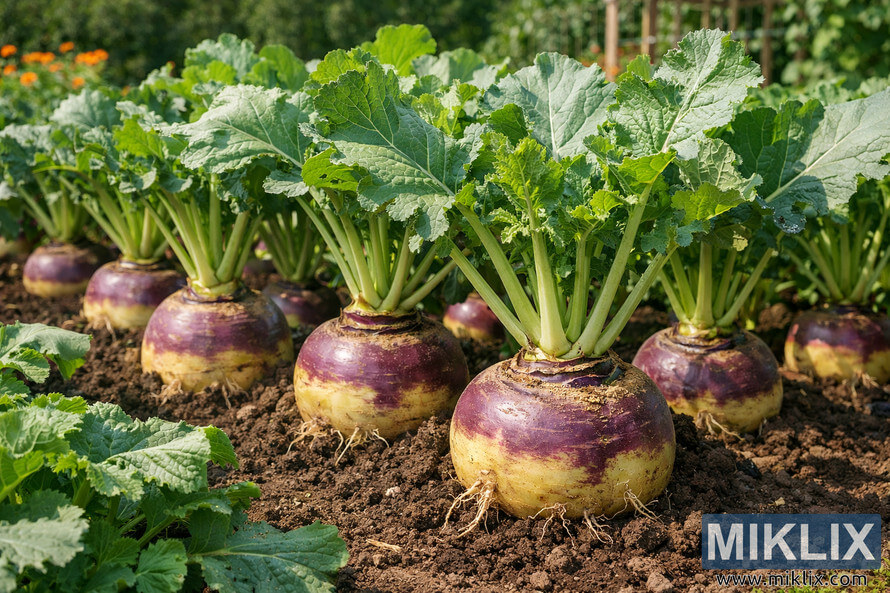
Growing Your Own Rutabaga
Cultivating rutabagas in your garden provides fresh, nutritious vegetables throughout winter months. This cool-season crop thrives where other vegetables struggle. Growing your own rutabagas ensures maximum freshness and nutritional value.
Planting and Care Requirements
Plant rutabaga seeds directly in the garden about 90 days before your first expected frost. The seeds germinate best in cool soil temperatures between 45-85°F. Space seeds about 6 inches apart in rows 18-24 inches wide.
Rutabagas need consistent moisture throughout their growing season. Water deeply when rainfall is insufficient to maintain soil moisture. Mulching helps retain moisture and suppress weeds around developing plants.
Harvest and Storage Tips
Harvest rutabagas after the first light frost for best flavor. Cold temperatures convert starches to sugars, improving taste. The roots should measure 3-5 inches in diameter at harvest time.
Store harvested rutabagas in a cool, humid location like a root cellar. They keep for several months under proper conditions. Remove the greens before storage but leave about an inch of stem attached.
Κάντε κλικ ή πατήστε την εικόνα για περισσότερες πληροφορίες και υψηλότερες αναλύσεις.
Seasonal Availability and Shopping Tips
Understanding when rutabagas are at their peak helps you purchase the best quality. This knowledge also ensures you get maximum nutritional value. Seasonal eating connects you with natural food cycles.
When Rutabaga Is in Season
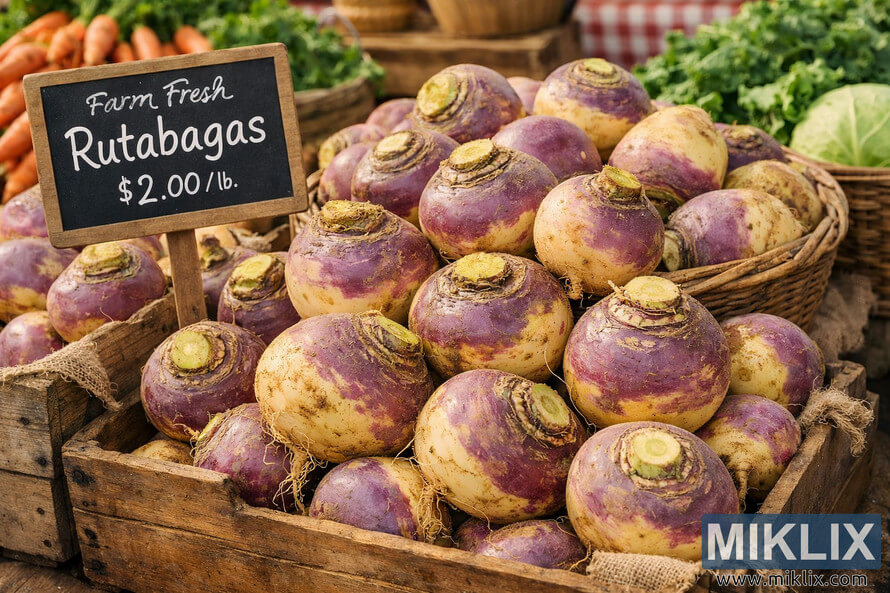
Fall and winter represent peak season for fresh rutabagas in most regions. The vegetable thrives in cool weather and actually improves in flavor after frost. You'll find the best selection from October through March in most markets.
Some grocers carry rutabagas year-round thanks to cold storage capabilities. However, fall-harvested rutabagas generally offer superior taste and texture. Shopping seasonally often means better prices and fresher produce.
What to Look for When Buying
Select rutabagas that feel heavy and firm without soft spots or major blemishes. The skin should appear relatively smooth with minimal cracks. Avoid rutabagas that feel light for their size, as this indicates dehydration.
Medium-sized rutabagas often provide the best balance of flavor and texture. Very large specimens may develop woody centers. Check that the root has not sprouted, which indicates declining freshness.
Κάντε κλικ ή πατήστε την εικόνα για περισσότερες πληροφορίες και υψηλότερες αναλύσεις.
Cultural and Culinary History of Rutabaga
Rutabaga has played important roles in various cuisines throughout history. The vegetable sustained populations during challenging times. Understanding this history adds appreciation for this humble root vegetable.
Traditional Uses Around the World
Scandinavian countries have long traditions of preparing rutabaga in diverse ways. The vegetable appears in traditional Swedish and Norwegian dishes. Scottish cuisine also features rutabaga prominently, especially during winter months.
In North America, rutabaga became particularly important during World War II. The vegetable served as a reliable food source when other options were scarce. This history earned rutabaga a reputation as a practical, sustaining food.
Modern Culinary Applications
Contemporary chefs are rediscovering rutabaga's versatility and nutritional value. The vegetable appears in upscale restaurants and farm-to-table establishments. Modern preparations showcase rutabaga's ability to shine in creative dishes.
Health-conscious cooks use rutabaga as a lower-carb substitute in various recipes. The vegetable works well in both traditional comfort foods and innovative cuisine. This renewed interest brings rutabaga back into mainstream cooking.
Environmental Benefits of Choosing Rutabaga
Selecting rutabaga supports sustainable food systems in multiple ways. This hardy vegetable requires fewer resources than many other crops. Making environmentally conscious food choices benefits both personal and planetary health.
Low Resource Requirements
Rutabagas grow well without extensive irrigation in many climates. The plants resist common pests better than some vegetables, requiring fewer pesticides. These characteristics make rutabaga a relatively eco-friendly crop choice.
The vegetable stores well without refrigeration under proper conditions. This reduces energy consumption compared to vegetables requiring constant cold storage. Long storage life also means less food waste from spoilage.
Cold Climate Agriculture
Rutabagas thrive in northern regions where growing seasons are short. This allows farmers in cooler climates to produce nutritious food locally. Supporting cold-hardy crops promotes agricultural diversity and food security.
Growing rutabagas extends the harvest season well into late fall and early winter. This provides fresh local produce when other vegetables are unavailable. Eating seasonally appropriate vegetables reduces transportation-related carbon emissions.
Frequently Asked Questions About Rutabaga
Can you eat rutabaga raw?
Yes, you can eat rutabaga raw, though it's less common than cooked preparations. Raw rutabaga has a crisp texture and slightly peppery flavor. Grate it into salads or slice thinly for crudités. However, cooking makes rutabaga easier to digest and brings out its natural sweetness.
How long does rutabaga last in the refrigerator?
Whole rutabagas can last 2-3 weeks in the refrigerator when stored properly. Keep them in the crisper drawer in a plastic bag with some ventilation. Cut rutabaga should be wrapped tightly and used within 5-7 days. Always check for signs of spoilage before using stored rutabaga.
Is rutabaga keto-friendly?
Rutabaga can fit into a ketogenic diet in moderation. One cup of cooked rutabaga contains about 12 grams of carbohydrates, with 3 grams of fiber. This gives a net carb count of 9 grams per cup. People following strict keto may need to limit portion sizes to stay within their carb targets.
What's the difference between yellow and white rutabaga?
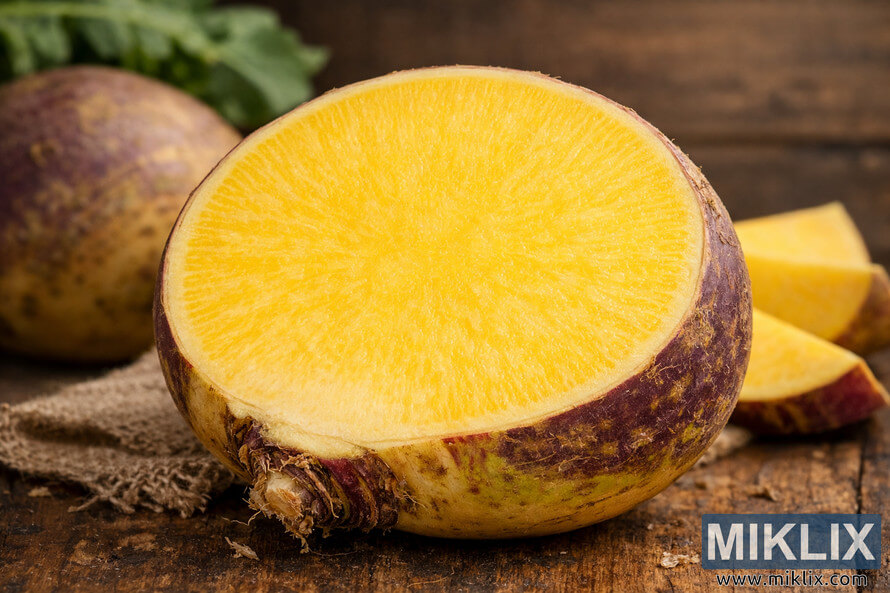
Most rutabagas have yellow-orange flesh regardless of exterior color variations. The purple and cream exterior coloring is standard. If you encounter a rutabaga that appears very white inside, it may actually be a large turnip. True rutabagas typically display yellowish flesh when cut open.
Can diabetics eat rutabaga?
Rutabaga can be a good choice for people managing diabetes. The vegetable has a relatively low glycemic index and provides beneficial fiber. The fiber helps slow sugar absorption and promotes stable blood sugar levels. As with any food, portion control and individual monitoring remain important.
Why is there wax on rutabagas?
Commercial growers apply food-grade wax to rutabagas to prevent moisture loss during storage and transport. This coating extends shelf life and maintains quality. The wax is safe but should be removed before eating. Simply peel the rutabaga to remove both wax and tough outer skin.
Are rutabaga leaves edible and nutritious?
Rutabaga leaves are completely edible and highly nutritious. The greens contain vitamins A, C, and K along with calcium and other minerals. Prepare them like collard greens or kale by sautéing, steaming, or adding to soups. Young, tender leaves work well in salads too.
How do you reduce the bitterness of rutabaga?
Rutabaga is generally less bitter than turnips, but some specimens may taste stronger. Roasting or caramelizing brings out natural sweetness and reduces any bitterness. Adding a small amount of salt during cooking also helps balance flavors. Combining rutabaga with naturally sweet ingredients creates pleasant flavor harmony.
Embracing Rutabaga for Better Health
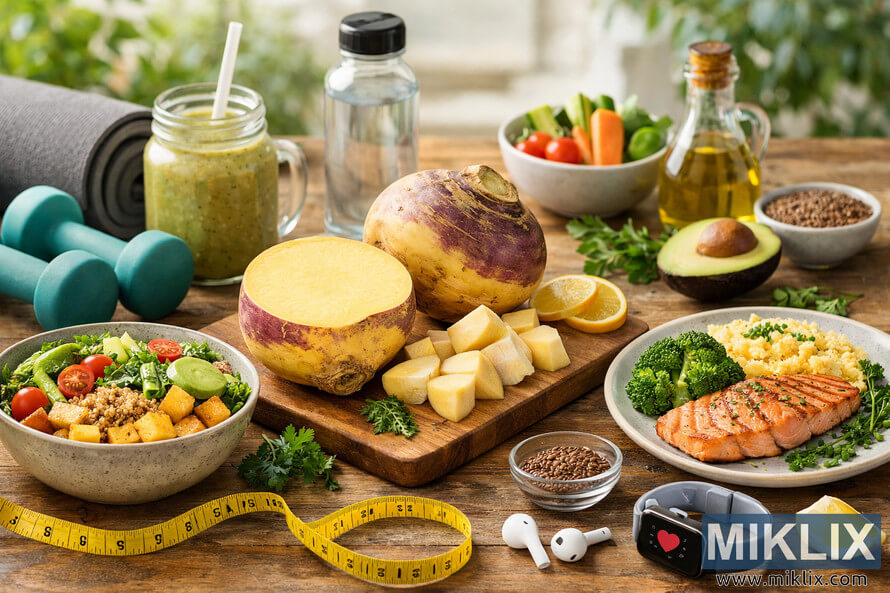
Rutabaga deserves recognition as a nutritional powerhouse among root vegetables. This versatile vegetable provides substantial vitamins, minerals, and beneficial plant compounds. The health benefits extend from immune support to cardiovascular wellness.
Incorporating rutabaga into your regular diet adds valuable nutrition and culinary variety. The vegetable's mild flavor and adaptable texture work in countless recipes. Whether roasted, mashed, or added to soups, rutabaga enhances both nutrition and taste.
Start exploring rutabaga's possibilities with simple preparations and familiar cooking methods. Your body will benefit from the impressive nutrient profile this humble root vegetable offers. Give rutabaga a chance to become a staple in your healthy eating plan.
Κάντε κλικ ή πατήστε την εικόνα για περισσότερες πληροφορίες και υψηλότερες αναλύσεις.
Περαιτέρω ανάγνωση
Αν σας άρεσε αυτή η ανάρτηση, ίσως σας αρέσουν και αυτές οι προτάσεις:
- Κριθάρι Οφέλη: Κριθάρι: Από την υγεία του εντέρου στη λάμψη του δέρματος
- Από το dressing σαλάτας μέχρι την ημερήσια δόση: Εκπληκτικά οφέλη των συμπληρωμάτων μηλόξιδου
- Έξυπνα Συμπληρώματα: Πώς η Λευκίνη Υποστηρίζει τη Διατήρηση των Μυών με Περικοπή Θερμίδων