
Swiss Chard: Why It Is One of the Healthiest Leafy Greens
Julkaistu:
Viimeksi päivitetty: 12. syyskuuta 2026 klo 14.50.06 UTC
Swiss chard stands out among leafy greens as a true nutritional champion. This vibrant vegetable offers remarkable health benefits that can transform your diet. Whether you want to support heart health, manage weight, or boost your immune system, Swiss chard delivers powerful nutrients in every serving.
Swiss Chard: Why It Is One of the Healthiest Leafy Greens
Klikkaa tai napauta kuvaa saadaksesi lisätietoja ja korkeampia resoluutioita.
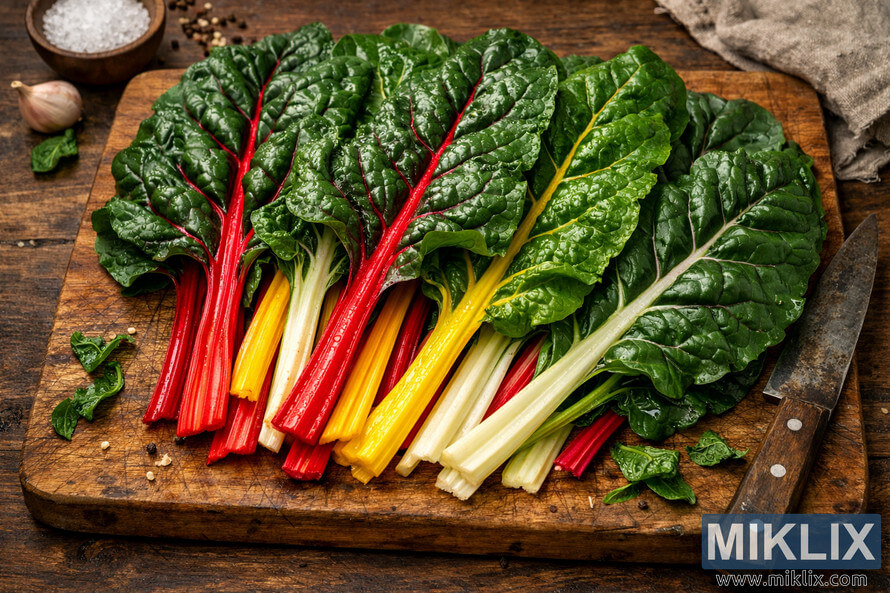
Many people overlook this colorful leafy green in favor of more common vegetables. Yet Swiss chard contains an impressive array of vitamins, minerals, and antioxidants. The rainbow of colors in its stems signals the diverse plant compounds waiting to nourish your body.
This comprehensive guide explores everything you need to know about Swiss chard health benefits. You will learn about its nutritional profile, specific health advantages, different varieties, and practical cooking methods. By the end, you will understand why nutrition experts recommend adding Swiss chard to your regular meal rotation.
Nutritional Profile of Swiss Chard
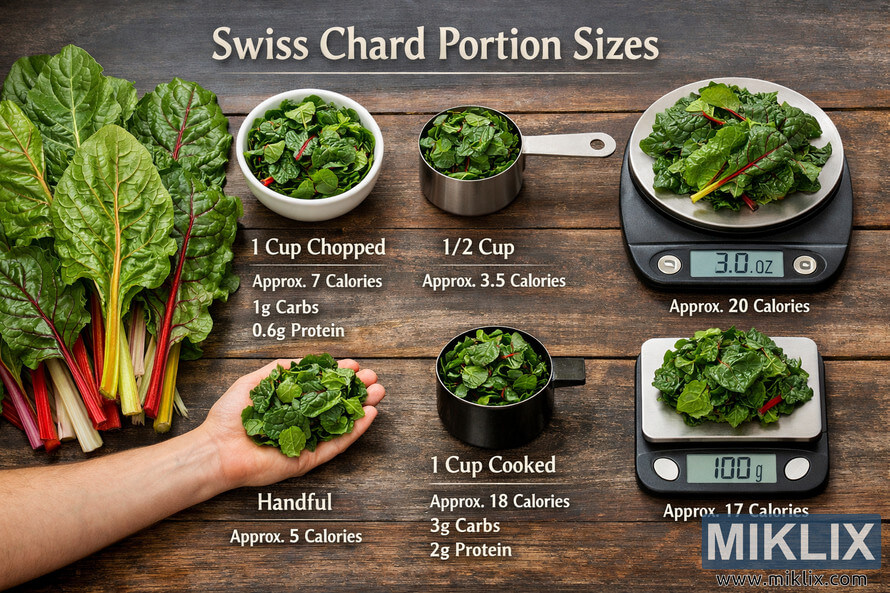
Swiss chard packs an extraordinary nutritional punch with remarkably few calories. One cup of cooked Swiss chard contains only about 35 calories. Yet this small serving delivers vitamins and minerals that exceed your daily requirements.
Vitamin Content in Swiss Chard
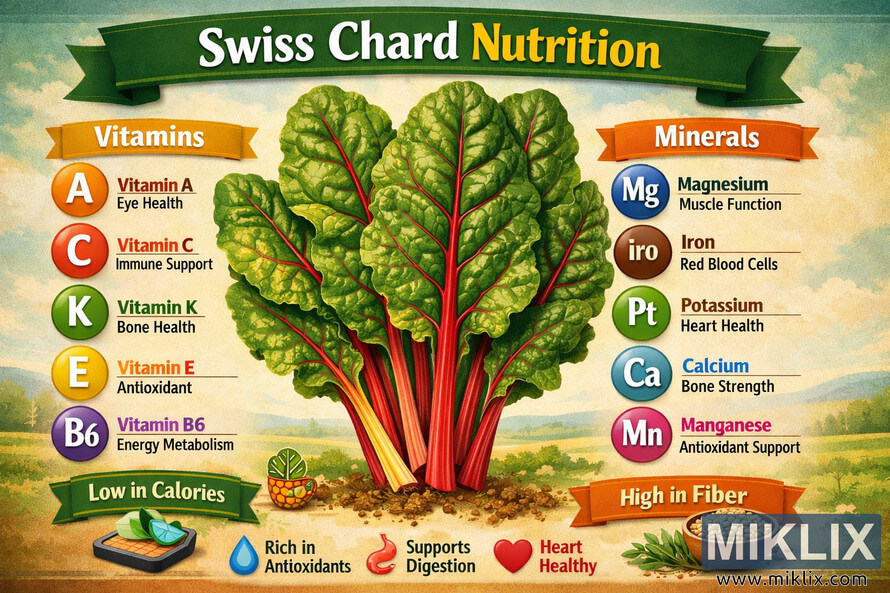
The vitamin profile of Swiss chard is truly impressive. A single serving of cooked Swiss chard provides over 700% of your daily vitamin K needs. This vitamin plays a crucial role in blood clotting and bone health.
Vitamin A content in Swiss chard also stands out. One cup delivers about 60% of your daily requirement. This vitamin supports eye health and immune function. The bright colors in Swiss chard come from beta-carotene, which your body converts to vitamin A.
Vitamin K Benefits
Swiss chard contains exceptional levels of vitamin K, supporting multiple body functions.
- Promotes healthy blood clotting
- Strengthens bone density
- Supports cardiovascular health
- May reduce inflammation
Vitamin A Functions
The vitamin A in Swiss chard provides wide-ranging health support throughout your body.
- Maintains healthy vision
- Boosts immune response
- Supports skin health
- Aids cellular growth
Vitamin C Power
Each serving of Swiss chard delivers substantial vitamin C for antioxidant protection.
- Acts as powerful antioxidant
- Enhances iron absorption
- Supports collagen production
- Strengthens immune system
B Vitamin Complex
Swiss chard provides several B vitamins essential for energy and metabolism.
- Supports energy production
- Aids nervous system function
- Helps form red blood cells
- Maintains healthy metabolism
Vitamin C appears in significant amounts in Swiss chard. This antioxidant vitamin helps your immune system fight infections. It also supports collagen production for healthy skin and joints.
Klikkaa tai napauta kuvaa saadaksesi lisätietoja ja korkeampia resoluutioita.
Essential Minerals in Swiss Chard
The mineral content of Swiss chard rivals its impressive vitamin profile. Magnesium, potassium, iron, and calcium all appear in substantial quantities. These minerals support vital body functions from muscle contraction to bone health.
Magnesium in Swiss chard helps regulate blood pressure and blood sugar. Many people do not get enough magnesium from their diet. Adding Swiss chard can help fill this nutritional gap.
Potassium works alongside sodium to control fluid balance in your body. Swiss chard contains high potassium levels that may help reduce blood pressure. This mineral also supports proper muscle and nerve function.
Nutritional Tip: Cooked Swiss chard provides more concentrated nutrition than raw. The cooking process reduces volume, allowing you to consume more leaves and absorb certain nutrients more easily. However, some vitamin C may be lost during cooking.
Klikkaa tai napauta kuvaa saadaksesi lisätietoja ja korkeampia resoluutioita.
Fiber and Protein Content
Swiss chard offers a good source of dietary fiber. One cup of cooked Swiss chard contains about 4 grams of fiber. This fiber supports digestive health and helps you feel full longer.
The fiber in Swiss chard includes both soluble and insoluble types. Soluble fiber may help lower cholesterol levels. Insoluble fiber keeps your digestive system running smoothly.
While not high in protein compared to animal foods, Swiss chard provides plant-based protein. Each cup contains about 3 grams. This protein combines well with other plant foods to meet your daily needs.
Klikkaa tai napauta kuvaa saadaksesi lisätietoja ja korkeampia resoluutioita.
Swiss Chard Health Benefits for Heart Disease Prevention
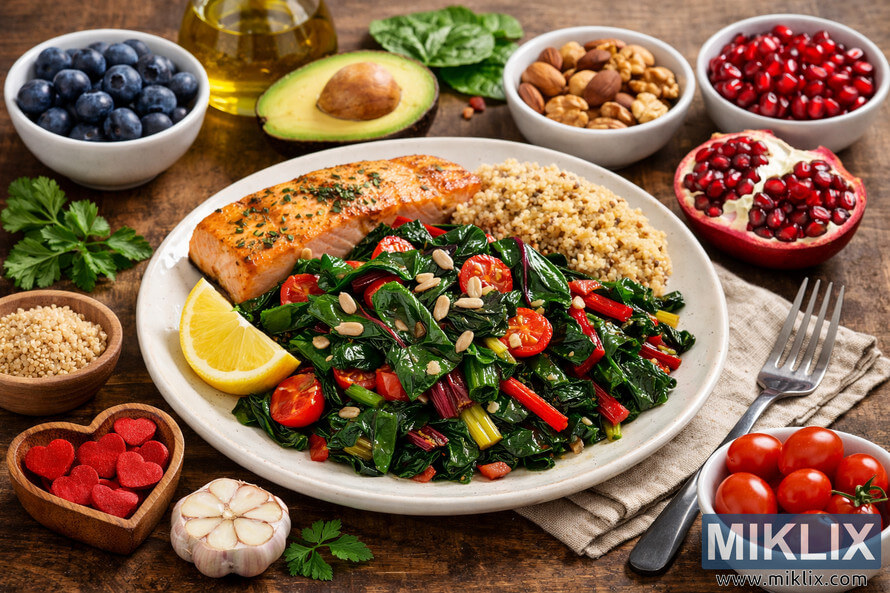
Your heart gains significant protection from regular Swiss chard consumption. Multiple compounds in this leafy green work together to support cardiovascular health. Research shows that people who eat more leafy greens have lower rates of heart disease.
Klikkaa tai napauta kuvaa saadaksesi lisätietoja ja korkeampia resoluutioita.
Blood Pressure Regulation
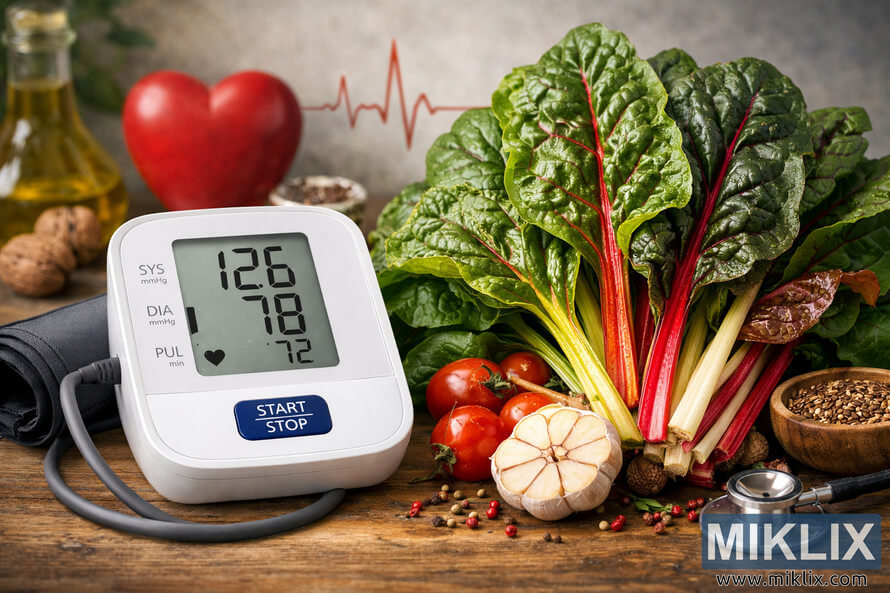
Swiss chard contains compounds that help control blood pressure naturally. The high potassium content counterbalances sodium in your diet. This mineral balance helps relax blood vessel walls and lower blood pressure readings.
Studies indicate that increasing potassium intake can reduce blood pressure significantly. One serving of cooked Swiss chard provides about 20% of your daily potassium needs. This makes it an excellent food for managing hypertension.
Magnesium in Swiss chard also helps regulate blood pressure. This mineral relaxes blood vessels and improves blood flow. The combination of potassium and magnesium makes Swiss chard particularly effective for heart health.
Klikkaa tai napauta kuvaa saadaksesi lisätietoja ja korkeampia resoluutioita.
Cholesterol Management
The fiber in Swiss chard may help lower cholesterol levels. Soluble fiber binds to cholesterol in your digestive system. This prevents cholesterol absorption and helps remove it from your body.
Swiss chard contains unique fiber compounds called betalains. These plant pigments give the stems their bright colors. Research suggests betalains may help reduce bad cholesterol while protecting good cholesterol.
Heart-Protective Nutrients
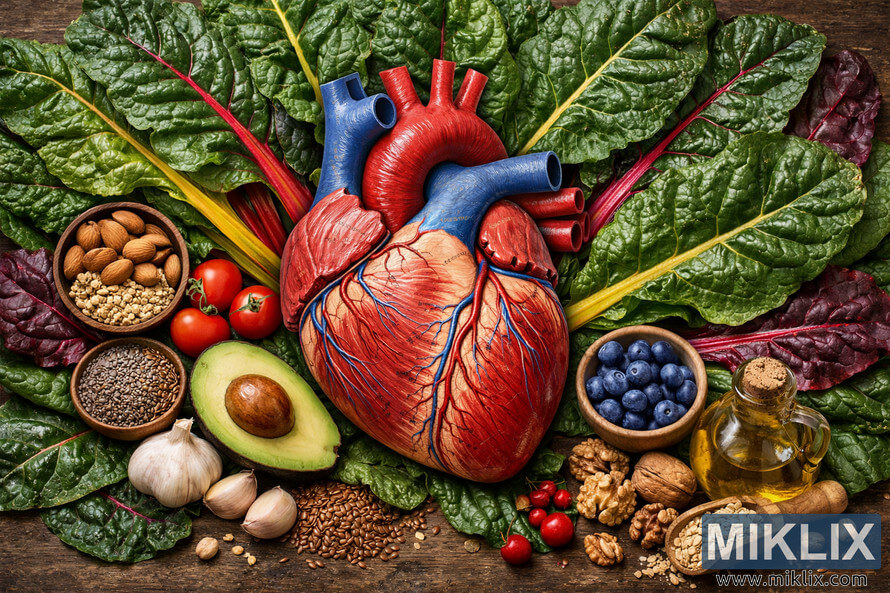
Swiss chard delivers multiple nutrients that work together to protect your cardiovascular system.
- Potassium for blood pressure control
- Magnesium for vessel relaxation
- Fiber for cholesterol reduction
- Antioxidants for inflammation control
- Nitrates for improved blood flow
- Vitamin K for arterial health
Klikkaa tai napauta kuvaa saadaksesi lisätietoja ja korkeampia resoluutioita.
Reducing Inflammation
Chronic inflammation contributes to heart disease development. Swiss chard contains powerful antioxidants that fight inflammation. These compounds protect your blood vessels from damage that can lead to heart disease.
The antioxidants in Swiss chard include flavonoids and carotenoids. These plant compounds neutralize harmful free radicals in your body. By reducing oxidative stress, they help prevent the arterial damage that leads to heart disease.
Blood Sugar Control and Diabetes Management
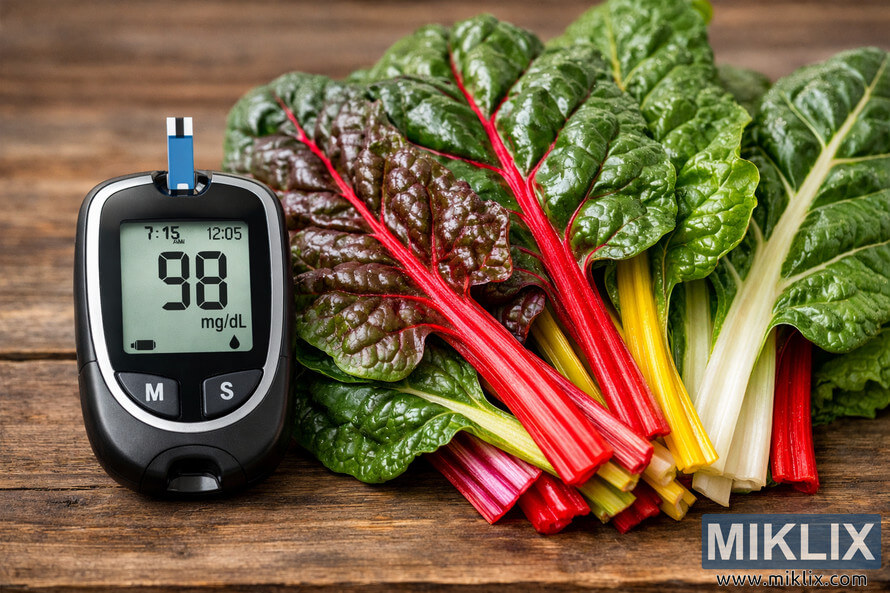
Swiss chard offers remarkable benefits for blood sugar regulation. People with diabetes or prediabetes may find this leafy green particularly helpful. The unique compounds in Swiss chard work through multiple pathways to stabilize blood sugar levels.
How Swiss Chard Affects Blood Sugar
The fiber in Swiss chard slows down sugar absorption in your digestive system. This prevents rapid blood sugar spikes after meals. Stable blood sugar levels help you avoid energy crashes and reduce diabetes risk.
Swiss chard contains a unique compound called syringic acid. Research shows this natural substance may help regenerate pancreatic cells. Your pancreas produces insulin, the hormone that regulates blood sugar. Supporting pancreatic health can improve overall glucose control.
Research Finding: Studies have shown that Swiss chard extract can help reduce blood sugar levels and improve insulin sensitivity. The combination of fiber, antioxidants, and unique plant compounds creates a powerful effect on glucose metabolism.
The low glycemic index of Swiss chard makes it ideal for blood sugar management. Foods with low glycemic index values cause smaller increases in blood sugar. This gentle effect helps maintain steady energy throughout the day.
Klikkaa tai napauta kuvaa saadaksesi lisätietoja ja korkeampia resoluutioita.
Weight Loss Support Through Swiss Chard
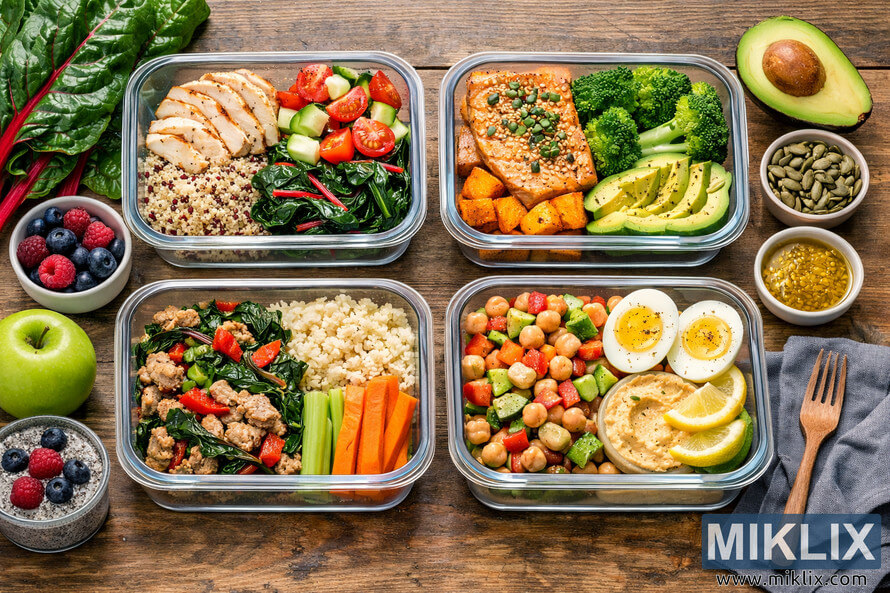
Swiss chard can be a valuable ally in your weight loss journey. This leafy green provides substantial nutrition with very few calories. You can eat large portions without consuming excess calories or affecting your weight loss goals.
The high fiber content in Swiss chard promotes feelings of fullness. When you feel satisfied, you naturally eat less throughout the day. This fiber also slows digestion, helping you stay full longer between meals.
Adding Swiss chard to your diet increases food volume without adding many calories. This allows you to eat satisfying portions while maintaining a calorie deficit for weight loss. The nutrient density ensures you get essential vitamins and minerals while reducing calorie intake.
Weight Loss Benefits
- Only 35 calories per cup cooked
- High fiber keeps you full longer
- Low energy density allows larger portions
- Rich nutrients prevent deficiencies during calorie restriction
- Natural flavor reduces need for high-calorie seasonings
Blood Sugar Advantages
- Low glycemic index prevents sugar spikes
- Fiber slows carbohydrate absorption
- Syringic acid supports pancreatic function
- Helps maintain steady energy levels
- May improve insulin sensitivity over time
Klikkaa tai napauta kuvaa saadaksesi lisätietoja ja korkeampia resoluutioita.
Promoting Eye Health and Vision Protection
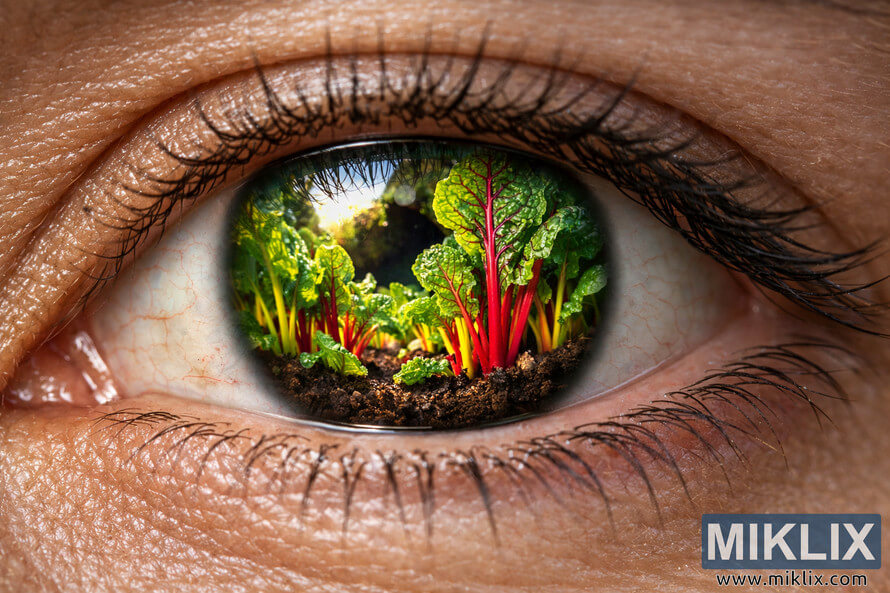
Your eyes benefit tremendously from the nutrients found in Swiss chard. This leafy green contains specific compounds that protect vision and prevent age-related eye diseases. Regular consumption may help preserve your eyesight as you age.
Lutein and Zeaxanthin Content
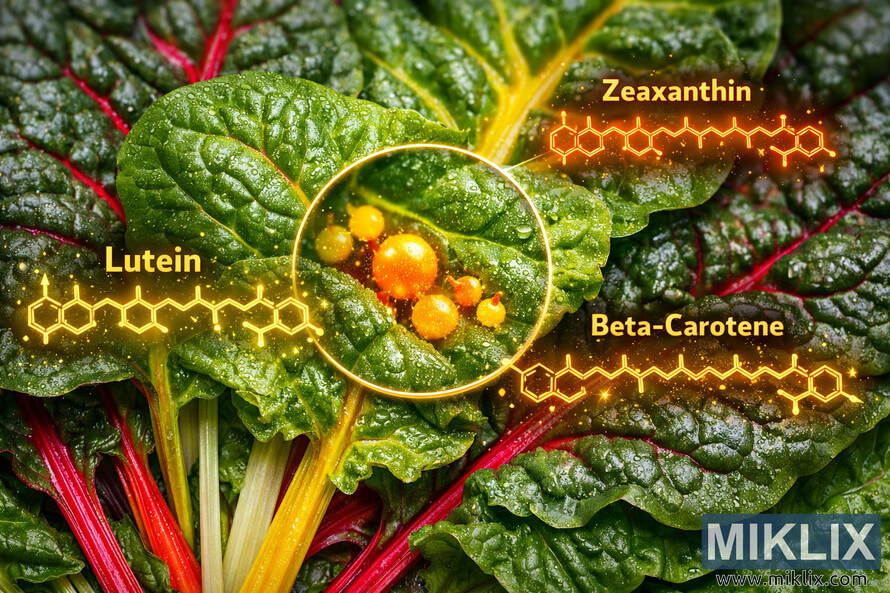
Swiss chard ranks among the best source of lutein and zeaxanthin. These carotenoids accumulate in your retina, where they filter harmful blue light. This protection helps prevent macular degeneration, a leading cause of vision loss in older adults.
Your body cannot produce lutein or zeaxanthin on its own. You must obtain these important compounds through your diet. One cup of cooked Swiss chard provides substantial amounts of both nutrients, making it an excellent choice for eye health.
Research shows that people who eat more lutein and zeaxanthin have lower rates of cataracts. These nutrients protect the lens of your eye from oxidative damage. The antioxidant properties help maintain clear vision throughout your life.
Klikkaa tai napauta kuvaa saadaksesi lisätietoja ja korkeampia resoluutioita.
Vitamin A for Vision
The vitamin A in Swiss chard supports multiple aspects of eye health. This vitamin is essential for night vision and helps your eyes adjust to darkness. Vitamin A deficiency can lead to night blindness and other vision problems.
Beta-carotene, the plant form of vitamin A, gives Swiss chard its deep green color. Your body converts beta-carotene to active vitamin A as needed. This conversion process ensures you get optimal amounts without risk of vitamin A toxicity.
Klikkaa tai napauta kuvaa saadaksesi lisätietoja ja korkeampia resoluutioita.
Enhancing Immune Function and Disease Prevention
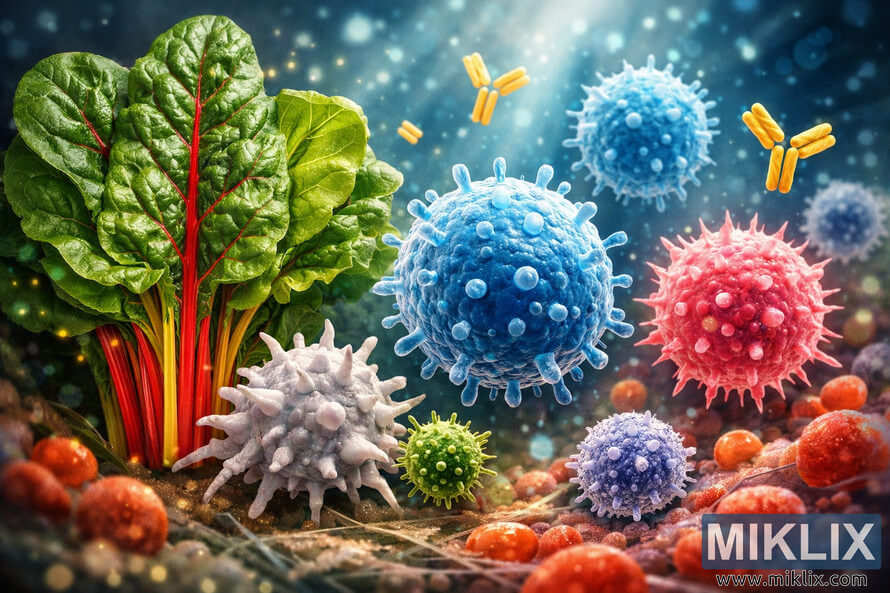
Swiss chard strengthens your immune system through multiple mechanisms. The vitamins, minerals, and antioxidants work together to enhance your body's natural defenses. Regular consumption may help you fight off infections and reduce disease risk.
Vitamin C and Immune Response
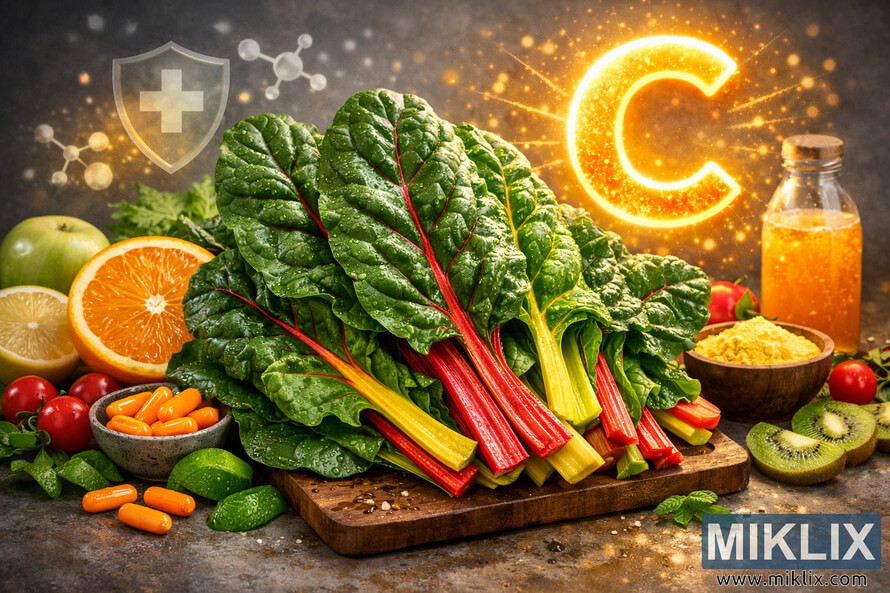
The vitamin C in Swiss chard plays a crucial role in immune function. This vitamin helps white blood cells function effectively. It also acts as an antioxidant, protecting immune cells from damage during their fight against pathogens.
Your body cannot store vitamin C, so you need daily intake from foods. Swiss chard provides a good source of this essential vitamin. One serving contributes significantly to your daily requirements.
Klikkaa tai napauta kuvaa saadaksesi lisätietoja ja korkeampia resoluutioita.
Antioxidant Protection
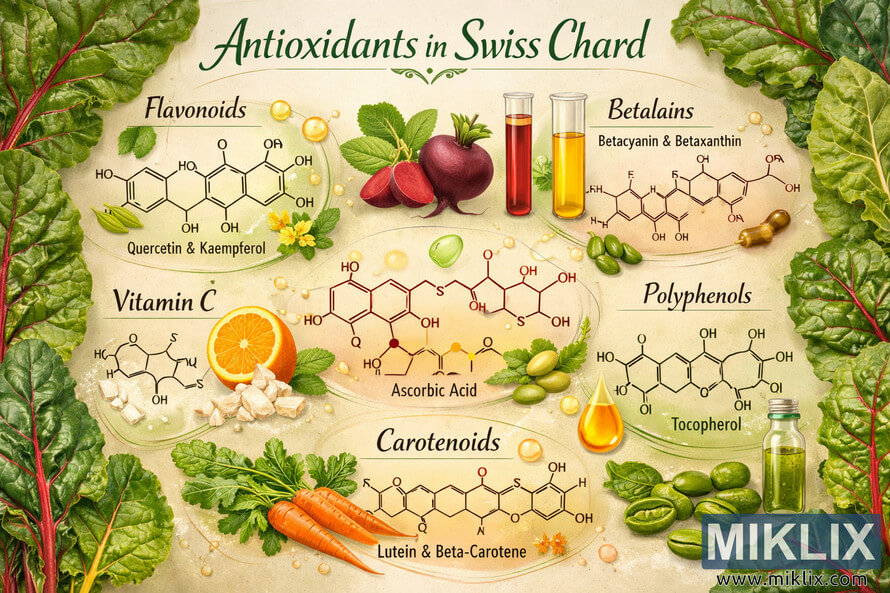
Swiss chard contains a diverse array of antioxidants beyond vitamin C. These compounds include flavonoids, polyphenols, and carotenoids. Together they create a powerful defense system against cellular damage and disease.
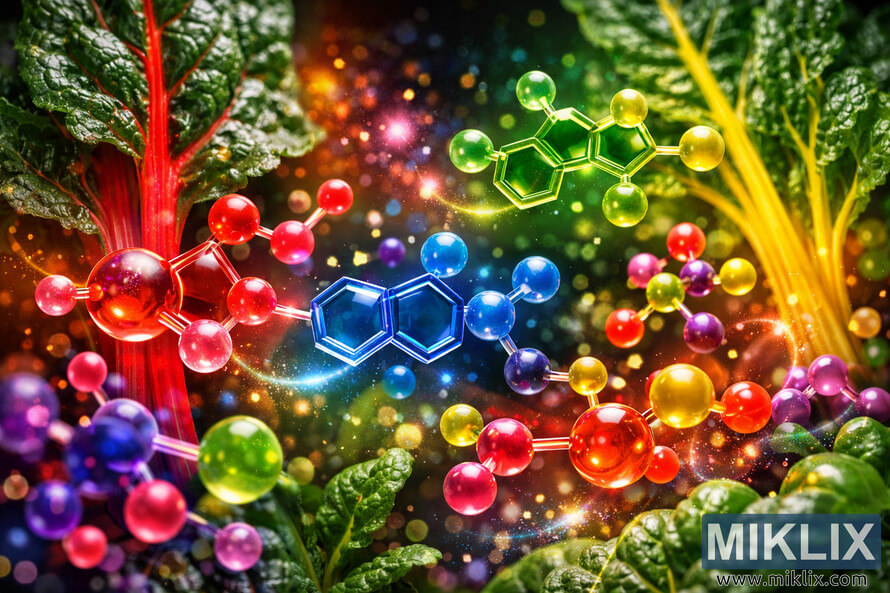
The betalain pigments in Swiss chard stems offer unique antioxidant benefits. These colorful compounds neutralize free radicals that can damage cells. By reducing oxidative stress, betalains help prevent chronic diseases including cancer.
Klikkaa tai napauta kuvaa saadaksesi lisätietoja ja korkeampia resoluutioita.
Vitamin C Power
Supports white blood cell production and function. Acts as powerful antioxidant protecting immune cells. Essential for wound healing and tissue repair.
Klikkaa tai napauta kuvaa saadaksesi lisätietoja ja korkeampia resoluutioita.
Vitamin A Defense
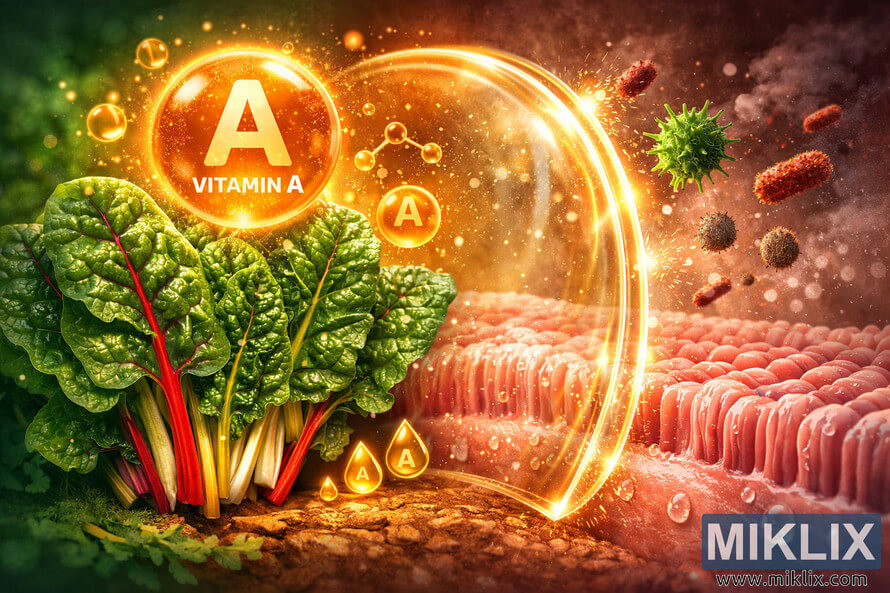
Maintains healthy mucous membranes as first line of defense. Supports antibody production and immune cell development. Protects against respiratory infections.
Klikkaa tai napauta kuvaa saadaksesi lisätietoja ja korkeampia resoluutioita.
Antioxidant Shield
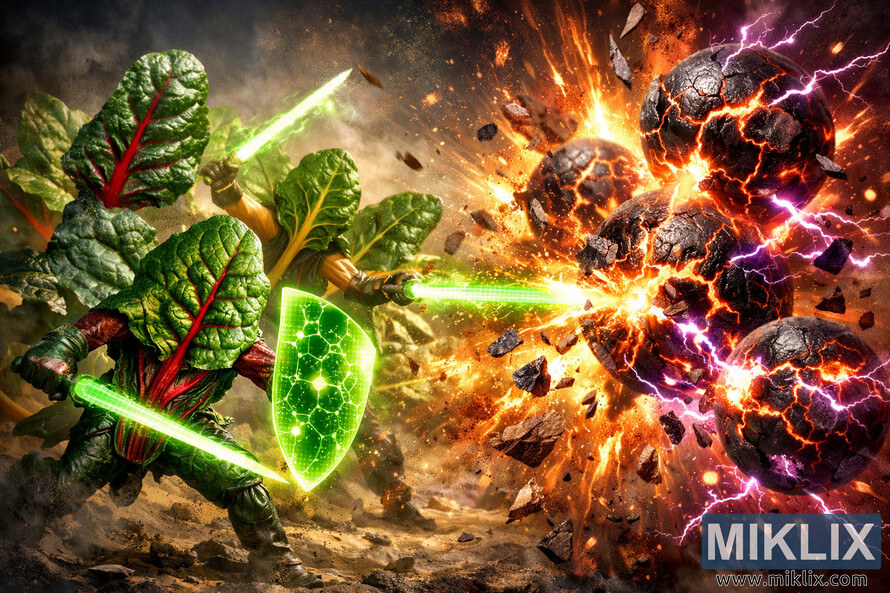
Multiple antioxidants work synergistically for protection. Reduces inflammation throughout the body. Helps prevent chronic disease development.
Klikkaa tai napauta kuvaa saadaksesi lisätietoja ja korkeampia resoluutioita.
Cancer Prevention Potential
Research suggests that Swiss chard may help reduce cancer risk. The high antioxidant content protects DNA from damage that can lead to cancer. Several studies have examined the relationship between leafy green intake and cancer rates.
The fiber in Swiss chard particularly benefits digestive health and may reduce colon cancer risk. Fiber helps move waste through your intestines more quickly. This reduces exposure time to potential carcinogens in the digestive tract.
Important Note: While Swiss chard contains beneficial compounds that may reduce cancer risk, it should not be considered a cure or treatment for cancer. Always consult healthcare professionals for cancer prevention strategies and treatment options.
Different Varieties of Swiss Chard
Swiss chard comes in several colorful varieties, each offering similar nutritional benefits. The different colors come from varying amounts of pigment compounds. All varieties provide excellent nutrition, so choose based on visual appeal and availability.
Rainbow Chard
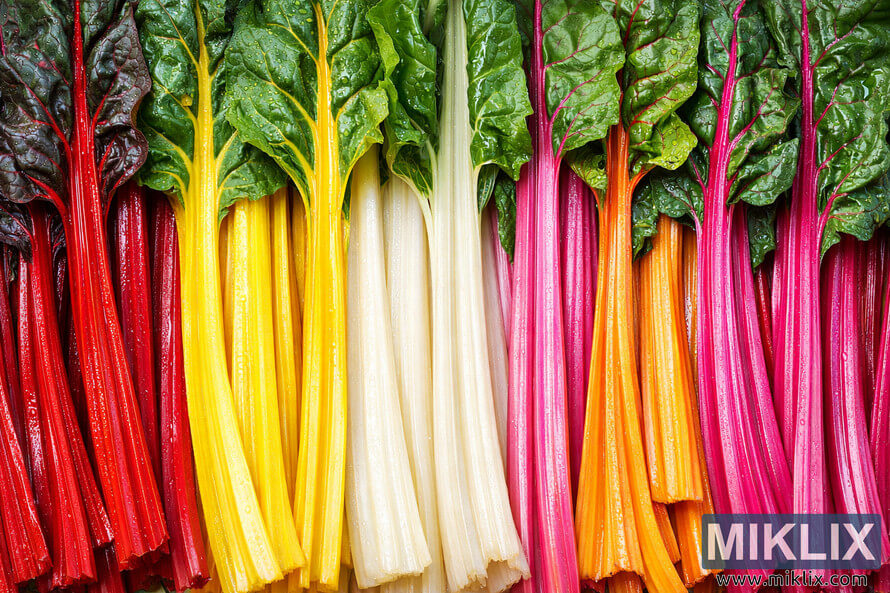
Rainbow chard features stems in multiple colors including red, yellow, orange, pink, and white. This variety adds beautiful color to your plate. The colorful stems contain different betalain pigments, each offering unique antioxidant properties.
Like Swiss chard generally, rainbow chard provides the same nutritional benefits across all stem colors. The variation in pigments may offer slightly different antioxidant profiles. However, all colors deliver impressive amounts of vitamins and minerals.
Klikkaa tai napauta kuvaa saadaksesi lisätietoja ja korkeampia resoluutioita.
Red or Rhubarb Chard
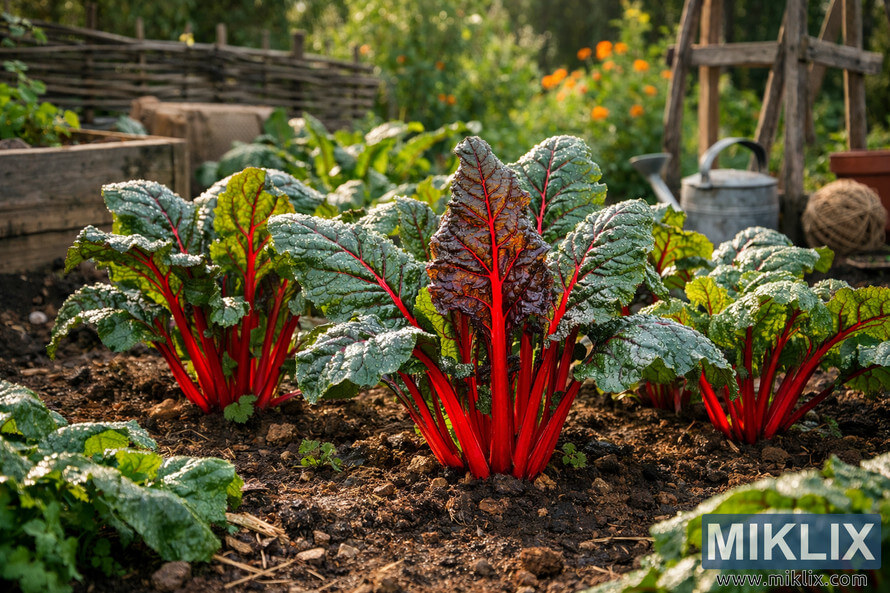
Red chard, sometimes called rhubarb chard, displays deep red or crimson stems. The red color comes from betalain pigments similar to those in beets. This variety offers particularly high antioxidant content due to these colorful compounds.
The red pigments in this variety may provide additional cardiovascular benefits. Research on betalains suggests they help reduce inflammation and oxidative stress. These effects complement the other heart-healthy properties of Swiss chard.
Klikkaa tai napauta kuvaa saadaksesi lisätietoja ja korkeampia resoluutioita.
White or Silver Chard
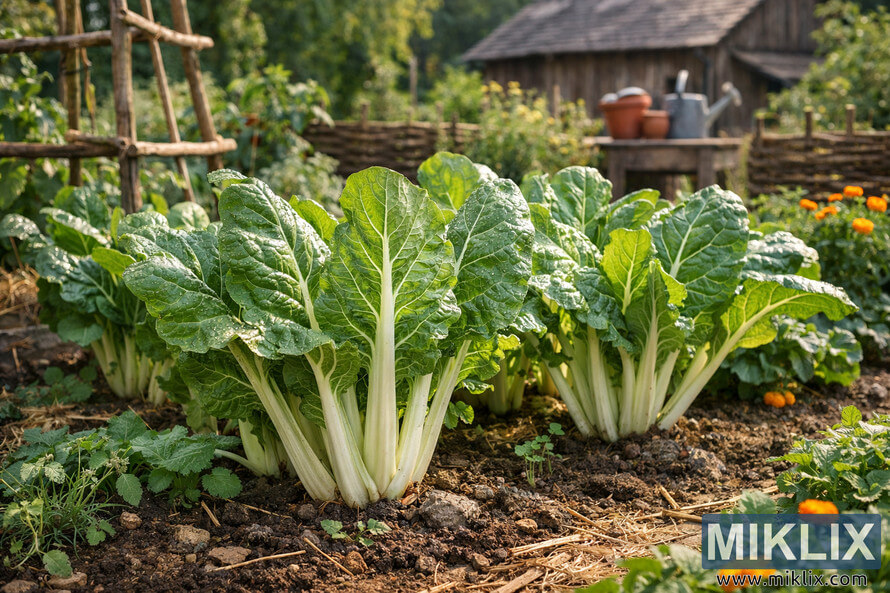
White chard, also known as silver chard or Bright Lights, has pale white or silvery stems. This variety often has a milder flavor than colored varieties. The white stems contain fewer pigment compounds but offer the same vitamin and mineral content.
Klikkaa tai napauta kuvaa saadaksesi lisätietoja ja korkeampia resoluutioita.
| Variety | Stem Color | Flavor Profile | Best Uses |
| Rainbow Chard | Multi-colored (red, yellow, orange, pink, white) | Mild to slightly earthy | Decorative dishes, salads, sautés |
| Red/Rhubarb Chard | Deep red to crimson | Slightly stronger, earthier | Soups, stir-fries, braised dishes |
| White/Silver Chard | White to pale silver | Mildest, slightly sweet | Raw salads, light sautés, wraps |
| Fordhook Giant | White with thick stems | Mild and tender | Steaming, grilling, roasting |
Fordhook Giant
Fordhook Giant is a popular white-stemmed variety known for its large leaves. This variety grows vigorously and produces abundant harvests. The thick white stems and large leaves make it excellent for cooking.
Many gardeners prefer Fordhook Giant for its productivity and heat tolerance. It continues producing leaves even in warm weather. This makes it a reliable source of fresh greens throughout the growing season.
How to Prepare and Cook Swiss Chard
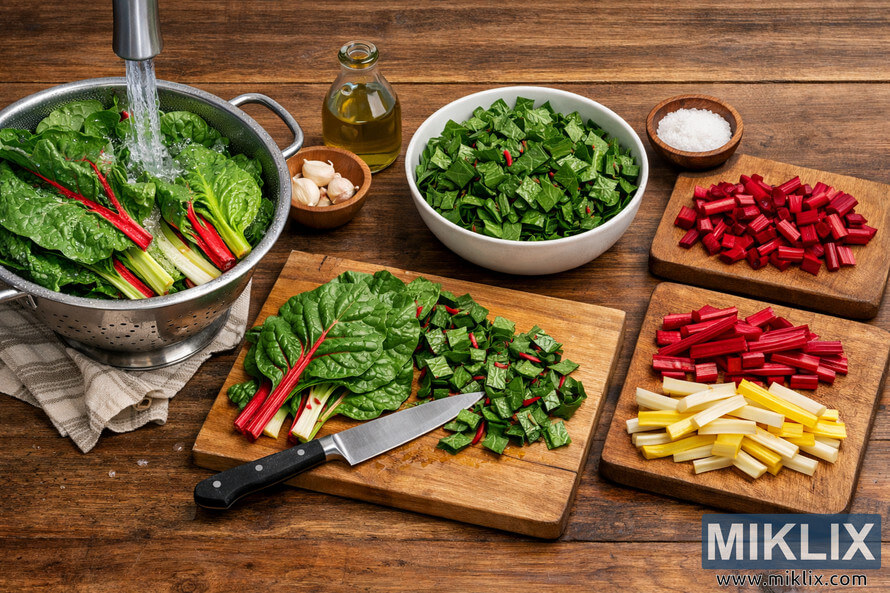
Proper preparation maximizes both the flavor and nutritional value of Swiss chard. Learning simple cooking techniques helps you incorporate this leafy green into various meals. The stems and leaves require different cooking times, so many cooks separate them.
Klikkaa tai napauta kuvaa saadaksesi lisätietoja ja korkeampia resoluutioita.
Washing and Cleaning
Always wash Swiss chard thoroughly before cooking. The large leaves can harbor dirt and sand. Fill a large bowl with cool water and swish the leaves around. Lift them out and repeat if needed until no grit remains.
After washing, shake off excess water. You can spin the leaves in a salad spinner or pat them dry with towels. Some moisture remaining on the leaves is fine, especially if you plan to steam or sauté them.
Separating Stems from Leaves
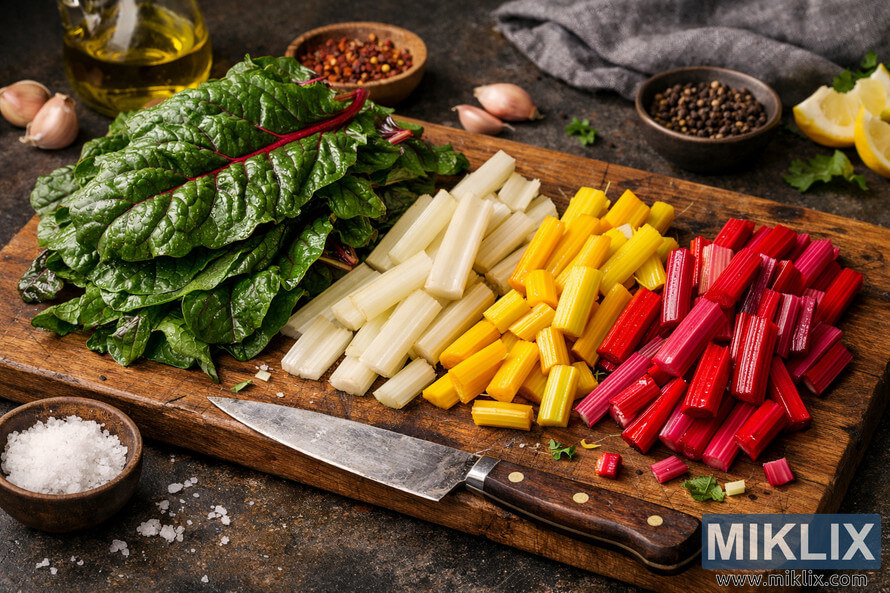
Many recipes call for separating the stems from the leaves. The stems take longer to cook than the tender leaves. Cut along each side of the stem to remove the leafy portion.
Chop the stems into small pieces if you plan to cook them. The leaves can be torn into pieces or left whole depending on your recipe. Add Swiss chard stems to your pan first, then add the leaves a few minutes later.
Klikkaa tai napauta kuvaa saadaksesi lisätietoja ja korkeampia resoluutioita.
Cooking Methods for Swiss Chard
Swiss chard adapts well to many cooking methods. Each technique brings out different flavors and textures. Experiment with various methods to find your favorite way to enjoy this versatile vegetable.
Sautéing Swiss Chard
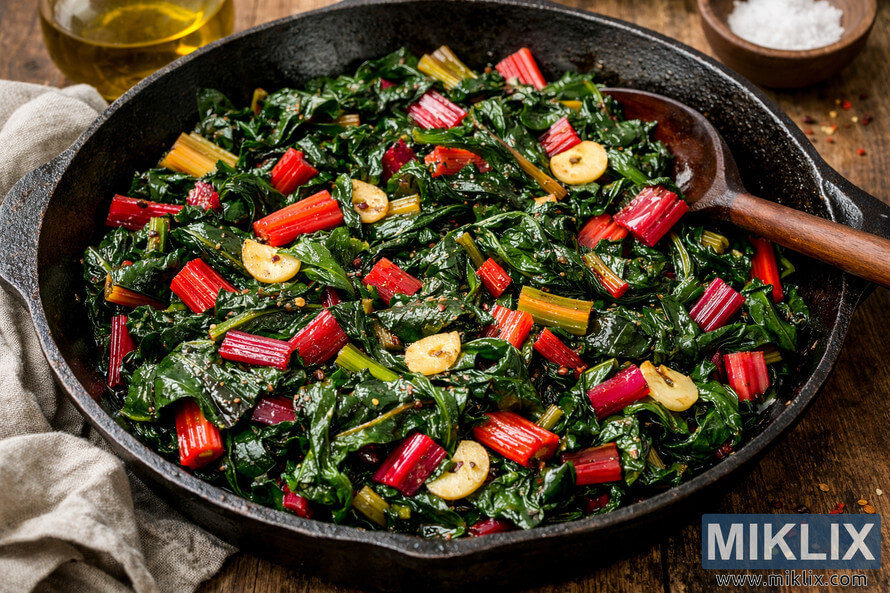
Sautéing is one of the quickest and most popular methods for cooking Swiss chard.
- Heat olive oil in a large pan
- Add chopped stems first, cook 3-4 minutes
- Add leaves and cook until wilted
- Season with garlic, salt, and pepper
Steaming Method
Steaming preserves maximum nutrients while creating tender, flavorful greens.
- Place stems in steamer basket first
- Steam for 3 minutes before adding leaves
- Add leaves and steam 2-3 minutes more
- Season simply with lemon and olive oil
Braising Technique
Braising creates rich, deeply flavored Swiss chard perfect for hearty dishes.
- Brown stems in olive oil with aromatics
- Add broth or wine to cover halfway
- Simmer stems until tender, about 10 minutes
- Add leaves and cook until wilted
Raw in Salads
Young, tender Swiss chard leaves work wonderfully in fresh salads.
- Select young, small leaves for best texture
- Tear into bite-sized pieces
- Massage with dressing to tenderize
- Combine with other salad greens
Klikkaa tai napauta kuvaa saadaksesi lisätietoja ja korkeampia resoluutioita.
Flavor Pairings and Seasonings
Swiss chard pairs well with many flavors and ingredients. Garlic and olive oil create a classic combination. A squeeze of lemon juice brightens the flavor and helps your body absorb the iron in Swiss chard.
Try adding cooked Swiss chard to pasta dishes, soups, or grain bowls. The mild flavor complements both simple and complex dishes. Red pepper flakes add a spicy kick, while pine nuts or almonds provide pleasant crunch.
Classic Flavor Partners
- Garlic - enhances savory depth
- Olive oil - provides healthy fat for nutrient absorption
- Lemon - brightens flavor and boosts iron absorption
- Onions - add aromatic sweetness
- Parmesan cheese - contributes umami richness
- White beans - create complete protein pairing
Creative Additions
- Pine nuts - add buttery crunch
- Raisins - provide sweet contrast
- Bacon - introduces smoky flavor
- Balsamic vinegar - creates tangy depth
- Red pepper flakes - bring gentle heat
- Tahini - offers creamy, nutty richness
Herb Companions
- Basil - adds fresh, peppery notes
- Thyme - contributes earthy aroma
- Oregano - brings Mediterranean flavor
- Dill - provides bright, grassy taste
- Parsley - offers fresh, clean finish
- Mint - creates refreshing contrast
Practical Tips for Incorporating Swiss Chard Into Your Diet
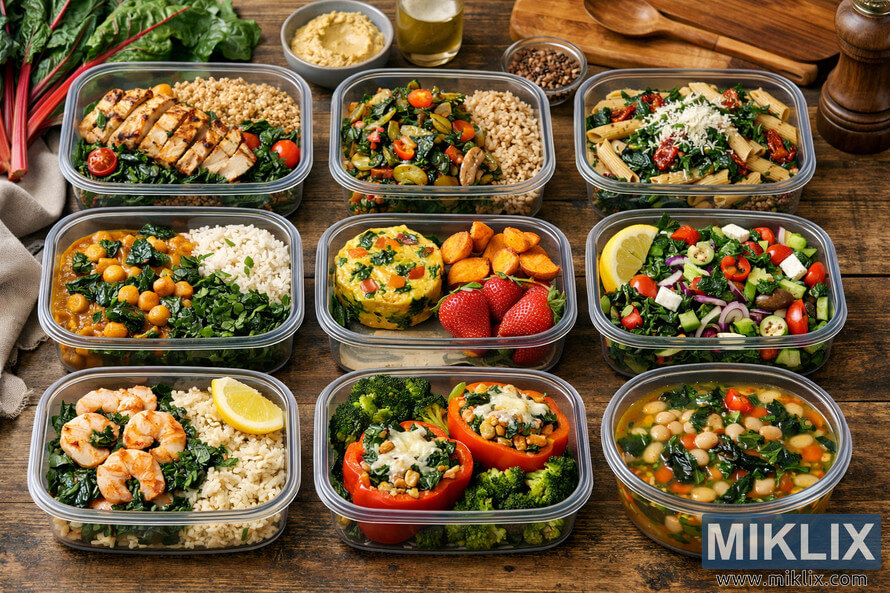
Adding Swiss chard to your regular meal rotation is easier than you might think. This versatile leafy green works in many dishes you already make. Start with small amounts and gradually increase as you become more comfortable cooking with it.
Klikkaa tai napauta kuvaa saadaksesi lisätietoja ja korkeampia resoluutioita.
Easy Ways to Add Swiss Chard
Replace spinach with Swiss chard in recipes you already enjoy. The similar texture and mild flavor make this an easy swap. Try Swiss chard in omelets, quiches, or frittatas for a nutritious breakfast.
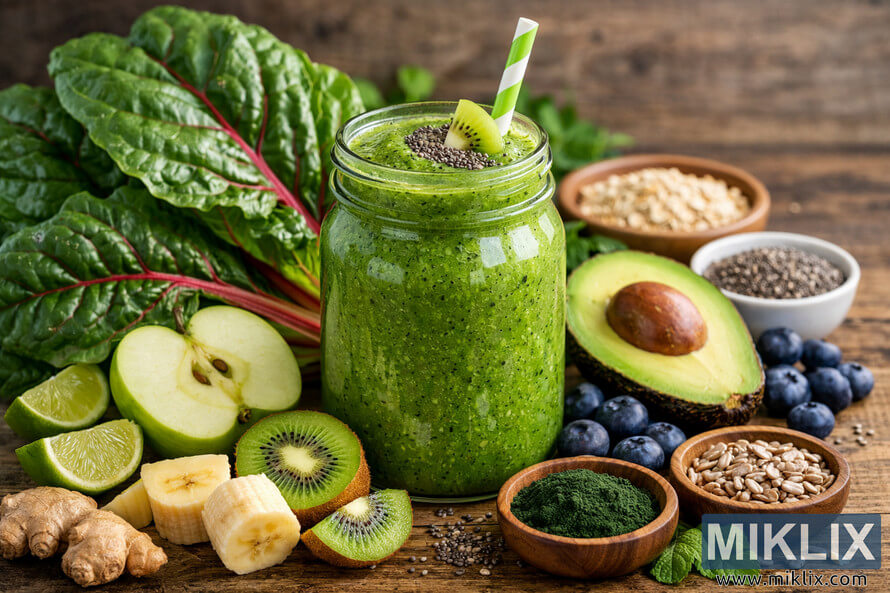
Add Swiss chard to smoothies for a nutrient boost without strong flavor. The leaves blend well with fruits and mask any earthy taste. Young, tender leaves work best in smoothies. Combine with banana, berries, and your favorite liquid for a health-promoting drink.
Klikkaa tai napauta kuvaa saadaksesi lisätietoja ja korkeampia resoluutioita.
Breakfast Ideas
- Add to morning smoothies
- Mix into scrambled eggs
- Layer in breakfast burritos
- Fold into omelets
- Bake into frittatas
Start your day with nutrient-dense Swiss chard
Lunch Options
- Use as salad base
- Add to grain bowls
- Include in wraps and sandwiches
- Mix into pasta salads
- Top pizza before baking
Boost midday meals with fresh greens
Dinner Preparations
- Sauté as side dish
- Add to soups and stews
- Mix into pasta dishes
- Include in stir-fries
- Braise with beans
Complete evening meals with healthy vegetables
Shopping and Storage Tips
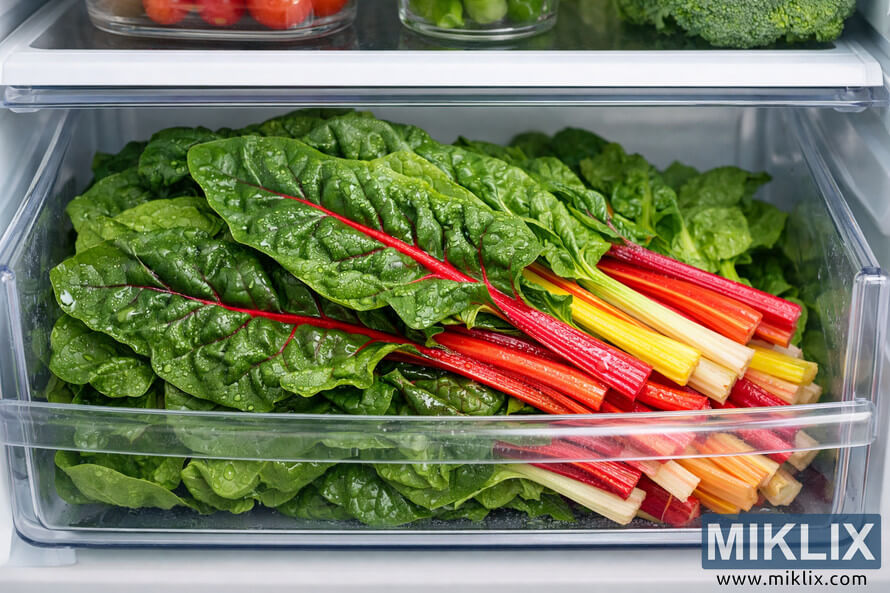
Look for Swiss chard with vibrant, crisp leaves when shopping. Avoid bunches with yellowing or wilted leaves. The stems should feel firm and show no signs of drying or splitting.
Store unwashed Swiss chard in the refrigerator wrapped in damp paper towels. Place the wrapped bundle in a plastic bag with some air holes. Properly stored Swiss chard stays fresh for up to five days.
Klikkaa tai napauta kuvaa saadaksesi lisätietoja ja korkeampia resoluutioita.
Growing Your Own Swiss Chard
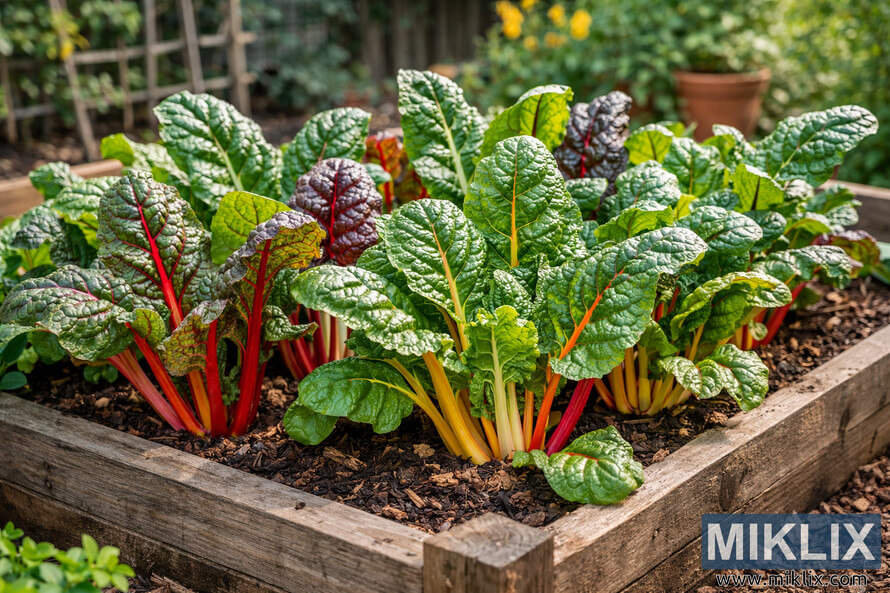
Swiss chard is surprisingly easy to grow in home gardens. This hardy plant tolerates both heat and cold better than many vegetables. You can harvest outer leaves continuously while the plant keeps producing new growth.
Plant Swiss chard seeds directly in garden soil after the last frost. The seeds germinate quickly, usually within a week. Space plants about six inches apart in rows. Swiss chard grows well in containers if you have limited garden space.
Klikkaa tai napauta kuvaa saadaksesi lisätietoja ja korkeampia resoluutioita.
Gardening Tip: Swiss chard continues producing leaves even after light frosts. In mild climates, you can harvest fresh Swiss chard year-round. This makes it one of the most productive vegetables for home gardens.
Meal Planning with Swiss Chard
Plan to use Swiss chard at least twice per week for optimal health benefits. Rotate between different preparation methods to keep meals interesting. Monday might feature sautéed Swiss chard with garlic, while Thursday could include Swiss chard in soup.
Batch cooking Swiss chard saves time during busy weeks. Wash and chop a large amount at once. Store prepared Swiss chard in containers in your refrigerator. Add portions to meals throughout the week for quick nutrition.
| Day | Meal | Swiss Chard Preparation | Serving Size |
| Monday | Dinner | Sautéed with garlic and olive oil as side dish | 1 cup cooked |
| Tuesday | Breakfast | Blended into green smoothie with fruits | 1 cup raw |
| Wednesday | Lunch | Raw in mixed green salad | 2 cups raw |
| Thursday | Dinner | Added to vegetable soup | 1 cup cooked |
| Friday | Dinner | Mixed into whole grain pasta | 1 cup cooked |
| Saturday | Breakfast | Folded into vegetable omelet | 1/2 cup cooked |
| Sunday | Dinner | Braised with white beans | 1 cup cooked |
Potential Considerations and Food Interactions
While Swiss chard offers numerous health benefits, some people need to exercise caution. Understanding potential interactions helps you make informed dietary choices. Most people can enjoy Swiss chard safely as part of a balanced diet.

Klikkaa tai napauta kuvaa saadaksesi lisätietoja ja korkeampia resoluutioita.
Vitamin K and Blood Thinners
Swiss chard contains very high levels of vitamin K. This nutrient helps blood clot normally. People taking blood-thinning medications like warfarin need to maintain consistent vitamin K intake.
If you take blood thinners, talk to your healthcare provider before adding large amounts of Swiss chard to your diet. You can still eat Swiss chard, but you should keep portions consistent from day to day. Sudden changes in vitamin K intake can affect how your medication works.
Medical Consultation Required: If you take anticoagulant medications (blood thinners), consult your healthcare provider before significantly increasing your Swiss chard intake. Consistent vitamin K consumption is important for medication effectiveness.
Oxalate Content
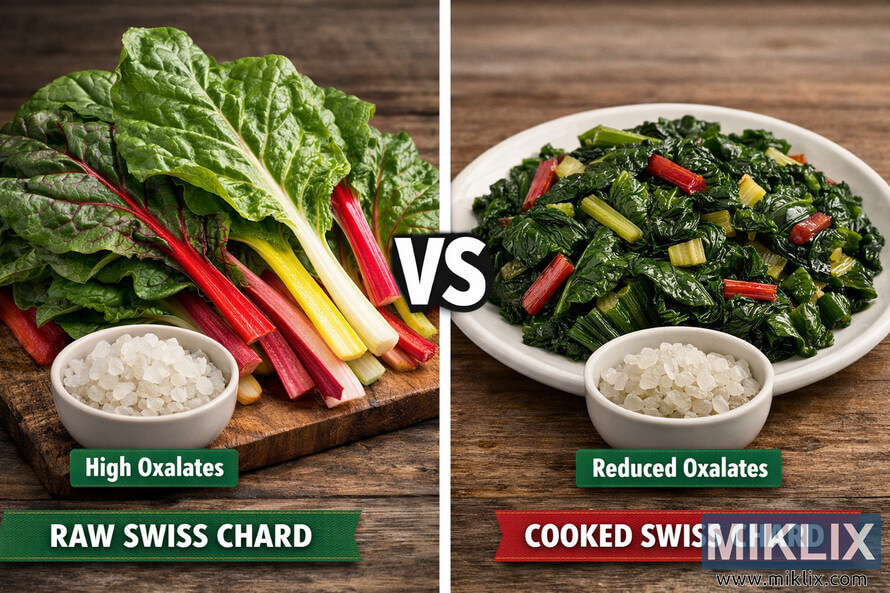
Swiss chard contains oxalates, natural compounds found in many plant foods. High oxalate intake may contribute to kidney stone formation in susceptible people. If you have a history of calcium oxalate kidney stones, you may need to limit Swiss chard consumption.
Cooking Swiss chard reduces its oxalate content somewhat. Boiling removes more oxalates than other cooking methods. The water absorbs some of the oxalates, so discard the cooking liquid rather than using it.
Klikkaa tai napauta kuvaa saadaksesi lisätietoja ja korkeampia resoluutioita.
Medication Interactions
The vitamin K in Swiss chard can interact with certain medications beyond blood thinners. Some antibiotics affect vitamin K metabolism in your body. Eating large amounts of vitamin K-rich foods may influence these interactions.
Always inform your healthcare provider about significant dietary changes, especially if you take any medications. Most people can enjoy Swiss chard without problems. However, those with specific medical conditions or medication regimens should seek professional guidance.
Safe for Most People
- Generally well-tolerated by healthy individuals
- Minimal side effects when consumed in normal amounts
- Cooking reduces potential concerns like oxalates
- Easy to incorporate into varied diet
- Benefits typically outweigh risks for general population
Special Considerations
- High vitamin K may affect blood thinner medications
- Oxalate content concerns for kidney stone formers
- May interact with certain antibiotics
- Raw consumption may cause digestive discomfort in some
- Requires medical consultation for specific conditions
Swiss Chard Compared to Other Leafy Greens
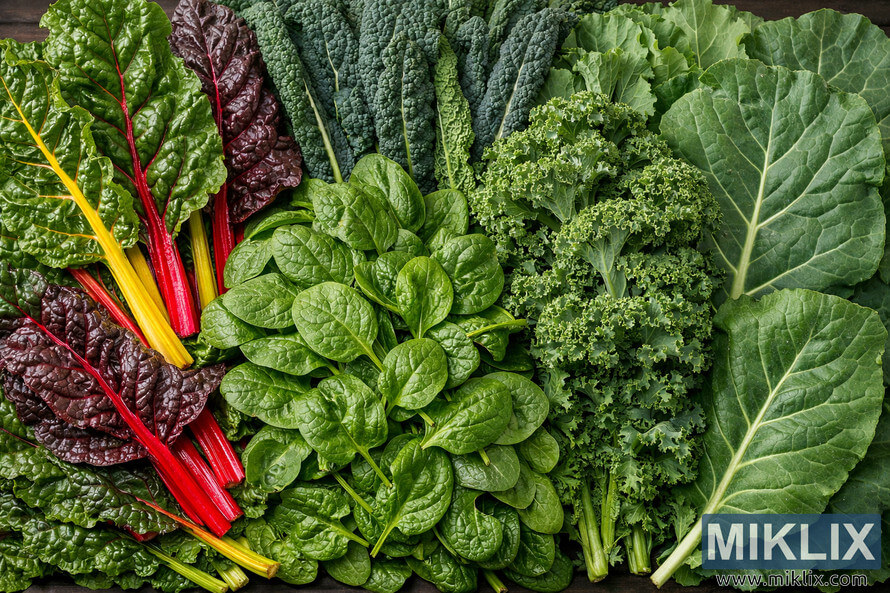
Understanding how Swiss chard compares to other leafy greens helps you make informed choices. Each leafy green offers unique nutritional advantages. Including variety in your diet ensures you get diverse nutrients.
Klikkaa tai napauta kuvaa saadaksesi lisätietoja ja korkeampia resoluutioita.
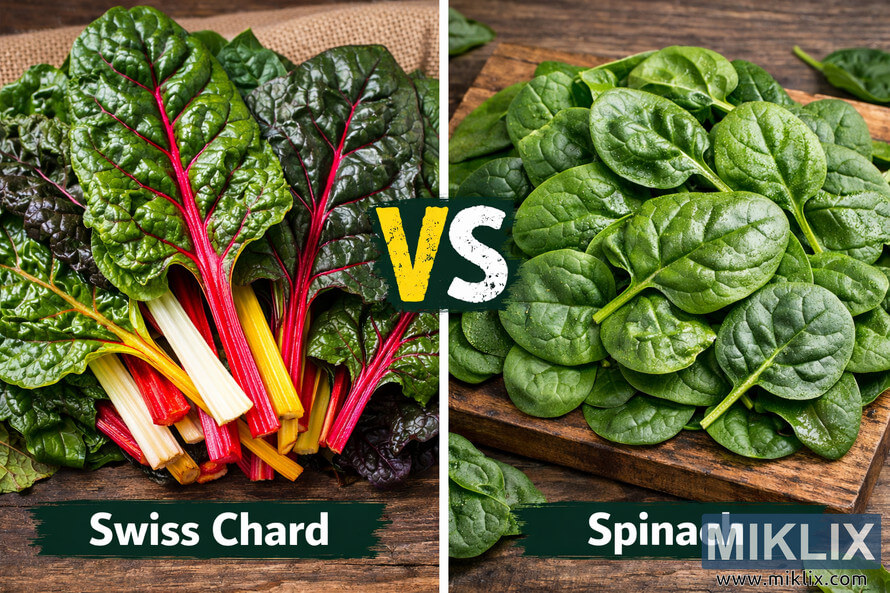
Swiss Chard vs. Spinach
Swiss chard and spinach share many similarities in nutrition and use. Both provide excellent sources of vitamins A, C, and K. However, Swiss chard contains slightly more magnesium and potassium than spinach.
The flavor profiles differ slightly between these greens. Spinach has a milder taste that many people prefer. Swiss chard offers a slightly earthier flavor. Both work well in similar recipes, making them interchangeable in most dishes.
Klikkaa tai napauta kuvaa saadaksesi lisätietoja ja korkeampia resoluutioita.
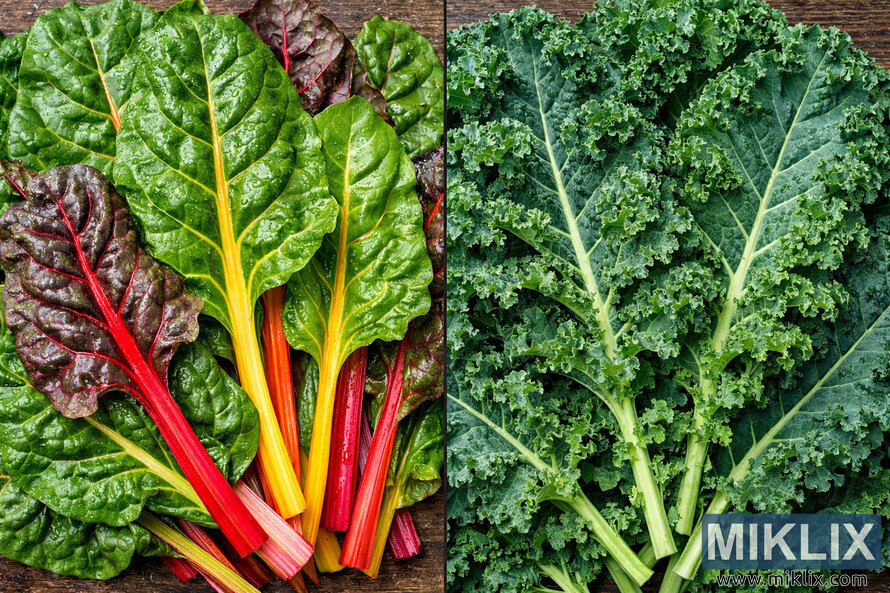
Swiss Chard vs. Kale
Kale has gained tremendous popularity as a superfood in recent years. While kale deserves recognition, Swiss chard matches or exceeds many of its nutritional benefits. Swiss chard provides more vitamin A than kale, while kale offers more vitamin C.
The texture of Swiss chard is more tender than kale. This makes Swiss chard easier to eat raw and quicker to cook. Kale requires more preparation, such as massaging or longer cooking times, to become tender.
Klikkaa tai napauta kuvaa saadaksesi lisätietoja ja korkeampia resoluutioita.
Swiss Chard vs. Collard Greens
Collard greens are a staple in Southern cooking with impressive nutrition. Both collards and Swiss chard provide substantial vitamin K and calcium. Collard greens have a stronger flavor and tougher texture than Swiss chard.
Swiss chard cooks faster than collard greens due to its more tender leaves. Collards typically require longer cooking times to become palatable. The choice between them often comes down to recipe requirements and personal taste preferences.
| Nutrient (per cup cooked) | Swiss Chard | Spinach | Kale | Collard Greens |
| Calories | 35 | 41 | 36 | 49 |
| Vitamin K (% DV) | 716% | 888% | 684% | 770% |
| Vitamin A (% DV) | 60% | 56% | 98% | 80% |
| Vitamin C (% DV) | 35% | 16% | 89% | 35% |
| Magnesium (mg) | 150 | 157 | 23 | 38 |
| Potassium (mg) | 961 | 839 | 296 | 220 |
| Iron (mg) | 4.0 | 6.4 | 1.1 | 2.2 |
| Fiber (g) | 3.7 | 4.3 | 2.6 | 5.3 |
Variety is Key: While Swiss chard offers exceptional nutrition, eating a variety of leafy greens provides the broadest spectrum of nutrients and health benefits. Rotate between different greens throughout the week for optimal nutrition.
Scientific Research on Swiss Chard Health Benefits
Scientific studies continue to reveal the health-promoting properties of Swiss chard. Researchers have examined various compounds in this leafy green and their effects on human health. The evidence supports many traditional uses while uncovering new potential benefits.

Klikkaa tai napauta kuvaa saadaksesi lisätietoja ja korkeampia resoluutioita.
Studies on Antioxidant Activity
Multiple studies have analyzed the antioxidant compounds in Swiss chard. Research shows that the betalains in colored varieties possess strong antioxidant and anti-inflammatory properties. These compounds may help protect against various chronic diseases.
Scientists have identified over a dozen different betalain compounds in Swiss chard. Each variety contains different amounts and types of these beneficial pigments. The diversity of antioxidants contributes to Swiss chard's protective effects.
Klikkaa tai napauta kuvaa saadaksesi lisätietoja ja korkeampia resoluutioita.
Blood Sugar Research
Recent research has focused on Swiss chard's effects on blood sugar control. Animal studies show promising results for diabetes management. The syringic acid in Swiss chard appears to help regenerate pancreatic beta cells that produce insulin.
While human studies are limited, the preliminary evidence is encouraging. Researchers continue investigating how Swiss chard compounds might benefit people with diabetes or prediabetes. The combination of fiber, antioxidants, and unique plant compounds creates multiple beneficial mechanisms.
Cardiovascular Research
Studies examining heart health benefits of leafy greens often include Swiss chard. Research consistently shows that higher intake of leafy greens correlates with reduced heart disease risk. The nutrients in Swiss chard work synergistically to protect cardiovascular health.
One area of particular interest involves the nitrate content of Swiss chard. Your body converts these natural nitrates into nitric oxide, which helps blood vessels relax and improves blood flow. This mechanism may partially explain the blood pressure-lowering effects of Swiss chard.
Antioxidant Studies
Research demonstrates Swiss chard contains powerful antioxidant compounds including betalains, flavonoids, and carotenoids that protect cells from oxidative damage.
- Betalain compounds show anti-inflammatory effects
- May protect against cellular damage
- Supports overall health and longevity
Diabetes Research
Preliminary studies suggest Swiss chard may help regulate blood sugar through multiple mechanisms including fiber content and unique plant compounds.
- Syringic acid may support pancreatic health
- Fiber slows glucose absorption
- May improve insulin sensitivity
Heart Health Studies
Research links higher leafy green consumption with reduced cardiovascular disease risk through blood pressure regulation and cholesterol management.
- Natural nitrates support healthy blood pressure
- Fiber helps manage cholesterol levels
- Antioxidants protect arterial health
Frequently Asked Questions About Swiss Chard
Can you eat Swiss chard raw?
Yes, you can eat Swiss chard raw, especially young, tender leaves. Raw Swiss chard works well in salads when massaged with dressing to soften the texture. However, cooking Swiss chard makes it easier to digest and allows you to consume larger quantities. Cooking also reduces oxalate content, which may be important for some people.
Is Swiss chard better than spinach?
Swiss chard and spinach offer similar nutritional profiles with slight differences. Swiss chard contains more magnesium and potassium than spinach. Both provide excellent sources of vitamins K, A, and C. The choice between them often comes down to personal preference and recipe requirements. Including both in your diet provides nutritional variety.
How long does Swiss chard last in the refrigerator?
Fresh Swiss chard stays good for about five days when stored properly in the refrigerator. Wrap unwashed leaves in slightly damp paper towels and place in a perforated plastic bag. Store in the crisper drawer for best results. Wash Swiss chard just before use rather than before storage to maximize freshness.
Does cooking Swiss chard reduce its nutritional value?
Cooking affects some nutrients in Swiss chard but enhances others. Heat-sensitive vitamin C decreases during cooking. However, cooking makes other nutrients like vitamin A more bioavailable. Cooking also reduces volume, allowing you to consume more Swiss chard overall. The benefits of cooked Swiss chard generally outweigh any nutrient losses.
Can Swiss chard help with weight loss?
Swiss chard supports weight loss efforts through several mechanisms. It provides only 35 calories per cup while delivering substantial nutrients. The high fiber content promotes fullness and reduces overall calorie intake. Swiss chard also adds volume to meals without adding many calories. Including Swiss chard in a balanced diet can support healthy weight loss goals.
What part of Swiss chard do you eat?
You can eat both the leaves and stems of Swiss chard. The leaves cook quickly and have a texture similar to spinach. The stems take longer to cook but offer a pleasant, slightly sweet flavor and crunchy texture. Many recipes call for cooking stems first, then adding leaves. Both parts provide valuable nutrition.
Is Swiss chard safe for everyone to eat?
Most people can safely enjoy Swiss chard as part of a healthy diet. However, people taking blood-thinning medications should maintain consistent intake due to high vitamin K content. Those with a history of kidney stones may need to limit Swiss chard because of its oxalate content. Consult healthcare providers if you have specific medical conditions or take medications.
How much Swiss chard should I eat per week?
Nutrition experts recommend eating at least two to three cups of leafy greens daily. Swiss chard can comprise part or all of this intake. Many people benefit from eating Swiss chard two to four times per week. This frequency provides substantial health benefits while allowing variety in your diet with other nutritious vegetables.
Conclusion: Making Swiss Chard Part of Your Healthy Lifestyle
Swiss chard stands out as one of the most nutritious vegetables you can add to your diet. This colorful leafy green delivers impressive amounts of vitamins, minerals, and beneficial plant compounds. The health benefits range from heart disease prevention to blood sugar control.
The versatility of Swiss chard makes it easy to incorporate into various meals. Whether you sauté it as a simple side dish, add it to smoothies, or include it in complex recipes, Swiss chard adapts to your cooking style. The mild flavor pairs well with many ingredients and cuisines.
Starting with small amounts helps you become comfortable with Swiss chard. As you discover preparation methods you enjoy, you can increase consumption. Most people find that Swiss chard quickly becomes a favorite vegetable once they learn to cook it properly.
The scientific evidence supporting Swiss chard health benefits continues to grow. Researchers keep discovering new ways this leafy green protects and nourishes your body. From antioxidant activity to blood pressure regulation, Swiss chard offers multiple pathways to better health.
Remember that Swiss chard works best as part of an overall healthy diet. Combine it with other colorful vegetables, whole grains, lean proteins, and healthy fats. This balanced approach ensures you get all the nutrients your body needs for optimal health.
Take action today by adding Swiss chard to your next grocery list. Try one new recipe this week featuring this nutritious leafy green. Your body will thank you for the vitamins, minerals, and protective compounds this remarkable vegetable provides. Small changes in your diet can lead to significant improvements in your health over time.

Klikkaa tai napauta kuvaa saadaksesi lisätietoja ja korkeampia resoluutioita.
Lisälukemista
Jos pidit tästä postauksesta, saatat pitää myös näistä ehdotuksista:
- Kombucha-kulttuuri: Miten tämä kuohuva käyminen parantaa terveyttäsi?
- Kananliha: Lihaa: Polttoaineen syöttäminen kehollesi laihalla ja puhtaalla tavalla.
- Anna herneille mahdollisuus: pieni superruoka, joka antaa terveellisen potkun