
Kuva: Swiss Chard Leaves Highlighting Carotenoid Compounds for Eye Health
Julkaistu:
Viimeksi päivitetty: 12. syyskuuta 2026 klo 14.50.07 UTC
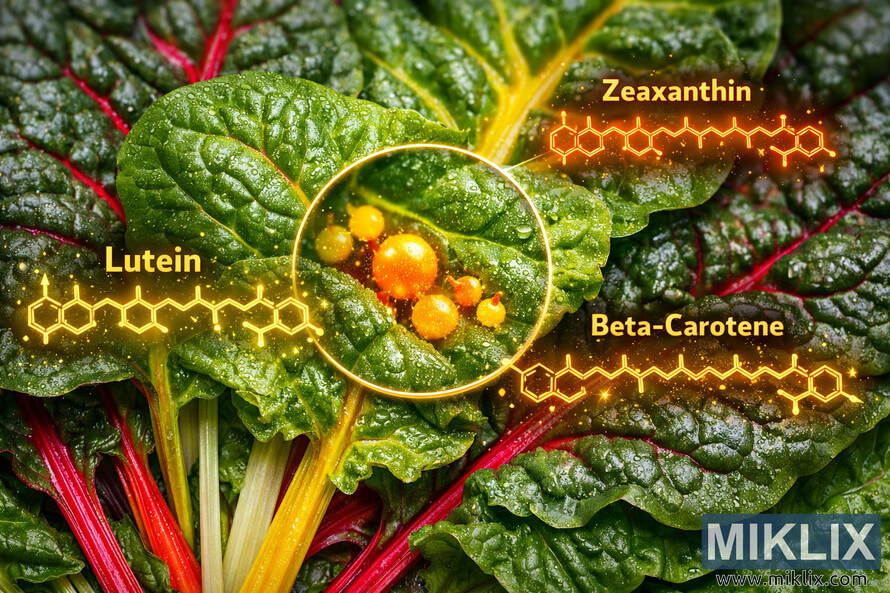
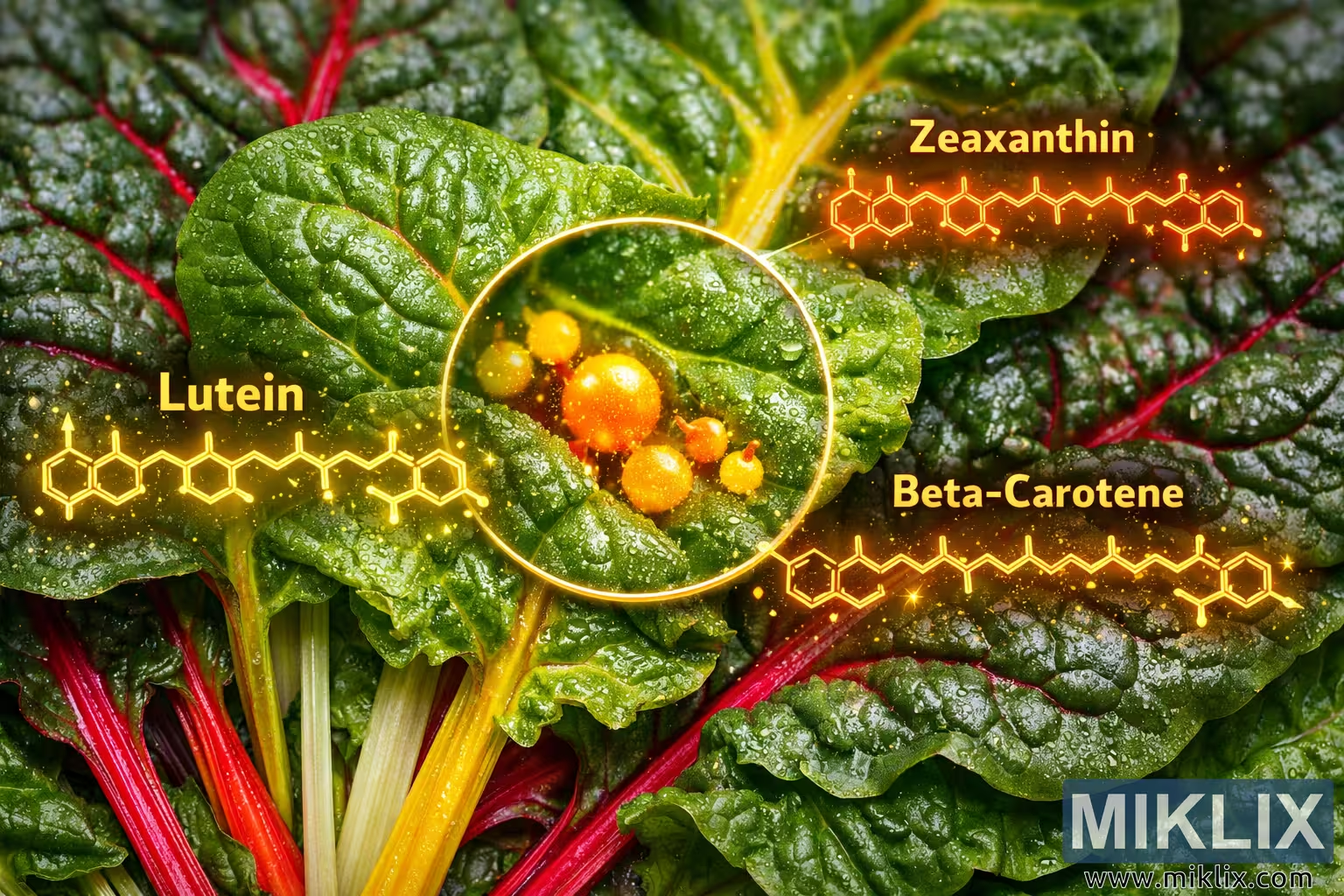
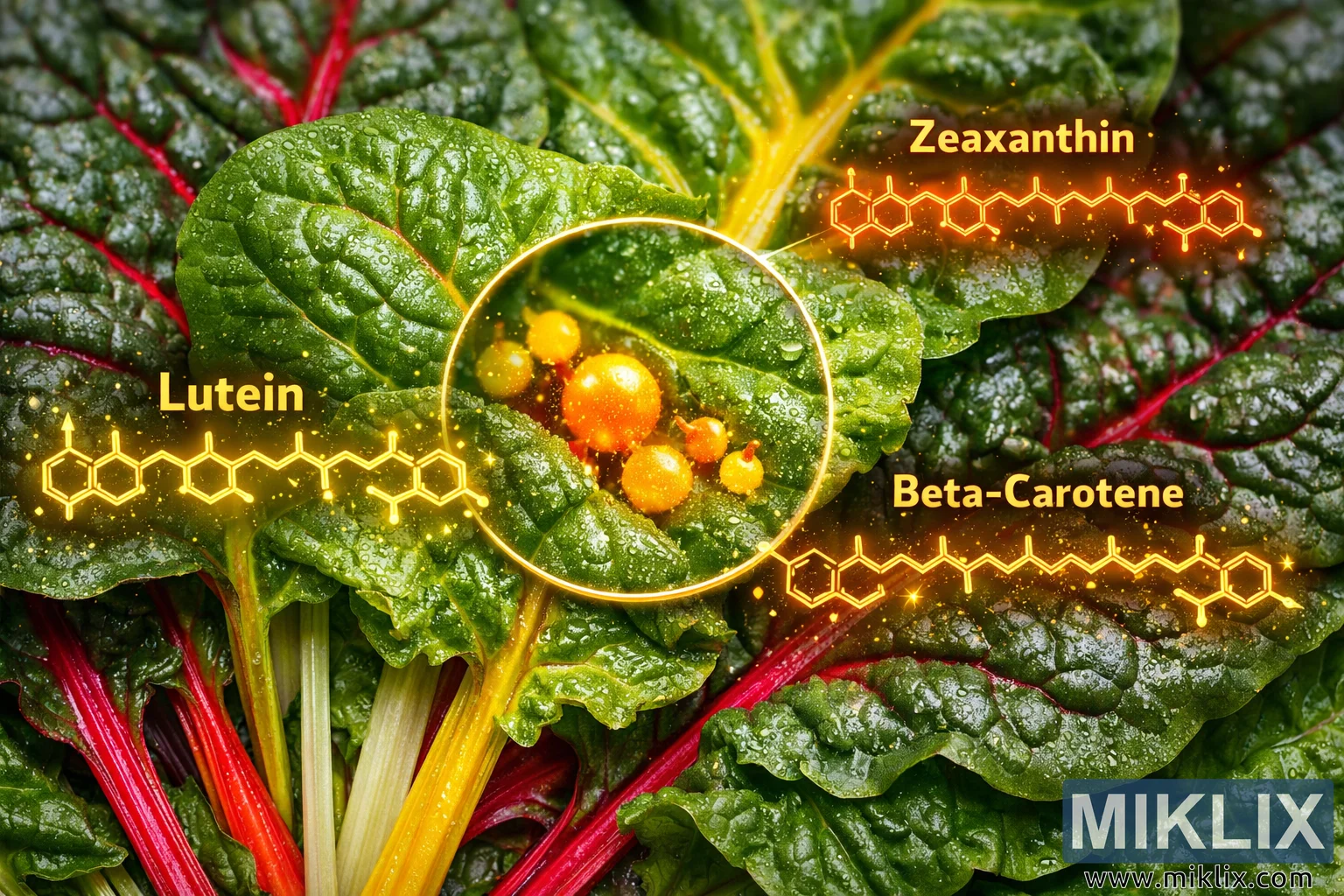
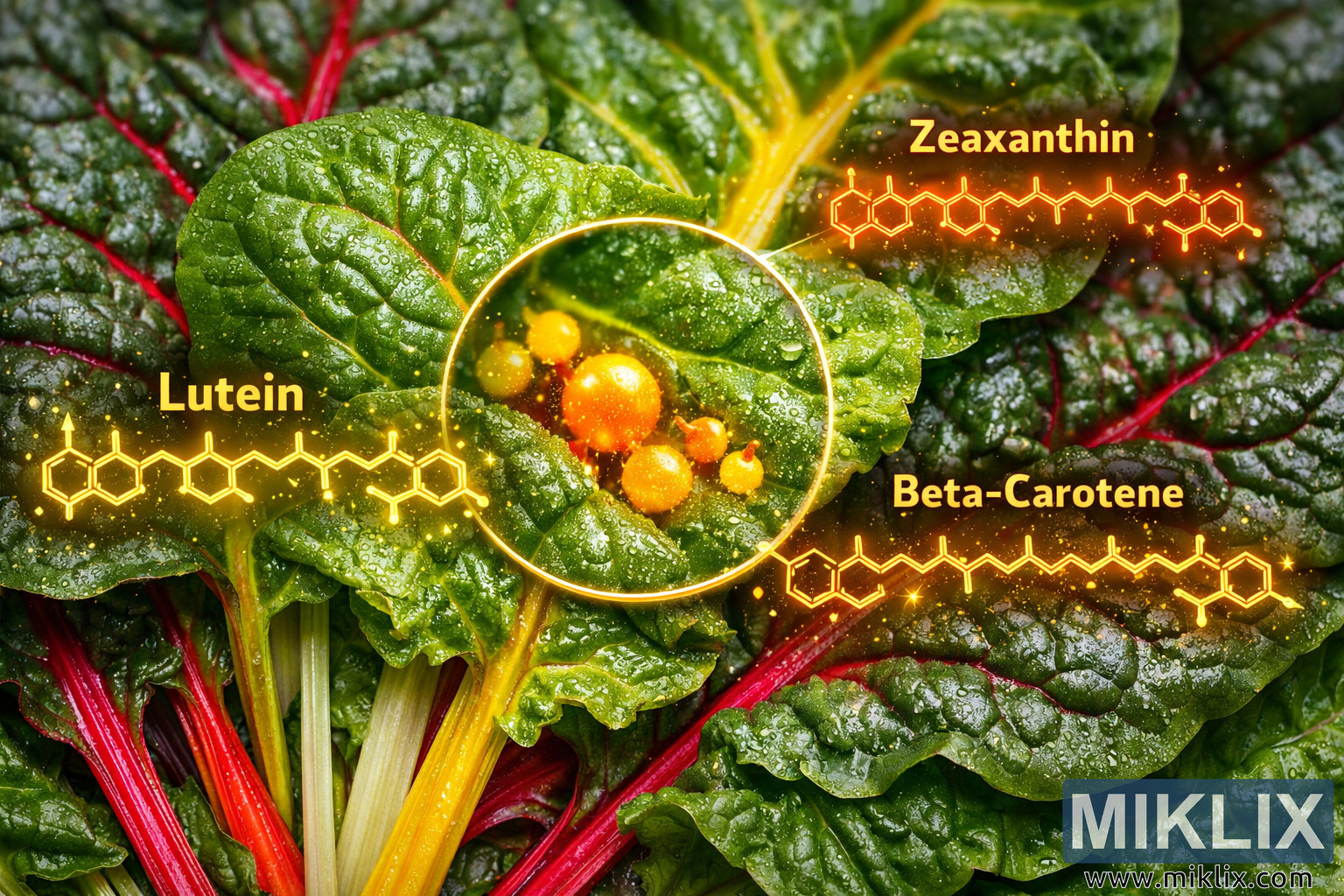
A detailed macro image of Swiss chard leaves showcasing carotenoid compounds—lutein, zeaxanthin, and beta-carotene—highlighted with glowing molecular structures to emphasize their role in supporting vision and eye health.
Swiss Chard Leaves Highlighting Carotenoid Compounds for Eye Health
Saatavilla olevat versiot tästä kuvasta
Jäljempänä ladattavissa olevat kuvatiedostot ovat vähemmän pakattuja ja korkearesoluutioisempia - ja siten laadukkaampia - kuin tämän verkkosivuston artikkeleihin ja sivuihin upotetut kuvat, joiden tiedostokoko on optimoitu kaistanleveyden kulutuksen vähentämiseksi.
Normaali koko (1,536 x 1,024)
Suuri koko (3,072 x 2,048)
Erittäin suuri koko (4,608 x 3,072)
Erittäin suuri koko (6,144 x 4,096)
Koomisen suuri koko (1,048,576 x 699,051)
- Lataus jatkuu edelleen... ;-)
Kuvan kuvaus
This image presents a vivid, macro-style digital photograph of fresh Swiss chard leaves, meticulously designed to highlight the carotenoid compounds associated with eye health. The composition is rich in color and texture, emphasizing the natural beauty and nutritional significance of the vegetable. The Swiss chard leaves dominate the frame, their deep green hues contrasting with the vibrant red, yellow, and white stems that peek through the background. Each leaf is detailed with intricate veins and a slightly crinkled surface, glistening with tiny water droplets that enhance the sense of freshness and vitality.
The central focus of the image is a magnified section of the leaf, encircled by a glowing ring that draws attention to the carotenoid pigments embedded within the plant tissue. Inside this magnified area, luminous orbs in shades of yellow, orange, and golden represent the molecular presence of lutein, zeaxanthin, and beta-carotene—three compounds known for their protective effects on the human eye. These glowing spheres symbolize the biochemical richness of Swiss chard and its contribution to maintaining healthy vision by filtering harmful blue light and reducing oxidative stress in retinal cells.
To the left of the composition, a glowing molecular structure labeled “Lutein” is displayed in bright yellow. The molecular chain is composed of hexagonal shapes connected by alternating double and single bonds, rendered with a soft luminescent glow that radiates outward. Small particles of light surround the structure, creating an aura that suggests energy and vitality. The label “Lutein” appears in bold yellow text beneath the molecular diagram, reinforcing its identity and significance.
In the upper right section of the image, another molecular structure labeled “Zeaxanthin” glows in a warm orange hue. Its configuration closely resembles that of lutein but with subtle structural variations, reflecting the chemical differences between the two compounds. The orange glow surrounding the structure evokes warmth and balance, symbolizing the compound’s role in protecting the macula of the eye from oxidative damage. The label “Zeaxanthin” appears in bold orange text below the molecular structure, harmonizing visually with the surrounding tones of the Swiss chard leaves.
The lower right section features the third highlighted compound, “Beta-Carotene,” rendered in a golden-orange color. Its molecular structure is linear, consisting of a series of double bonds and two hexagonal rings at each end. The golden glow surrounding the structure conveys a sense of radiance and strength, representing beta-carotene’s function as a precursor to vitamin A, essential for maintaining healthy vision and immune function. The label “Beta-Carotene” appears above the structure in bold golden-orange text, completing the triad of carotenoid compounds.
The lighting throughout the image is carefully balanced to accentuate the interplay between natural and artificial illumination. Soft, diffused light highlights the textures of the leaves, while the glowing molecular structures introduce a scientific and educational dimension. The background remains slightly blurred, ensuring that the viewer’s attention remains on the detailed foreground elements—the veins, droplets, and glowing compounds.
Symbolically, the image bridges the gap between nature and science. The Swiss chard leaves represent organic vitality and nourishment, while the glowing molecular structures embody human understanding of biochemistry and nutrition. Together, they form a visual narrative that celebrates the harmony between natural food sources and their scientifically recognized health benefits.
The overall color palette is dominated by greens and warm tones—yellow, orange, and gold—creating a sense of balance and visual appeal. The composition invites viewers to appreciate both the aesthetic beauty of Swiss chard and its functional role in promoting eye health. The glowing carotenoid structures serve as educational markers, transforming a simple vegetable into a symbol of wellness and scientific wonder.
This image can be used in contexts related to nutrition, health education, or scientific visualization. It effectively communicates the importance of carotenoids in maintaining vision and preventing age-related eye conditions. The detailed depiction of molecular structures alongside the natural texture of the leaves provides a compelling fusion of art and science, making the image both informative and visually captivating.
Kuva liittyy: Swiss Chard: Why It Is One of the Healthiest Leafy Greens