
A Complete Guide to Growing Chinese Hat Plant in Your Own Garden
Published: September 30, 2026 at 3:22:54 PM UTC
Few shrubs create as much curiosity as the Chinese Hat Plant (Holmskioldia sanguinea). Its colorful, hat-shaped flower parts sit above green leaves and flexible stems.
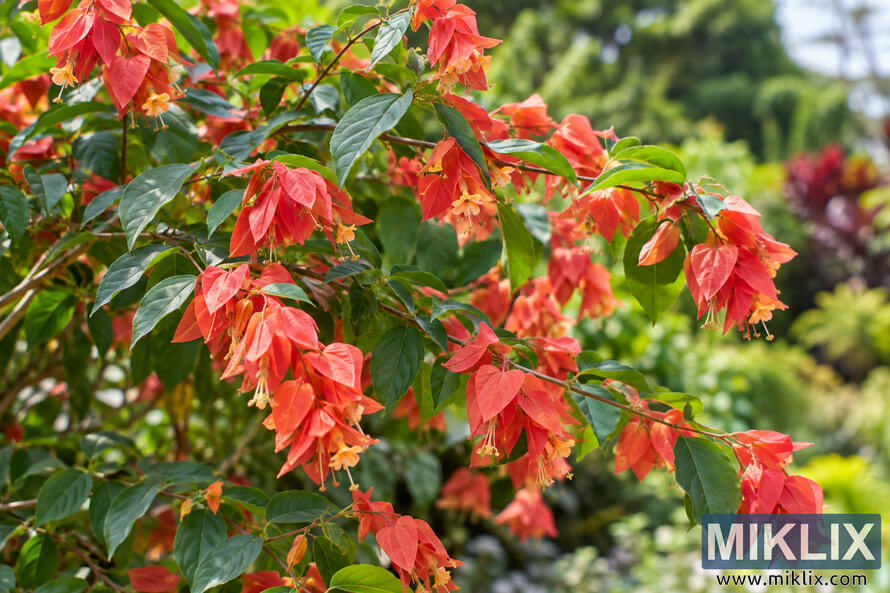
Click or tap the image for more information and higher resolutions.
With the right sun, drainage, and winter plan, this unusual plant can become a strong focal point in a warm garden or a rewarding container specimen in a colder region.
What Is Chinese Hat Plant (Holmskioldia sanguinea)?
Chinese hat plant is a tropical to subtropical shrub in the genus Holmskioldia. The species name is sanguinea. It is often called Chinese hat, parasol flower, or cup-and-saucer because the flower has a narrow tube that opens onto a broad, flat calyx. The shape resembles a small hat or parasol.
The plant belongs to the mint family, Lamiaceae. In warm climates, it can form a large shrub or a loose vine-like display. Some stems may arch or climb, so pruning and support help maintain the form you want.
Appearance and landscape uses
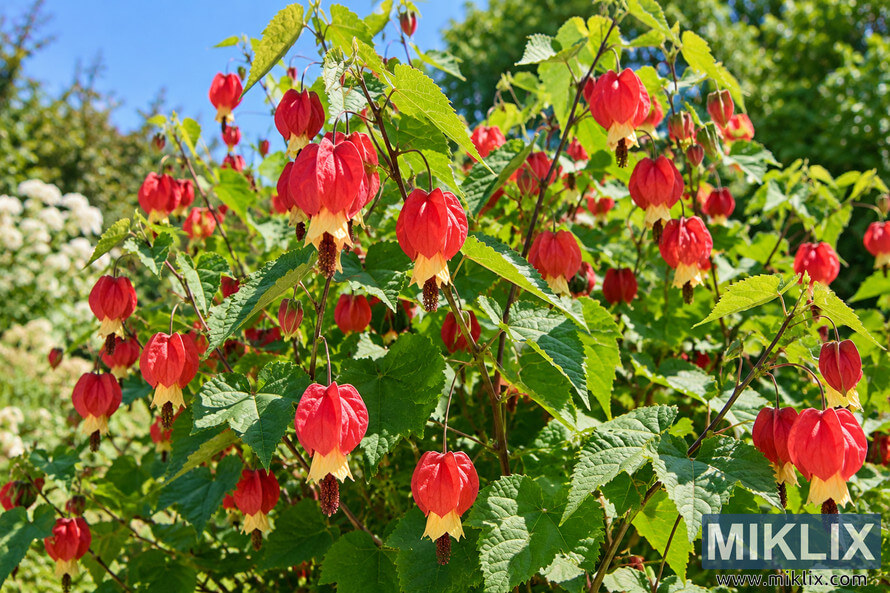
Leaves are usually green, opposite, and lightly textured. The flowers may appear orange, red, yellow, or shades between them, depending on the form. Flowering is most impressive when the plant receives strong light and steady care.
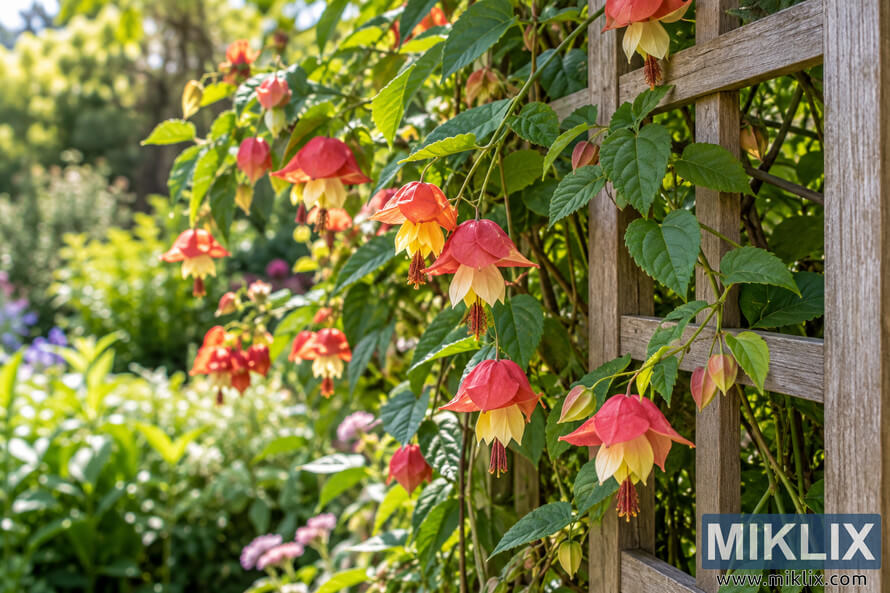
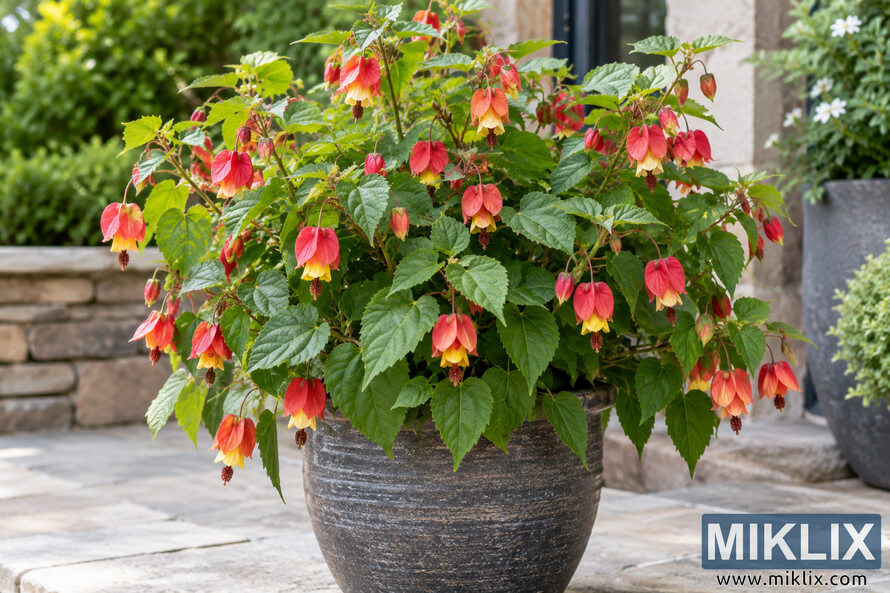
Use this shrub near a patio, along a fence, beside a wall, or as a container accent. Its unusual hat shape makes it useful in pollinator-friendly borders and conversation gardens. Give it space to spread, or train it against a trellis for a more controlled display.
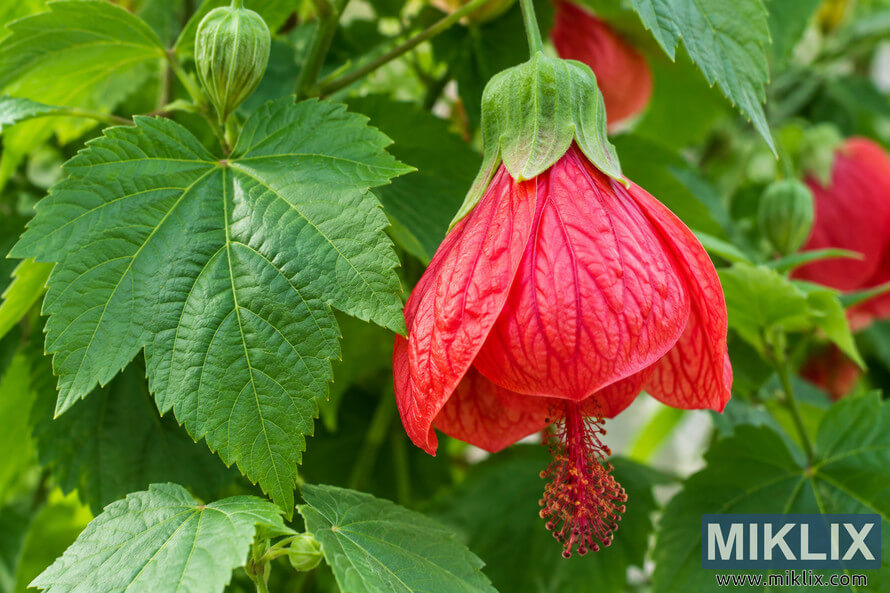
Click or tap the image for more information and higher resolutions.
Warm-climate form
In frost-free areas, the shrub can remain outdoors and may flower for a long season.
- Plant in the ground or a large container.
- Provide room for mature branches.
- Prune after a flowering flush.
Cold-climate form
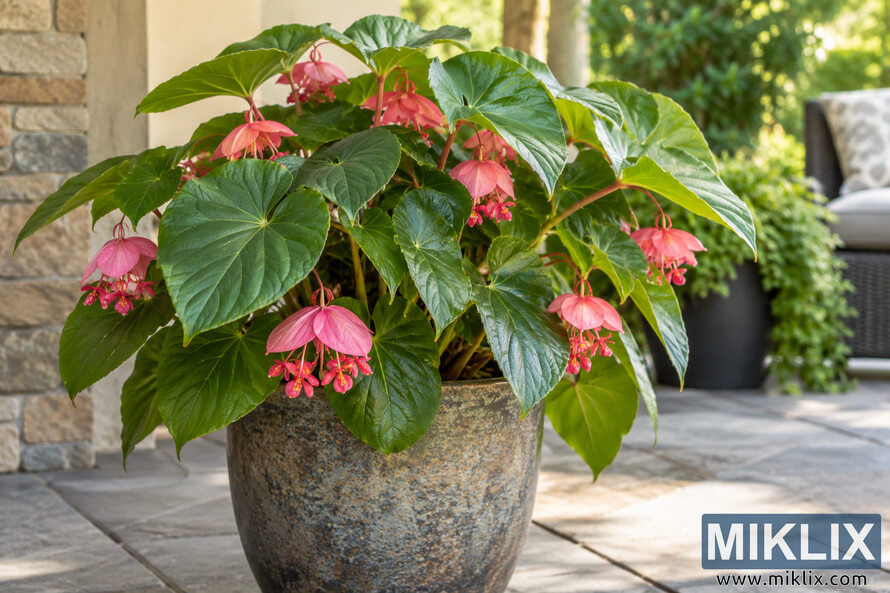
In regions with freezing winters, grow it in a container and move it indoors before frost.
- Use a bright indoor location.
- Reduce water during winter rest.
- Return it outdoors gradually in spring.
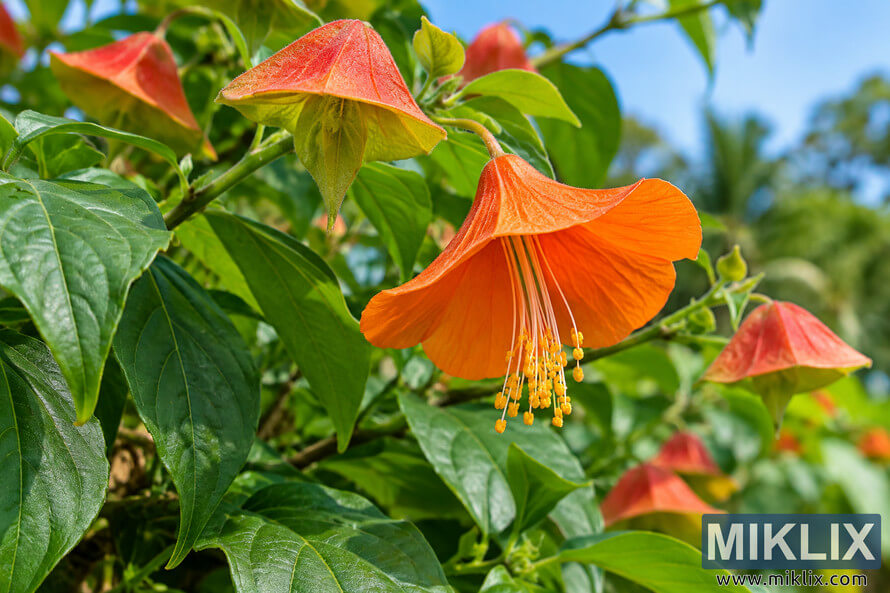
Click or tap the image for more information and higher resolutions.
How to Choose a Site and Plant It
Choose a site with full sun or bright partial shade. Full sun supports stronger flowering, especially where summers are mild. In very hot areas, afternoon protection can reduce leaf stress. Avoid deep shade, where the shrub may become thin and produce fewer flowers.
Soil, drainage, and planting
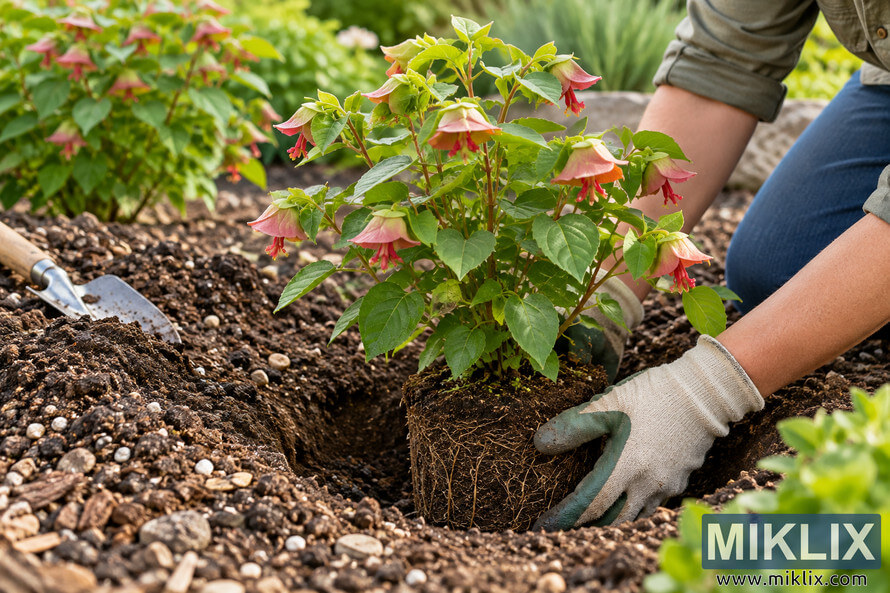
Use fertile soil that drains quickly. Heavy, wet soil can damage roots, so improve a clay site with organic matter and create a slightly raised planting area if needed. Do not place the root ball in a low spot where water collects.
- Dig a hole about twice as wide as the root ball.
- Set the plant at the same depth as it grew in its nursery pot.
- Backfill with native soil and press gently around the roots.
- Water slowly to settle the soil.
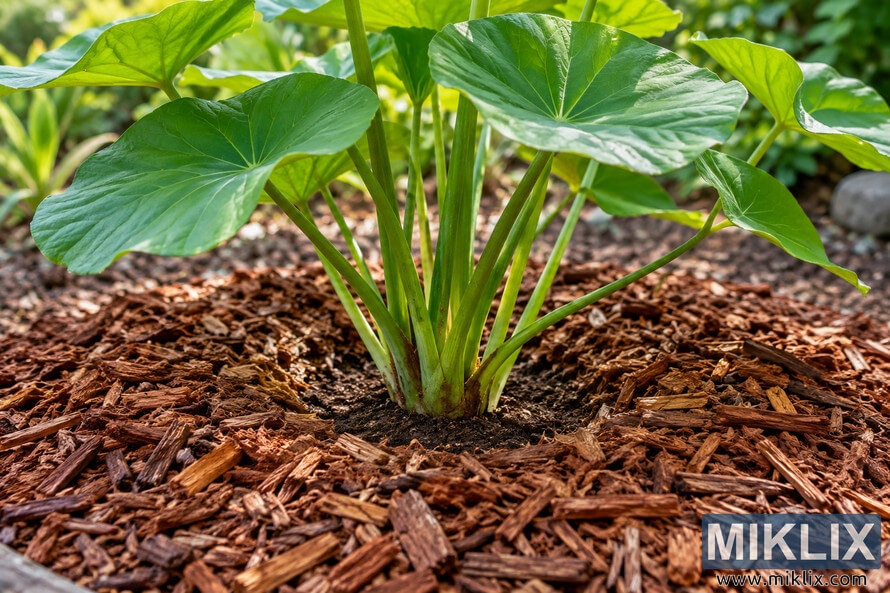
- Add a thin mulch layer, keeping it away from the main stem.
- Water new plants when the top layer of soil begins to dry. Once established, the shrub is more tolerant of short dry periods, but consistent moisture helps flowering. Container plants dry faster and need closer attention.
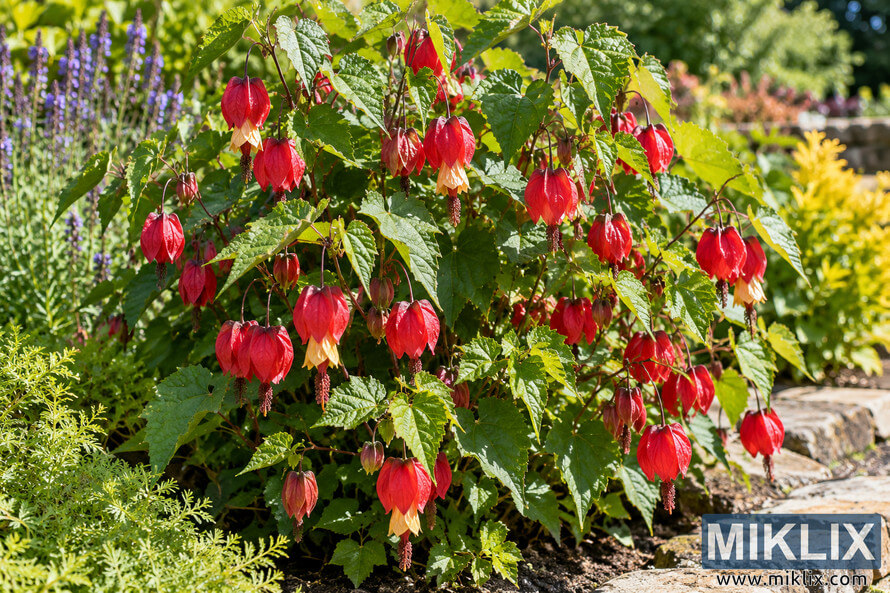
Click or tap the image for more information and higher resolutions.
Click or tap the image for more information and higher resolutions.
Click or tap the image for more information and higher resolutions.
Click or tap the image for more information and higher resolutions.
Watering, Feeding, Pruning, and Winter Care
Routine care
Water deeply, then allow the surface to dry slightly before watering again. During active growth, apply a balanced fertilizer according to the product label. Avoid excessive nitrogen, which can produce leaves at the expense of flowers.
Maintain a two-inch mulch layer in the garden. Mulch protects roots, limits weeds, and reduces rapid moisture swings. Keep it several inches away from the stem to improve air movement.
Pruning and training
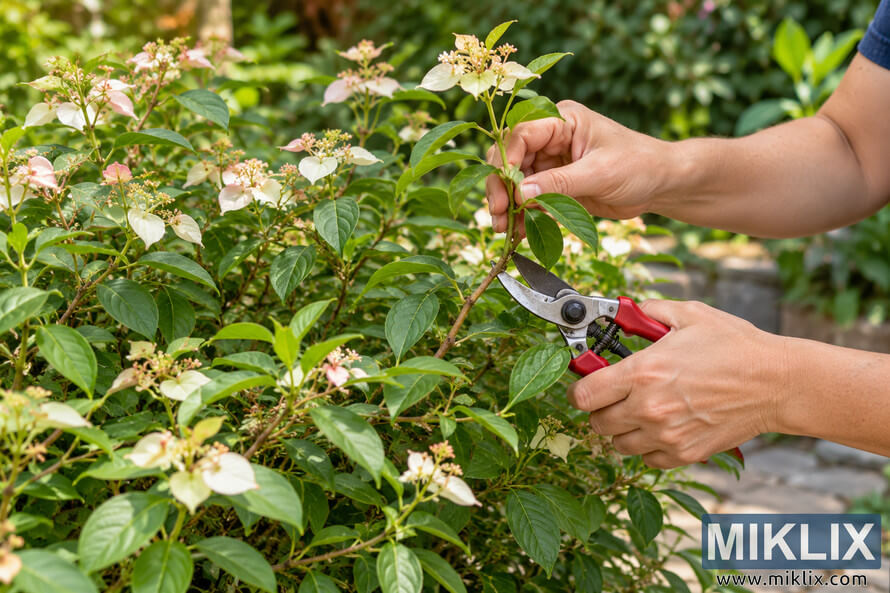
Prune lightly to remove weak, damaged, or crossing stems. Shape the shrub after flowering or during the start of active growth. Shorten long branches just above a healthy leaf node. For a climbing form, tie flexible stems to a support instead of cutting everything back.
Winter planning
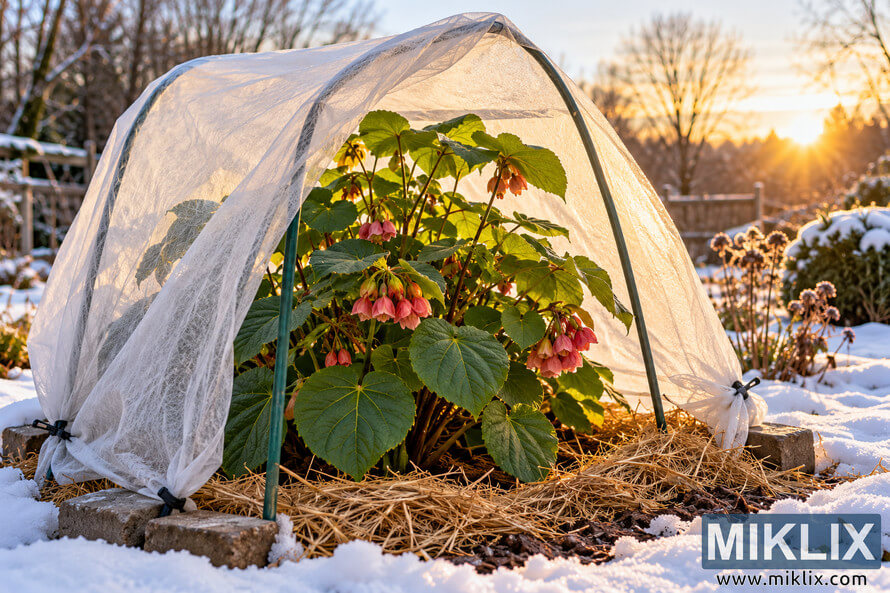
In warm, frost-free climates, protect the root zone and watch for cold snaps. In colder areas, move a container indoors before temperatures approach freezing. Place it near a bright window, reduce feeding, and water only when the upper soil begins to dry.
Some leaf drop indoors can occur because of lower light or dry air. Check leaves for pests before bringing the plant inside. Return it outdoors in spring after frost danger has passed. Increase outdoor light over several days to reduce leaf scorch.
Choose the right winter plan
Before buying or planting, compare your local frost risk with the plant’s needs. A zone reference can help you decide between an in-ground shrub and a movable container.
Click or tap the image for more information and higher resolutions.
Click or tap the image for more information and higher resolutions.
Click or tap the image for more information and higher resolutions.
Click or tap the image for more information and higher resolutions.
Click or tap the image for more information and higher resolutions.
Propagation, Problems, and a Simple Care Checklist
Propagation
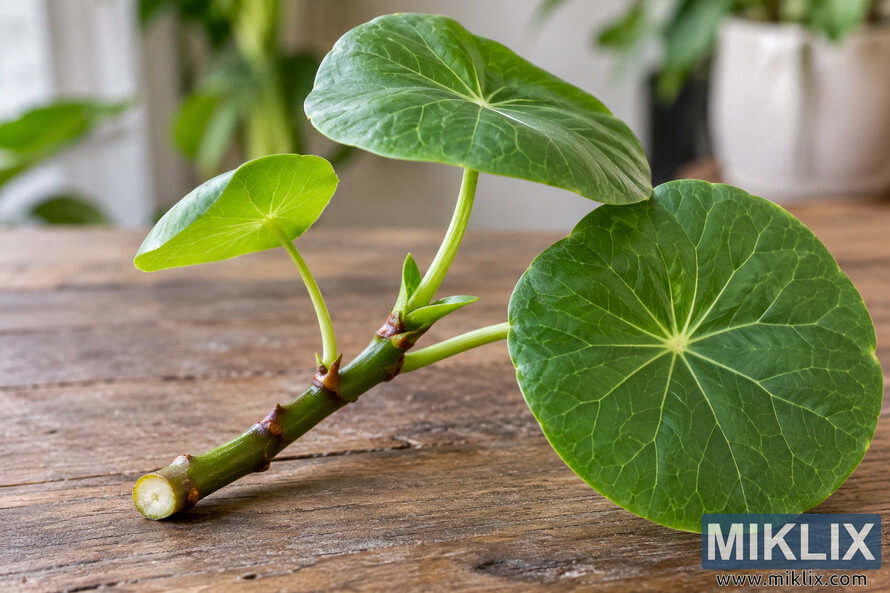
Propagation is commonly done from stem cuttings. Take a healthy cutting during active growth, remove lower leaves, and place it in a clean, free-draining medium. Keep the medium lightly moist and provide bright, indirect light. New growth indicates that roots are forming. Move the young plant into a small pot once the root system is established.
Pests and diseases
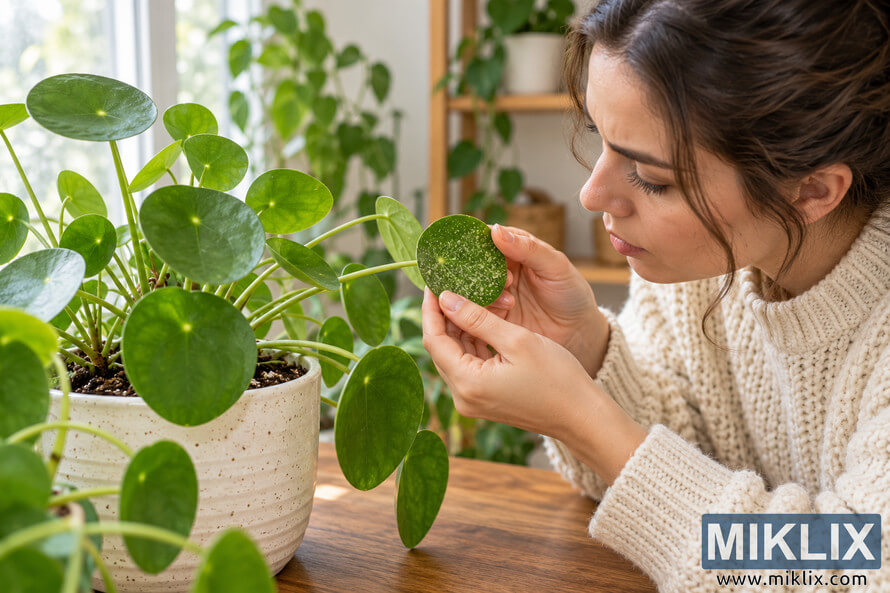
Watch for aphids, whiteflies, spider mites, and scale, especially on indoor plants. Inspect leaf undersides and new shoots. A strong water spray may remove light infestations. For persistent problems, use a labeled horticultural soap or oil and follow all directions.
Yellow leaves may result from excess water, poor drainage, low light, or normal indoor adjustment. Brown edges often point to dry soil, hot reflected sun, or low humidity. Few flowers may indicate too much shade, heavy nitrogen feeding, root stress, or hard pruning at the wrong time.
Care checklist
- Choose full sun or bright partial shade.
- Use loose, well-drained soil.
- Water deeply when the surface begins to dry.
- Feed during active growth without overfertilizing.
- Prune after flowering to shape the shrub.
- Move containers indoors before freezing weather.
- Inspect plants before and after winter storage.
Safety and responsible care
Keep fertilizer, pest products, and sharp tools away from children and pets. Wear gloves when pruning. Plant identification can vary by nursery and region, so confirm the name on the label before using any treatment. If a person or animal eats an unknown plant part, contact a medical or veterinary professional.
Click or tap the image for more information and higher resolutions.
Click or tap the image for more information and higher resolutions.
Click or tap the image for more information and higher resolutions.
Click or tap the image for more information and higher resolutions.
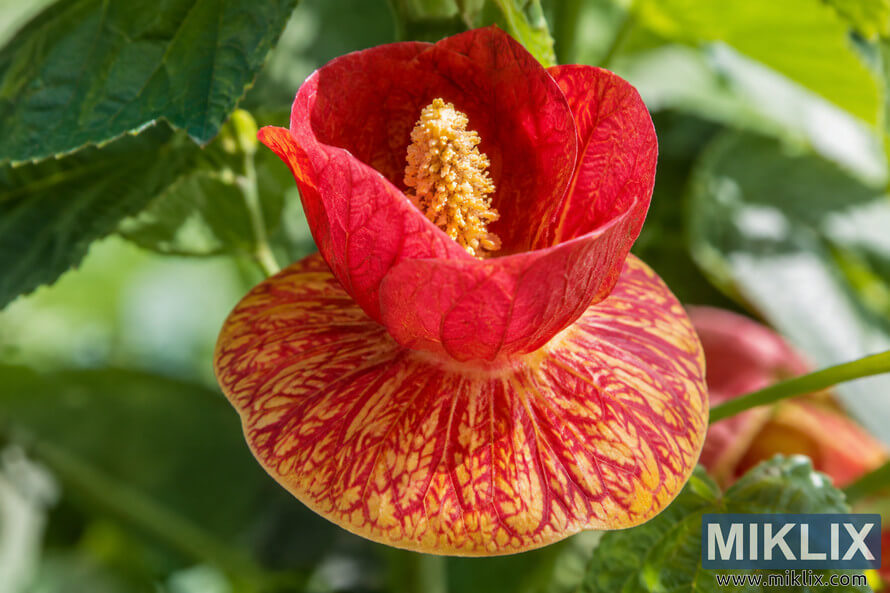
Click or tap the image for more information and higher resolutions.
Chinese Hat Plant (Holmskioldia sanguinea) rewards gardeners who match its light, drainage, and winter needs. Give it sun, moderate moisture, thoughtful pruning, and protection from freezing weather. With those basics in place, its distinctive hat-shaped flower can bring color and character to beds, patios, and containers.
Further Reading
If you enjoyed this post, you may also like these suggestions:
- A Guide to the Most Beautiful Zinnia Varieties to Grow in Your Garden
- A Guide to the Most Beautiful Varieties of Orchids to Grow in Your Garden
- Bat-Faced Cuphea: A Practical Growing Guide