
A Complete Guide to Growing Doll's Eyes in Your Own Garden
Published: October 15, 2026 at 7:40:59 PM UTC
Growing Doll's Eyes (Actaea pachypoda) can turn a quiet, shady corner into a woodland scene. Its white berries look striking against dark foliage, but this native plant needs the right conditions and careful placement.
Click or tap the image for more information and higher resolutions.
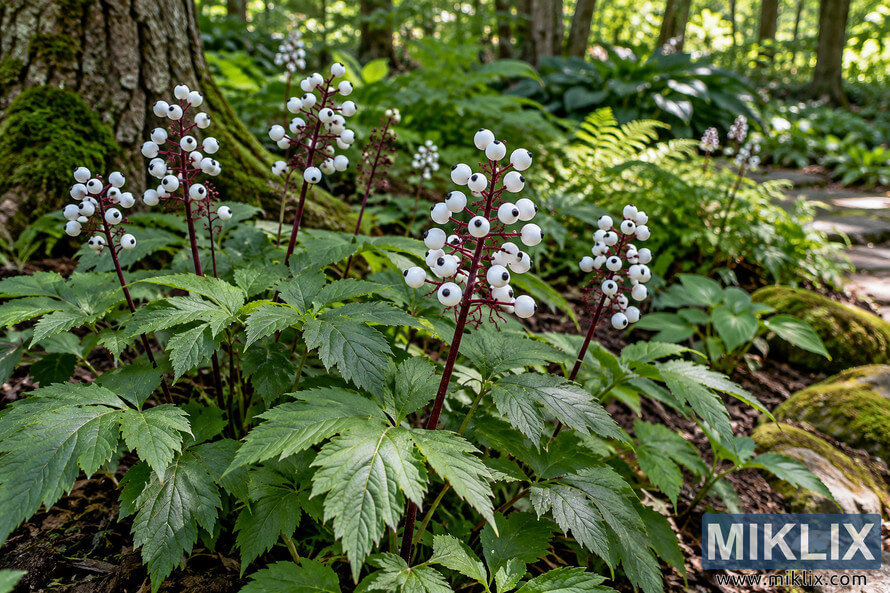
A natural woodland setting matches the plant’s preferred habitat. Plan the site before you order plants or seed.
Growing Doll's Eyes (Actaea pachypoda): Plant Profile and Garden Value
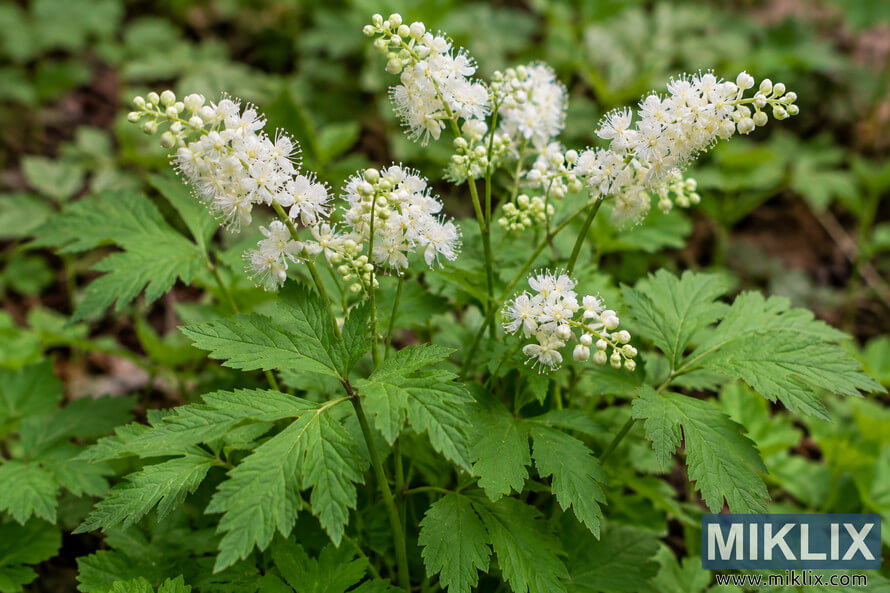
Actaea pachypoda is a perennial member of the buttercup family. It is also called white baneberry and doll eyes. The plant forms a rounded clump of divided, green leaves. In spring, slender stems rise above the foliage and carry small white flowers in clusters.
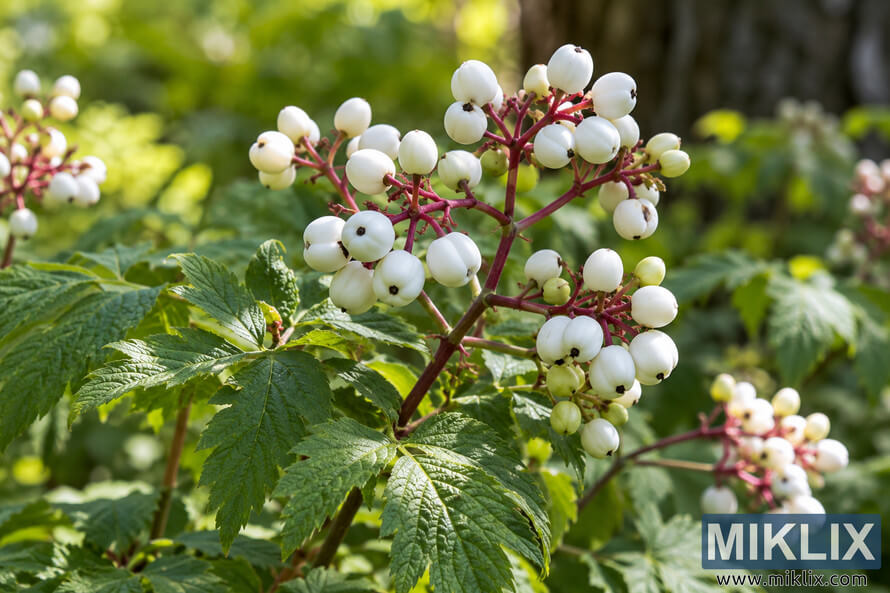
After flowering, the plant develops white berries with dark purple dots. The fruit often ripens in late summer and remains attractive into fall. These berries explain the common name, but they also create a serious safety concern.
Mature size is commonly about 2 to 3 feet tall and wide, though conditions affect growth. The species is hardy through much of USDA Zones 3 to 8. It is best used in woodland borders, native plant beds, shaded paths, and naturalized areas.
Seasonal interest
- Spring: white flowers and fresh leaves
- Summer: bright white berries and full foliage
- Fall: persistent fruit and gentle leaf color
Best garden role
- Native woodland accent
- Back-of-border shade plant
- Wildlife garden observation plant
White flowers appear before the distinctive fruit. Allow room for the mature size rather than crowding young plants.
Click or tap the image for more information and higher resolutions.
Choose a Safe Site With the Right Shade, Soil, and Moisture
Choose a site that resembles a deciduous forest. Bright, filtered light is ideal. Actaea pachypoda can tolerate morning sun, but harsh afternoon sun may scorch the foliage. Full shade works when the soil is fertile and moisture does not fluctuate sharply.
The soil should be rich in organic matter, loose, and well drained. A slightly acidic to neutral soil is usually suitable. Avoid heavy clay that stays wet or dry, sandy soil that loses moisture quickly, and exposed sites with strong wind.
Before planting, observe the area during spring and summer. Note how long it receives light, where water collects, and whether nearby trees compete for root moisture. Improve poor soil with compost or leaf mold, but do not bury the crown.
Important safety warning
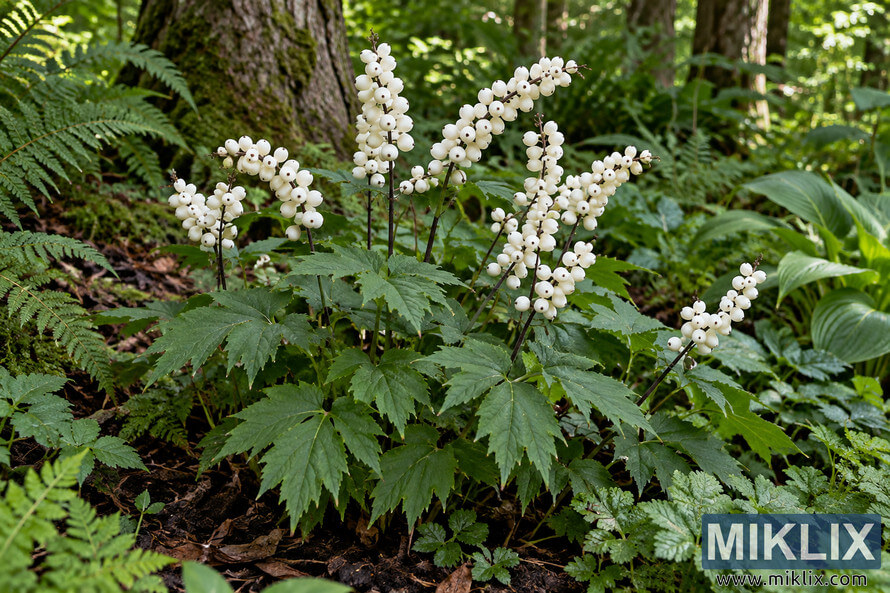
All parts of Actaea pachypoda are poisonous, especially the berries. The white berries are poisonous to people and pets if eaten. Do not place this plant beside play areas, edible gardens, pet runs, or paths where children may pick fruit. Teach children never to touch or eat unknown berries. Wear gloves when handling plant material, keep hands away from your face, and wash tools afterward.
A visible but separated location makes observation safer. Choose beauty and safety together.
Click or tap the image for more information and higher resolutions.
Planting and Propagating Actaea pachypoda
Plant nursery specimens in spring or fall when temperatures are mild. Dig a hole slightly wider than the root ball and no deeper than its original container. Set the crown at soil level. Backfill with native soil, water slowly, and add a thin layer of leaf mulch.
Space plants about 2 to 3 feet apart. This allows air movement and gives each clump room to mature. Water again after planting, even during a cool fall, so the root system begins with steady moisture.
Starting from seed
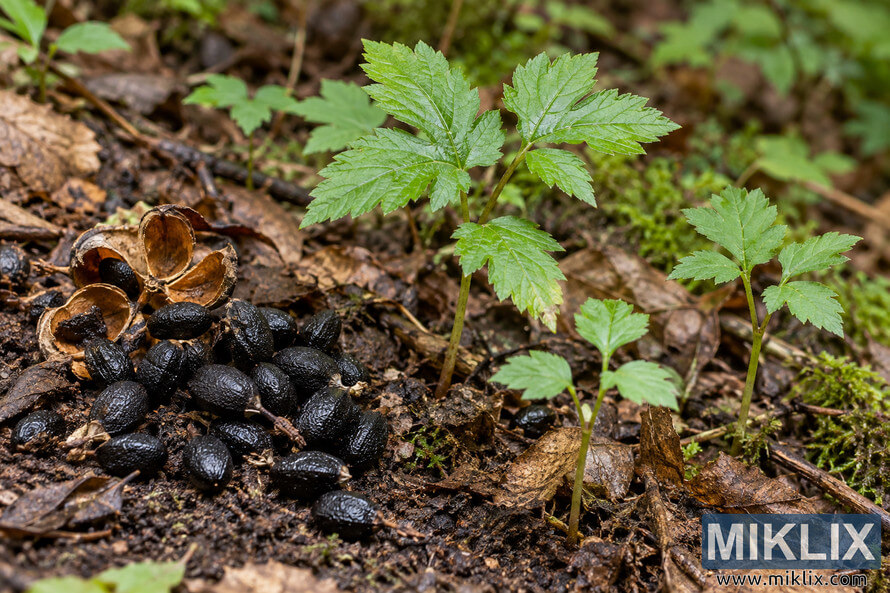
Seed is a slow method. Fresh seed may need a warm period followed by cold, moist conditions before it sprouts. In nature, this sequence can take more than one season. Sow seed in a protected outdoor bed or a labeled container, cover it lightly, and keep the medium evenly moist.
Do not let containers dry out. Mark the planting date and location. Seedlings may take several years to reach flowering size. This slow pace is normal for woodland species and is not a sign of failure.
Click or tap the image for more information and higher resolutions.
Division and root handling
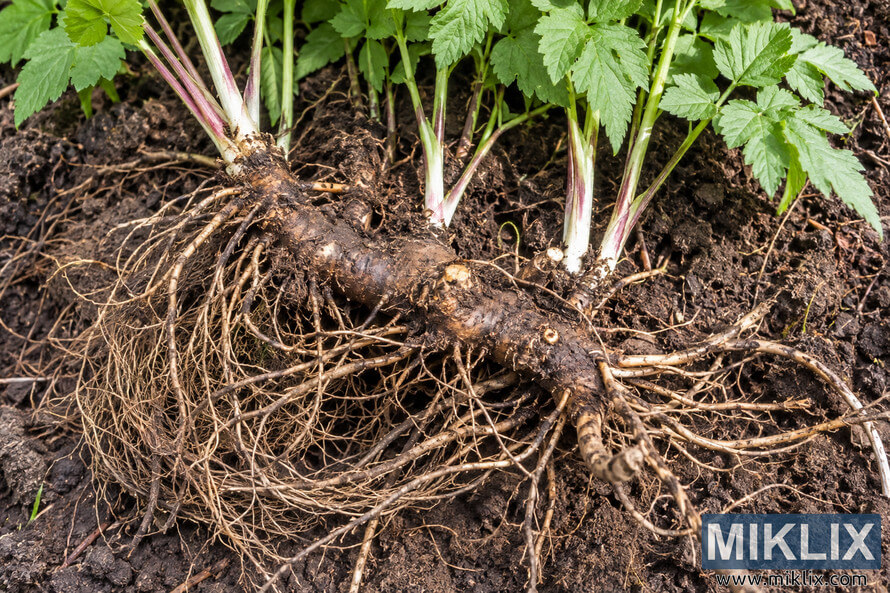
Established clumps can sometimes be divided in early spring or fall. Lift the root mass carefully, separate healthy sections with roots and shoots, and replant at once. Avoid unnecessary root disturbance. Water divisions well and expect a period of slow recovery.
Label seed containers because germination may span more than one season. Patience is part of successful propagation. Handle roots gently during division. Replant divisions without allowing roots to dry.
Click or tap the image for more information and higher resolutions.
Watering, Mulching, Maintenance, and Common Problems
Keep new plants evenly moist during their first growing season. Water deeply when the top inch of soil begins to dry. Mature plants are more tolerant, but they still perform best with steady moisture. Do not leave the root zone saturated.
Apply 2 inches of shredded leaves or composted bark around the plant. Keep mulch a few inches away from the crown. Leaf mulch supports woodland conditions, moderates temperature, and reduces competition from weeds.
Fertilizer is rarely needed in fertile soil. If growth is weak, test the soil before feeding. A light spring application of a balanced, slow-release fertilizer may help, but excessive nitrogen can produce soft foliage and reduce natural form.
Remove damaged stems in late fall or early spring. Pruning is usually limited to cutting old growth to the ground after it dies back. Do not remove attractive berries unless safety requires it. If fruit must be removed, wear gloves and dispose of it securely.
Yellow leaves
Often linked to excess moisture, poor drainage, or root stress.
Scorched foliage
Move future plantings toward filtered light and protect them from hot afternoon sun.
Click or tap the image for more information and higher resolutions.
Few flowers
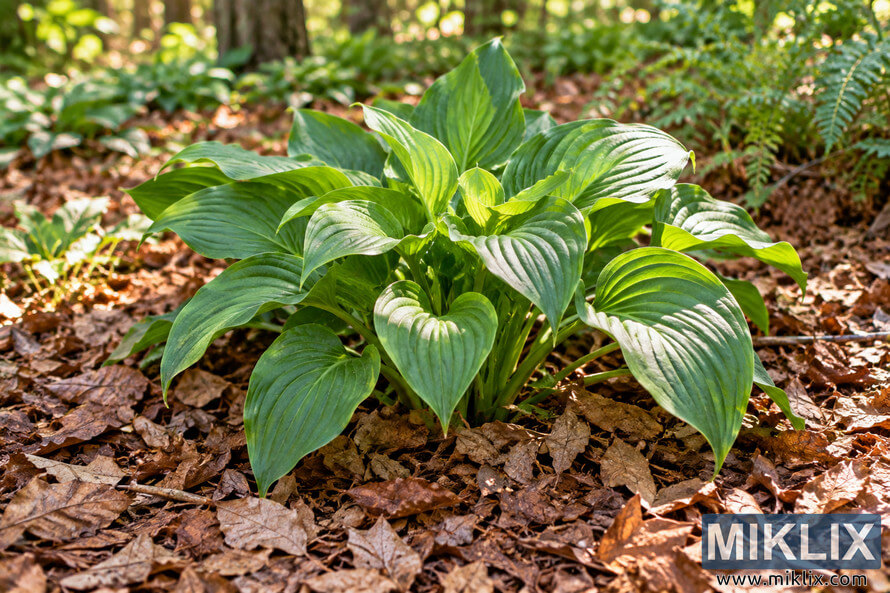
Give the plant time. Deep shade, drought, and recent transplanting can delay bloom. The fruit is attractive, but every berry should be treated as poisonous. Observe fruit from a safe distance. Leaf mulch helps maintain cool, even soil conditions. Keep mulch off the crown.
Click or tap the image for more information and higher resolutions.
Frequently Asked Questions
Can Doll's Eyes grow in full shade?
Yes. Full shade can work when the soil is fertile, well drained, and consistently moist. Growth may be slower than in bright filtered shade.
Are the white berries safe for wildlife or people?
Do not eat them. The berries poisonous warning applies to people and pets. Because wildlife reactions vary, avoid handling fruit and never use it in crafts or decorations indoors.
How long does seed take to grow?
Germination can be irregular, and seedlings may need several years to flower. This species follows a slow woodland life cycle.
Does Actaea pachypoda need regular pruning?
No. Remove dead stems after the growing season or before spring growth. Avoid cutting healthy foliage during summer. Mature white baneberry adds late summer and fall interest. Let the plant settle into its natural seasonal rhythm.
Final Growing Advice
Actaea pachypoda rewards gardeners who value structure, seasonal change, and native woodland character. Give it shade, organic soil, reliable moisture, and time. Most important, treat the plant and its berries as poisonous and choose a location that protects children and pets.
- Responsible placement is essential in a family garden.
- Use a label to identify the poisonous plant.
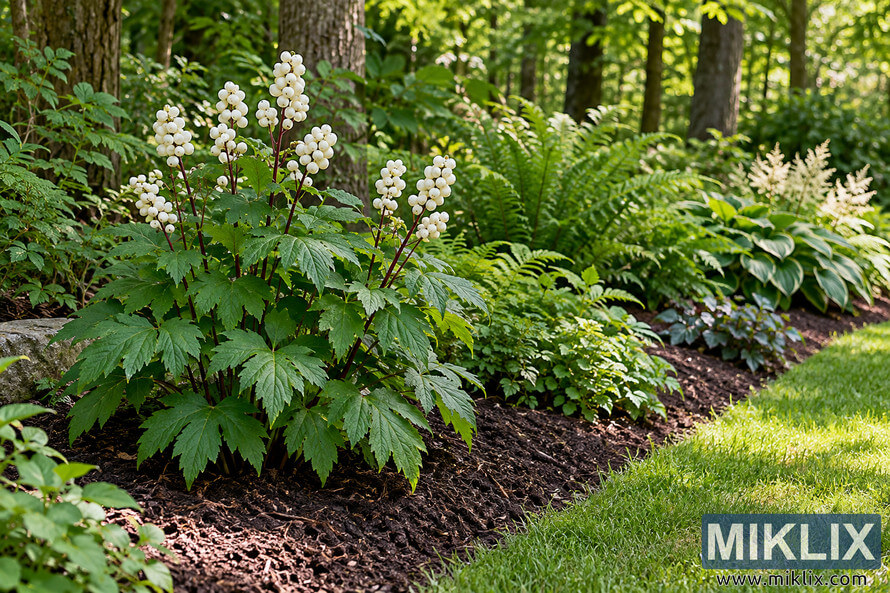
- Combine the species with compatible shade-loving native plants.
- Match companions to the same moisture conditions.
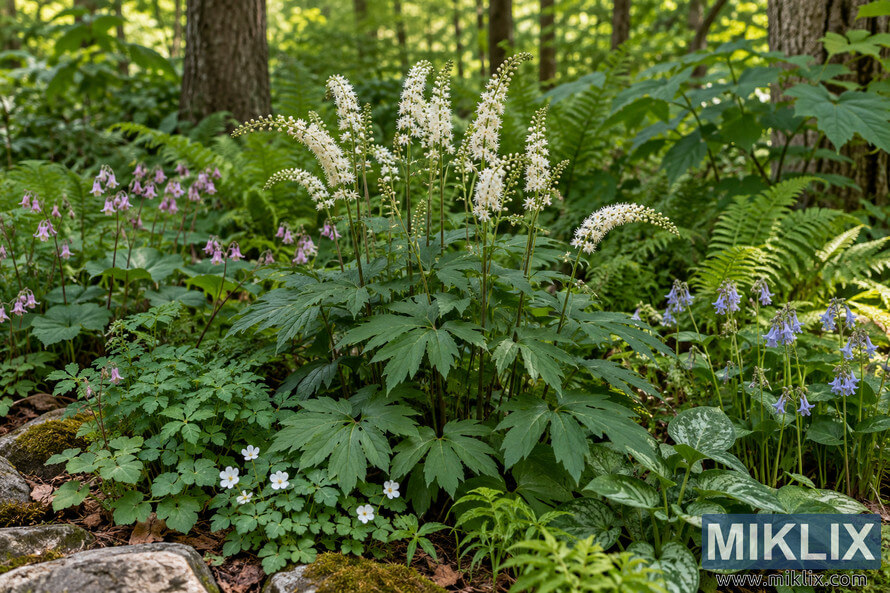
Click or tap the image for more information and higher resolutions.
Click or tap the image for more information and higher resolutions.
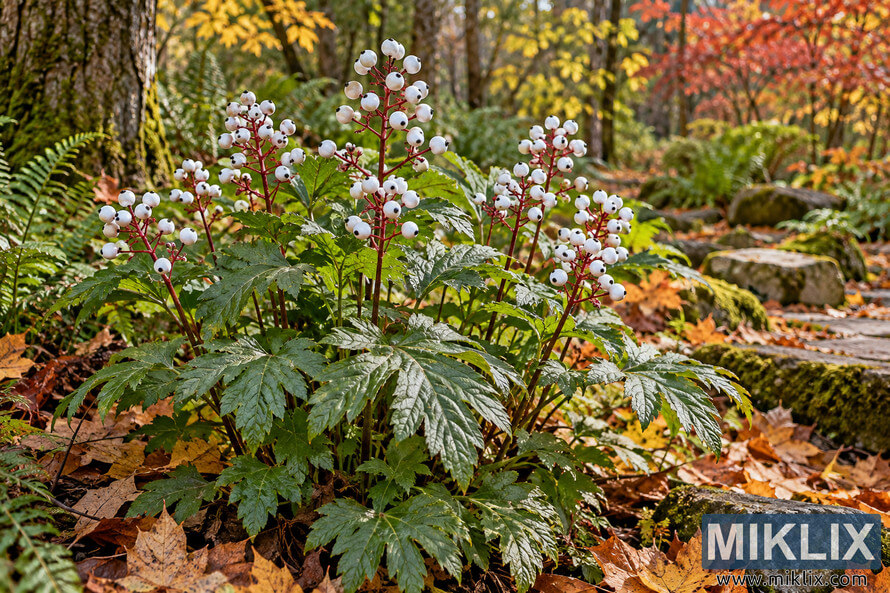
Click or tap the image for more information and higher resolutions.
Further Reading
If you enjoyed this post, you may also like these suggestions:
- A Complete Guide to Growing Chinese Lantern in Your Own Garden
- A Guide to the Most Beautiful Zinnia Varieties to Grow in Your Garden
- A Complete Guide to Growing American Lotus in Your Own Garden