
A Complete Guide to Growing Green Dragon in Your Own Garden
Published: October 22, 2026 at 11:11:40 PM UTC
Growing Green Dragon (Arisaema dracontium) rewards patient gardeners with an unusual woodland display. This native herbaceous perennial grows from a corm, rises in spring, and forms a striking compound leaf. Give it the right moisture, shade, and soil, and it can become a quiet highlight in a natural garden.
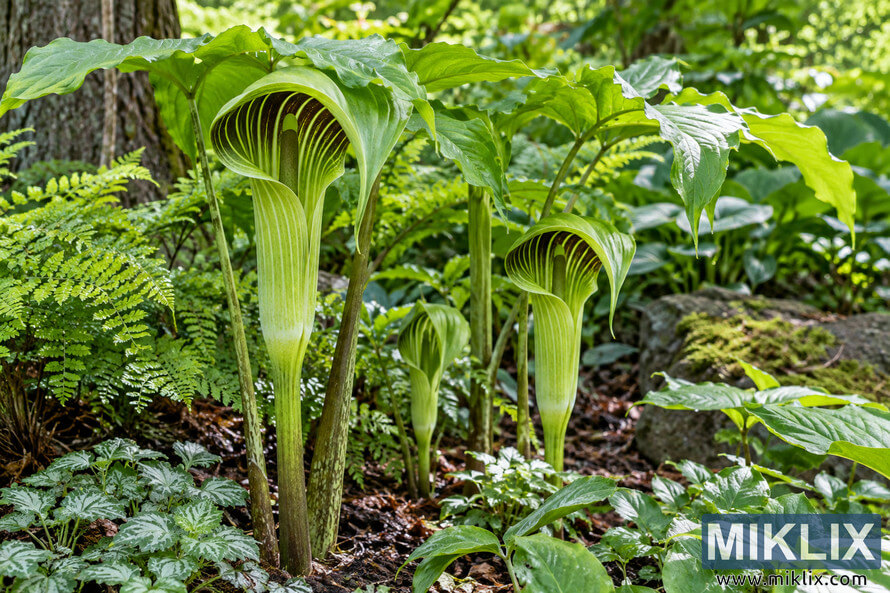
Click or tap the image for more information and higher resolutions.
Green Dragon identity, habitat, and seasonal growth
Green Dragon belongs to the arum family. It is a herbaceous perennial that dies back each year. A mature plant often reaches 12 to 36 inches, though size varies with moisture, light, and soil. The underground corm stores energy during dormancy.
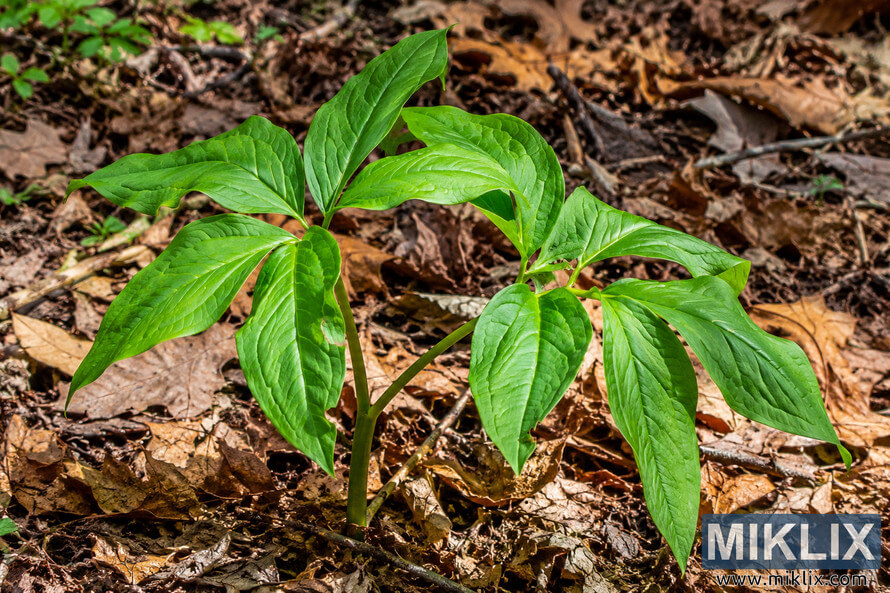
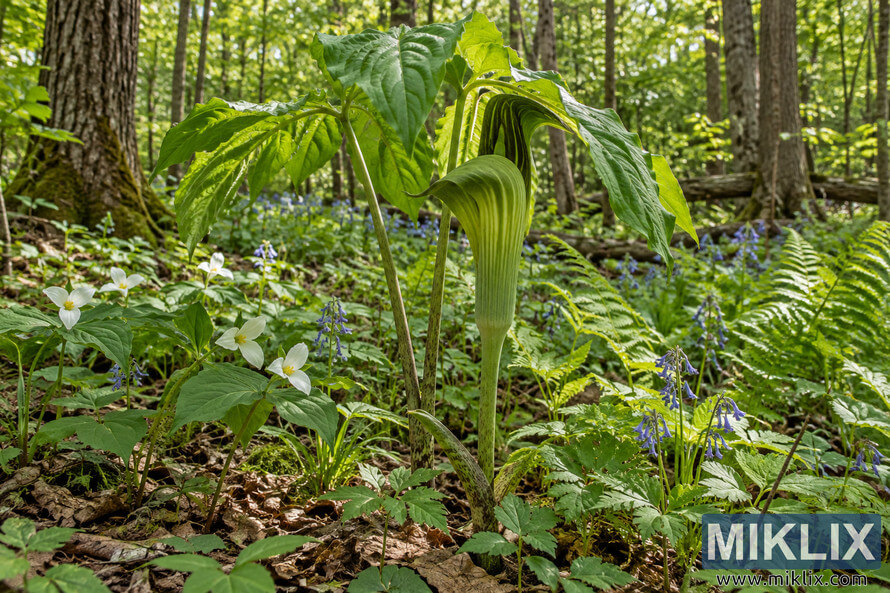
In spring, a single leaf usually unfolds from the stem. It is a compound leaf with several narrow leaflets. A separate flower structure may appear beside it. The green spathe curves around a slender spadix, giving the plant its dragon-like form.
Flowers are small and hidden within the spathe. Male and female flowers may occur on separate plants, and some plants can change sex as they grow. Pollinated flowers develop into clusters of bright fruit later in summer. The berries add color but should not be eaten.
Native setting
Look to moist forests, floodplains, stream edges, and rich woodland soils. These habitats provide filtered light and steady moisture.
Growth cycle
Growth begins in spring, flowers follow in late spring or summer, and the leaf fades before winter dormancy.
Plant comparison
Unlike Arisaema triphyllum, Green Dragon commonly has one large compound leaf with many leaflets and a narrower flower structure.
Choose the right site, light, and soil
Select a location with bright shade, dappled light, or gentle morning sun. Deep shade can reduce growth and flower production. Hot afternoon sun may scorch the leaf and dry the roots. A woodland edge or shaded rain garden is often a good choice.
The soil should hold moisture but drain excess water. Add leaf mold or finished compost to poor soil before planting. Avoid heavy clay that stays saturated around the corm. Avoid dry, sandy sites unless you can provide regular water.
- Choose a cool location protected from strong wind.
- Keep the soil evenly moist during spring and summer growth.
- Leave room for mature plants and nearby native species.
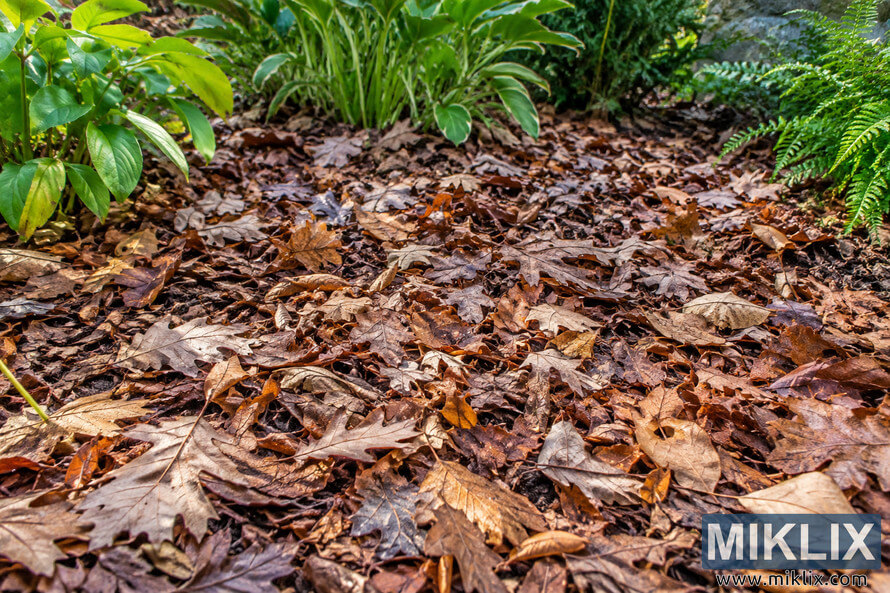
- Use leaf mulch to copy the plant’s forest habitat.
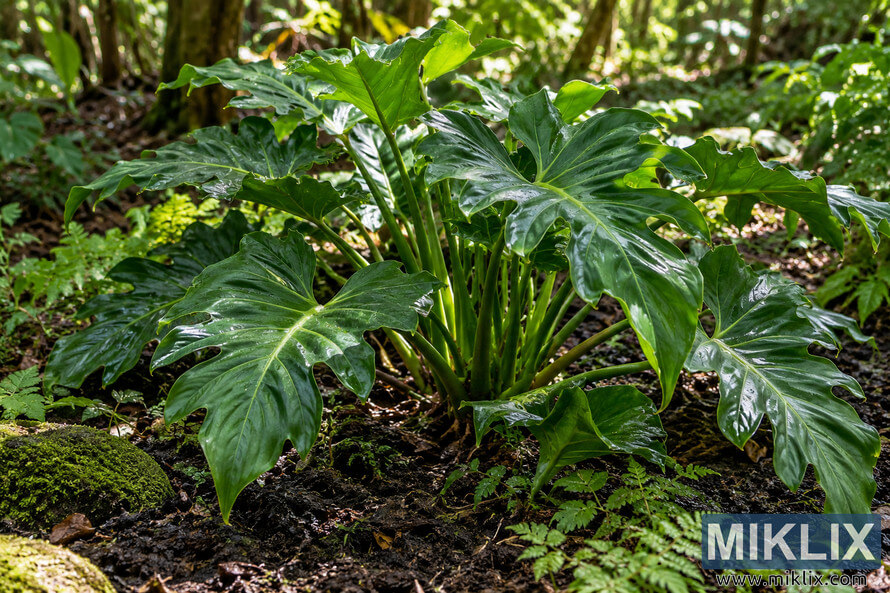
Click or tap the image for more information and higher resolutions.
Planting and propagation from corms or seed
Plant dormant corms in early spring or fall when the soil is workable. Set each corm about 2 to 4 inches deep, with the growing point facing upward. Firm the soil gently and water well. Mark the location so the slow-emerging plant is not disturbed.
Seed propagation takes patience. Collect ripe fruit after it changes color, remove the pulp, and sow fresh seed in a protected bed or container. Natural winter chilling may improve germination. Keep the medium moist, never waterlogged. Seed-grown plants may need several seasons before flowering.
Divide mature plants only when they are dormant. Lift the clump carefully, separate healthy offsets or corm sections, and replant them at once. Wear gloves during all handling. Do not collect plants from wild forests or protected land.
Corm planting
Use healthy, firm corms. Plant at the correct depth and keep the bed evenly moist.
Seed growing
Sow fresh seed, label the container, and expect slow, uneven emergence.
Transplanting
Move dormant plants with intact roots and water them through the first growing season.
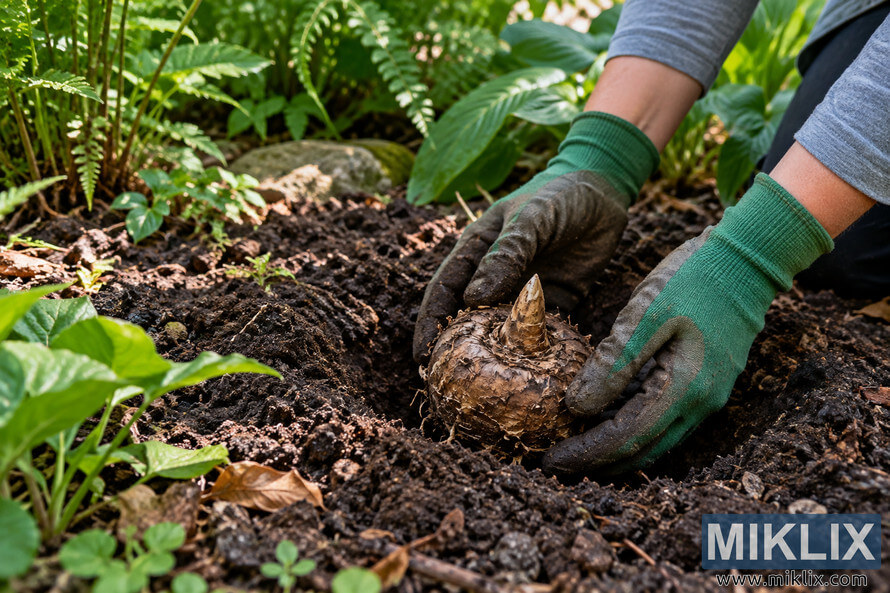
Click or tap the image for more information and higher resolutions.
Watering, feeding, flowers, fruit, and dormancy
Water deeply when the top inch of soil begins to dry. During hot summer weather, check the bed more often. A 2-inch layer of leaf mulch helps reduce evaporation, but keep mulch away from the stem base to limit rot.
Green Dragon usually needs little fertilizer. If growth is weak, apply a light layer of compost in spring. Avoid high-nitrogen feed, which can produce soft leaves and reduce natural balance. Remove damaged foliage only after it has yellowed and begun to die back.
Flowering depends on plant age, stored energy, light, and moisture. Failure to bloom is common in young plants. After fruit develops, allow the leaf to fade naturally. In late fall, remove loose debris while leaving a protective mulch layer over the dormant corm.
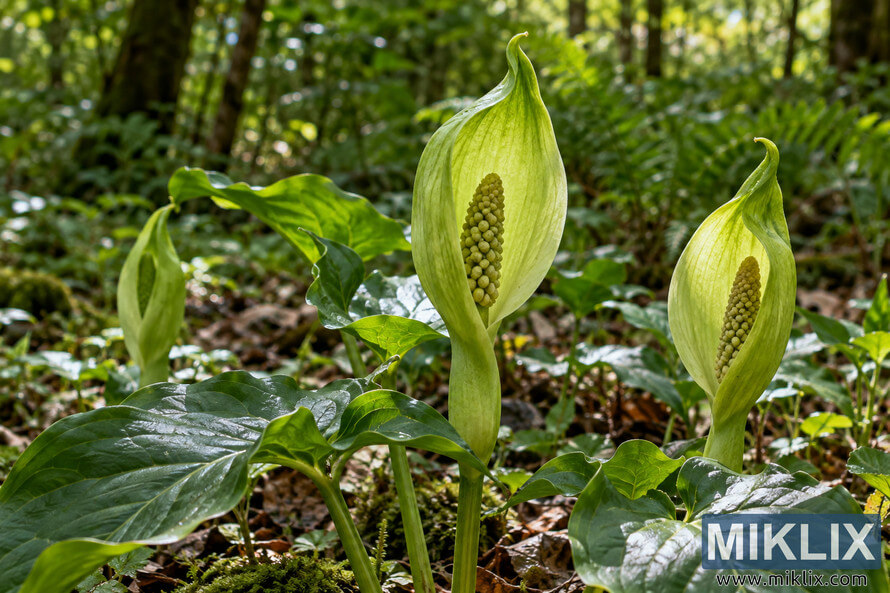
Click or tap the image for more information and higher resolutions.
Pests, disease, toxicity, and common problems
Most problems begin with stress or poor drainage. Slugs may damage the leaf in wet weather. Hand-pick them, remove hiding debris, and keep the planting area open enough for inspection. Do not use broad pesticides in a native garden unless a specific problem requires them.
Yellowing leaves can signal natural dormancy, drought, root injury, or excessive water. Check the soil before changing care. Soft corms, dark roots, and a sour smell suggest rot. Lift affected plants, cut away damaged tissue, and replant only firm sections in better-drained soil.
Calcium oxalate crystals in the plant can cause intense irritation if chewed. Keep children and pets away from the plant and fruit. Wear gloves when planting or dividing, wash tools and hands afterward, and seek medical advice if plant material is swallowed.
Safety first
Never eat the leaf, flower, corm, or berries. Label the planting if visitors may mistake it for an edible species.
Click or tap the image for more information and higher resolutions.
Use Green Dragon in native, woodland, and rain gardens
Combine this species with other plants that enjoy shade and consistent moisture. Ferns, sedges, and spring woodland flowers can create layered cover without crowding the corm. In a rain garden, place it near the moist upper edge rather than in a permanently flooded basin.
Protect local habitats by buying nursery-propagated plants and never removing specimens from the wild. Ripe berries may spread naturally. Watch seedlings and relocate unwanted plants while young. Keep the species inside your managed garden unless it is already native and appropriate for the local habitat.
Woodland border
Pair dappled shade with leaf litter and plants of similar moisture needs.
Rain garden edge
Use a moist, well-drained position that does not remain flooded.
Native habitat bed
Choose responsibly sourced plants and monitor natural seedlings.
Click or tap the image for more information and higher resolutions.
Seasonal checklist and key growing tips
- Spring: Check drainage, plant dormant corms, water emerging growth, and add a thin compost layer.
- Summer: Maintain steady moisture, inspect the leaf for slugs, and observe flowers, spathe, spadix, and fruit.
- Late summer: Let berries and leaves mature naturally. Record flowering and fruiting dates.
- Fall: Remove diseased debris, mark the plant location, and add loose leaf mulch after the leaf fades.
- Winter: Leave the dormant site undisturbed. Protect containers from severe freezing and excess wet.
Best practices
- Provide filtered shade and moist, well-drained soil.
- Use leaf mulch and minimal fertilizer.
- Handle corms with gloves.
Avoid
- Standing water around the corm.
- Wild collection or careless spread.
- Chewing or tasting any plant part.
Click or tap the image for more information and higher resolutions.
With the right shade, moisture, drainage, and patience, Arisaema dracontium can thrive as a distinctive native woodland plant. Watch its seasonal cycle, protect its dormant corm, and let practical observation guide care.
Further Reading
If you enjoyed this post, you may also like these suggestions:
- A Complete Guide to Growing Cardinal Flower in Your Own Garden
- A Complete Guide to growing Eastern Shooting Star in Your Own Garden
- A Guide to the Most Beautiful Zinnia Varieties to Grow in Your Garden