
A Complete Guide to growing Eastern Shooting Star in Your Own Garden
Published: October 17, 2026 at 5:12:09 PM UTC
Growing Eastern Shooting Star (Primula meadia) can bring a rare spring display to a woodland edge, prairie bed, or lightly shaded garden. Its nodding flowers look delicate, yet an established plant can return for many years when its natural cycle is respected.
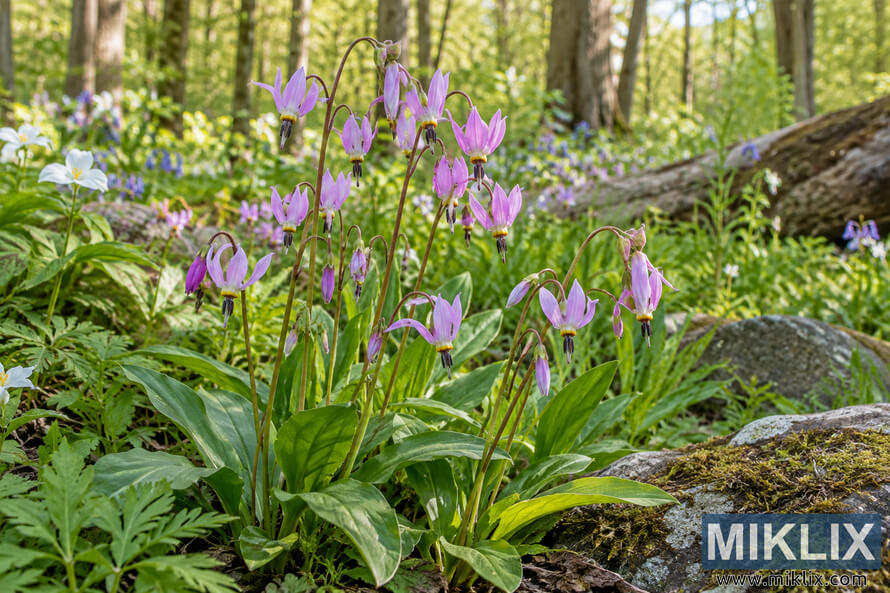
Click or tap the image for more information and higher resolutions.
Eastern Shooting Star is also known as dodecatheon meadia, jeweled shooting star, and prairie pointers. Older references may use the name Dodecatheon meadia, while current sources often place it in the primrose family.
This guide explains where to plant it, how to start seed or divisions, and why summer dormancy is normal. You will also learn how to manage soil, moisture, pests, and companion plants.
Plant Profile, Habitat, and Ornamental Value
The shooting star is a native perennial from North America. Its natural range includes open woods, prairies, rocky slopes, and moist clearings. It often grows where spring light reaches the ground before trees make a full canopy.
How the plant looks
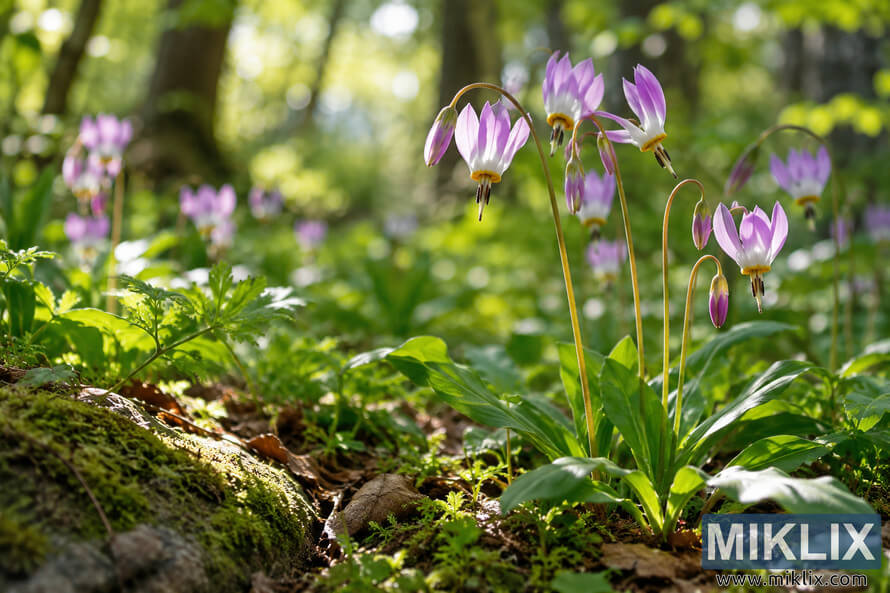
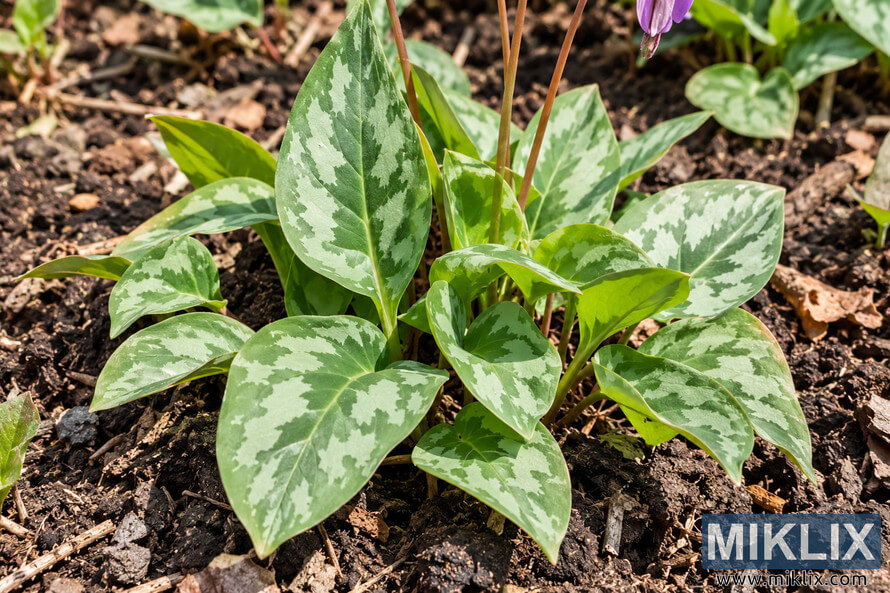
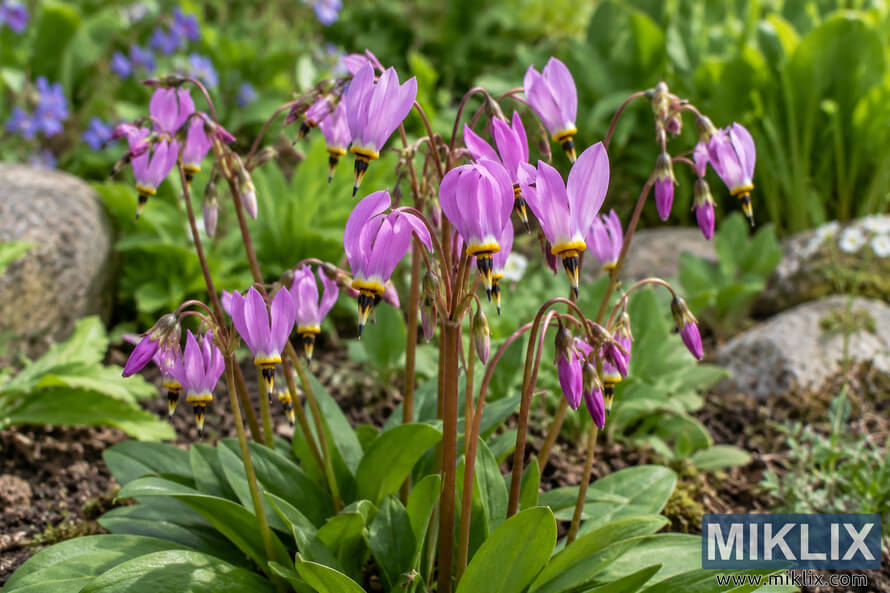
A low rosette of leaves appears first. Tall stems rise above the foliage and carry several flowers. Each bloom has swept-back petals, giving the flower its shooting star shape.
- Typical flower colors include pink, lavender, and white.
- Flowers hang from slender stems above the leaf base.
- Bloom time is usually early spring to late spring.
- Plants often reach about 12 to 24 inches in height.
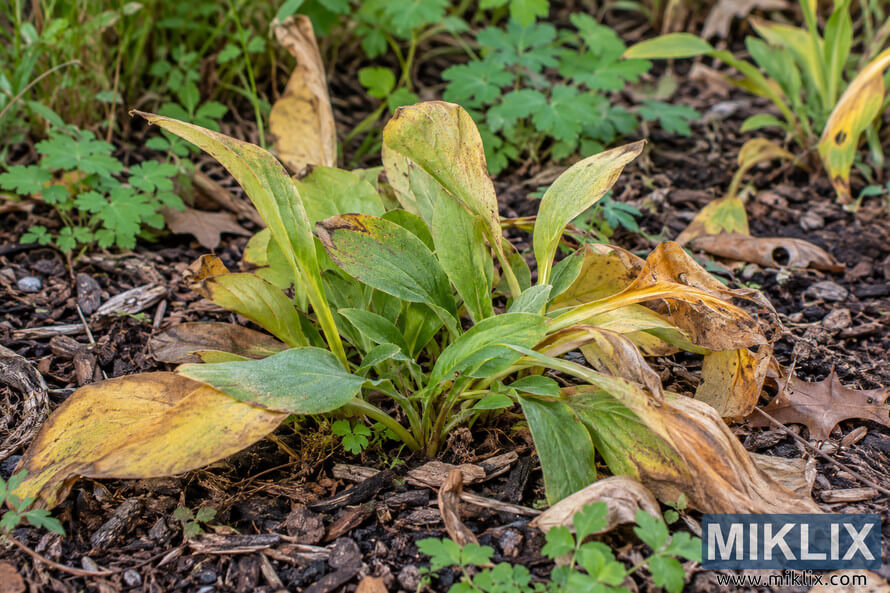
Bees and other early pollinators visit the pollen and nectar. After flowering, seed capsules form. The foliage then fades as summer arrives. This is not a sign of disease. It is the plant’s normal response to heat and changing moisture.
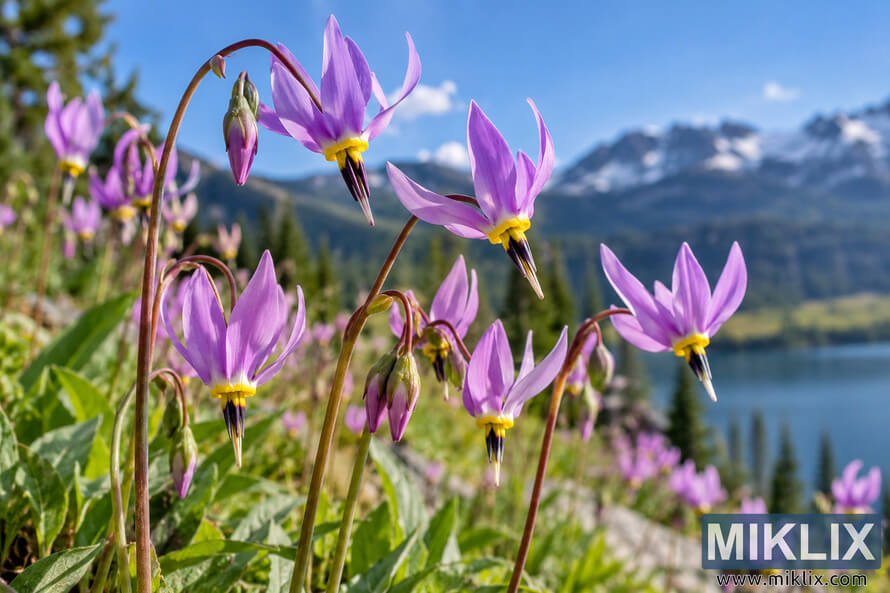
Click or tap the image for more information and higher resolutions.
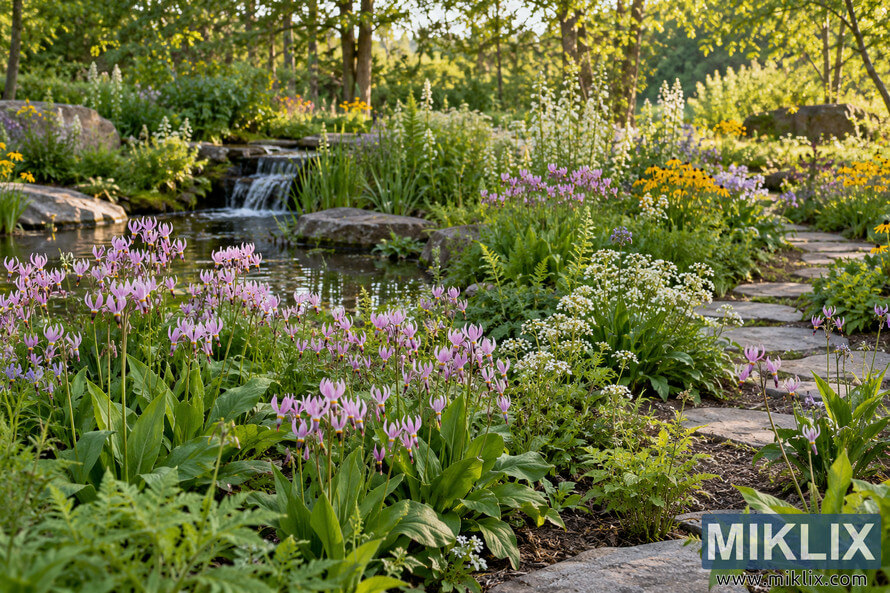
In a garden, shooting star works well in a naturalistic border, rain garden edge, rock garden, or open woodland bed.
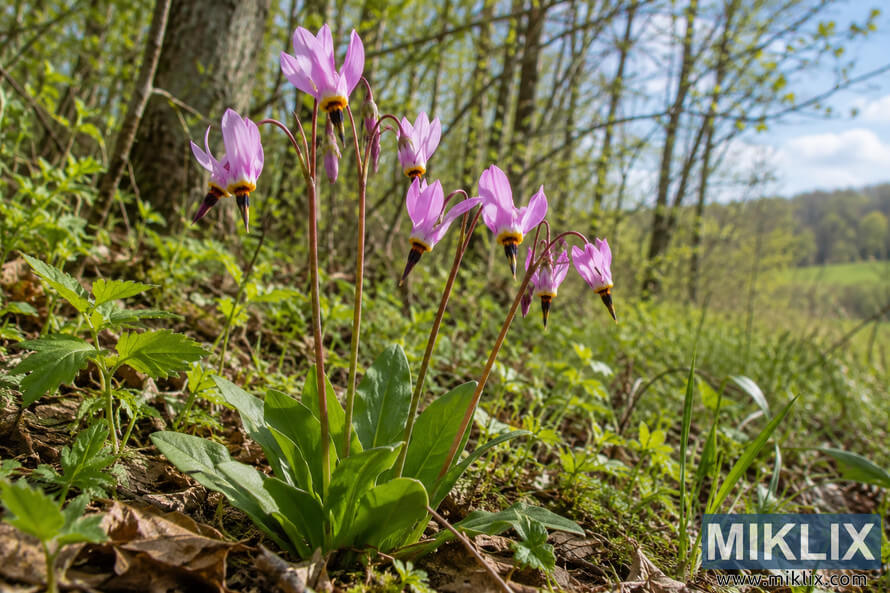
Click or tap the image for more information and higher resolutions.
Choose the Site and Prepare the Soil
Start with the light. In cooler areas, shooting star accepts full sun if the soil stays moist. In warmer areas, morning sun and afternoon shade are safer. Dappled shade is often ideal.
Test the soil before planting
- Choose soil that holds moisture but does not stay wet.
- Remove competing weeds and large roots.
- Mix leaf mold or finished compost into poor soil.
- Avoid a deep layer of rich fertilizer.
The best soil is humus-rich, loose, and well drained. Clay soils may need organic matter and a raised planting area. Sandy soils may need compost to slow water loss. Do not place the root crown in a low spot that collects winter water.
Clear an area wider than the mature plant. Young plants dislike strong competition from turf and aggressive ground covers. Keep the bed free of weeds during the first spring and summer.
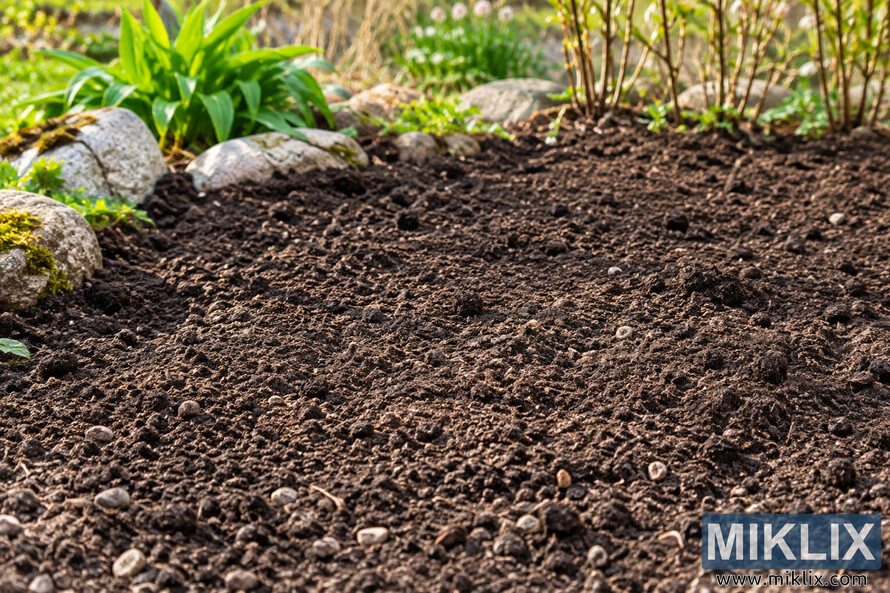
Click or tap the image for more information and higher resolutions.
Planting seeds
Fresh seed is usually the best choice. Sow it in fall, when natural cold and moisture can break dormancy. Press seeds onto the soil surface or cover them very lightly. Do not bury them deeply.
- Prepare a weed-free bed with fine soil.
- Scatter seed across the surface.
- Press it gently into the soil.
- Mark the area so it is not disturbed.
- Keep the bed lightly moist during dry periods.
- Germination may be uneven. Some seeds sprout in spring, while others take longer. Protect the bed from heavy mulch and digging.
Planting divisions
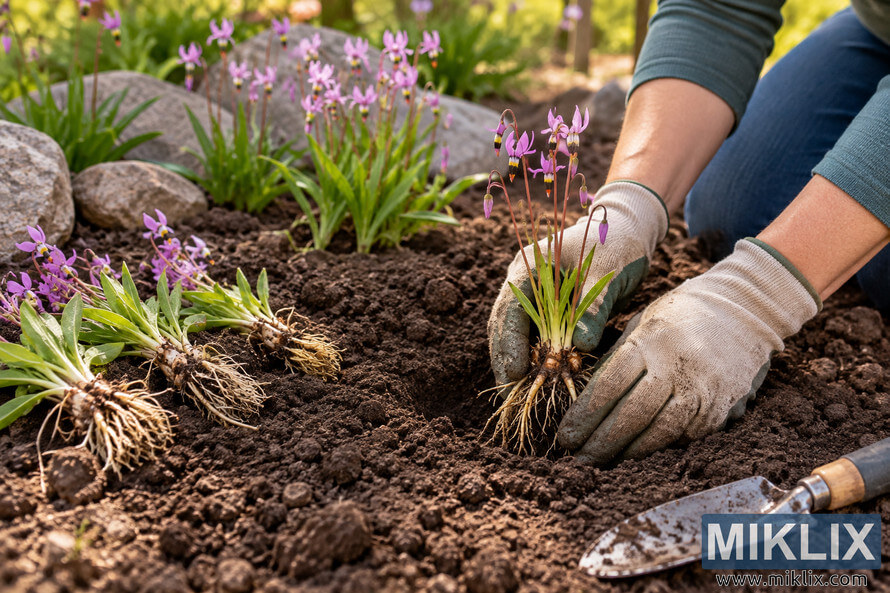
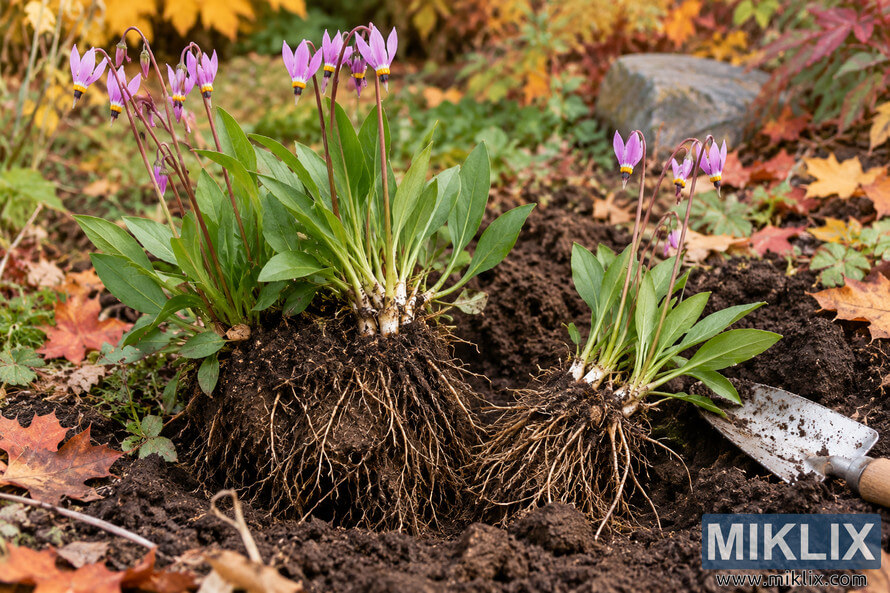
Divide established plants in early fall or just after foliage begins to fade. Lift the root clump carefully and separate healthy sections with roots attached. Replant at the same depth, water well, and label the site.
Click or tap the image for more information and higher resolutions.
Water, Light, Feeding, and the Seasonal Cycle
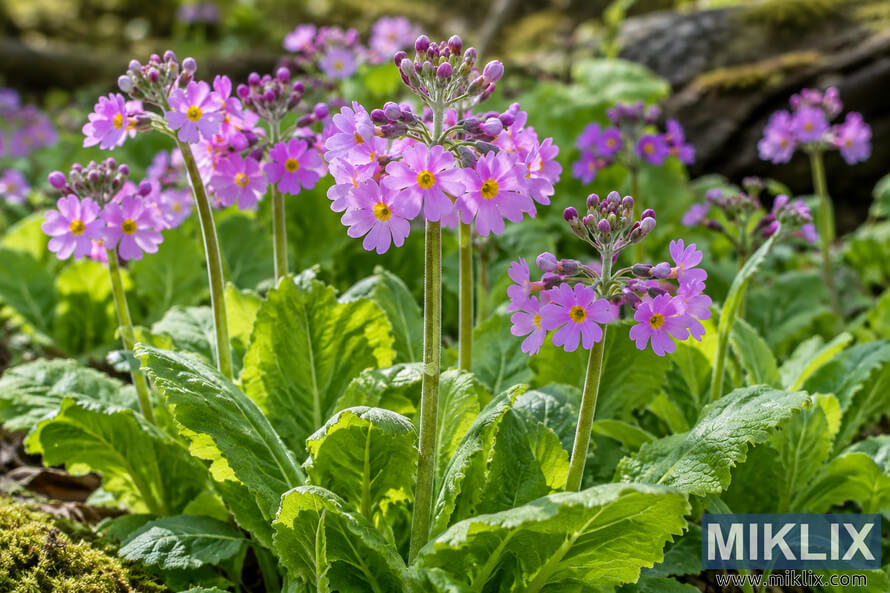
Water new plants when the top inch of soil begins to dry. Deep watering is better than frequent light sprinkling. Once roots settle, natural rainfall may provide enough moisture except during drought.
Click or tap the image for more information and higher resolutions.
Light
Give cool morning light and shelter from harsh afternoon heat. Too much shade can reduce flowers.
Click or tap the image for more information and higher resolutions.
Mulch
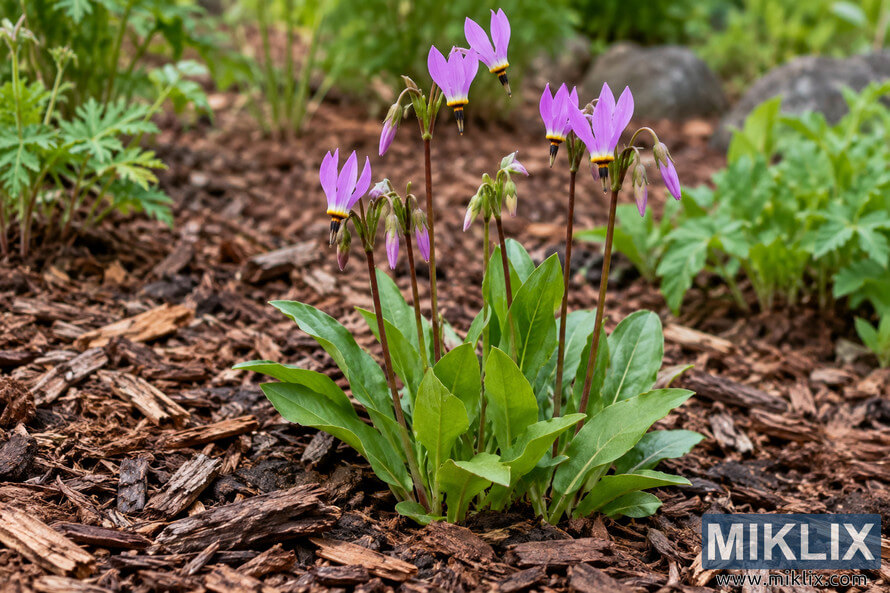
Use a thin layer of shredded leaves. Keep mulch away from the crown to reduce rot.
Click or tap the image for more information and higher resolutions.
Summer dormancy
Let foliage fade naturally. Reduce water, but do not let new divisions dry completely.
Fertilizer is rarely needed. If growth is weak, apply a light layer of compost in fall. Avoid high-nitrogen products, which can produce soft foliage and fewer flowers.
In spring, remove old leaves and watch for flower stems. After bloom, allow seed capsules to mature if you want more plants. Mark the location before the foliage disappears.
Click or tap the image for more information and higher resolutions.
Propagation, Companions, and Naturalistic Garden Design
Seed propagation creates the largest number of plants, but it takes patience. Divisions give faster results when a mature clump is large enough to separate. Both methods work best when the soil is prepared first.
Good companion plants
Choose plants with similar spring moisture needs and a calm growth habit. Woodland phlox, wild geranium, sedges, Jacob’s ladder, and native violets can fill nearby spaces. Short grasses and ferns help keep the bed attractive after shooting star enters dormancy.
For woodland gardens
- Use dappled shade and leaf-based soil.
- Pair with ferns and woodland phlox.
- Leave room for spring foliage.
For prairie edges
- Choose morning sun and open spacing.
- Pair with sedges and short native grasses.
- Protect plants from dense summer growth.
Repeat small groups rather than planting one specimen alone. This makes the bloom more visible and supports a natural look. Keep paths nearby so dormant spaces are not accidentally dug.
Regional conditions matter. In the Ohio Valley and similar areas, spring moisture may be ample. In hotter regions, afternoon shade and careful summer watering are more important.
Click or tap the image for more information and higher resolutions.
Troubleshooting, FAQ, and Final Growing Steps
Why did my plant disappear in summer?
Summer dormancy is normal. The leaves may fade after seed forms. Mark the spot and avoid digging until growth returns in spring.
Why are there no flowers?
Young plants may need time to mature. Excess shade, dry soil, crowded roots, or heavy nitrogen can also reduce bloom. Improve light and drainage before adding fertilizer.
Can I transplant shooting star?
Yes. Transplant in early fall or during cool weather after flowering. Lift the root system with surrounding soil, replant at the original depth, and provide steady moisture while roots recover.
Click or tap the image for more information and higher resolutions.
What pests and diseases should I watch for?
Slugs may damage young leaves in wet weather. Remove hiding places and water at the soil base. Poor drainage can lead to root problems. Improve airflow, reduce excess moisture, and remove damaged foliage.
Click or tap the image for more information and higher resolutions.
When is the best time to plant seed?
Fall is usually best because outdoor cold and moisture support natural germination.
Does shooting star need full sun?
Not always. Morning sun or bright shade is often better, especially in warm regions.
Should I cut back the leaves?
Wait until the foliage fades. Then remove it gently and leave the root area undisturbed.
Click or tap the image for more information and higher resolutions.
With suitable soil, gentle spring light, and respect for dormancy, eastern shooting star can become a reliable part of a native garden. Let the plant follow its natural rhythm, and the delicate flowers will reward patient care.
Further Reading
If you enjoyed this post, you may also like these suggestions:
- Great Blue Lobelia: A Practical Guide to Growing It
- Blood Lily: A Complete Guide to Growing It in Your Own Garden
- Growing Crown Imperial: A Complete Garden Guide