
Growing Powder Puff: A Practical Garden Guide
Published: October 26, 2026 at 6:12:14 PM UTC
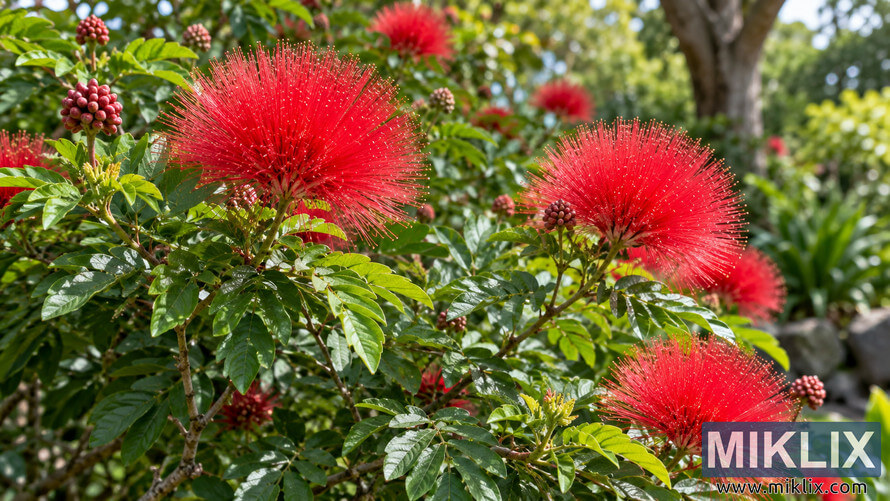
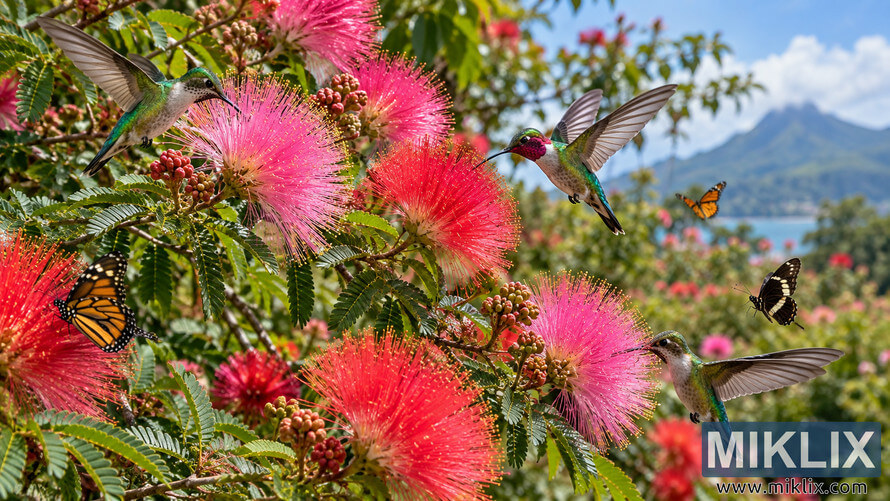
Few small trees create the same instant drama as Powder Puff (Calliandra haematocephala). Its soft, bright red flowers draw hummingbirds and butterflies, while its fine leaves give the garden a light, tropical look. With the right light, soil, and winter plan, even a beginner can grow this striking plant.
Click or tap the image for more information and higher resolutions.
Know the Plant Before You Plant
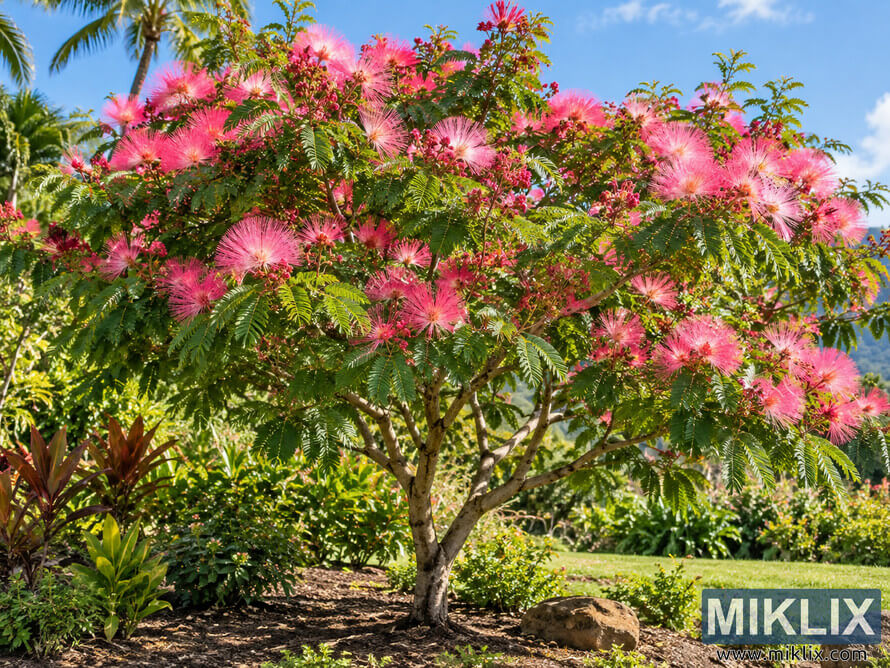
Calliandra haematocephala is a tropical to subtropical shrub or small tree. In warm climates, it may reach 10 to 15 feet tall and spread nearly as wide. Pruning can keep it lower. In colder areas, gardeners often grow it as a container plant and move it indoors for winter.
Do not confuse it with Calliandra surinamensis. Both have powder-puff flowers, but their flower color and growth habits can differ. Check the plant label before buying. Select a healthy plant with strong stems, even leaves, and no visible pests.
Click or tap the image for more information and higher resolutions.
| Need | Best condition | Practical note |
| Climate | USDA Zones 9–11 | Protect from frost and cold wind. |
| Light | 6–8 hours of sun | Afternoon shade helps in extreme heat. |
| Soil | Loose, fertile, well-drained soil | Avoid a site that stays wet. |
| Mature height | About 10–15 feet | Allow room for width and pruning. |
Click or tap the image for more information and higher resolutions.
Planting, Light, Soil, and Water
Plant in spring after the danger of frost has passed. Choose a location with full sun and protection from strong wind. Morning sun is useful in hot regions, but deep shade will reduce growth and flowers.
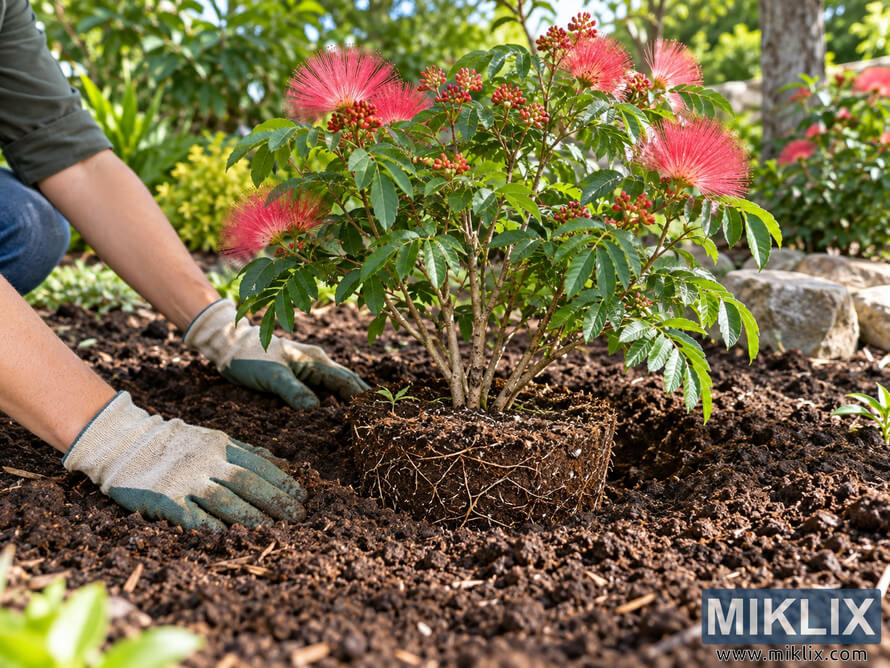
Test the soil before planting. Powder Puff prefers a slightly acidic to neutral mix that drains quickly. Dig a hole twice as wide as the root ball and no deeper than its original container. Set the plant so the top of the roots sits level with the surrounding soil. Backfill with the native soil, then water slowly.
- Clear grass and weeds from a planting area at least three feet wide.
- Loosen compact soil without creating a deep pocket.
- Set the root ball level with the ground.
- Water until the root zone is evenly moist.
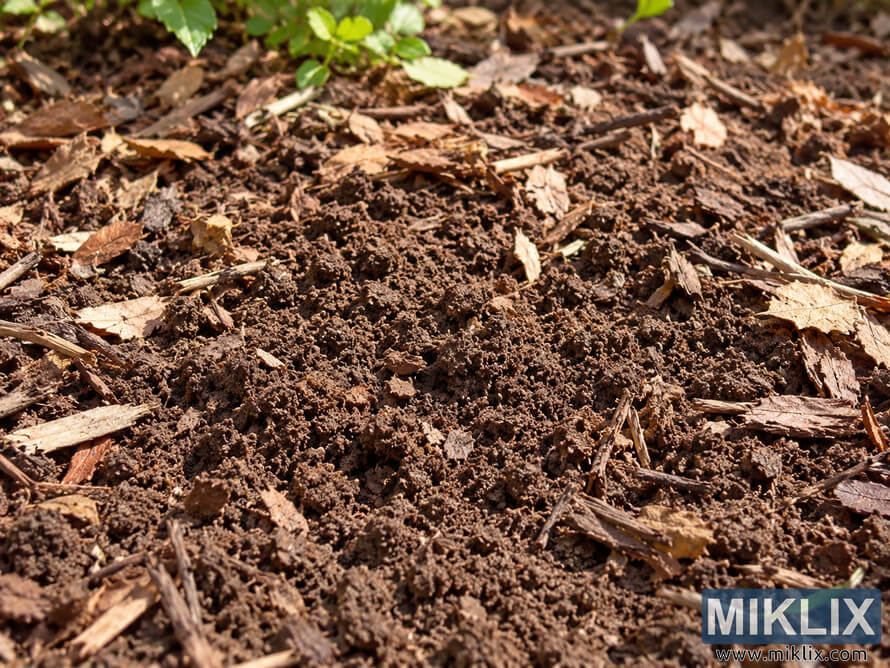
- Add a thin mulch layer, keeping it away from the trunk.
- Water new plants when the top inch of soil feels dry. After establishment, provide deep water during dry summer weather. Do not water on a fixed schedule if rain has kept the soil wet. Poor drainage can lead to yellow leaves and root problems.
Planting depth
Keep the root crown level with the soil surface.
Click or tap the image for more information and higher resolutions.
Mulch
A light layer helps hold moisture and reduce weeds.
Click or tap the image for more information and higher resolutions.
Light
Provide several hours of direct light for strong growth.
Click or tap the image for more information and higher resolutions.
Feeding, Pruning, Flowers, and Propagation
Feed Powder Puff in spring and again in early summer if growth is weak. Use a balanced slow-release fertilizer and follow the product label. Avoid heavy feeding late in the year, especially when the plant will face cool weather.
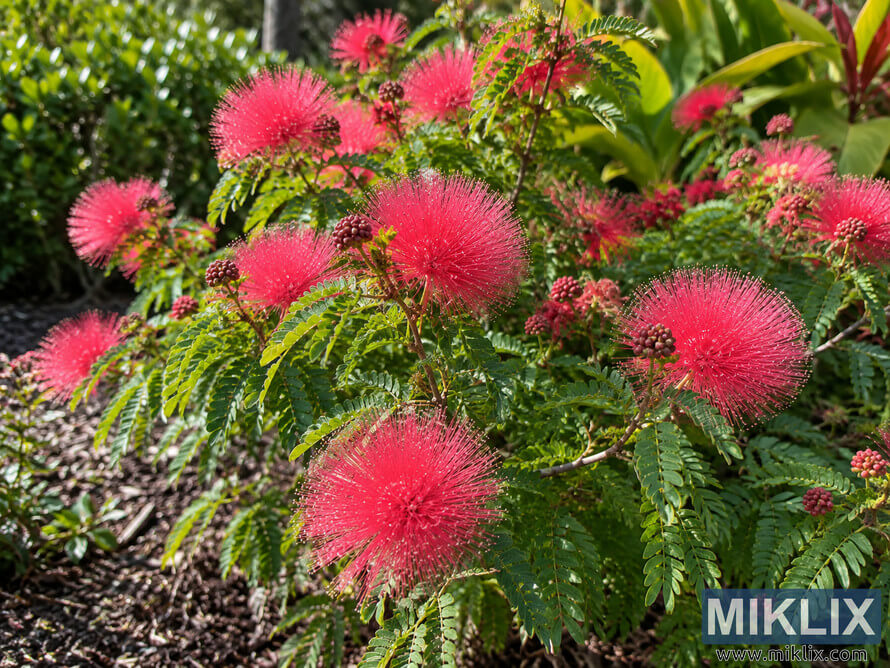
Flowers may appear from spring through summer, with timing shaped by light, temperature, and moisture. A plant with many leaves but few blooms may need more sun. Excess nitrogen can also produce leaves at the expense of flowers.
Prune after a flowering period or in early spring. Remove dead, crossing, or damaged branches first. Then shorten long stems to improve shape. Do not remove more than one-third of the canopy at one time. Sterilize tools between plants.
Propagation is possible from semi-ripe cuttings. Take a healthy cutting during the warm growth period, remove the lower leaves, and place it in a clean, damp rooting mix. Keep the container warm in bright indirect light. High humidity can help, but the mix must not stay soggy.
Container Growing and Winter Protection
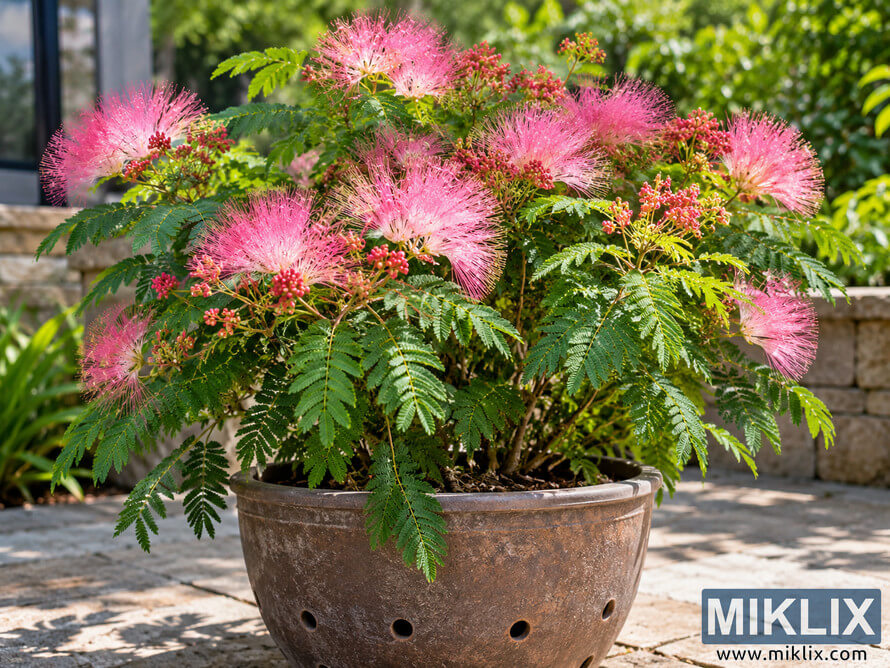
A container is useful in Zones 8 and colder, or anywhere frost is common. Choose a pot with drainage holes that is only a little larger than the root ball. Use a quality potting mix rather than heavy garden soil. A mix made for tropical plants can support drainage while holding enough moisture.
Place the container where it receives strong light. Water when the upper layer begins to dry, then empty the saucer. During active spring and summer growth, water needs may rise. Reduce watering in winter, but do not let the roots dry for long periods.
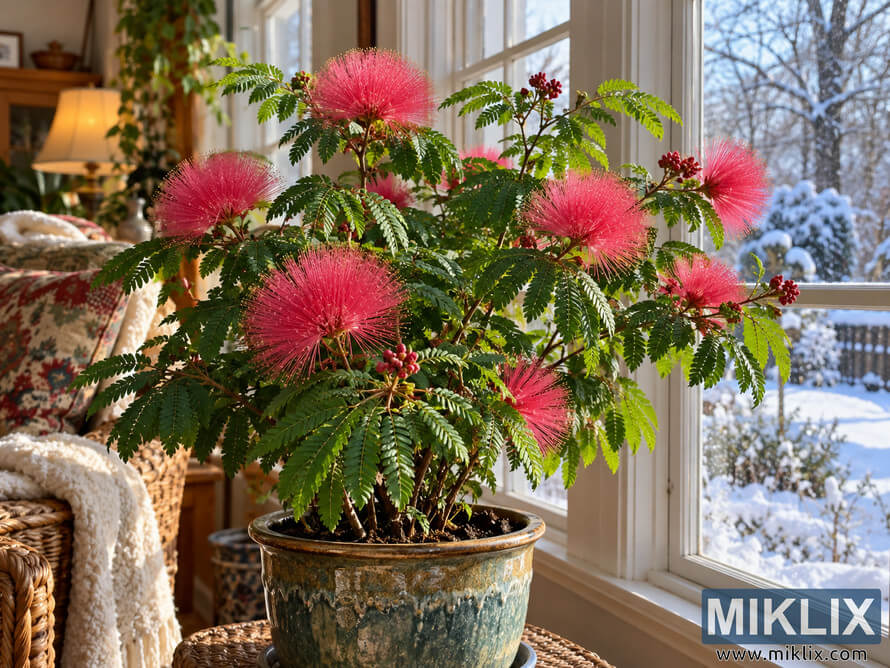
Move the plant indoors before nighttime temperatures approach 45°F. Inspect leaves and stems for pests first. Keep the plant near a bright window, away from heating vents. Some leaf drop can occur as light and humidity change.
Click or tap the image for more information and higher resolutions.
Click or tap the image for more information and higher resolutions.
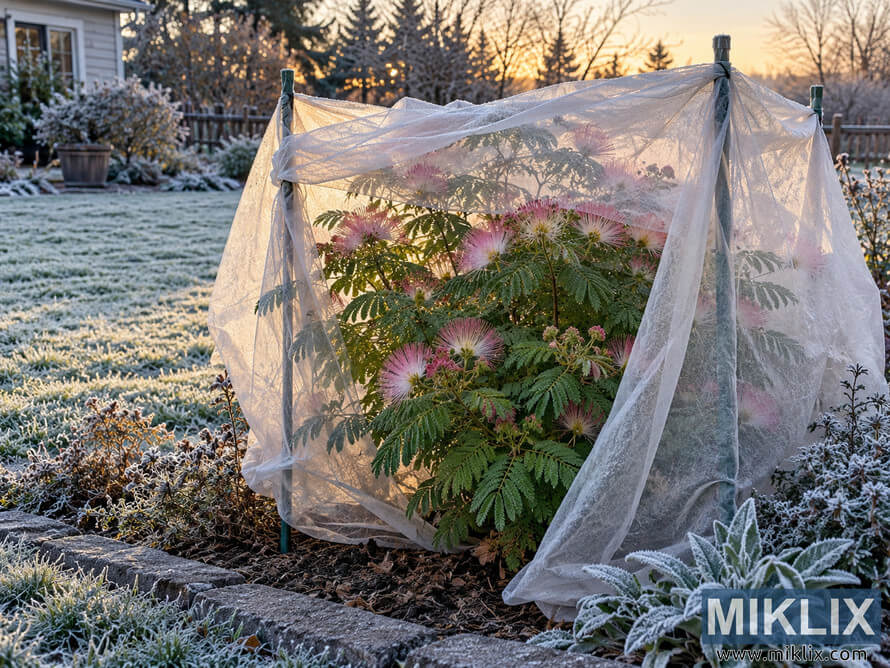
Click or tap the image for more information and higher resolutions.
Seasonal Care, Problems, and Safe Placement
In early spring, inspect for winter damage, prune lightly, refresh mulch, and begin regular watering as growth starts. In spring and summer, check soil moisture, watch for pests, and remove faded flowers. In fall, reduce fertilizer and prepare container plants for indoor space. In winter, give maximum available light and less water.
Common pests include scale, spider mites, and whiteflies. Look beneath leaves and along young stems. A strong water spray can remove small infestations. For larger problems, use a labeled horticultural oil or insecticidal soap, applying it only as directed and not during intense heat.
Yellow leaves often point to wet soil, poor drainage, sudden change, or low light. Brown edges may signal dry roots, low humidity, or hot wind. If flowering is poor, improve direct light and avoid excess nitrogen. If stems soften at the base, inspect for root trouble and correct drainage quickly.
Place Powder Puff away from narrow paths, utility lines, and structures. Allow its mature width to develop. Check local guidance before planting near roads or shared property. Keep fallen plant material and fertilizer away from children and pets, and label any treatment used in the garden.
Quick troubleshooting check
- Yellow leaves: check wet soil and drainage first.
- No flowers: measure direct light before adding fertilizer.
- Leaf pests: inspect the underside of leaves each week.
- Winter damage: move containers inside before frost.
Further Reading
If you enjoyed this post, you may also like these suggestions:
- Growing Black Calla: A Practical Garden Guide
- A Guide to the Most Beautiful Varieties of Black-Eyed Susan to Grow in Your Garden
- A Complete Guide to Growing Doll's Eyes in Your Own Garden