
Growing Prairie Smoke: A Complete Garden Guide
Published: October 28, 2026 at 9:55:03 PM UTC
Growing Prairie Smoke (Geum triflorum) gives a sunny garden soft color, fine texture, and a striking seed display. This native perennial is tough once established, yet it needs the right soil and water from the start.
Click or tap the image for more information and higher resolutions.
Its nodding flowers appear above low foliage. Later, feathery seed heads catch the light and look like drifting smoke. Use this guide to choose a site, plant nursery stock, raise plants from seed, and support local biodiversity.
What Prairie Smoke Is and Why Gardeners Grow It
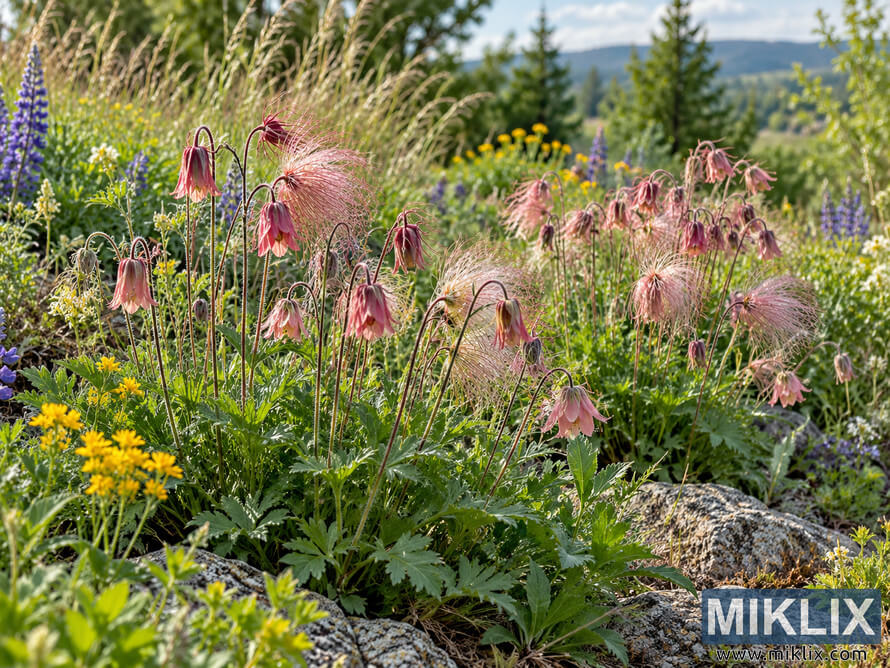
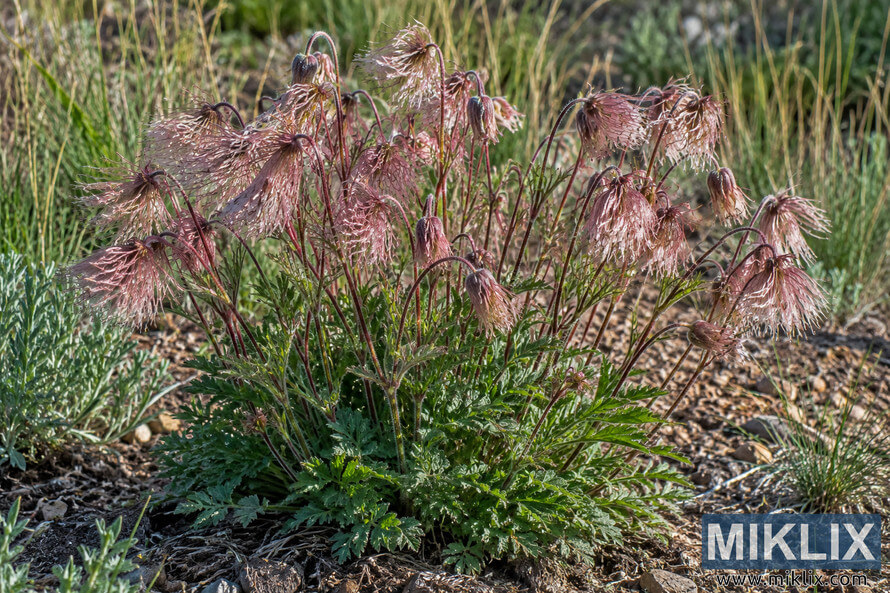
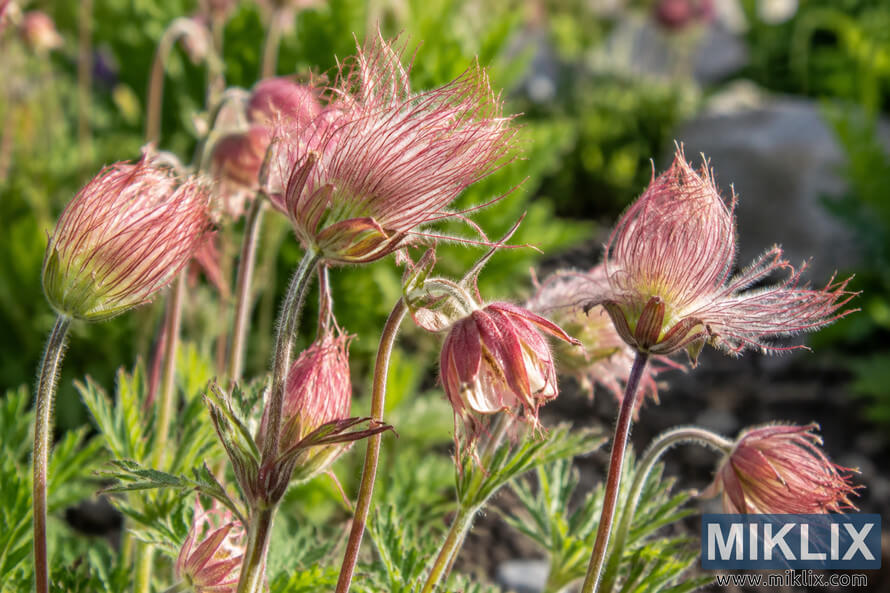
Prairie smoke is the common name for Geum triflorum, a member of the rose family. Its botanical name is often written as geum triflorum. The plant forms a low clump of divided foliage and flower stems. Its flowers usually nod downward, with pink, mauve, or reddish tones.
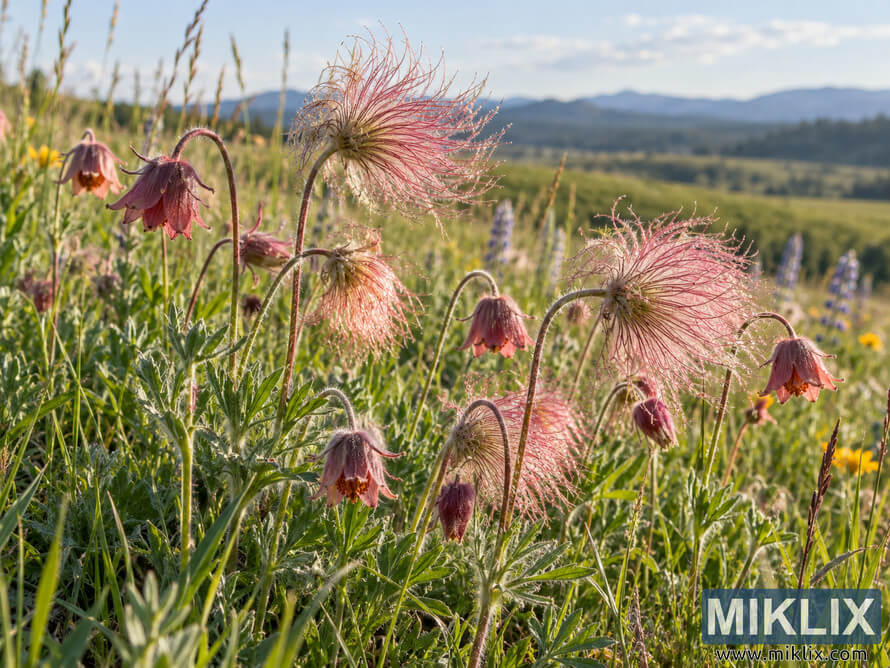
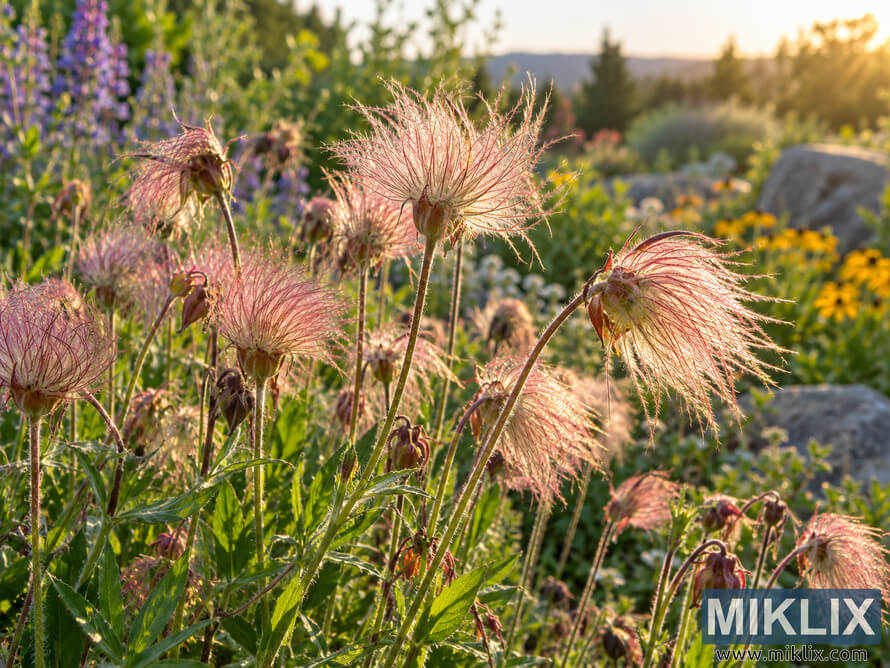
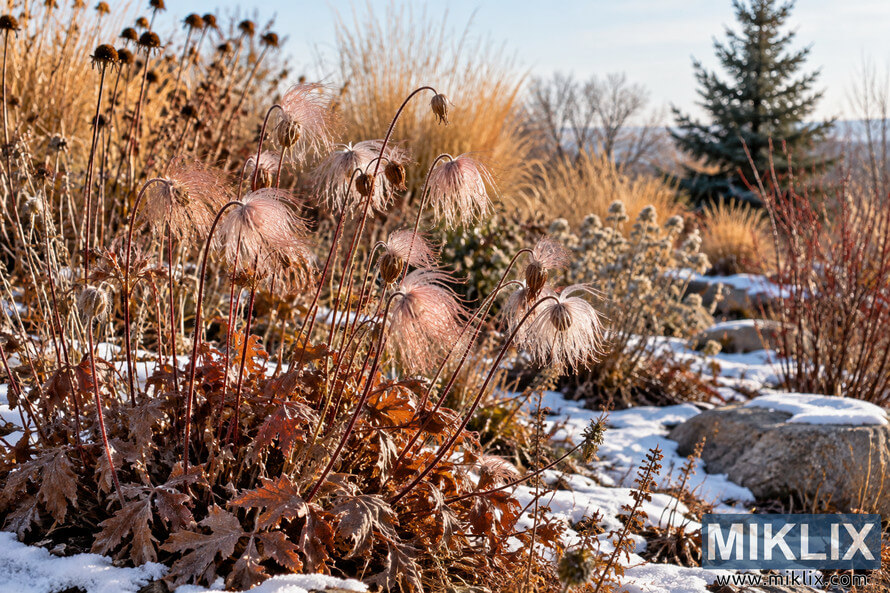
After bloom, the flowers become airy seed heads. Each head has long, feathery styles. These heads look like smoke floating above the plant, which explains the common name. They add interest well after the main flower season ends.
In nature, prairie smoke grows in dry prairies, open woods, rocky slopes, and other well-drained areas of north america. Mature plants are often about 12 to 18 inches tall and 12 to 18 inches wide. Size can vary with climate and soil.
This native perennial is generally hardy in USDA Zones 3 through 7. It helps native bees and other pollinators during spring. It also adds food and shelter value to a mixed native planting. Its neat form suits rock gardens, prairie borders, pollinator beds, and low-maintenance landscape areas.
Click or tap the image for more information and higher resolutions.
Choose the Right Site, Soil, and Companions
Choose a site with full sun for the strongest growth and best flowers. Prairie smoke can tolerate light shade, especially in hot areas, but deep shade often causes weak stems and fewer flowers. Aim for at least six hours of direct sun.
Drainage matters more than rich soil. The plant prefers lean, gritty, or sandy soil that does not stay wet. Rocky soil can work well. Heavy clay is a poor choice unless you improve drainage with a raised bed or a sloped planting area. Do not place prairie smoke where water collects after rain.
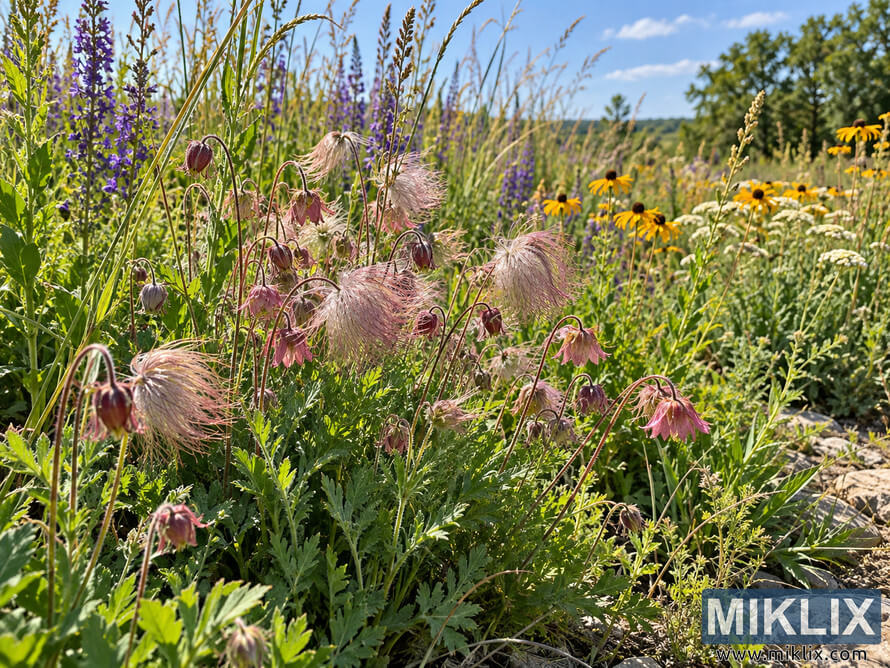
Space plants about 12 to 18 inches apart. This gives each clump room to expand and allows air to move around the foliage. Good companions include little bluestem, prairie dropseed, blazing star, penstemon, yarrow, and other native plants with similar dry-site needs.
- Choose full sun or bright, open shade.
- Test drainage before planting.
- Avoid rich, constantly moist soil.
- Pair it with plants that accept dry conditions.
Click or tap the image for more information and higher resolutions.
How to Plant Nursery-Grown Prairie Smoke
Plant nursery-grown plants in early spring or early fall. Early spring planting gives roots time to settle before summer heat. Fall planting works well where the ground remains workable for several weeks.
- Water the nursery container a few hours before planting.
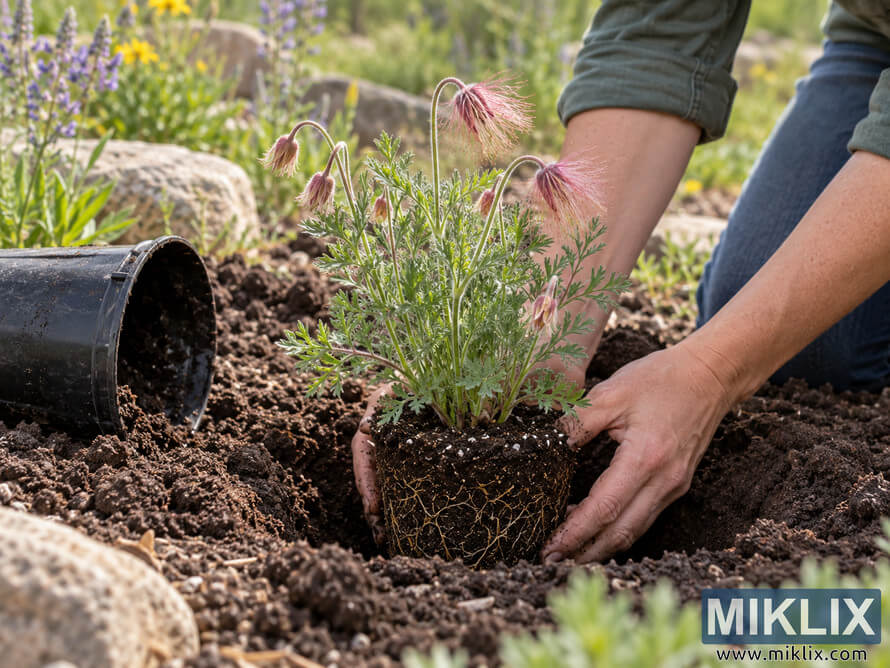
- Dig a hole slightly wider than the root ball and no deeper than its original soil level.
- Set the plant with the crown level with the surrounding soil.
- Backfill with the existing soil. Avoid adding a pocket of rich compost.
- Water slowly to settle the roots, then add a thin mulch layer.
- Keep mulch away from the crown. A thick, wet layer can trap moisture and encourage rot. During the first growing season, water when the upper soil begins to dry. After roots spread, reduce irrigation and let the soil dry between deep waterings.
- Do not fertilize at planting unless a soil test shows a clear deficiency. Too much fertilizer can create soft growth and fewer flowers. Prairie smoke usually performs best when it is not pushed.
Click or tap the image for more information and higher resolutions.
Grow Prairie Smoke From Seed
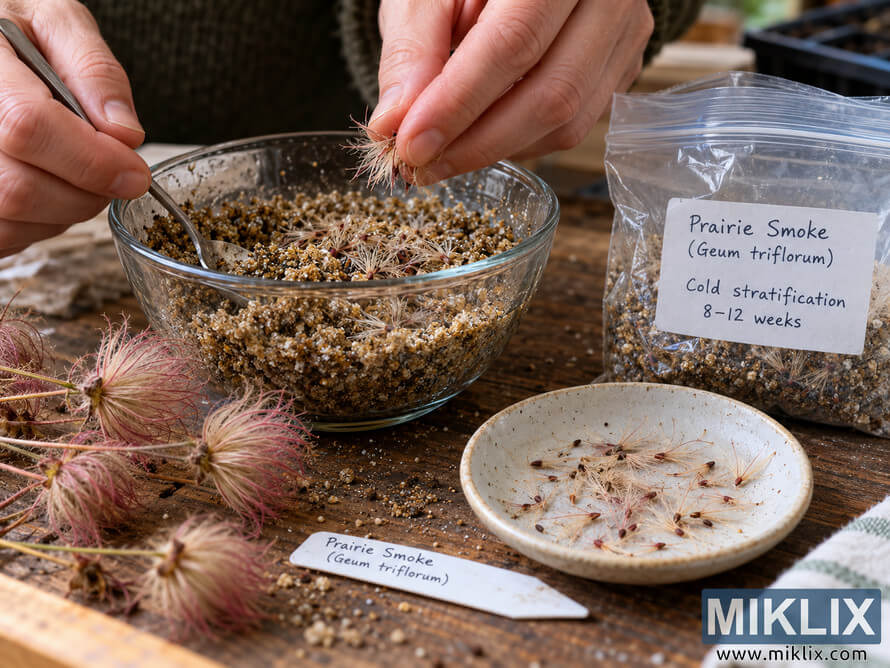
Seed propagation takes patience, but it is an affordable way to grow several plants. Collect mature seed heads in late summer or fall when the feathery styles are dry. Place the heads in a paper bag and allow them to finish drying. Store clean seeds in a cool, dry place.
Prairie smoke seeds may have dormancy that slows germination. Cold, moist stratification often improves results. Mix seeds with slightly damp, sterile medium in a labeled bag. Chill them in a refrigerator for several weeks. Keep the medium damp, not wet, and check it often for mold.
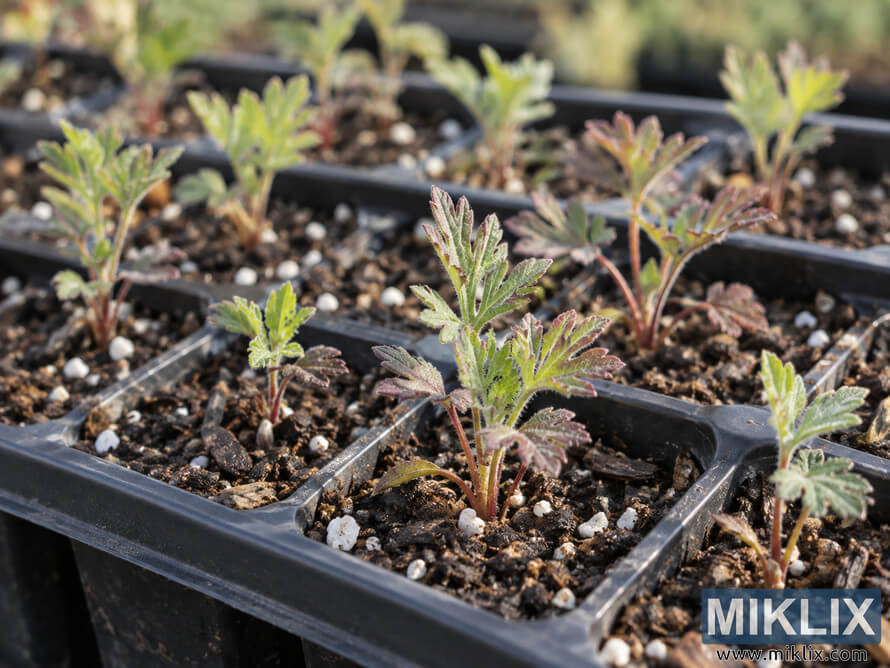
Sow treated seed in late fall outdoors or in trays in late winter. Press seeds onto the surface and cover them only lightly. Light can help some seeds germinate. Keep trays evenly moist in bright light. Germination may be uneven and can take several weeks or longer.
When seedlings have several true leaves, move them into small pots. Harden them off before transplanting. Set young plants outdoors for a short time each day, gradually increasing exposure over one to two weeks. Plant them in the garden after severe frost risk has passed.
Click or tap the image for more information and higher resolutions.
Click or tap the image for more information and higher resolutions.
Routine Care Through the Growing Year
Water new plants deeply when the top inch of soil dries. In summer, established prairie smoke usually needs little supplemental water except during prolonged drought. One deep watering is better than frequent shallow splashes.
Skip routine fertilizer. If growth is poor, test the soil before adding nutrients. A light, open mulch of gravel or leaf mold can reduce weeds without keeping the crown wet. Remove competing weeds by hand during the first year.
After flowering, leave the seed heads for visual interest and wildlife value. Cut back tired foliage in late fall or early spring. Avoid cutting too early if birds use the area or if the plant still looks attractive.
Established clumps can be divided in early spring or early fall. Lift the plant carefully, separate healthy sections with roots attached, and replant them at the original depth. Water divisions until they show new growth.
Click or tap the image for more information and higher resolutions.
Seasonal Care and Common Problems
Spring
New foliage appears in early spring. Remove winter debris, check drainage, and water new plants during dry weeks.
Summer
Flowers fade into seed heads. Reduce irrigation once roots are established and watch for stress during heat waves.
Fall and winter
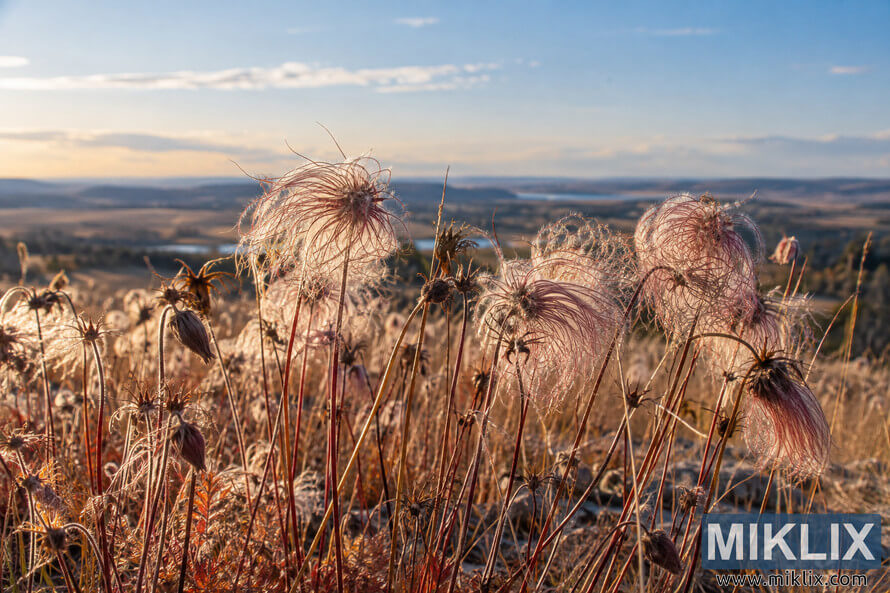
Leave useful seed heads in fall. In winter, avoid wet mulch and let snow provide natural protection.
Click or tap the image for more information and higher resolutions.
Fix weak growth, poor flowering, and root problems
Poor flowering often comes from too much shade, rich soil, excess water, or young age. Move plants only during a suitable season, and correct drainage before adding fertilizer. Plants may need two years to settle and flower well.
Root rot is most likely in heavy, wet soil. Reduce irrigation, improve the planting bed, and remove badly damaged roots. Aphids or chewing insects may appear, but healthy plants usually tolerate minor damage. Remove diseased foliage and improve air movement rather than spraying automatically.
Prairie smoke is not generally considered invasive. It grows slowly and is not difficult to control in a normal garden. Remove unwanted seedlings while small, and avoid collecting wild plants. Choose nursery-grown native plants to protect natural populations.
Click or tap the image for more information and higher resolutions.
FAQ About Growing Prairie Smoke (Geum triflorum)
Does prairie smoke need full sun?
Full sun is best for compact growth and abundant flowers. Light shade may work, but deep shade can reduce bloom.
How often should I water prairie smoke?
Water regularly during establishment. Later, water deeply only during extended dry periods, allowing the soil to dry between waterings.
What soil does it need?
Use lean, gritty, sandy, or rocky soil with excellent drainage. Avoid heavy soil that stays wet.
Can I grow it from seed?
Yes. Cold, moist stratification may help, and germination can take several weeks or longer. Sow lightly and keep the medium evenly moist.
When does it flower?
Nodding flowers commonly appear in spring, followed by distinctive feathery seed heads that last into summer and fall.
How does it handle winter?
It is hardy in many cold climates when planted in well-drained soil. Avoid wet winter mulch around the crown.
Prairie smoke rewards restraint. Give it sun, drainage, modest water, and time. Its spring flowers support pollinators, while its feathery seed heads extend the garden season. With the right conditions, this native plant can become a durable and beautiful part of a low-input landscape.
Click or tap the image for more information and higher resolutions.
Click or tap the image for more information and higher resolutions.
Further Reading
If you enjoyed this post, you may also like these suggestions:
- A Guide to the Most Beautiful Lavender Varieties to Grow in Your Garden
- A Complete Guide to Growing Green Dragon in Your Own Garden
- Growing Dragon Arum: A Complete Garden Guide