
Growing Shooting Star: A Practical Garden Guide
Published: November 17, 2026 at 7:21:12 PM UTC
Growing Shooting Star (Primula meadia) can bring a quiet woodland wildflower into your garden. Its nodding, swept-back petals appear in spring, then the plant rests below ground for part of the year. Give it the right moisture, light, and soil, and this native species can return for many seasons.
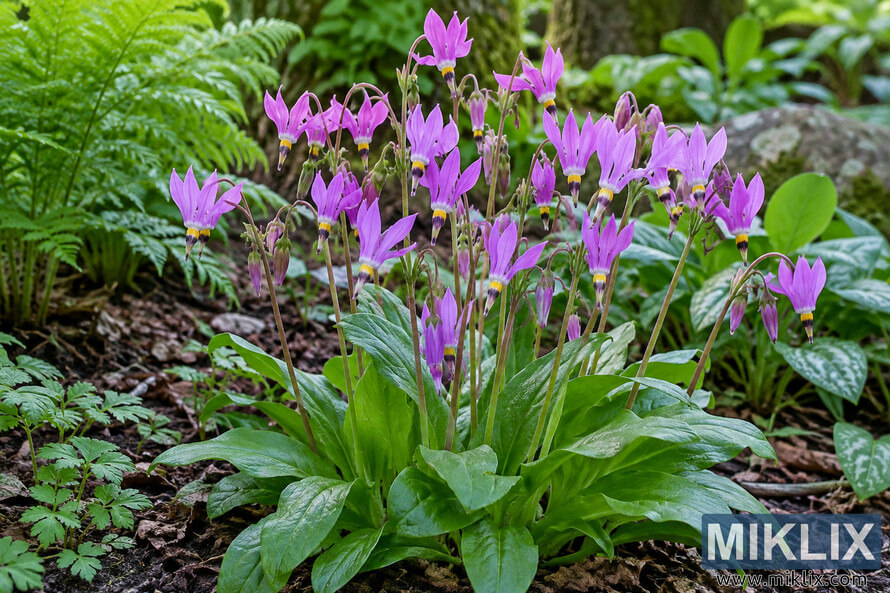
Click or tap the image for more information and higher resolutions.
The plant is also widely known by its older botanical name, Dodecatheon meadia. Both names refer to the same striking native wildflower.
What Top Resources Do Well—and Where Your Guide Can Improve
The leading resources serve an educational purpose. Wisconsin Extension explains identification and culture in a university-led format. NC State presents a concise plant profile with dependable botanical information. Pennsylvania Natural Heritage emphasizes native range, habitat, and conservation value.
These pages speak to B2C readers who may be discovering the plant for the first time. Their visitors are usually cold or warm information seekers, not ready-to-buy customers. The pages do not depend on aggressive buttons, product offers, or contact forms.
Authority CTA
Trust grows through facts, references, and clear species information. This approach suits readers who want verification.
Practical CTA
A checklist can turn research into action. It should appear after the core growing requirements.
Best tone
Use a calm, helpful voice. Native-plant gardeners respond better to guidance than pressure.
Know the Shooting Star Before You Plant
Shooting star is a herbaceous perennial in the primrose family. A low rosette of green leaves forms at the base. Several flower stems rise above it, often reaching about 12 to 24 inches. Each stem ends in an umbel of flowers.
The petals bend backward like a falling star. Colors may range from white to pink, with yellow or purple details near the base. The flowers attract bumblebees and other bees. Their unusual shape helps make the plant valuable in a native garden.
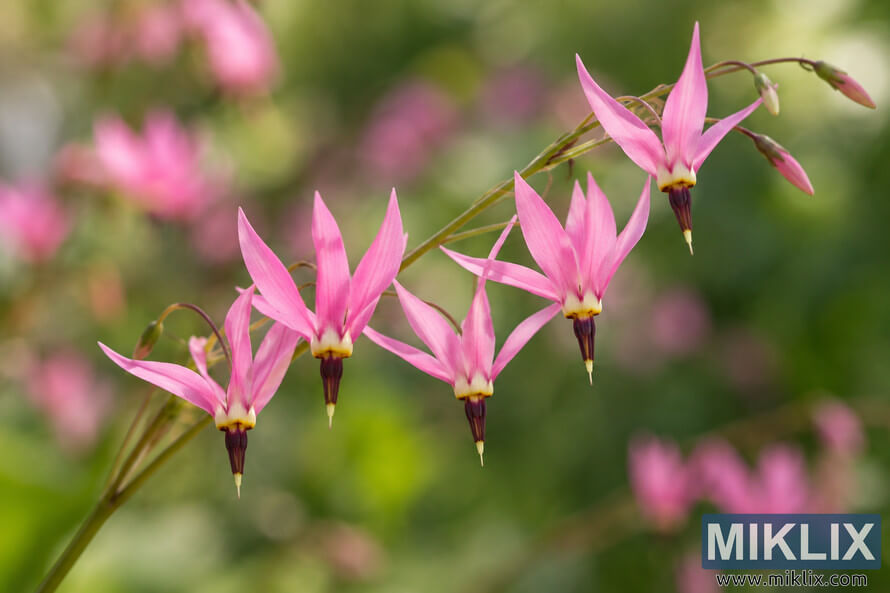
Click or tap the image for more information and higher resolutions.
Natural habitat and range
This wildflower occurs in parts of eastern and central North America. It grows in open woods, woodland edges, prairies, rocky slopes, and moist meadows. In a garden, it works well with other spring ephemerals.
Growth cycle
Leaves and flowers appear in spring. After pollen is moved and seed capsules mature, the foliage fades. Dormancy is normal. Do not remove the plant because its leaves disappear in early summer.
The base rosette is easiest to see before bloom. Mark its location so later garden work does not disturb the dormant crown.
Site, Soil, Light, and Planting Requirements
Select a place that feels like a woodland edge or open prairie rather than a dry, exposed bed.
Choose the right light
Light shade or dappled shade is usually best. Morning sun with afternoon shade can work if the soil stays moist. In cooler areas, the plant may accept more sun. Hot afternoon exposure can dry the leaves and shorten bloom time.
Prepare loose, rich soil
Use soil that drains well but does not dry quickly. Add leaf mold or finished compost to improve structure. Avoid heavy, waterlogged clay and very dry sand. The crown should sit at the same depth it had in its container or nursery bed.
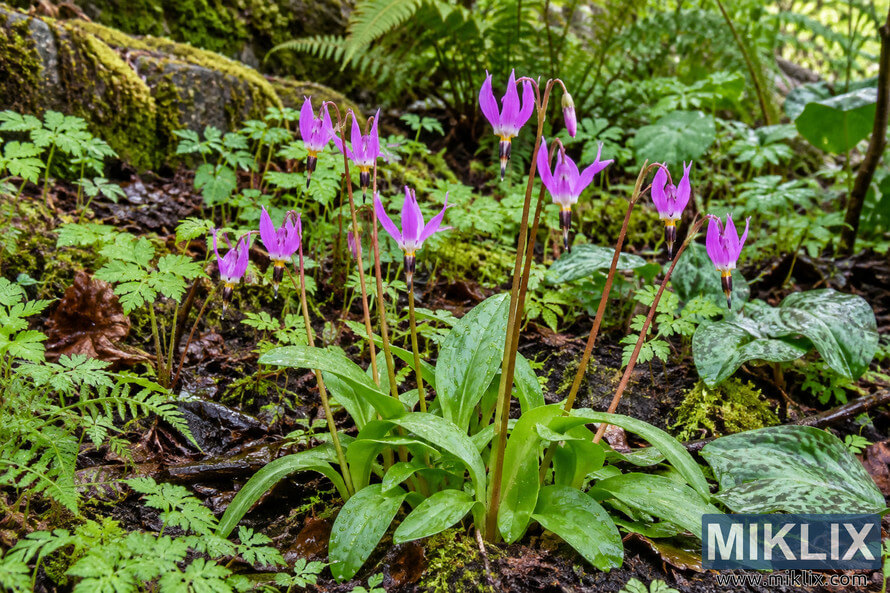
Click or tap the image for more information and higher resolutions.
Plant at the right time
Plant nursery specimens in spring or early fall. Water the root zone before planting. Dig a hole slightly wider than the roots. Set the plant level, backfill gently, and add a thin mulch layer. Keep mulch away from the crown.
Planting checklist
- Choose light or dappled shade.
- Provide moist, well-drained soil.
- Keep the crown at its original depth.
- Water slowly after planting.
- Label the site for summer dormancy.
Handle the roots carefully. Small nursery plants may need a full season to settle before flowering strongly.
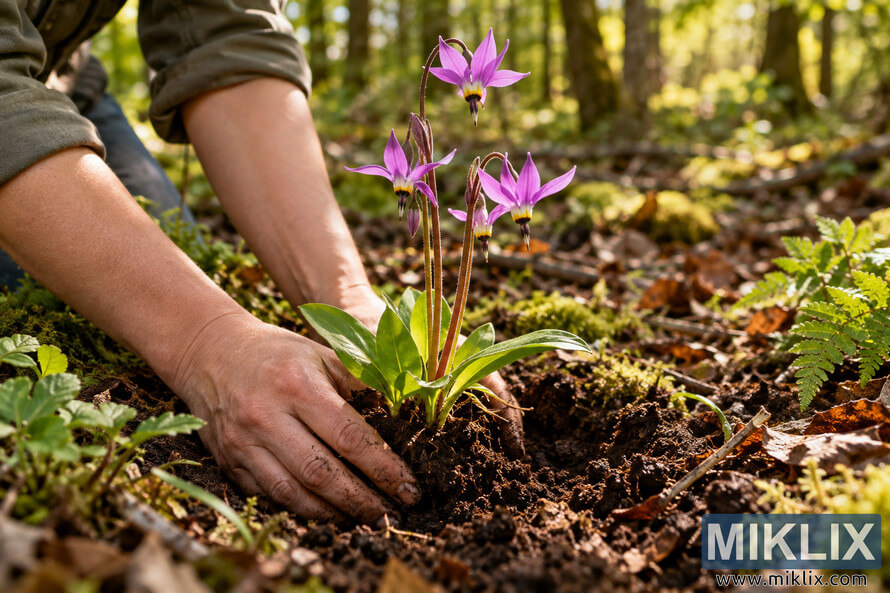
Click or tap the image for more information and higher resolutions.
Watering, Feeding, and Seasonal Maintenance
Water for steady moisture
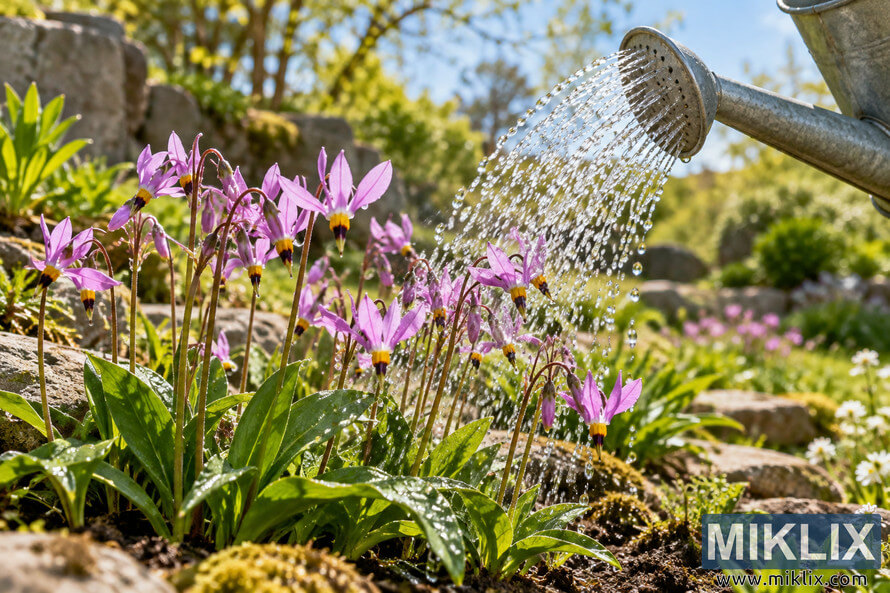
Water newly planted specimens when the top inch of soil begins to dry. During spring growth, steady moisture supports leaves, stems, and flowers. Do not keep the bed saturated. Standing water can damage roots.
A thin layer of leaf mulch helps hold moisture and keeps the root zone cool.
Fertilize lightly
Rich soil usually provides enough food. If growth is weak, apply a small amount of balanced organic fertilizer in early spring. Do not overfeed. Excess nitrogen can produce soft foliage and fewer flowers.
Click or tap the image for more information and higher resolutions.
Respect dormancy
After seed capsules form, leaves may yellow and disappear. Reduce watering as seasonal rain allows, but do not let a new planting become bone dry. Avoid digging, dividing, or relocating the crown while you cannot see it.
Spring
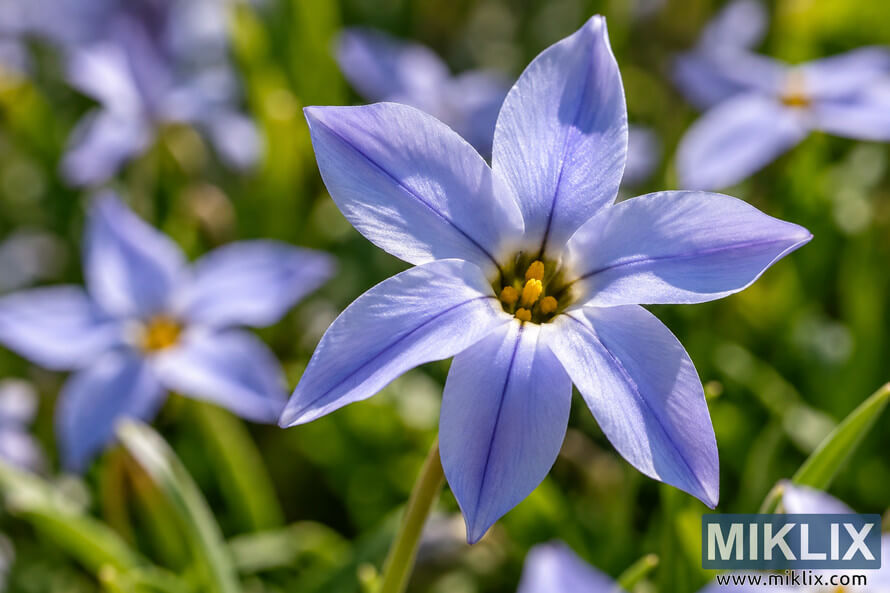
Watch for rosettes, flower stems, and pollinators. Keep competing weeds low.
Click or tap the image for more information and higher resolutions.
Summer
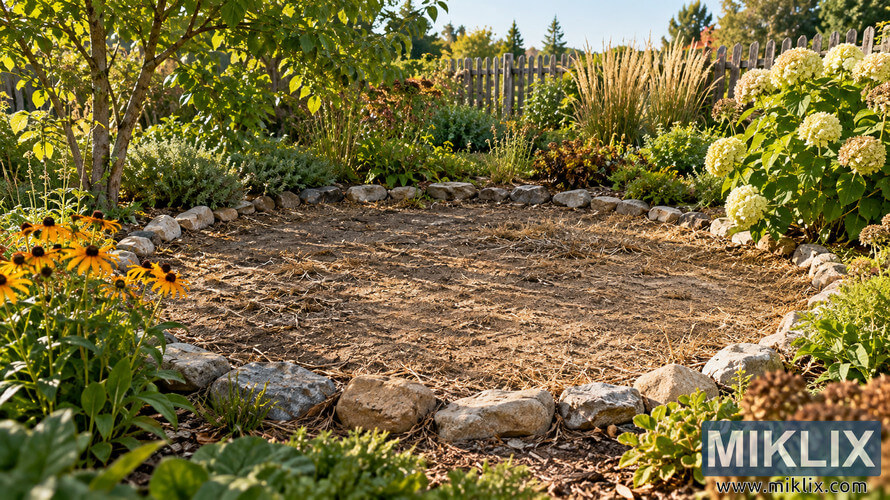
Allow dormancy. Keep the site marked and protect it from deep cultivation.
Click or tap the image for more information and higher resolutions.
Fall
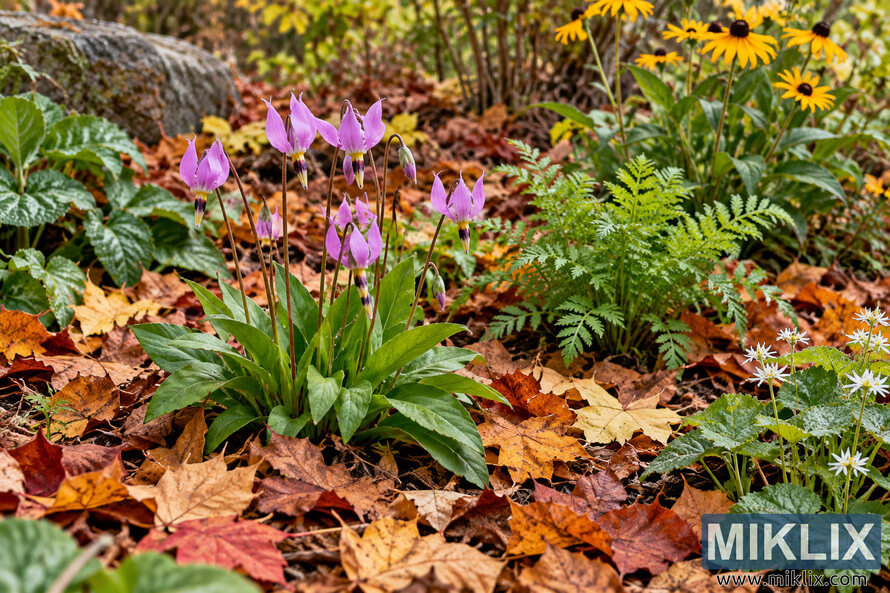
Remove invasive weeds and refresh leaf mulch without covering the crown deeply.
Click or tap the image for more information and higher resolutions.
Propagation, Pests, Diseases, and Common Problems
Grow from seed
Seed is the most natural method. Collect mature capsules when they begin to dry. Sow fresh seed in a prepared outdoor bed or container. Natural winter exposure may help break dormancy. Keep the medium evenly moist, and expect germination to vary.
Seed-grown plants may take time to reach flowering size. Label the container with the species and sowing date.
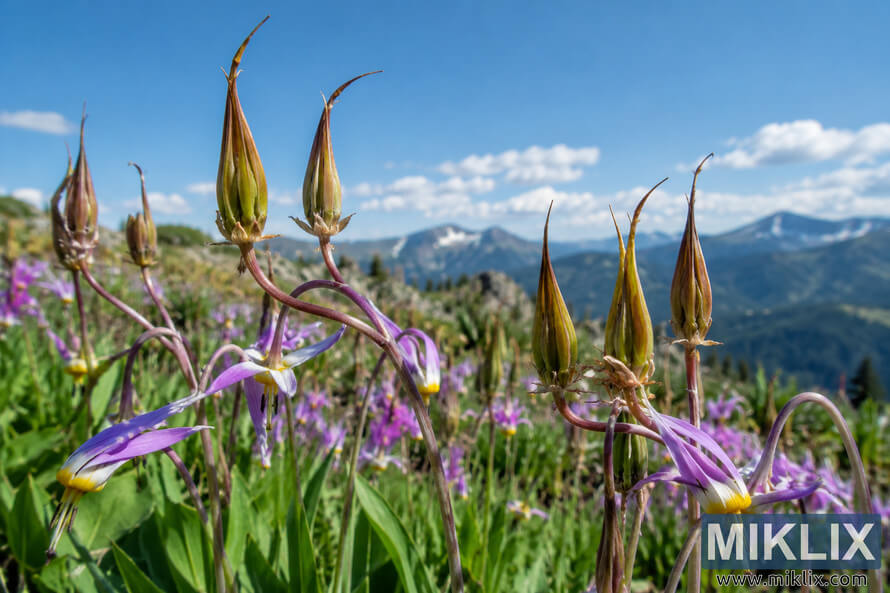
Click or tap the image for more information and higher resolutions.
Divide only when needed
Established clumps can sometimes be divided during early spring growth or shortly after flowering. Lift carefully and keep roots from drying. Replant divisions at once. Because the plant has a seasonal life cycle, division is best done sparingly.
Watch for stress
Few serious pest problems are common when the plant is grown in a suitable site. Slugs may damage young leaves in wet weather. Improve air movement and avoid overhead watering if foliage stays wet. Poor flowering often points to excessive shade, dry soil, young age, or disturbance during dormancy.
Signs of a good site
- Leaves stay firm and green in spring.
- Soil is moist but drains after rain.
- Flowers rise above a healthy rosette.
- Bees visit during bloom time.
Warning signs
- Roots remain in standing water.
- Leaves wilt in cool weather.
- The crown is buried under thick mulch.
- The bed is cultivated during dormancy.
Final Care Plan for a Healthy Plant
Start with a site that offers light shade, rich soil, and reliable moisture. Plant at the correct depth, water during establishment, and mulch lightly with leaf matter. Let the flowers set seed if you want natural spread and habitat value.
The best maintenance is often gentle maintenance. Avoid heavy fertilizer, deep digging, and unnecessary disturbance.
Remember that the common name may appear with Primula meadia or Dodecatheon meadia. When searching for plants, seeds, or references, check both names. With patience, this spring wildflower can become a reliable part of a woodland garden, prairie edge, or native planting.
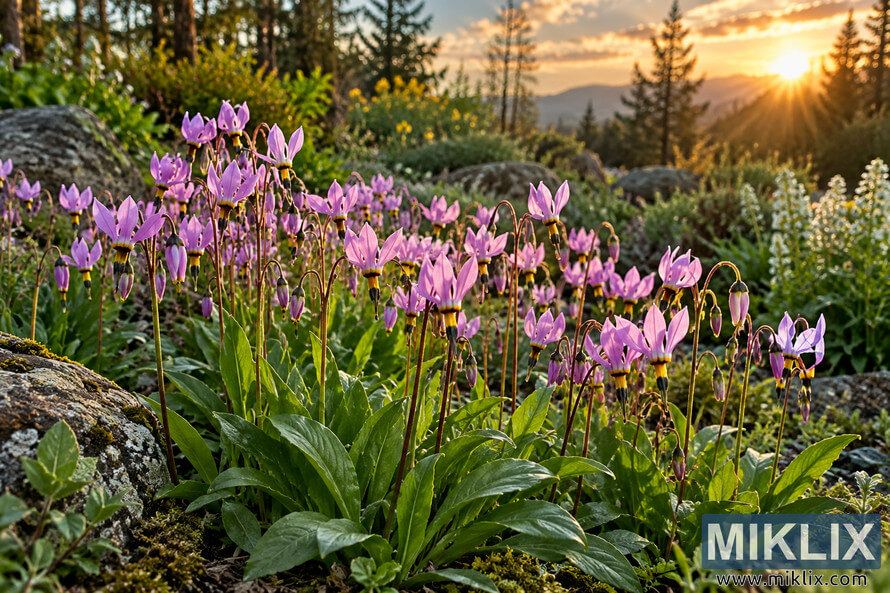
Click or tap the image for more information and higher resolutions.
Further Reading
If you enjoyed this post, you may also like these suggestions:
- A Guide to the Most Beautiful Varieties of Orchids to Grow in Your Garden
- Great Blue Lobelia: A Practical Guide to Growing It
- Blood Lily: A Complete Guide to Growing It in Your Own Garden