
Blood Lily: A Complete Guide to Growing It in Your Own Garden
Published: September 27, 2026 at 8:50:33 AM UTC
The blood lily (Scadoxus multiflorus) brings a remarkable red flower to a warm garden, patio, or greenhouse. With the right soil, light, water, and winter plan, this unusual plant can return for many seasons.
Click or tap the image for more information and higher resolutions.
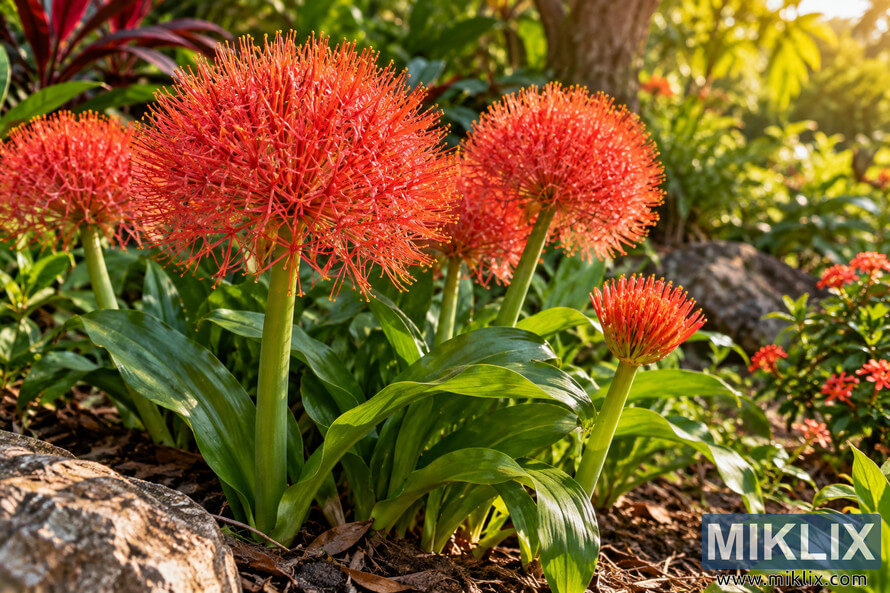
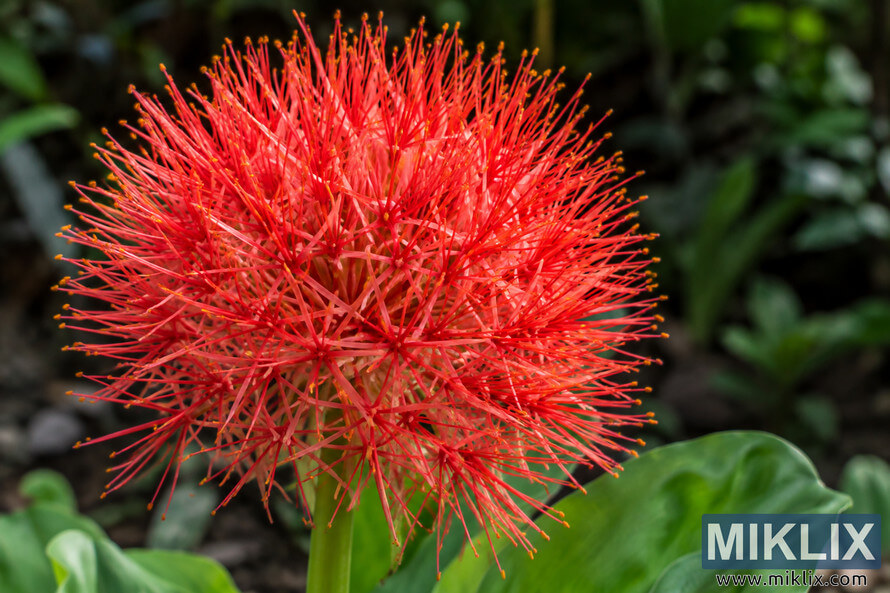
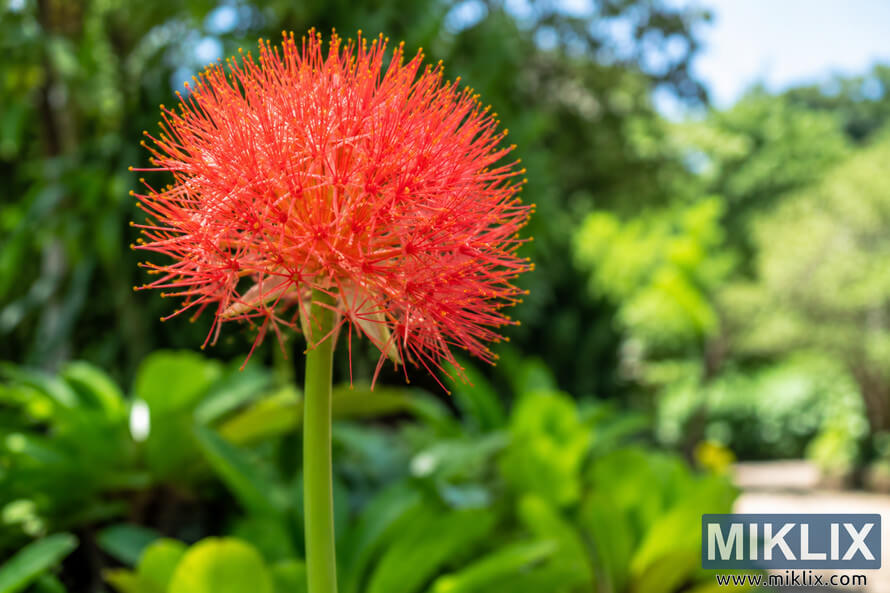
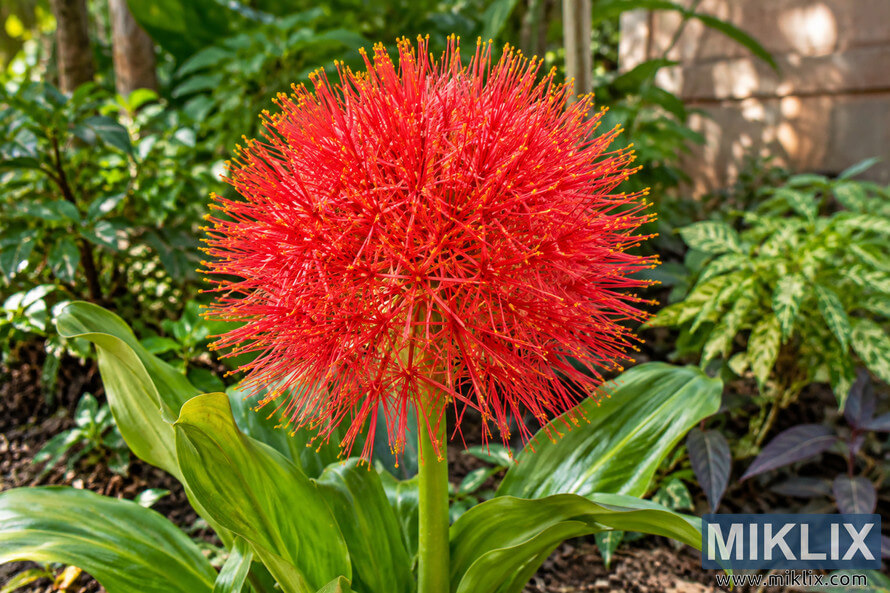
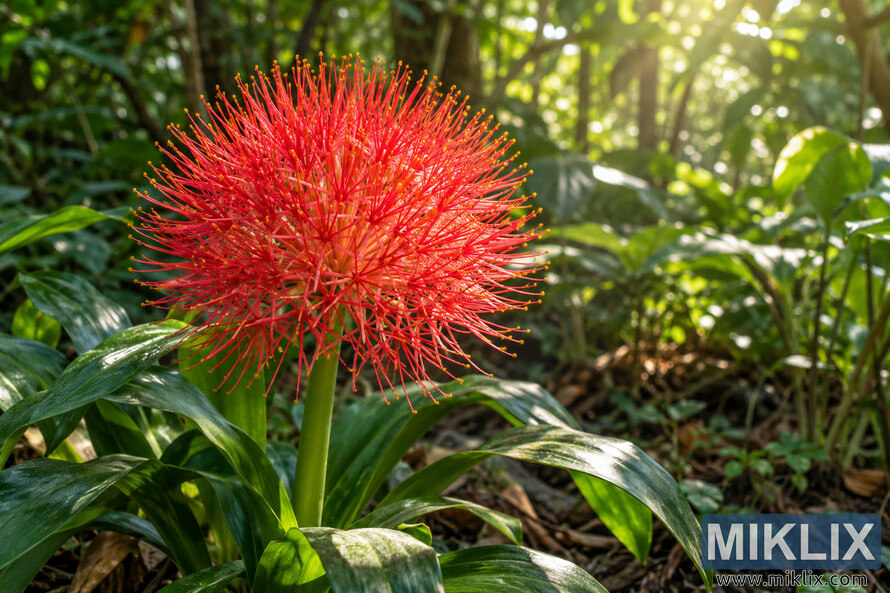
Blood Lily (Scadoxus multiflorus) is a tropical and subtropical bulb plant native to parts of Africa. Its round flower head is made of many narrow red blooms. A sturdy stem often appears before the green leaves.
The plant usually grows during warm, bright weather. Flowering time may fall in mid summer, though local temperature and the plant’s rest period can change the schedule. Flowering height is often about 12 to 24 inches, depending on the variety and growing conditions.
After flowering, green leaves gather energy for the bulb. In cooler or drier conditions, the leaves may fade and the plant may enter dormancy. Do not treat fading leaves as an automatic sign of disease.
Hardiness note: Blood lily is best outdoors year-round only where winters are mild and frost-free. In colder parts of the United States, grow it in a container or lift the bulb before freezing weather.
How to Choose and Plant Healthy Blood Lily Bulbs
Choose a firm, viable bulb
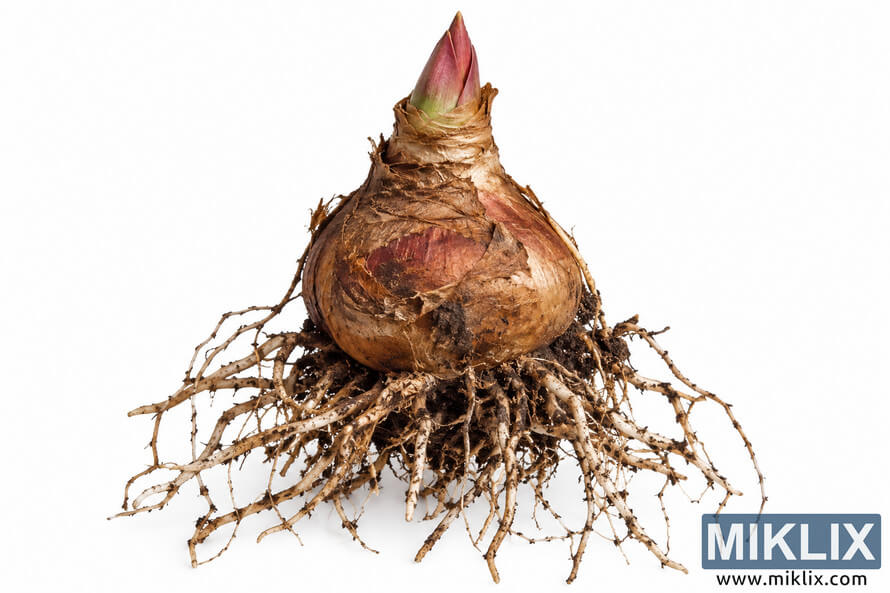
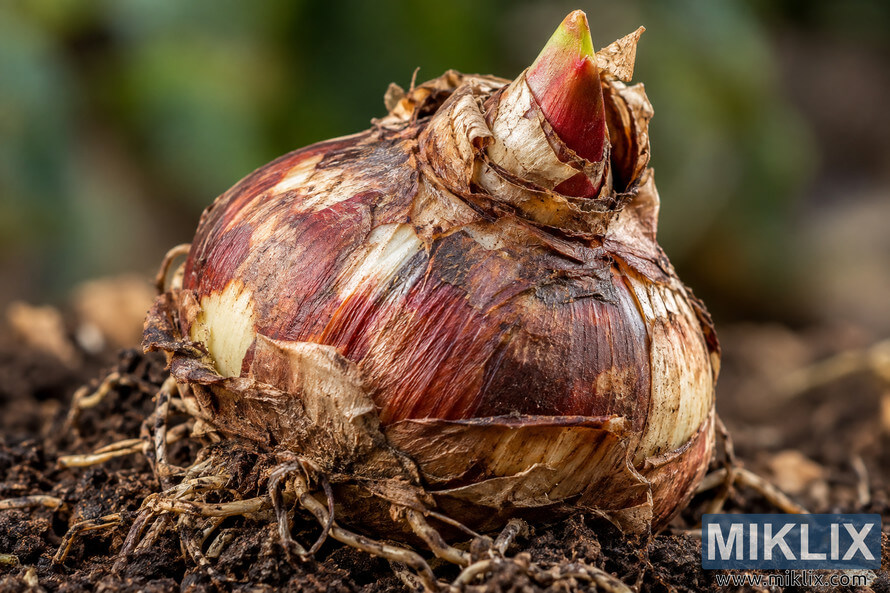
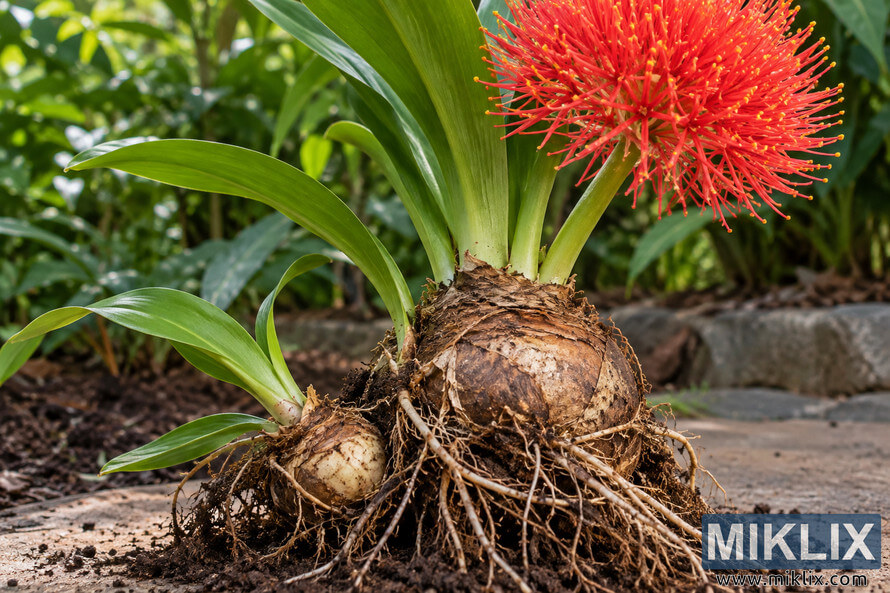
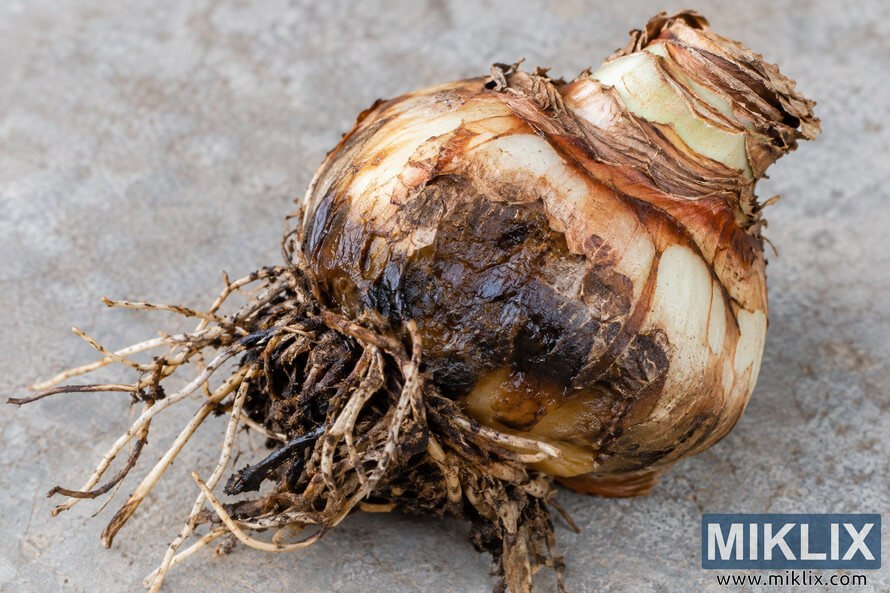
Buy from a reputable seller that explains bulb size, condition, shipping, and planting time. A healthy bulb should feel firm and heavy for its size. Avoid bulbs with a sour smell, soft spots, deep cuts, or spreading rot. Bare root bulbs may look dry, but they should not be collapsing or moldy.
Because the plant is not reliably hardy in many US regions, check the seller’s shipping window. Planting in spring is usually safer after frost has passed. A top bulb can still fail if it is planted in cold, waterlogged soil.
Click or tap the image for more information and higher resolutions.
Plant at the correct depth
Click or tap the image for more information and higher resolutions.
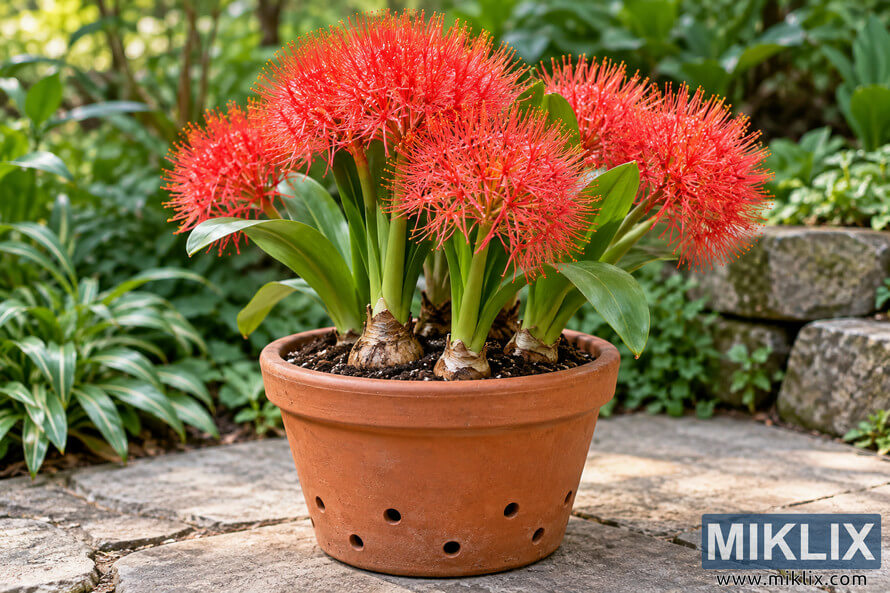
Choose a pot with drainage holes or a garden bed that never stays soggy.
Click or tap the image for more information and higher resolutions.
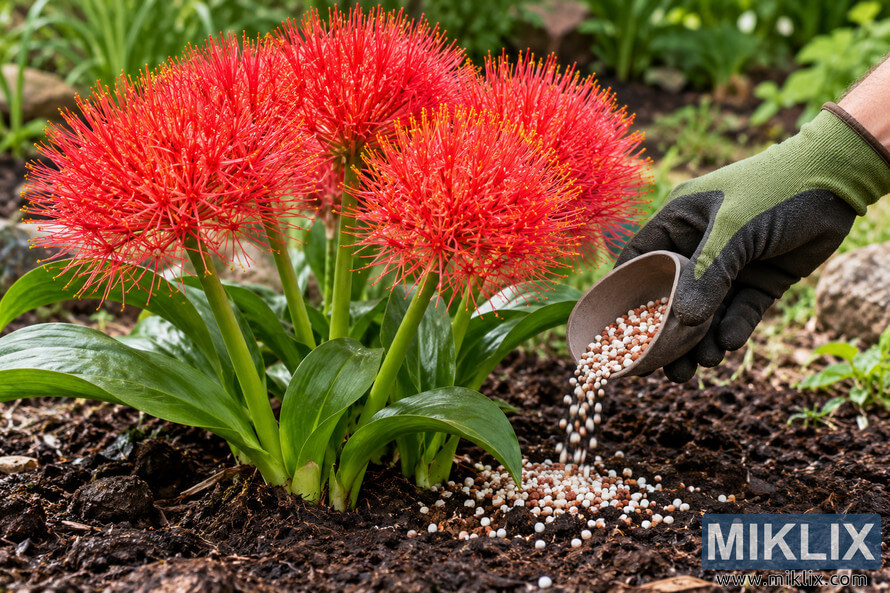
Use rich, loose soil with compost and coarse material for air flow.
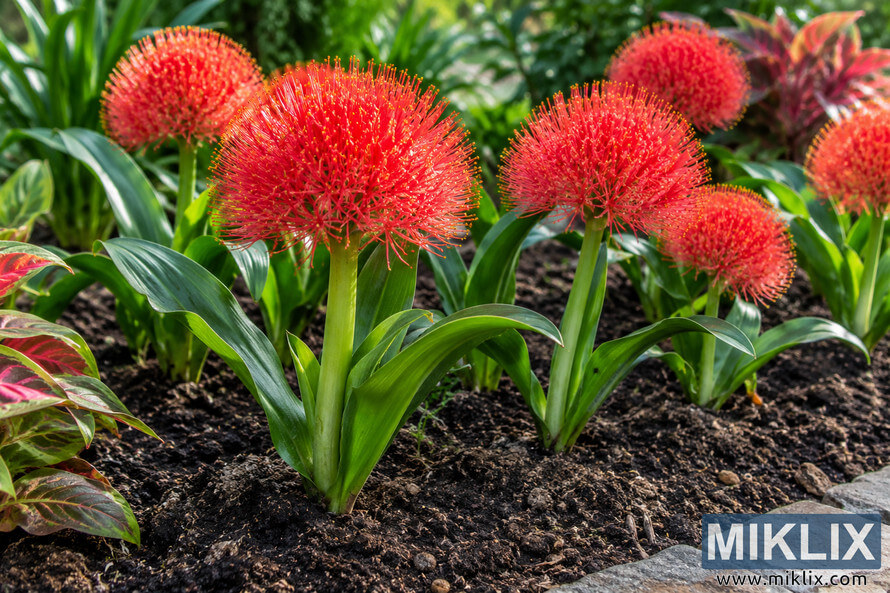
Click or tap the image for more information and higher resolutions.
Set the bulb with the growing point upward. Cover it with soil, leaving the neck slightly exposed if the bulb is large.
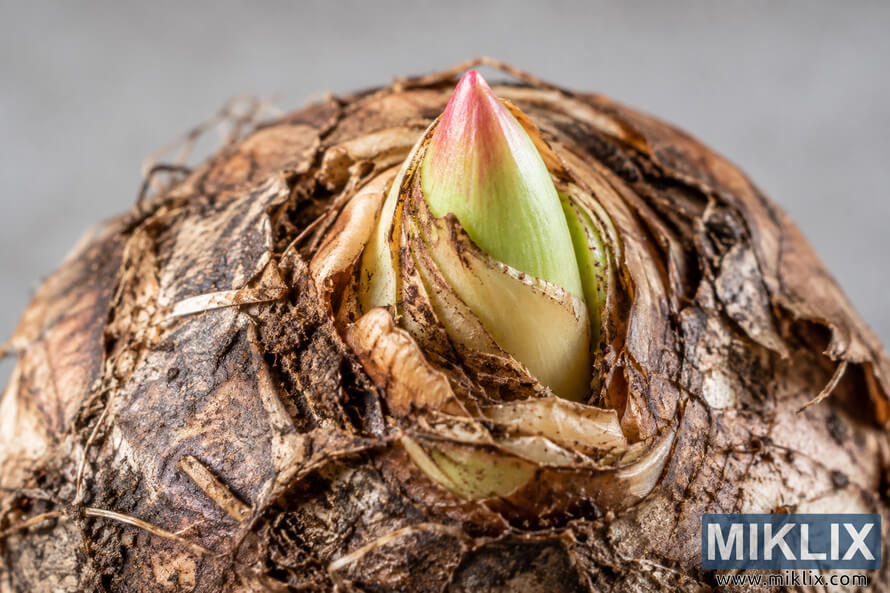
Click or tap the image for more information and higher resolutions.
Allow about 8 to 12 inches between garden plants. In a container, leave room for roots and future offsets.
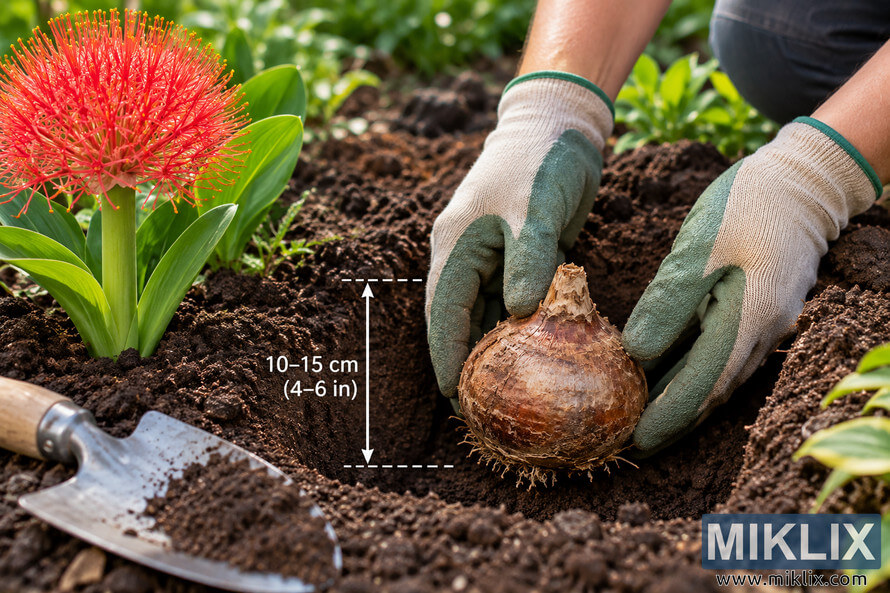
Click or tap the image for more information and higher resolutions.
Water lightly after planting. Increase water only when active growth appears.
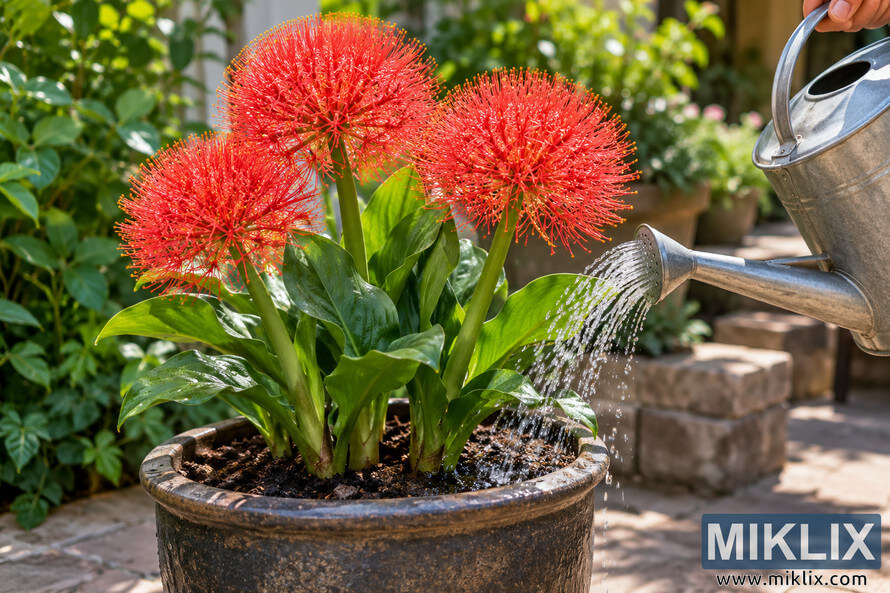
Click or tap the image for more information and higher resolutions.
Click or tap the image for more information and higher resolutions.
Light, Soil, Water, Feeding, and Seasonal Care
Give Blood Lily bright filtered light or gentle morning sun. Full sun can work in mild climates when the soil stays evenly moist, but harsh afternoon sun may scorch leaves. Protect the plant from strong wind and sudden temperature drops.
Use fertile soil that drains quickly. A mix of quality potting soil, compost, and perlite or grit works well. Water when the upper inch of soil begins to dry. Water deeply, then let excess moisture drain away. Never leave the pot standing in a saucer of water.
Feed during active leaf growth with a balanced liquid fertilizer at half strength every four to six weeks. Stop feeding as leaves fade. Too much fertilizer can produce leaves without strong flowering.
| Season | Care focus | What to watch |
| Spring | Plant after frost, give bright light, and begin moderate water. | New shoots, cold nights, and slow drainage. |
| Summer | Water evenly, feed during leaf growth, and support flowering. | Mid summer bloom, heat stress, and sun scorch. |
| Autumn | Reduce water as leaves yellow and stop fertilizer. | Early frost and soft bulb tissue. |
| Winter | Keep dormant bulbs cool, dry, and protected from frost. | Rot, freezing temperatures, and unwanted moisture. |
Click or tap the image for more information and higher resolutions.
Click or tap the image for more information and higher resolutions.
Containers, Greenhouses, Propagation, and Troubleshooting
Container and greenhouse growing
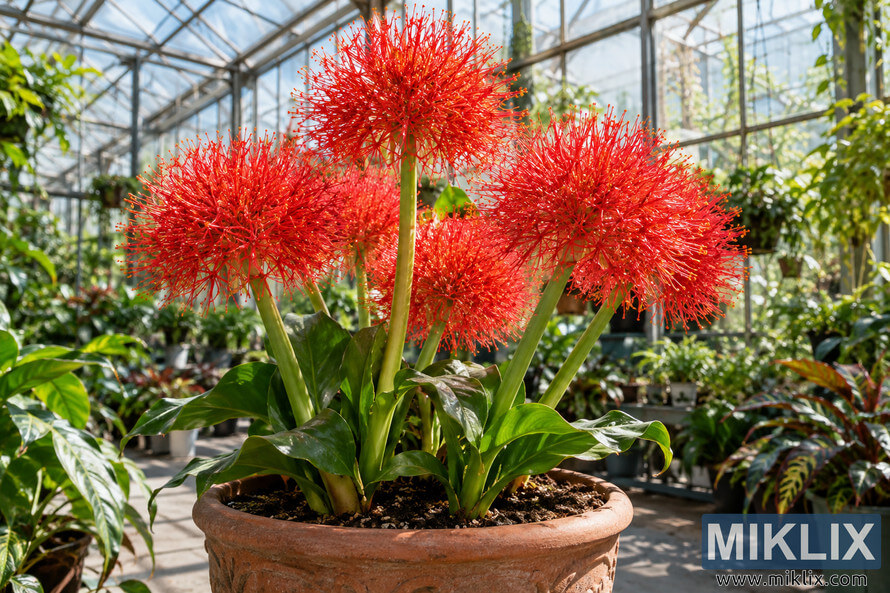
Containers make temperature control easier. Use a heavy pot with drainage holes, because tall flower stems can make a light pot unstable. Move the plant into bright shelter when frost threatens. In a greenhouse, provide ventilation to reduce fungal disease and avoid extreme midday heat.
In cold regions, bring the container indoors before frost. Keep it in bright indirect light while leaves remain green. During dormancy, reduce water sharply and keep the bulb above freezing. Return it outdoors gradually in spring.
Propagation and repotting
Offsets are the simplest method. Separate a mature offset when the plant is dormant and has its own roots. Plant it in a small pot with the same well-drained mix. Seeds can also be grown, but they require patience and may take several seasons to flower.
Repot only when the container is crowded or the soil has broken down. Handle the bulb gently and do not bury it deeper than before.
Click or tap the image for more information and higher resolutions.
Click or tap the image for more information and higher resolutions.
Healthy growth signs
- Firm bulb and clean roots
- Strong green leaves
- Fast drainage after watering
- Steady flowering time in warm weather
Warning signs
- Soft bulb or sour odor
- Yellow leaves with wet soil
- Brown leaf edges from heat or dry air
- No bloom after poor light or excess fertilizer
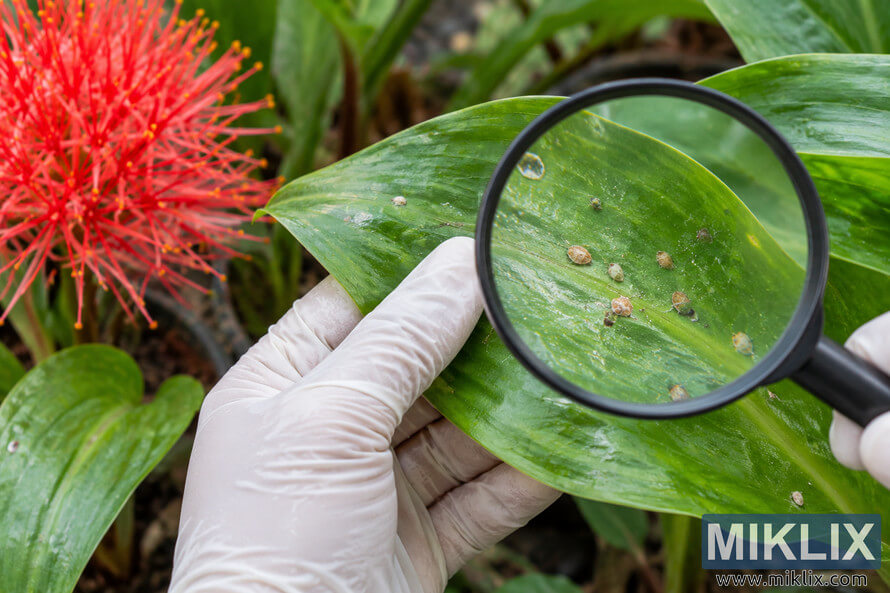
Common pests include aphids, mealybugs, and spider mites. Rinse leaves gently and use a labeled treatment if needed. Remove badly damaged tissue. Good air flow and careful watering help prevent fungal problems.
Click or tap the image for more information and higher resolutions.
Click or tap the image for more information and higher resolutions.
Blood Lily Safety, FAQs, and Final Growing Advice
Safety: Scadoxus multiflorus is toxic if ingested. Keep bulbs, leaves, flowers, and seeds away from children and pets. Wear gloves when handling damaged plant material, and contact a medical or veterinary professional if ingestion occurs.
Can Blood Lily grow in full sun?
It can tolerate full sun in mild conditions with regular moisture, but bright filtered light or morning sun is safer in hot climates.
When is flowering time mid summer?
Flowering often occurs in mid summer when the bulb receives warmth, adequate light, and a clear active growth period. Exact timing varies by climate.
Why are the leaves yellow?
Yellow leaves may signal natural dormancy, excess water, poor drainage, or cold exposure. Check the soil before adding more water.
Can I leave the bulb outdoors in winter?
Only in a reliably frost-free location. Otherwise, overwinter the bulb indoors in a dry, protected place.
Click or tap the image for more information and higher resolutions.
Start your Blood Lily growing plan
Choose a suitable bulb, plant after frost, provide drainage, and protect the plant during dormancy. Consistent care is the best way to encourage a strong bloom.
Blood Lily rewards gardeners who respect its tropical nature and seasonal rest. Give the bulb drainage, warmth, gentle sunlight, and careful winter protection. With those basics in place, Scadoxus multiflorus can become a dramatic and dependable summer feature.
Click or tap the image for more information and higher resolutions.
Further Reading
If you enjoyed this post, you may also like these suggestions:
- A Guide to the Most Beautiful Varieties of Orchids to Grow in Your Garden
- A Complete Guide to Growing Night-Blooming Cereus in Your Own Garden
- Bat-Faced Cuphea: A Practical Growing Guide