
A Complete Guide to Growing Rhubarb in Your Home Garden
Published: February 14, 2026 at 9:49:16 PM UTC
Rhubarb is a hardy perennial vegetable that's often used as a fruit in delicious pies, jams, and desserts. With its vibrant red stalks and tart flavor, rhubarb makes a striking addition to any garden.
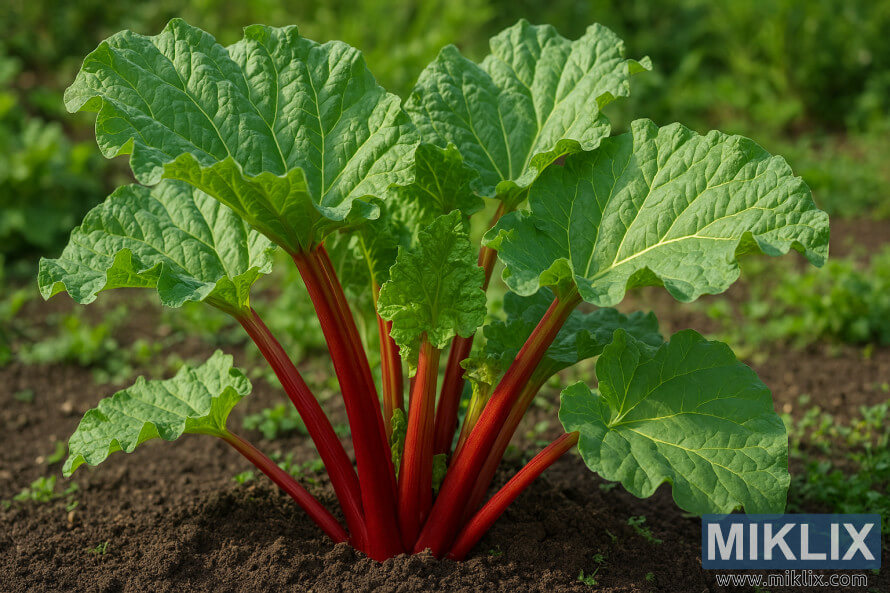
Click or tap the image for more information and higher resolutions.
Once established, a rhubarb patch can produce bountiful harvests for 8-15 years with minimal care, making it one of the most rewarding plants for home gardeners. This guide will walk you through everything you need to know to successfully grow your own thriving rhubarb plants.
Choosing a Rhubarb Variety
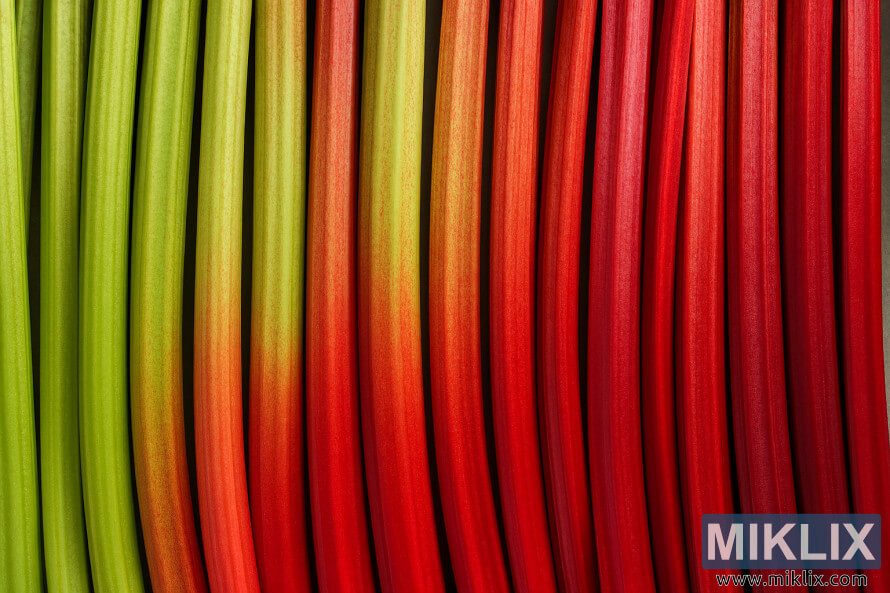
Selecting the right rhubarb variety for your garden is an important first step. Different varieties offer varying stalk colors, flavors, and growth habits. While all rhubarb has that signature tartness, some varieties are naturally sweeter than others, requiring less sugar in recipes.
Popular Red Varieties
- Canada Red - Known for sweet, tender stalks with deep red color throughout
- Crimson Red - Produces bright red stalks with excellent flavor
- Valentine - Features deep red stalks and robust growth
- Cherry Red - Early producer with vibrant color and good disease resistance
Green and Mixed Varieties
- Victoria - A reliable green-stalked variety with excellent productivity
- German Wine - Green stalks with red speckles and sweet flavor
- Riverside Giant - Produces enormous green stalks, great for high yields
- MacDonald - Features red exterior and green interior, very productive
Note: While red varieties are often preferred for their visual appeal in desserts, green-stalked varieties can be equally flavorful. The color of the stalk doesn't determine its tartness—all varieties will need sweetening for most recipes.
Click or tap the image for more information and higher resolutions.
Site Selection & Soil Preparation
Rhubarb is a long-term garden investment, so choosing the right location is crucial. As a perennial that can produce for up to 15 years, it needs a permanent spot where it won't be disturbed by annual garden activities.
Ideal Growing Conditions
- Sunlight: Full sun is ideal, though rhubarb will tolerate partial shade in warmer climates
- Soil Type: Well-drained, loamy soil rich in organic matter
- Soil pH: Slightly acidic to neutral (pH 5.5-7.0)
- Space: Allow 3-4 feet between plants as mature rhubarb can spread considerably
- Location: Plant at the edge of your garden where it won't be disturbed by annual tilling
Soil Preparation Steps
- Remove all perennial weeds from the planting area
- Dig a hole approximately 12-15 inches deep and wide
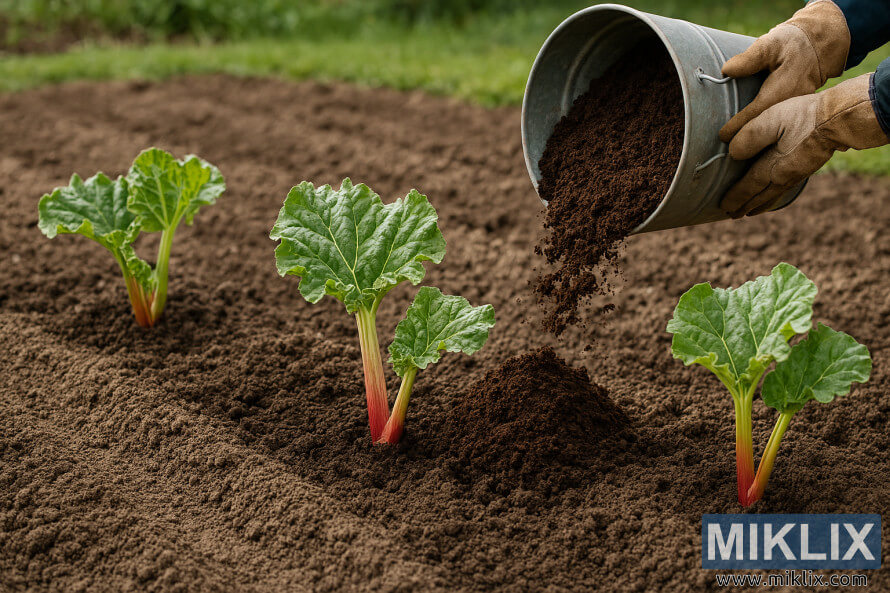
- Mix in plenty of well-rotted manure or compost (about one-third of the soil volume)
- Add a balanced organic fertilizer according to package directions
- If soil is heavy clay, consider adding sand or additional organic matter to improve drainage
Avoid planting rhubarb in areas where water tends to pool after rain. Poor drainage can lead to crown rot, which is fatal to rhubarb plants.
Click or tap the image for more information and higher resolutions.
Planting Rhubarb
Rhubarb can be planted using either divisions (crowns) or seeds, though divisions are the most common and reliable method. Spring is the ideal planting time in most regions, though fall planting is possible in areas with mild winters.
Planting Rhubarb Crowns
- Plant in early spring as soon as the soil can be worked
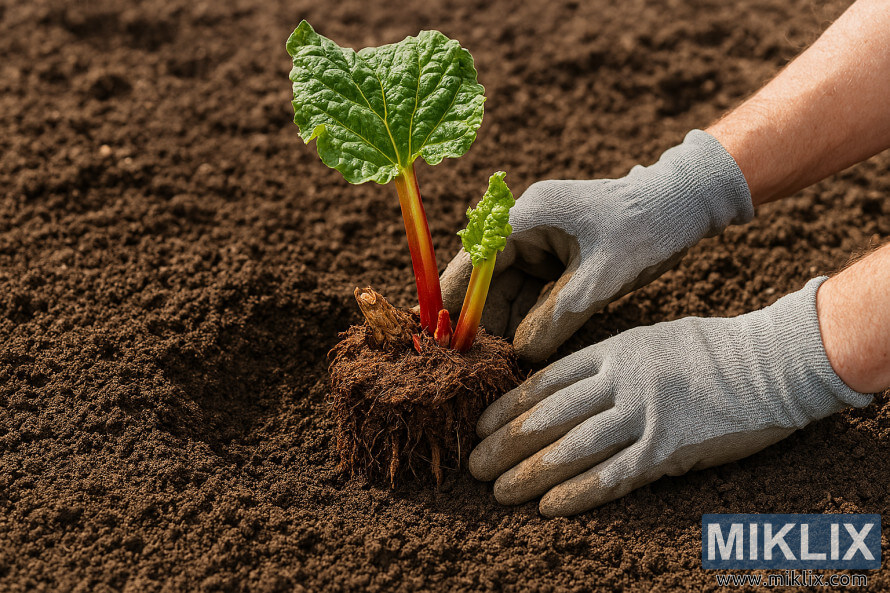
- Dig a hole large enough to accommodate the crown
- Position the crown so the buds are 1-2 inches below soil level
- Backfill with soil, firming gently around the roots
- Water thoroughly after planting
- Space plants 3-4 feet apart in all directions
Growing from Seed
- Start seeds indoors 8-10 weeks before last frost
- Use deep containers with good drainage
- Plant seeds ½ inch deep in seed-starting mix
- Keep soil consistently moist but not soggy
- Provide bottom heat to improve germination
- Transplant seedlings after danger of frost has passed
Click or tap the image for more information and higher resolutions.
Care and Maintenance
Rhubarb is relatively low-maintenance once established, but proper care will ensure the healthiest plants and most abundant harvests. Focus on consistent watering, appropriate fertilization, and keeping the area weed-free.
Watering Requirements
Rhubarb needs consistent moisture, especially during dry periods and the first two years after planting. Established plants are somewhat drought-tolerant but produce best with regular watering.
- Water deeply once a week during dry periods (about 1-2 inches of water)
- Focus water at the base of plants, avoiding wetting the foliage
- Increase watering frequency during particularly hot, dry weather
- Reduce watering in late summer as plants prepare for dormancy
Mulching
Apply a 2-3 inch layer of organic mulch around plants to:
- Conserve soil moisture
- Suppress weed growth
- Regulate soil temperature
- Add organic matter to the soil as it breaks down
Suitable mulch materials include straw, shredded leaves, compost, or well-rotted manure. Keep mulch a few inches away from the crown to prevent rot.
Fertilizing
Rhubarb is a heavy feeder that benefits from regular fertilization:
- Apply compost or aged manure around plants in early spring
- Add a balanced organic fertilizer (like 10-10-10) in spring when growth begins
- For established plants, apply ½ cup of balanced fertilizer per plant
- Avoid high-nitrogen fertilizers, which promote leaf growth at the expense of stalks
Removing Flower Stalks
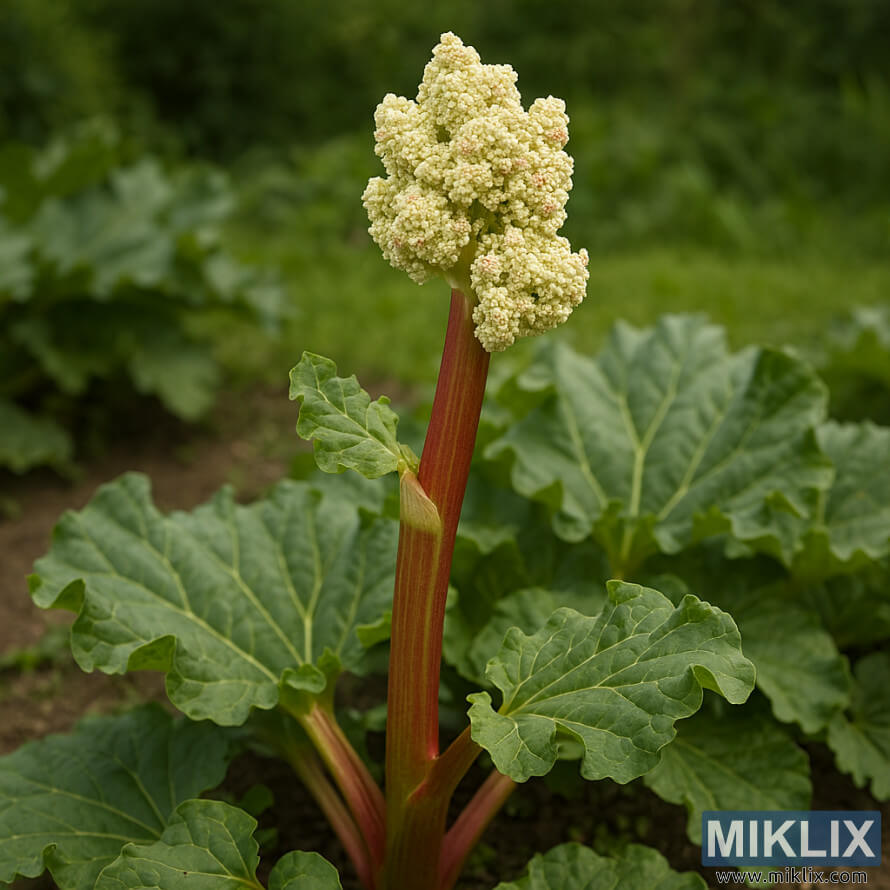
Rhubarb plants naturally produce flower stalks (seed stalks) in late spring or early summer. These tall, central stalks with small flowers should be removed as soon as they appear.
- Cut flower stalks at the base as soon as they begin to form
- Removing flower stalks redirects energy to leaf and stalk production
- Flowering is often triggered by plant stress or age
Winter Care Tip: After the first hard frost kills the foliage, remove all dead leaves from the plant. In colder regions (zones 4 and below), apply a layer of straw mulch over the crowns after the ground freezes to protect them through winter.
Click or tap the image for more information and higher resolutions.
Dividing Rhubarb Plants
Over time, rhubarb plants can become overcrowded, resulting in smaller stalks and reduced vigor. Dividing the plants every 4-5 years helps maintain plant health and productivity.
When to Divide
- Divide plants when they become overcrowded or less productive
- Early spring is the ideal time, just as new growth begins to emerge
- Fall division is possible but gives plants less time to establish before winter
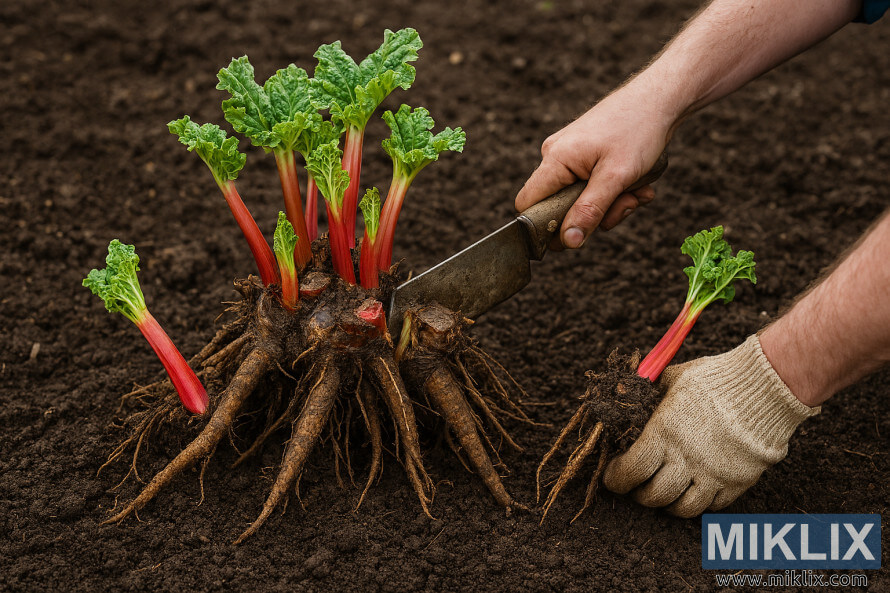
Division Process
- Dig around and under the entire rhubarb crown
- Lift the crown out of the ground carefully
- Use a sharp spade or knife to cut the crown into sections
- Ensure each division has at least 1-2 buds and a portion of the root system
- Replant divisions immediately at the same depth as they were growing
- Water thoroughly after replanting
Click or tap the image for more information and higher resolutions.
Harvesting Rhubarb
Proper harvesting techniques ensure continued plant health and productivity. Patience is key with new plants—allowing them time to establish before harvesting ensures years of abundant production.
When to Harvest
- First year: Do not harvest any stalks to allow plant establishment
- Second year: Harvest lightly (2-3 stalks per plant)
- Third year and beyond: Harvest freely throughout the season
- Harvest season: Spring through early summer (April to June in most regions)
- End harvesting: Stop by mid-June to allow plants to rebuild energy reserves
How to Harvest
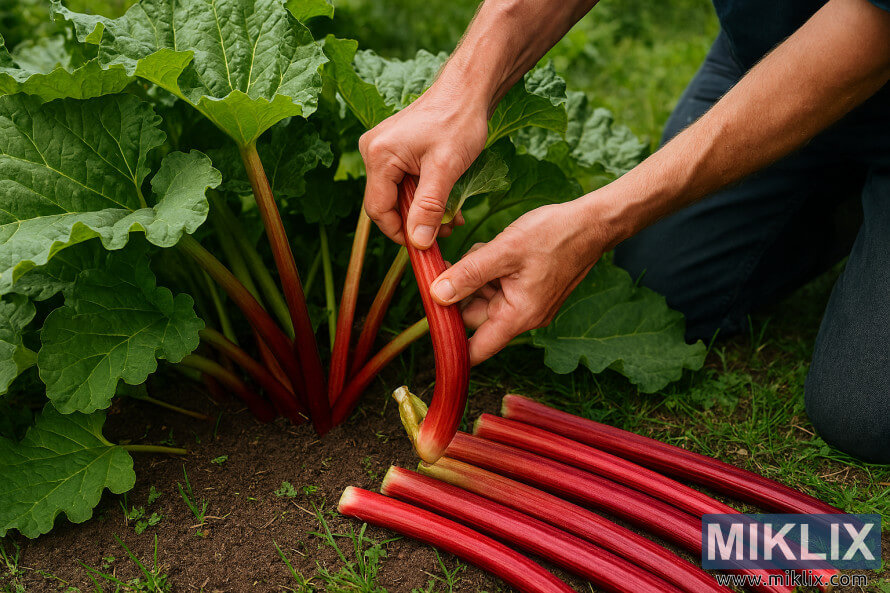
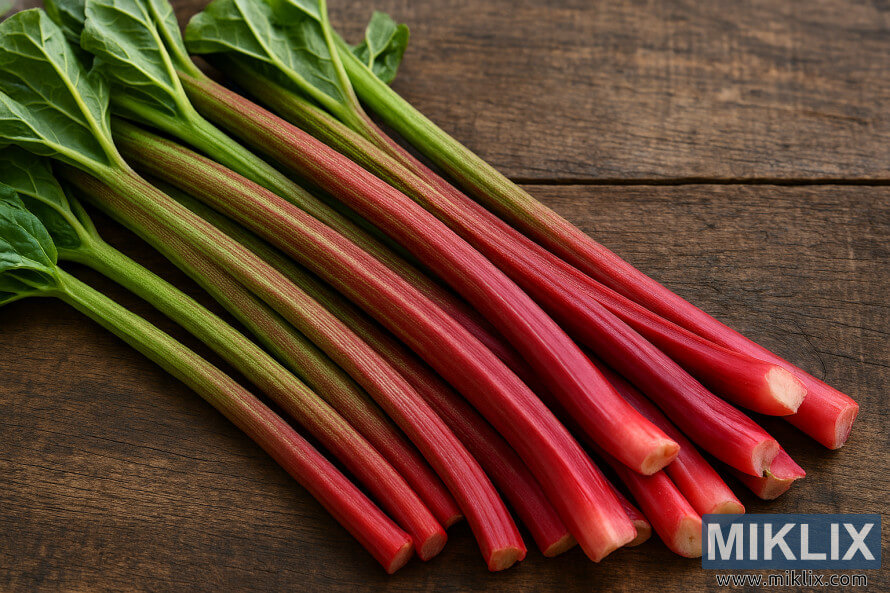
- Select stalks that are at least 12-18 inches long and 1/2 inch in diameter
- Grasp the stalk near the base and pull with a gentle twisting motion
- Alternatively, use a sharp knife to cut stalks at soil level
- Never harvest more than one-third to one-half of the stalks at one time
- Immediately remove and discard the leaves (they contain toxic oxalic acid)
- Rinse stalks and store in the refrigerator for up to 3 weeks
Important Safety Warning: Rhubarb leaves contain high levels of oxalic acid and are toxic if consumed. Always remove and discard the leaves immediately after harvesting. Only the stalks are edible.
Click or tap the image for more information and higher resolutions.
Common Pests and Problems
While rhubarb is generally resistant to many garden pests and diseases, it can occasionally face challenges. Identifying and addressing these issues promptly helps maintain plant health.
Common Diseases
- Crown Rot: Caused by poor drainage; plants wilt and crowns become soft and brown
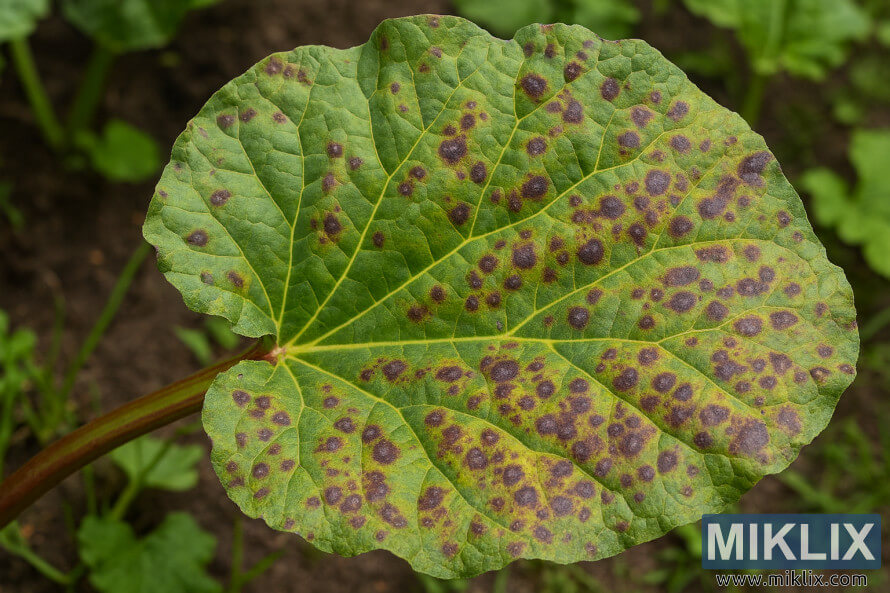
- Leaf Spot: Circular spots on leaves; remove affected foliage
- Anthracnose: Red-brown lesions on stalks; remove infected material
Common Pests
- Rhubarb Curculio: A snout beetle that punctures stalks
- Slugs: Feed on young growth and leaves
- Stalk Borers: Tunnel into stalks causing wilting
Organic Solutions
| Problem | Organic Solution | Prevention |
| Crown Rot | Remove affected plants; do not replant rhubarb in the same location | Ensure good drainage; avoid overwatering; plant in raised beds if necessary |
| Leaf Spot | Remove and destroy affected leaves; apply compost tea spray | Maintain good air circulation; clean up all foliage in fall |
| Slugs | Diatomaceous earth barrier; beer traps; hand picking | Remove hiding places; keep garden clean; use copper barriers |
| Rhubarb Curculio | Hand pick beetles; remove and destroy affected stalks | Remove wild dock plants (alternate host); maintain garden cleanliness |
Click or tap the image for more information and higher resolutions.
Forcing Rhubarb for Early Harvest
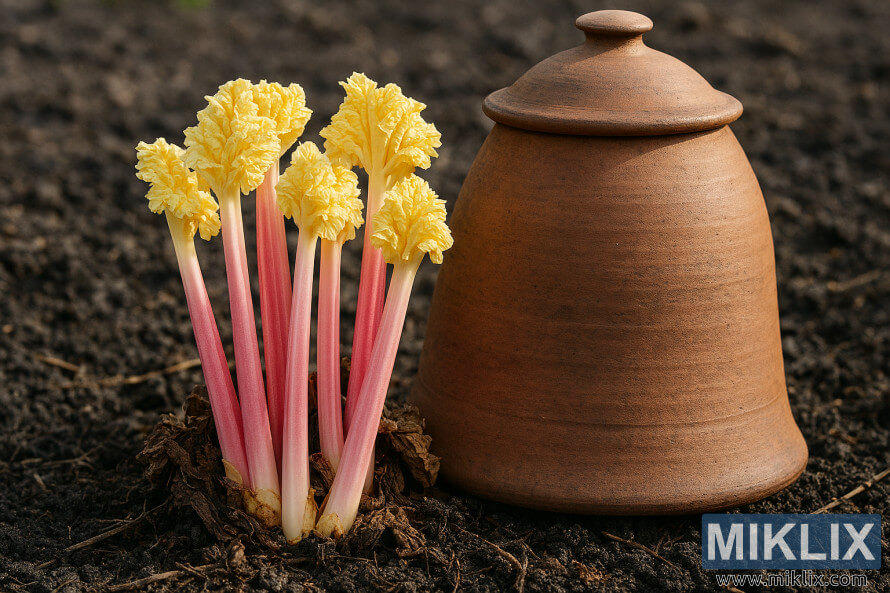
Forcing is a technique that encourages rhubarb to produce stalks earlier than normal. This process results in tender, sweeter stalks with a beautiful pale pink color.
Forcing Process
- Select a healthy, established plant (at least 3 years old)
- In late winter, before growth begins, place a large container over the entire plant
- Use a bucket, pot, or specialized rhubarb forcer that blocks all light
- The darkness and slightly warmer environment will stimulate early growth
- Stalks will be ready to harvest in 4-8 weeks
- After harvesting, remove the cover and allow the plant to grow normally
Important: Never force the same plant two years in a row. Forcing puts stress on the plant, so rotate which plants you force each year to maintain plant health.
Click or tap the image for more information and higher resolutions.
Frequently Asked Questions
Can I eat rhubarb leaves?
No. Rhubarb leaves contain high levels of oxalic acid, which is toxic. Only the stalks are edible. Always remove and discard the leaves immediately after harvesting.
How long does it take for rhubarb to grow from planting to harvest?
Patience is key with rhubarb. You should avoid harvesting any stalks in the first year after planting to allow the plant to establish. In the second year, you can harvest lightly (2-3 stalks per plant). By the third year, plants are fully established and can be harvested normally.
Can I harvest rhubarb all summer?
It's best to stop harvesting rhubarb by mid-June in most regions. This allows the plant to build up energy reserves for the following year. Continued harvesting throughout the summer can weaken the plant over time.
Is it safe to eat rhubarb after a frost?
If rhubarb has been damaged by frost, examine the stalks carefully. If they're soft, mushy, or discolored, they should not be eaten. However, if the stalks remain firm and only the leaves show frost damage, the stalks are still safe to eat.
How do I know when my rhubarb is ready to harvest?
Rhubarb stalks are ready to harvest when they reach 12-18 inches in length and are at least 1/2 inch in diameter. The color (whether red or green) depends on the variety and isn't necessarily an indicator of readiness.
Click or tap the image for more information and higher resolutions.
Conclusion
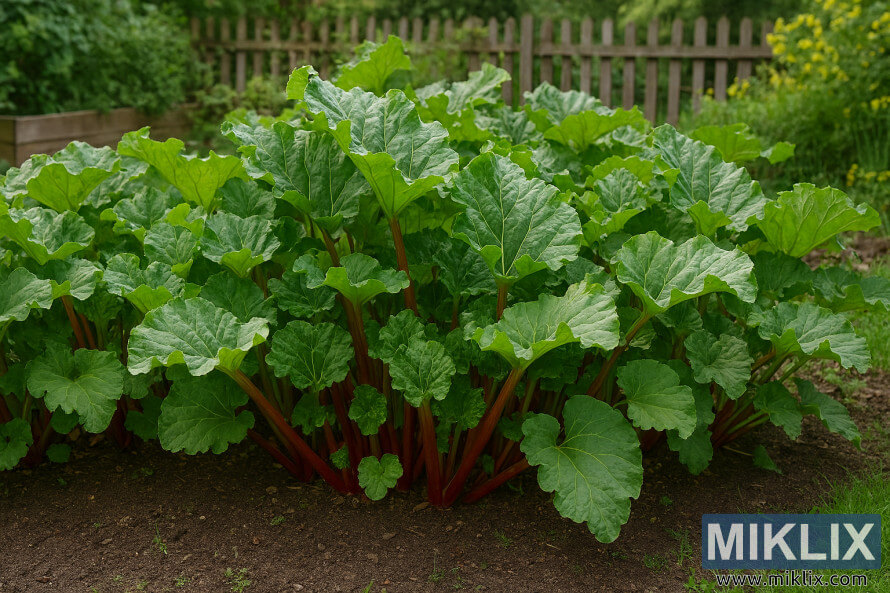
Growing rhubarb is a rewarding experience that pays dividends for years to come. With proper site selection, planting, and care, your rhubarb patch can provide delicious harvests for a decade or more. Remember that patience is key—allowing your plants to establish fully before harvesting ensures the healthiest, most productive plants.
Whether you're making classic strawberry-rhubarb pie, tangy preserves, or experimenting with savory rhubarb dishes, there's nothing quite like the satisfaction of growing this versatile perennial in your own garden. The minimal maintenance required makes rhubarb an excellent choice for both novice and experienced gardeners.
Click or tap the image for more information and higher resolutions.
Further Reading
If you enjoyed this post, you may also like these suggestions:
- A Guide to Growing Bok Choy in Your Own Garden
- The Complete Guide to Growing Cabbage in Your Home Garden
- A Complete Guide to Growing Leeks at Home Successfully