
A Complete Guide to Growing Guavas at Home
Published: December 26, 2025 at 10:26:01 AM UTC
Growing guavas at home can be a rewarding experience, bringing a taste of the tropics to your garden. These delicious fruits are packed with vitamin C and unique flavor, making them worth the effort.
Click or tap the image for more information and higher resolutions.
Whether you have a spacious garden in a warm climate or a small greenhouse in a cooler region, this guide will walk you through everything you need to know about cultivating your own guava trees successfully.
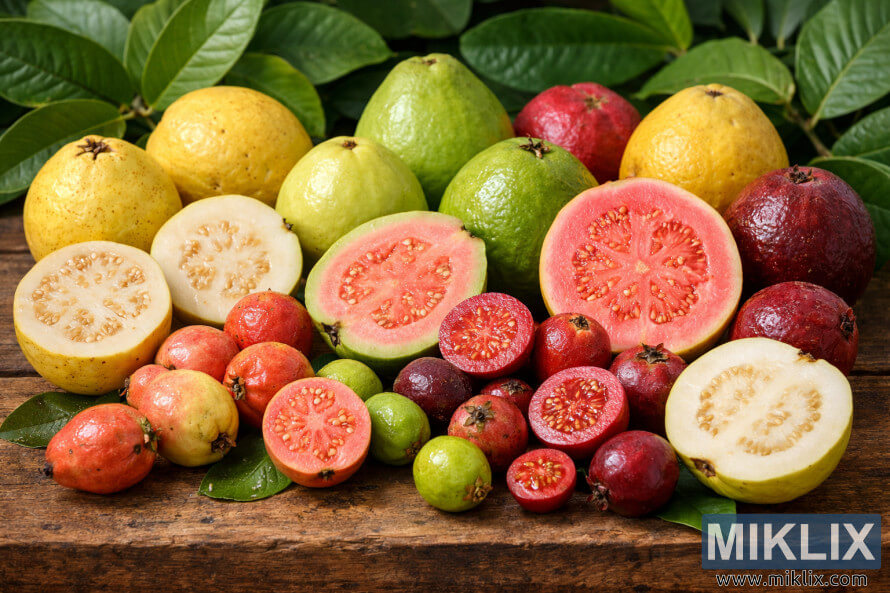
Popular Guava Varieties for Home Growing
Common guava varieties suitable for home cultivation
Before diving into growing guavas, it's important to select the right variety for your climate and preferences. Each type offers unique characteristics in terms of flavor, size, and growing requirements.
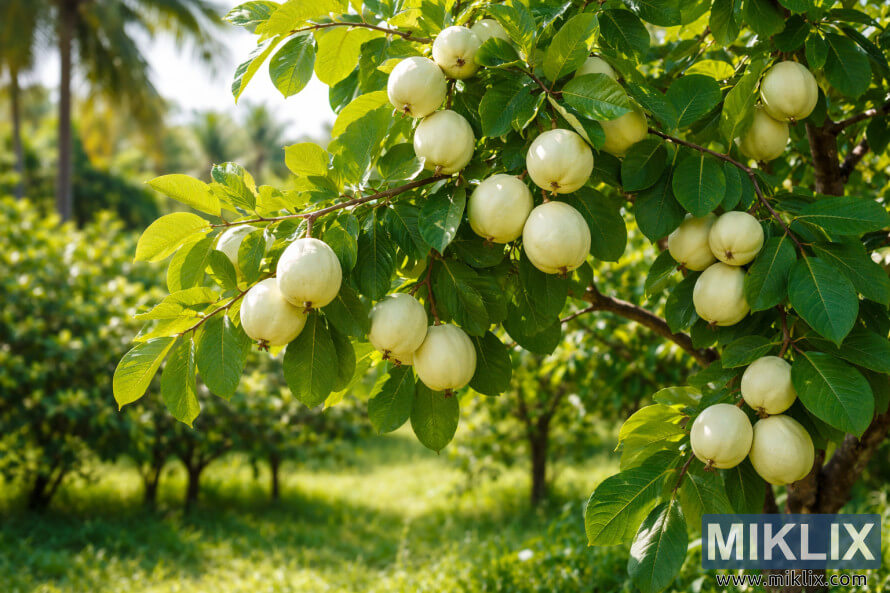
Tropical White
The most common variety with white flesh and a sweet, mild flavor. These guavas are excellent for fresh eating and adapt well to container growing. They typically reach 10-15 feet in height but can be pruned to maintain a smaller size.
Click or tap the image for more information and higher resolutions.
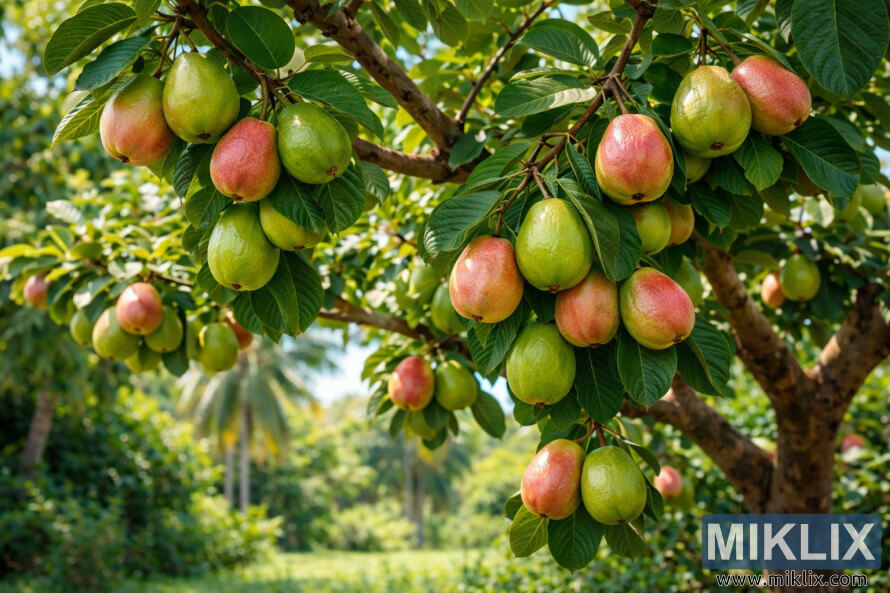
Tropical Pink
Known for their striking pink flesh and sweet-tart flavor, these guavas are perfect for making jams and desserts. They grow similarly to white guavas but may require slightly more humidity to thrive.
Click or tap the image for more information and higher resolutions.
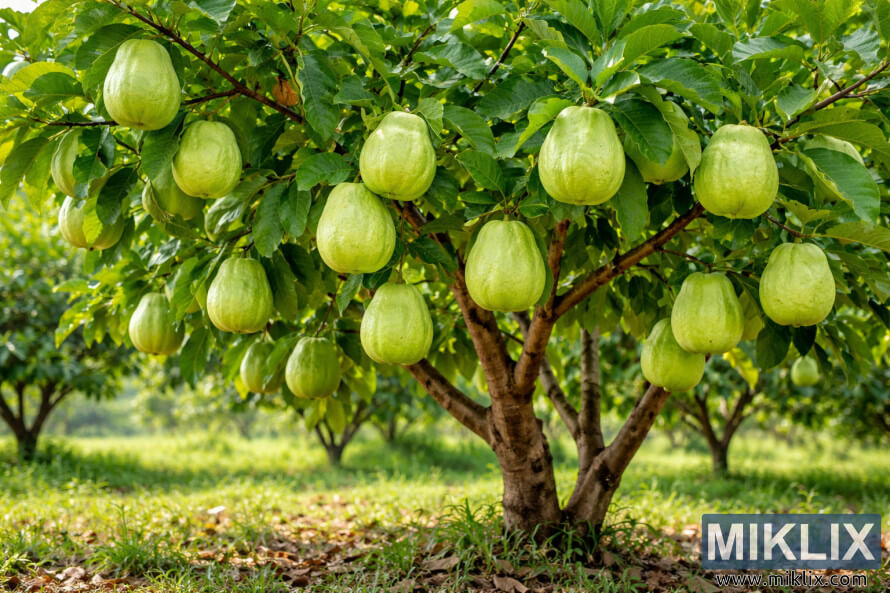
Indonesian Seedless
As the name suggests, these guavas contain no seeds, making them ideal for fresh consumption. They produce yellow-green fruits with white flesh and require consistent warm temperatures to produce well.
Click or tap the image for more information and higher resolutions.
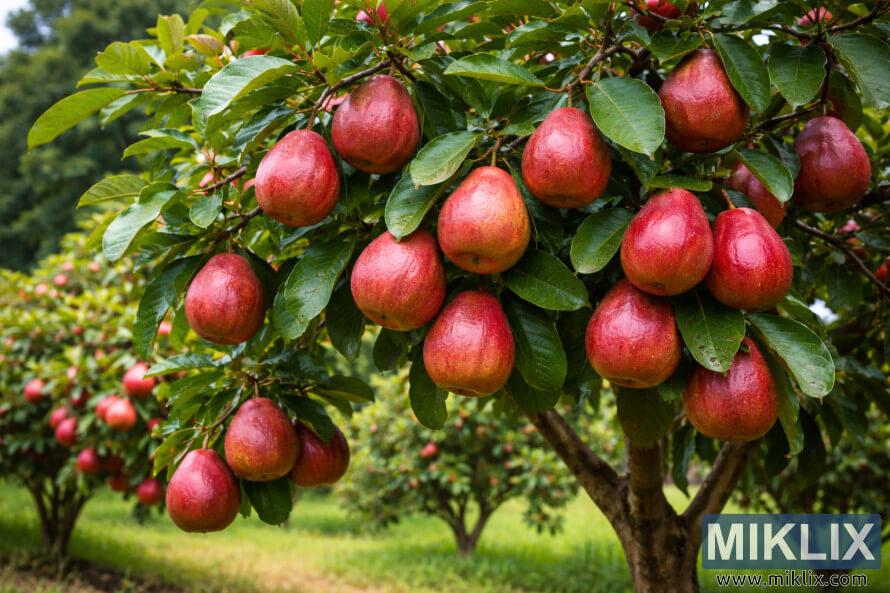
Red Malaysian
Distinguished by their reddish-purple skin and pink flesh, these guavas offer a unique visual appeal. They have a sweet flavor with strawberry notes and are slightly more cold-tolerant than other varieties.
Click or tap the image for more information and higher resolutions.
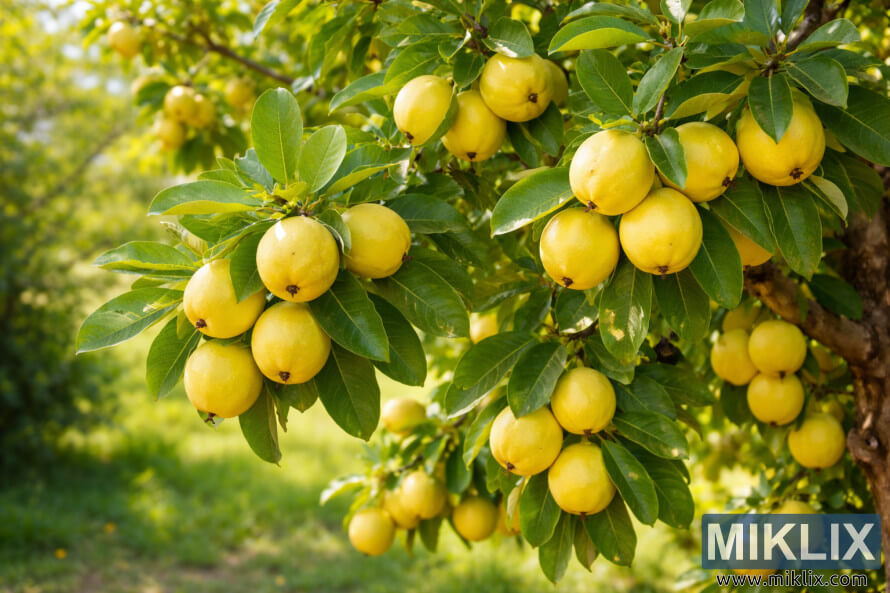
Lemon Guava
Smaller than traditional guavas, these yellow fruits have a distinctive citrusy flavor. They're more compact, making them suitable for smaller gardens or container growing.
Click or tap the image for more information and higher resolutions.
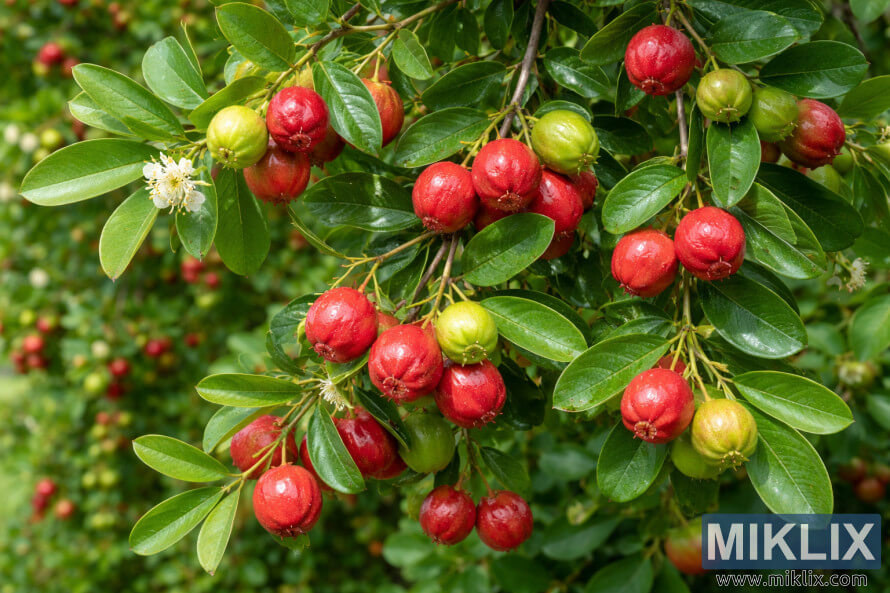
Strawberry Guava
Not a true guava but a related species, these small red fruits offer intense flavor in a compact package. They're more cold-hardy than traditional guavas, making them suitable for slightly cooler climates.
Click or tap the image for more information and higher resolutions.
Climate and Soil Requirements
Climate Considerations
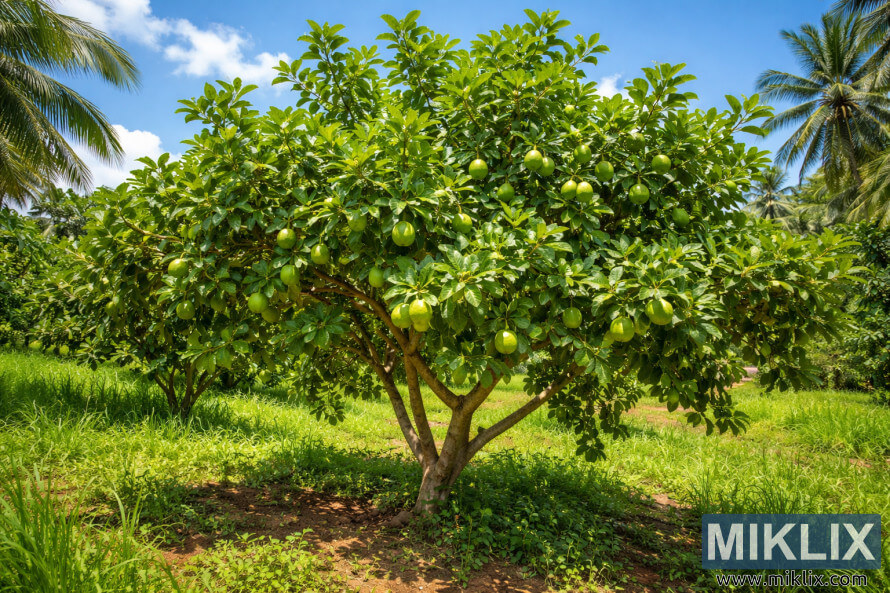
Guava trees thrive in tropical and subtropical regions with hot, humid climates. They grow best in USDA Zones 9-11, where temperatures rarely drop below 40°F (4°C). These trees are very frost-sensitive, especially when young, and can be damaged or killed by freezing temperatures.
If you live in a cooler climate, don't despair! You can still grow guavas by:
- Growing them in containers that can be moved indoors during cold weather
- Planting in a greenhouse or sunroom
- Providing winter protection for outdoor trees in marginal zones
- Selecting more cold-hardy varieties like Strawberry Guava
Climate Tip: Guava trees need a minimum of 6 hours of direct sunlight daily, but 8-10 hours is ideal for maximum fruit production. In hot climates, some afternoon shade can be beneficial.
Click or tap the image for more information and higher resolutions.
Soil Requirements
Guava trees are adaptable to various soil types but perform best in well-drained soil rich in organic matter. The ideal soil characteristics include:
- pH level between 5.0-7.0 (slightly acidic to neutral)
- Good drainage to prevent root rot
- High organic content for nutrient availability
- Loamy texture that retains moisture without becoming waterlogged
If your native soil is heavy clay or very sandy, amend it with compost, aged manure, or other organic matter before planting. For container growing, use a high-quality potting mix designed for fruit trees or tropical plants.
Step-by-Step Planting Instructions
Growing from Seeds
Starting guavas from seeds is economical but requires patience, as trees may take up to 8 years to produce fruit and may not grow true to the parent plant.
- Extract seeds from ripe guava fruit and rinse off the pulp
- Soak seeds in warm water for 24-48 hours to improve germination
- For best results, boil seeds for 5 minutes to soften the hard seed coat
- Plant seeds ¼ inch deep in seed-starting mix
- Keep soil consistently moist at 75-85°F (24-29°C)
- Expect germination in 2-8 weeks
- Transplant seedlings to individual pots when they have several true leaves
Important: Seed-grown guavas may not produce fruit identical to the parent plant. For consistent results, purchase grafted trees or use vegetative propagation methods.
Planting Saplings
Purchasing young guava trees from nurseries is the quickest way to establish productive plants. These trees are often grafted to ensure consistent fruit quality and earlier production.
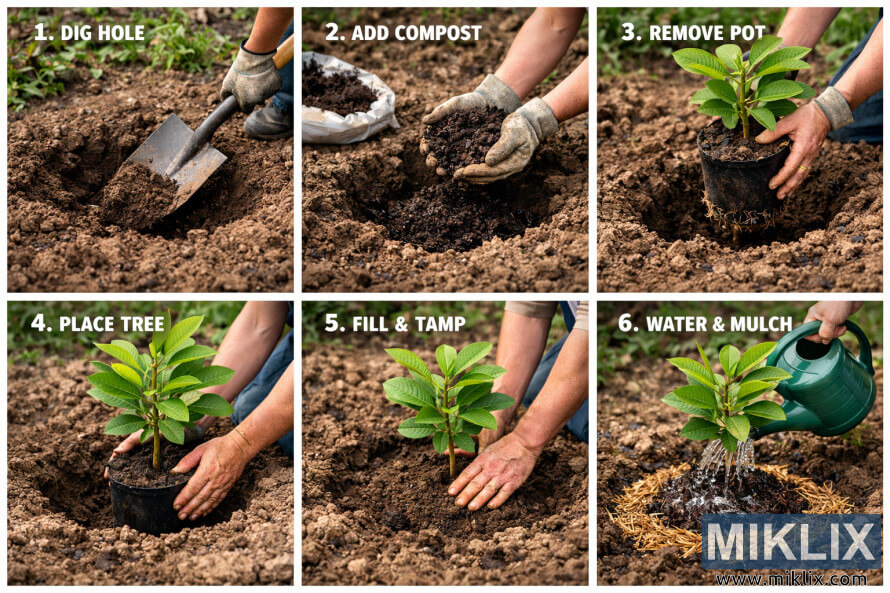
- Select a planting location with full sun and protection from strong winds
- Dig a hole three times wider and slightly deeper than the root ball
- Mix native soil with compost at a 2:1 ratio
- Remove the plant from its container and gently loosen the roots
- Place the tree in the hole, ensuring the graft union (if present) remains above soil level
- Backfill with the soil mixture, tamping gently to remove air pockets
- Create a water basin around the tree and water thoroughly
- Apply 2-3 inches of mulch, keeping it away from the trunk
Spacing Tip: Plant guava trees 15-20 feet apart if growing multiple trees. For container planting, choose a pot at least 15-18 inches in diameter with drainage holes.
Click or tap the image for more information and higher resolutions.
Watering, Fertilizing, and Maintenance Schedule
Watering Requirements
Proper watering is crucial for guava tree health and fruit production. While established trees have some drought tolerance, consistent moisture during flowering and fruiting is essential.
| Growth Stage | Watering Frequency | Amount | Special Considerations |
| Newly Planted | Every 2-3 days | 2-3 gallons | Keep soil consistently moist but not soggy |
| Establishing (2-6 months) | 1-2 times weekly | 3-5 gallons | Adjust based on rainfall and temperature |
| Established Trees | Weekly | 5-10 gallons | Reduce in winter, increase during flowering/fruiting |
| Container Plants | 2-3 times weekly | Until water drains from bottom | Allow top inch of soil to dry between waterings |
Fertilization Schedule
Guava trees need regular fertilization to produce abundant, flavorful fruit. They require high amounts of nitrogen, phosphoric acid, potash, and magnesium.
Young Trees (1-2 years)
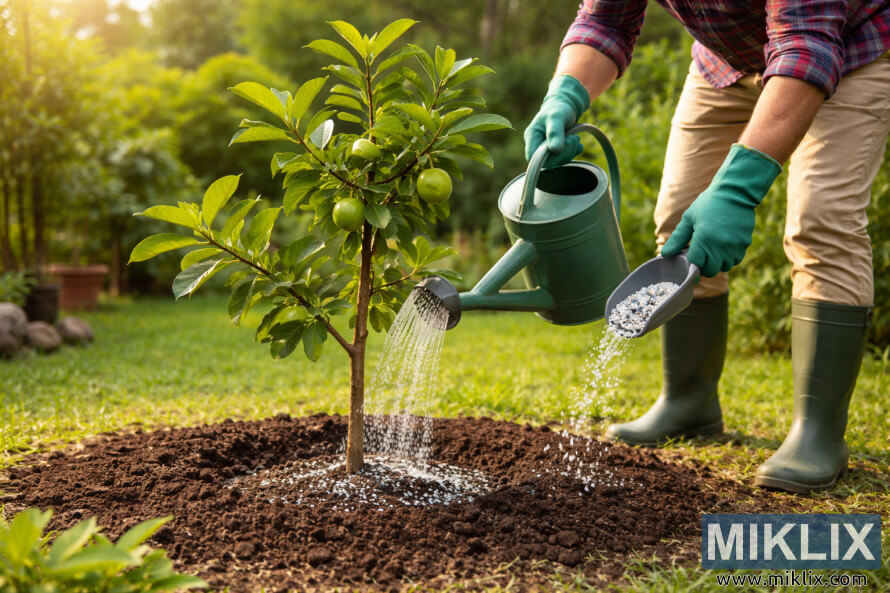
- Apply a balanced fertilizer (6-6-6-2) every 1-2 months during the growing season
- Use approximately ¼ pound per application, increasing gradually
- Spread fertilizer evenly around the drip line, avoiding the trunk
- Water thoroughly after application
Mature Trees (3+ years)
- Apply fertilizer 3-4 times per year
- Use 1-2 pounds per application, depending on tree size
- First application: early spring before new growth
- Additional applications: evenly spaced throughout growing season
- Avoid fertilizing during winter dormancy
Organic Options: For organic growing, use compost, aged manure, fish emulsion, or specialized organic fruit tree fertilizers. Supplement with Epsom salts (1 tablespoon per gallon of water) monthly during the growing season to provide magnesium.
Click or tap the image for more information and higher resolutions.
Pruning Techniques for Better Yield
Proper pruning techniques help maintain tree health and improve fruit production
Regular pruning is essential for guava trees to maintain their shape, encourage new growth, and maximize fruit production. Pruning also improves air circulation, which helps prevent disease.
When to Prune
The best time to prune guava trees is in late winter or early spring, just before the beginning of the growing season. For trees in tropical regions with year-round growth, prune after a harvest cycle.
Basic Pruning Steps
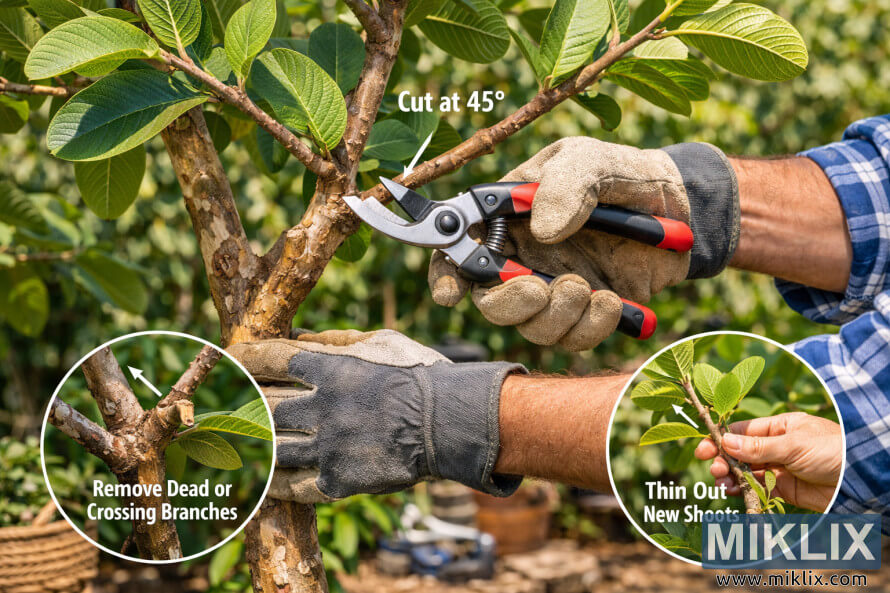
- Remove any dead, diseased, or damaged branches first
- Thin out crowded areas to improve air circulation
- Cut back overly long branches to maintain desired height
- Remove suckers growing from the base of the tree
- Prune crossing branches that might rub against each other
Pruning for Tree Form vs. Bush Form
Tree Form
- Remove all lower branches and suckers
- Maintain a single trunk with 3-4 main scaffold branches
- Prune to create an open center for better light penetration
Bush Form
- Allow multiple stems to develop from the base
- Maintain a more natural, rounded shape
- Thin interior branches to prevent overcrowding
Click or tap the image for more information and higher resolutions.
Common Pests and Diseases with Organic Solutions
Identifying and treating common guava tree problems early is key to maintaining tree health
Like all fruit trees, guavas can be affected by various pests and diseases. Fortunately, many problems can be managed using organic methods that are safe for your garden and the environment.
Common Pests
Aphids
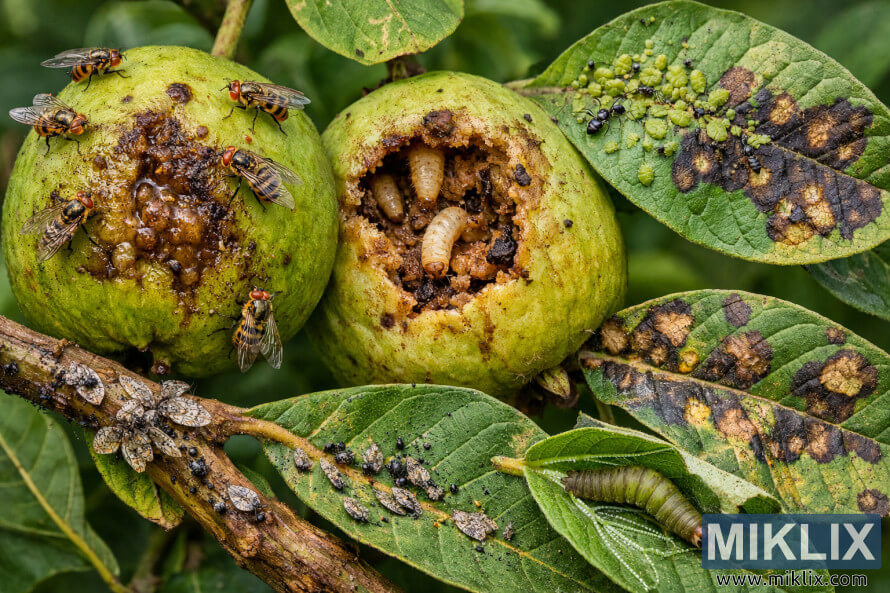
These small, soft-bodied insects cluster on new growth and suck plant sap, causing distorted leaves and reduced vigor.
Organic Solutions:
- Spray with strong water stream to dislodge
- Apply insecticidal soap or neem oil
- Introduce beneficial insects like ladybugs
Scale Insects
These immobile pests attach to stems and leaves, forming protective shells while feeding on plant juices.
Organic Solutions:
- Scrub affected areas with alcohol-soaked cloth
- Apply horticultural oil during dormant season
- Prune heavily infested branches
Fruit Flies
These pests lay eggs in ripening fruit, causing damage and accelerating rot.
Organic Solutions:
- Harvest fruit promptly when ripe
- Use fruit fly traps with vinegar or commercial lures
- Bag developing fruit with paper or mesh bags
Common Diseases
Anthracnose
This fungal disease causes dark, sunken lesions on fruits and leaves, especially in humid conditions.
Organic Solutions:
- Improve air circulation through proper pruning
- Apply copper-based fungicides preventatively
- Remove and destroy infected plant parts
Root Rot
Caused by overwatering or poor drainage, symptoms include yellowing leaves and wilting despite moist soil.
Organic Solutions:
- Improve soil drainage or transplant to better location
- Reduce watering frequency
- Apply beneficial fungi like Trichoderma to soil
Algal Spot
Appears as raised, rust-colored spots on leaves and stems in humid environments.
Organic Solutions:
- Apply copper fungicide early in the season
- Prune affected branches
- Avoid overhead watering
Prevention Tip: Many pest and disease issues can be prevented by maintaining proper spacing between trees, ensuring good air circulation, and keeping the area around trees clean of fallen fruit and debris.
Click or tap the image for more information and higher resolutions.
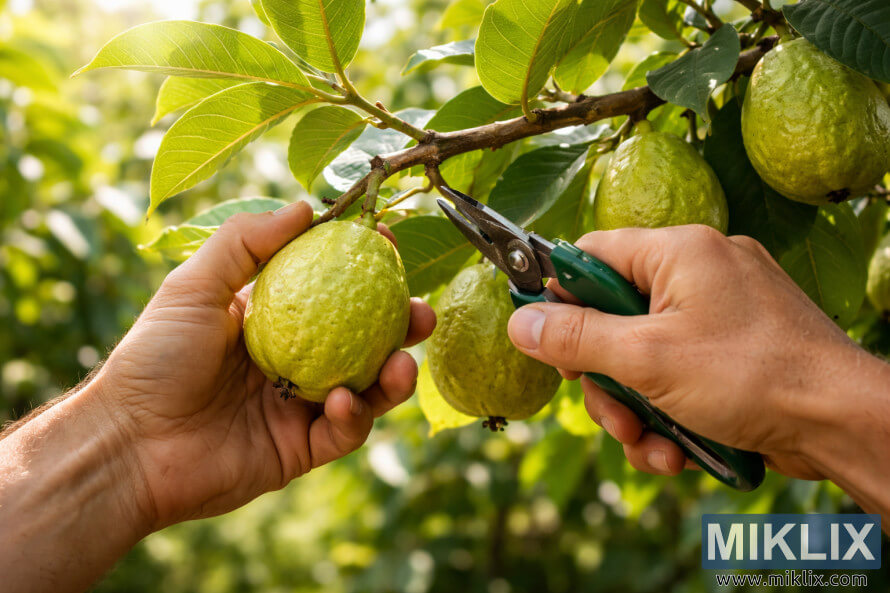
Harvesting Timeline and Proper Methods
Properly harvested guavas at peak ripeness offer the best flavor and nutritional value
Knowing when and how to harvest guavas is crucial for enjoying these fruits at their peak flavor. Depending on the variety and growing conditions, guava trees typically begin producing fruit within 2-4 years after planting.
When to Harvest
Guavas are typically ready to harvest when they meet these conditions:
- Skin color changes from deep green to lighter green or yellow (depending on variety)
- Fruit yields slightly to gentle pressure
- Strong, sweet aroma develops
- Size is appropriate for the variety (typically 2-4 inches in diameter)
Ripening Tip: Guavas will continue to ripen after picking. For immediate consumption, harvest when fully ripe. For shipping or storage, harvest when they begin to change color but are still firm.
Harvesting Methods
To harvest guavas without damaging the fruit or tree:
- Gently twist the fruit while supporting its weight
- If the fruit doesn't detach easily, use clean pruning shears to cut the stem
- Handle fruits carefully to avoid bruising
- Place harvested fruits in a single layer in a shallow container
- Check trees every 2-3 days during peak season, as fruits ripen at different rates
Typical Harvest Timeline
Guava harvest seasons vary by region and variety:
- Tropical regions: May produce year-round or have multiple harvest seasons
- Subtropical regions: Main harvest in late summer to fall
- Container-grown trees: Often produce smaller harvests but may fruit multiple times per year
Important: Remove any fallen fruits promptly to prevent pest infestations and disease spread. Overripe guavas emit a strong, unpleasant odor that can attract unwanted insects.
Click or tap the image for more information and higher resolutions.
Storage and Usage Tips for Fresh Guavas
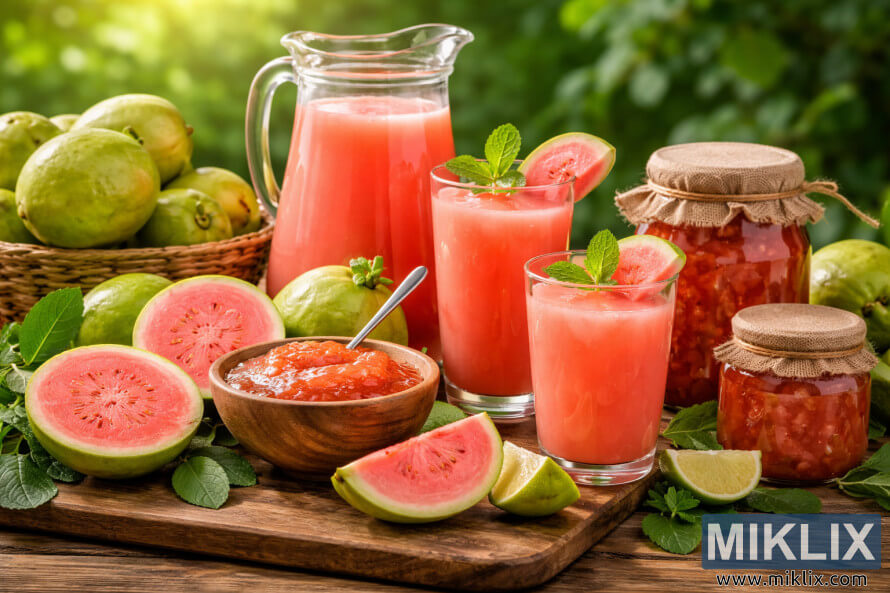
Guavas can be enjoyed fresh or transformed into delicious preserves, juices, and desserts
Storage Methods
Proper storage extends the life of your harvested guavas:
Room Temperature
- Firm, unripe guavas: 2-3 days to ripen
- Store in a single layer, not touching
- Keep away from direct sunlight
Refrigeration
- Ripe guavas: Up to 1 week
- Place in a perforated plastic bag in the crisper drawer
- Check daily and remove any that begin to spoil
Freezing
- Wash, peel, and slice guavas
- Remove seeds if desired
- Place in airtight containers or freezer bags
- Can be stored frozen for up to 8 months
Culinary Uses
Guavas are versatile fruits that can be used in numerous ways:
Fresh Consumption
- Eat whole (including skin and seeds for most varieties)
- Slice and add to fruit salads
- Pair with cheese for a sweet-savory snack
Cooking and Preserving
- Make guava jam, jelly, or paste (goiabada)
- Create tropical smoothies and juices
- Bake into pies, cakes, and other desserts
- Use in savory sauces for meat dishes
Guava seeds are edible and nutritious, containing beneficial fiber. However, for smoother textures in jams and desserts, you may want to strain them out.
Click or tap the image for more information and higher resolutions.
Troubleshooting Common Growing Problems
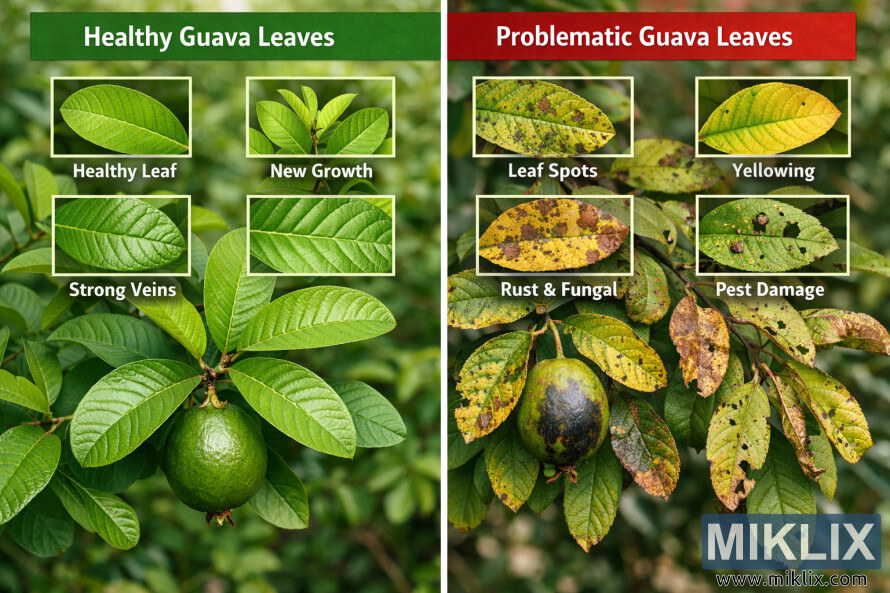
Identifying common problems early allows for prompt intervention
Even with proper care, guava trees can sometimes develop problems. Here are solutions to common issues you might encounter:
My guava tree isn't flowering or producing fruit
This could be due to several factors:
- Age: Trees need to be 2-4 years old before producing
- Insufficient sunlight: Ensure at least 6-8 hours of direct sun
- Improper fertilization: Too much nitrogen promotes leaf growth at the expense of flowers
- Incorrect pruning: Removing too much new growth eliminates potential fruiting wood
- Temperature stress: Extreme heat or cold can prevent flowering
Solution: Adjust care based on the likely cause. For young trees, patience is key. For established trees, ensure proper sunlight, switch to a fertilizer higher in phosphorus and potassium, and prune correctly.
Leaves are turning yellow and dropping
Yellowing leaves can indicate:
- Overwatering or poor drainage causing root stress
- Nutrient deficiencies, particularly iron or magnesium
- Pest infestation on the undersides of leaves
- Normal seasonal leaf drop (some varieties are semi-deciduous)
Solution: Check soil moisture and drainage first. If too wet, reduce watering and improve drainage. For nutrient deficiencies, apply appropriate supplements. For pests, treat with organic controls as described in the pest section.
Fruit drops before ripening
Premature fruit drop may be caused by:
- Inconsistent watering (especially drought followed by heavy watering)
- Nutrient imbalances
- Pest damage to fruit stems
- Natural thinning (trees sometimes drop excess fruit)
Solution: Maintain consistent soil moisture, especially during fruit development. Apply balanced fertilizer as recommended. Check for and treat pest issues promptly.
Cold damage to my guava tree
If your tree experiences frost or freezing:
- Don't prune damaged areas immediately—wait until spring to see what recovers
- Water moderately (moist but not soggy) to help recovery
- Apply a balanced fertilizer when new growth appears
- Provide frost protection in the future (covers, warming lights, etc.)
Solution: Be patient, as trees can often recover from minor cold damage. For severe damage, you may need to prune back to healthy wood once new growth emerges in spring.
Click or tap the image for more information and higher resolutions.
Conclusion
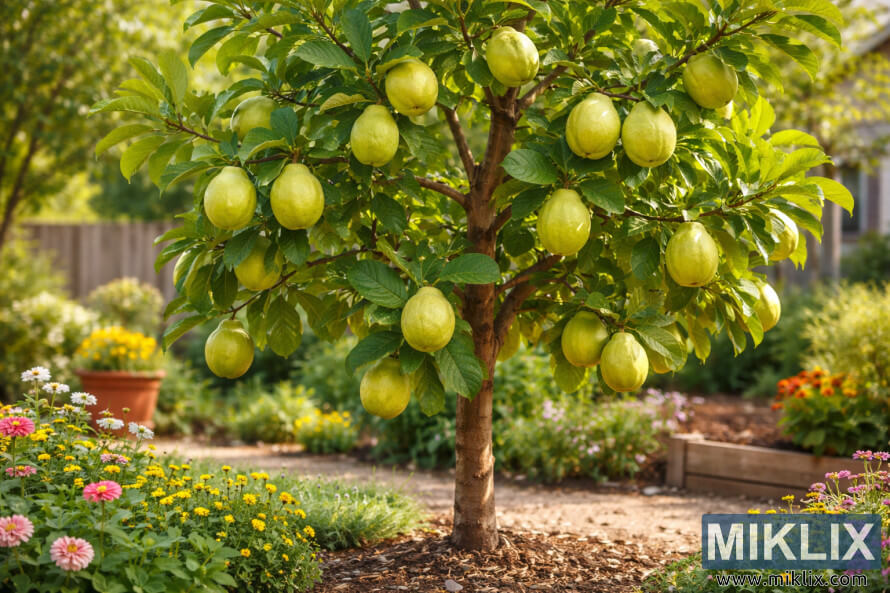
Growing your own guavas can be a rewarding experience that brings a taste of the tropics to your garden. While these trees do require specific conditions to thrive, they're more adaptable than many people realize, especially when grown in containers that can be moved to protected areas during adverse weather.
With proper care—including adequate sunlight, consistent watering, regular fertilization, and timely pruning—your guava trees can provide delicious, nutritious fruits for many years. Don't be discouraged by initial challenges; even experienced gardeners face setbacks when growing tropical fruits outside their native range.
Remember that each growing season brings new knowledge and experience. Take notes on what works in your specific microclimate, adjust your approach as needed, and enjoy the process of becoming a successful guava grower. The reward of harvesting your own homegrown guavas, with their unique flavor and exceptional nutritional benefits, makes all your efforts worthwhile.
And remember, the best time to plant a guava tree was five years ago. The second best time is today ;-)
Click or tap the image for more information and higher resolutions.
Further Reading
If you enjoyed this post, you may also like these suggestions:
- A Guide to Growing the Best Kale in Your Garden
- A Guide to Growing Eggplant in Your Own Garden
- A Complete Guide to Growing Leeks at Home Successfully