
A Guide to the Best Beet Varieties to Grow in Your Own Garden
Published: December 8, 2025 at 8:07:16 PM UTC
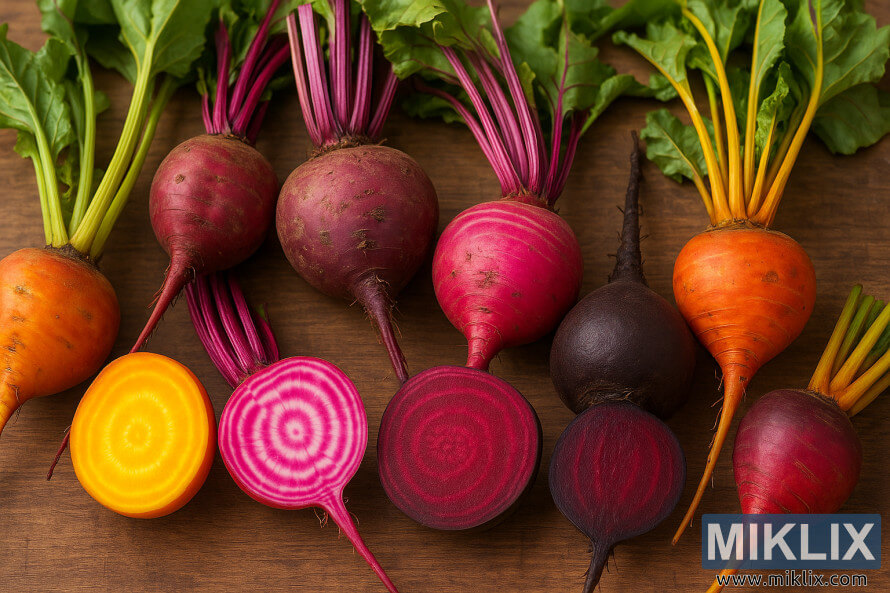
Beets are one of the most rewarding vegetables you can grow in your garden. With their vibrant colors, nutritional benefits, and versatility in the kitchen, beets deserve a special place in every home garden. Whether you're drawn to the classic deep red varieties or intrigued by golden, white, or striped options, there's a beet variety perfect for your garden and palate.
Click or tap the image for more information and higher resolutions.
As a cool-season crop, beets thrive in spring and fall, making them ideal for extending your growing season. They're also remarkably easy to grow, tolerant of less-than-perfect conditions, and offer the bonus of two harvests in one – nutritious leafy greens and flavorful roots. In this guide, we'll explore the best beet varieties to grow, with detailed information to help you select the perfect options for your garden.
Why Grow Beets in Your Garden?
Before diving into specific varieties, let's consider why beets deserve space in your garden:
- Nutritional powerhouse: Beets are packed with essential nutrients including folate, manganese, potassium, iron, and vitamin C. They're also rich in unique plant compounds called betalains that have powerful anti-inflammatory properties.
- Two crops in one: When you grow beets, you get nutritious leafy greens plus flavorful roots – maximizing your garden space.
- Extended harvest season: As a cool-weather crop, beets can be planted in early spring and again in late summer for fall harvest.
- Storage potential: Many beet varieties store well, providing homegrown produce long after harvest.
- Colorful garden addition: With varieties ranging from deep red to golden yellow to candy-striped, beets add visual interest to your garden and plate.
Beet Growing Basics
Before exploring specific varieties, here are some essential growing tips for success with any beet variety:
Soil Requirements
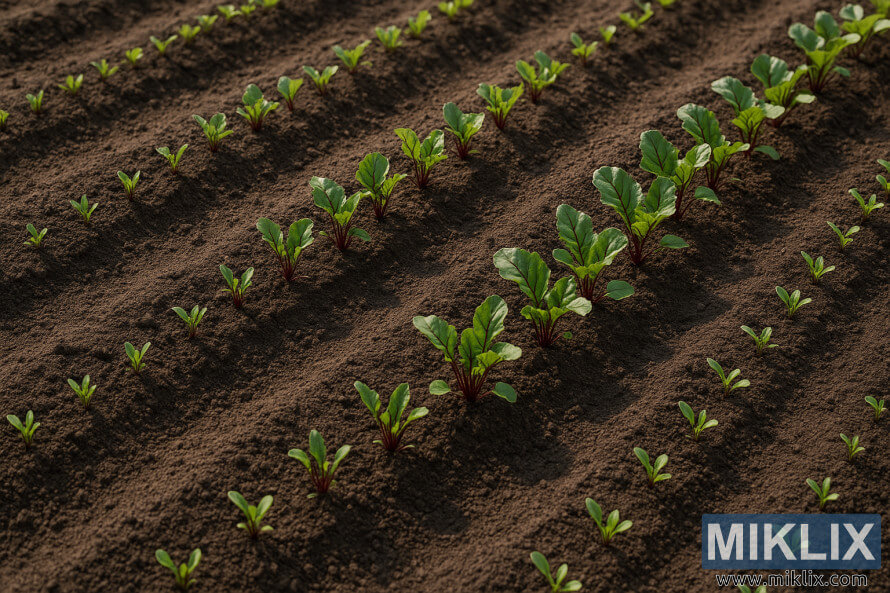
Beets prefer loose, well-draining soil with a pH between 6.0-7.0. They struggle in compacted soil, so work in compost before planting. Avoid fresh manure, which can cause forked roots. Remove stones that might impede root development.
Planting Times
Plant beets 2-4 weeks before the last spring frost for early crops, or 6-8 weeks before the first fall frost for autumn harvest. Soil temperature should be at least 50°F (10°C) for good germination. In warmer climates, focus on fall, winter, and early spring plantings.
Spacing and Watering
Sow seeds 1/2 inch deep, spaced 1-2 inches apart, in rows 12-18 inches apart. Thin seedlings to 3-4 inches apart when they reach 2 inches tall. Keep soil consistently moist but not waterlogged. Inconsistent watering can cause cracking or woody texture.
Common Challenges
Watch for leaf miners, aphids, and flea beetles on foliage. Prevent leaf spot diseases by avoiding overhead watering. Boron deficiency can cause black spots inside roots – add compost to prevent this issue.
Classic Red Beet Varieties
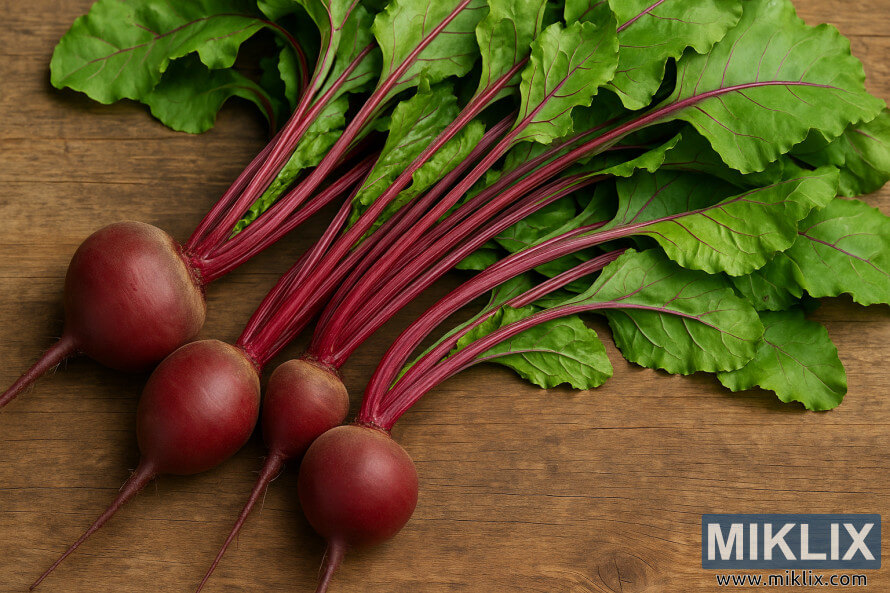
Red beets are the most familiar type, known for their deep earthy flavor and impressive nutritional profile. Here are some outstanding red varieties to consider for your garden:
Detroit Dark Red
This heirloom variety, introduced in 1892, remains one of the most popular beets for home gardeners – and for good reason.
Growing Characteristics:
- Days to maturity: 55-60 days
- Size and shape: 3-inch diameter, globe-shaped
- Greens: Dark green leaves with red stems, 12-18 inches tall
Flavor Profile:
Detroit Dark Red offers a sweet, mild flavor with less earthiness than many other red varieties. The smooth texture makes it versatile for many cooking methods.
Best Uses:
Excellent for canning, roasting, and fresh eating. The uniform deep red color makes it perfect for borscht and other beet soups.
Special Notes:
This variety has low geosmin content (the compound responsible for the "earthy" taste), making it a good choice for those who don't typically enjoy beets. It stores exceptionally well for winter use.

Click or tap the image for more information and higher resolutions.
Early Wonder
Also known as Boston Crosby or Nuttings Gem, this heirloom variety is prized for its early harvest and excellent greens.
Growing Characteristics:
- Days to maturity: 48-55 days
- Size and shape: 3-inch diameter, slightly flattened top
- Greens: Abundant dark green leaves with red stems, excellent for early harvest
Flavor Profile:
Sweet and mild with tender flesh. The greens have a pleasant, slightly spicy taste when harvested young.
Best Uses:
Perfect for early spring planting when you're eager for fresh garden produce. The tops make excellent greens for sautéing or adding to salads.
Special Notes:
This variety germinates well in cool soil, making it ideal for northern gardeners or early spring planting. Harvest the outer leaves throughout the growing season while the root continues to develop.
Click or tap the image for more information and higher resolutions.
Bull's Blood
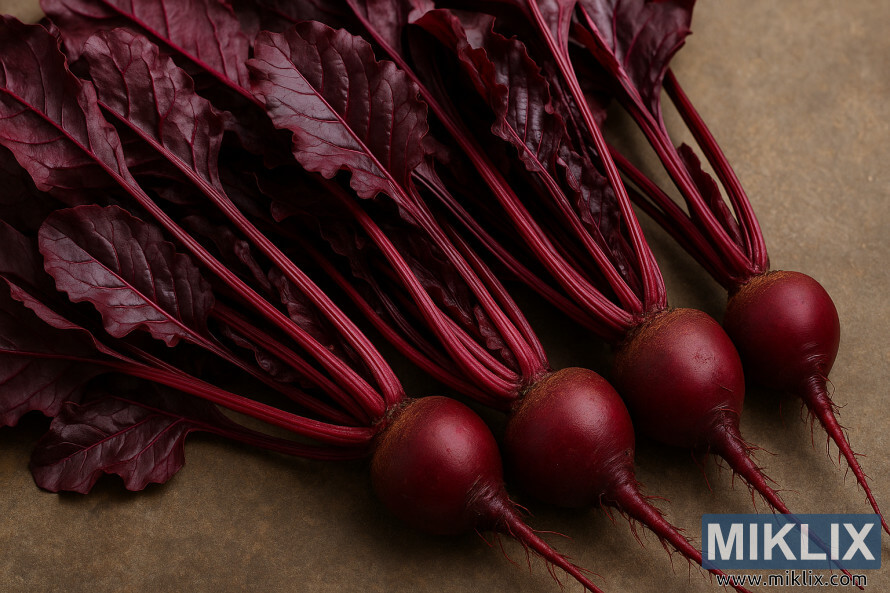
This stunning heirloom variety from 1840 is grown as much for its spectacular deep purple-red leaves as for its roots.
Growing Characteristics:
- Days to maturity: 50-60 days for roots, 35 days for baby greens
- Size and shape: 2-3 inch diameter, round
- Greens: Deep burgundy-red leaves, 14-16 inches tall
Flavor Profile:
The roots have a sweet, earthy flavor that's not bitter. The young leaves add beautiful color and mild flavor to salads.
Best Uses:
The dramatic dark leaves make beautiful microgreens or baby greens for salads. The roots are excellent roasted or pickled.
Special Notes:
For the darkest leaf color, grow in full sun. The deep red pigment in the leaves contains powerful antioxidants. Harvest roots when small (2 inches) for the best flavor and texture.
Click or tap the image for more information and higher resolutions.
Golden Beet Varieties
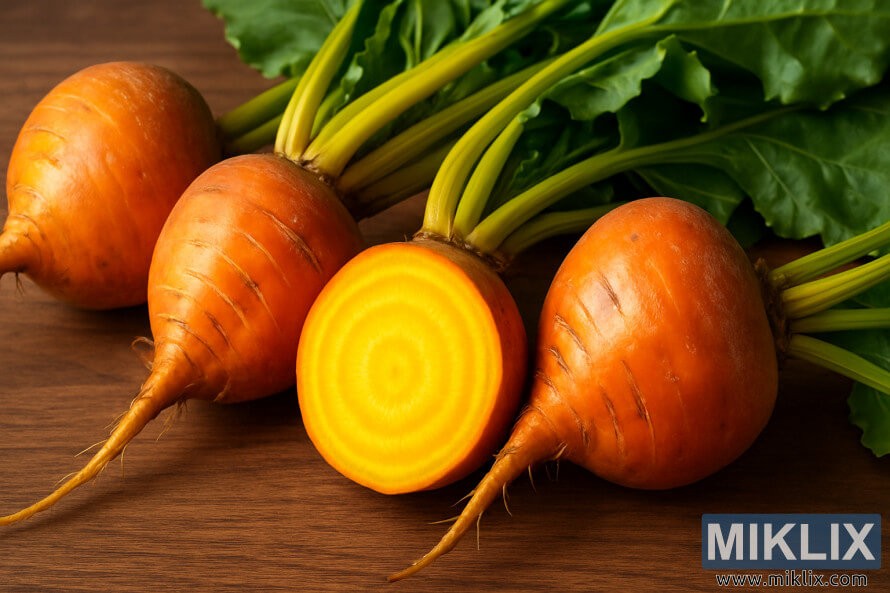
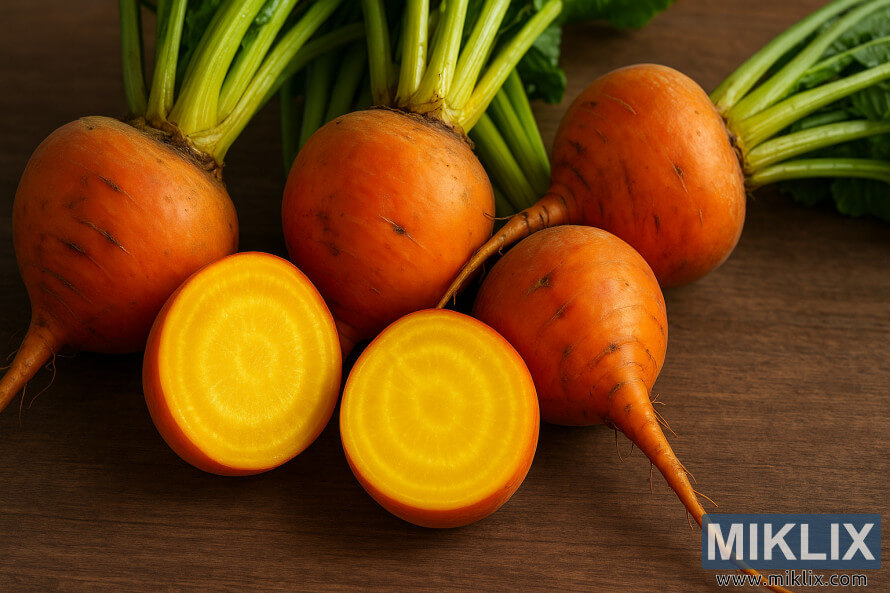
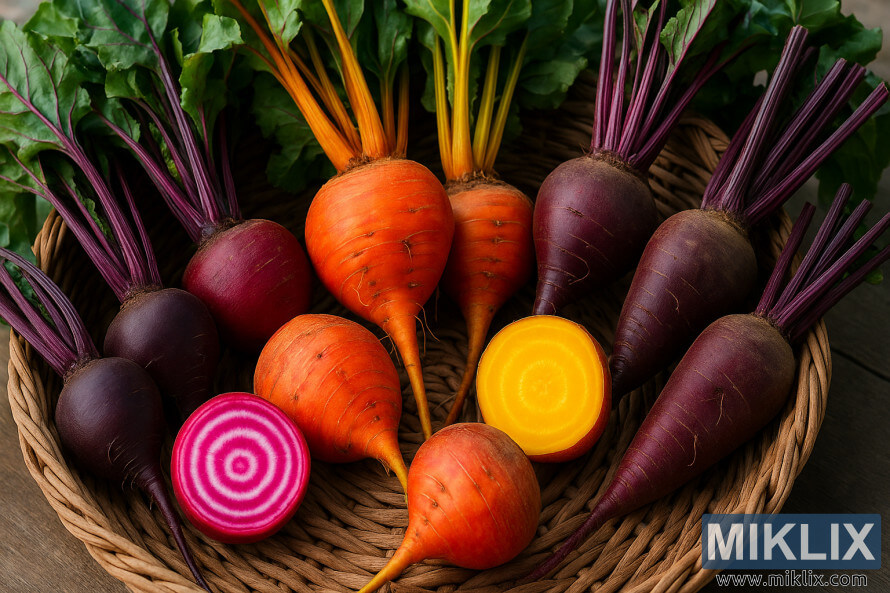
Golden beets offer a milder, sweeter flavor than red varieties and won't stain your hands or cutting boards. They're an excellent choice for those who find red beets too earthy.
Touchstone Gold
This improved golden beet variety offers reliability and consistent quality that earlier golden varieties sometimes lacked.
Growing Characteristics:
- Days to maturity: 55-60 days
- Size and shape: 3-inch diameter, round
- Greens: Light green tops with yellow stems, 12-18 inches tall
Flavor Profile:
Sweet and mild with none of the earthiness that some people dislike in red beets. The texture is smooth and tender.
Best Uses:
Excellent roasted, in salads, or pureed into soups. The bright color makes beautiful presentations when mixed with red beets.
Special Notes:
Touchstone Gold retains its bright color when cooked, unlike some older golden varieties that would fade. The seeds have a higher germination rate than many other beet varieties.
Click or tap the image for more information and higher resolutions.
Golden Boy
This golden variety is prized for its reliability and excellent flavor, making it a favorite for gardeners new to growing beets.
Growing Characteristics:
- Days to maturity: 55-60 days
- Size and shape: 2-3 inch diameter, uniform globe shape
- Greens: Bright green leaves, 12-18 inches tall
Flavor Profile:
Milder and less sweet than red beets, with a delicate flavor that appeals even to those who don't typically enjoy beets.
Best Uses:
Excellent in fresh salads, roasted with balsamic glaze, or as a colorful addition to vegetable platters.
Special Notes:
Golden beets contain different antioxidants than red varieties but are equally nutritious. They're particularly good harvested young when they're most tender and sweet.
Click or tap the image for more information and higher resolutions.
Specialty Beet Varieties
These unique varieties add color, conversation, and culinary interest to your garden and kitchen.
Chioggia (Candy Stripe)
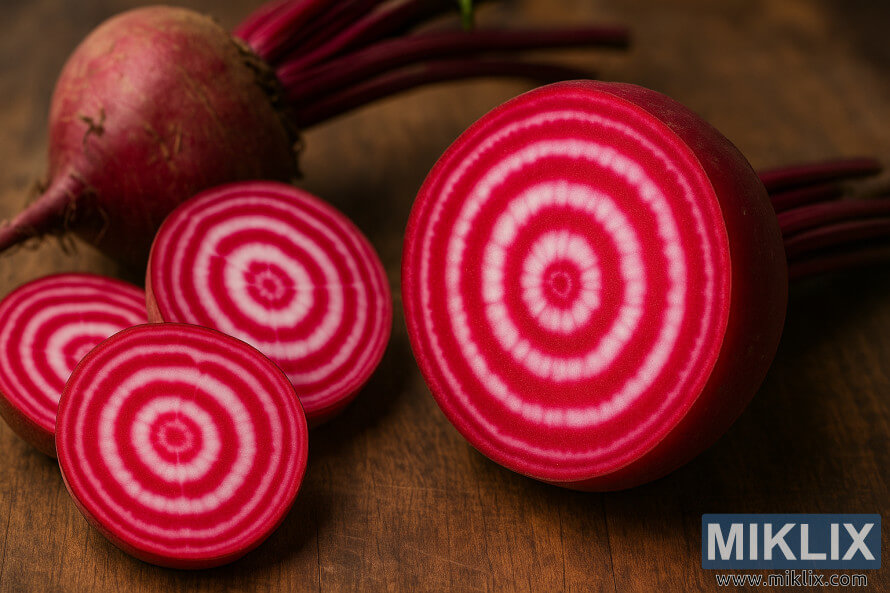
This Italian heirloom variety (pronounced "kee-OH-jah") dates back to the 1840s and offers stunning visual appeal with its concentric red and white rings.
Growing Characteristics:
- Days to maturity: 55-60 days
- Size and shape: 2-3 inch diameter, round
- Greens: Green leaves with pink stems, 12-18 inches tall
Flavor Profile:
Sweet and mild with a slightly peppery note. Less earthy than standard red beets, with a crunchy texture when raw.
Best Uses:
Best enjoyed raw in salads to showcase the striking pattern. The pattern fades when cooked, but the sweet flavor remains.
Special Notes:
For the most vibrant striping, harvest when roots are 2-3 inches in diameter. The unique appearance makes these beets a favorite for market gardeners and children's gardens.
Click or tap the image for more information and higher resolutions.
Cylindra (Formanova)
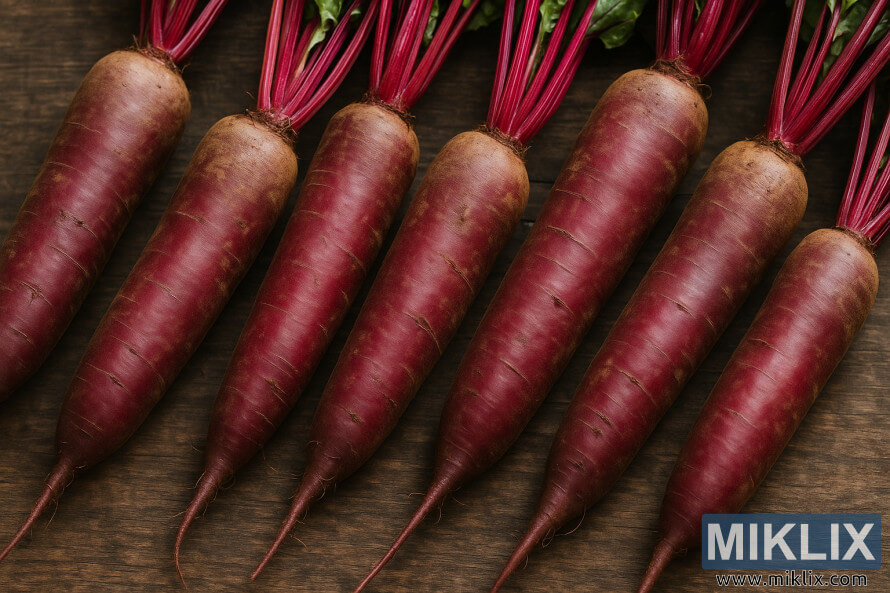
This Danish heirloom variety features an unusual cylindrical shape that makes it perfect for uniform slicing.
Growing Characteristics:
- Days to maturity: 55-60 days
- Size and shape: 6-8 inches long, 1.5-2 inches in diameter, cylindrical
- Greens: Medium green leaves, compact growth
Flavor Profile:
Sweet and tender with excellent flavor. The uniform texture throughout the root makes for consistent cooking.
Best Uses:
Ideal for slicing and pickling due to the uniform shape that yields equal-sized rounds. Also excellent for roasting and canning.
Special Notes:
The unique shape allows for more slices per beet and minimizes waste. These beets can be planted closer together than round varieties, maximizing garden space.
Click or tap the image for more information and higher resolutions.
Avalanche
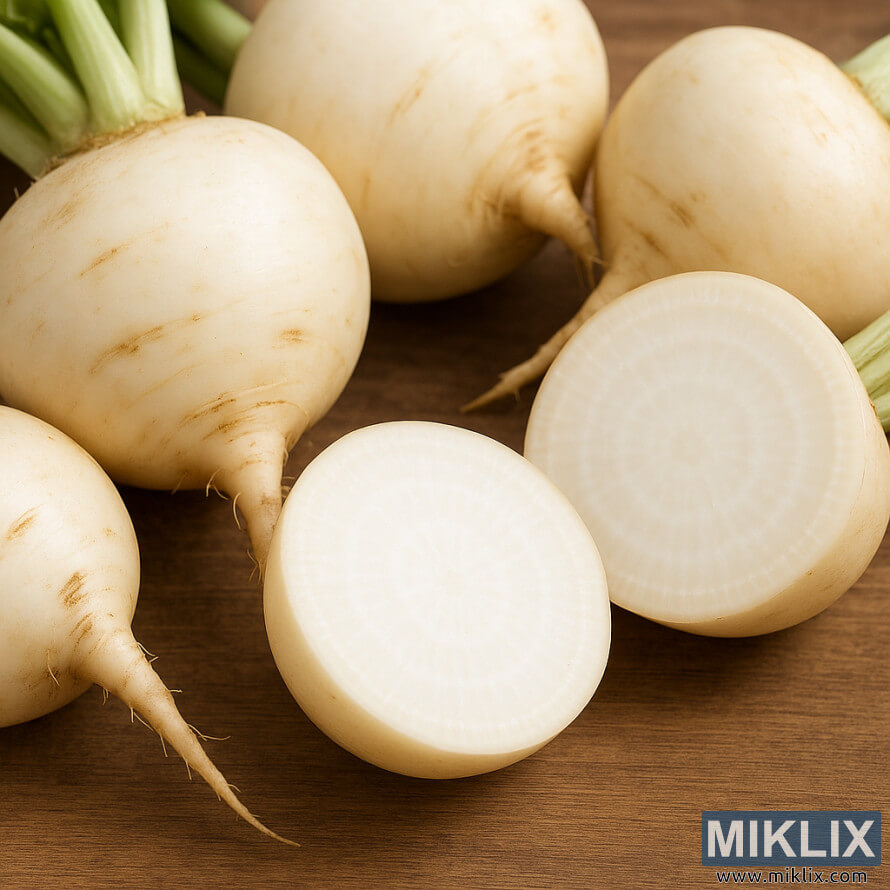
This unique white beet variety offers the sweet flavor of beets without the staining or earthy taste that some find objectionable.
Growing Characteristics:
- Days to maturity: 55-60 days
- Size and shape: 2-3 inch diameter, round
- Greens: Bright green leaves with white stems
Flavor Profile:
Exceptionally sweet and mild with none of the earthiness associated with red beets. The texture is tender and juicy.
Best Uses:
Perfect for raw applications like salads and slaws where their clean, sweet flavor shines. Also excellent roasted or in soups.
Special Notes:
White beets won't stain hands, cutting boards, or other foods, making them ideal for mixed vegetable dishes. They're a great "gateway beet" for those who think they don't like beets.
Click or tap the image for more information and higher resolutions.
Beet Variety Comparison
Use this handy comparison table to select the perfect beet varieties for your garden needs:
| Variety | Days to Maturity | Color | Flavor Profile | Best Uses | Special Features |
| Detroit Dark Red | 55-60 | Deep red | Sweet, mild | Canning, roasting, fresh | Excellent storage, low geosmin |
| Early Wonder | 48-55 | Deep red | Sweet, mild | Early harvest, greens | Cold-tolerant, excellent greens |
| Bull's Blood | 50-60 | Deep burgundy | Sweet, earthy | Microgreens, roasting | Beautiful dark leaves |
| Touchstone Gold | 55-60 | Golden yellow | Sweet, mild | Roasting, salads, soups | No staining, retains color when cooked |
| Golden Boy | 55-60 | Golden orange | Mild, delicate | Fresh eating, roasting | Good for beet beginners |
| Chioggia | 55-60 | Red & white rings | Sweet, peppery | Raw in salads | Striking candy-stripe pattern |
| Cylindra | 55-60 | Deep red | Sweet, tender | Slicing, pickling | Unique cylindrical shape |
| Avalanche | 55-60 | Pure white | Very sweet, no earthiness | Raw applications | No staining, gateway beet |
Planting and Harvesting Tips for Success
Planting for Success
- Soak seeds: Beet seeds have a hard outer coating. Soaking them in water for 24 hours before planting improves germination.
- Succession planting: Plant small batches every 2-3 weeks for continuous harvest rather than all at once.
- Thinning: Beet "seeds" are actually seed clusters that produce multiple seedlings. Thin to 3-4 inches apart when seedlings reach 2 inches tall.
- Use thinnings: Don't discard thinned seedlings – the baby greens are delicious in salads!
- Mulch: Apply a light layer of mulch to retain moisture and suppress weeds.
Harvesting and Storage
- Harvest greens: Begin harvesting outer leaves when they're 4-6 inches tall, leaving the center to continue growing.
- Root harvest: Most beets are ready when they reach 1.5-3 inches in diameter. Larger beets may become woody.
- Twist method: Gently twist and pull beets rather than yanking them to prevent breaking the tap root.
- Storage prep: Remove greens, leaving 1-2 inches of stem (prevents bleeding), but don't trim the tail root until after storage.
- Storage options: Store unwashed beets in a cool (32-40°F), humid place in perforated plastic bags for 2-4 months.
Tip: Growing Beets in Containers
Beets grow well in containers at least 12 inches deep. Choose compact varieties like 'Robin' or 'Detroit Dark Red'. Use high-quality potting mix and ensure good drainage. Container-grown beets may need more frequent watering but are less susceptible to soil-borne pests.
Click or tap the image for more information and higher resolutions.
Frequently Asked Questions About Growing Beets
Why are my beet leaves turning yellow?
Yellowing leaves often indicate nutrient deficiency, particularly nitrogen. Side-dress plants with compost or apply a balanced organic fertilizer. Yellowing can also result from inconsistent watering or pest damage. Check the undersides of leaves for aphids or leaf miners.
My beets grew greens but no roots. What happened?
This is typically caused by one of three issues: 1) Overcrowding – beets need to be thinned to 3-4 inches apart, 2) Too much nitrogen – which promotes leaf growth at the expense of roots, or 3) Compacted soil – beets need loose soil to form proper roots.
Can I grow beets in summer?
Beets prefer cool temperatures between 50-65°F (10-18°C) and can bolt (go to seed) in hot weather above 85°F (29°C). In hot climates, grow beets as a fall, winter, or early spring crop. If you want summer beets, choose heat-tolerant varieties like 'Robin' and provide afternoon shade.
What are the black spots inside my beets?
Black spots or rings inside beets are typically caused by boron deficiency. Prevent this by maintaining consistent soil moisture and adding compost to your soil. A foliar spray of seaweed extract can help correct the issue for the current crop.
Ready to Grow Beautiful Beets?
Growing beets offers both culinary versatility and nutritional benefits. By selecting a variety of beet types – from classic reds to golden yellows to striped Chioggias – you'll add color, flavor, and nutrition to your garden and plate.
Don't be afraid to experiment with multiple varieties in the same season. With their relatively quick growing time and modest space requirements, beets allow you to explore different colors, shapes, and flavors without a huge garden commitment.
Remember that fresh, homegrown beets taste significantly better than store-bought options. Even if you've never been a beet fan before, the sweet, tender varieties grown in your own garden might just change your mind!
Start with easy, reliable varieties like Detroit Dark Red or Golden Boy, then branch out to more unusual options as you gain confidence. Before long, you'll be enjoying beautiful beets from your garden throughout the growing season.
Click or tap the image for more information and higher resolutions.
Further Reading
If you enjoyed this post, you may also like these suggestions:
- A Guide to Growing the Best Elderberries in Your Garden
- Growing Your Own Broccoli: A Guide for Home Gardeners
- Growing Shallots: Your Complete Guide to a Bountiful Harvest