
A Guide to Growing Wheatgrass at Home
Published: February 18, 2026 at 6:16:53 PM UTC
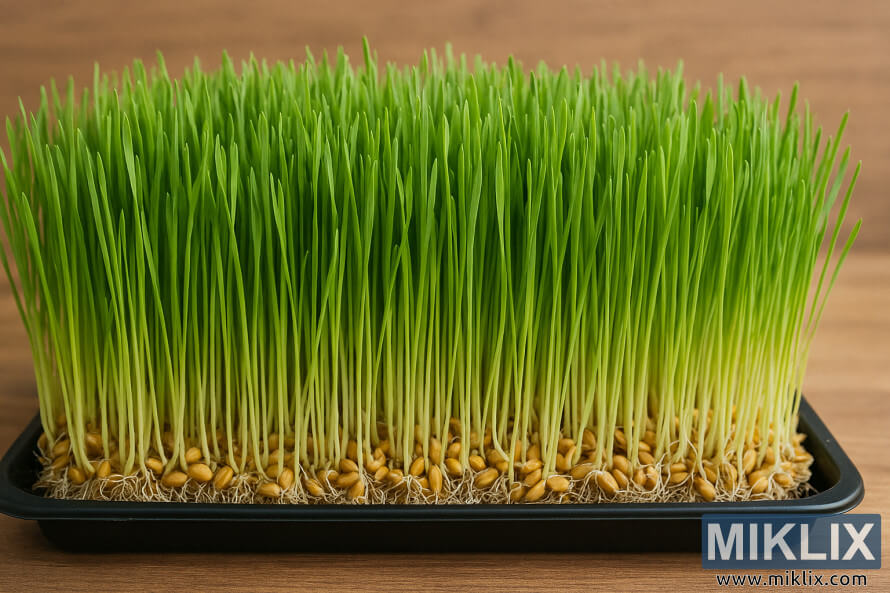
Wheatgrass has gained popularity as a powerful superfood packed with vitamins, minerals, and chlorophyll. Growing your own wheatgrass at home is not only cost-effective but also ensures you have access to the freshest, most nutritious grass possible.
Click or tap the image for more information and higher resolutions.
This guide will walk you through the simple process of growing wheatgrass in your own garden or kitchen, allowing you to enjoy its benefits whenever you want.
What is Wheatgrass and Why Grow It?
Wheatgrass is the young grass of the wheat plant (Triticum aestivum), harvested before it forms a grain. It's the first grass that sprouts when wheat berries germinate, typically harvested 7-10 days after sprouting when it reaches its nutritional peak.
Health Benefits
- Rich in vitamins A, B, C, E, and K
- High in minerals including calcium, iron, magnesium, and potassium
- Contains up to 70% chlorophyll, often called "plant blood"
- Packed with amino acids and enzymes
- Supports detoxification and immune function
Benefits of Growing at Home
- Significantly more affordable than store-bought wheatgrass shots
- Control over growing conditions (organic, no pesticides)
- Always fresh and at peak nutritional value
- Simple process requiring minimal space
- Sustainable and environmentally friendly
Click or tap the image for more information and higher resolutions.
Getting Started: Materials Needed
Before you begin growing wheatgrass, gather these essential supplies to ensure successful growth. Quality materials will make the process easier and result in healthier wheatgrass.
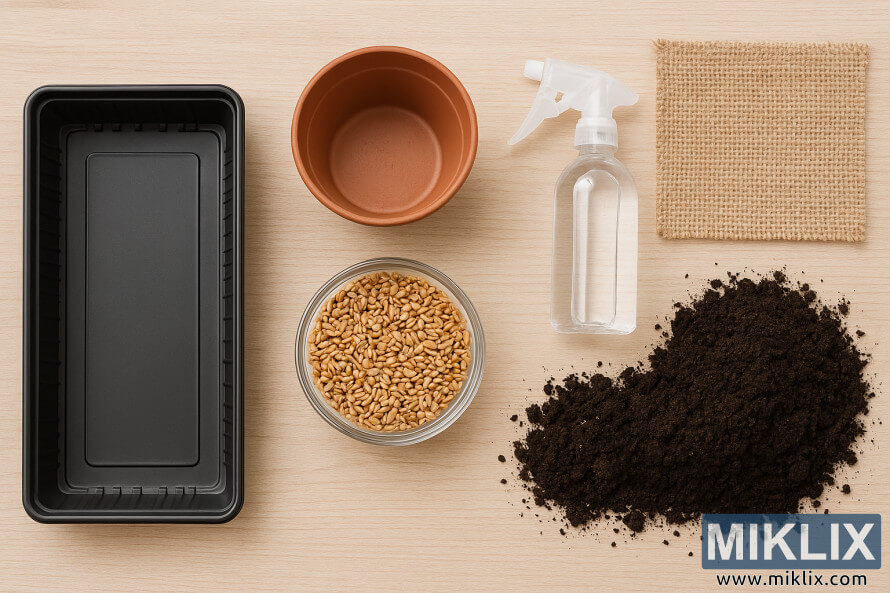
Essential Supplies
- Wheatgrass seeds (wheat berries) - Organic hard winter wheat berries work best
- Growing trays - Shallow containers with drainage holes
- Growing medium - Organic potting soil or soilless options like coconut coir
- Spray bottle - For gentle watering
- Scissors - For harvesting
- Container for soaking seeds - A mason jar works well
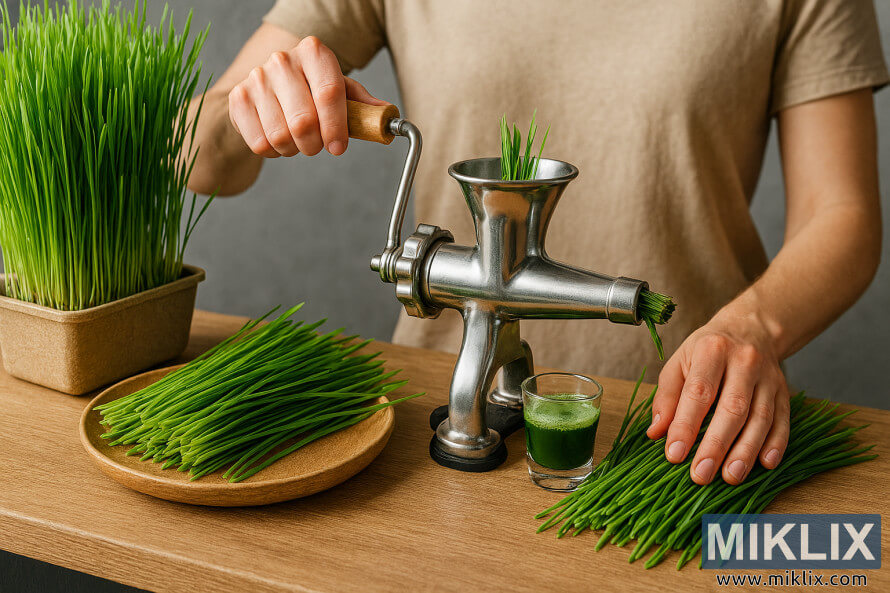
- Optional: Wheatgrass juicer - For extracting juice
Click or tap the image for more information and higher resolutions.
The Planting Process: Step by Step
Seed Preparation
The first step in growing wheatgrass is properly preparing the seeds. This process awakens the dormant seeds and initiates germination, which is crucial for successful growth.
- Measure your seeds - For a standard 10×10 inch tray, use about 1-2 cups of wheat berries
- Rinse thoroughly - Place seeds in a colander and rinse under cool water to remove dust and debris
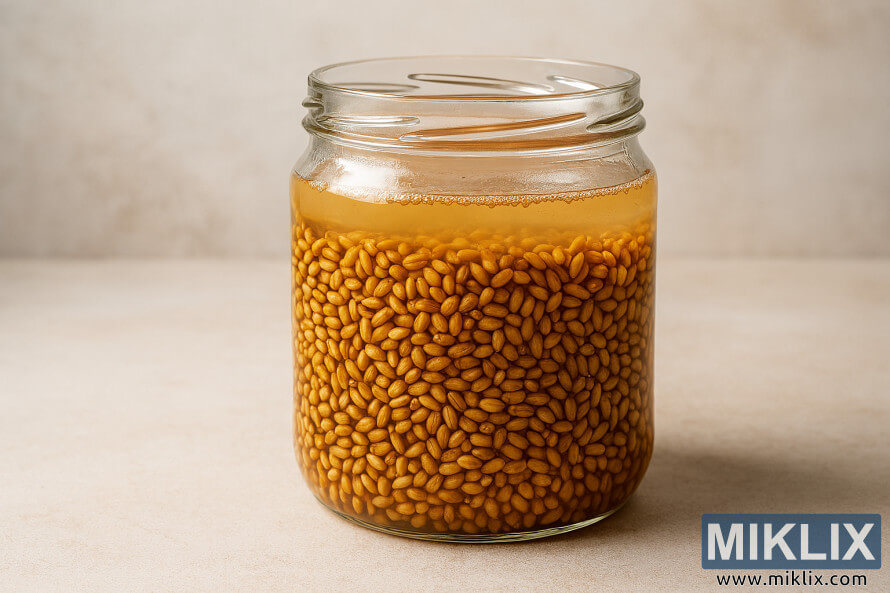
- Soak the seeds - Transfer to a clean container and cover with water (about 2-3 times the volume of seeds)
- Allow to soak for 8-12 hours - This initiates germination and softens the seed coat
- Drain and rinse - After soaking, drain the water and rinse seeds thoroughly
Pro Tip: After the initial soak, you can continue rinsing and draining the seeds 2-3 times a day for 1-2 days until you see tiny white roots emerging. This pre-sprouting step leads to more even and vigorous growth.
Click or tap the image for more information and higher resolutions.
Preparing the Tray
Setting up your growing tray properly creates the ideal environment for your wheatgrass to thrive. The right soil depth and moisture level are key factors for success.
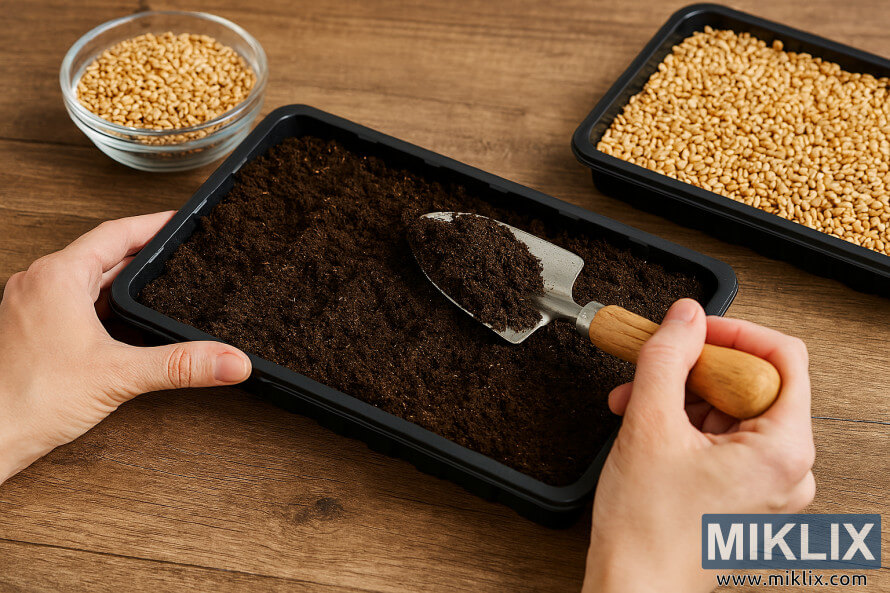
- Select your tray - Ensure it has drainage holes at the bottom
- Add growing medium - Fill the tray with about 1-2 inches of organic potting soil or coconut coir
- Moisten the medium - Water thoroughly until moist but not soggy
- Level the surface - Create an even growing surface by gently patting down the soil
Click or tap the image for more information and higher resolutions.
Soil Method
Using soil provides nutrients for your wheatgrass and typically results in more nutritious grass. Organic potting soil mixed with a bit of compost works best. Ensure the soil is thoroughly moistened before planting.
Soilless Method
For a cleaner alternative, you can grow wheatgrass without soil using coconut coir, vermiculite, or even just paper towels. While this method may produce slightly less nutritious grass, it's less messy and still very effective.
Sowing the Seeds
Proper seed distribution is crucial for growing healthy wheatgrass. Seeds should be spread evenly and densely to maximize yield while still allowing each seed enough space to develop.
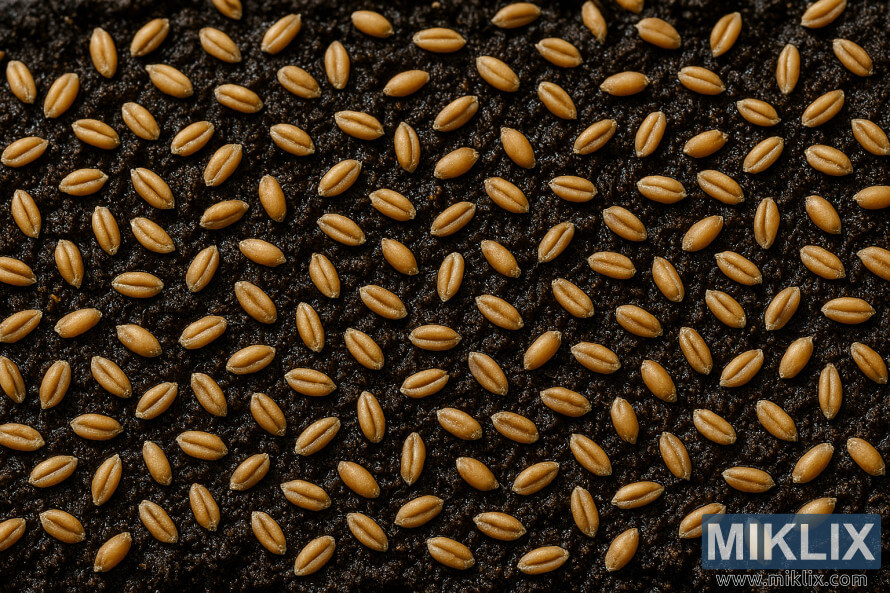
- Drain pre-soaked seeds - Ensure excess water is removed
- Spread seeds evenly - Distribute them across the surface of your growing medium in a dense, even layer
- Press gently - Lightly press seeds into the soil to ensure good contact
- Mist with water - Use a spray bottle to thoroughly moisten the seeds
- Cover the tray - Use another tray, a piece of cardboard, or newspaper to create darkness
Click or tap the image for more information and higher resolutions.
Initial Care
The first few days are critical for establishing strong wheatgrass. During this period, the seeds will send down roots and begin to sprout upward, requiring specific conditions for optimal growth.
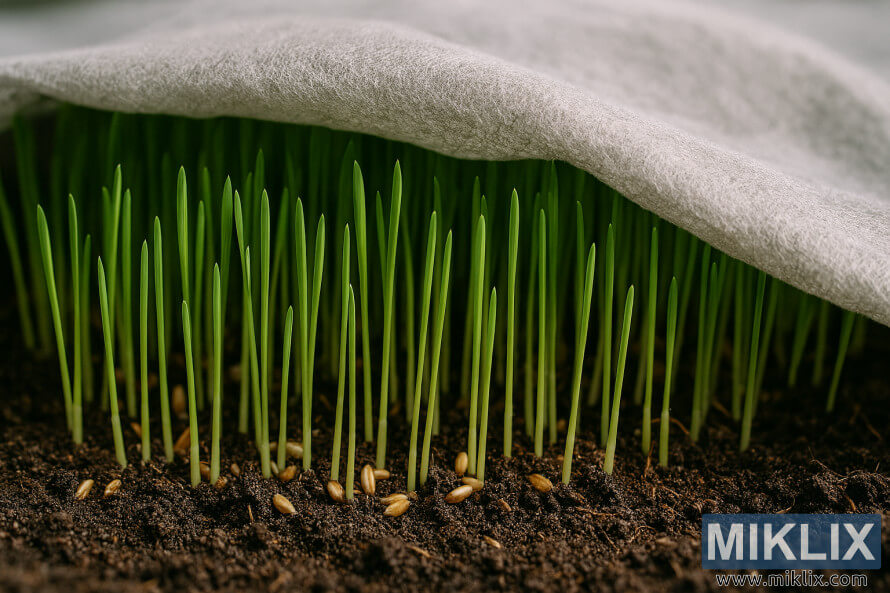
- Keep covered - Maintain darkness for the first 3-4 days
- Maintain moisture - Mist with water 1-2 times daily
- Check daily - Monitor for growth and moisture levels
- Remove cover when sprouts reach 1-2 inches - Usually around day 3-4
Important: During the covered phase, check daily for any signs of mold (white fuzzy growth). If you spot mold, increase air circulation and reduce watering slightly.
Click or tap the image for more information and higher resolutions.
Care During Growth
Once your wheatgrass sprouts have reached 1-2 inches and you've removed the cover, they'll need ongoing care to develop into healthy, nutritious grass. The following practices will help ensure optimal growth.
Watering
Water your wheatgrass daily, preferably in the morning. Use a spray bottle for gentle watering that won't disturb the developing roots. The growing medium should remain consistently moist but not waterlogged. Reduce watering if you notice any yellowing of the grass.
Light
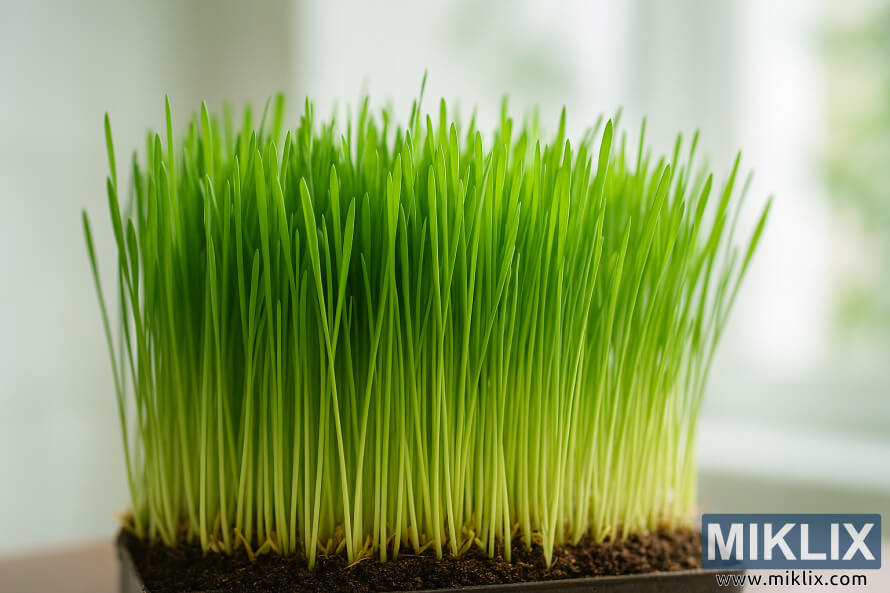
Place your tray in bright, indirect sunlight. A north or east-facing window is ideal. While wheatgrass can tolerate some direct morning sun, avoid harsh afternoon sunlight which can scorch the tender blades. If natural light is limited, a grow light can be used.
Air Circulation
Good airflow is essential to prevent mold growth. Ensure your growing area has adequate ventilation. A small fan on low setting nearby can help if your space tends to be humid or has poor air circulation. Just be careful not to dry out the soil too quickly.
Click or tap the image for more information and higher resolutions.
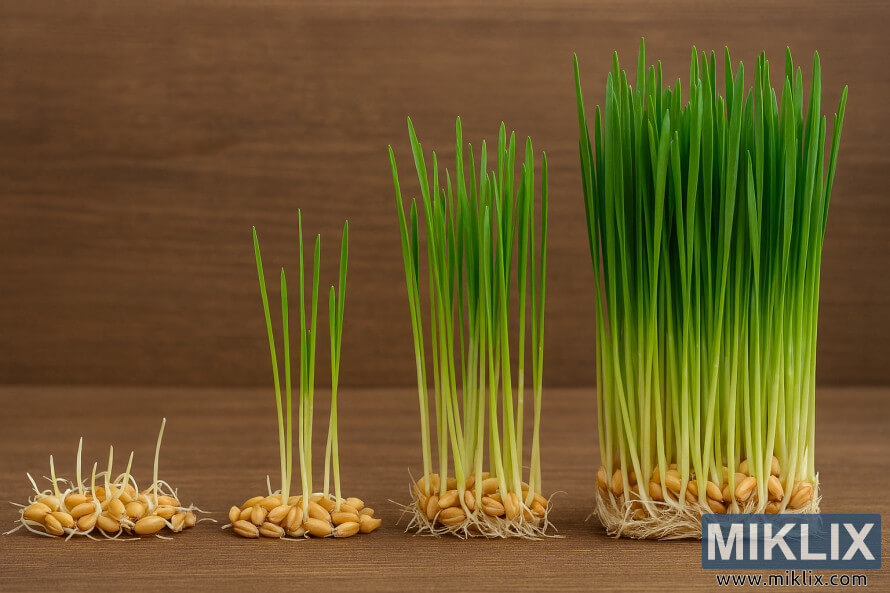
Growth Stages to Monitor
Understanding the growth stages of wheatgrass helps you track progress and know when to expect harvest. Each stage has distinct characteristics that indicate healthy development.
| Day | Stage | Appearance | Care Needed |
| 1-3 | Germination | White roots emerging, pale shoots | Keep covered, moist, and dark |
| 4-5 | Early Growth | Pale yellow-green shoots, 1-2 inches | Remove cover, introduce to light |
| 6-7 | Greening | Deepening green color, 3-4 inches | Regular watering, full indirect light |
| 8-10 | Maturity | Vibrant green, 6-7 inches, split leaves | Maintain moisture, ready for harvest |
Click or tap the image for more information and higher resolutions.
Harvesting and Using Your Wheatgrass
Knowing when and how to harvest your wheatgrass ensures you get the maximum nutritional benefit. Properly harvested wheatgrass can be used immediately or stored for a short period.
When to Harvest
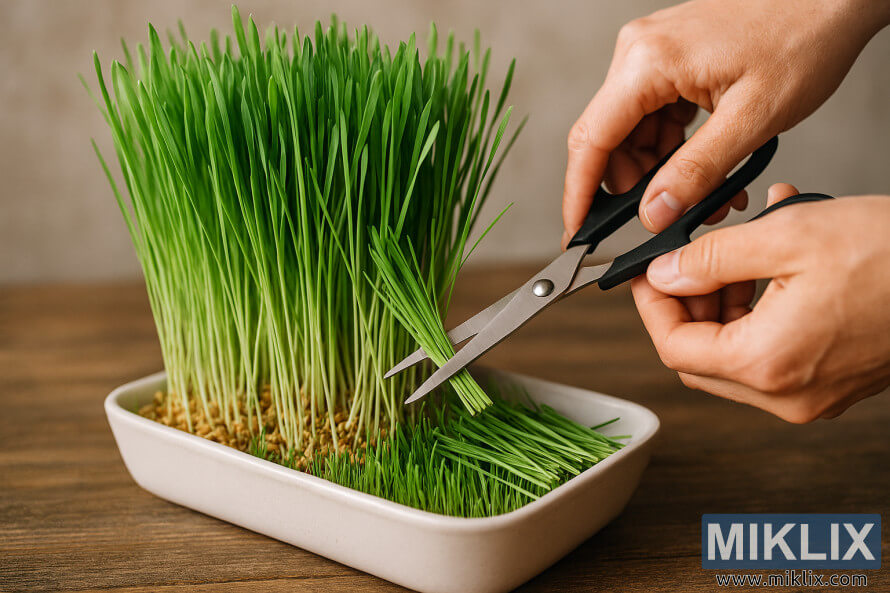
The optimal time to harvest wheatgrass is when it reaches 7-10 days of growth and stands about 6-7 inches tall. Look for the "jointing stage" when a second blade begins to appear from the main blade – this indicates peak nutritional content. The grass should be vibrant green and standing upright.
Click or tap the image for more information and higher resolutions.
Harvesting Technique
- Use clean, sharp scissors - This ensures a clean cut without damaging the grass
- Cut about 1/2 inch above the soil line - Avoid cutting too close to the soil
- Harvest only what you plan to use immediately - Wheatgrass is best when fresh
- If growing multiple trays - Harvest the oldest tray first
Using Your Wheatgrass
Freshly harvested wheatgrass can be used in various ways to enjoy its nutritional benefits. The most popular methods include:
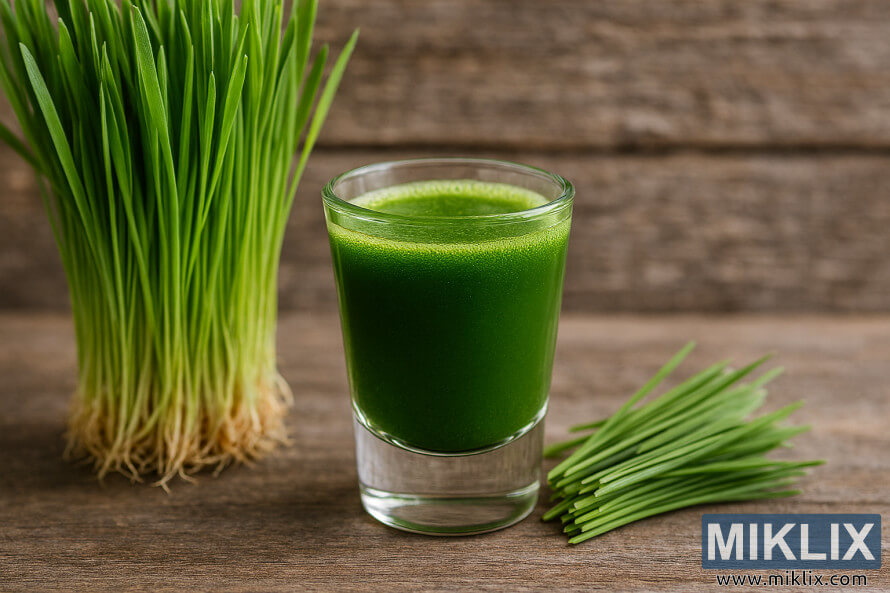
Juicing
The most common use for wheatgrass is juicing. Since human digestive systems can't break down the fibrous grass, a specialized wheatgrass juicer (masticating type) is needed to extract the nutrient-rich juice. A standard tray yields about 2-4 ounces of juice.
Other Uses
- Add to smoothies (blend well and strain if needed)
- Freeze juice in ice cube trays for later use
- Add small amounts to salad dressings
- Use as a garnish for soups and dishes
Click or tap the image for more information and higher resolutions.
Troubleshooting Common Issues
Even with proper care, you might encounter some challenges when growing wheatgrass. Here are solutions to the most common problems.
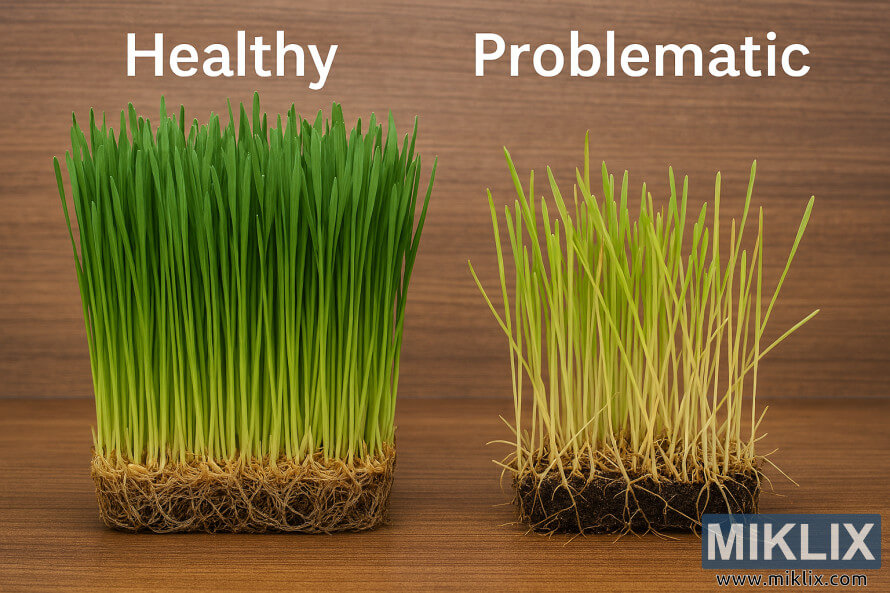
Common Problems
- Mold growth - White fuzzy patches on soil or seeds
- Yellowing grass - Blades turning yellow prematurely
- Slow growth - Grass not reaching expected height
- Thin, weak blades - Grass falling over or looking sparse
- Unpleasant smell - Sour or musty odor from the tray
Solutions
- Improve air circulation, reduce watering, ensure proper drainage
- Check watering - could be too much or too little; ensure proper light
- Verify temperature (65-75°F is ideal) and ensure adequate light
- Plant seeds more densely and ensure proper nutrition in growing medium
- Check for overwatering or poor drainage causing root rot
Prevention Tip: Clean all your growing equipment thoroughly between crops to prevent mold spores from transferring to new plantings. A solution of 1 part vinegar to 3 parts water works well for cleaning trays.
Click or tap the image for more information and higher resolutions.
Setting Up for Continuous Harvest
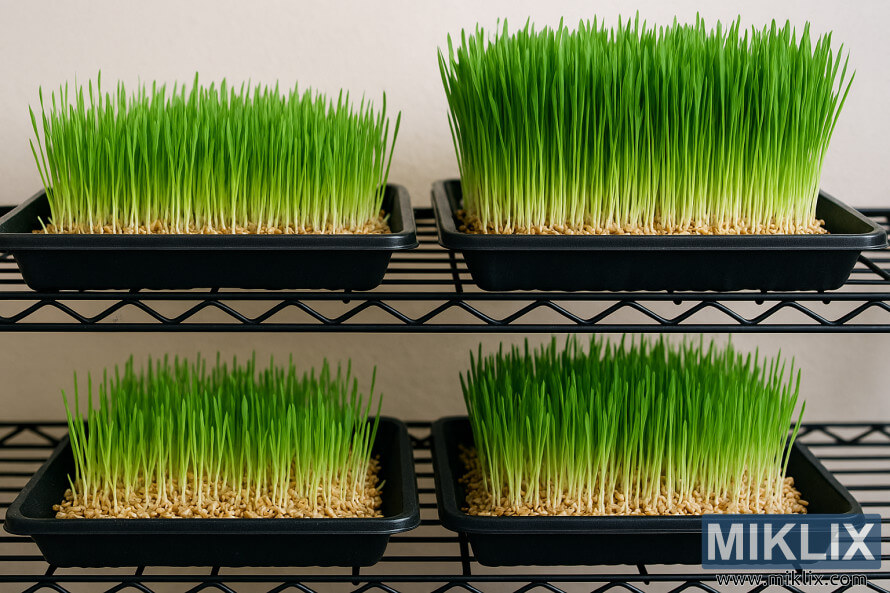
To ensure a steady supply of fresh wheatgrass, establish a rotation system with multiple trays at different growth stages. This method allows you to harvest fresh grass regularly without interruption.
- Start a new tray every 3-4 days - This creates a staggered growing schedule
- Label each tray with the starting date - Helps track growth stages
- Maintain 3-4 trays in rotation - Provides continuous harvest
- After harvesting - Start a new tray to replace the harvested one
Click or tap the image for more information and higher resolutions.
Conclusion
Growing wheatgrass at home is a rewarding process that provides you with fresh, nutritious greens at a fraction of the cost of store-bought options. With minimal equipment and just a few minutes of care each day, you can establish a continuous supply of this superfood right in your own home.
Remember that each growing environment is unique, so don't be afraid to adjust these guidelines to suit your specific conditions. The most important factors are maintaining proper moisture, providing adequate light after the initial sprouting phase, and ensuring good air circulation.
As you become more experienced, you might want to experiment with different growing mediums, seed densities, or even growing outdoors during warm months. The process is forgiving and each crop is an opportunity to refine your technique.

Click or tap the image for more information and higher resolutions.
Further Reading
If you enjoyed this post, you may also like these suggestions:
- Growing Blueberries: A Guide to Sweet Success in Your Garden
- Top Apple Varieties and Trees to Grow in Your Garden
- A Complete Guide to Growing Rhubarb in Your Home Garden