
A Guide to the Health Benefits of Celery
פורסם:
עודכן לאחרונה: 17 במאי 2026 בשעה 19:35:45 UTC
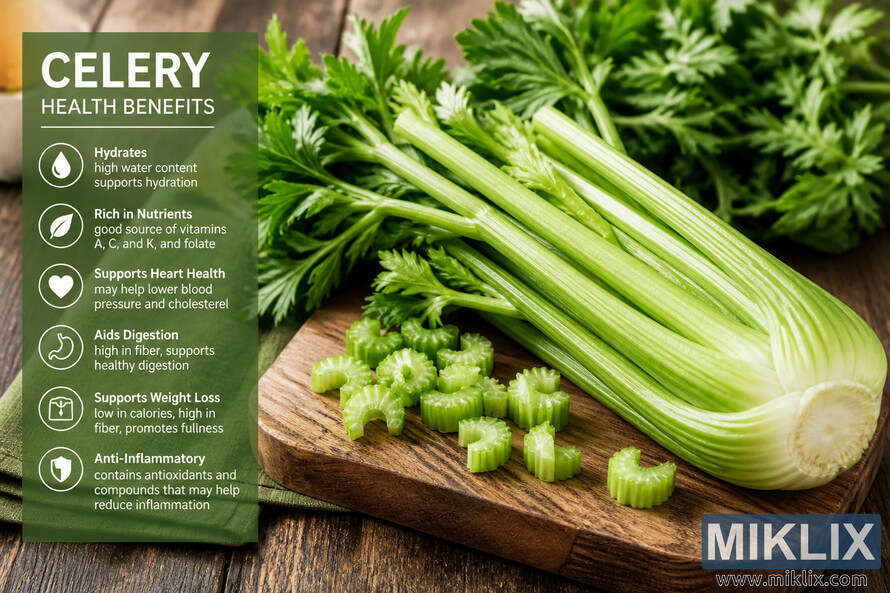
Celery often sits quietly in your refrigerator's vegetable drawer. This humble vegetable deserves more attention than it typically receives. The health benefits celery provides extend far beyond its role as a simple salad ingredient or soup base.
A Guide to the Health Benefits of Celery
לחץ או הקש על התמונה לקבלת מידע נוסף ורזולוציות גבוהות יותר.
Many people overlook this crunchy green vegetable. Yet celery packs impressive nutritional value into its crisp stalks. From supporting heart health to fighting inflammation, celery offers remarkable benefits for your body.
This comprehensive guide explores everything you need to know about celery. You'll discover its complete nutritional profile and learn practical ways to incorporate more of this powerful vegetable into your daily diet.
The Complete Nutritional Profile of Celery
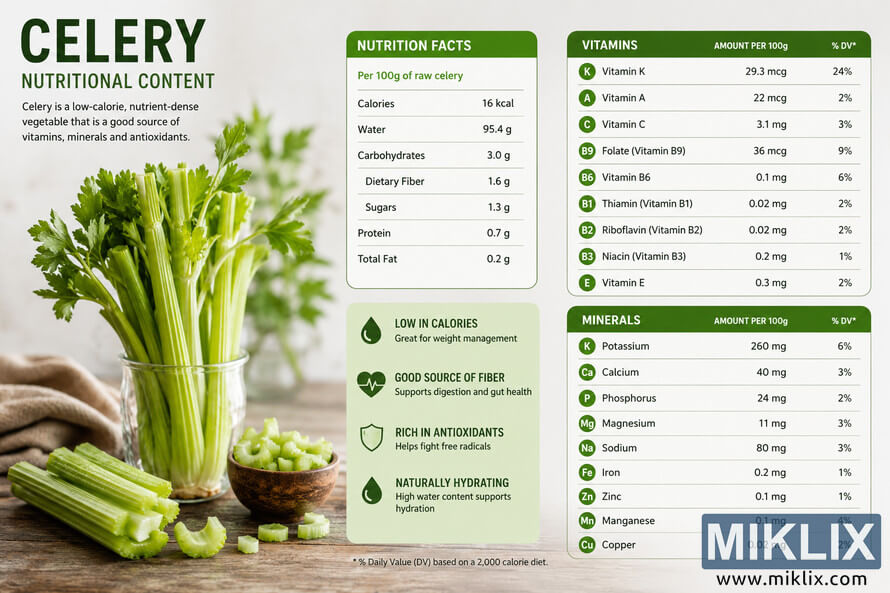
Celery contains an impressive array of nutrients despite being very low in calories. One cup of chopped celery provides only 14 calories. This makes it an excellent choice for people watching their weight.
Vitamins and Minerals in Celery
The vegetable provides essential vitamins that support various body functions. Vitamin K stands out as one of celery's most abundant nutrients. One cup delivers about 30% of your daily vitamin K needs.
Vitamin A supports eye health and immune function. Celery also contains vitamin C, which helps protect your cells from damage. Folate, another important nutrient found in celery, plays a crucial role in cell growth and metabolism.
Key Vitamins
- Vitamin K for blood clotting
- Vitamin A for vision health
- Vitamin C for immune support
- Folate for cell function
Essential Minerals
- Potassium for heart health
- Calcium for bone strength
- Magnesium for muscle function
- Sodium for fluid balance
לחץ או הקש על התמונה לקבלת מידע נוסף ורזולוציות גבוהות יותר.
Fiber and Water Content
Celery contains both soluble and insoluble fiber. One cup provides about 1.6 grams of fiber. This fiber supports digestive health and helps you feel full longer.
The high water content in celery is remarkable. Celery consists of approximately 95% water. This makes it incredibly hydrating and refreshing to eat.
Hydration Benefits of Celery
The high water content makes celery an excellent food for staying hydrated. Your body needs adequate water for virtually every function. Eating water-rich vegetables like celery helps you meet your hydration needs.
Celery also contains electrolytes including sodium and potassium. These minerals help maintain proper fluid balance in your body. The combination of water and electrolytes makes celery particularly beneficial after exercise.
Celery Juice for Hydration
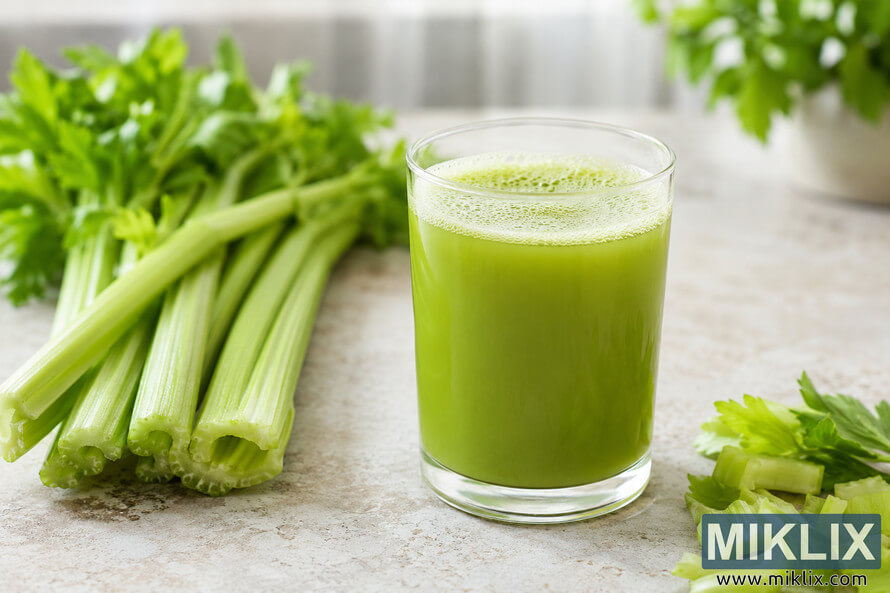
Celery juice has gained popularity as a hydrating beverage. Many people drink celery juice first thing in the morning. The juice provides quick hydration and delivers nutrients in an easily absorbed form.
However, whole celery stalks offer more benefits than juice alone. The fiber in whole celery supports digestive health. Celery sticks also require more chewing, which can help you feel more satisfied.
לחץ או הקש על התמונה לקבלת מידע נוסף ורזולוציות גבוהות יותר.
Supporting Digestive Health with Celery
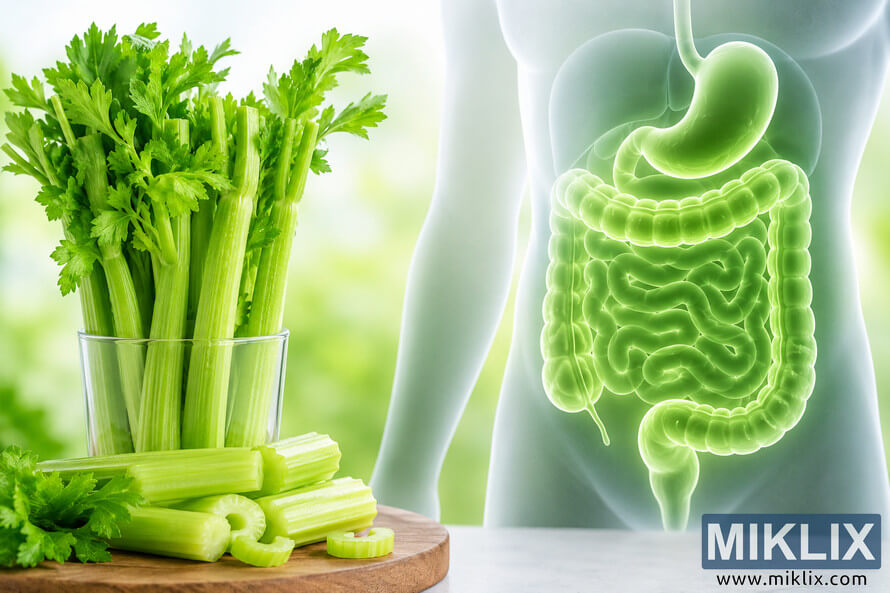
The fiber in celery plays a crucial role in digestive health. Insoluble fiber adds bulk to your stool and helps food move through your digestive system. This can prevent constipation and promote regular bowel movements.
Soluble fiber feeds beneficial bacteria in your gut. These good bacteria support overall health and immune function. A healthy gut microbiome may also improve mood and reduce inflammation throughout your body.
לחץ או הקש על התמונה לקבלת מידע נוסף ורזולוציות גבוהות יותר.
Celery and Gut Health
Research suggests celery contains compounds that protect the stomach lining. These compounds may help prevent stomach ulcers. Celery also has a high water content that can help prevent dehydration-related digestive issues.
The natural sodium in celery supports the production of stomach acid. Adequate stomach acid is essential for proper digestion. However, people with certain conditions should consult their doctor before significantly increasing celery intake.
Blood Pressure Regulation and Heart Health
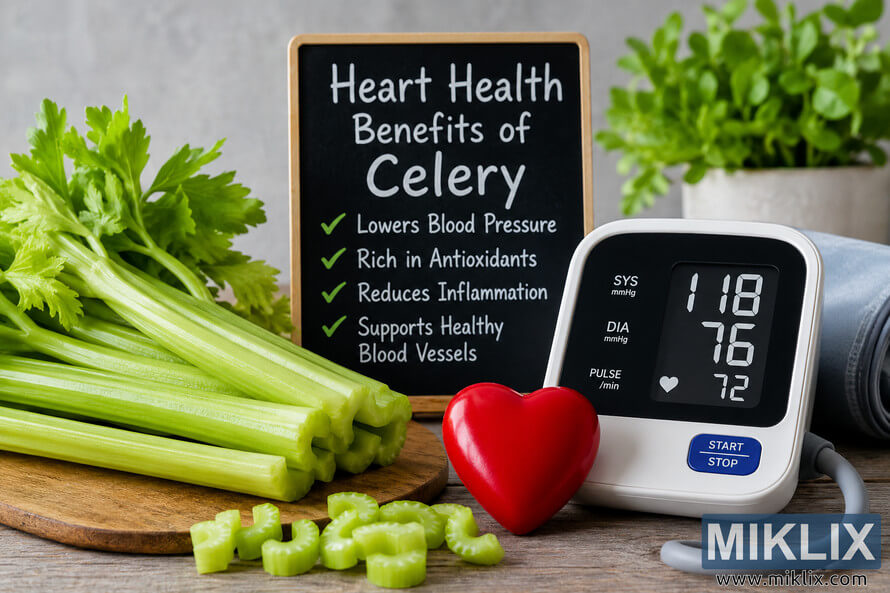
Celery may help support healthy blood pressure levels. The vegetable contains a compound called phthalide. Research indicates this compound may help relax blood vessel walls and improve blood flow.
Potassium in celery also contributes to blood pressure management. This mineral helps balance the effects of sodium in your diet. Higher potassium intake is associated with lower blood pressure readings.
לחץ או הקש על התמונה לקבלת מידע נוסף ורזולוציות גבוהות יותר.
Celery for Heart Disease Prevention
The nutrients in celery support overall heart health. Antioxidants in celery may help protect against heart disease. These compounds fight oxidative stress that can damage blood vessels and heart tissue.
Some studies suggest regular consumption of vegetables like celery reduces heart disease risk. The fiber content helps lower cholesterol levels. Lower cholesterol means less plaque buildup in your arteries.
Important Note: People taking blood pressure medication should talk to their doctor before dramatically increasing celery consumption. Celery may enhance the effects of these medications.
How Much Celery for Blood Pressure Benefits
Studies examining celery's effects on high blood pressure have used varying amounts. Some research suggests eating four celery stalks daily may provide benefits. However, individual needs vary considerably.
You don't need to eat large quantities to enjoy health benefits. Even moderate celery consumption as part of a balanced diet can contribute to better heart health. Consistency matters more than quantity.
Anti-Inflammatory Properties of Celery
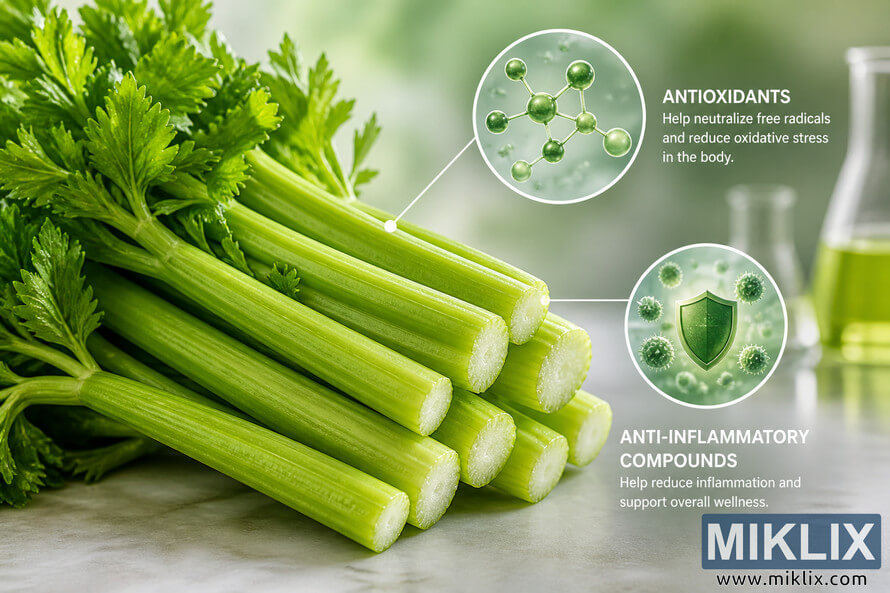
Chronic inflammation contributes to many health problems. Celery contains several compounds with anti-inflammatory effects. These antioxidants help protect your cells from damage caused by inflammation.
Luteolin is one powerful antioxidant found in celery. Studies indicate luteolin may help reduce inflammation in the brain. This could potentially support cognitive health and protect against neurodegenerative diseases.
Celery and Joint Health
Some people use celery to help manage joint pain and arthritis symptoms. The anti-inflammatory compounds in celery may help reduce swelling and discomfort. While more research is needed, early studies show promise.
Celery also contains vitamin K, which plays a role in bone health. Adequate vitamin K intake may help protect against osteoporosis. This makes celery beneficial for maintaining strong bones as you age.
Antioxidants in Celery
Beyond luteolin, celery contains numerous other antioxidants. These include vitamin C, beta-carotene, and flavonoids. Together, these compounds work to neutralize harmful free radicals in your body.
The leaves of celery contain higher concentrations of antioxidants than the stalks. Many people discard celery leaves, but they're actually the most nutrient-dense part. Try adding chopped celery leaves to soups and salads.
לחץ או הקש על התמונה לקבלת מידע נוסף ורזולוציות גבוהות יותר.
Celery for Weight Management
Celery is often called a "negative calorie" food. While no food truly burns more calories than it contains, celery comes remarkably close. One cup of celery contains only 14 calories.
The high fiber and water content help you feel full without adding many calories to your diet. This makes celery an excellent snack choice for people trying to manage their weight. Celery sticks with a small amount of healthy dip can satisfy hunger between meals.
Celery as a Healthy Snack
Replacing high-calorie snacks with celery can significantly reduce your daily calorie intake. The crunchy texture provides satisfaction that many dieters crave. The act of chewing celery also slows down eating, giving your body time to register fullness.
Try pairing celery with protein-rich foods for a more balanced snack. Nut butter, hummus, or low-fat cheese make excellent accompaniments. These combinations provide sustained energy and help prevent overeating later.

לחץ או הקש על התמונה לקבלת מידע נוסף ורזולוציות גבוהות יותר.
Additional Health Benefits of Celery
Celery Root Benefits
Celery root, also known as celeriac, is a different part of the celery plant. This knobby root vegetable offers many of the same health benefits as celery stalks. Celery root contains even more nutrients and fiber than the stalks.
People often use celery root in soups and stews. It can be mashed like potatoes or roasted for a delicious side dish. The flavor is similar to celery but slightly nuttier and more complex.
Immune System Support
The vitamin C content in celery supports immune function. Vitamin C helps your body produce white blood cells that fight infection. Regular consumption of vitamin C-rich foods like celery may help you stay healthy.
Celery also contains compounds that may have antimicrobial properties. These natural substances could help your body fight off harmful bacteria and viruses. More research is needed to fully understand these effects.
Skin Health Benefits
The high water content in celery helps keep your skin hydrated from the inside out. Proper hydration is essential for maintaining healthy, glowing skin. Celery's vitamin A content also supports skin cell production and repair.
Antioxidants in celery protect skin cells from damage caused by sun exposure and pollution. While celery shouldn't replace sunscreen, it can be part of a comprehensive approach to skin health.
לחץ או הקש על התמונה לקבלת מידע נוסף ורזולוציות גבוהות יותר.
How to Incorporate More Celery into Your Diet
Adding more celery to your diet doesn't have to be complicated. This versatile vegetable works well in many different dishes. Start with simple preparations and gradually explore more creative uses.
Raw Celery Ideas
Raw celery makes an excellent snack on its own. Keep pre-cut celery sticks in water in your refrigerator for quick access. The cold, crisp texture is especially refreshing on hot days.
Healthy Celery Dips
- Almond or peanut butter
- Hummus with herbs
- Greek yogurt dip
- Guacamole
- White bean spread
Celery in Salads
- Classic tuna or chicken salad
- Waldorf salad with apples
- Chopped green salads
- Potato salad for crunch
- Pasta salad additions

לחץ או הקש על התמונה לקבלת מידע נוסף ורזולוציות גבוהות יותר.
Cooking with Celery
Celery forms the flavor base for countless soups and stews. The French call this combination of celery, carrots, and onions "mirepoix." This trio provides depth of flavor to many dishes.
Try adding chopped celery to stir-fries for extra crunch and nutrients. Celery also works well in stuffing, casseroles, and rice dishes. The mild flavor complements rather than overwhelms other ingredients.
Celery Juice and Smoothies
Celery juice has become increasingly popular as a health drink. While juicing removes fiber, it concentrates certain nutrients. If you make celery juice, drink it fresh for maximum benefits.
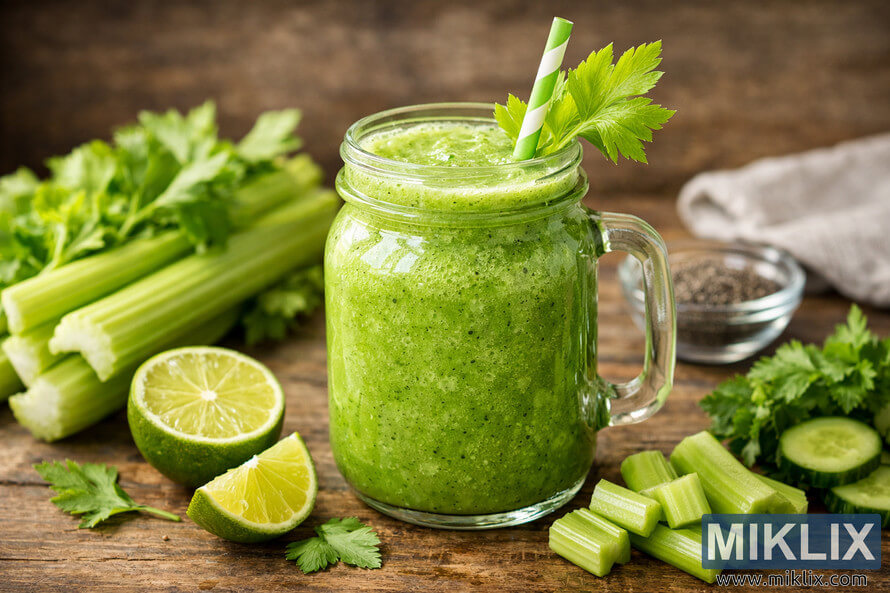
Adding celery to green smoothies boosts nutrition without adding many calories. The mild flavor blends well with fruits and other vegetables. Try combining celery with cucumber, apple, and lemon for a refreshing drink.
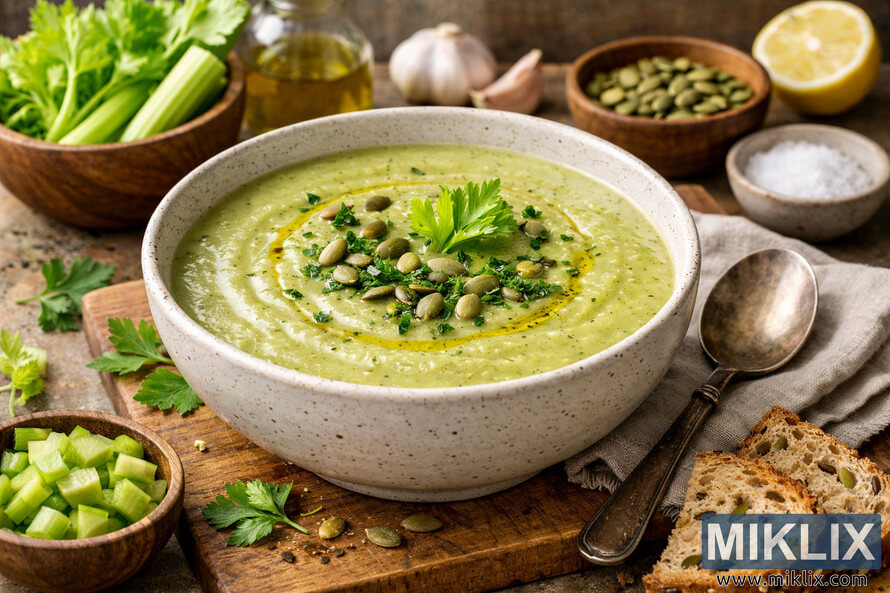
Celery Soup
A warming, nutritious soup that highlights celery's subtle flavor while delivering maximum health benefits and fiber content.
לחץ או הקש על התמונה לקבלת מידע נוסף ורזולוציות גבוהות יותר.
Celery Stir-Fry
Quick and easy stir-fry combining celery with lean protein and colorful vegetables for a nutrient-packed meal.

לחץ או הקש על התמונה לקבלת מידע נוסף ורזולוציות גבוהות יותר.
Green Celery Smoothie
Refreshing smoothie combining celery with fruits and greens for an antioxidant-rich, hydrating beverage.
לחץ או הקש על התמונה לקבלת מידע נוסף ורזולוציות גבוהות יותר.
Storage and Selection Tips
Choose celery with firm, crisp stalks and fresh-looking leaves. Avoid celery that looks wilted or has brown spots. Organic celery may be worth considering since conventional celery often appears on lists of produce with higher pesticide residues.
Store celery in the refrigerator wrapped in aluminum foil or in a sealed container with water. Proper storage keeps celery fresh for up to two weeks. If celery becomes limp, soaking it in ice water can help restore crispness.
Important Considerations and Precautions
While celery offers many health benefits, some people should exercise caution. Understanding potential interactions and contraindications helps you make informed decisions about celery consumption.
Medication Interactions
Celery contains vitamin K, which can interfere with blood-thinning medications. People taking warfarin or similar drugs should maintain consistent vitamin K intake. Suddenly increasing celery consumption could affect medication effectiveness.
The blood pressure-lowering effects of celery may enhance the action of blood pressure medications. This could potentially cause blood pressure to drop too low. Always inform your doctor about significant dietary changes.
Medical Advice: Consult your healthcare provider before using celery as a therapeutic food if you take any medications or have chronic health conditions.
Allergies and Sensitivities
Some people are allergic to celery. Celery allergy can cause reactions ranging from mild itching to severe anaphylaxis. People with birch pollen allergy may be more likely to react to celery.
Celery contains natural sodium. While the amount is relatively small, people on strict low-sodium diets should account for this. One cup of celery contains about 80 milligrams of sodium.
Pesticide Concerns
Conventionally grown celery often contains pesticide residues. The Environmental Working Group frequently lists celery among produce with higher pesticide levels. Washing celery thoroughly helps reduce residue.
Choosing organic celery eliminates most pesticide concerns. If organic isn't available or affordable, thoroughly washing conventional celery under running water remains important. You can also peel the outer layer of stalks to remove more residue.
Embracing Celery for Better Health
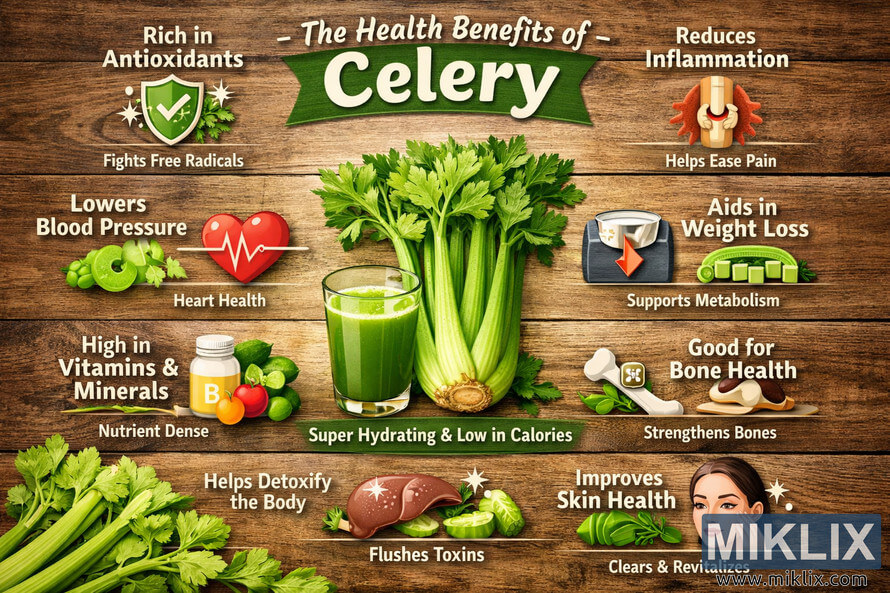
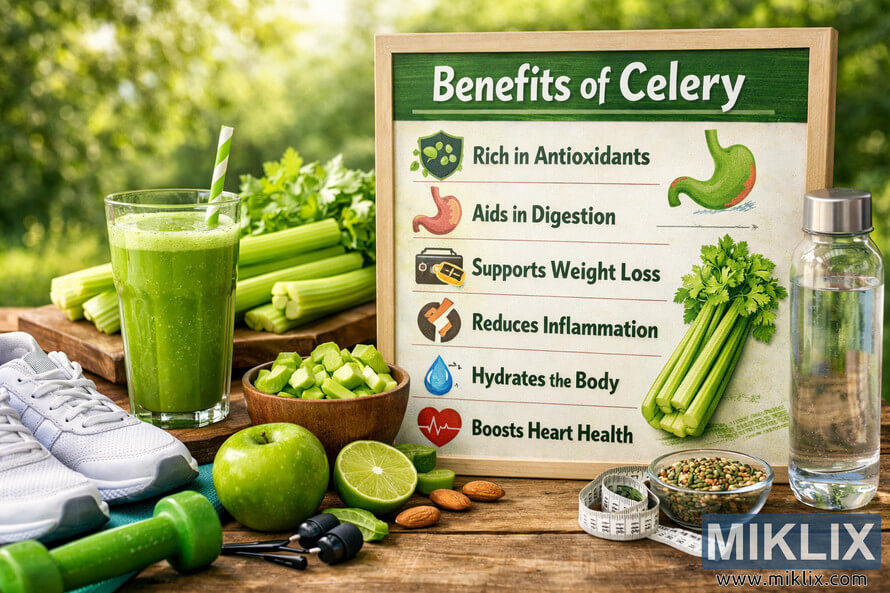
The health benefits of celery extend far beyond its reputation as a diet food. This nutrient-dense vegetable supports heart health, reduces inflammation, aids digestion, and provides essential vitamins and minerals. The high water content keeps you hydrated while the fiber promotes digestive wellness.
Celery may help regulate blood pressure and protect against heart disease. Its antioxidants fight inflammation throughout your body. Whether you enjoy celery raw as a snack, cooked in soups, or blended into juice, this versatile vegetable deserves a regular place in your diet.
Start incorporating more celery into your meals today. The benefits celery provides make it one of the most valuable vegetables you can eat. Small dietary changes, like adding celery sticks to your lunch or tossing chopped celery into your salad, can contribute to significant health improvements over time.
Remember that celery works best as part of an overall healthy diet. No single food can provide all the nutrients your body needs. Combine celery with other vegetables, fruits, whole grains, and lean proteins for optimal health benefits.
לחץ או הקש על התמונה לקבלת מידע נוסף ורזולוציות גבוהות יותר.
Frequently Asked Questions About Celery Health Benefits
How much celery should I eat daily for health benefits?
There's no specific recommended daily amount of celery. Studies examining blood pressure benefits have used about four stalks daily. However, even one cup of chopped celery provides valuable nutrients. Focus on incorporating celery regularly as part of a varied diet rather than consuming large quantities.
Is celery juice healthier than eating whole celery?
Whole celery provides more benefits than juice alone. While celery juice concentrates certain nutrients, it removes most of the fiber. Fiber supports digestive health and helps you feel full. Whole celery stalks also require chewing, which slows eating and increases satisfaction. If you enjoy celery juice, consider it a supplement to whole celery rather than a replacement.
Can celery help lower blood pressure naturally?
Research suggests celery may help support healthy blood pressure levels. Celery contains phthalides that may help relax blood vessel walls. The potassium content also contributes to blood pressure regulation. However, people with high blood pressure should not rely solely on celery. Continue prescribed medications and consult your doctor before making significant dietary changes.
What's the difference between celery stalks and celery root?
Celery stalks are the green, crunchy stems most people recognize. Celery root, or celeriac, is a knobby brown root vegetable from a related plant. Both offer health benefits, but celery root contains more fiber and certain nutrients. Celery root has a nuttier flavor and works well roasted or mashed. Both are nutritious additions to your diet.
Does cooking celery destroy its nutrients?
Cooking does reduce some nutrients in celery, particularly vitamin C and certain antioxidants. However, cooked celery still provides valuable nutrition. Light steaming or quick sautéing preserves more nutrients than long boiling. Some compounds in celery may actually become more bioavailable with gentle cooking. Enjoy celery both raw and cooked for maximum variety and benefits.
Are celery leaves safe to eat?
Celery leaves are completely safe and actually more nutritious than the stalks. The leaves contain higher concentrations of antioxidants, vitamins, and minerals. Many people discard them without realizing their value. Try adding chopped celery leaves to soups, salads, or using them as an herb garnish. The flavor is stronger than stalks but adds wonderful depth to dishes.
קריאה נוספת
אם נהניתם מהפוסט הזה, אולי תאהבו גם את ההצעות הבאות:
- תדלקו את המיקרוביום שלכם: היתרונות המפתיעים של תוספי אינולין
- מצב רוח, מוטיבציה, מטבוליזם: מדוע טירוזין ראוי למקום בערימת התוספים שלך
- אכילת תפוזים: דרך טעימה לשפר את הבריאות