
A Complete Guide to the Health Benefits of Oregano
Published: July 6, 2026 at 8:14:33 PM UTC
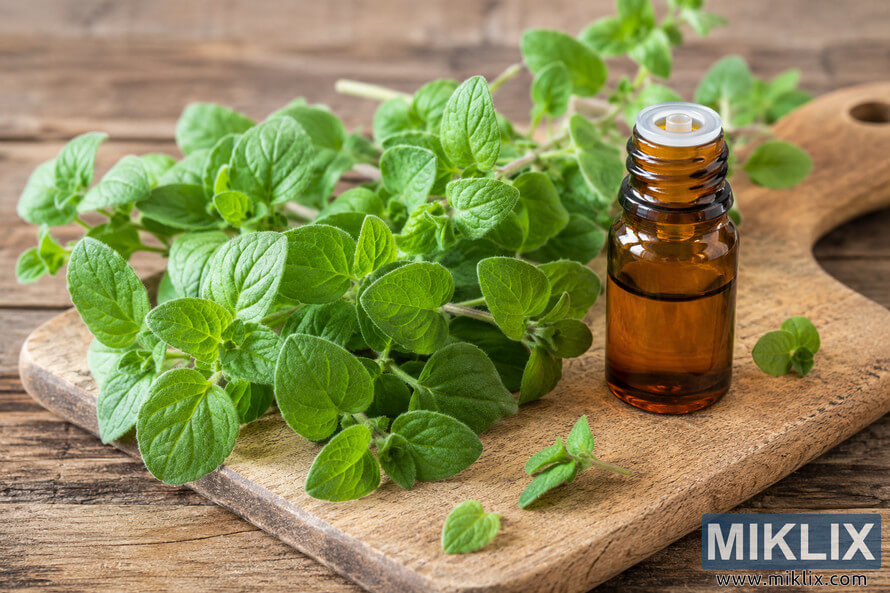
Oregano offers far more than flavor for your pizza and pasta dishes. This humble herb packs remarkable healing compounds that humans have valued for thousands of years. Modern science now confirms what ancient healers knew instinctively.
Click or tap the image for more information and higher resolutions.
The small green leaves contain powerful antioxidants and antimicrobial substances. These natural compounds support your immune system and fight inflammation throughout your body. Understanding oregano's health benefits helps you make informed choices about adding this therapeutic herb to your wellness routine.
This guide explores everything you need to know about oregano. You'll discover its nutritional profile and bioactive compounds. We'll examine specific health benefits backed by research. You'll learn practical ways to use fresh oregano, dried herb, and oregano essential oil safely and effectively.
What Is Oregano: Understanding This Mediterranean Herb
Oregano (Origanum vulgare) belongs to the mint family and grows throughout the Mediterranean region. The plants thrive in full sun and produce small leaves with intense aromatic oils. Greek oregano and Italian varieties offer the strongest flavors for both cooking and medicinal use.
Two main species dominate gardens and kitchens worldwide. True oregano (Origanum vulgare subsp. hirtum) contains higher concentrations of therapeutic compounds. Wild marjoram (Origanum vulgare subsp. vulgare) has a milder taste profile. Both plants deliver health benefits, though concentrations vary.
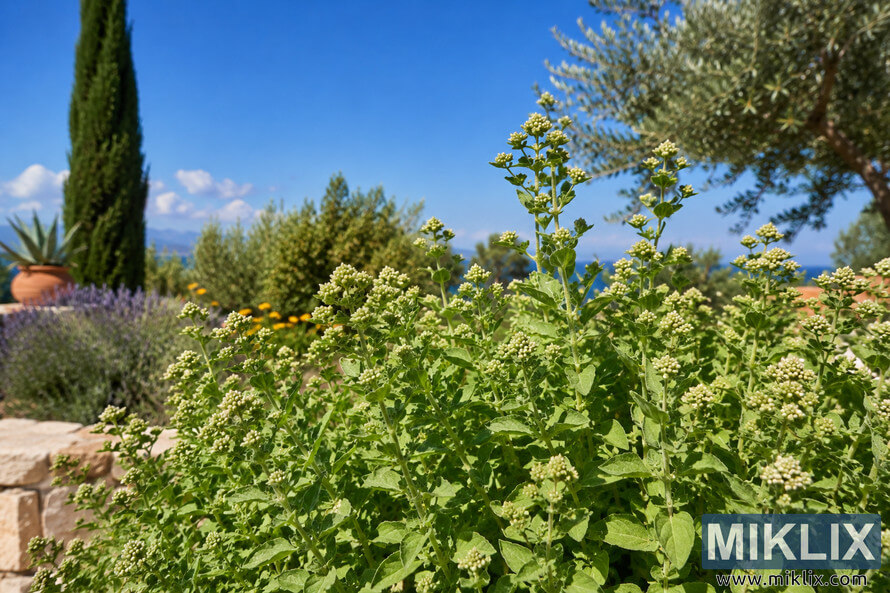
The herb grows easily in home gardens across most climates. Plants prefer well-drained soil and minimal watering once established. Oregano reaches peak potency just before flowering in early spring. At this stage, the leaves contain maximum essential oils and bioactive substances.
Click or tap the image for more information and higher resolutions.
The Difference Between Oregano and Marjoram
Many people confuse oregano with its close relative marjoram. While both herbs share botanical ancestry, they differ significantly in flavor and therapeutic properties. Oregano delivers a robust, slightly bitter taste with warming properties. Marjoram offers sweeter, more delicate notes.
Spanish oregano and Mexican oregano come from completely different plant families. These herbs share oregano's name but contain different chemical compounds. True oregano (Origanum vulgare) provides the health benefits discussed in medical research. Always verify botanical names when purchasing for therapeutic purposes.
Oregano Characteristics
- Strong, pungent flavor profile
- Higher carvacrol content
- Better heat tolerance for cooking
- Darker green leaves
- More potent antimicrobial properties
Marjoram Characteristics
- Sweet, delicate taste
- Lower carvacrol levels
- Best added at end of cooking
- Lighter, greyish-green foliage
- Gentler digestive benefits
Nutritional Profile: What Makes Oregano So Powerful
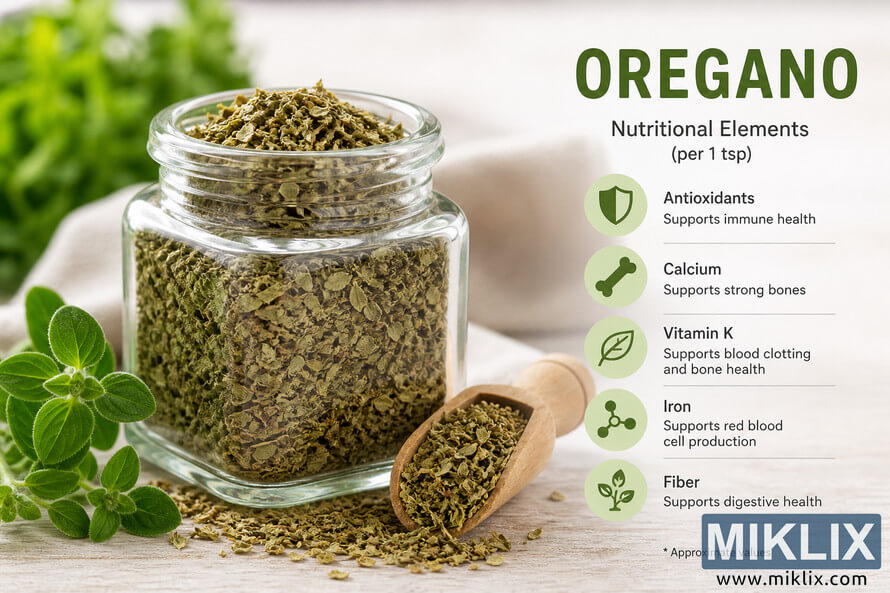
Fresh oregano leaves provide essential nutrients in concentrated amounts. One tablespoon of fresh herb contains vitamin K, iron, manganese, and calcium. The leaves also supply fiber, vitamin E, and various B vitamins. These nutrients support bone health, blood clotting, and cellular energy production.
Dried oregano concentrates these nutrients even further. The drying process removes water while preserving beneficial compounds. One teaspoon of dried oregano delivers approximately 8% of your daily vitamin K needs. It also provides notable amounts of antioxidants in a form your body can easily absorb.
Important Note: While oregano offers impressive nutrition, people typically consume it in small quantities. The real health benefits come from its unique bioactive compounds rather than macronutrient content.
Click or tap the image for more information and higher resolutions.
Key Bioactive Compounds in Oregano
The true power of oregano lies in its essential oils and phenolic compounds. Carvacrol and thymol represent the two primary active ingredients. These substances give oregano its characteristic aroma and therapeutic properties. Research shows carvacrol may affect bacterial cell membranes and inflammatory pathways.
Oregano essential oil contains 60-80% carvacrol in high-quality varieties. This concentration explains why oregano oil produces stronger effects than fresh or dried leaves. Thymol works synergistically with carvacrol to enhance antimicrobial activity. Together, these compounds create oregano's remarkable healing potential.
Additional beneficial compounds include rosmarinic acid, naringin, and beta-caryophyllene. These substances contribute antioxidant and anti-inflammatory effects. The complex mixture of compounds in oregano works better than isolated ingredients alone. This synergy makes whole oregano more effective than single-compound supplements.
Powerful Antioxidant Properties of Oregano
Oregano ranks among the herbs with highest antioxidant capacity. The ORAC scale measures antioxidant strength in foods. Fresh oregano scores exceptionally high, surpassing many fruits and vegetables. Dried oregano concentrates these protective compounds even more intensely.
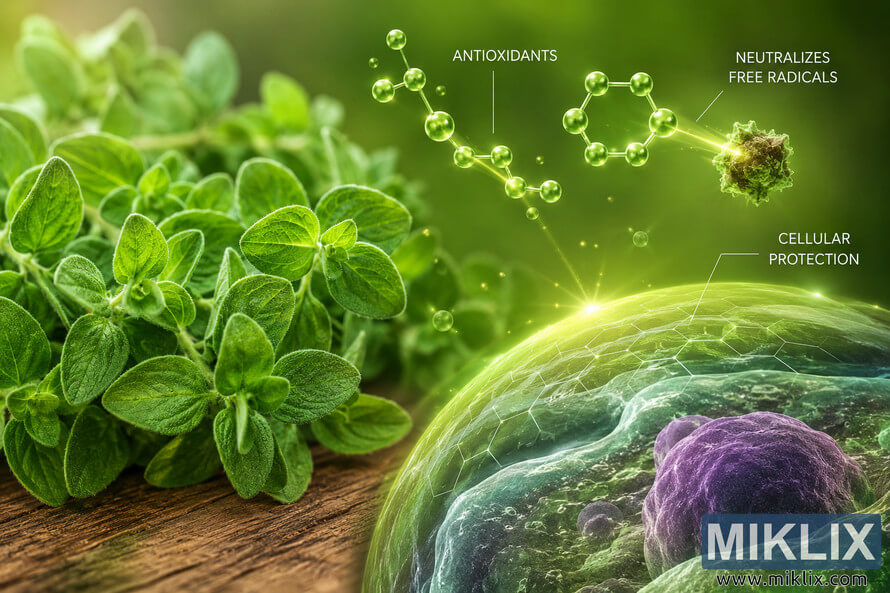
Antioxidants neutralize free radicals that damage cells throughout your body. Free radicals contribute to aging, chronic disease, and cellular dysfunction. The phenolic compounds in oregano intercept these harmful molecules before they cause oxidative stress. This protective action supports overall health and longevity.
Studies show oregano antioxidants remain stable during cooking. Unlike some delicate compounds, carvacrol and thymol withstand heat exposure. This stability means you receive antioxidant benefits whether you use fresh oregano, dried herb, or cooked preparations. Adding oregano to meat dishes may even reduce harmful compounds formed during high-heat cooking.
How Oregano Protects Your Cells
The antioxidants in oregano work through multiple mechanisms. They donate electrons to stabilize free radicals without becoming unstable themselves. This process breaks the chain reaction of oxidative damage. Oregano compounds also activate your body's own antioxidant defense systems.
Research indicates oregano may affect gene expression related to antioxidant enzymes. Your cells produce natural protectors like glutathione and superoxide dismutase. Oregano appears to enhance this internal defense system. This dual action provides more comprehensive protection than simple radical scavenging alone.
Click or tap the image for more information and higher resolutions.
Anti-Inflammatory Effects: Natural Relief from Oregano
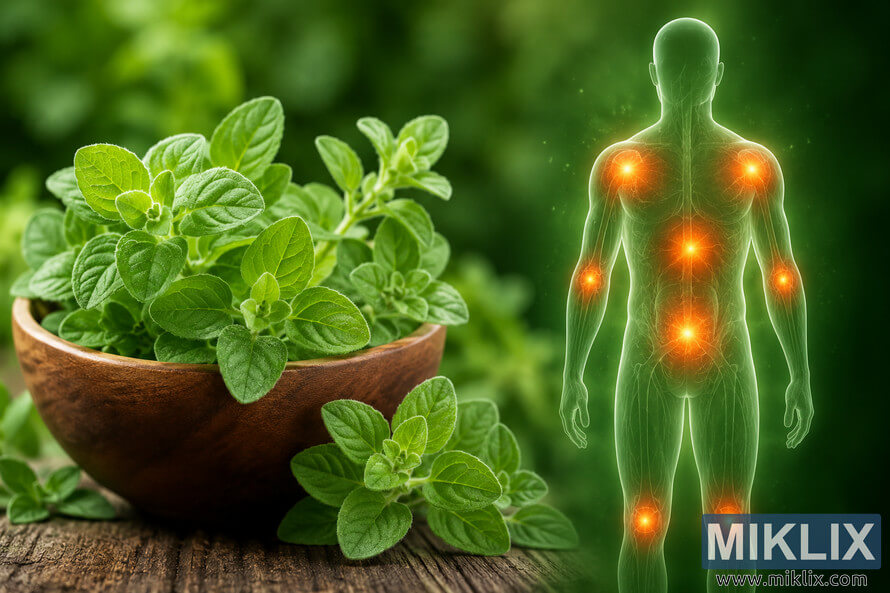
Chronic inflammation underlies many modern health conditions. Heart disease, diabetes, arthritis, and autoimmune disorders all involve inflammatory processes. Oregano contains compounds that may help modulate your body's inflammatory response. The carvacrol in oregano oil shows particular promise for managing inflammation.
Studies demonstrate oregano's ability to reduce inflammatory markers. The herb may affect COX-2 enzymes and other inflammatory pathways. This action resembles how certain medications work, but through natural mechanisms. Oregano provides gentler effects without the side effects of pharmaceutical anti-inflammatory drugs.
Athletes and physically active individuals may benefit from oregano's anti-inflammatory properties. Muscle soreness and exercise-induced inflammation respond to oregano supplementation in some research. The compounds help manage post-workout recovery and reduce tissue damage from intense physical activity.
Click or tap the image for more information and higher resolutions.
Oregano Oil for Inflammation Management
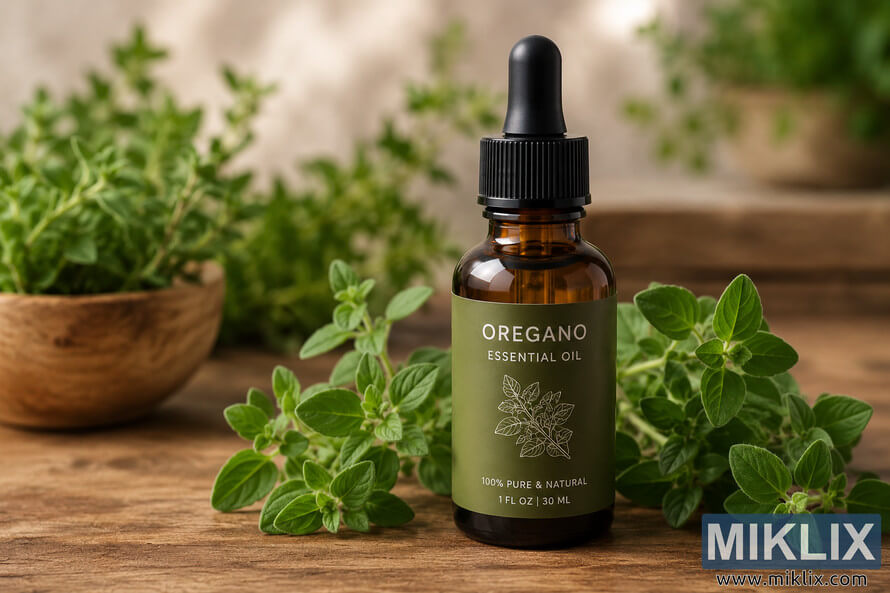
Oregano essential oil delivers concentrated anti-inflammatory compounds. The oil contains 70-80% carvacrol in therapeutic-grade products. This concentration provides stronger effects than culinary amounts of fresh or dried oregano. However, the concentrated oil requires careful use and proper dilution.
Topical application of diluted oregano oil may help with localized inflammation. Some people use it for joint pain, muscle soreness, or skin irritation. Always dilute essential oils in a carrier oil like olive oil before skin application. Never apply undiluted oregano essential oil directly to your body.
Click or tap the image for more information and higher resolutions.
Antibacterial and Antimicrobial Qualities
Oregano demonstrates remarkable ability to fight various microorganisms. The carvacrol and thymol in oregano disrupt bacterial cell membranes. This action damages the protective barrier that bacteria need to survive. Research shows oregano effectiveness against both gram-positive and gram-negative bacteria.
Studies have tested oregano against common pathogens like E. coli, Salmonella, and Staphylococcus. The herb shows promising results in laboratory settings. Oregano essential oil proves particularly effective, with minimum inhibitory concentrations comparable to some antibiotics. This natural antimicrobial activity has attracted significant research interest.
Food safety applications utilize oregano's antimicrobial properties. Adding oregano to meat dishes helps prevent bacterial growth during storage. The essential oils in fresh oregano inhibit spoilage organisms naturally. This protective effect extends shelf life while adding flavor to your meals.

Click or tap the image for more information and higher resolutions.
Antifungal and Antiviral Properties
Oregano's antimicrobial effects extend beyond bacteria. The herb shows activity against various fungal species, including Candida. Some research suggests oregano oil may help manage yeast overgrowth issues. The antifungal properties work through similar membrane-disrupting mechanisms as antibacterial effects.
Preliminary research explores oregano's potential antiviral properties. Test-tube studies show some activity against certain viruses. However, human research remains limited in this area. The compounds in oregano may affect viral replication or attachment to cells. More clinical studies are needed to confirm these effects.
Research Context: Most antimicrobial studies use concentrated oregano essential oil or isolated compounds. The concentrations in these studies often exceed amounts obtained from dietary oregano use. Consider this when evaluating potential applications.
Digestive Health Benefits of Oregano
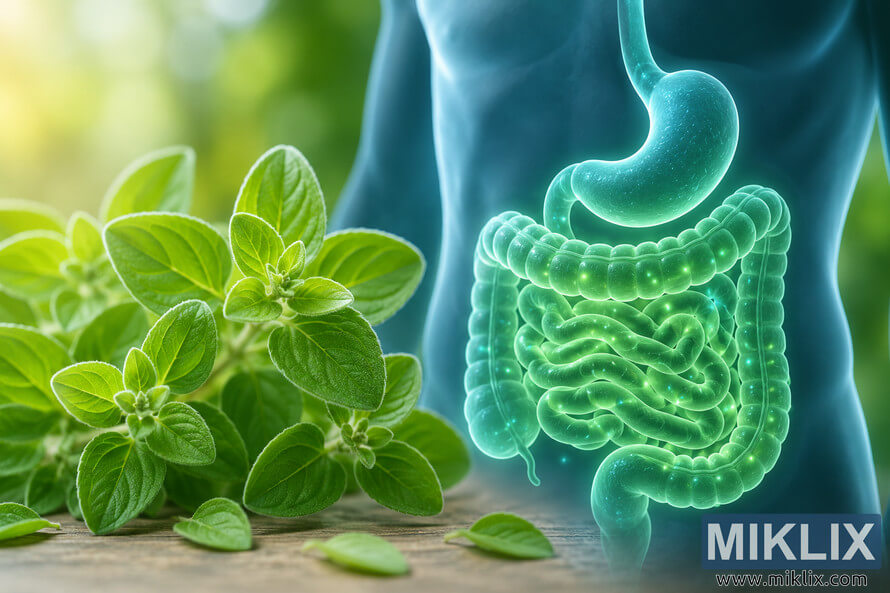
Traditional medicine systems have used oregano for digestive complaints for centuries. The herb stimulates bile production and digestive enzyme secretion. This action supports more efficient breakdown of foods, particularly fats. Many people find oregano helpful for occasional bloating and gas.
The carminative properties of oregano help relieve intestinal gas. The essential oils relax smooth muscle in your digestive tract. This relaxation reduces cramping and promotes normal digestive motility. Adding oregano to dishes with beans, meat, or heavy foods aids digestion naturally.
Oregano may support a healthy balance of gut bacteria. The antimicrobial compounds affect harmful organisms while appearing to spare beneficial bacteria. This selective activity helps maintain intestinal health. However, excessive use of concentrated oregano oil could potentially disrupt gut flora balance.
Oregano for Occasional Digestive Discomfort
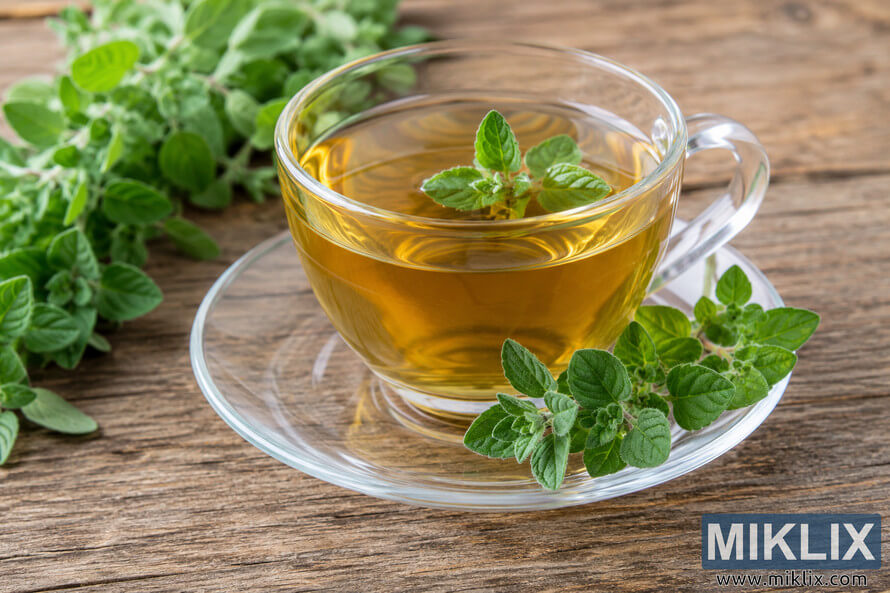
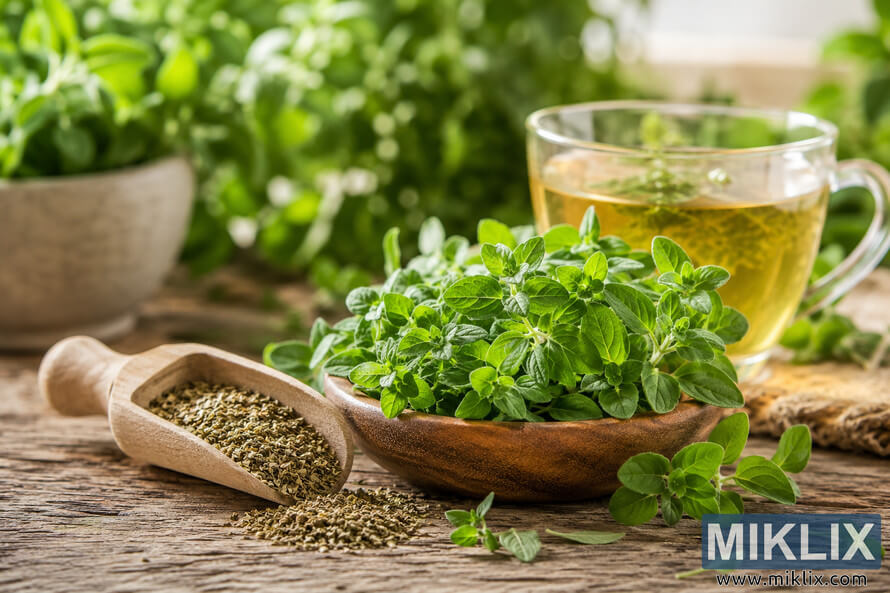
Many herbalists recommend oregano tea for digestive upset. Steeping fresh oregano leaves in hot water extracts beneficial compounds. The warm liquid soothes your digestive tract while delivering therapeutic substances. Some people prefer this gentler preparation over concentrated supplements.
The compounds in oregano may help with occasional heartburn and indigestion. The herb appears to support proper stomach acid balance. Oregano also exhibits mild anti-spasmodic effects on intestinal muscles. These combined actions provide natural digestive support without harsh side effects.
Click or tap the image for more information and higher resolutions.
Making Oregano Digestive Tea
Prepare soothing oregano tea with this simple method. The warm infusion delivers beneficial compounds while providing immediate comfort.
- Boil 8 ounces of filtered water
- Add 1 tablespoon fresh oregano leaves (or 1 teaspoon dried)
- Cover and steep for 5-10 minutes
- Strain leaves and add honey if desired
- Drink 15-20 minutes before meals
Click or tap the image for more information and higher resolutions.
Immune System Support from Oregano
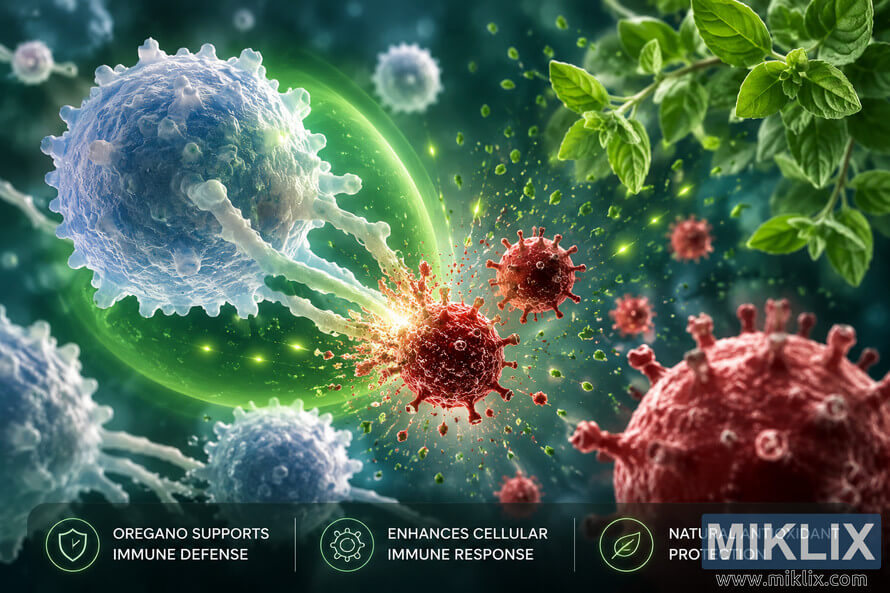
The compounds in oregano may help strengthen your immune system defenses. Carvacrol and rosmarinic acid show immune-modulating properties in research. These substances appear to support healthy immune cell function without overstimulation. A balanced immune response helps your body fight infections effectively.
Oregano's antimicrobial properties provide indirect immune support. By reducing pathogen loads, the herb lightens the burden on your immune system. This allows immune resources to focus on other protective functions. Regular oregano consumption may help maintain overall immune readiness.
The antioxidants in oregano protect immune cells from oxidative damage. White blood cells and other immune components function better in low-oxidative environments. By reducing oxidative stress, oregano helps maintain optimal immune performance. This protective effect becomes especially important during times of increased stress.
Click or tap the image for more information and higher resolutions.
Seasonal Immune Support Strategies
Many people increase oregano intake during cold and flu season. The herb's antimicrobial and immune-supporting properties make it popular for seasonal wellness. Some incorporate oregano oil capsules into their daily routine. Others prefer adding more fresh oregano to cooking or drinking oregano tea regularly.
Oregano works best as part of a comprehensive immune support strategy. Adequate sleep, stress management, and nutritious diet remain foundational. Oregano supplements or therapeutic use should complement rather than replace healthy lifestyle habits. Think of oregano as one tool in your immune-supporting toolkit.
Click or tap the image for more information and higher resolutions.
Click or tap the image for more information and higher resolutions.
Other Potential Health Benefits of Oregano
Emerging research explores additional oregano applications beyond established benefits. Some studies investigate oregano's potential for blood sugar management. The compounds may affect glucose metabolism and insulin sensitivity. However, these findings remain preliminary and require further human research.
Preliminary animal studies suggest oregano may support cardiovascular health. The herb appears to influence cholesterol levels and blood pressure in some research. The anti-inflammatory and antioxidant effects likely contribute to heart-protective properties. Human clinical trials are needed to confirm these cardiovascular benefits.
Oregano and Respiratory Health
Traditional uses of oregano include respiratory support. The herb's antimicrobial and anti-inflammatory properties may benefit respiratory tissues. Steam inhalation with oregano essential oil is a folk remedy for congestion. Some people find this practice soothing during seasonal respiratory challenges.
The compounds in oregano may help thin mucus and promote easier breathing. Carvacrol appears to relax airway smooth muscle in laboratory studies. These effects could theoretically support respiratory comfort. Always exercise caution with essential oil inhalation and ensure proper dilution.
Skin Health Applications
Oregano oil shows promise for various skin concerns in preliminary research. The antimicrobial properties may help with minor bacterial or fungal skin issues. Some people use diluted oregano oil for occasional blemishes or skin irritation. Always perform a patch test before applying to larger skin areas.
The antioxidants in oregano could provide anti-aging benefits for skin. Free radical damage contributes to premature skin aging and wrinkles. Topical application of antioxidant-rich substances may offer protective effects. However, oregano oil requires careful dilution to avoid skin irritation.
Safety Reminder: Never apply undiluted oregano essential oil to skin. The concentrated oil can cause severe irritation, burning, or allergic reactions. Always dilute essential oils properly in carrier oils before any topical use.
Click or tap the image for more information and higher resolutions.
Different Forms of Oregano: Fresh, Dried, and Oil
Oregano comes in several forms, each offering distinct advantages. Fresh oregano leaves provide the most complete nutritional profile. The live plant contains enzymes and volatile compounds that diminish with processing. Fresh oregano works best in salads, finishing dishes, and applications where you add at the end of cooking.
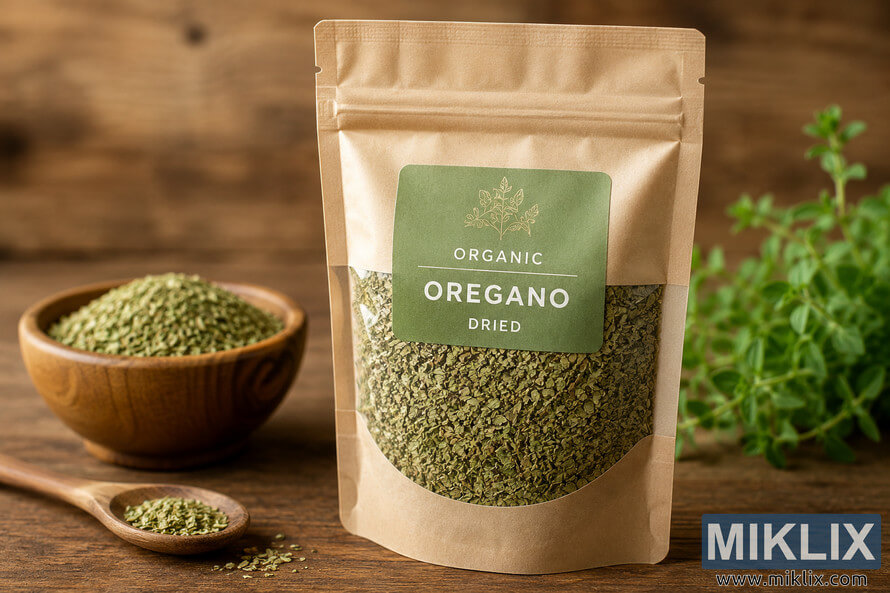
Dried oregano concentrates flavor and certain beneficial compounds. The drying process removes water while preserving carvacrol and thymol. Dried oregano withstands heat better than fresh, making it ideal for long-cooked dishes. Most people keep dried oregano in their pantry for convenient daily use.
Oregano essential oil delivers the highest concentration of active compounds. A single drop contains the equivalent of multiple teaspoons of dried herb. This potency makes oregano oil effective for therapeutic applications. However, the concentrated nature requires careful dosing and often needs dilution.
Comparing Oregano Forms
| Form | Best Uses | Carvacrol Content | Shelf Life | Typical Dose |
| Fresh Leaves | Salads, garnish, light cooking | Low to moderate | 3-7 days refrigerated | 1-2 tablespoons chopped |
| Dried Herb | Cooking, seasoning, tea | Moderate | 1-3 years sealed | 1-2 teaspoons |
| Essential Oil | Therapeutic, diluted topical | Very high (60-80%) | 3-5 years dark bottle | 1-2 drops diluted |
| Capsules/Supplements | Convenient daily support | Standardized amounts | 2-3 years sealed | As directed on label |
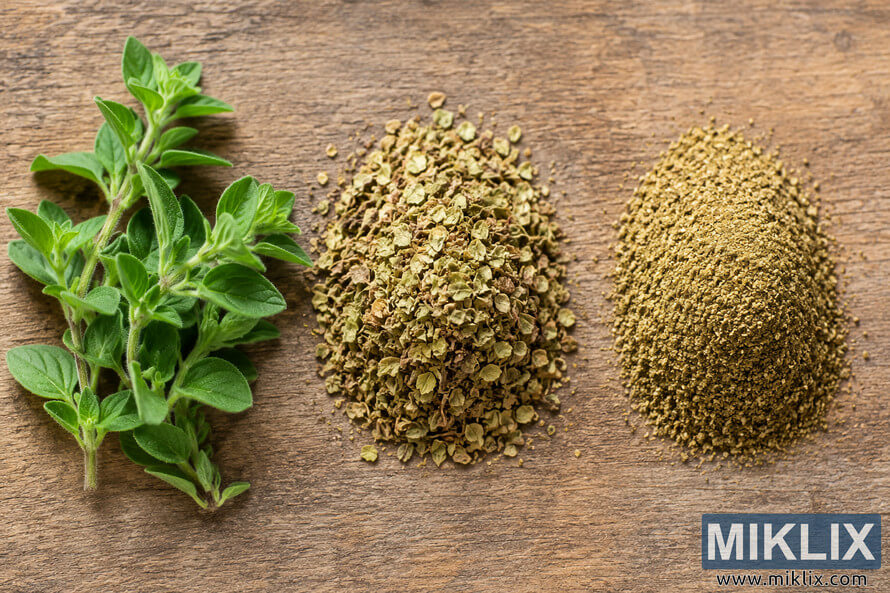
Click or tap the image for more information and higher resolutions.
Choosing Quality Oregano Products
Source matters significantly for oregano quality. Greek oregano (Origanum vulgare subsp. hirtum) generally contains higher carvacrol levels than other varieties. Look for products that specify the botanical source and preferably indicate carvacrol content. Organic certification ensures freedom from pesticide residues.
For essential oils, therapeutic-grade quality is essential. The oil should come from steam distillation of oregano leaves. Avoid oils with additives or carrier oils mixed in unless clearly labeled. Third-party testing for purity and potency provides additional quality assurance.
Store oregano properly to maintain quality. Fresh oregano keeps best wrapped in damp paper towels in the refrigerator. Dried oregano requires airtight containers away from light and heat. Essential oils need dark glass bottles stored in cool locations. Proper storage preserves beneficial compounds longer.
How to Incorporate Oregano into Your Diet
Adding oregano to your meals provides the easiest way to gain health benefits. The herb complements tomato-based dishes exceptionally well. Pizza, pasta sauces, and marinara all benefit from oregano's robust flavor. The compounds in oregano survive cooking, making it suitable for both raw and cooked applications.
Mediterranean cuisine relies heavily on oregano for authentic flavor. Greek salad traditionally includes fresh oregano leaves tossed with vegetables. Italian cooking uses dried oregano in sauces and meat preparations. Following these traditional patterns helps you consume beneficial amounts naturally through food.
Fresh oregano leaves work beautifully in salads and as finishing touches. Chop the leaves and sprinkle over completed dishes just before serving. This preserves volatile compounds that might dissipate with heat. Fresh oregano also makes an excellent addition to olive oil and vinegar dressings.

Click or tap the image for more information and higher resolutions.
Cooking with Oregano
Add dried oregano early in the cooking process for savory dishes. The herb releases flavor gradually and stands up well to extended heat. One teaspoon of dried oregano equals roughly one tablespoon of fresh. Adjust quantities based on your taste preferences and the dish's other seasonings.
Oregano pairs naturally with other Mediterranean herbs and spices. Combine with basil, thyme, rosemary, and garlic for classic Italian seasoning. The herb also complements cumin, coriander, and paprika in Mediterranean and Middle Eastern dishes. These combinations create complex flavors while boosting beneficial compound diversity.
Oregano-Friendly Recipe Ideas
- Homemade pizza with fresh oregano
- Greek-style roasted chicken with lemon and oregano
- Tomato sauce for pasta with dried oregano
- Grilled vegetables seasoned with oregano
- Bean soups enhanced with oregano
- Oregano-infused olive oil for bread dipping
- Mediterranean salad with fresh leaves
- Roasted potatoes with oregano and garlic
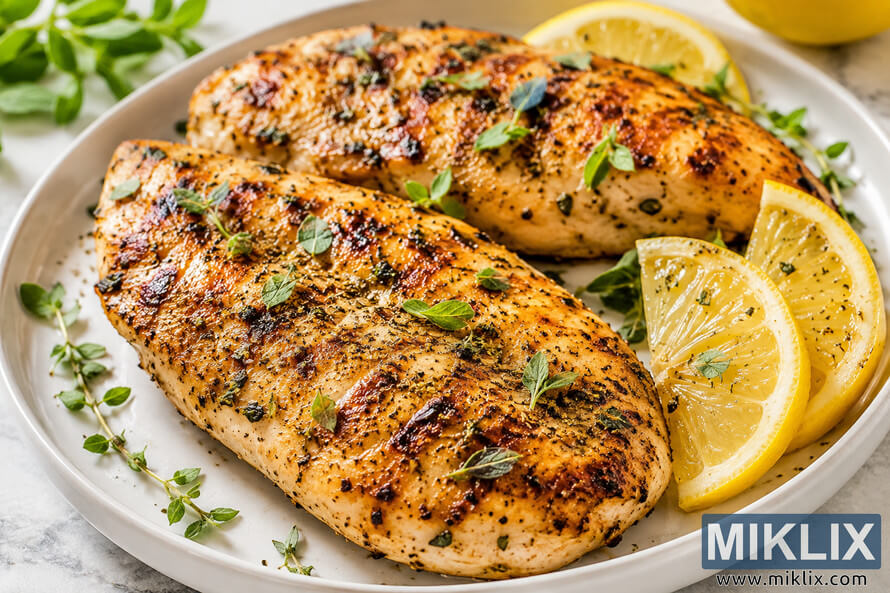
Click or tap the image for more information and higher resolutions.
Using Oregano Oil and Supplements
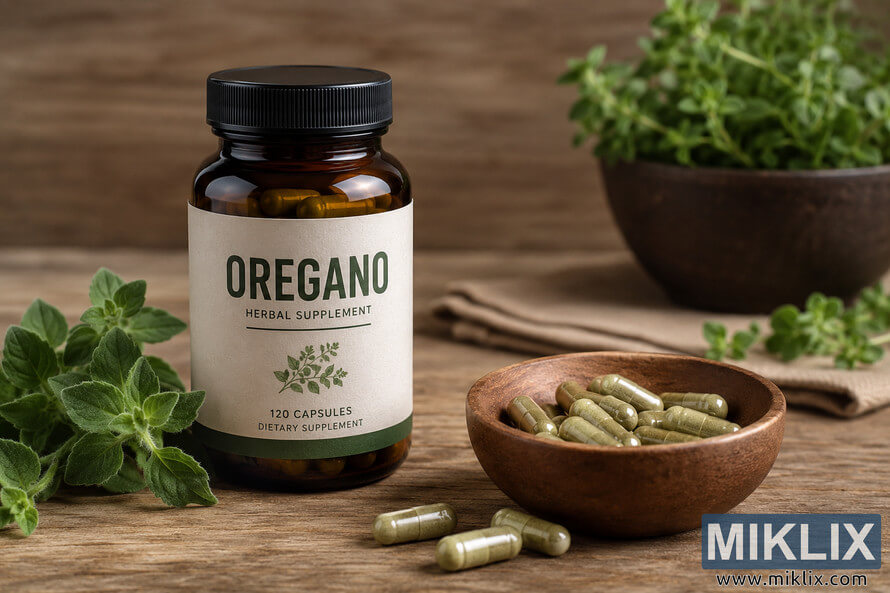
Oregano oil requires more caution than culinary oregano. The concentrated essential oil is potent and should never be consumed undiluted. Mix drops of oregano oil in water, juice, or olive oil before ingestion. Some people prefer pre-diluted oregano oil capsules for convenient, measured dosing.
Start with minimal doses when using oregano supplements. One or two drops of essential oil or one capsule provides a therapeutic starting point. Monitor your body's response before increasing amounts. Oregano oil may affect digestion initially as your system adjusts to concentrated compounds.
Take oregano supplements with food to minimize potential stomach upset. The strong compounds can irritate an empty stomach in sensitive individuals. Consuming with meals also enhances absorption of fat-soluble components. Follow product-specific guidelines regarding timing and dosage.
Growing Oregano in Your Garden
Growing your own oregano ensures fresh supply of this beneficial herb. Oregano plants thrive in most garden environments with minimal care. The hardy perennial returns year after year in many climates. Home cultivation provides the freshest leaves while saving money compared to store-bought herbs.
Start oregano from seeds, cuttings, or purchased plants in early spring. The plants prefer full sun and well-drained soil. Space plants 12-18 inches apart to allow proper air circulation. Oregano tolerates drought once established, requiring watering only during extended dry periods.
Harvest oregano leaves just before the plants flower for peak potency. Cut stems in the morning after dew dries but before heat intensifies. This timing captures maximum essential oil concentration. Regular harvesting encourages bushier growth and prevents early flowering.
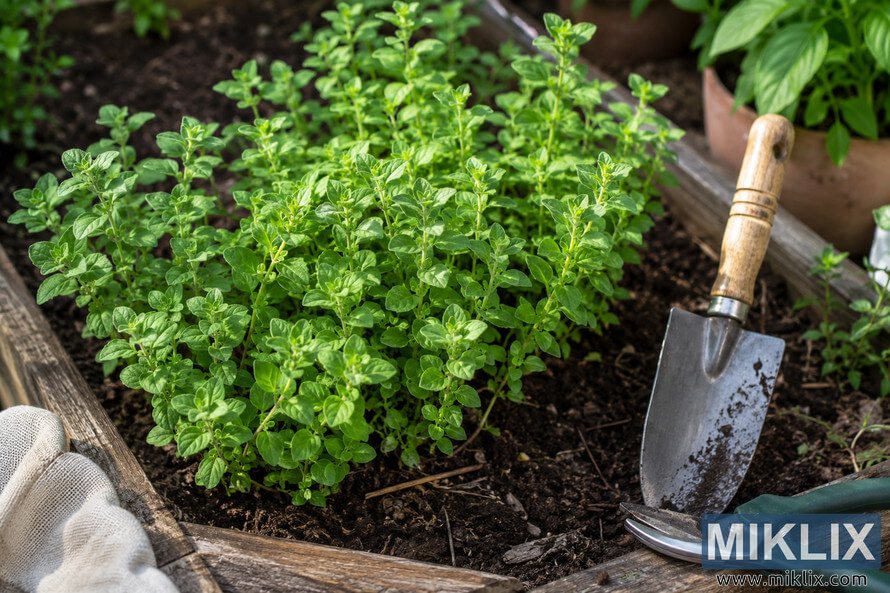
Click or tap the image for more information and higher resolutions.
Oregano Growing Tips
Ideal Growing Conditions
- Full sun exposure (6-8 hours daily)
- Well-drained, slightly alkaline soil
- Moderate water after establishment
- Good air circulation between plants
- Protection from excessive moisture
Conditions to Avoid
- Heavy, waterlogged soil
- Deep shade or limited sunlight
- Overcrowding with other plants
- Over-fertilization (reduces oil content)
- Excessive watering (causes root rot)
Dry harvested oregano by hanging bundles upside down in a warm, dark location. Good air circulation prevents mold while preserving essential oils. Once completely dry, strip leaves from stems and store in airtight containers. Properly dried oregano maintains quality for up to three years when stored correctly.
Precautions and Potential Side Effects
Oregano used as a culinary herb is generally safe for most people. The amounts typically consumed in cooking rarely cause adverse effects. However, concentrated forms like oregano essential oil require more caution. The potent compounds can cause side effects when used improperly or in excessive amounts.
Common side effects from oregano oil include digestive upset, heartburn, or stomach irritation. These effects typically occur with undiluted oil or excessive doses. Allergic reactions can develop in people sensitive to plants in the Lamiaceae family. This family includes basil, mint, lavender, and sage.
Oregano may affect blood clotting due to vitamin K content and other compounds. People taking anticoagulant medications should consult healthcare providers before using oregano supplements. The herb might also interact with diabetes medications by affecting blood sugar levels. Medical supervision helps prevent unwanted interactions.
Special Populations and Oregano Use
Pregnant women should avoid oregano essential oil and high-dose supplements. The concentrated compounds may affect uterine contractions. Culinary amounts of oregano in food appear safe during pregnancy. However, therapeutic doses require medical approval during pregnancy and breastfeeding.
Children's bodies process concentrated herbs differently than adults. Oregano essential oil is generally not recommended for young children without professional guidance. Small amounts of oregano in age-appropriate foods present no concerns. Consult a pediatrician before giving children oregano supplements of any kind.
People with existing health conditions should discuss oregano supplementation with healthcare providers. This precaution is especially important for those with bleeding disorders, diabetes, or scheduled surgeries. Oregano may affect certain medical conditions or treatment outcomes. Professional guidance ensures safe, appropriate use.
Important Safety Guidelines:
- Never consume undiluted oregano essential oil internally
- Always dilute essential oils before topical application
- Discontinue use if allergic reactions occur
- Consult healthcare providers before therapeutic use
- Keep oregano oil away from eyes and mucous membranes
- Store essential oils safely away from children
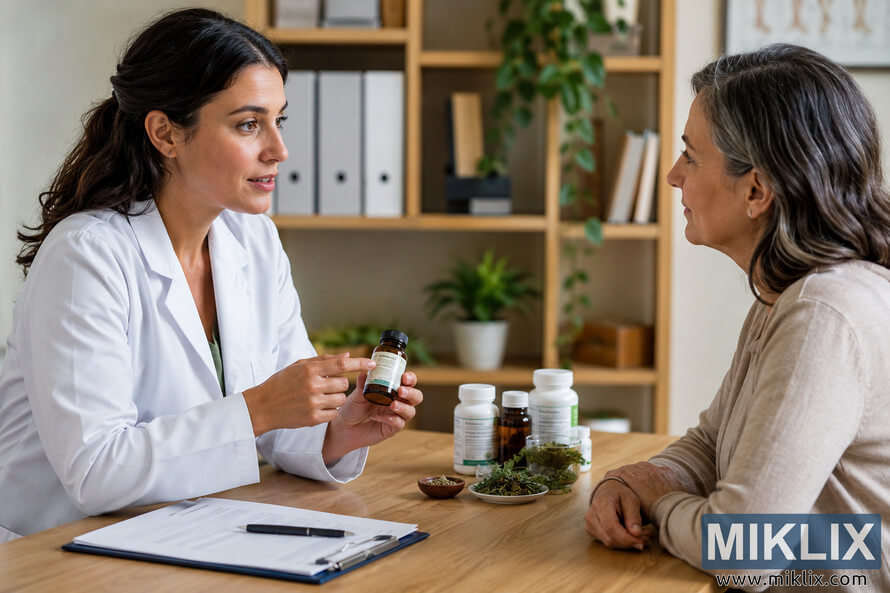
Click or tap the image for more information and higher resolutions.
Drug Interactions to Consider
Oregano may interact with several medication categories. Blood thinners like warfarin could be affected by oregano's vitamin K content and anticoagulant properties. Diabetes medications might require adjustment if oregano influences blood sugar levels. Inform your doctor about all herbs and supplements you use.
The antimicrobial properties of oregano could theoretically reduce beneficial gut bacteria with long-term use. This effect might impact probiotic supplements or medications dependent on gut flora. Take oregano supplements at different times than probiotics to minimize potential interference. Monitor digestive health during extended oregano oil use.
Choosing Quality Oregano Products
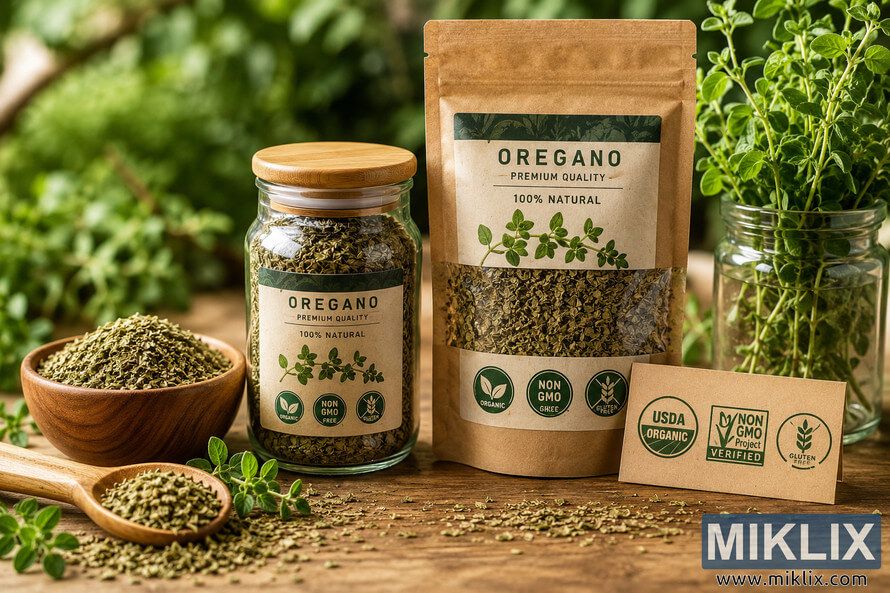
Product quality varies significantly across oregano supplements and essential oils. Look for reputable manufacturers who provide transparency about sourcing and testing. Third-party certification ensures products contain what labels claim without contaminants. Quality standards protect you from inferior or adulterated products.
Check oregano oil labels for carvacrol percentage. Therapeutic-grade oils should contain minimum 70% carvacrol for effectiveness. Some products list only "oregano oil" without specifying active compound levels. Avoid these vague products in favor of those providing detailed composition information.
Read reviews and research brands before purchasing oregano supplements. Look for companies with strong reputations and quality control processes. Certifications from organizations like USP, NSF, or ConsumerLab indicate additional quality verification. These independent tests confirm product purity and potency.
Red Flags for Low-Quality Products
- No information about plant source or botanical name
- Extremely low prices compared to market average
- Absence of carvacrol content specification
- Vague or exaggerated health claims
- No third-party testing or certification
- Lack of contact information for manufacturer
- Bottles without proper seals or safety features
- Products claiming to treat specific diseases
Click or tap the image for more information and higher resolutions.
Where to Buy Quality Oregano
Health food stores typically stock higher-quality oregano products than conventional supermarkets. Specialty herb shops often carry premium dried oregano and essential oils. Online retailers provide wider selection but require more careful brand research. Choose established sellers with good return policies and customer service.
For fresh oregano, farmer's markets connect you with local growers. Ask about growing practices and oregano variety. Greek oregano and Italian oregano offer stronger flavor and higher oil content than common oregano. Building relationships with local herb farmers ensures consistent quality and freshness.
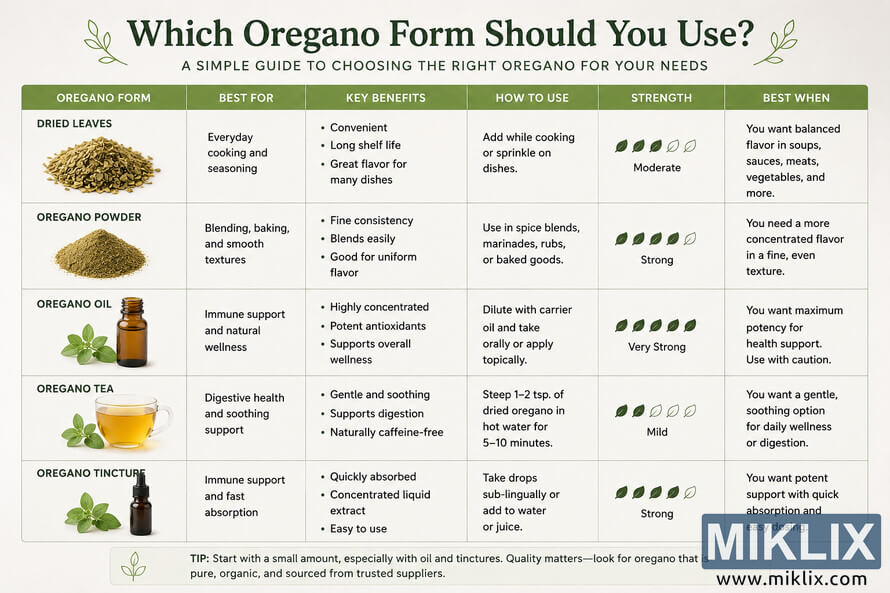
Choosing the Right Oregano Form for Your Needs
Selecting the appropriate oregano form depends on your specific goals. Culinary applications work best with fresh or dried oregano leaves. These forms integrate naturally into meals while providing modest health benefits. The familiar format makes daily use simple and enjoyable.
Therapeutic applications often require concentrated oregano essential oil. The high carvacrol content delivers stronger antimicrobial and anti-inflammatory effects. However, essential oil demands careful handling and proper dilution. Consider pre-diluted capsules if you want therapeutic benefits without handling concentrated oil.
Budget considerations may influence your choice. Fresh oregano costs more but provides superior flavor for culinary use. Dried oregano offers the best value for regular cooking needs. Essential oils represent higher upfront costs but last longer due to concentrated potency. Calculate cost-per-use rather than just purchase price.
Best for Daily Cooking
- Dried oregano (most versatile)
- Affordable and long-lasting
- Withstands cooking heat
- Convenient pantry storage
- Good flavor concentration
- Suitable for all recipes
Best for Fresh Flavor
- Fresh oregano leaves
- Superior taste profile
- Ideal for salads
- Perfect finishing herb
- Complete nutritional profile
- Best added at end cooking
Best for Therapeutic Use
- Oregano essential oil
- Highest carvacrol content
- Strongest antimicrobial effects
- Concentrated benefits
- Requires careful dilution
- Small doses provide results
Your experience level with herbs should guide your choices. Beginners might start with culinary oregano in cooking to gain familiarity. Once comfortable, you can explore oregano tea or dried herb supplements. Advanced users who understand proper dosing can safely incorporate essential oil under appropriate guidance.
Consider combining different oregano forms for comprehensive benefits. Use fresh or dried oregano in daily cooking for baseline nutrition. Add oregano tea occasionally for digestive support. Reserve concentrated oil or capsules for specific therapeutic needs during seasonal challenges. This layered approach maximizes oregano's diverse benefits.
Click or tap the image for more information and higher resolutions.
Current Research and Future Directions
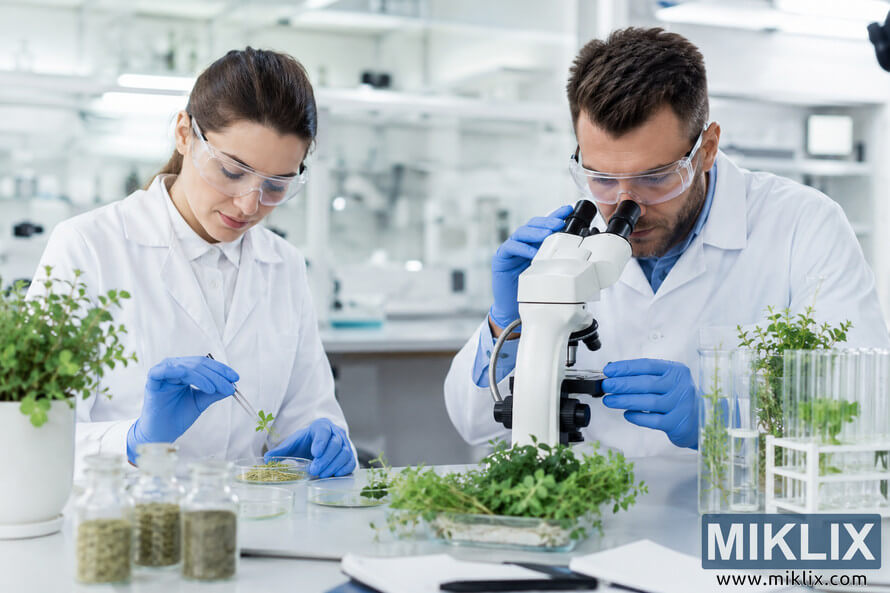
Scientific interest in oregano continues growing as researchers explore additional applications. Current studies investigate oregano's potential in cancer research, though findings remain preliminary. Laboratory studies show certain oregano compounds affect cancer cell growth in test tubes. Human clinical trials are needed before any cancer-related conclusions can be drawn.
Researchers are examining oregano's role in metabolic health and weight management. Some animal studies suggest compounds in oregano may affect fat metabolism and energy expenditure. These findings have sparked interest in oregano's potential for metabolic syndrome. However, translating animal research to human applications requires extensive additional study.
The agricultural industry explores oregano as a natural alternative to antibiotics in livestock. The herb's antimicrobial properties could reduce reliance on pharmaceutical antibiotics in farming. This application might help address antibiotic resistance concerns. Oregano essential oils show promise as feed additives that support animal health naturally.
Emerging Areas of Study
Neurological research investigates whether oregano compounds cross the blood-brain barrier. Preliminary studies explore potential neuroprotective effects. The antioxidant and anti-inflammatory properties could theoretically benefit brain health. These investigations remain in early stages with much work needed.
Gut health research examines oregano's effects on microbiome diversity. Scientists want to understand how oregano affects beneficial versus harmful bacteria. Selective antimicrobial activity could support intestinal balance. This research may lead to probiotic combinations that work synergistically with oregano.
Click or tap the image for more information and higher resolutions.
Embracing Oregano for Better Health
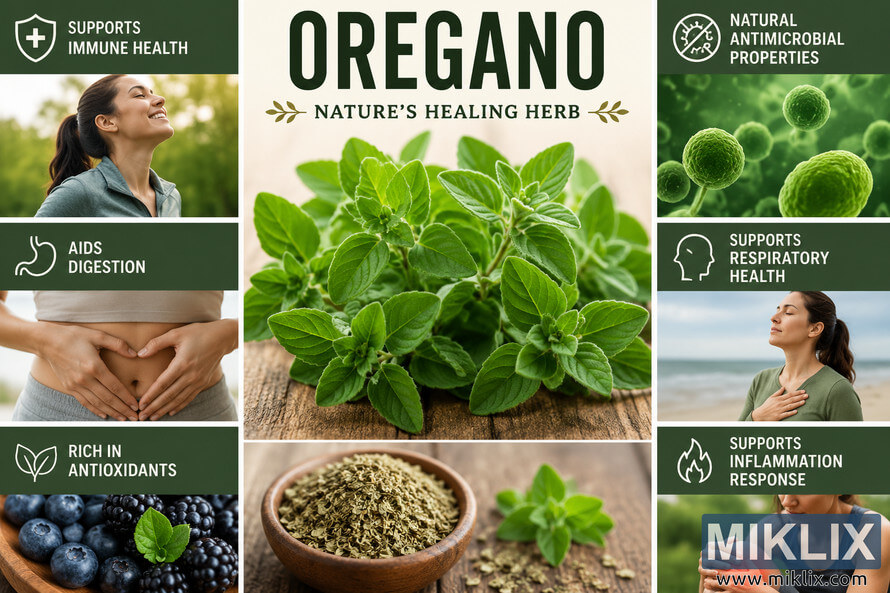
Oregano offers remarkable health benefits that extend far beyond flavor enhancement. This Mediterranean herb contains powerful antioxidants, antimicrobial compounds, and anti-inflammatory substances. The carvacrol and thymol in oregano provide therapeutic effects supported by growing research evidence.
Incorporating oregano into your daily routine can be simple and enjoyable. Add fresh oregano leaves to salads and finished dishes. Use dried oregano in cooking for long-term dishes and sauces. Consider oregano essential oil or supplements for specific therapeutic applications under proper guidance.
Remember that oregano works best as part of a holistic health approach. No single herb replaces a nutritious diet, adequate sleep, and stress management. Oregano complements healthy lifestyle choices while providing unique beneficial compounds. Start with small amounts and gradually increase as you discover what works for your body.
The various forms of oregano each serve different purposes. Fresh oregano provides superior flavor and complete nutrition. Dried oregano offers convenience and concentrated compounds. Oregano oil delivers the highest therapeutic potency for targeted applications. Choose forms that match your specific needs and comfort level.
Quality matters significantly when selecting oregano products. Source organic oregano when possible to avoid pesticide residues. Look for products that specify botanical source and active compound content. Third-party testing provides additional assurance of purity and potency in supplements and essential oils.
Click or tap the image for more information and higher resolutions.
Start Your Oregano Wellness Journey Today
Always consult healthcare providers before using oregano therapeutically, especially if you have medical conditions or take medications. Oregano's powerful compounds can interact with certain drugs or affect specific health situations. Professional guidance ensures safe, effective use tailored to your individual circumstances.
The ancient wisdom surrounding oregano now has modern scientific support. This humble herb deserves a place in both your kitchen and wellness routine. Whether you grow oregano in your garden, keep dried herb in your pantry, or use therapeutic preparations, this versatile plant offers benefits worth exploring.
Further Reading
If you enjoyed this post, you may also like these suggestions:
- Turnip: The Root Vegetable That Supports Better Health
- The Powerful Health Benefits of Radishes: Your Complete Nutrition Guide
- Hydrate, Heal, Glow: Unlocking the Benefits of Hyaluronic Acid Supplements