
A Complete Guide to the Health Benefits of Watercress
Published: July 8, 2026 at 5:30:19 PM UTC
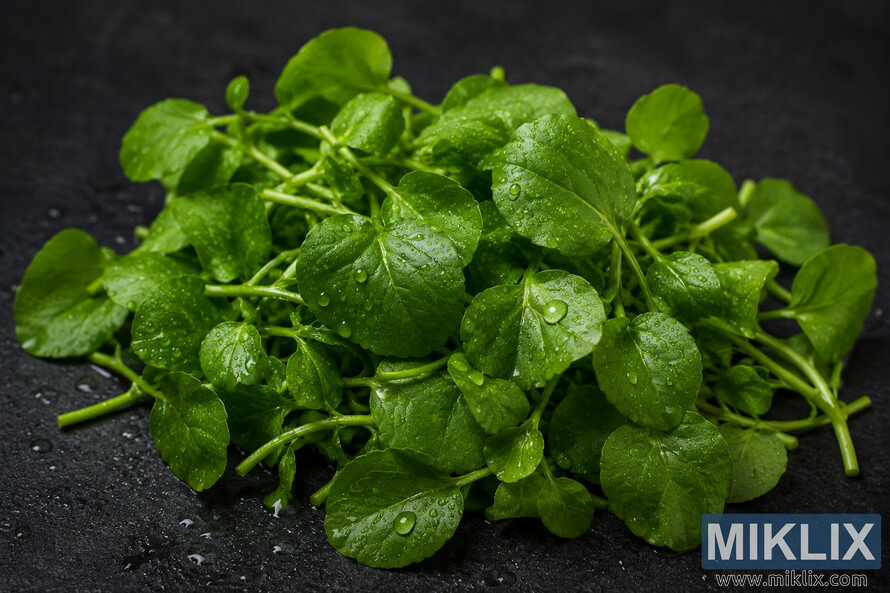
Watercress stands as one of nature's most powerful leafy green vegetables. This peppery plant grows in flowing water and packs more nutrients per calorie than almost any other food on Earth. Ancient civilizations recognized its medicinal properties centuries ago. Today, modern researchers confirm what traditional healers always knew.
Click or tap the image for more information and higher resolutions.
This aquatic green offers remarkable health benefits that extend far beyond basic nutrition. From supporting bone health to protecting your heart, watercress deserves a prominent place in your diet. The vegetable contains compounds that may help reduce cancer risk and boost overall wellness.
Many people walk past watercress in grocery stores without realizing its potential. This guide will change that. You'll discover why this leafy green earns its reputation as a nutritional powerhouse and learn practical ways to enjoy it daily.
What Makes Watercress a Nutritional Powerhouse
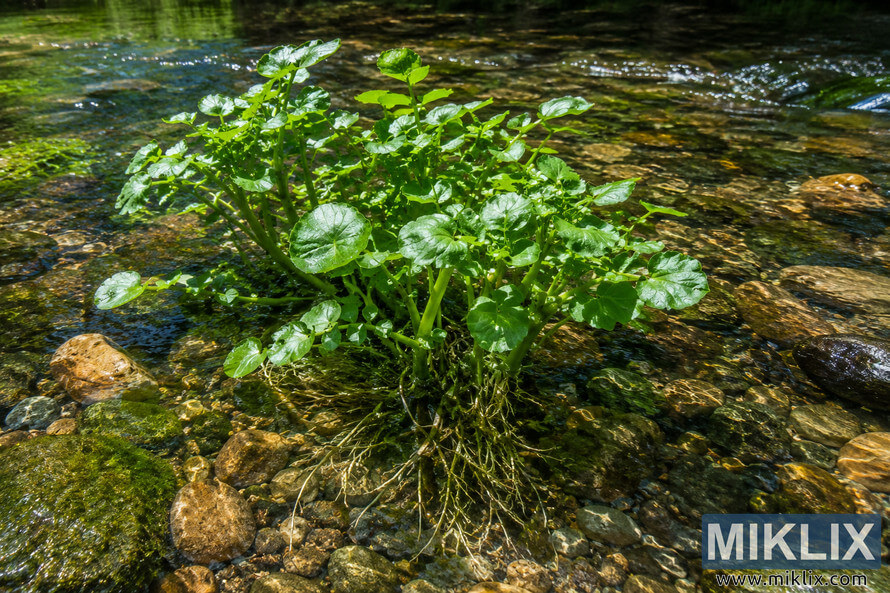
Watercress belongs to the cruciferous vegetable family, sharing lineage with kale, broccoli, and cabbage. This aquatic plant thrives in cool, flowing water sources across the world. Its distinctive peppery flavor comes from compounds called glucosinolates, which also contribute to its health-promoting properties.
The Centers for Disease Control ranked watercress as the number one powerhouse vegetable based on nutrient density. This classification means it delivers the highest concentration of essential nutrients relative to calories. A single serving provides extraordinary amounts of vitamins and minerals while containing minimal calories.
Unlike many vegetables that lose nutrients during cooking, watercress maintains much of its nutritional content whether eaten raw or lightly cooked. The leaves, stems, and even flowers are edible. Each part contributes beneficial compounds to your diet.
Did You Know? Watercress contains more vitamin C than oranges, more calcium than milk, and more iron than spinach, gram for gram.
Click or tap the image for more information and higher resolutions.
The Impressive Nutritional Content of Watercress
One cup of raw watercress weighs approximately 34 grams and contains only 4 calories. Despite this minimal caloric content, it delivers substantial amounts of essential nutrients. This exceptional nutrient-to-calorie ratio makes watercress an ideal food for health-conscious people.
Vitamin Content in Watercress
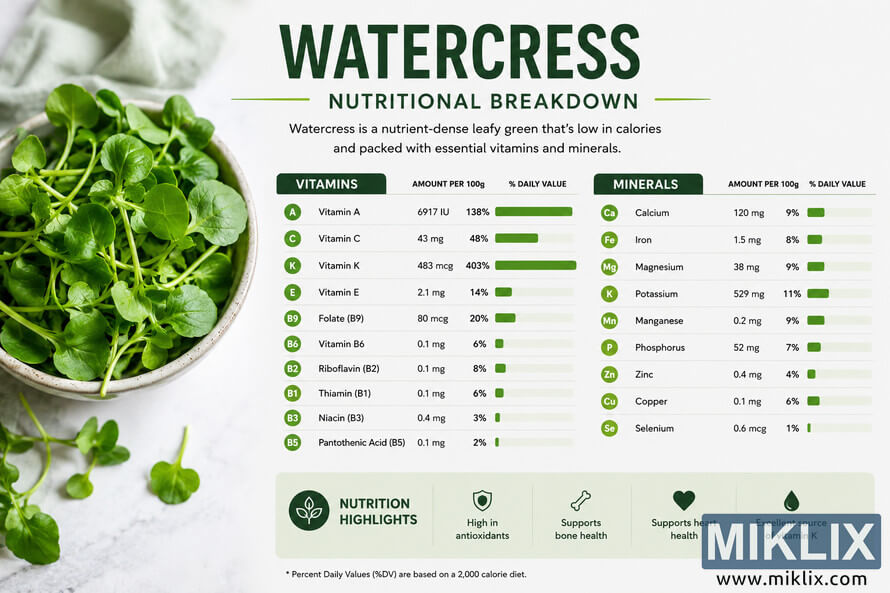
Watercress provides exceptional amounts of vitamin K, with one cup supplying over 100% of the daily recommended intake. This vitamin plays a crucial role in blood clotting and bone metabolism. Your body needs adequate vitamin K to maintain strong, healthy bones throughout life.
The vegetable also delivers impressive amounts of vitamin C, an essential antioxidant that supports immune function. One serving provides about 15% of your daily vitamin C needs. This water-soluble vitamin helps protect cells from damage and aids in collagen production for healthy skin.
Vitamin A appears abundantly in watercress, primarily as beta-carotene. This nutrient supports vision health, immune function, and cellular communication. The vitamin content in watercress rivals that found in carrots and sweet potatoes.
Key Vitamins Per Cup
- Vitamin K: 106% of daily value
- Vitamin C: 15% of daily value
- Vitamin A: 22% of daily value
- Folate: 3% of daily value
- Vitamin E: 4% of daily value
Essential Minerals
- Calcium: 4% of daily value
- Manganese: 4% of daily value
- Potassium: 112 mg per serving
- Iron: 2% of daily value
- Phosphorus: 2% of daily value
Minerals and Antioxidants
Beyond vitamins, watercress contains important minerals that support various bodily functions. Calcium strengthens bones and teeth. Potassium regulates blood pressure and heart function. Manganese supports metabolism and bone development.
The plant contains powerful antioxidants called phenolic compounds. These substances help neutralize harmful free radicals in your body. Antioxidants protect cells from oxidative stress, which contributes to aging and chronic disease development.
Click or tap the image for more information and higher resolutions.
Science-Backed Health Benefits of Watercress
Cancer-Fighting Properties
Researchers have studied watercress extensively for its potential cancer-fighting ability. The plant contains glucosinolates, which break down into compounds called isothiocyanates during chewing and digestion. These compounds show promise in reducing cancer risk through multiple mechanisms.
Studies suggest that compounds in watercress may help block the growth of cancer cells. One compound called phenethyl isothiocyanate (PEITC) has shown particular promise. Researchers observed that PEITC might interfere with cancer cell development and spread.
A study published in the American Journal of Clinical Nutrition found that daily watercress consumption reduced DNA damage in blood cells. This damage often serves as a precursor to cancer development. Participants who ate watercress regularly showed measurable protective effects.
Research Insight: Researchers from the University of Southampton found that eating watercress daily for eight weeks reduced markers associated with cancer risk in blood samples.
Heart Health Support
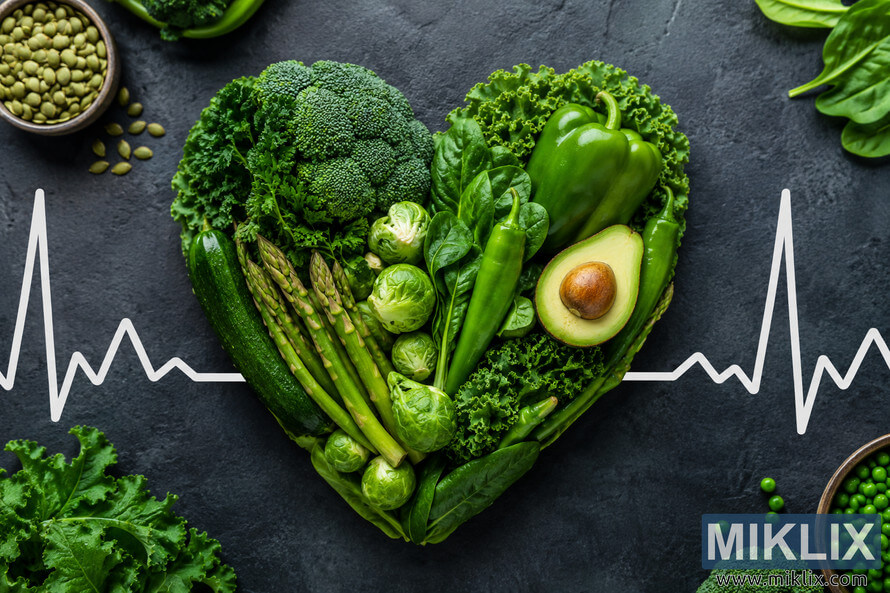
Watercress supports cardiovascular health through multiple pathways. The leafy green contains antioxidants that help protect blood vessels from damage. These compounds may reduce inflammation in arteries, a key factor in heart disease development.
The vegetable provides dietary nitrates, which convert to nitric oxide in your body. Nitric oxide helps relax blood vessels, potentially lowering blood pressure. This mechanism supports overall heart health and reduces strain on the cardiovascular system.
Researchers noted that people who consume cruciferous vegetables regularly show lower rates of heart disease. The combination of antioxidants, minerals, and beneficial plant compounds in watercress contributes to this protective effect. Potassium in the plant helps regulate heart rhythm and blood pressure.
Click or tap the image for more information and higher resolutions.
Bone Health and Strength
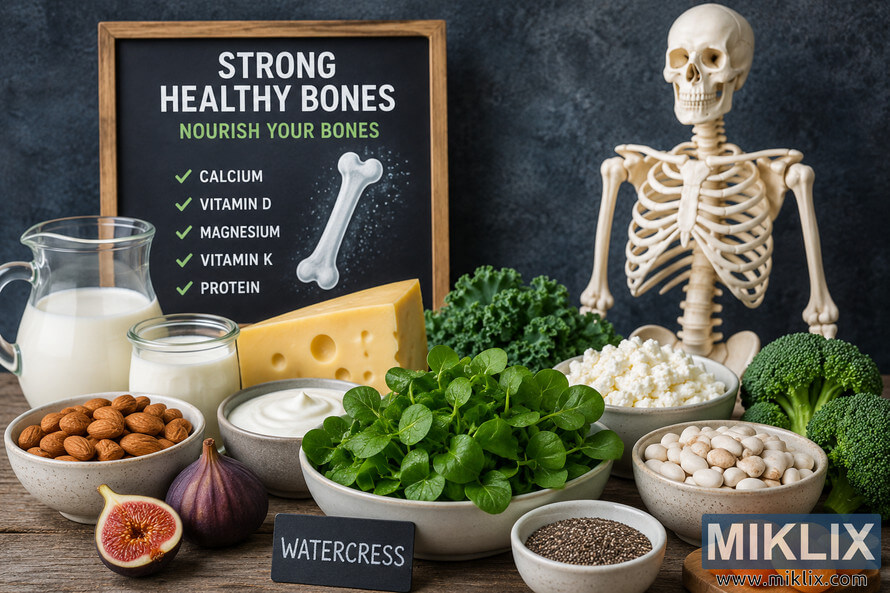
The exceptional vitamin K content in watercress makes it valuable for bone health. Vitamin K activates proteins that bind calcium to bones, strengthening the skeletal system. Without adequate vitamin K, bones cannot effectively use calcium, even if dietary intake is sufficient.
Calcium, also present in watercress, works synergistically with vitamin K to maintain bone density. This mineral forms the structural component of bones and teeth. Regular consumption of calcium-rich greens like watercress supports long-term skeletal health.
Studies show that people with higher vitamin K intake experience fewer bone fractures as they age. The combination of vitamin K, calcium, and magnesium in watercress creates an ideal nutritional profile for bone maintenance. These nutrients work together more effectively than any single compound alone.
Immune System Enhancement
Watercress bolsters immune function through its rich vitamin C content and unique phytochemicals. Vitamin C stimulates white blood cell production and activity. These cells form your body's first line of defense against infections and illness.
The plant contains compounds that demonstrate antimicrobial properties in laboratory studies. While more research is needed, initial findings suggest watercress may help your body resist certain bacterial and viral infections. The combination of antioxidants and vitamins creates a supportive environment for optimal immune response.
Regular consumption of nutrient-dense vegetables like watercress provides consistent support for immune health. The food supplies building blocks your immune system needs to function effectively. Unlike supplements, whole food sources provide nutrients in forms your body readily absorbs and uses.
Click or tap the image for more information and higher resolutions.
Easy Ways to Add Watercress to Your Diet
Adding watercress to your daily meals requires minimal effort and brings maximum nutritional benefit. This versatile green adapts to numerous dishes and cooking methods. Start with small amounts if you're new to its peppery flavor, then gradually increase as your palate adjusts.
Fresh Watercress in Salads
Raw watercress shines in fresh salad preparations. Its peppery flavor adds complexity to mixed green salads. Combine watercress with milder greens like butterhead lettuce to balance the taste. The crisp texture provides satisfying crunch in every bite.
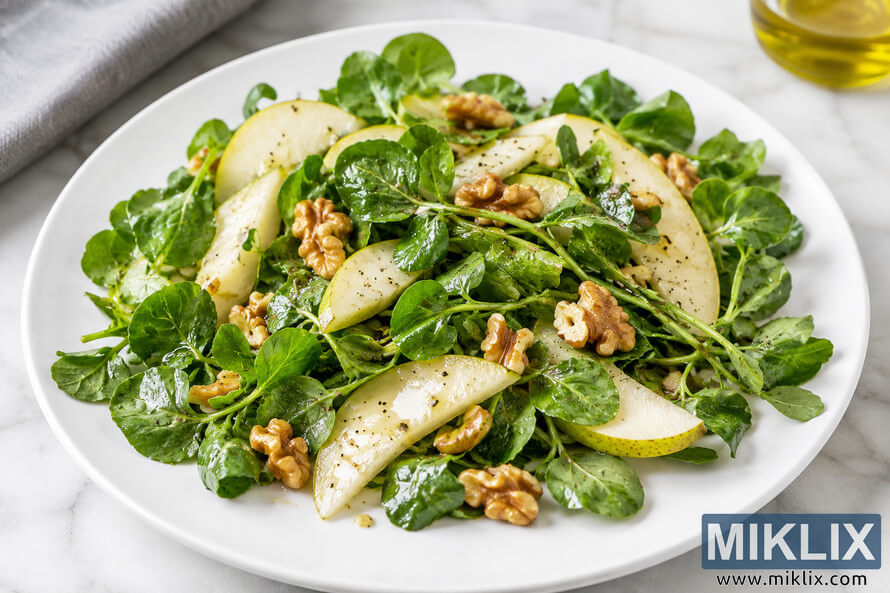
Try tossing watercress with sliced pears, walnuts, and crumbled blue cheese for an elegant salad. The sweetness of fruit complements the plant's natural spiciness. A simple lemon vinaigrette enhances the flavors without overpowering the delicate leaves.
Click or tap the image for more information and higher resolutions.
Classic Watercress Salad
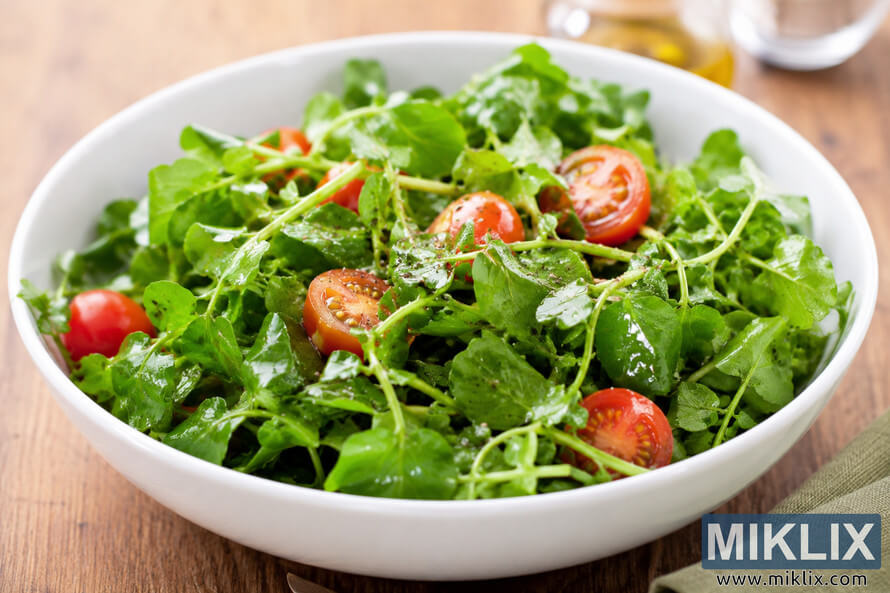
Mix fresh watercress with cherry tomatoes, cucumber, and red onion. Dress with olive oil and lemon juice. This simple combination showcases the green's natural flavor while providing diverse nutrients.
Click or tap the image for more information and higher resolutions.
Watercress Sandwiches
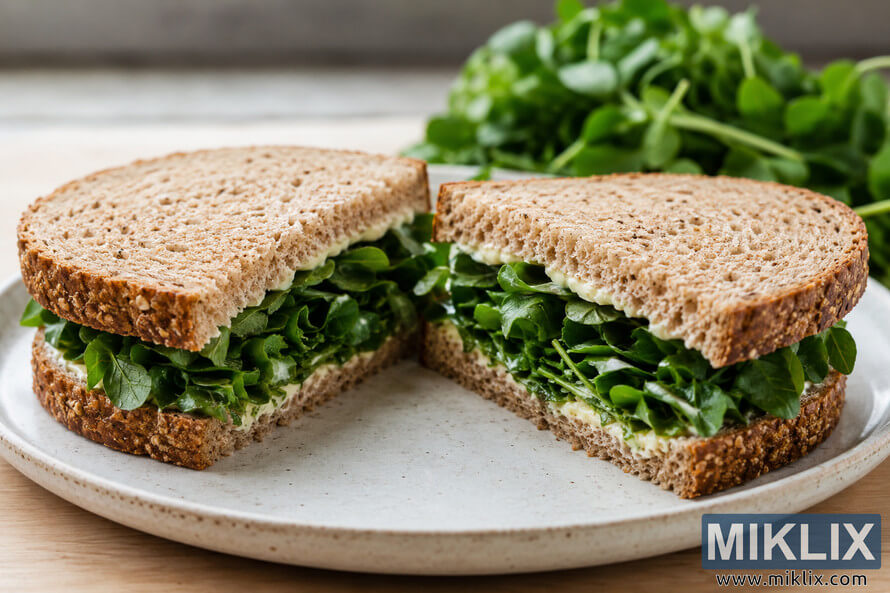
Layer watercress on sandwiches for added nutrition and flavor. The leaves pair beautifully with cream cheese, smoked salmon, or roasted vegetables. Replace standard lettuce with watercress for an instant upgrade.
Click or tap the image for more information and higher resolutions.
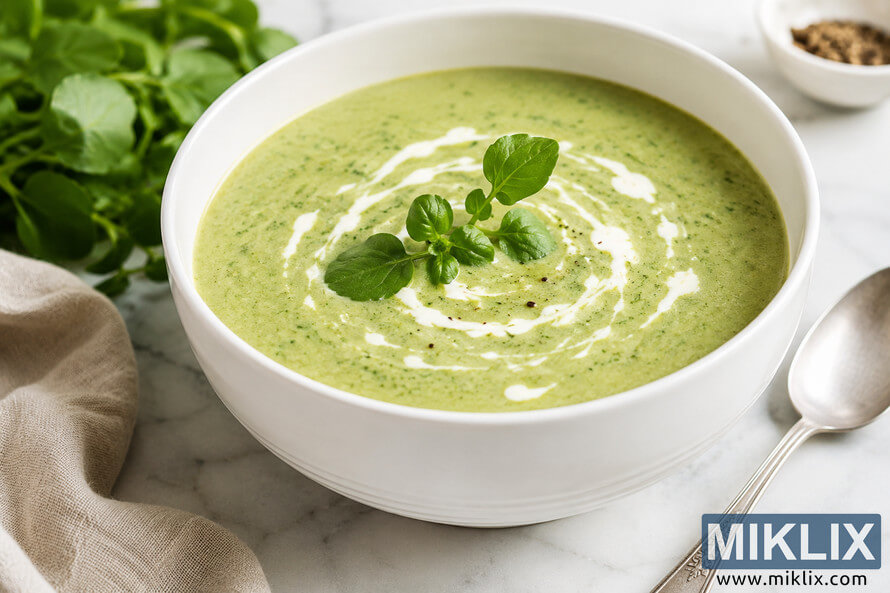
Watercress Soup
Blend cooked watercress with potatoes and broth for a nutritious soup. This warming dish preserves many nutrients while creating comfort food appeal. Add a dollop of Greek yogurt for extra creaminess.
Click or tap the image for more information and higher resolutions.
Cooked Watercress Applications
Light cooking softens watercress's peppery bite while maintaining nutritional value. Sauté watercress with garlic and olive oil as a quick side dish. The greens wilt rapidly, cooking in just two to three minutes.
Add watercress to stir-fries during the final minutes of cooking. The plant complements Asian-inspired dishes beautifully. Its flavor works well with ginger, soy sauce, and sesame oil. Toss it with noodles or rice for a complete meal.
Blend watercress into smoothies for a nutrient boost without overwhelming other flavors. Combine it with fruits like banana, mango, or pineapple. The sweet fruit masks any bitterness while you gain all the health benefits. Start with a small handful and adjust to taste.
Morning Smoothie Ideas
Start your day with watercress-enhanced smoothies that taste delicious and fuel your body with essential nutrients.
- Green goddess: watercress, banana, spinach, almond milk
- Tropical boost: watercress, mango, pineapple, coconut water
- Berry blast: watercress, mixed berries, Greek yogurt, honey
- Energizer: watercress, green apple, cucumber, lemon, ginger
Quick Side Dishes
Transform watercress into flavorful side dishes that complement any main course in minutes.
- Garlic sauté: watercress wilted with olive oil and minced garlic
- Asian-style: watercress with sesame oil, soy sauce, sesame seeds
- Italian-inspired: watercress with white beans, tomatoes, basil
- Simple steam: lightly steamed watercress with lemon zest
Sauce and Pesto Creations
Blend watercress into versatile sauces that add nutrition and flavor to multiple dishes.
- Watercress pesto: blend with pine nuts, parmesan, garlic, olive oil
- Green goddess dressing: combine with herbs, mayo, lemon juice
- Chimichurri variation: mix with parsley, oregano, vinegar, oil
- Creamy sauce: puree with Greek yogurt, dill, cucumber
Main Course Integration
Incorporate watercress into main dishes for complete, nutritious meals the whole family will enjoy.
- Pasta toss: mix with whole grain pasta, cherry tomatoes, feta
- Grain bowl topper: layer over quinoa with roasted vegetables
- Omelet filling: fold into eggs with goat cheese and herbs
- Pizza topping: add fresh after baking for peppery contrast
How to Select and Store Watercress Properly
Finding fresh, high-quality watercress ensures you get maximum flavor and nutritional value. Look for watercress at farmers markets, specialty grocery stores, and well-stocked supermarkets. The vegetable typically appears in the produce section near other leafy greens and herbs.
Choosing Fresh Watercress
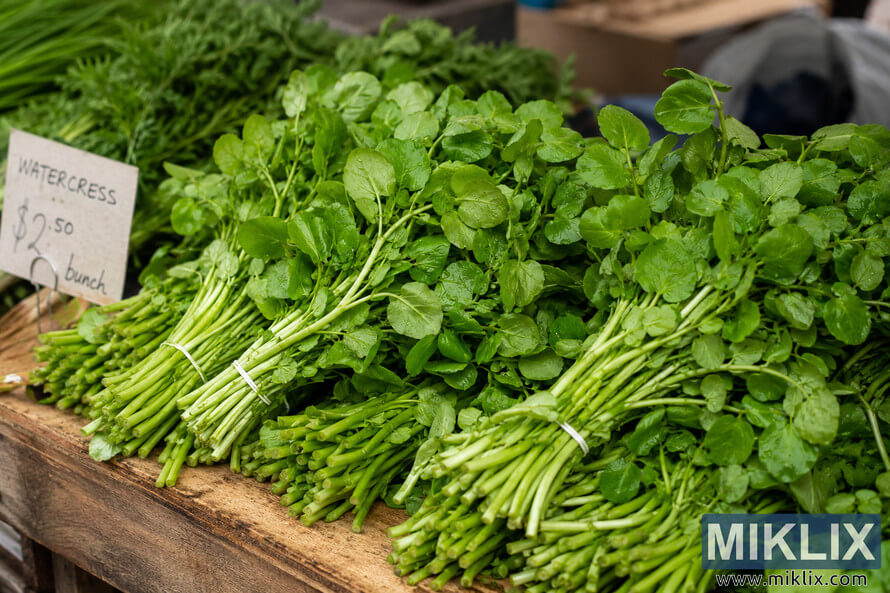
Select watercress bunches with vibrant green leaves and firm stems. Avoid any with yellowing, wilting, or slimy leaves. Fresh watercress should smell clean and peppery, not musty or unpleasant. The stems should snap crisply when bent, indicating freshness and proper hydration.
Check that the roots are intact and moist if purchasing whole plants. Some stores sell watercress with roots still attached, which extends shelf life. These root-attached bunches often stay fresh longer than pre-cut varieties. Examine the bag or container for excess moisture, which can accelerate spoilage.
Storage Methods
Store watercress properly to maintain freshness for up to one week. Rinse the greens gently under cold water to remove any dirt or debris. Pat dry with paper towels or use a salad spinner. Excess moisture promotes bacterial growth and accelerates decay.
Place cleaned watercress in a plastic bag with a paper towel to absorb moisture. Store in the refrigerator's crisper drawer, which maintains optimal humidity levels. Alternatively, treat watercress like fresh flowers: trim the stems and place in a glass of water. Cover loosely with a plastic bag and refrigerate.
Important: Never store watercress at room temperature for extended periods. The delicate leaves wilt quickly outside refrigeration. Use within three to five days for best quality and flavor.
Click or tap the image for more information and higher resolutions.
Precautions and Considerations
While watercress offers numerous health benefits, certain individuals should exercise caution. Understanding potential concerns helps you make informed dietary decisions. Most people can enjoy watercress safely as part of a balanced diet.
Medication Interactions
The high vitamin K content in watercress can interact with blood-thinning medications like warfarin. Vitamin K affects blood clotting mechanisms. People taking anticoagulants should maintain consistent vitamin K intake and consult their healthcare provider before significantly increasing watercress consumption.
Sudden changes in vitamin K intake can interfere with medication effectiveness. This doesn't mean you must avoid watercress entirely. Instead, work with your doctor to establish appropriate serving sizes that maintain medication stability. Regular monitoring ensures safe consumption.
Thyroid Considerations
Cruciferous vegetables contain compounds called goitrogens, which can interfere with thyroid function in large amounts. However, you would need to consume extremely large quantities regularly for this to become a concern. Cooking reduces goitrogen content significantly.
People with existing thyroid conditions should discuss cruciferous vegetable intake with their healthcare provider. Most can safely include moderate amounts of watercress in their diet. The health benefits typically outweigh potential risks when consumed in normal food quantities.
Who Should Use Caution
- People taking blood-thinning medications
- Individuals with thyroid disorders
- Those with kidney stone history
- Pregnant women (consult doctor first)
Safe Consumption Tips
- Start with small portions initially
- Wash thoroughly before eating
- Buy from reputable sources only
- Consult healthcare provider if concerned
Food Safety Guidelines
Always wash watercress thoroughly before consumption. The plant grows in water, which can harbor bacteria if sourced from contaminated streams. Commercial watercress from grocery stores undergoes safety testing, but proper washing remains essential.
Avoid harvesting wild watercress from unknown water sources. Streams and rivers can contain harmful bacteria, parasites, or agricultural runoff. Stick to watercress from farmers markets or stores that source from controlled growing operations. This ensures the plant meets food safety standards.
Growing Your Own Watercress at Home
Growing watercress at home provides a constant supply of fresh, nutritious greens. This plant thrives in cool, moist conditions. You don't need elaborate equipment or extensive gardening experience. With basic supplies and attention to water requirements, anyone can cultivate watercress successfully.
Container Growing Method
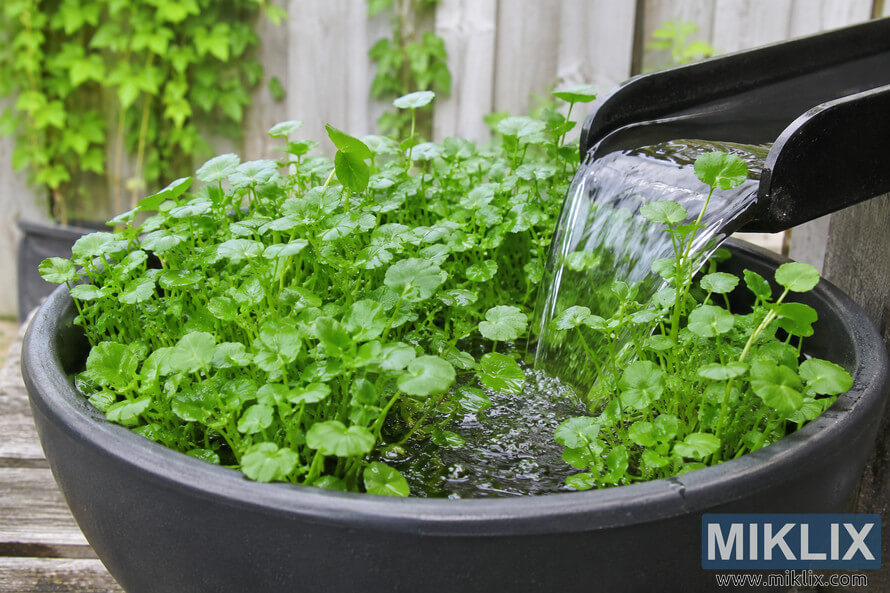
Use a shallow container with drainage holes for growing watercress. Fill with potting soil and place in a tray of water. The container should sit partially submerged, allowing roots to access constant moisture. Position in a spot that receives partial shade to full sun.
Seeds germinate quickly, usually within one week. Keep soil consistently moist throughout the growing period. Harvest stems when they reach four to six inches tall. Cut above the lowest leaves to encourage regrowth. Your plant will produce multiple harvests throughout the growing season.
Hydroponic Growing
Watercress adapts excellently to hydroponic systems. These soil-free growing methods provide ideal conditions for this aquatic plant. Simple hydroponic setups use containers filled with water and nutrients. More advanced systems circulate water past plant roots continuously.
Hydroponic watercress grows faster than soil-cultivated plants. The constant water access and controlled nutrients promote rapid growth. Start plants from seeds or cuttings placed in growing medium. Maintain water temperature between 50-60°F for optimal growth rates.
Click or tap the image for more information and higher resolutions.
How Watercress Compares to Other Leafy Greens
Understanding how watercress stacks up against other popular greens helps you make informed dietary choices. Each leafy green offers unique nutritional benefits. Watercress stands out for its exceptional nutrient density and powerful phytochemical content.
| Vegetable | Calories (per 100g) | Vitamin K (% DV) | Vitamin C (% DV) | Calcium (% DV) |
| Watercress | 11 | 312% | 72% | 12% |
| Kale | 35 | 817% | 200% | 15% |
| Spinach | 23 | 604% | 47% | 10% |
| Arugula | 25 | 137% | 25% | 16% |
| Romaine Lettuce | 17 | 126% | 4% | 3% |
Watercress Versus Kale
Both watercress and kale rank as nutritional powerhouses among leafy greens. Kale contains higher amounts of vitamins K and C per serving. However, watercress delivers more nutrients per calorie, making it more nutrient-dense overall. The choice between them often comes down to personal taste preference.
Watercress offers a milder, more versatile flavor than kale. Many people find it easier to incorporate into various dishes. Kale requires more preparation, often benefiting from massage or cooking to reduce toughness. Watercress can be enjoyed raw with minimal preparation.
Watercress Versus Spinach
Spinach serves as a familiar green for most people. It provides excellent nutrition and works well in numerous recipes. Watercress surpasses spinach in vitamin K and calcium content. Both vegetables offer iron, though spinach contains slightly more per serving.
The peppery flavor of watercress contrasts with spinach's mild taste. This makes watercress ideal for adding flavor complexity to dishes. Spinach works better when you want a neutral green that won't overpower other ingredients. Rotating between both vegetables ensures dietary variety and comprehensive nutrition.
Transform Your Health with Watercress
You now understand why watercress deserves recognition as a true superfood. This humble leafy green delivers extraordinary health benefits backed by scientific research. From supporting bone health to potentially reducing cancer risk, watercress offers protective compounds your body needs.
The vegetable's versatility makes it easy to enjoy regularly. Whether you prefer it raw in salads, blended in smoothies, or cooked in soups, watercress adapts to your culinary preferences. Its peppery flavor adds excitement to ordinary dishes while boosting nutritional content significantly.
Start incorporating watercress into your meals this week. Visit your local grocery store or farmers market to find fresh bunches. Begin with small amounts to adjust to the flavor, then increase as you discover favorite preparation methods.
Remember that consistency matters more than quantity. Regular consumption of nutrient-dense foods like watercress creates lasting health benefits. Combined with other vegetables, whole grains, and lean proteins, this leafy green contributes to a well-rounded, healthful diet.
Your journey toward better health starts with simple choices. Adding watercress represents one small change with significant nutritional impact. This ancient vegetable continues to prove its worth in modern nutrition science. Give it a place in your kitchen and your body will thank you.
Click or tap the image for more information and higher resolutions.
Further Reading
If you enjoyed this post, you may also like these suggestions:
- A Guide to the Health Benefits of Celery
- Kimchi: Korea’s Superfood with Global Health Benefits
- Watermelon: The Hydrating Superfruit You Should Eat More Often