
Growing Tangerines: The Complete Guide to Sweet Success in Your Home Garden
Հրապարակվել է՝
Վերջին թարմացումը՝ 25 մարտի, 2026 թ., 19:06:22 UTC
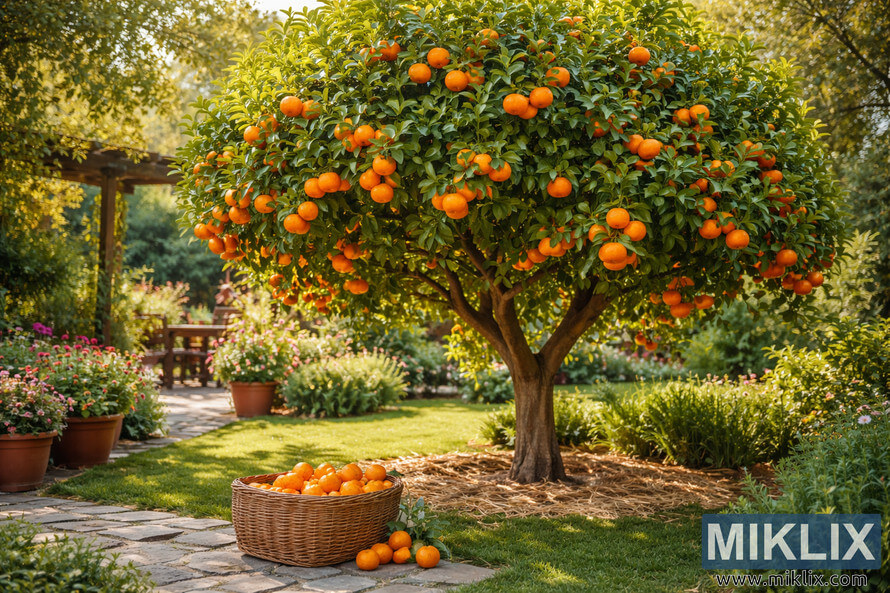
Fresh tangerines from your own backyard aren't just a dream. These vibrant citrus trees bring year-round beauty and delicious fruit to gardens across America. Whether you live in sunny California or manage a protected patio space, growing tangerines offers rewards that extend far beyond the harvest.
Growing Tangerines: The Complete Guide to Sweet Success in Your Home Garden
Սեղմեք կամ հպեք պատկերին՝ ավելի շատ տեղեկություններ և ավելի բարձր թույլտվությամբ պատկերներ ստանալու համար։
The appeal goes deeper than taste. Tangerine trees offer fragrant blossoms in spring, lush evergreen foliage throughout the year, and the satisfaction of harvesting fruit you nurtured from a young tree.
This comprehensive guide walks you through every stage of growing tangerines successfully. From selecting the perfect variety for your climate to harvesting sweet fruit, you'll discover practical techniques used by experienced citrus growers. No complex jargon or unnecessary theory—just actionable steps that work.
Why Growing Tangerines Makes Sense for Home Gardeners
Tangerine trees rank among the most rewarding citrus varieties for home cultivation. Their manageable tree size makes them perfect for smaller yards and containers. Most varieties reach just 8 to 12 feet at maturity, much smaller than standard orange trees.
Year-Round Beauty
Citrus trees provide continuous visual interest in your landscape. The glossy evergreen leaves stay attractive through all seasons.
- White fragrant blossoms appear in early spring
- Green developing fruit adds interest throughout summer
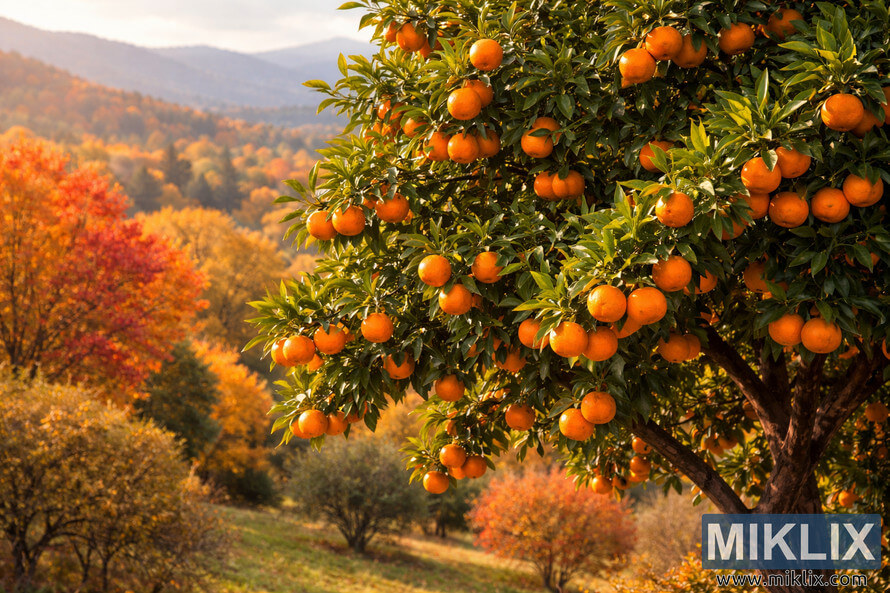
- Bright orange fruit creates stunning fall displays
- Dense foliage provides privacy screening
Practical Advantages
Beyond aesthetics, tangerine trees offer genuine practical benefits that enhance your property value and lifestyle.
- Fresh fruit eliminates grocery store trips
- Trees produce for 20 to 30 years or more
- Dwarf varieties thrive in containers on patios
- Lower maintenance than many fruit trees
Superior Flavor
Home-grown tangerines deliver taste that supermarket fruit simply cannot match. You control ripeness perfectly.
- Tree-ripened fruit develops complex sugars
- No extended shipping or cold storage
- Peak harvest flavor within hours of picking
- Control over growing methods and inputs
Economic Value
A single mature tree produces 100 to 200 pounds of fruit per year, representing substantial savings and value.
- Initial investment pays back within 3 to 4 years
- Organic tangerines cost significantly less to grow
- Share excess harvest with family and neighbors
- Increased property value from mature fruit trees
Սեղմեք կամ հպեք պատկերին՝ ավելի շատ տեղեկություններ և ավելի բարձր թույլտվությամբ պատկերներ ստանալու համար։
Choosing the Right Tangerine Variety for Your Climate and Region
Selecting an appropriate variety determines your success more than any other factor. Tangerine varieties differ significantly in cold hardiness, fruit characteristics, tree size, and ripening season. Understanding these differences helps you match the right tree to your specific conditions.
Climate zones play the primary role in variety selection. The USDA hardiness zone system helps identify which varieties survive your winters. However, local microclimates also matter significantly. Protected locations near walls or under overhangs often support varieties rated for one zone warmer.
Cold-Hardy Varieties for Cooler Climates
Several tangerine varieties tolerate temperatures that would damage standard citrus. These selections extend growing possibilities into zone 8 and protected zone 7 locations.
Satsuma Mandarin
Satsuma mandarin represents the hardiest tangerine type available to home growers. These trees survive brief temperatures down to 15°F once established. The fruit ripens early, typically October through December, which helps avoid freeze damage.
- Survives in zones 8 to 11 reliably
- Early ripening avoids most freeze events
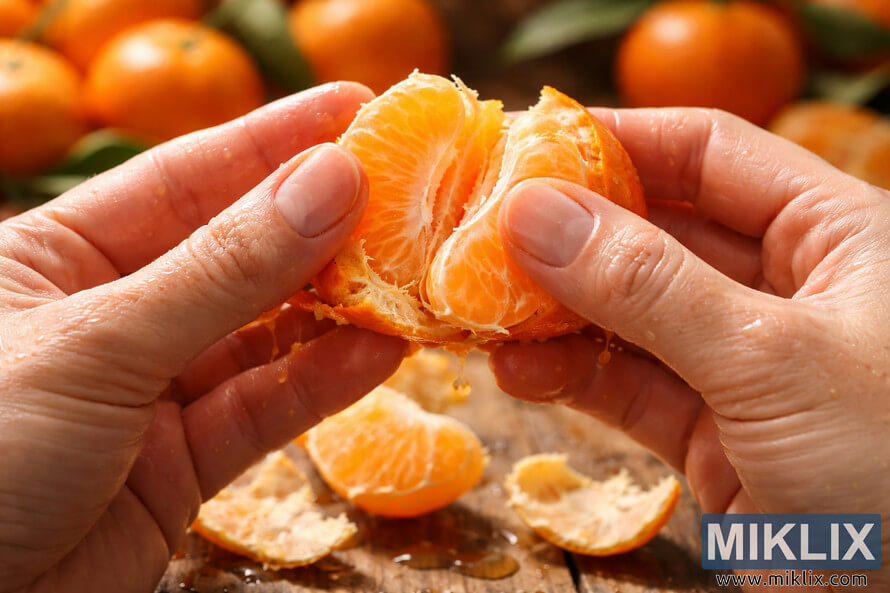
- Seedless fruit with easy-peel skin
- Naturally small tree size reaches 8 feet
- Tolerates poor drainage better than other citrus
The fruit quality excels for fresh eating. Segments separate easily and the sweet flavor develops even in cooler summer climates. Satsuma mandarin varieties include Owari, Okitsu, and Silverhill.
Container Growing Tip: Satsuma mandarin varieties adapt exceptionally well to container culture. Their naturally compact growth habit and cold tolerance make them ideal for gardeners who want to move trees indoors during extreme cold snaps.
Սեղմեք կամ հպեք պատկերին՝ ավելի շատ տեղեկություններ և ավելի բարձր թույլտվությամբ պատկերներ ստանալու համար։
Standard Varieties for Warm Climates
Traditional tangerine varieties require warmer conditions but often produce larger crops with more intense flavor. These varieties thrive in zones 9 through 11.
Dancy Tangerine
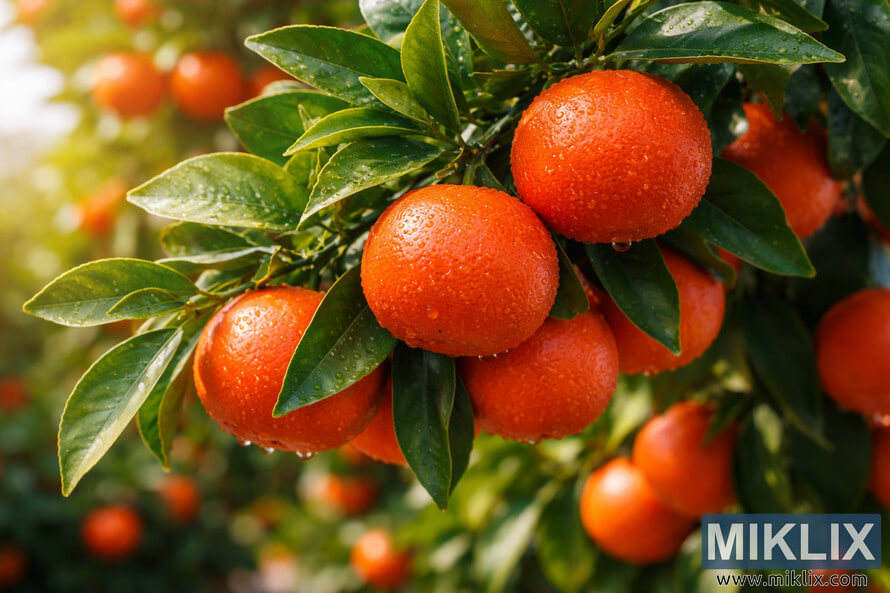
The classic Christmas tangerine variety. Dancy produces small to medium fruit with rich, spicy flavor and deep red-orange color. Peak season runs from December through February.
- Traditional tangerine flavor profile
- Heavy production in alternate years
- Requires zones 9 to 11
- Contains some seeds
Սեղմեք կամ հպեք պատկերին՝ ավելի շատ տեղեկություններ և ավելի բարձր թույլտվությամբ պատկերներ ստանալու համար։
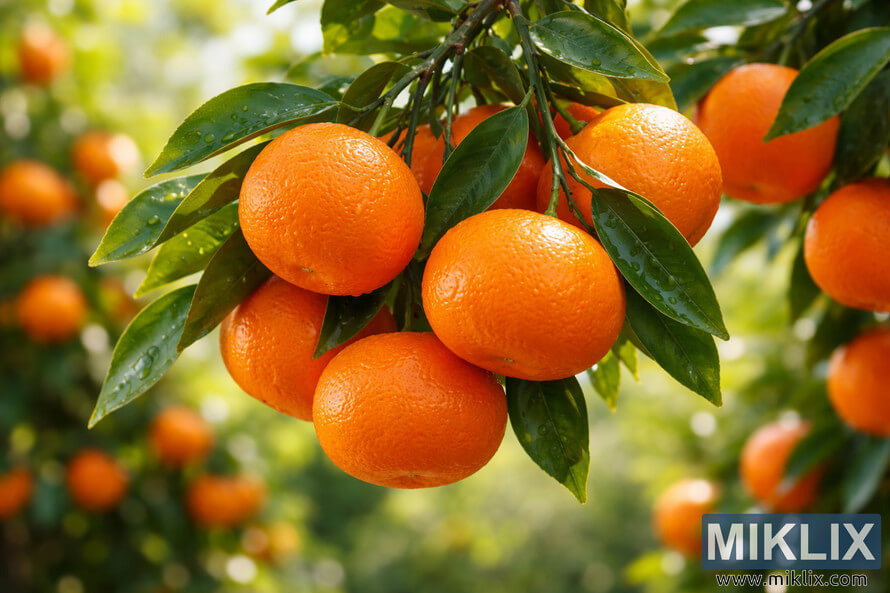
Clementine
Exceptionally sweet seedless fruit makes Clementine a favorite for fresh eating. The thin skin peels effortlessly and segments separate cleanly. November through January harvest period.
- Consistently seedless fruit
- Very sweet with low acid
- Compact tree growth habit
- Requires cross-pollination prevention for seedless fruit
Սեղմեք կամ հպեք պատկերին՝ ավելի շատ տեղեկություններ և ավելի բարձր թույլտվությամբ պատկերներ ստանալու համար։
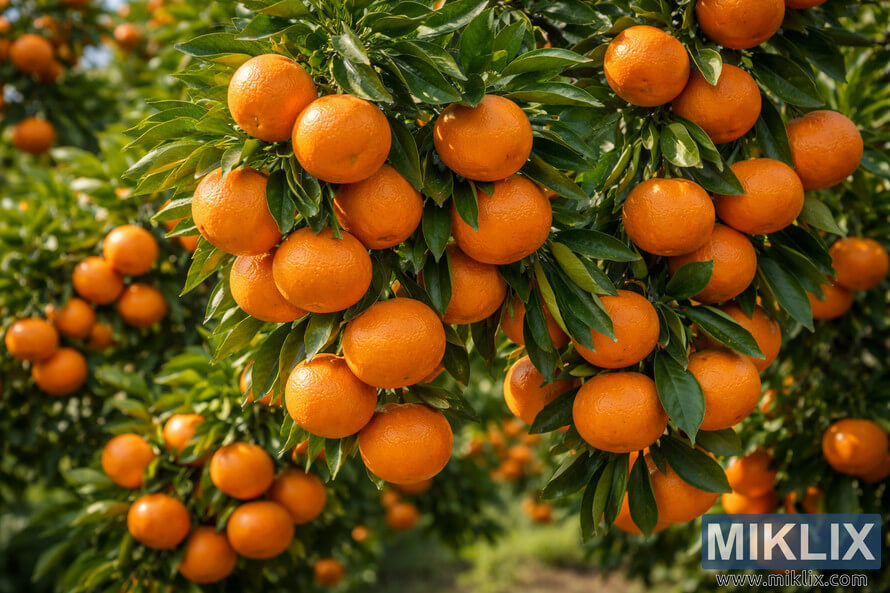
Honey Tangerine
Late-season variety valued for extending the harvest window. Honey tangerines ripen February through April, filling the gap after earlier varieties finish. Rich, sweet flavor justifies the wait.
- Latest harvest season extends fresh fruit
- Very juicy with intense sweetness
- Moderate seed content
- Vigorous tree growth requires regular pruning
Սեղմեք կամ հպեք պատկերին՝ ավելի շատ տեղեկություններ և ավելի բարձր թույլտվությամբ պատկերներ ստանալու համար։
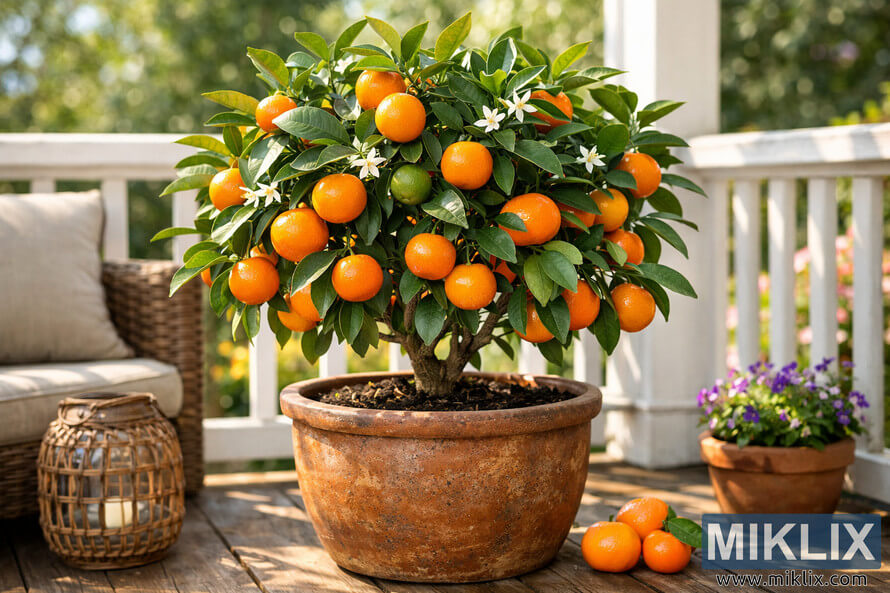
Container-Friendly Dwarf Varieties
Dwarf and semi-dwarf tangerine varieties open growing possibilities for patios, balconies, and small yards. These selections reach 4 to 8 feet at maturity, perfect for container culture or tight spaces.
Most tangerine varieties available as dwarf trees use rootstock that controls tree size naturally. The fruit size and quality remain identical to standard trees. Container growing offers significant advantages beyond space savings.
Container Growing Advantages
- Move trees indoors during extreme cold or heat
- Control soil quality completely
- Easier pest management and monitoring
- Harvest fruit at comfortable working height
- Adjust sun exposure by relocating containers
- Protect from unexpected weather events quickly
Container Growing Considerations
- More frequent watering required in hot weather
- Annual fertilization needs increase slightly
- Container size limits ultimate tree size and production
- Root ball requires periodic root pruning every 3 to 4 years
- Winter protection still necessary in cold climates
- Heavier containers become difficult to move
Սեղմեք կամ հպեք պատկերին՝ ավելի շատ տեղեկություններ և ավելի բարձր թույլտվությամբ պատկերներ ստանալու համար։
Climate and Location Requirements for Successful Tangerine Trees
Growing tangerines successfully requires matching your local conditions to tree requirements. Citrus trees evolved in subtropical regions with specific temperature, light, and humidity patterns. Understanding these needs helps you select the best location and plan appropriate protection measures.
Temperature Ranges and USDA Hardiness Zones
Temperature drives citrus growth and survival more than any other factor. Tangerine trees grow actively when temperatures range between 55°F and 85°F. Growth slows significantly below 55°F and stops entirely below 50°F. Extended cold periods damage or kill unprotected trees.
Critical Temperature Thresholds: Young trees suffer damage at 28°F. Mature trees tolerate brief exposure to 25°F to 20°F depending on variety. Satsuma mandarin survives down to 15°F when fully dormant. Trunk and root ball remain more cold-sensitive than branches throughout the tree's life.
USDA hardiness zones provide general guidance for variety selection. However, microclimates within your property create warmer or colder spots than the overall zone rating suggests. South-facing walls, protected courtyards, and areas near large water bodies often support varieties rated for one zone warmer.
| USDA Zone | Minimum Winter Temp | Recommended Varieties | Protection Needed |
| 7b to 8a | 10°F to 15°F | Satsuma mandarin only, with protection | Heavy mulch, trunk wraps, freeze blankets during cold snaps |
| 8b to 9a | 15°F to 25°F | Satsuma mandarin, cold-hardy hybrids | Mulch, occasional freeze protection for young trees |
| 9b to 10a | 25°F to 35°F | Most tangerine varieties, Clementine, Dancy | Protection for young trees only during extreme events |
| 10b to 11 | 35°F and above | All tangerine varieties thrive | None required for cold, focus on heat and wind protection |
Sunlight Requirements
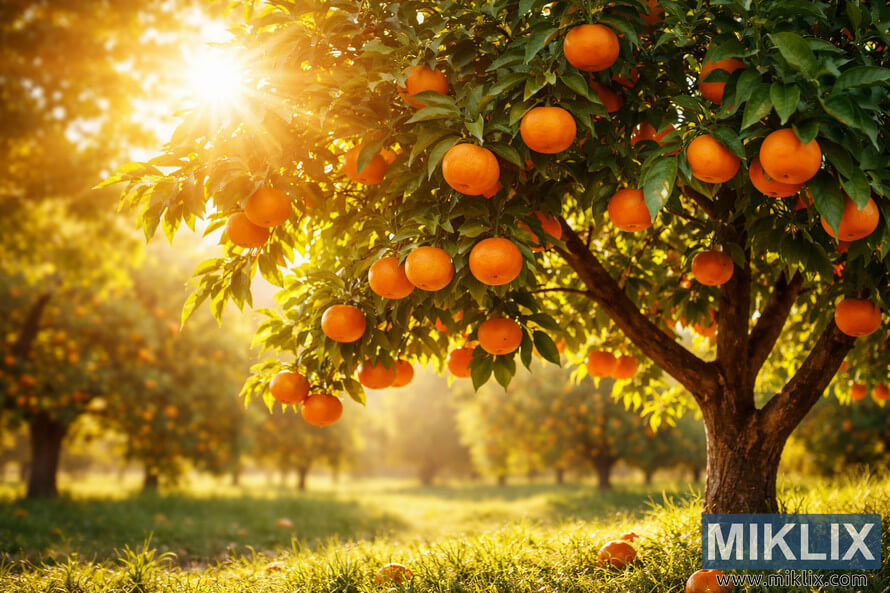
Citrus trees demand full sun exposure for optimal growth and fruit production. Full sun means six hours or more of direct sunlight daily. Eight to ten hours produces the best results. Insufficient light reduces flowering, fruit set, and overall tree vigor.
Southern and western exposures receive the most intense sunlight in most locations. Eastern exposures work well in hot climates where afternoon shade prevents stress. Northern exposures rarely provide sufficient light for heavy fruit production.
Container-grown trees gain flexibility here. You can rotate containers throughout the season to follow the sun's changing angle. This adaptability helps maximize production even in challenging locations.
Սեղմեք կամ հպեք պատկերին՝ ավելի շատ տեղեկություններ և ավելի բարձր թույլտվությամբ պատկերներ ստանալու համար։
Wind Protection Considerations
Strong winds damage citrus trees through multiple mechanisms. Direct damage includes broken branches, torn leaves, and fruit drop. Indirect damage comes from increased water stress as wind accelerates moisture loss through leaves.
Coastal locations face additional challenges from salt spray. Salt-laden wind burns foliage and accumulates in soil, creating long-term growth problems. Trees grown near oceans benefit significantly from windbreak plantings or structural barriers.
- Plant tangerine trees 15 to 20 feet from buildings and walls for some wind protection without excessive shade
- Establish windbreak hedges on prevailing wind sides using hardy evergreen species
- Stake young trees securely for the first two years until the root ball establishes
- Prune trees to maintain lower, more wind-resistant profiles in exposed locations
- Consider installing temporary wind barriers during storm seasons
Avoid Frost Pockets: Cold air flows downhill and collects in low-lying areas, creating frost pockets where temperatures drop several degrees below surrounding areas. Never plant citrus in valley bottoms or low spots where cold air settles. Slopes and elevated positions offer significantly better cold protection.
Air Circulation and Spacing
Adequate air movement around citrus trees reduces disease pressure and improves overall health. Good circulation allows foliage to dry quickly after rain or irrigation, preventing fungal diseases that thrive in constantly moist conditions.
Standard tangerine trees require 12 to 15 feet of clear space from other trees and structures. This spacing ensures each tree receives adequate light and airflow. Dwarf varieties need 8 to 10 feet of spacing. Container-grown trees gain natural spacing advantages through their portable nature.
Soil Preparation and Planting Instructions for Tangerine Trees
Proper soil preparation and planting technique establish the foundation for decades of healthy growth. Citrus trees require specific soil conditions that differ from many common garden plants. Taking time to prepare correctly prevents numerous problems later.
Soil Requirements for Citrus Trees
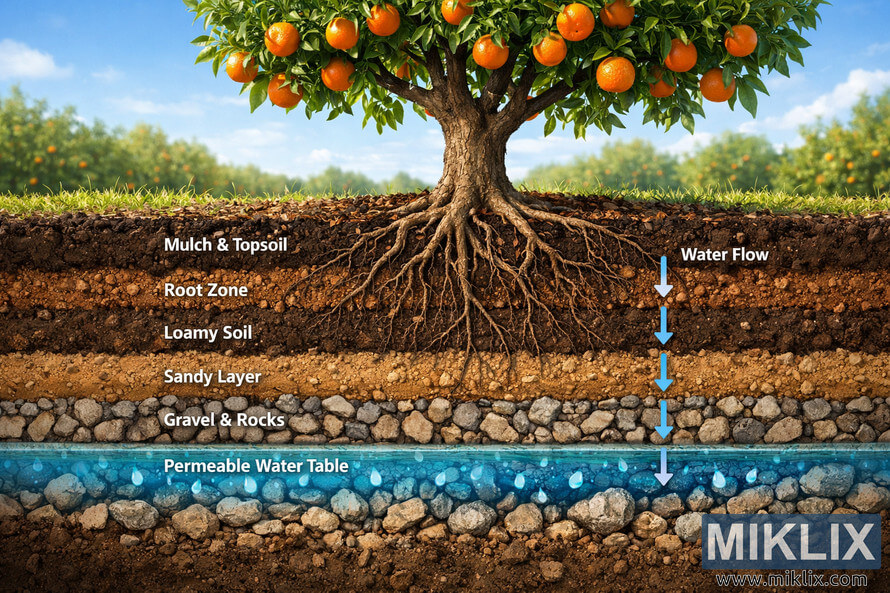
Tangerine trees demand well-draining soil above all other characteristics. Root ball health depends entirely on proper drainage. Roots sitting in waterlogged soil develop rot within days, causing rapid decline or death. Clay soils and poorly drained locations present the greatest challenges.
The ideal soil for growing tangerines has a sandy loam texture. This texture combines enough sand for drainage with sufficient organic matter for moisture retention and fertility. Soil pH should fall between 6.0 and 7.0, slightly acidic to neutral. Testing soil before planting allows amendments to correct deficiencies.
Սեղմեք կամ հպեք պատկերին՝ ավելի շատ տեղեկություններ և ավելի բարձր թույլտվությամբ պատկերներ ստանալու համար։
Improving Problem Soils
Heavy clay soils require significant amendment for citrus success. Clay particles pack tightly, preventing water drainage and root penetration. Several approaches improve clay conditions.
Effective Clay Soil Improvements
- Build raised beds 12 to 18 inches high filled with amended soil mix
- Excavate large planting holes 3 times wider than root ball, backfill with sandy loam mix
- Install drainage tiles or perforated pipe below planting area
- Add coarse sand and aged compost at 50-50 ratio to native clay
- Create bermed planting mounds above grade level
- Plant on slopes naturally to allow gravity drainage
Approaches That Don't Work
- Adding only sand to clay creates concrete-like mixture
- Planting in unimproved clay and hoping for the best
- Using peat moss alone without improving drainage
- Creating deep holes that become water-filled sumps
- Relying on frequent cultivation to improve structure
- Ignoring drainage issues and overcompensating with less watering
Sandy soils present opposite challenges. Water and nutrients drain away too quickly. Improvement focuses on increasing water and nutrient retention while maintaining the excellent drainage sandy soils provide naturally.
Mix aged compost, aged manure, or coconut coir into sandy soils at planting time. These amendments increase the soil's capacity to hold moisture and nutrients without compromising drainage. A 2 to 3 inch layer mixed into the top 12 inches provides good results.
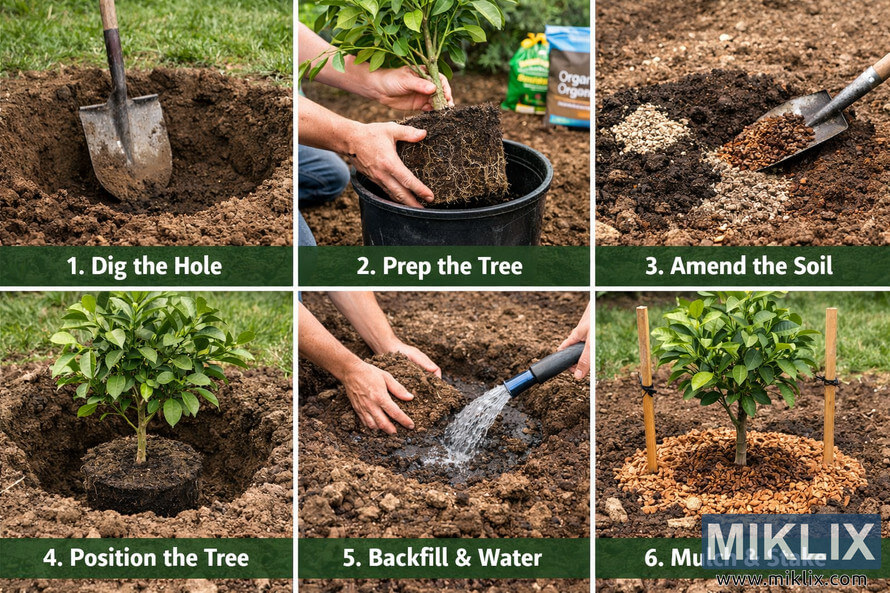
In-Ground Planting Instructions
Plant tangerine trees in spring after the last frost danger passes. This timing gives trees the entire growing season to establish roots before winter dormancy. Fall planting works in mild winter climates but risks cold damage to newly planted trees elsewhere.
- Select a location meeting sunlight, drainage, and spacing requirements outlined earlier
- Dig a planting hole twice as wide as the root ball but no deeper than the root ball height
- Rough up the sides of the planting hole with a spading fork to prevent glazing that restricts root growth
- Remove the tree from its container and examine roots carefully
- Gently loosen circling roots and trim any damaged or dead roots with clean, sharp pruners
- Place the tree in the hole so the top of the root ball sits slightly above the surrounding soil level (1 to 2 inches high)
- Ensure the graft union remains 4 to 6 inches above final soil level to prevent disease
- Backfill around the root ball with native soil mixed 50-50 with quality compost or planting mix
- Firm soil gently as you backfill to eliminate large air pockets but avoid heavy compaction
- Create a watering basin 2 to 3 feet wide around the tree by building a 4 inch high soil berm
- Water thoroughly to settle soil around roots, applying 10 to 15 gallons slowly
- Apply 2 to 3 inches of organic mulch in a 3 foot diameter circle, keeping mulch 6 inches away from the trunk
- Stake young trees loosely if needed in windy locations, removing stakes after one year
Critical Depth Warning: Never plant citrus trees deeper than they grew in the nursery container. The root ball crown must remain at or slightly above soil level. Deep planting leads to root ball rot, trunk rot, and eventual tree death. Look for the soil line on the trunk to identify the correct planting depth.
Սեղմեք կամ հպեք պատկերին՝ ավելի շատ տեղեկություններ և ավելի բարձր թույլտվությամբ պատկերներ ստանալու համար։
Container Growing Setup
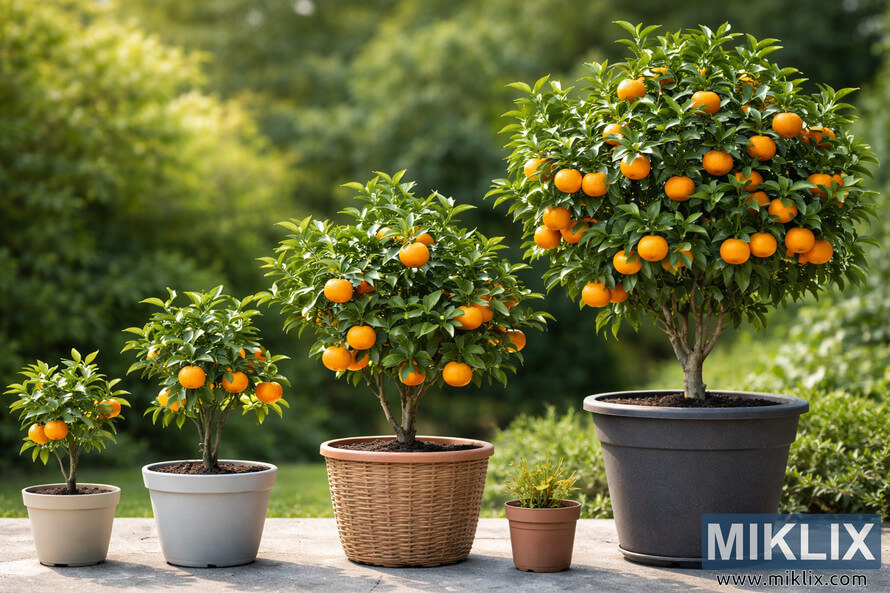
Container growing offers excellent results for dwarf tangerine varieties and provides flexibility unavailable with in-ground planting. Container size directly impacts tree growth potential and watering frequency. Larger containers support bigger trees and require less frequent watering.
Start young trees in 15 to 20 gallon containers. A container this size measures approximately 18 to 24 inches in diameter and depth. This size supports initial tree growth for two to three years. Eventually, trees need transplanting into larger containers reaching 25 to 35 gallons for long-term growth.
Container Selection and Preparation
Choose containers made from materials that withstand outdoor conditions year-round. Terra cotta, glazed ceramic, wood, and high-quality plastic all work well. Avoid thin plastic containers that crack in freezing weather or become brittle in intense sun.
- Ensure containers include multiple drainage holes at the bottom, at least 1 inch diameter
- Select pots with feet or risers that elevate the base 2 to 3 inches above ground for air circulation
- Consider container weight when filled with wet soil, especially if you plan to move trees regularly
- Dark containers absorb more heat, potentially overheating roots in extreme sun
- Place containers on wheeled platforms to enable easy movement for large trees
Սեղմեք կամ հպեք պատկերին՝ ավելի շատ տեղեկություններ և ավելի բարձր թույլտվությամբ պատկերներ ստանալու համար։
Container Soil Mix
Never use garden soil in containers. Garden soil compacts severely in containers, eliminating the air spaces roots require. Citrus trees in container culture need specially formulated potting mixes that remain loose and well-draining.
Quality commercial citrus potting mixes provide excellent results. These mixes typically combine pine bark, peat moss or coconut coir, perlite, and sand in proportions that balance drainage with moisture retention. The coarse texture prevents compaction over time.
Make your own citrus container mix using this proven formula:
DIY Citrus Container Mix Recipe
- 2 parts aged pine bark fines (1/4 to 1/2 inch size)
- 1 part coconut coir or quality peat moss
- 1 part coarse perlite or pumice
- 1 part coarse sand (not fine sand)
- Add 1 cup dolomitic limestone per cubic foot of mix
- Mix thoroughly before filling containers
Mix Volume Calculation: A 20-gallon container requires approximately 2.7 cubic feet of potting mix. Always prepare extra mix for topdressing and future maintenance. This recipe produces consistently excellent drainage while retaining adequate moisture for citrus roots.
Planting Process for Containers
- Fill the container bottom with 2 to 3 inches of potting mix
- Remove the tree from its nursery container and examine the root ball
- Gently loosen outer roots if they circle the root ball
- Position the tree so the root ball crown sits 2 inches below the container rim
- Fill around the root ball with potting mix, firming gently to eliminate air pockets
- Leave 2 inches of space between soil surface and container rim for watering
- Water thoroughly until water drains freely from bottom holes
- Apply 1 inch of decorative mulch on the soil surface, keeping it away from the trunk
- Place container in its permanent location with full sun exposure
Watering and Irrigation Guidelines for Healthy Tangerine Trees
Proper watering ranks among the most critical factors for citrus tree health. Too much water causes root rot. Too little water stresses trees and reduces fruit production. Finding the correct balance requires understanding how citrus roots absorb moisture and how environmental factors affect water needs.
Understanding Citrus Water Requirements
Citrus trees evolved in regions with distinct wet and dry seasons. Their root systems adapted to periodic deep watering followed by partial soil drying. This natural pattern promotes deep root growth and prevents root diseases. Mimicking this pattern produces the healthiest trees.
Water needs vary dramatically with tree size, weather conditions, and time of year. Young trees with developing root systems need more frequent watering than established trees. Hot, windy weather accelerates water loss through leaves. Clay soils hold moisture longer than sandy soils.
Սեղմեք կամ հպեք պատկերին՝ ավելի շատ տեղեկություններ և ավելի բարձր թույլտվությամբ պատկերներ ստանալու համար։
Seasonal Watering Patterns
Tangerine trees require different watering approaches through the year. Active growth periods demand more frequent irrigation. Dormant periods need reduced watering to prevent root problems.
| Season | Growth Stage | Watering Frequency | Key Considerations |
| Spring (March-May) | Active flowering and new growth | Every 3 to 5 days for young trees, weekly for established trees | Critical period for fruit set, maintain consistent moisture |
| Summer (June-August) | Rapid fruit development and growth | Every 2 to 4 days for young trees, twice weekly for established trees | Peak water demand, monitor daily in extreme heat |
| Fall (September-November) | Fruit maturation and ripening | Every 4 to 6 days for young trees, weekly for established trees | Reduce watering as temperatures cool, maintain fruit quality |
| Winter (December-February) | Dormancy or slow growth | Every 7 to 10 days for young trees, bi-weekly for established trees | Minimal water needed, avoid overwatering in cool weather |
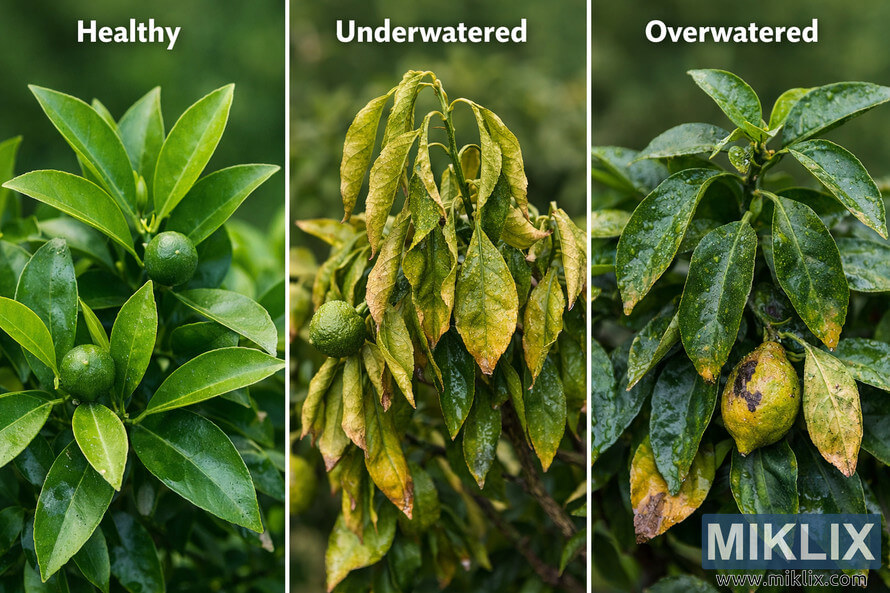
Signs of Correct and Incorrect Watering
Learning to read your trees helps adjust watering precisely. Both underwatering and overwatering cause distinct symptoms. Catching problems early prevents serious damage.
Underwatering Symptoms
- Leaves curl inward along the midrib to reduce surface area
- Foliage takes on dull, grayish appearance instead of glossy green
- Leaf tips and edges turn brown and crispy
- Young fruit drops prematurely
- New growth appears stunted or fails to develop
- Soil pulls away from container edges
- Tree wilts during afternoon heat but recovers overnight initially
Overwatering Symptoms
- Leaves turn yellow but remain attached to branches
- New growth appears pale yellow instead of bright green
- Leaves develop brown spots between veins
- Moss or algae growth appears on soil surface
- Soil remains constantly wet and soggy
- Musty odor emanates from soil
- Tree wilts despite wet soil due to root damage
Սեղմեք կամ հպեք պատկերին՝ ավելի շատ տեղեկություններ և ավելի բարձր թույլտվությամբ պատկերներ ստանալու համար։
Watering Techniques for In-Ground Trees
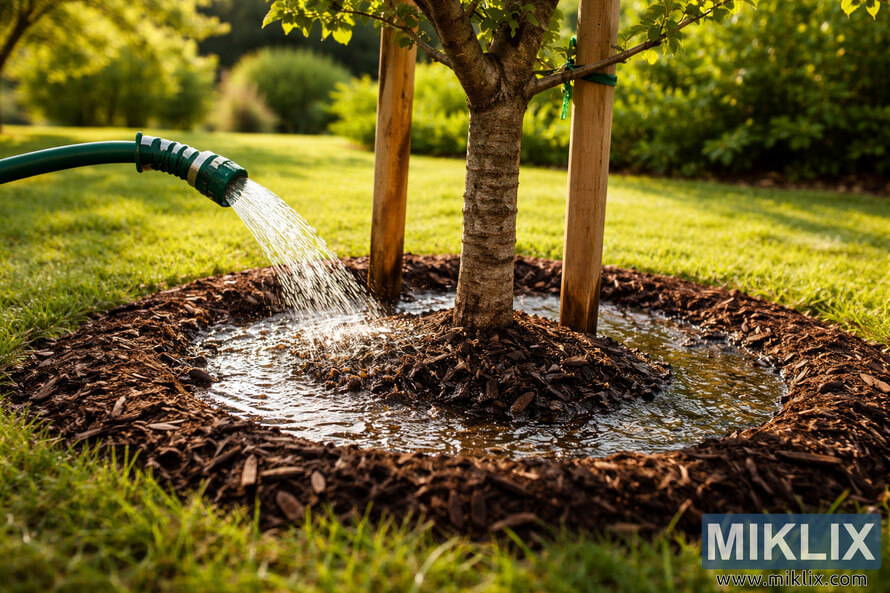
Deep, infrequent watering produces stronger root systems than frequent shallow watering. Deep watering encourages roots to grow downward, accessing moisture reserves during dry periods. Shallow watering keeps roots near the surface where they remain vulnerable to heat stress and drought.
Apply water slowly to allow deep soil penetration. Fast water application runs off before soaking deep into the root ball. A slow drip or gentle stream over 30 to 60 minutes works better than a strong blast for 5 minutes.
Recommended Methods
- Drip irrigation systems with emitters around the root ball perimeter deliver consistent moisture efficiently
- Soaker hoses positioned in a spiral around the trunk provide even coverage
- Hand watering with hose on low flow allows you to monitor soil saturation
- Basin irrigation holds water around the tree until it soaks in completely
- Bubbler systems create slow, gentle water flow that prevents soil erosion
Less Effective Methods
- Overhead sprinklers waste water through evaporation and wet foliage unnecessarily
- Fast-flowing hose blasts erode soil and run off without deep penetration
- Frequent light sprinklings encourage shallow root development
- Automatic systems without soil moisture monitoring over or underwater
- Watering in the heat of day loses significant moisture to evaporation
Determining Water Amount
The correct water amount depends on tree size and soil type. A general guideline provides a starting point for adjustments based on your observations.
Young trees up to 3 years old need approximately 2 to 3 gallons per watering session during active growth. This amount thoroughly moistens the limited root ball. Established trees require 15 to 25 gallons per watering, enough to wet soil throughout the entire root zone extending 4 to 6 feet from the trunk.
Container Watering Specifics
Container-grown citrus trees require more frequent watering than in-ground trees. Containers hold limited soil volume that dries faster than ground soil. Small containers need daily attention during hot weather. Large containers may need watering every 2 to 3 days.
Always water containers until water flows freely from drainage holes at the bottom. This ensures the entire root ball receives moisture. Water that drains immediately indicates soil has pulled away from container walls or has become hydrophobic. Allow these containers to sit in shallow water for 30 minutes to rehydrate completely.
Finger Test for Watering: Insert your finger 2 to 3 inches into the soil. If soil feels dry at this depth, water thoroughly. If soil still feels moist, wait another day before watering. This simple test prevents both over and underwatering.
Water Quality Considerations
Water quality affects citrus tree health over time. High salt content, chlorine, and pH extremes cause gradual problems. Most municipal tap water works fine for citrus. Well water varies significantly in quality and requires testing.
Chlorinated water rarely causes problems at municipal treatment levels. Allow water to sit in an open container overnight if you want to reduce chlorine levels before watering. The chlorine dissipates naturally.
Hard water containing high calcium and magnesium levels causes gradual salt buildup in soil. Periodic deep watering flushes accumulated salts below the root ball. Container trees benefit from occasional flushing where you apply 2 to 3 times the normal water amount to leach salts.
Salt Damage Warning: Coastal areas and regions with naturally saline water face salt accumulation problems. Symptoms include leaf tip burn, yellowing between leaf veins, and stunted new growth. Regular soil flushing and occasional replacement of the top few inches of soil in containers helps manage salt buildup.
Fertilization Schedule and Nutrient Requirements for Tangerine Trees
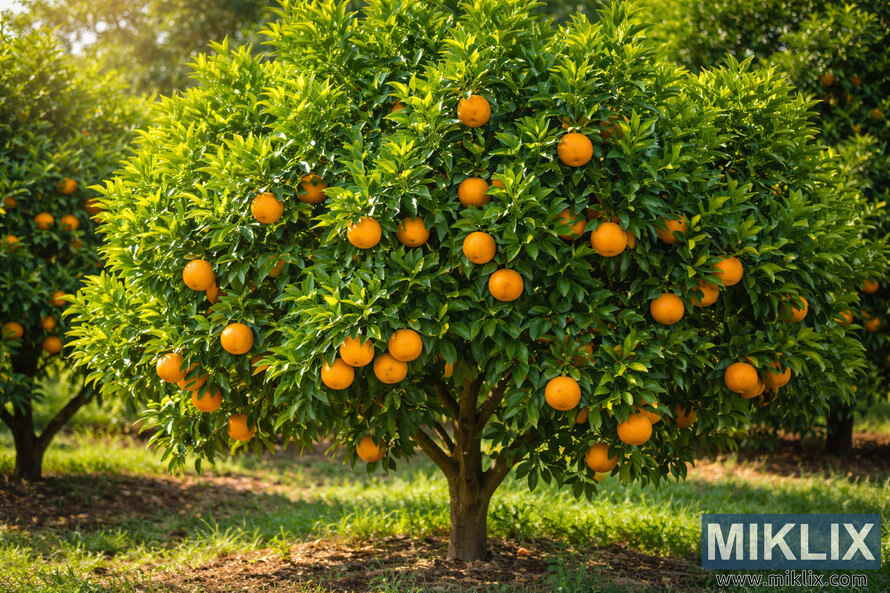
Citrus trees demand regular fertilization to support their heavy fruit production and evergreen growth. Unlike deciduous fruit trees that rest in winter, citrus trees grow year-round in warm climates and deplete soil nutrients continuously. Proper fertilization maintains dark green foliage, promotes strong new growth, and maximizes fruit yield.
Understanding Citrus Nutrient Needs
Tangerine trees require all essential plant nutrients but use nitrogen, phosphorus, and potassium in the largest amounts. Nitrogen drives leaf growth and maintains the dark green color that indicates health. Phosphorus supports root development and flowering. Potassium improves fruit quality and disease resistance.
Secondary nutrients include calcium, magnesium, and sulfur. Citrus trees need these in smaller amounts but deficiencies cause serious problems. Micronutrients like iron, zinc, manganese, and boron are required in tiny quantities but remain essential for proper growth. Complete citrus fertilizers include all these elements in appropriate ratios.
Սեղմեք կամ հպեք պատկերին՝ ավելի շատ տեղեկություններ և ավելի բարձր թույլտվությամբ պատկերներ ստանալու համար։
Common Nutrient Deficiency Symptoms
Nitrogen Deficiency
Most common deficiency in citrus trees. Leaves turn pale yellow-green starting with older leaves. New growth appears smaller than normal.
- Uniform yellowing across entire leaf
- Reduced fruit production
- Slow growth rate
- Smaller leaf size
Iron Deficiency
Very common in alkaline soils. Young leaves turn yellow while veins remain green, creating distinctive pattern called chlorosis.
- Affects new growth first
- Yellow leaves with green veins
- Severe cases turn leaves white
- Stunted new growth
Magnesium Deficiency
Common in sandy soils. Yellow blotches appear between veins on older leaves forming inverted V-shape patterns.
- Starts on mature leaves
- Yellow areas between green veins
- Bronze coloring in advanced stages
- Premature leaf drop
Fertilizer Types and Selection
Citrus-specific fertilizers provide nutrients in ratios that match tree requirements. General-purpose fertilizers often contain incorrect proportions for citrus and may lack essential micronutrients. Always choose products formulated specifically for citrus trees.
The three numbers on fertilizer packages indicate nitrogen, phosphorus, and potassium content (N-P-K ratio). Citrus fertilizers typically use ratios around 2-1-1, such as 8-4-4 or 6-3-3. This ratio emphasizes nitrogen for foliage growth while supporting flowering and fruiting.
Organic Fertilizer Benefits
- Release nutrients slowly over extended periods reducing burn risk
- Improve soil structure and beneficial microbe populations
- Lower environmental impact from production and use
- Less likely to cause salt accumulation in soil
- Safe for organic fruit production certification
- Promote long-term soil health beyond nutrition
Organic Fertilizer Limitations
- More expensive per unit of nitrogen compared to synthetic options
- Slower to correct acute deficiency symptoms
- Nutrient content varies between batches and products
- May require larger application amounts to deliver equivalent nutrients
- Dependent on soil microbes for nutrient release
- Lower nutrient analysis means more bulk to store and apply
Both organic and synthetic fertilizers produce excellent results when used correctly. Many experienced growers use synthetic fertilizers for quick deficiency correction while maintaining soil health with regular organic matter additions. This hybrid approach combines the advantages of both types.
Սեղմեք կամ հպեք պատկերին՝ ավելի շատ տեղեկություններ և ավելի բարձր թույլտվությամբ պատկերներ ստանալու համար։
Annual Fertilization Schedule
Young trees up to three years old need different fertilization than mature producing trees. Young trees focus on growth and framework development. Mature trees balance vegetative growth with heavy fruit production.
Young Trees (First 3 Years)
Apply fertilizer every 6 to 8 weeks during the active growing season from early spring through early fall. Use approximately 1 tablespoon of actual nitrogen per year of tree age per application. A tree in its second year receives 2 tablespoons of nitrogen per feeding.
Calculate actual nitrogen from fertilizer analysis. An 8-4-4 fertilizer contains 8 percent nitrogen. One cup weighs approximately 8 ounces. Eight percent of 8 ounces equals 0.64 ounces of actual nitrogen per cup. This math helps determine application amounts.
Simple Feeding Rule for Young Trees: Use 1 cup of 8-4-4 citrus fertilizer per year of tree age, applied every 6 weeks from March through September. A 2-year-old tree receives 2 cups per feeding, distributed evenly under the canopy.
Mature Trees (4 Years and Older)
Established citrus trees need higher total nitrogen per year. Apply 1 to 2 pounds of actual nitrogen annually for each mature tree. Divide this total amount across three to four applications throughout the growing season.
| Application Timing | Percentage of Annual Total | Purpose | Notes |
| Early Spring (February-March) | 30% of annual nitrogen | Support flowering and fruit set | Most important application of the year |
| Late Spring (May) | 30% of annual nitrogen | Support new growth and developing fruit | Encourages strong summer growth flush |
| Summer (July-August) | 25% of annual nitrogen | Maintain tree health during fruit development | Adjust based on foliage color |
| Early Fall (September) | 15% of annual nitrogen | Final nutrition before winter slowdown | Omit in cold winter areas to avoid frost damage to new growth |
Application Methods
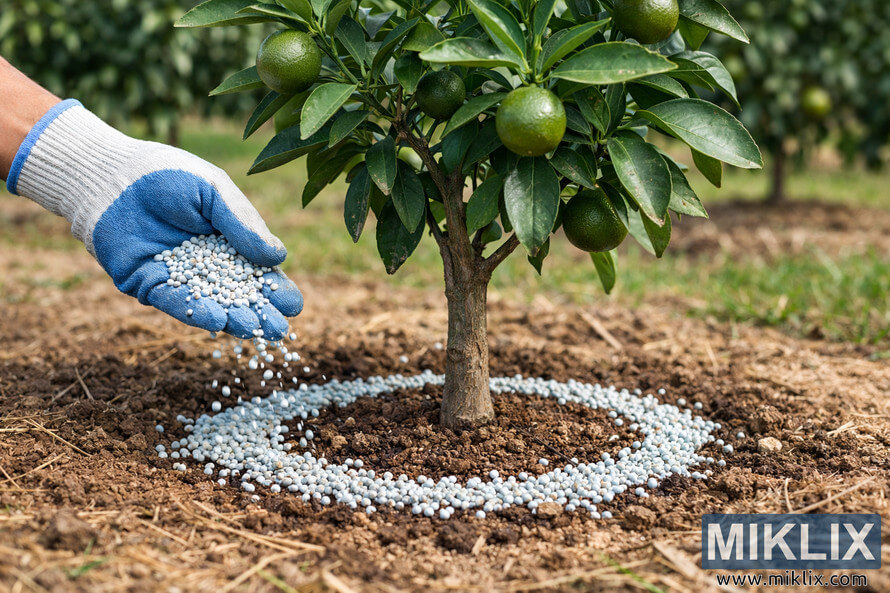
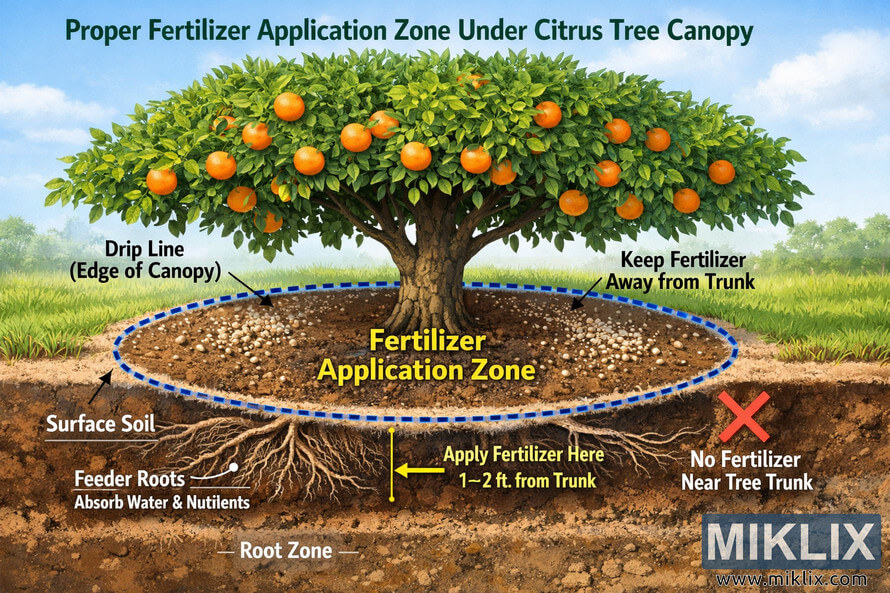
Proper application technique ensures nutrients reach tree roots effectively. Citrus feeder roots concentrate in the outer two-thirds of the canopy spread, not near the trunk. Apply fertilizer in this active root zone for best results.
Measure the correct fertilizer amount based on tree age and product analysis
Distribute fertilizer evenly under the canopy from halfway between trunk and dripline to slightly beyond the dripline
Avoid placing fertilizer within 12 inches of the trunk to prevent bark damage
Scratch granular fertilizer lightly into the soil surface without damaging shallow roots
Water thoroughly after application to dissolve fertilizer and move nutrients into the root ball
Apply fertilizer to moist soil, never to completely dry soil which concentrates salts
Սեղմեք կամ հպեք պատկերին՝ ավելի շատ տեղեկություններ և ավելի բարձր թույլտվությամբ պատկերներ ստանալու համար։
Container Tree Fertilization
Container citrus trees need more frequent fertilization than in-ground trees. Frequent watering leaches nutrients from potting mix quickly. Container soil also contains less total nutrient reserves than ground soil.
Two approaches work well for container feeding. The traditional method applies granular slow-release citrus fertilizer every 6 to 8 weeks during the growing season. Use half the amount recommended for in-ground trees of similar size.
The alternative approach uses dilute liquid fertilizer with every watering during active growth. Dissolve water-soluble citrus fertilizer at one-quarter the label rate and apply with each watering from spring through early fall. This constant feeding provides steady nutrition matching the tree's continuous growth.
Correcting Deficiencies
Nutrient deficiency symptoms require prompt correction to prevent permanent damage. Most deficiencies respond to targeted fertilizer applications within 4 to 8 weeks. Iron chlorosis proves most challenging and may need multiple treatments.
Iron deficiency correction uses chelated iron sprays applied directly to foliage. Spray affected leaves until liquid runs off, focusing on new growth showing yellow coloration. Soil applications of iron sulfate help acidify alkaline soils that lock up iron. Apply 1 to 2 pounds per tree in early spring.
Magnesium deficiency responds quickly to Epsom salt application. Dissolve 2 tablespoons of Epsom salt per gallon of water and apply as soil drench or foliar spray. Repeat monthly until symptoms disappear.
Zinc deficiency causes small leaves and short internodes on new growth. Apply zinc sulfate as foliar spray at label rates in spring before new growth hardens. Soil applications prove less effective than foliar feeding for zinc.
Pruning and Maintenance Techniques for Productive Tangerine Trees
Regular pruning maintains tree size, improves light penetration, removes dead wood, and enhances fruit production. Tangerine trees require less pruning than many fruit trees but benefit from annual attention. Understanding proper pruning timing and technique prevents damage while maximizing benefits.
When to Prune Citrus Trees
Timing pruning correctly minimizes stress and disease risk. The best period for major pruning falls in late winter to early spring, just before new growth begins. This timing allows trees to heal quickly as growth resumes. Trees pruned in late winter direct energy into productive new growth rather than repairing winter damage.
Light pruning to remove dead wood, suckers, and water sprouts can occur any time throughout the year. Remove these unproductive growths whenever you notice them. Dead branches provide no benefit and may harbor disease.
Avoid heavy pruning during active flowering or when small fruit forms. Pruning at these times removes potential harvest and stresses trees when they need energy for fruit development. Save major pruning work for the dormant season.
Pruning Timing Warning: Never prune citrus trees in fall or early winter in cold climates. Pruning stimulates tender new growth that cold weather will damage or kill. The last pruning should occur at least 6 weeks before expected first frost dates.
Սեղմեք կամ հպեք պատկերին՝ ավելի շատ տեղեկություններ և ավելի բարձր թույլտվությամբ պատկերներ ստանալու համար։
Basic Pruning Principles for Citrus
Citrus trees naturally develop attractive rounded canopies without extensive pruning. Your goals focus on maintaining tree health, managing size, and ensuring adequate light reaches interior branches for fruit production throughout the canopy.
Essential Cuts Every Year
- Remove all dead, diseased, or damaged branches completely back to healthy wood
- Cut out water sprouts growing vertically from main branches - these drain energy without producing fruit
- Eliminate suckers emerging from rootstock below the graft union immediately
- Remove crossing branches that rub against each other creating wounds
- Thin out dense interior growth to allow light penetration and air circulation
- Cut back branches growing inward toward tree center
- Remove low branches hanging near or touching ground
Proper Cutting Technique
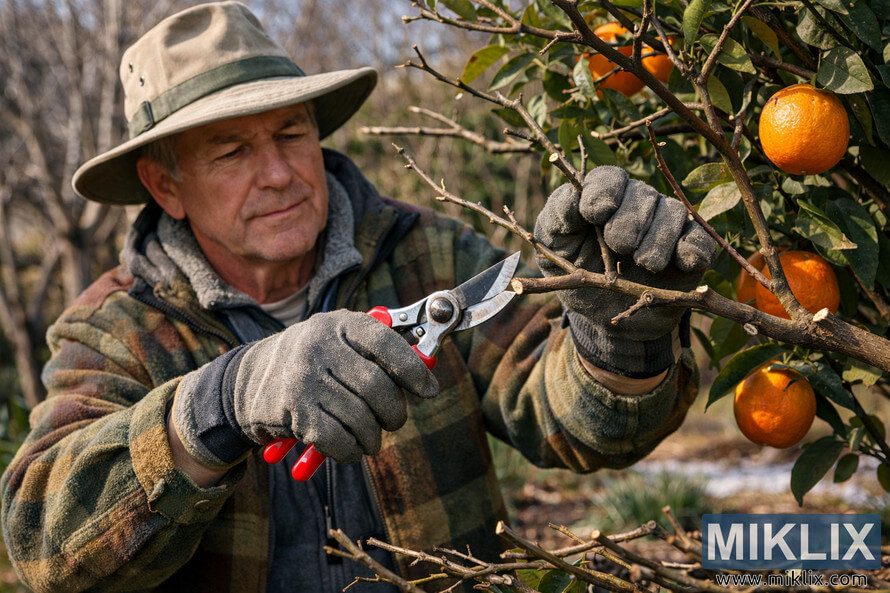
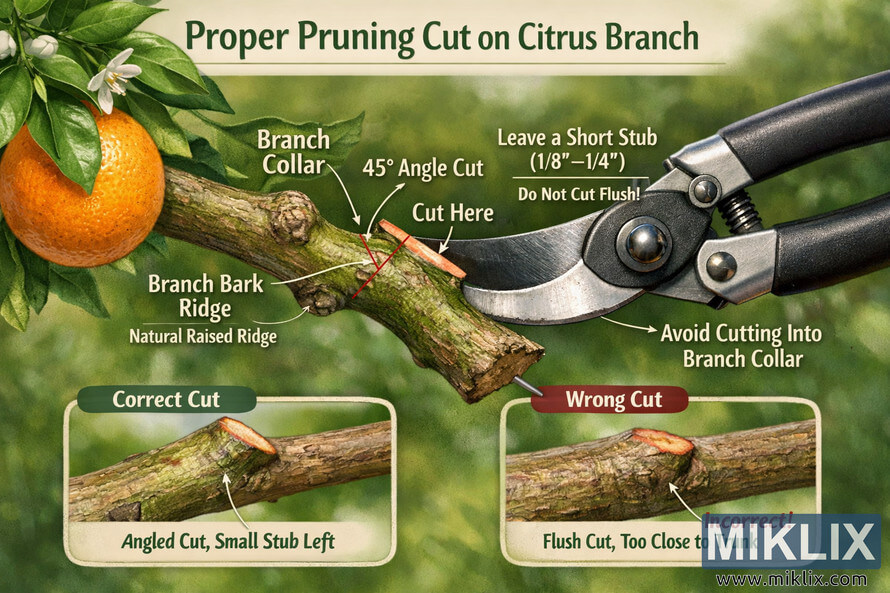
Clean, proper cuts heal quickly and minimize disease entry points. Poor cuts leave stubs that die back or make flush cuts that damage branch collars. The branch collar is the slightly swollen area where a branch connects to the trunk or parent branch.
- Use sharp, clean pruning tools appropriate for branch size - hand pruners for branches under 3/4 inch, loppers for 3/4 to 1.5 inches, saws for larger branches
- Disinfect cutting blades between cuts with rubbing alcohol or 10% bleach solution to prevent disease spread
- Make cuts at a slight angle just outside the branch collar, not flush with the trunk
- For large branches over 2 inches diameter, use three-cut method to prevent bark tearing
- First cut on the underside of branch 12 inches from trunk, cutting one-third through
- Second cut on top of branch 1 inch farther out, cutting until branch falls
- Final cut removes remaining stub just outside branch collar
- Never apply wound dressing or paint - trees seal cuts naturally more effectively
Սեղմեք կամ հպեք պատկերին՝ ավելի շատ տեղեկություններ և ավելի բարձր թույլտվությամբ պատկերներ ստանալու համար։
Size Management and Shaping
Container trees and trees in small spaces need regular pruning to maintain manageable size. Size control pruning reduces tree height and spread while maintaining natural form. This approach differs from the radical heading cuts that force unnatural growth.
Control tree size by removing entire branches back to their point of origin rather than shortening many branches. This selective thinning maintains attractive shape while effectively reducing overall tree dimensions. Remove one-quarter to one-third of canopy volume maximum in a single year.
Young Trees Growth Training
Young trees benefit from early training that establishes strong structure. The first three years after planting focus on developing a sturdy framework of well-spaced scaffold branches. This foundation supports heavy fruit loads throughout the tree's productive life.
Select 3 to 4 main scaffold branches during the first year after planting. Choose branches spaced evenly around the trunk at different heights, ideally 6 to 8 inches apart vertically. These branches should emerge from the trunk at 45 to 60-degree angles, strong enough to support fruit weight.
Remove competing branches that form narrow crotch angles less than 30 degrees. These weak attachments split easily under crop load. Also remove any branches growing toward the tree center or crossing other branches.
Maintenance Beyond Pruning
Comprehensive tree maintenance includes several tasks beyond pruning that keep citrus trees productive and attractive.
Mulch Management
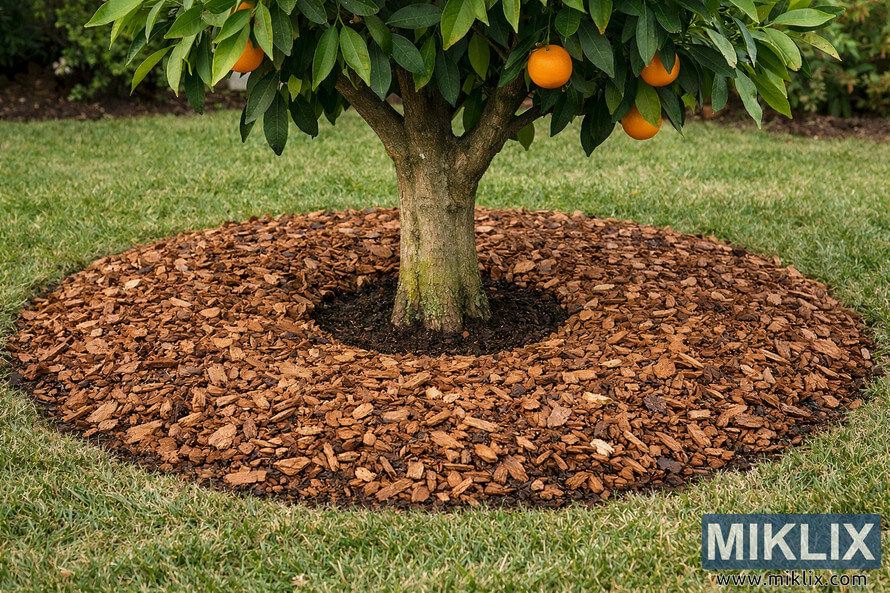
Organic mulch provides numerous benefits but requires proper application and maintenance. Apply 2 to 4 inches of wood chips, shredded bark, or similar organic material in a 3 to 4 foot diameter circle around the tree. Keep mulch 6 inches away from the trunk to prevent bark rot and rodent damage.
Mulch Benefits
- Moderates soil temperature extremes
- Reduces water evaporation from soil
- Suppresses weed competition
- Prevents soil compaction
- Adds organic matter as it decomposes
- Improves soil structure over time
Սեղմեք կամ հպեք պատկերին՝ ավելի շատ տեղեկություններ և ավելի բարձր թույլտվությամբ պատկերներ ստանալու համար։
Weed Control
Weeds compete for water, nutrients, and light. Keep the area under citrus trees weed-free through mulching and hand removal. Avoid using lawn mowers or string trimmers near tree trunks. Equipment easily damages thin citrus bark, creating entry points for disease.
Thinning Small Fruit
Trees often set more fruit than they can mature properly. Excess fruit remains small, develops poor flavor, and may cause limb breakage. Thinning small fruit after natural drop occurs in late spring improves remaining fruit size and quality.
Remove approximately half the small fruit when they reach marble size. Space remaining fruit 4 to 6 inches apart along branches. This spacing allows each fruit adequate resources for full development. The harvest decrease in numbers is more than offset by increased fruit size and quality.
Common Pests and Diseases Affecting Tangerine Trees
Healthy citrus trees resist many pest and disease problems through vigor alone. However, even well-maintained trees encounter occasional issues. Learning to identify common problems early and respond appropriately minimizes damage and maintains tree health.
Major Insect Pests of Citrus
Several insects specifically target citrus trees. Recognizing damage symptoms and pest life cycles helps you choose effective control methods and optimal treatment timing.
Citrus Leafminer
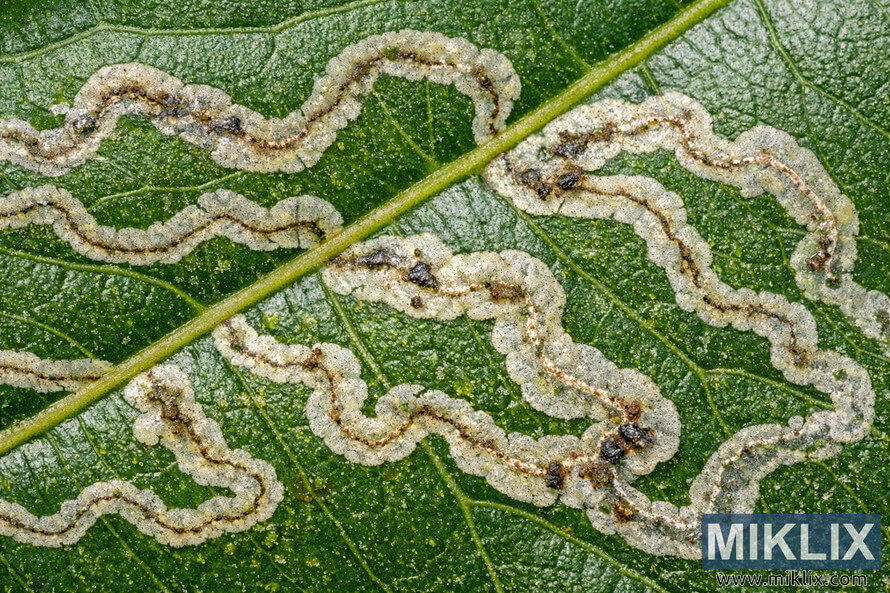
Citrus leafminer larvae tunnel between upper and lower leaf surfaces, creating distinctive silvery serpentine trails. Damage appears primarily on new growth. Heavy infestations distort leaves and stunt new growth. Mature leaves remain unaffected since eggs only deposit on tender new foliage.
Control focuses on protecting new growth flushes. Apply horticultural oil sprays every 7 to 10 days during active growth periods to suffocate eggs and young larvae. Systemic insecticides provide season-long protection but take 2 to 3 weeks to move through tree tissues. Apply systemics just before expected growth flushes for best timing.
Սեղմեք կամ հպեք պատկերին՝ ավելի շատ տեղեկություններ և ավելի բարձր թույլտվությամբ պատկերներ ստանալու համար։
Aphids
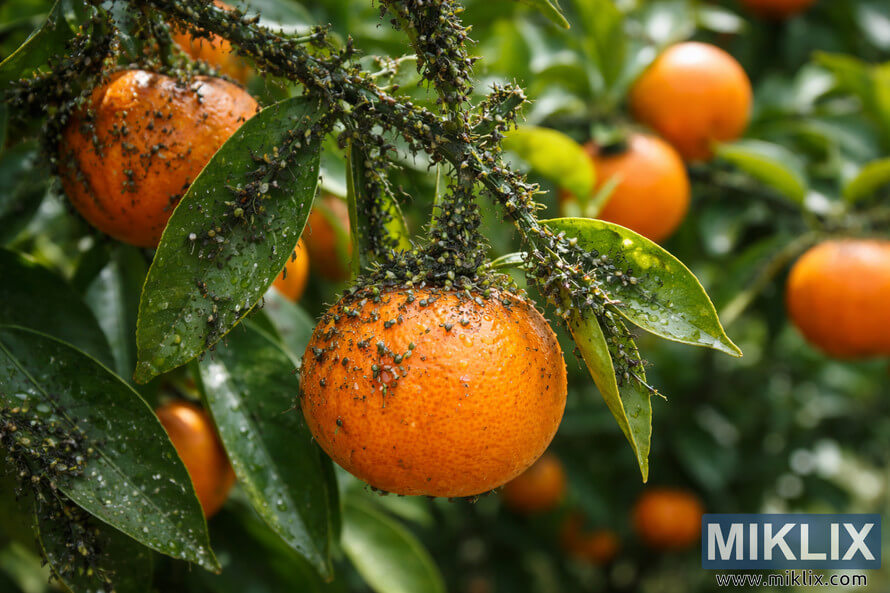
Soft-bodied aphids cluster on tender new growth, sucking plant juices. Heavy feeding causes leaf curling and distortion. Aphids excrete sticky honeydew that drips onto lower leaves and fruit. Black sooty mold fungus grows on honeydew, creating cosmetic problems.
Natural predators including ladybugs and lacewings control aphids effectively in many situations. Avoid broad-spectrum insecticides that kill beneficial insects. Use strong water spray to dislodge aphid colonies when populations remain low. Insecticidal soap sprays or horticultural oil provide organic control for severe infestations.
Սեղմեք կամ հպեք պատկերին՝ ավելի շատ տեղեկություններ և ավելի բարձր թույլտվությամբ պատկերներ ստանալու համար։
Scale Insects
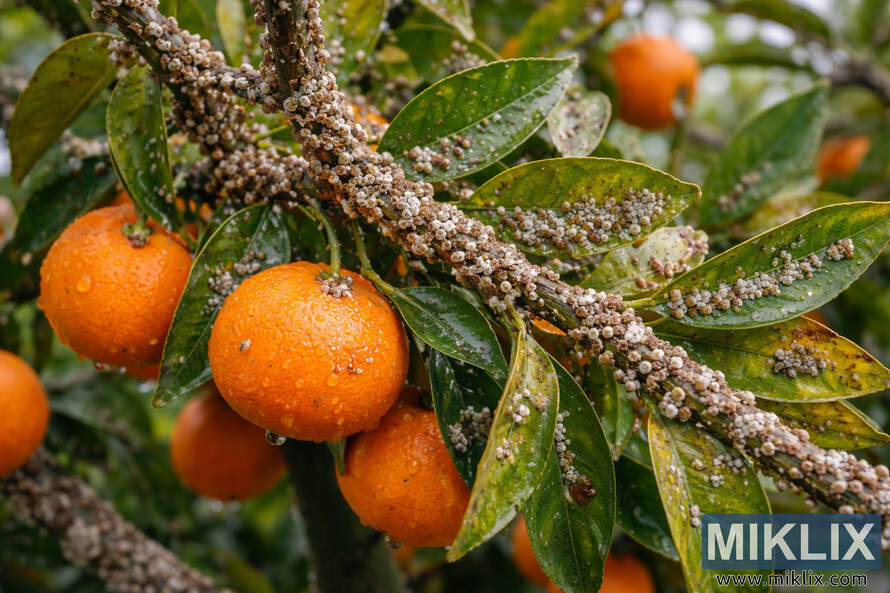
Scale insects appear as small bumps on leaves, branches, and fruit. The protective shell covering these insects makes them difficult to control. Several scale types attack citrus including armored scales, soft scales, and mealybugs.
Scales suck plant sap, weakening trees and reducing fruit production. Like aphids, scales excrete honeydew supporting sooty mold growth. Heavy scale populations cause leaf yellowing, branch dieback, and eventual tree decline.
Սեղմեք կամ հպեք պատկերին՝ ավելի շատ տեղեկություններ և ավելի բարձր թույլտվությամբ պատկերներ ստանալու համար։
Organic Scale Control Methods
- Apply horticultural oil sprays during dormant season to smother overwintering scales
- Use summer oil sprays at reduced concentration on actively growing trees
- Release beneficial insects including parasitic wasps that attack scales naturally
- Prune heavily infested branches and destroy them
- Spray insecticidal soap on accessible areas with scale populations
Chemical Scale Control
- Apply systemic insecticides that trees absorb and transport throughout tissues
- Time applications to target vulnerable crawler stage before protective covering forms
- Use products containing imidacloprid or thiamethoxam for season-long control
- Apply according to label directions regarding timing and dosage
- Avoid applications during flowering to protect pollinating insects
Citrus Psyllid and Huanglongbing Disease
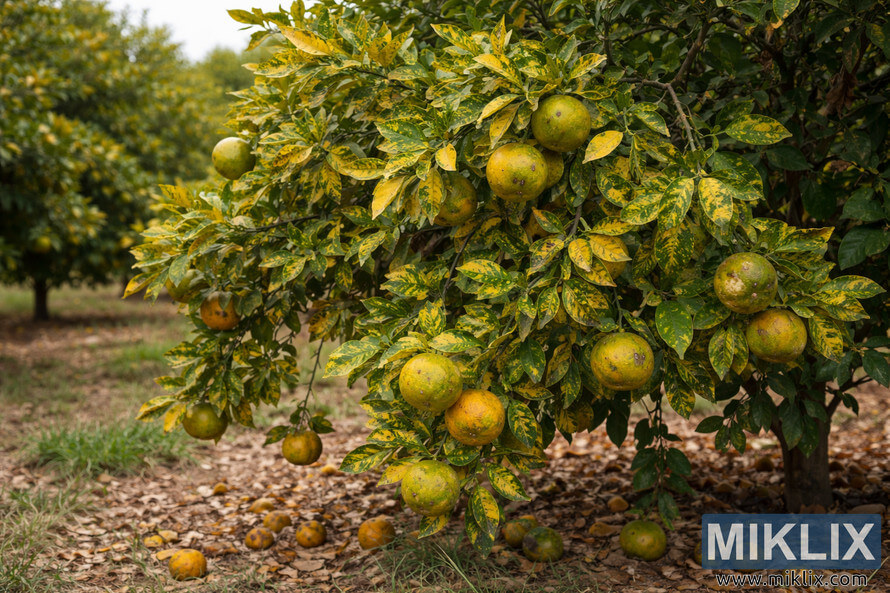
Asian citrus psyllid spreads Huanglongbing disease, also called citrus greening. This bacterial disease proves fatal to citrus trees. No cure exists once trees become infected. Huanglongbing represents the most serious threat facing citrus production worldwide.
Infected trees show yellow shoot tips, blotchy mottled leaves, lopsided fruit, and eventual decline. The disease spreads slowly, with symptoms appearing 6 months to several years after infection. All infected trees eventually die.
Huanglongbing Prevention: Control focuses entirely on preventing psyllid feeding through aggressive pest management. Apply systemic insecticides preventatively every 3 to 4 months in areas where psyllids occur. Immediately remove and destroy any trees showing disease symptoms to prevent spread. Never move citrus plants between regions.
Սեղմեք կամ հպեք պատկերին՝ ավելի շատ տեղեկություններ և ավելի բարձր թույլտվությամբ պատկերներ ստանալու համար։
Common Citrus Diseases
Fungal and bacterial diseases attack citrus trees through wounds, natural openings, or by penetrating tissues directly. Cultural practices that reduce moisture on bark and foliage prevent many disease problems.
Citrus Canker
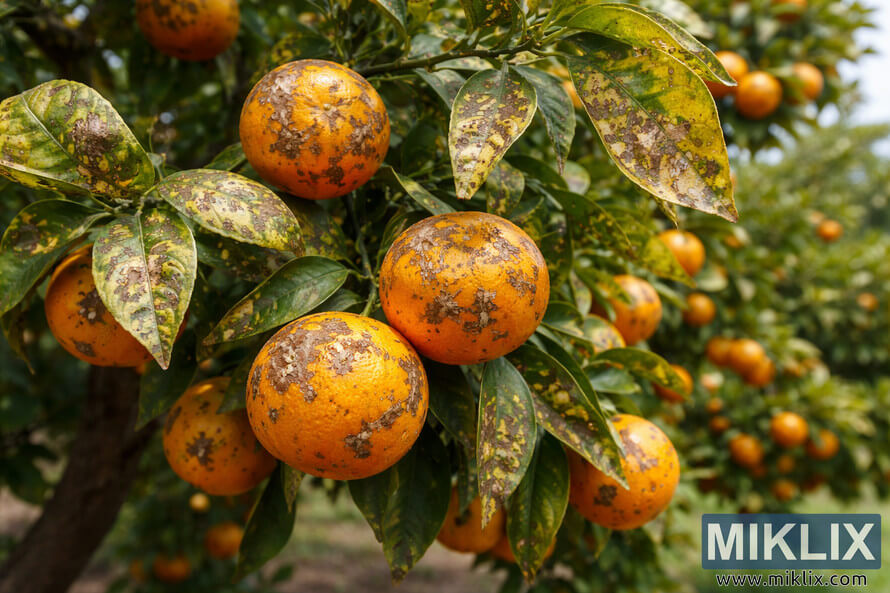
Bacterial citrus canker creates raised brown lesions on leaves, stems, and fruit. The disease spreads rapidly during warm, wet weather. Severe infections cause defoliation, dieback, and fruit drop. Fruit develops cosmetic blemishes making it unmarketable.
No cure exists for citrus canker. Control depends on preventing infection and limiting spread. Remove infected branches at least 12 inches below visible symptoms. Disinfect pruning tools between cuts. Apply copper-based fungicides preventatively during wet seasons to protect new growth from infection.
Սեղմեք կամ հպեք պատկերին՝ ավելի շատ տեղեկություններ և ավելի բարձր թույլտվությամբ պատկերներ ստանալու համար։
Root Rot and Phytophthora
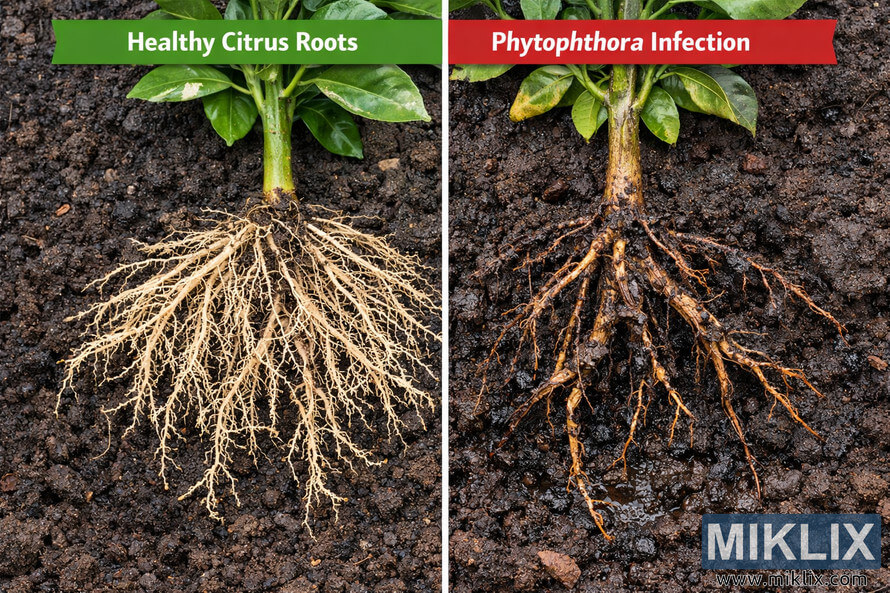
Phytophthora fungi attack citrus roots and lower trunk bark in wet soil conditions. Poor drainage and overwatering create ideal conditions for these diseases. Infected trees show gradual decline with yellowing leaves, thinning canopy, and eventual death.
Dark, water-soaked areas appear on bark near soil level. The bark easily peels away revealing brown discolored tissue underneath. Root ball examination shows brown, mushy roots instead of healthy white roots.
Prevention through proper drainage and careful watering prevents root rot far more effectively than attempting to cure infections. Plant trees on berms or raised beds in heavy soils. Avoid planting too deep. Never allow water to stand around the trunk.
Fungicide applications with fosetyl-al or phosphorus acid provide some control when applied preventatively. These products move systemically through trees, providing protection against Phytophthora infection. Treatment of severely infected trees rarely succeeds.
Սեղմեք կամ հպեք պատկերին՝ ավելի շատ տեղեկություններ և ավելի բարձր թույլտվությամբ պատկերներ ստանալու համար։
Melanose and Other Fruit Rots
Several fungal diseases create spots, rots, and blemishes on citrus fruit. These diseases reduce fruit quality and marketability but rarely threaten tree health. Melanose causes rough, raised brown spots on fruit skin. Brown rot develops on ripening fruit, especially during wet weather.
Sanitation provides the primary defense against fruit diseases. Remove all dead wood from trees since fungi overwinter on dead tissue. Rake up fallen fruit and leaves. Prune for good air circulation. Apply copper fungicides during wet weather to protect developing fruit.
Integrated Pest Management Strategy
The most effective pest control uses multiple tactics together rather than relying on chemicals alone. This integrated approach reduces pest pressure while minimizing environmental impact and cost.
Cultural Control
Foundation practices that reduce pest and disease problems through proper tree care and environmental management.
- Maintain tree vigor through proper fertilization and watering
- Prune for good air circulation
- Clean up fallen leaves and fruit regularly
- Remove dead wood promptly
- Avoid wounding bark with equipment
Biological Control
Encouraging and releasing beneficial organisms that prey on citrus pests naturally and sustainably.
- Release ladybugs for aphid control
- Encourage parasitic wasps that attack scale
- Avoid broad-spectrum pesticides that kill beneficials
- Plant flowers nearby to support beneficial insects
- Purchase and release commercial beneficial insects
Chemical Control
Targeted pesticide applications used only when needed to manage populations exceeding acceptable thresholds.
- Choose least-toxic options first including soaps and oils
- Apply pesticides only when monitoring shows damaging populations
- Follow label directions precisely for safety and effectiveness
- Time applications for maximum pest vulnerability
- Rotate products to prevent resistance development
Harvesting Tangerines: When and How to Pick Ripe Fruit
Harvesting fruit at peak ripeness ensures maximum flavor and quality. Unlike some fruits that ripen after picking, citrus fruit only develops full sweetness while attached to the tree. Learning to identify proper harvest timing comes from observing specific indicators that signal ripeness.
Determining Harvest Readiness
Color change provides the most obvious ripeness indicator but proves unreliable alone. Tangerines develop orange color well before reaching peak sweetness. Cool autumn temperatures trigger color development independent of sugar accumulation. Fruit may look perfectly ripe weeks before flavor peaks.
Taste testing provides the most reliable ripeness assessment. Sample one or two fruit from different parts of the tree. Ripe tangerines taste sweet with pleasant acidity balance. Unripe fruit tastes sour or bitter with astringent aftertaste. Once the first fruit reach acceptable flavor, the rest of the crop typically ripens within 2 to 4 weeks.
Physical Indicators of Ripeness
- Fruit develops deep orange color appropriate for the variety
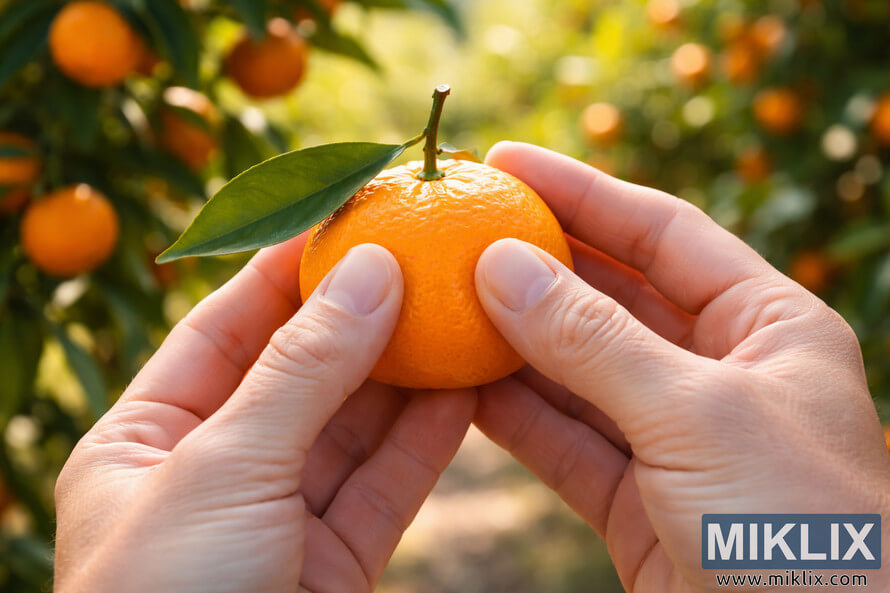
- Skin becomes slightly puffy and loose feeling when gently squeezed
- Fruit feels heavy for its size, indicating full juice content
- Stem end shows slight color change from green to orange
- Fruit pulls easily from the tree with slight twisting motion
- Seeds inside fully mature and darken in color if the variety produces seeds
Սեղմեք կամ հպեք պատկերին՝ ավելի շատ տեղեկություններ և ավելի բարձր թույլտվությամբ պատկերներ ստանալու համար։
Harvest Timing by Variety
Different tangerine varieties mature at different times throughout the citrus season. Some varieties ripen in fall while others wait until late winter or early spring. Understanding your variety's typical harvest window helps plan picking schedules.
| Variety | Typical Harvest Season | Storage Duration on Tree | Storage After Picking |
| Satsuma Mandarin | October through December | 2 to 3 weeks after initial ripeness | 2 weeks refrigerated |
| Clementine | November through January | 3 to 4 weeks after initial ripeness | 3 weeks refrigerated |
| Dancy | December through February | 4 to 6 weeks after initial ripeness | 2 to 3 weeks refrigerated |
| Honey | February through April | 6 to 8 weeks after initial ripeness | 3 to 4 weeks refrigerated |
Early-season varieties like satsuma mandarin require prompt harvest once ripe. Fruit quality declines rapidly if left on trees too long. The skin becomes puffy, flavor deteriorates, and fruit drops easily. Late-season varieties like Honey tangerines store well on the tree for extended periods, allowing gradual harvest as needed.
Proper Picking Technique
Correct harvesting technique prevents fruit damage and avoids injuring trees. Tangerines require more careful handling than thick-skinned citrus like grapefruit. The thin, delicate skin bruises easily and torn peel leads to rapid spoilage.
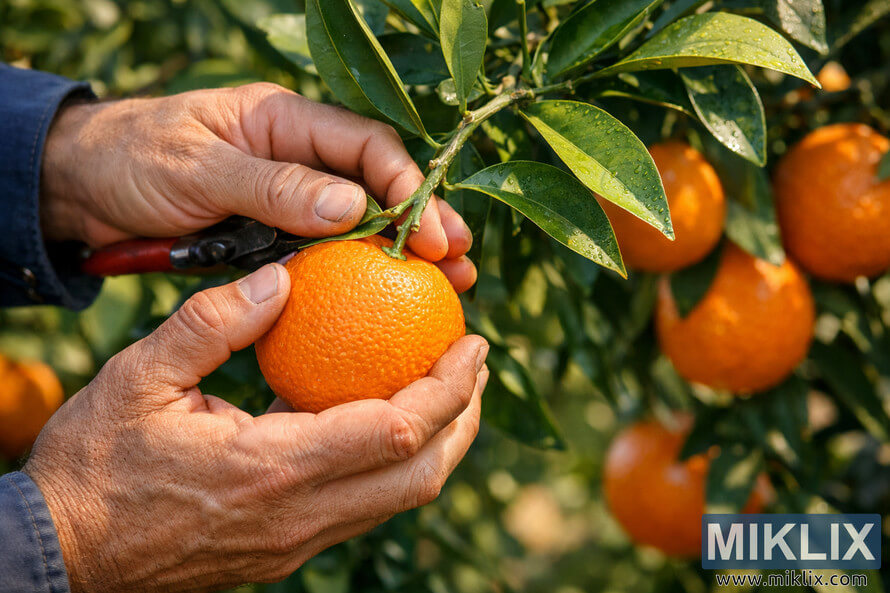
- Grasp fruit firmly but gently in your palm
- Twist fruit slightly while pulling to break it free from the stem
- If fruit resists, use sharp pruning shears to cut the stem flush with fruit surface
- Never pull fruit forcefully, which tears skin and damages branches
- Place harvested fruit gently in picking basket or bag, avoid dropping or tossing
- Keep picked fruit in shade while harvesting to prevent sun scald
- Handle fruit only when dry to reduce disease spread
- Harvest systematically through the tree rather than selecting random fruit
Սեղմեք կամ հպեք պատկերին՝ ավելի շատ տեղեկություններ և ավելի բարձր թույլտվությամբ պատկերներ ստանալու համար։
Post-Harvest Handling
Proper handling after picking maintains fruit quality and extends storage life. Tangerines continue respiring after harvest, slowly using stored sugars and losing moisture. Proper storage slows these processes.
Immediate Handling Steps
Move harvested fruit to cool storage within a few hours of picking. Extended time in warm conditions accelerates deterioration. Room temperature storage works for fruit you plan to eat within a week. Longer storage requires refrigeration.
Sort fruit by condition. Separate any fruit with damaged skin, cuts, or bruises for immediate use. These fruits spoil quickly and should never be stored with undamaged fruit. Check stored fruit weekly and remove any showing decay to prevent spread.
Proper Storage Conditions
- Refrigerate at 38°F to 48°F for longest storage life
- Maintain 90% to 95% relative humidity to prevent shriveling
- Store in perforated plastic bags or ventilated containers
- Keep fruit separate from vegetables that produce ethylene gas
- Allow air circulation between stored fruit
- Use within 2 to 4 weeks even under ideal conditions
Storage Conditions to Avoid
- Sealed plastic bags trap moisture causing mold growth
- Temperature below 35°F causes chilling injury and off-flavors
- Dry storage causes rapid moisture loss and shriveling
- Direct sun exposure accelerates deterioration
- Storing damaged fruit with good fruit spreads decay
- Piling fruit deeply causes bottom layer bruising
Dealing with Abundant Harvests
Mature tangerine trees produce more fruit than most families consume fresh. Several options help you use or preserve excess harvest before quality declines.
Fresh Use Options
Juice and Beverages
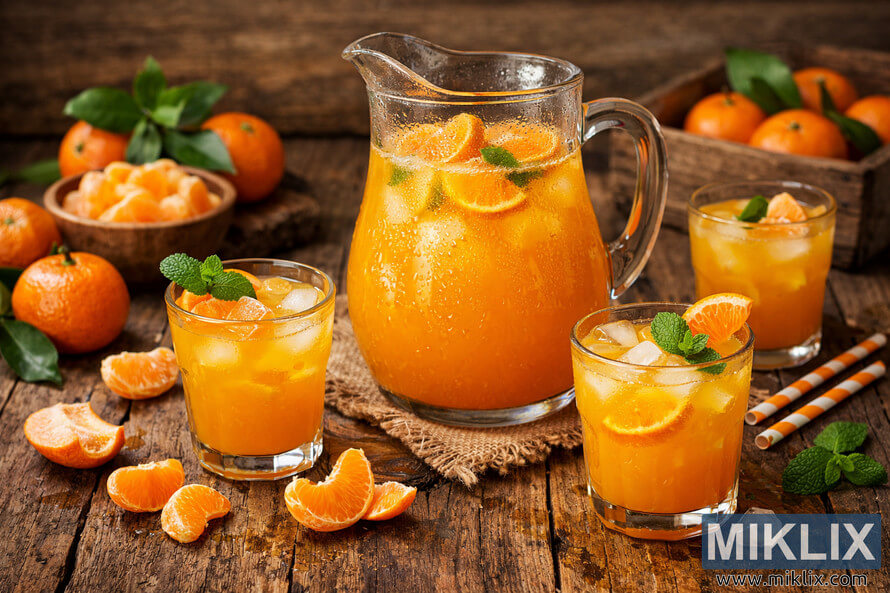
Fresh tangerine juice provides concentrated flavor. Juice stores in refrigerator for 5 to 7 days or freezes for 6 months.
- Straight juice for drinking
- Tangerine-ade with water and sugar
- Mixed citrus juice combinations
- Cocktail and mocktail ingredients
Սեղմեք կամ հպեք պատկերին՝ ավելի շատ տեղեկություններ և ավելի բարձր թույլտվությամբ պատկերներ ստանալու համար։
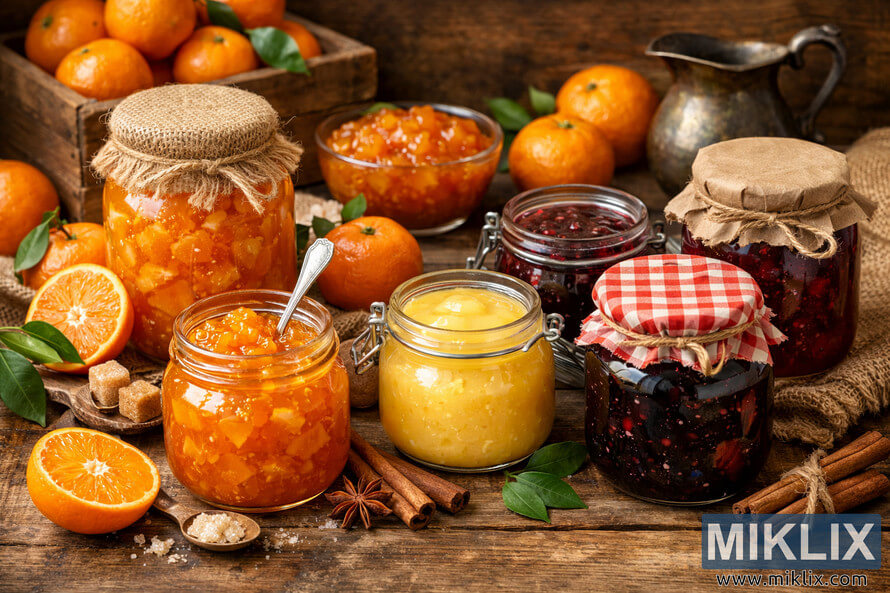
Preserves and Sweets
Cooking concentrates tangerine flavor into shelf-stable products you enjoy throughout the year.
- Marmalade with peel
- Fruit preserves and jams
- Curd for desserts
- Candied peel for baking
Սեղմեք կամ հպեք պատկերին՝ ավելի շատ տեղեկություններ և ավելի բարձր թույլտվությամբ պատկերներ ստանալու համար։
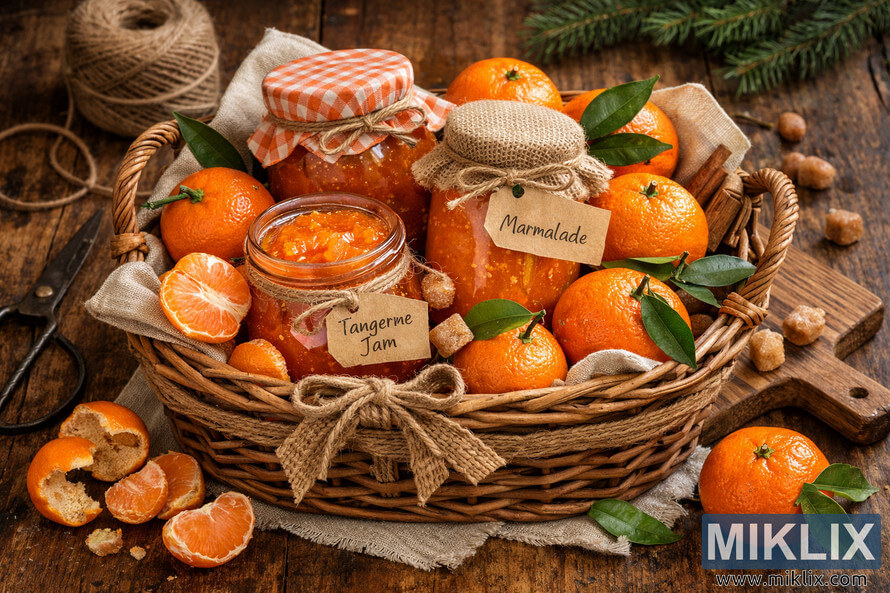
Sharing and Gifting
Fresh home-grown citrus makes appreciated gifts for friends, neighbors, and family members.
- Gift baskets with fresh fruit
- Donations to food banks
- Sharing with neighbors
- Holiday gift boxes
Սեղմեք կամ հպեք պատկերին՝ ավելի շատ տեղեկություններ և ավելի բարձր թույլտվությամբ պատկերներ ստանալու համար։
Freezing Tangerines
Freezing preserves fresh flavor for months. Whole fruit doesn't freeze well but sections and juice freeze excellently. Peel tangerines and separate into sections. Remove as much white pith as possible. Spread sections in single layer on baking sheet and freeze solid. Transfer frozen sections to freezer bags, removing as much air as possible. Frozen sections keep 6 to 8 months and work perfectly in smoothies or desserts.
Tips for Maximizing Fruit Yield and Quality from Your Tangerine Tree
Achieving maximum production from tangerine trees requires attention to numerous factors working together. Individual practices matter, but the cumulative effect of comprehensive care produces the highest yields of premium-quality fruit. These advanced techniques build on the foundational practices covered earlier.
Optimizing Flowering and Fruit Set
Heavy fruit production starts with abundant flowering and successful pollination. Citrus trees naturally produce far more flowers than they can mature into fruit. Environmental stress during flowering and fruit set leads to excessive fruit drop.
Maintain consistent soil moisture during bloom and fruit set periods. Water stress during these critical stages causes flower and fruitlet drop. Monitor soil moisture closely and water whenever the top 2 inches of soil feels dry.
Protect trees from temperature extremes during flowering. Late frost damages or kills flowers. Temperatures above 95°F during bloom reduce pollen viability and fruit set. Provide shade cloth in extremely hot climates during bloom period.
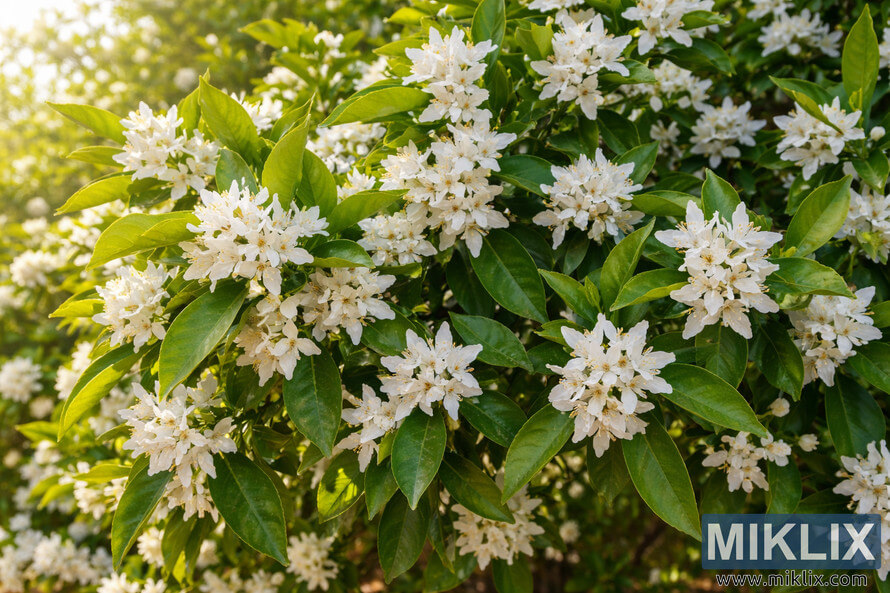
Encouraging Heavy Bloom
Several techniques increase flower production. Apply appropriate fertilizer in late winter, 4 to 6 weeks before expected bloom. This timing provides nutrients trees need for heavy flowering without promoting excessive vegetative growth that competes with blooming.
Mild water stress in late fall and early winter stimulates flowering on some varieties. Reduce watering frequency for 6 to 8 weeks before expected bloom time. Don't allow severe stress that causes leaf drop - just reduce irrigation to the lower end of normal range.
Սեղմեք կամ հպեք պատկերին՝ ավելի շատ տեղեկություններ և ավելի բարձր թույլտվությամբ պատկերներ ստանալու համար։
Managing Alternate Bearing
Many tangerine varieties exhibit alternate bearing - heavy crops one year followed by light crops the next year. This pattern frustrates growers hoping for consistent annual production. Understanding the causes helps you minimize the cycle's severity.
Heavy crop years exhaust tree carbohydrate reserves, leaving insufficient energy for the following year's flower production. The tree focuses on survival and recovery rather than flowering heavily. Fruit thinning heavy crop years maintains tree vigor and promotes more consistent bearing.
Breaking Alternate Bearing Cycle
- Thin fruit aggressively on heavy crop years to 4 to 6 inch spacing
- Apply extra fertilizer during heavy crop years to support fruit maturation
- Maintain optimal irrigation throughout fruiting period
- Prune moderately after harvest on heavy years to stimulate growth
- Apply foliar nutrients in fall to support next year's flower bud formation
Long-Term Pattern Management
Breaking established alternate bearing patterns requires 3 to 4 years of consistent thinning and care. Don't expect immediate results. Persist with proper management and production gradually becomes more uniform across years.
Improving Fruit Size and Quality
Larger fruit with excellent flavor represents the ultimate goal for home growers. Fruit size depends primarily on adequate water, proper nutrition, and appropriate crop load. Quality depends on these factors plus proper variety selection and harvest timing.
Water Management for Quality
Consistent moisture throughout fruit development produces the largest, juiciest tangerines. Irregular watering results in small, dry fruit or fruit that splits when heavy rain follows drought. Maintain soil moisture at consistent moderate levels from fruit set through harvest.
Slightly reduce watering 3 to 4 weeks before harvest to concentrate sugars. Don't stress trees severely - just back off irrigation frequency slightly. This technique increases sweetness without reducing fruit size if done carefully.
Nutrition Impact on Fruit Quality
Potassium fertilizer specifically improves fruit quality. Potassium increases juice content, improves flavor, thickens peel for better protection, and enhances color development. Apply potassium-rich fertilizer or supplement with sulfate of potash during summer when fruit develops.
Avoid excess nitrogen during fruit maturation. High nitrogen promotes vegetative growth that competes with fruit development and reduces fruit quality. Switch to low-nitrogen or zero-nitrogen fertilizers after mid-summer fruit set completes.
Advanced Container Growing Strategies
Container-grown citrus trees face unique challenges that require specialized approaches. These advanced techniques maximize production from container specimens.
Root Pruning and Transplanting
Container trees eventually become rootbound. Roots circling container perimeters fail to absorb nutrients efficiently and may strangle themselves. Root pruning every 3 to 4 years rejuvenates growth without requiring larger containers.
- Perform root pruning in late winter before spring growth begins
- Remove tree from container carefully to expose root ball
- Use clean sharp knife to slice 1 to 2 inches from root ball bottom and sides
- Gently loosen and spread remaining roots outward
- Remove old potting mix and replace with fresh citrus mix
- Replant at same depth in same container or slightly larger one
- Water thoroughly and withhold fertilizer for 4 weeks to allow root recovery
- Resume normal care after new growth appears
Container Placement Optimization
Moving containers seasonally maximizes light exposure and protects trees from weather extremes. Place containers in full sun locations during spring and fall. Provide afternoon shade during extreme summer heat in hot climates. Move to protected locations during winter in borderline cold zones.
Rotate containers 90 degrees every few weeks. This rotation ensures all sides of the tree receive equal sun exposure, promoting balanced growth and preventing lopsided development. Mark containers with a direction indicator to track rotation.
Microclimate Manipulation
Small-scale environmental modifications create favorable microclimates that extend growing seasons and improve production. These techniques prove especially valuable in marginal climate zones.
Heat Reflection and Retention
South-facing walls absorb and radiate heat, creating warmer conditions than surrounding areas. Plant citrus near light-colored walls that reflect sunlight onto trees. The radiated heat extends growing seasons by 2 to 4 weeks at both ends.
Paved areas and stone mulches absorb heat during day and release it at night, providing several degrees of frost protection. This passive heating reduces freeze damage risk during borderline cold events.
Windbreak Establishment
Strategic windbreak placement reduces water stress, prevents fruit drop, and protects from cold wind damage. Living windbreaks using evergreen trees and shrubs provide year-round protection. Space windbreak plantings 20 to 30 feet upwind from citrus trees.
Temporary windbreak structures using shade cloth or burlap protect young trees during establishment. Install stakes 6 to 8 feet high on prevailing wind side and attach material to create barrier.
Seasonal Care Calendar for Year-Round Tangerine Tree Maintenance
Successful citrus growing follows natural seasonal rhythms. Each season brings specific care requirements and opportunities to improve tree health and production. This comprehensive calendar outlines tasks throughout the year, helping you stay ahead of tree needs.
Winter Care (December through February)
Winter represents the slowest growth period for citrus in most climates. Trees enter partial dormancy in cold regions or continue slow growth in warm areas. Care focuses on protection, monitoring, and preparation for spring.
Winter Task Checklist
- Monitor weather forecasts for freeze warnings in borderline zones
- Protect trees below 28°F using blankets, burlap, or commercial frost cloth
- Water deeply before predicted freezes - moist soil holds more heat than dry soil
- Harvest any remaining ripe fruit before hard freezes damage fruit
- Reduce watering frequency for trees in dormancy or slow growth
- Clean up fallen leaves and fruit around tree base
- Inspect trunk and branches for damage, disease, or pest activity
- Plan spring planting if adding new trees
- Order bare root trees for early spring planting
- Sharpen and clean pruning tools in preparation for late winter pruning
Cold Protection Strategies
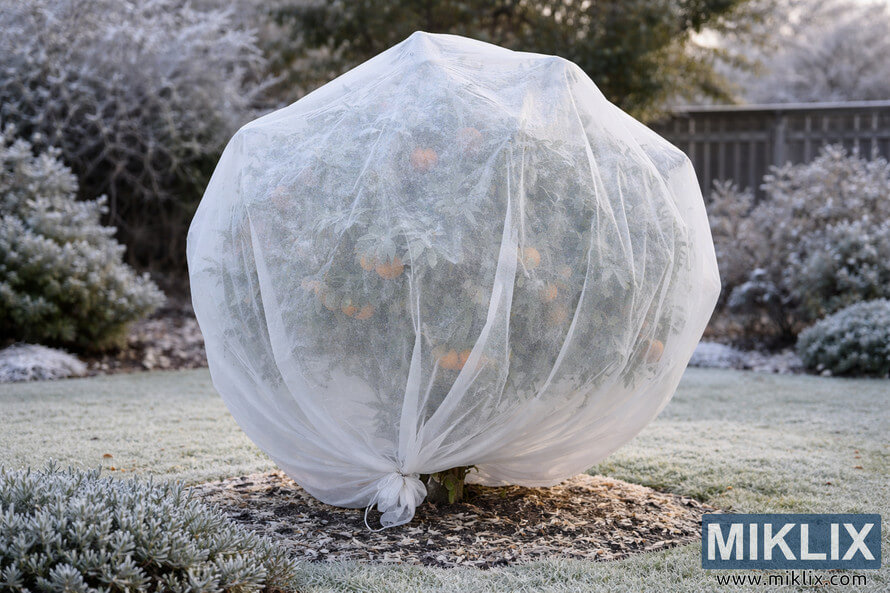
Temporary protection helps borderline-hardy trees survive unexpected cold snaps. Multiple protection layers work better than single heavy covering. Use these strategies when temperatures drop near critical thresholds.
Effective Protection Methods
- String holiday lights (incandescent only) through branches for supplemental heat
- Wrap trunk with insulating material protecting graft union and lower bark
- Drape entire tree with frost cloth supported by frame to prevent branch contact
- Place water-filled containers under trees - water releases heat as it freezes
- Run sprinklers during freeze creating ice coating that insulates at 32°F
- Build temporary structure around tree with plastic sheeting and heat source
Ineffective or Harmful Methods
- Covering with plastic touching foliage - creates colder conditions than no cover
- Using LED lights for heat - they produce negligible warmth
- Leaving covers on during day preventing warming and sunlight
- Heavy pruning immediately after freeze before damage extent is known
- Fertilizing freeze-damaged trees attempting to force recovery
- Assuming dark trunk bark means tree death - wait until spring to assess
Սեղմեք կամ հպեք պատկերին՝ ավելի շատ տեղեկություններ և ավելի բարձր թույլտվությամբ պատկերներ ստանալու համար։
Spring Care (March through May)
Spring brings peak activity for citrus growers. Trees flower, set fruit, and produce vigorous new growth. This season requires close attention and timely interventions for maximum production.
Early Spring Tasks (March)
- Apply first fertilizer application of the year in late winter or early spring
- Complete all major pruning before new growth begins
- Remove any freeze-damaged branches after all danger of frost passes
- Plant new trees as soon as soil temperature warms to 60°F
- Check irrigation systems and repair any damage from winter
- Refresh mulch layers maintaining 2 to 3 inch depth
- Monitor for pests emerging from winter dormancy
- Apply dormant oil spray if needed for overwintering scale insects
Mid-Spring Tasks (April)
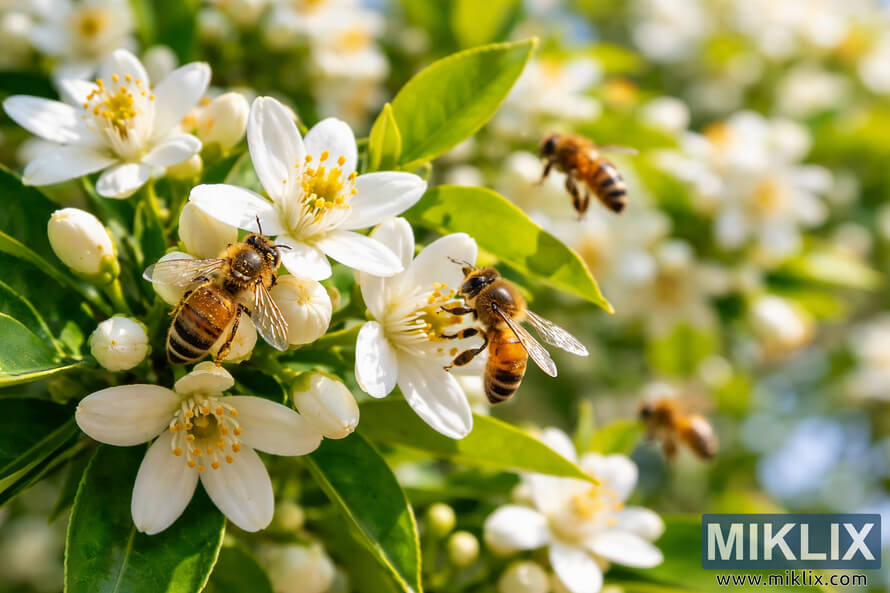
Flowering peaks during April in most citrus-growing regions. The intoxicating fragrance of citrus blossoms signals the most critical period for fruit production. Maintain optimal conditions during bloom.
- Maintain consistent soil moisture during flowering - critical for fruit set
- Avoid pesticide applications during bloom to protect pollinators
- Monitor weather for late frost threats requiring emergency protection
- Observe bloom density and health as indicator of tree condition
- Take photos documenting bloom for comparison in future years
- Control weeds competing for water and nutrients
Սեղմեք կամ հպեք պատկերին՝ ավելի շատ տեղեկություններ և ավելի բարձր թույլտվությամբ պատկերներ ստանալու համար։
Late Spring Tasks (May)
Fruit set occurs as flowers drop and small fruitlets appear. Natural fruit drop thins excessive set. Trees cannot support all fruit that initially forms. Additional hand thinning may be needed on heavy-setting varieties.
- Apply second fertilizer application supporting fruit development
- Monitor small fruit formation and assess crop load
- Thin fruit if needed after natural June drop completes
- Increase irrigation frequency as temperatures rise
- Watch for pest problems particularly aphids on new growth
- Apply organic pest controls if populations warrant treatment
Summer Care (June through August)
Summer focuses on maintaining tree health during peak heat while supporting developing fruit. Water management becomes critical. Pest monitoring intensifies as populations build.
Summer Priority Tasks
Water Management
- Water deeply and regularly maintaining consistent soil moisture
- Adjust irrigation based on temperature and humidity
- Monitor container trees daily during heat waves
- Check soil moisture before each watering
- Mulch to reduce evaporation
- Water early morning to minimize evaporation
Tree Health Monitoring
- Inspect foliage weekly for pest activity
- Watch for leaf discoloration indicating problems
- Monitor fruit size development
- Check trunk and branches for damage or disease
- Assess overall tree vigor and growth rate
- Identify and address problems quickly
Mid-Summer Tasks
- Apply third fertilizer application in July supporting continued fruit growth
- Treat pest outbreaks with appropriate controls
- Provide temporary shade for young trees in extreme heat
- Avoid heavy pruning during peak heat
- Remove water sprouts and suckers as they appear
- Maintain weed control particularly in young tree wells
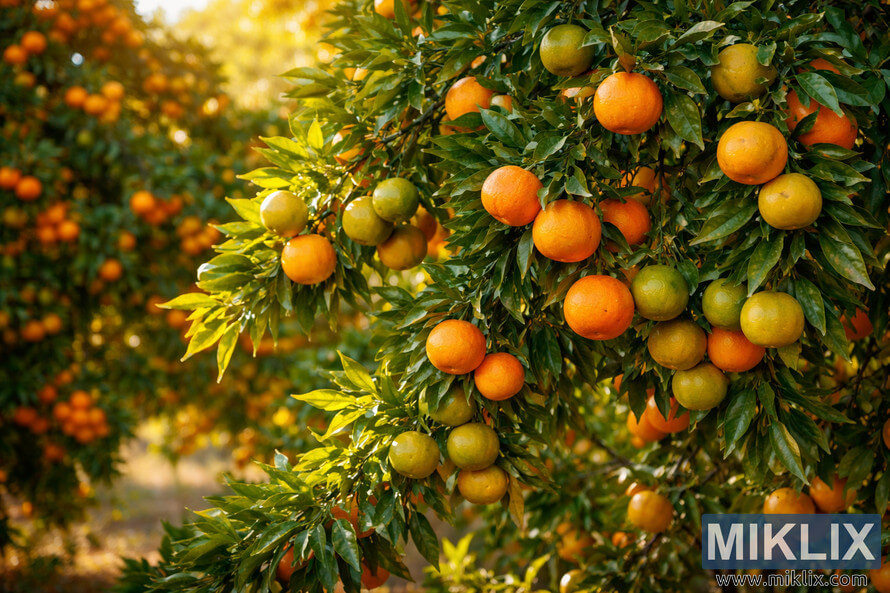
Fall Care (September through November)
Fall brings slowing growth as temperatures moderate. Fruit ripening begins on early varieties. Harvest planning and preparation for winter become priorities.
Early Fall Tasks (September)
- Apply final fertilizer application by mid-September in cold climates
- Continue applications through October in mild winter regions
- Begin harvest on early varieties as fruit ripens
- Gradually reduce watering frequency as temperatures cool
- Monitor fruit ripening progress with taste tests
- Order supplies needed for winter protection
Mid-Fall Tasks (October-November)
- Harvest fruit at peak ripeness rather than waiting for maximum color
- Continue pest monitoring especially for scale insects
- Clean up fallen fruit and debris reducing disease pressure
- Prepare cold protection materials for quick deployment
- Plant new trees in mild winter climates
- Reduce irrigation to winter levels
- Move container trees to protected locations in cold areas
- Mulch around in-ground trees for root insulation
Սեղմեք կամ հպեք պատկերին՝ ավելի շատ տեղեկություններ և ավելի բարձր թույլտվությամբ պատկերներ ստանալու համար։
Maintenance Tools and Supplies
Keeping essential tools and supplies on hand enables quick response to tree needs. Build your citrus care toolkit gradually, adding items as your experience grows.
Basic Tool Kit
- Sharp bypass hand pruners
- Long-handled loppers
- Pruning saw for large branches
- Measuring container or bucket
- Soil moisture meter or probe
- Spray bottle for foliar treatments
Essential Supplies
- Complete citrus fertilizer
- Horticultural oil spray
- Insecticidal soap
- Copper fungicide
- Chelated iron supplement
- Organic mulch materials
Protection Equipment
- Frost protection fabric
- Tree wrap for trunk protection
- Support stakes and ties
- Shade cloth for extreme heat
- Row cover material
- Incandescent string lights
Your Journey to Tangerine Growing Success
Growing tangerines successfully combines knowledge, attention, and patience. This comprehensive guide provides everything you need to start your citrus growing journey with confidence.
Remember that citrus trees reward consistent care over many years. Your young tree may take 3 to 5 years to reach full production, but the wait brings increasing rewards as the tree matures. Each season builds on previous years, developing a stronger tree capable of heavier crops.
The most successful citrus growers maintain regular observation habits. Walk around your trees several times weekly. Notice changes in foliage color, growth patterns, and fruit development. Early detection of problems allows quick correction before serious damage occurs.
Don't let temporary setbacks discourage you. Every experienced grower has dealt with freeze damage, pest outbreaks, and disappointing harvests. Learn from challenges and adjust your practices accordingly. Citrus trees prove remarkably resilient and often recover from conditions that initially appear devastating.
Connect with other citrus growers in your area through garden clubs, extension services, or online communities. Local knowledge proves invaluable since growing conditions vary significantly between regions. Experienced growers gladly share insights about varieties that perform well locally and specific challenges your area presents.
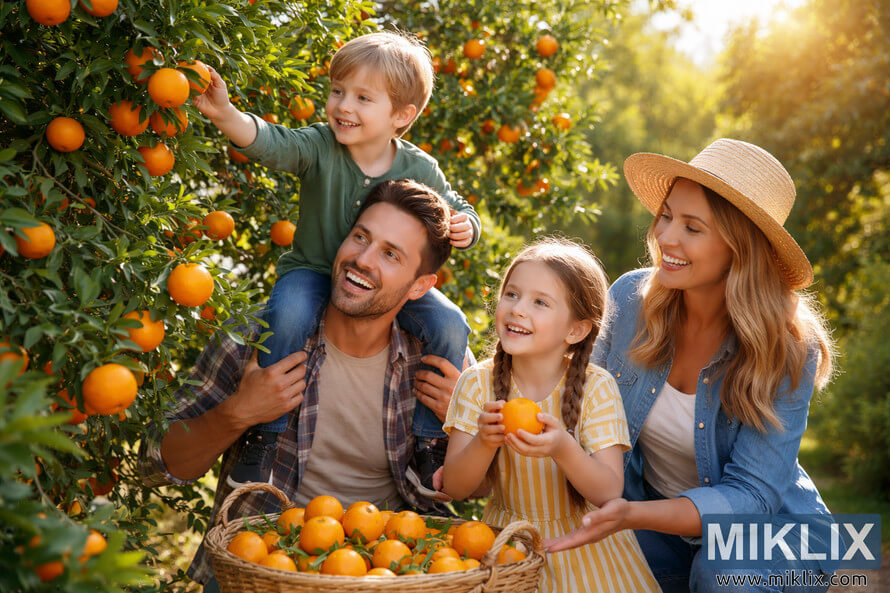
The rewards of growing tangerines extend far beyond fresh fruit. These trees become permanent garden features providing year-round beauty. The satisfaction of eating fruit you nurtured from blossom to harvest is unmatched. Children who grow up with citrus trees develop lasting connections to gardening and healthy food.
Start your tangerine growing adventure today. Whether you plant a small container tree on your patio or establish a grove of various citrus varieties, the journey brings ongoing discovery and delight. Your efforts create a productive living asset that enhances your property and lifestyle for decades to come.
Սեղմեք կամ հպեք պատկերին՝ ավելի շատ տեղեկություններ և ավելի բարձր թույլտվությամբ պատկերներ ստանալու համար։
Frequently Asked Questions About Growing Tangerines
How long does it take for a tangerine tree to produce fruit?
Most grafted tangerine trees begin producing small amounts of fruit 2 to 3 years after planting. Production increases annually, reaching full capacity around year 5 to 7. Trees grown from seed take significantly longer, often 7 to 10 years before first fruiting.
Can I grow tangerines in containers permanently?
Yes, dwarf tangerine varieties thrive in containers indefinitely with proper care. Use containers at least 20 gallons for young trees, eventually moving to 30-35 gallon size for mature specimens. Container trees need more frequent watering and fertilizing than in-ground trees but produce excellent fruit yields.
What is the coldest temperature a tangerine tree can survive?
Cold tolerance varies significantly by variety and tree age. Standard tangerines survive brief exposure to 25°F to 28°F. Satsuma mandarin tolerates temperatures down to 15°F when fully dormant. Young trees and new growth suffer damage at higher temperatures than mature established trees. Duration of cold exposure matters as much as minimum temperature.
Why are my tangerine tree leaves turning yellow?
Yellow leaves indicate several possible problems. Nitrogen deficiency causes uniform yellowing starting with older leaves. Overwatering creates yellow leaves that remain soft and attached. Iron deficiency produces yellow leaves with green veins on new growth. Examine leaf patterns and growing conditions to identify the specific cause and adjust care accordingly.
How much water does a tangerine tree need?
Water requirements vary with tree size, season, and climate. Young trees need 2 to 3 gallons every 3 to 5 days during active growth. Mature in-ground trees require 15 to 25 gallons weekly in summer, less in cooler months. Container trees may need daily watering during hot weather. Check soil moisture 2 to 3 inches deep and water when this zone feels dry.
Do I need more than one tangerine tree for pollination?
No, most tangerine varieties are self-fertile and produce fruit without cross-pollination. A single tree produces full crops. However, Clementine varieties produce seedless fruit only when isolated from other citrus. Proximity to other citrus causes cross-pollination resulting in seedy Clementines.
When is the best time to plant a tangerine tree?
Spring planting after last frost provides ideal conditions in most climates. This timing gives trees the entire growing season to establish roots before winter dormancy. Fall planting works well in mild winter areas but risks cold damage to newly planted trees in borderline zones. Container planting can occur any time though spring and early summer remain optimal.
What causes tangerines to split open on the tree?
Fruit splitting results from irregular water supply during ripening. Long dry periods followed by heavy rain or irrigation cause rapid water uptake that splits ripening fruit. Maintain consistent moderate soil moisture throughout fruit development and maturation. Reduce watering frequency slightly as harvest approaches but avoid allowing severe drought stress.
Լրացուցիչ ընթերցանություն
Եթե ձեզ դուր եկավ այս գրառումը, ձեզ կարող են նաև դուր գալ այս առաջարկները.
- Տանը ձիթապտուղ հաջողությամբ աճեցնելու ամբողջական ուղեցույց
- Ձեր տան այգում դդում աճեցնելու ամբողջական ուղեցույց
- Ձեր այգում լավագույն ելակենու աճեցման ուղեցույց