
Health Benefits of Corn: Your Complete Guide to This Nutritious Whole Grain
Diterbitkan:
Terakhir diperbarui: 22 Juli 2026 pukul 13.32.33 UTC
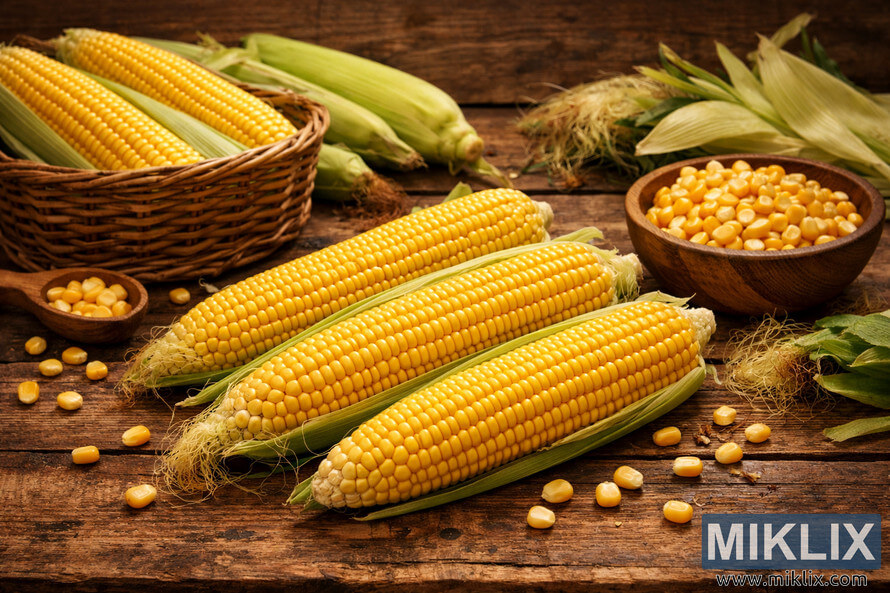
Corn stands as one of the most widely consumed whole grains in the United States. Yet many people wonder whether this golden food truly deserves a place in a healthy diet. The simple answer might surprise you.
Health Benefits of Corn: Your Complete Guide to This Nutritious Whole Grain
Klik atau ketuk gambar untuk informasi lebih lanjut dan resolusi yang lebih tinggi.
This versatile grain offers remarkable nutrition. It provides essential vitamins, minerals, fiber, and powerful antioxidants your body needs daily.
Throughout this comprehensive guide, you will discover the complete nutritional profile of corn. You will learn specific health benefits backed by science. We will explore practical ways to add corn to your meals and address common concerns about this whole grain food.
Complete Nutritional Profile of Corn
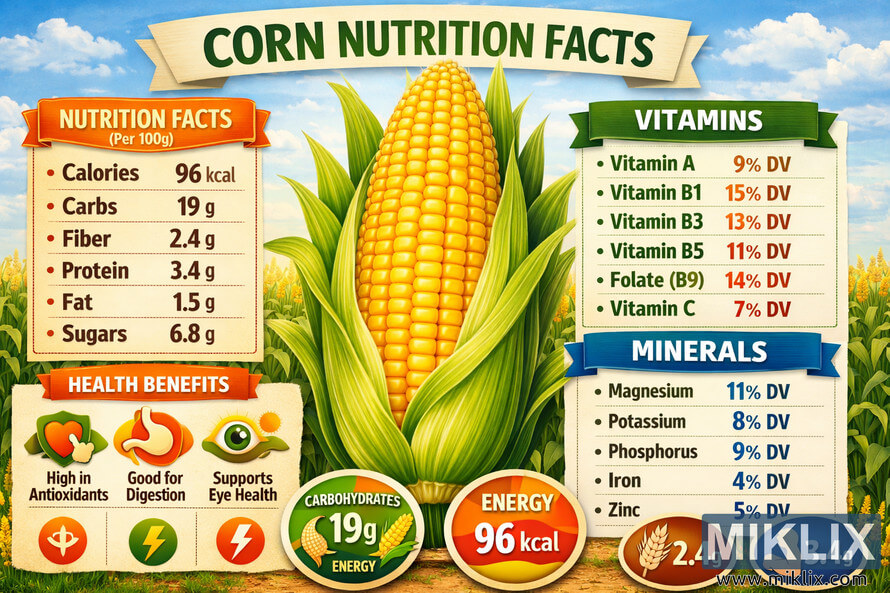
Understanding what corn contains helps explain why this whole grain delivers significant health benefits. Sweet corn provides a rich blend of nutrients that support your overall wellness.
Klik atau ketuk gambar untuk informasi lebih lanjut dan resolusi yang lebih tinggi.
Macronutrients and Calories
One medium ear of sweet corn contains approximately 90 calories. This serving provides about 3 grams of protein and 1 gram of fat. The majority of calories come from complex carbohydrates.
Corn delivers roughly 20 grams of carbohydrates per ear. These carbs include beneficial fiber and natural sugars. The fiber content reaches around 2 grams per serving.
Essential Vitamins in Corn
Corn serves as an excellent source of several B vitamins. These vitamins play crucial roles in energy metabolism and nervous system function.
- Thiamin (Vitamin B1) supports energy production from food
- Folate aids in DNA synthesis and cell division
- Niacin (Vitamin B3) helps convert nutrients into energy
- Pantothenic acid supports hormone production
- Vitamin B6 assists in brain development and immune function
Additionally, corn contains vitamin C. This antioxidant vitamin supports immune health and collagen production.
Important Minerals Found in Corn
The mineral content of corn contributes significantly to its health benefits. These minerals support various body functions.
| Mineral | Amount per Serving | Daily Value % | Primary Function |
| Magnesium | 37 mg | 9% | Bone health, muscle function |
| Phosphorus | 89 mg | 7% | Bone structure, energy production |
| Potassium | 270 mg | 6% | Blood pressure regulation, heart health |
| Zinc | 0.5 mg | 5% | Immune system support, wound healing |
| Iron | 0.5 mg | 3% | Oxygen transport in blood |
Powerful Antioxidants
Corn contains unique antioxidants rarely found in other foods. These compounds protect your cells from damage.
The most notable antioxidants include lutein and zeaxanthin. These carotenoids concentrate in eye tissues. They filter harmful blue light and reduce oxidative stress.
Corn also provides ferulic acid. This phenolic compound demonstrates strong antioxidant activity. Research suggests it may reduce inflammation throughout the body.
Klik atau ketuk gambar untuk informasi lebih lanjut dan resolusi yang lebih tinggi.
Remarkable Benefits for Eye Health and Vision
The health benefits of corn extend powerfully to your eyes. The specific nutrients in corn provide targeted protection against common vision problems.
Protection Against Age-Related Macular Degeneration
Age-related macular degeneration represents a leading cause of vision loss. This condition affects millions of Americans over age 50.
The lutein and zeaxanthin in corn accumulate in your macula. This small area in your retina controls central vision. These antioxidants act as natural sunglasses inside your eyes.
Studies show that higher intake of lutein zeaxanthin reduces the risk of age-related macular degeneration. Regular consumption of foods rich in these compounds supports long-term eye health.
One ear of sweet corn provides approximately 400 micrograms of combined lutein and zeaxanthin. This amount contributes significantly to the recommended daily intake of 6 to 10 milligrams.

Klik atau ketuk gambar untuk informasi lebih lanjut dan resolusi yang lebih tinggi.
Reduced Risk of Cataracts
Cataracts cloud the lens of your eye. They develop gradually and often affect older adults.
The same antioxidants that protect against macular degeneration also defend against cataracts. Lutein zeaxanthin filter blue light wavelengths that damage eye proteins.
Research indicates that people consuming higher amounts of these carotenoids show lower rates of cataract formation. The protective effect appears strongest when intake remains consistent over time.
Overall Vision Support
Beyond preventing specific diseases, corn supports general vision function. The vitamin A precursors in corn help maintain healthy corneas.
Adequate nutrition from whole grains like corn ensures your eyes receive essential nutrients. These nutrients support the complex processes that enable clear vision.
Key Takeaway: Eating corn regularly provides your eyes with lutein zeaxanthin that accumulate in eye tissue. These antioxidants offer proven protection against age-related macular degeneration and cataracts while supporting overall vision health.
Digestive Health Benefits and Fiber Content
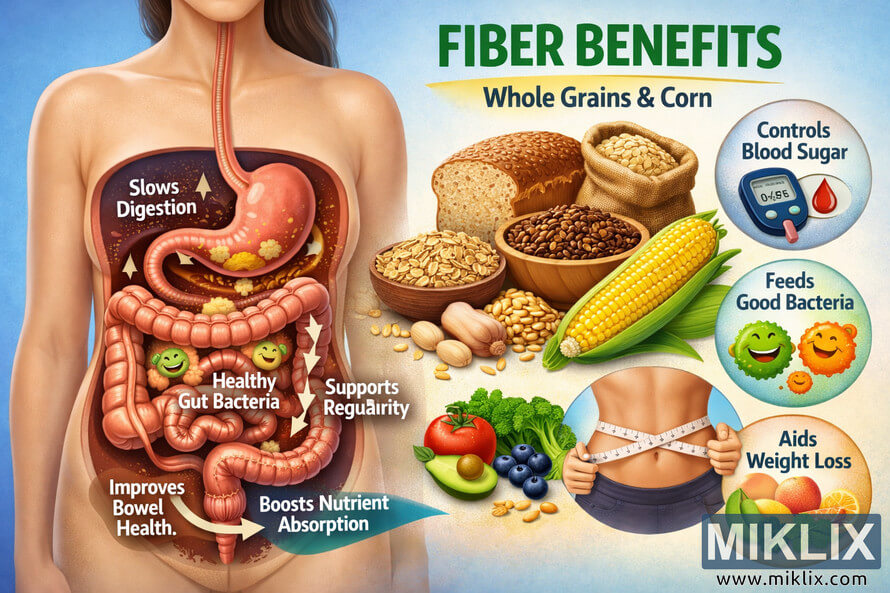
The fiber in corn plays a vital role in digestive wellness. This whole grain food supports healthy digestion through multiple mechanisms.
Promoting Regular Bowel Movements
Corn contains both soluble and insoluble fiber. Insoluble fiber adds bulk to stool. This bulk helps food move through your digestive tract efficiently.
Regular consumption of fiber-rich foods like corn prevents constipation. The fiber absorbs water and softens stool. This makes bowel movements more comfortable and consistent.
Adults need between 25 and 38 grams of fiber daily. One cup of corn provides approximately 4 grams. This contribution helps you reach your daily fiber goals.
Supporting Beneficial Gut Bacteria
Soluble fiber in corn acts as prebiotic food. Your beneficial gut bacteria ferment this fiber. The fermentation process produces short-chain fatty acids.
These fatty acids nourish the cells lining your colon. They reduce inflammation and support a healthy gut barrier. A balanced gut microbiome influences overall health beyond digestion.
Reducing Digestive Disease Risk
Adequate fiber intake from whole grains correlates with lower rates of digestive diseases. The protective effects extend to several conditions.
- Diverticular disease occurs less frequently in people eating sufficient fiber
- Hemorrhoid risk decreases with regular fiber consumption
- Colorectal cancer rates show inverse relationships with whole grain intake
- Inflammatory bowel symptoms may improve with appropriate fiber intake
The combination of nutrients in corn supports digestive tract health. Fiber works alongside vitamins minerals and antioxidants to maintain optimal function.
Klik atau ketuk gambar untuk informasi lebih lanjut dan resolusi yang lebih tinggi.
Cardiovascular Benefits and Heart Health
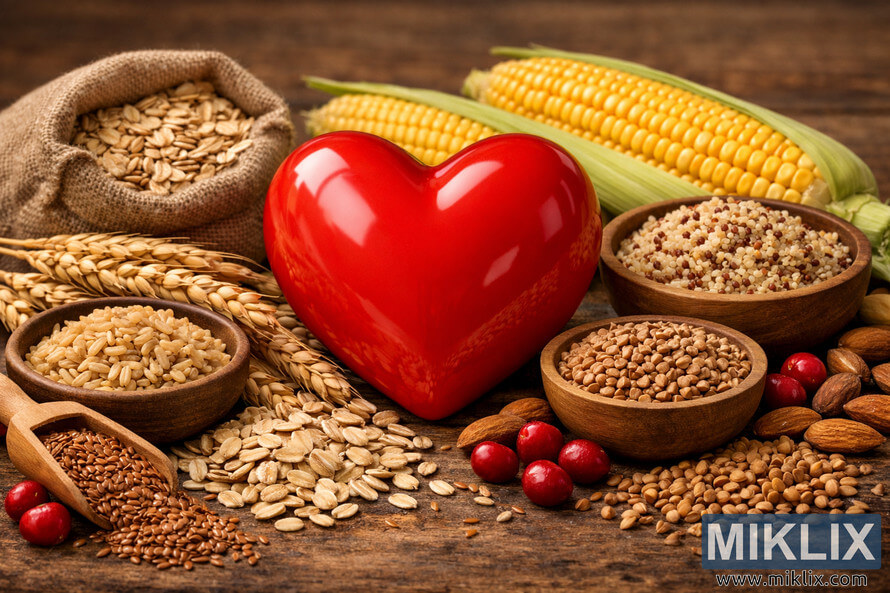
The health benefits of corn include significant support for your cardiovascular system. Multiple components in this whole grain contribute to heart wellness.
Fiber and Cholesterol Management
Soluble fiber in corn binds to cholesterol in your digestive system. This binding prevents cholesterol absorption into your bloodstream.
Your body then eliminates this bound cholesterol. The result is lower circulating cholesterol levels. Reduced cholesterol decreases your risk of heart disease.
Studies on whole grain consumption show consistent benefits. People eating more whole grains like corn experience better cholesterol profiles. Both total cholesterol and LDL cholesterol tend to decrease.
Blood Pressure Regulation
The potassium content in corn helps regulate blood pressure. This mineral counteracts the effects of sodium in your diet.
Potassium helps your blood vessels relax. Relaxed vessels allow blood to flow more easily. This reduces the pressure on artery walls.
One serving of corn provides about 6% of your daily potassium needs. Combined with other potassium-rich foods, corn contributes to healthy blood pressure levels.
Klik atau ketuk gambar untuk informasi lebih lanjut dan resolusi yang lebih tinggi.
Antioxidant Protection for Blood Vessels
The antioxidants in corn protect your cardiovascular system from oxidative damage. Ferulic acid and other compounds reduce inflammation in blood vessels.
Chronic inflammation damages artery walls. This damage promotes plaque buildup and atherosclerosis. Antioxidant-rich foods help prevent this progression.
Research suggests that the specific antioxidants in corn may offer unique cardiovascular benefits. The combination of carotenoids and phenolic compounds works synergistically.
Heart-Healthy Nutrients in Corn
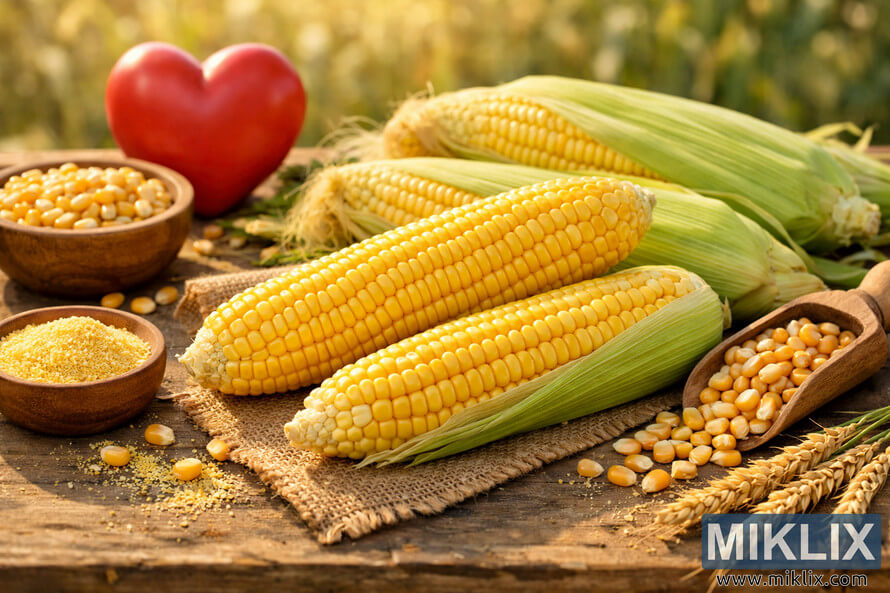
Corn delivers a combination of nutrients that work together to support cardiovascular function. The fiber content helps manage cholesterol naturally.
Minerals like potassium and magnesium maintain healthy blood pressure. Antioxidants reduce inflammation and protect blood vessels from damage.
These components make corn a valuable addition to a heart-healthy diet. Regular consumption as part of balanced nutrition supports long-term cardiovascular wellness.
Klik atau ketuk gambar untuk informasi lebih lanjut dan resolusi yang lebih tinggi.
Blood Sugar Control and Diabetes Considerations
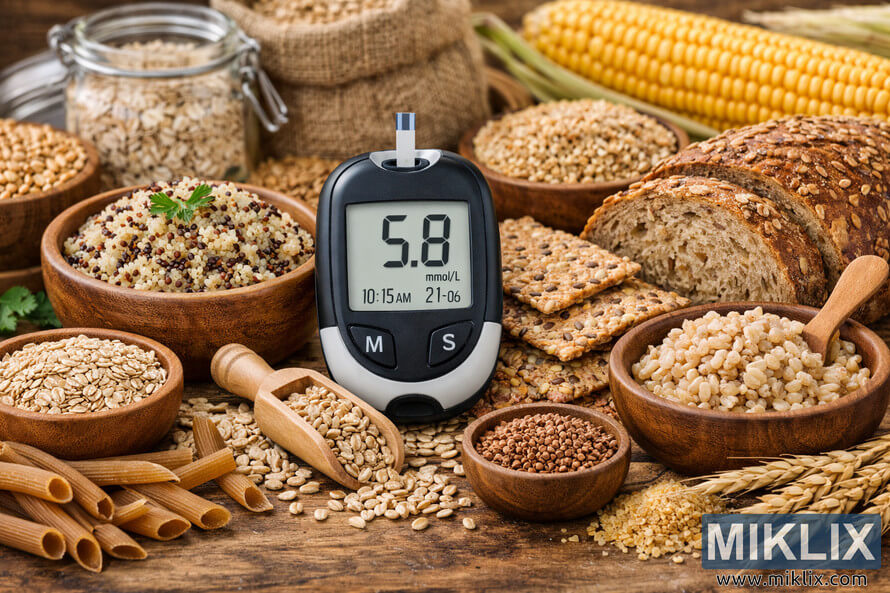
Many people worry about corn and blood sugar. Understanding how this whole grain affects glucose levels helps you make informed dietary choices.
Glycemic Index and Blood Sugar Response
Sweet corn has a moderate glycemic index of approximately 52. This means it raises blood sugar more slowly than refined grains or pure sugar.
The fiber in corn slows digestion. Slower digestion leads to gradual glucose release into your bloodstream. This prevents the sharp blood sugar spikes associated with refined carbohydrates.
The glycemic load of a typical corn serving remains relatively low. Glycemic load accounts for both the glycemic index and portion size. A standard serving of corn produces a manageable blood sugar response in most people.
Fiber Benefits for Glucose Management
The fiber content in corn provides specific advantages for blood sugar control. Fiber slows the absorption of sugars from your digestive tract.
This slower absorption prevents rapid glucose increases. Your body has more time to produce and utilize insulin effectively. Better insulin function improves overall glucose regulation.
Studies on whole grain intake show reduced diabetes risk. People consuming adequate whole grains like corn demonstrate better long-term blood sugar control.
Resistant Starch Content
Corn contains resistant starch. This type of starch resists digestion in your small intestine. Instead, it reaches your colon intact.
Resistant starch acts similarly to fiber. It does not cause blood sugar increases. Your gut bacteria ferment resistant starch, producing beneficial compounds.
The amount of resistant starch increases when you cook and cool corn. This makes leftover corn salads particularly beneficial for blood sugar management.
Considerations for Diabetes
People with diabetes can include corn in balanced meal plans. Portion control remains important, as with all carbohydrate-containing foods.
Pairing corn with protein and healthy fats further moderates blood sugar response. For example, corn combined with beans and avocado creates a balanced meal with minimal glucose impact.
Important Note: Individual blood sugar responses vary. People with diabetes should monitor their glucose levels after eating corn. This helps determine appropriate portion sizes for their specific needs.
Klik atau ketuk gambar untuk informasi lebih lanjut dan resolusi yang lebih tinggi.
Weight Management and Satiety Benefits
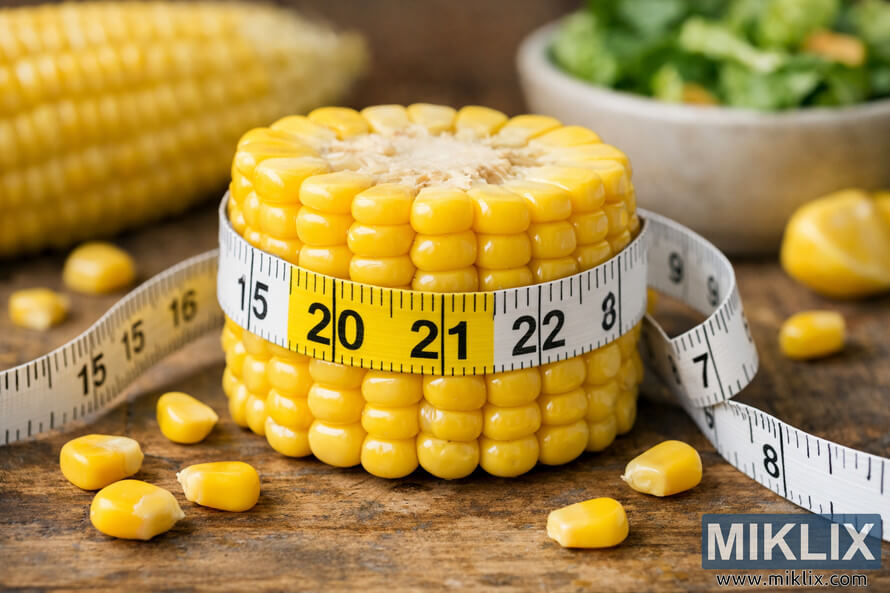
Corn can support healthy weight management when consumed appropriately. The nutrition profile of this whole grain promotes fullness and satisfaction.
Fiber and Fullness
The fiber in corn increases satiety. Fiber takes longer to digest than refined carbohydrates. This extended digestion keeps you feeling full longer.
When you feel satisfied after meals, you naturally eat less throughout the day. This reduced calorie intake supports weight management efforts.
Research shows that people eating more fiber tend to maintain healthier body weights. The mechanism involves both increased fullness and improved metabolic function.
Calorie Density Considerations
Sweet corn provides moderate calories for its volume. One cup of kernels contains approximately 130 calories. This calorie density allows generous portions without excessive energy intake.
The water content in fresh corn adds volume without calories. This helps fill your stomach while controlling total energy consumption.
Compared to processed snacks, corn offers more nutrition per calorie. You receive vitamins, minerals, fiber, and antioxidants alongside the energy content.
Preparation Methods Matter
How you prepare corn significantly affects its impact on weight. Steamed or boiled corn remains relatively low in calories.
Adding butter, oils, or creamy sauces increases calorie content substantially. For weight management, season corn with herbs, spices, or small amounts of healthy fats.
Popcorn provides a low-calorie whole grain snack option. Air-popped popcorn contains only about 30 calories per cup. This makes it an excellent choice for satisfying snack cravings without derailing weight goals.
Klik atau ketuk gambar untuk informasi lebih lanjut dan resolusi yang lebih tinggi.
Different Types of Corn and Their Unique Benefits
Not all corn offers identical nutrition. Understanding the different varieties helps you choose options that best meet your health goals.
Sweet Corn
Sweet corn represents the variety most people eat fresh. This type contains higher natural sugar content than other varieties.
Fresh sweet corn provides the highest levels of vitamins minerals and antioxidants. The nutrients remain most concentrated when corn is eaten soon after harvesting.
Sweet corn works well in salads, as a side dish, or added to various recipes. Its tender texture and pleasant flavor make it versatile in cooking.
Popcorn
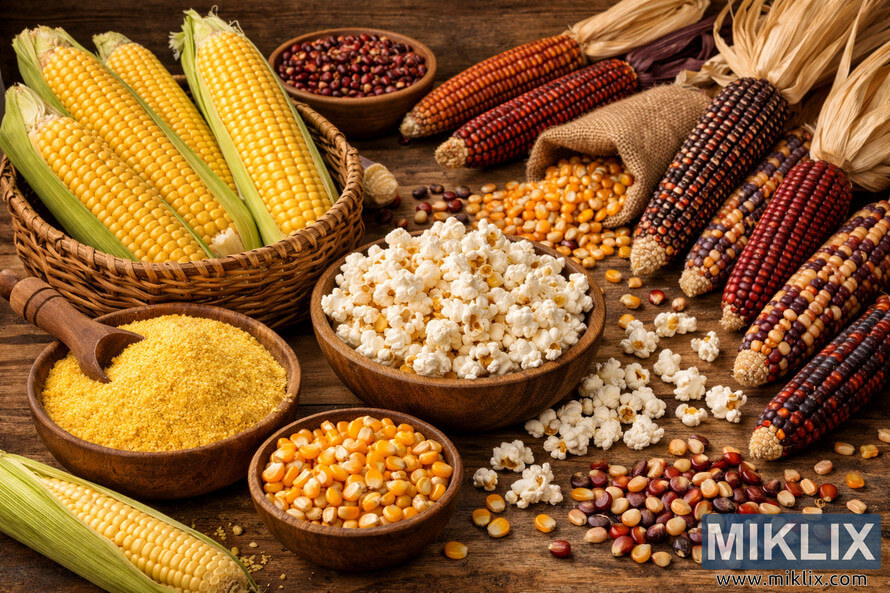
Popcorn comes from a specific corn variety with hard, moisture-containing kernels. When heated, the moisture creates pressure that pops the kernel.
Air-popped popcorn provides an excellent source of whole grain nutrition. Three cups of popped corn equal one serving of whole grains.
This form of corn delivers fiber, antioxidants, and several B vitamins. The low calorie density makes popcorn ideal for snacking while managing weight.
The hull of popcorn contains high concentrations of polyphenols. These antioxidants may provide unique health benefits not found in other corn forms.
Cornmeal and Corn Flour
Cornmeal results from grinding dried corn kernels. The texture ranges from fine to coarse depending on processing.
Whole grain cornmeal retains the bran and germ. These components contain most of the fiber, vitamins, and minerals. Degerminated cornmeal has reduced nutritional value.
Products made from whole grain cornmeal include polenta, cornbread, and some tortillas. These foods maintain many health benefits of whole corn.
Frozen and Canned Corn
Frozen corn often matches fresh corn nutritionally. Freezing occurs shortly after harvest, preserving nutrients effectively.
Canned corn provides convenience and long shelf life. However, processing may reduce some vitamin content. Sodium content in canned corn can be high unless you choose no-salt-added varieties.
Both frozen and canned options make corn accessible year-round. They offer practical alternatives when fresh corn is unavailable.
Klik atau ketuk gambar untuk informasi lebih lanjut dan resolusi yang lebih tinggi.
Practical Ways to Incorporate Corn Into Your Diet
Adding corn to your regular meals provides the health benefits discussed throughout this guide. These practical suggestions make inclusion easy and delicious.
Fresh Corn Preparation Methods
Fresh sweet corn offers maximum nutrition and flavor. Several simple cooking methods preserve nutrients while enhancing taste.
- Grilling corn in husks creates smoky flavor while protecting nutrients from direct heat
- Steaming preserves water-soluble vitamins better than boiling
- Roasting at moderate temperatures concentrates natural sweetness
- Eating raw corn provides maximum nutrient content and crisp texture
Remove kernels from cooked cobs to add versatility. Loose kernels mix easily into various dishes.
Klik atau ketuk gambar untuk informasi lebih lanjut dan resolusi yang lebih tinggi.
Breakfast Ideas With Corn
Corn fits naturally into morning meals. These options provide energy and nutrition to start your day.
Add corn kernels to scrambled eggs or omelets. The combination provides protein, fiber, and various vitamins minerals.
Mix corn into breakfast burritos with beans, vegetables, and salsa. This creates a filling meal with balanced nutrition.
Use whole grain cornmeal to make polenta. Top with eggs and vegetables for a hearty breakfast bowl.
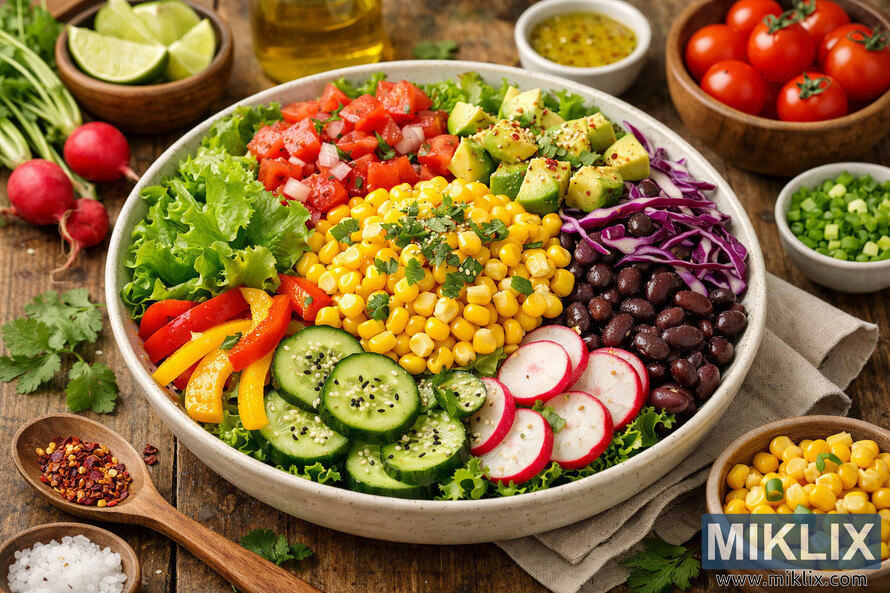
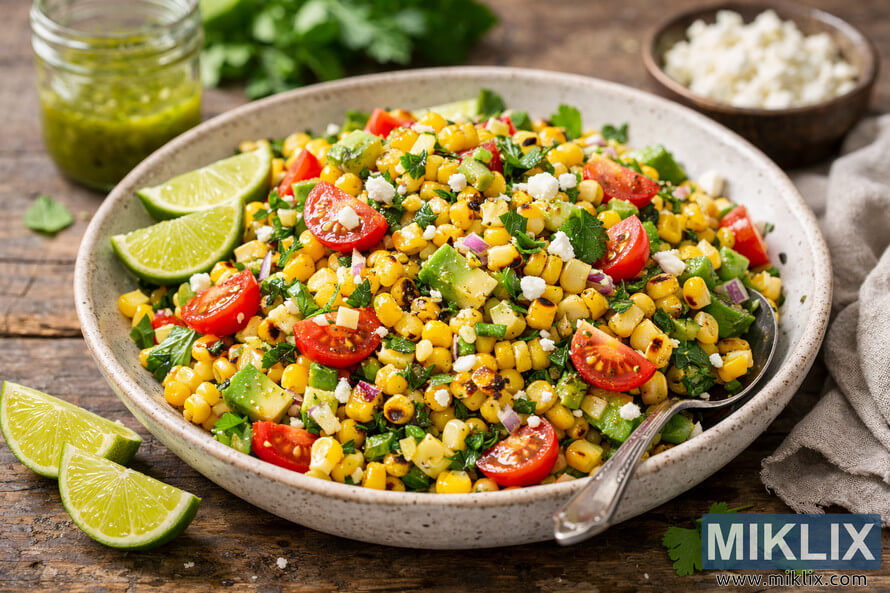
Summer Corn Salad
Fresh corn kernels, cherry tomatoes, cucumber, red onion, cilantro, and lime dressing. This refreshing salad provides fiber, antioxidants, and fresh flavors perfect for warm weather meals.
High Fiber Antioxidant-Rich
Klik atau ketuk gambar untuk informasi lebih lanjut dan resolusi yang lebih tinggi.
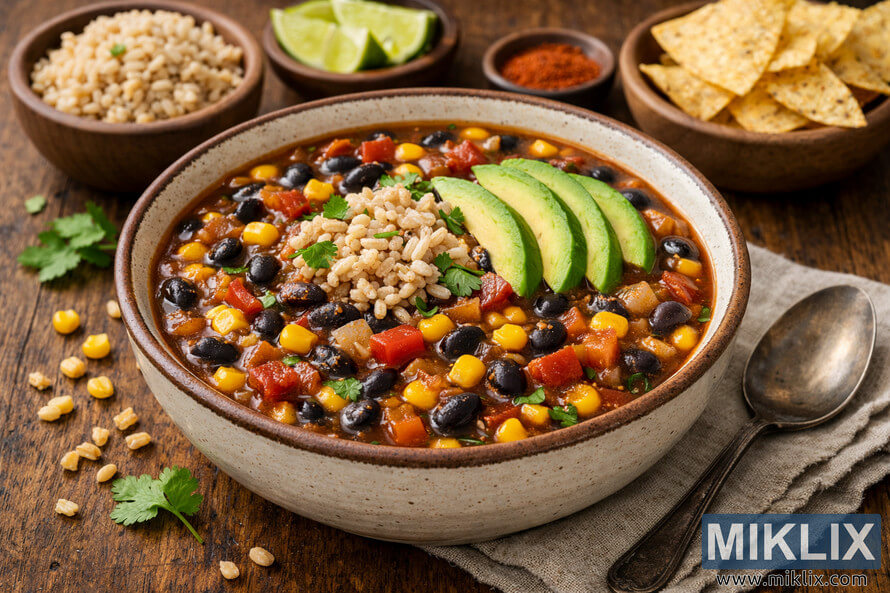
Black Bean Corn Soup
Combine corn with black beans, tomatoes, peppers, and spices. This protein-rich soup delivers complete plant nutrition with fiber from whole grains and legumes supporting digestive health.
Complete Protein Heart-Healthy
Klik atau ketuk gambar untuk informasi lebih lanjut dan resolusi yang lebih tinggi.
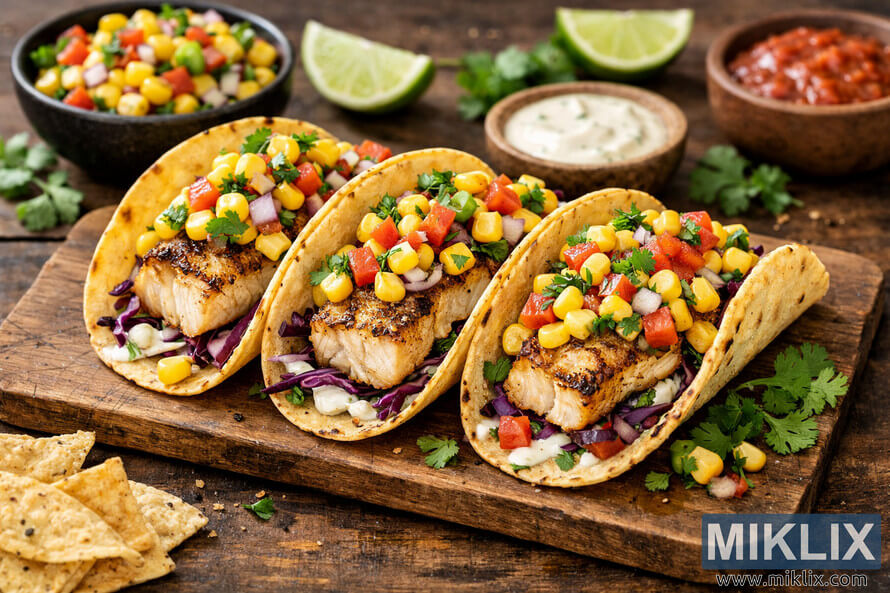
Corn Salsa Fish Tacos
Top grilled fish with corn, tomato, avocado, and lime salsa. This balanced meal combines lean protein with whole grain tortillas and nutrient-dense vegetables for optimal nutrition.
Omega-3 Rich Balanced Meal
Klik atau ketuk gambar untuk informasi lebih lanjut dan resolusi yang lebih tinggi.
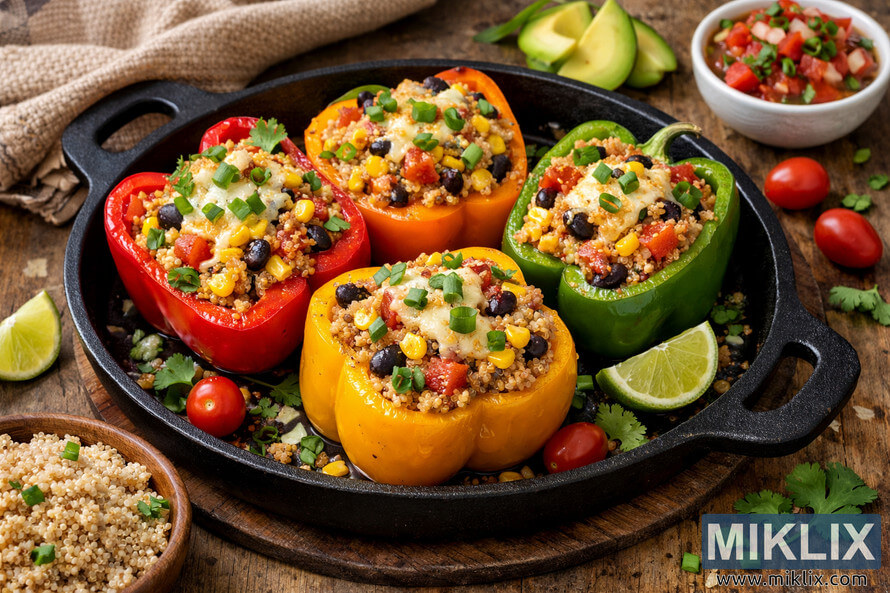
Quinoa Corn Stuffed Peppers
Bell peppers filled with quinoa, corn, beans, and cheese. This vegetarian meal provides complete protein, fiber, vitamins minerals, and satisfying flavors in a colorful presentation.
Vegetarian Nutrient-Dense
Klik atau ketuk gambar untuk informasi lebih lanjut dan resolusi yang lebih tinggi.
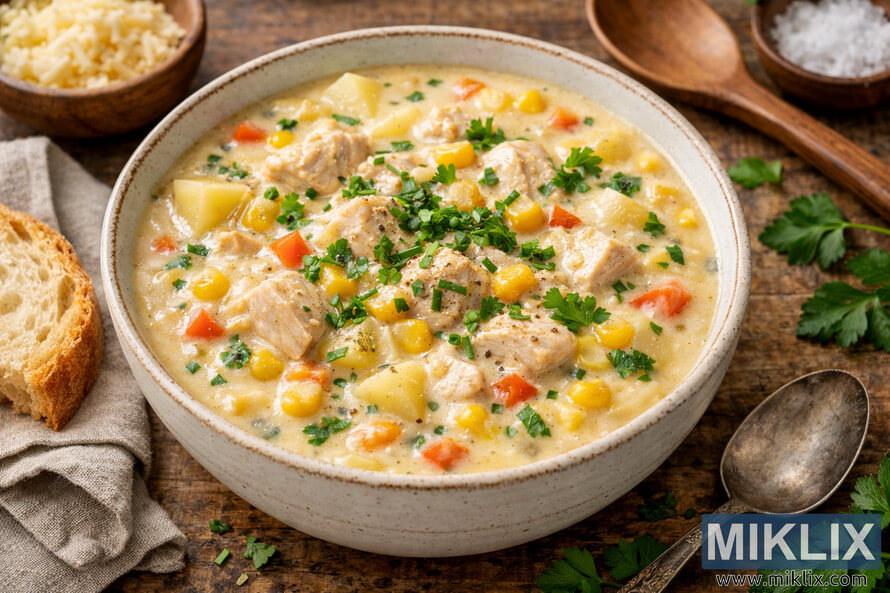
Chicken Corn Chowder
Hearty soup with chicken, sweet corn, potatoes, and herbs. This filling dish combines protein with whole grain nutrition and provides warmth and satisfaction while delivering essential nutrients.
High Protein Comfort Food
Klik atau ketuk gambar untuk informasi lebih lanjut dan resolusi yang lebih tinggi.
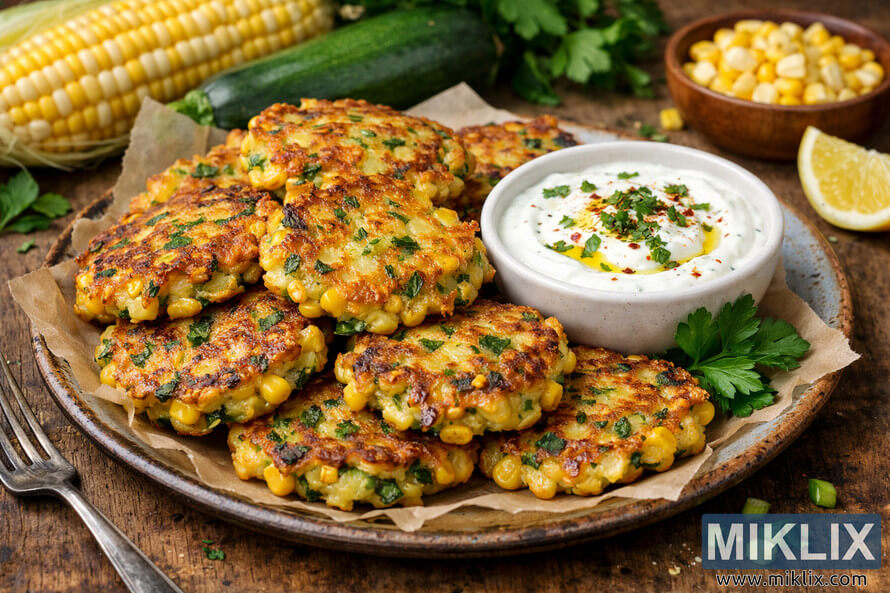
Corn Zucchini Fritters
Pan-fried patties made with corn, zucchini, eggs, and herbs. These savory fritters offer a creative way to enjoy vegetables and whole grains while providing protein and satisfying texture.
Vegetable-Rich Family-Friendly
Klik atau ketuk gambar untuk informasi lebih lanjut dan resolusi yang lebih tinggi.
Snacking With Popcorn
Popcorn makes an excellent snack choice. The whole grain provides satisfaction without excessive calories.
Air-pop kernels to avoid added fats. Season with herbs, spices, or nutritional yeast for flavor without unhealthy additions.
Keep portions reasonable at about 3 cups popped. This amount provides whole grain benefits while controlling calories.
Potential Concerns and Considerations
While corn offers numerous health benefits, certain considerations deserve attention. Understanding these factors helps you make informed choices.
Antinutrient Content
Corn contains phytic acid, an antinutrient that binds to minerals. This binding can reduce absorption of iron, zinc, and calcium.
However, the impact remains minimal in balanced diets. Eating varied foods ensures adequate mineral intake despite this effect.
Traditional preparation methods reduce phytic acid content. Soaking, sprouting, or fermenting corn decreases antinutrient levels.
GMO Considerations
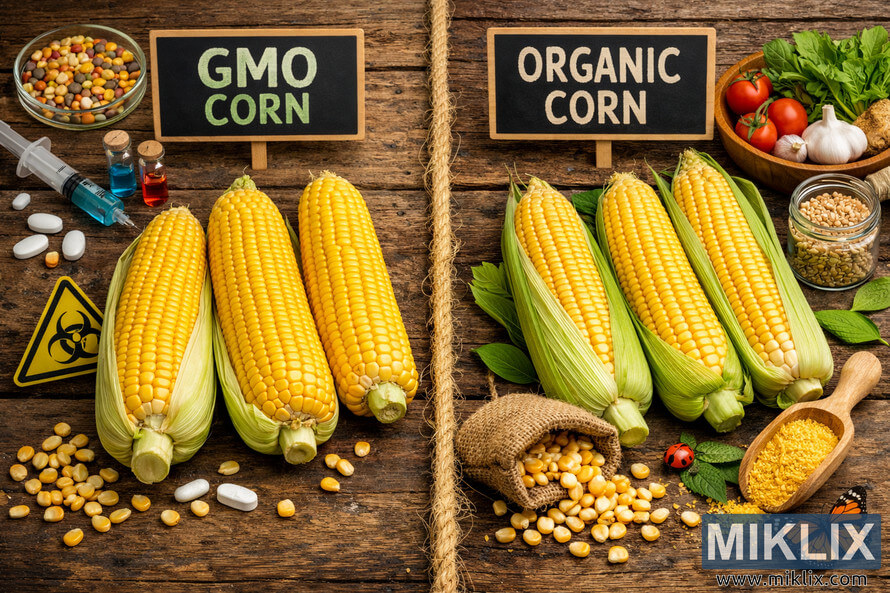
Most corn grown in the United States comes from genetically modified organisms. GMO corn resists pests and tolerates herbicides.
Current research indicates GMO corn is safe for consumption. Regulatory agencies worldwide have approved its use.
People preferring to avoid GMOs can choose organic corn. Organic certification prohibits genetic modification.
Klik atau ketuk gambar untuk informasi lebih lanjut dan resolusi yang lebih tinggi.
Mycotoxin Concerns
Corn can develop mold contamination during growth or storage. Some molds produce mycotoxins harmful to health.
Proper storage and processing minimize this risk. Commercial corn undergoes testing to ensure safety.
Examine corn before eating. Discard any ears showing mold, unusual discoloration, or off odors.
Allergies and Sensitivities
Corn allergies occur but remain relatively uncommon. Symptoms can range from mild to severe.
Some people experience digestive discomfort after eating corn. This may relate to the fiber content or individual sensitivity.
People with corn allergies must avoid all corn products. This includes obvious sources and hidden ingredients in processed foods.
Benefits of Corn
- Rich in antioxidants like lutein zeaxanthin
- Provides dietary fiber for digestive health
- Contains essential vitamins minerals
- Supports eye health and reduces risk of age-related macular degeneration
- Offers whole grain nutrition
- Versatile and widely available
- Affordable source of nutrients
Potential Drawbacks
- Contains phytic acid that may reduce mineral absorption
- Most conventional corn is genetically modified
- Can cause digestive discomfort in sensitive individuals
- Higher in carbohydrates than non-starchy vegetables
- Potential for mycotoxin contamination if improperly stored
- Rare but possible allergic reactions
How Corn Compares to Other Whole Grains
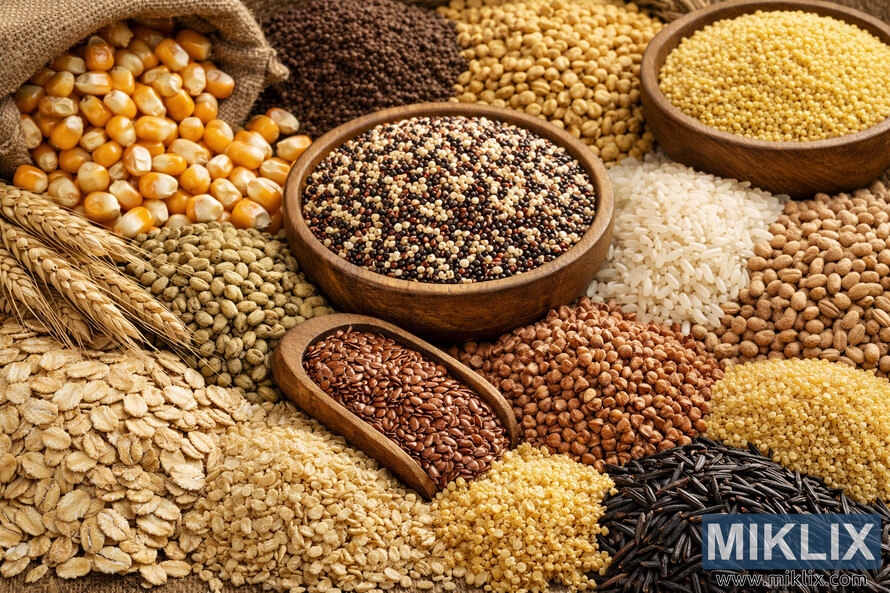
Understanding how corn stacks up against other whole grains helps you diversify your diet effectively. Each grain offers unique nutritional advantages.
Klik atau ketuk gambar untuk informasi lebih lanjut dan resolusi yang lebih tinggi.
| Grain Type | Calories (1 cup cooked) | Fiber (g) | Protein (g) | Key Nutrients | Unique Benefits |
| Sweet Corn | 143 | 4.2 | 5.1 | Lutein, Zeaxanthin, Folate | Eye health protection, antioxidants |
| Brown Rice | 218 | 3.5 | 4.5 | Manganese, Selenium | Gluten-free, energy production |
| Quinoa | 222 | 5.2 | 8.1 | Complete protein, Iron | All essential amino acids, high protein |
| Whole Wheat | 174 | 6.3 | 7.5 | B Vitamins, Iron | Highest fiber content, heart health |
| Oats | 166 | 4.0 | 5.9 | Beta-glucan, Magnesium | Cholesterol reduction, sustained energy |
Unique Advantages of Corn
Corn provides exceptional levels of lutein zeaxanthin compared to other whole grains. These carotenoids specifically protect against age-related macular degeneration.
The natural sweetness of sweet corn makes it more appealing to many people. This palatability encourages consistent consumption of whole grains.
Corn offers versatility unmatched by some other grains. You can eat it fresh, dried, ground, or popped.
Creating a Balanced Whole Grain Diet
Nutritionists recommend eating a variety of whole grains rather than relying on one type. Each grain contributes different nutrients to your overall diet.
Include corn alongside other whole grains like rice, quinoa, oats, and wheat. This diversity ensures comprehensive nutrition from your grain intake.
Aim for at least three servings of whole grains daily. Mix different types throughout the week to maximize health benefits.
Frequently Asked Questions About Corn and Health
Is corn good for you or is it just empty calories?
Corn is definitely good for you and provides substantial nutrition beyond calories. Sweet corn delivers essential vitamins minerals, fiber, and powerful antioxidants. One ear provides significant amounts of folate, thiamin, vitamin C, and minerals like magnesium and potassium. The lutein zeaxanthin content specifically supports eye health. When prepared without excessive butter or oils, corn offers valuable nutrition as part of a balanced diet.
Can eating corn help prevent age-related macular degeneration?
Yes, regular corn consumption may reduce the risk of age-related macular degeneration. Corn ranks among the best food sources of lutein and zeaxanthin. These carotenoids accumulate in your macula and filter harmful blue light. Research consistently shows that higher intake of these antioxidants correlates with lower rates of age-related macular degeneration. Eating corn several times weekly contributes meaningfully to your protective intake of these important compounds.
Does corn raise blood sugar levels dangerously?
Corn has a moderate glycemic index and does not cause dangerous blood sugar spikes in most people. The fiber content slows glucose absorption, preventing rapid increases. Sweet corn produces a more gradual blood sugar response than refined grains or sugary foods. People with diabetes can include corn in their meal plans with appropriate portion control. Pairing corn with protein and healthy fats further moderates blood sugar impact. Individual responses vary, so people managing diabetes should monitor their levels after eating corn.
Is popcorn as healthy as fresh corn?
Air-popped popcorn provides excellent whole grain nutrition comparable to fresh corn. Popcorn delivers fiber, B vitamins, and antioxidants. The hull contains concentrated polyphenols that offer unique health benefits. Three cups of popped corn equals one whole grain serving. However, preparation method dramatically affects healthfulness. Air-popped popcorn with minimal additions remains healthy. Movie theater popcorn loaded with butter and salt loses nutritional advantages. For maximum health benefits, pop kernels at home using hot air and season with herbs or spices.
Should I worry about GMO corn?
Most conventional corn grown in the United States comes from genetically modified seeds. Current scientific evidence indicates GMO corn is safe for human consumption. Numerous regulatory agencies worldwide have approved GMO corn after extensive safety testing. However, people preferring to avoid GMOs can choose organic corn. Organic certification prohibits genetic modification. The decision to eat conventional or organic corn depends on personal preferences rather than established safety concerns.
How does frozen corn compare nutritionally to fresh corn?
Frozen corn often matches or nearly matches fresh corn nutritionally. Corn is typically frozen shortly after harvest, which preserves vitamins minerals and antioxidants effectively. The freezing process may cause minimal nutrient loss, but this remains insignificant for practical purposes. Frozen corn offers year-round availability and convenience. It eliminates prep work while maintaining health benefits. For maximum nutrition, choose frozen corn without added sauces or seasonings. Both fresh and frozen corn support a healthy diet equally well.
Can corn cause digestive problems?
Some people experience digestive discomfort after eating corn. The fiber content, particularly insoluble fiber, can cause gas or bloating in sensitive individuals. Corn contains cellulose in the kernel hulls that humans cannot fully digest. This explains why corn sometimes appears partially undigested in stool. For most people, these effects remain mild and temporary. Chewing corn thoroughly helps reduce digestive issues. People with existing digestive conditions should introduce corn gradually and monitor their response. The majority of people digest corn without significant problems.
How much corn should I eat for optimal health benefits?
Including corn in your diet three to five times weekly provides substantial health benefits without excessive intake. One serving equals one medium ear of fresh corn, one cup of kernels, or three cups of popped popcorn. This frequency allows you to benefit from the lutein zeaxanthin, fiber, and other nutrients while maintaining dietary variety. Balance corn consumption with other whole grains, vegetables, fruits, proteins, and healthy fats. No single food provides complete nutrition, so corn works best as part of a diverse, balanced diet.
Klik atau ketuk gambar untuk informasi lebih lanjut dan resolusi yang lebih tinggi.
Making Corn Part of Your Healthy Lifestyle
The health benefits of corn extend far beyond basic nutrition. This whole grain delivers targeted protection for your eyes through lutein zeaxanthin. The fiber content supports digestive health and helps maintain healthy body weight. Antioxidants in corn protect your cardiovascular system and reduce inflammation throughout your body.
Sweet corn provides essential vitamins minerals that support numerous body functions. From energy metabolism to immune defense, the nutrients in corn contribute to overall wellness. The moderate calorie content allows generous portions that satisfy without excess.
Different corn varieties offer unique advantages. Fresh sweet corn maximizes nutrient content and flavor. Popcorn provides a low-calorie whole grain snack. Whole grain cornmeal extends the versatility of this nutritious food.
Making corn a regular part of your diet requires minimal effort. The grain works well in countless dishes from breakfast through dinner. Simple preparation methods preserve nutrients while creating delicious meals.
Choose corn that fits your lifestyle and preferences. Fresh corn during summer months provides peak flavor and nutrition. Frozen and canned options offer year-round convenience. Organic corn addresses GMO concerns for those who prioritize this consideration.
Balance remains key to optimal nutrition. Include corn alongside other whole grains, vegetables, fruits, proteins, and healthy fats. This variety ensures comprehensive nutrient intake while you enjoy the specific benefits each food provides.
The evidence clearly supports corn as a valuable component of healthy eating patterns. Regular consumption contributes to reduced risk of age-related macular degeneration, supports digestive function, and provides essential nutrients your body needs daily. Add this affordable, accessible whole grain to your meals and experience the health benefits of corn for yourself.

Klik atau ketuk gambar untuk informasi lebih lanjut dan resolusi yang lebih tinggi.
Bacaan Lebih Lanjut
Jika Anda menikmati postingan ini, Anda mungkin juga menyukai saran berikut:
- Membuka Kunci Performa: Bagaimana Suplemen HMB Dapat Meningkatkan Kekuatan, Pemulihan, dan Kesehatan Otot Anda
- Panduan tentang Manfaat Kesehatan Bunga Dandelion
- Macadamia yang Perkasa: Kacang Kecil, Manfaat Besar