
A Guide to the Health Benefits of Eggplants
出版された:
最終更新日 2026年5月23日 16:34:03 UTC
Eggplants transform ordinary meals into nutritious powerhouses. This versatile vegetable delivers impressive health advantages that many people overlook. From supporting heart health to protecting cells from damage, eggplants offer benefits that extend far beyond their unique texture and mild flavor.
A Guide to the Health Benefits of Eggplants

画像をクリックまたはタップすると、詳細と高解像度が表示されます。
This guide explores the nutritional profile of eggplants and reveals specific ways this nightshade vegetable supports your body. You will discover practical tips for incorporating eggplants into your daily meals.
Nutritional Profile of Eggplants
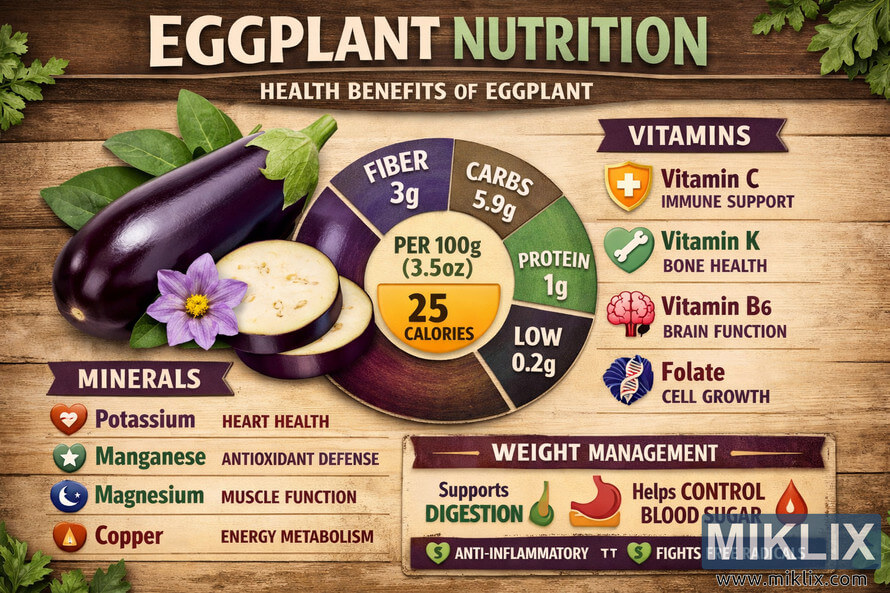
Eggplants pack substantial nutrients into very few calories. One cup of cooked eggplant contains only 35 calories, making this vegetable an excellent choice for weight management. The low calorie content allows you to enjoy generous portions without exceeding your daily energy needs.
Vitamins and Minerals Content
Eggplants provide essential vitamins and minerals your body needs for optimal function. Each cup delivers significant amounts of manganese, which supports bone health and metabolism. This vegetable also contains folate, potassium, and vitamin K.
The fiber content in eggplants supports digestive health. One cup provides about 2.5 grams of dietary fiber, helping you reach the recommended daily intake. This fiber promotes regular digestion and helps maintain stable blood sugar levels.
Essential Vitamins
Eggplants contain B vitamins that support energy production and brain function throughout the day.
- Vitamin B6 for protein metabolism
- Thiamine for nerve function
- Niacin for skin health
- Folate for cell growth
Key Minerals
The mineral content in eggplants supports various body systems and maintains cellular health effectively.
- Potassium for heart function
- Manganese for bone strength
- Copper for iron absorption
- Magnesium for muscle health
Antioxidant Compounds
Eggplants deliver powerful plant compounds that protect cells from oxidative stress and inflammation.
- Nasunin in the skin
- Chlorogenic acid in flesh
- Anthocyanins for color
- Polyphenols for protection
Macronutrient Balance
This vegetable provides balanced nutrition with minimal fat and moderate carbohydrate content for meals.
- Low fat content
- Complex carbohydrates
- Plant-based protein
- High water content
画像をクリックまたはタップすると、詳細と高解像度が表示されます。
Antioxidant Power
The deep purple skin of eggplants contains anthocyanins, powerful antioxidants that give this vegetable its distinctive color. These compounds protect your cells from damage caused by free radicals. Research shows that anthocyanins may reduce inflammation throughout the body.
Nasunin stands out as a particularly beneficial antioxidant found in eggplant skin. Studies suggest this compound protects brain cell membranes from damage. The flesh of eggplants contains chlorogenic acid, another antioxidant that may help lower cholesterol levels.
Heart Health Benefits
Eggplants support cardiovascular health through multiple mechanisms. The fiber content helps reduce cholesterol absorption in your digestive system. This action may lead to lower blood cholesterol levels over time.
Potassium in eggplants helps regulate blood pressure by counteracting the effects of sodium. One cup provides about 122 milligrams of potassium, contributing to your daily needs. Studies indicate that adequate potassium intake correlates with reduced risk of heart disease.
Cholesterol Management
The polyphenols in eggplants may help manage cholesterol levels effectively. Animal studies show that eggplant compounds can reduce LDL cholesterol while maintaining healthy HDL levels. These effects support overall heart health and reduce cardiovascular risk.
Chlorogenic acid acts as a powerful ally for heart health. This compound helps prevent cholesterol oxidation, a process that can damage blood vessels. Regular consumption of foods rich in chlorogenic acid may protect against heart disease development.

画像をクリックまたはタップすると、詳細と高解像度が表示されます。
Cancer Prevention Potential
Research suggests that compounds in eggplants may offer protection against certain types of cancer. The antioxidants in this vegetable combat free radicals that can damage DNA and lead to cancer development. Laboratory studies show promising results for eggplant extracts.
Solasodine rhamnosyl glycosides, compounds found in eggplants, have shown potential anti-cancer properties in studies. These substances may help prevent cancer cell growth. Today, researchers continue exploring how these plant compounds might support cancer prevention efforts.
Protective Compounds
Anthocyanins in eggplant skin demonstrate powerful protective effects against cellular damage. Studies indicate these compounds may reduce cancer risk by neutralizing harmful free radicals. The concentration of anthocyanins varies based on eggplant variety and freshness.
The combination of fiber and antioxidants creates a protective effect for digestive health. Dietary fiber helps remove potentially harmful substances from your digestive tract. This action, combined with antioxidant protection, may reduce colon cancer risk according to current research.

画像をクリックまたはタップすると、詳細と高解像度が表示されます。
Blood Sugar Control and Diabetes Management
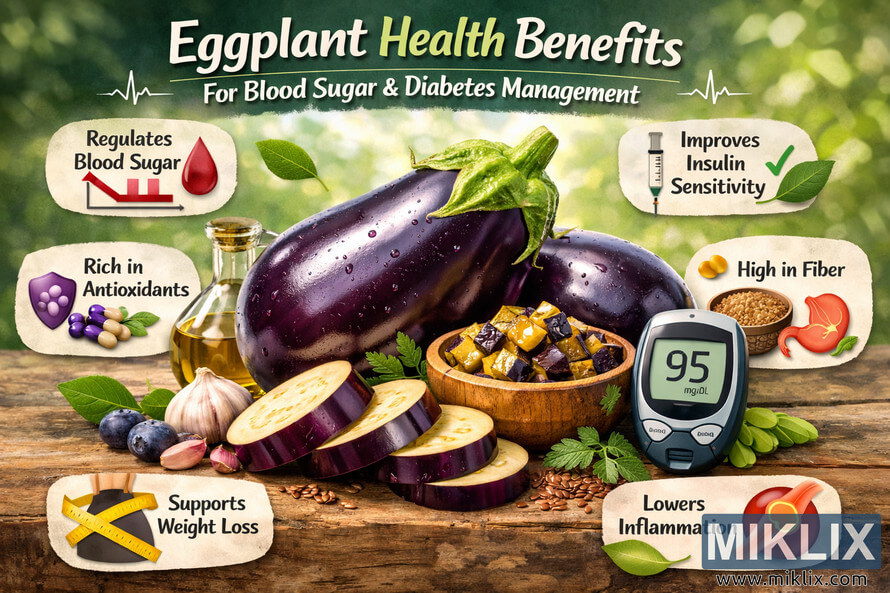
Eggplants may help regulate blood sugar levels through their fiber content and low glycemic index. The fiber slows digestion and prevents rapid spikes in blood sugar after meals. This effect makes eggplants a smart choice for people managing diabetes.
Studies show that polyphenols in eggplants may improve insulin secretion and reduce sugar absorption. These effects contribute to better blood sugar control throughout the day. People with diabetes or prediabetes may benefit from including eggplants in their regular meal plans.
Impact on Insulin Function
Research indicates that certain compounds in eggplants enhance insulin activity in the body. This improvement helps cells absorb glucose more efficiently from the bloodstream. Better insulin function translates to more stable blood sugar levels and reduced diabetes risk.
The low calorie and carbohydrate content of eggplants makes them ideal for diabetes-friendly meals. You can enjoy substantial portions without significantly impacting your blood sugar. This versatility allows for creative meal planning while maintaining glucose control.
Blood Sugar Benefits
- Slows glucose absorption
- Improves insulin sensitivity
- Provides sustained energy
- Prevents sugar spikes
- Supports weight management
画像をクリックまたはタップすると、詳細と高解像度が表示されます。
Weight Management Support
The high fiber and water content in eggplants promotes feelings of fullness with minimal calories. This combination helps control appetite and reduce overall calorie intake. People seeking to manage their weight can benefit from adding eggplants to their diet.
One cup of cooked eggplant contains just 35 calories but provides substantial volume and nutrients. This low calorie density allows you to eat satisfying portions without exceeding your energy needs. The vegetable helps you feel satisfied while creating a calorie deficit for weight loss.
Satiety and Appetite Control
Fiber in eggplants slows stomach emptying and promotes lasting fullness between meals. This effect reduces the likelihood of snacking on high-calorie foods. Studies show that high-fiber diets support weight loss and maintenance efforts over time.
The texture of cooked eggplants adds substance to meals without adding significant calories. This quality makes eggplants excellent for replacing higher-calorie ingredients in favorite dishes. Consider using eggplant in place of meat in some recipes to reduce overall calorie content.

画像をクリックまたはタップすると、詳細と高解像度が表示されます。
Brain Health and Cognitive Function
Nasunin, the antioxidant that gives eggplant skin its purple color, offers specific benefits for brain health. This compound protects the fats in brain cell membranes from damage. Healthy cell membranes support proper brain function and communication between neurons.
The anthocyanins in eggplants may help prevent age-related cognitive decline according to research. These compounds improve blood flow to the brain and protect against oxidative stress. Regular consumption of anthocyanin-rich foods correlates with better memory and cognitive performance.
Neuroprotective Properties
Studies suggest that the phytonutrients in eggplants protect neurons from damage caused by inflammation. This protection may reduce the risk of neurodegenerative diseases. The anti-inflammatory effects of eggplant compounds support overall brain health throughout life.

画像をクリックまたはタップすると、詳細と高解像度が表示されます。
Digestive Health Benefits
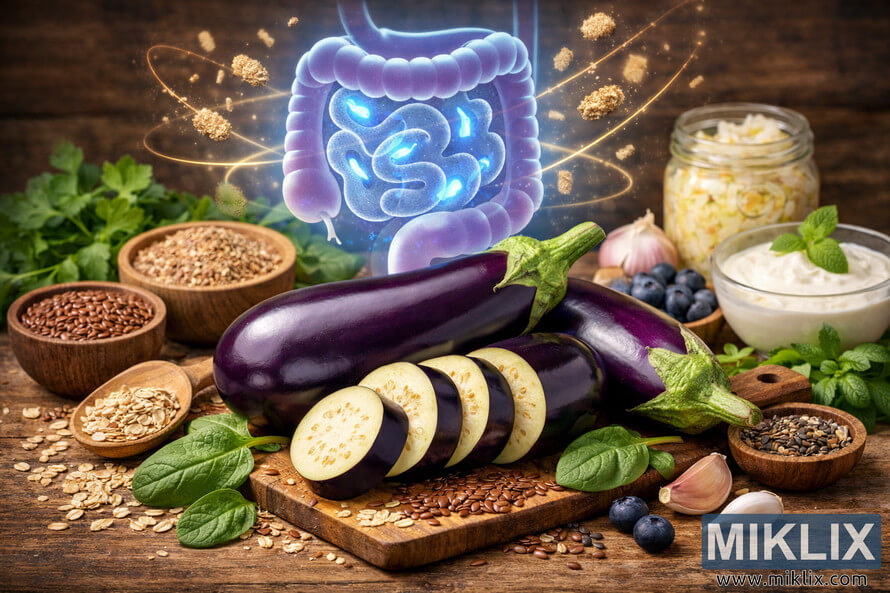
The fiber content in eggplants supports healthy digestion and regular bowel movements. This dietary fiber feeds beneficial gut bacteria, promoting a healthy microbiome. A balanced gut environment supports immune function and overall health.
Water content in eggplants helps maintain proper hydration in your digestive tract. This hydration prevents constipation and supports smooth digestion. The combination of fiber and water creates ideal conditions for digestive health.
Gut Microbiome Support
Prebiotics in eggplants nourish beneficial bacteria in your gut. These good bacteria produce compounds that support digestive health and reduce inflammation. A healthy microbiome influences everything from digestion to mood and immune function.
画像をクリックまたはタップすると、詳細と高解像度が表示されます。
Selecting and Storing Eggplants
Choose eggplants with smooth, shiny skin free from bruises or soft spots. The vegetable should feel heavy for its size, indicating freshness and good moisture content. Fresh eggplants have bright green caps that look healthy and vibrant.
Store eggplants in a cool, dry place but avoid refrigeration if possible. Cold temperatures can damage the texture and flavor of this nightshade vegetable. Use eggplants within a few days of purchase for best quality and nutritional content.

画像をクリックまたはタップすると、詳細と高解像度が表示されます。
Preparation Tips
Keep the skin on when cooking eggplants to maximize antioxidant intake. The skin contains the highest concentration of beneficial compounds like nasunin. Wash eggplants thoroughly before cooking to remove any surface residues.
Grilling Method
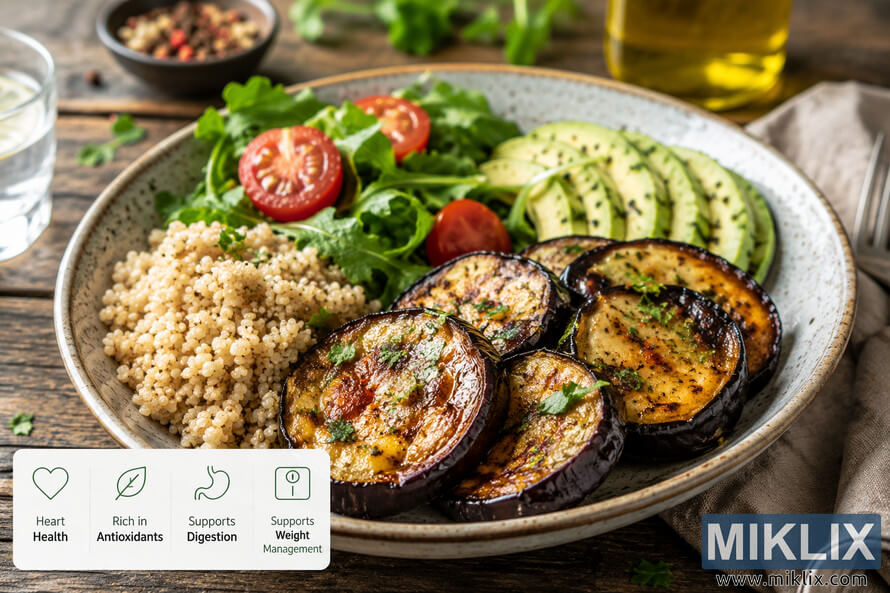
Brush eggplant slices with olive oil and grill until tender. This method enhances flavor while preserving nutrients and creating appealing texture for various dishes.

画像をクリックまたはタップすると、詳細と高解像度が表示されます。
Roasting Technique
Cut eggplant into cubes, season, and roast at high heat. Roasting concentrates flavors and creates a creamy texture while maintaining the health benefits of this vegetable.

画像をクリックまたはタップすると、詳細と高解像度が表示されます。
Sautéing Approach
Cook eggplant pieces in a small amount of healthy oil over medium heat. This quick cooking method preserves nutrients while developing rich flavors for everyday meals.

画像をクリックまたはタップすると、詳細と高解像度が表示されます。
Healthy Cooking Methods
Avoid deep-frying eggplants as this cooking method adds excessive calories and fat. The porous flesh absorbs oil readily, which can negate the low-calorie benefits. Choose healthier cooking methods like grilling, roasting, or steaming instead.
Steaming eggplants preserves more nutrients compared to boiling. This gentle cooking method maintains the vegetable's beneficial compounds while creating a soft texture. Season steamed eggplant with herbs and spices to enhance flavor without adding calories.
Recipe Ideas
Create eggplant parmesan using baked instead of fried eggplant slices. This modification reduces calories while maintaining the classic flavors people love. Layer with tomato sauce and a modest amount of cheese for a nutritious meal.
Healthy Cooking Methods
- Grilling with minimal oil
- Roasting at high temperature
- Steaming until tender
- Baking in the oven
- Stir-frying quickly
Methods to Avoid
- Deep frying in oil
- Heavy breading and frying
- Excessive oil usage
- Long boiling times
- Overcooking until mushy
Add eggplant to vegetable stir-fries for extra nutrition and texture. The plant absorbs flavors from sauces and seasonings beautifully. Combine with other vegetables for a colorful, nutrient-dense meal that supports your health goals.
Incorporating Eggplants Into Your Diet
Start with simple preparations if you are new to cooking eggplants. Roast cubed eggplant with olive oil and your favorite seasonings. This basic method produces delicious results and builds confidence for more complex recipes.
Add eggplant to pasta sauces for extra nutrients and substance. The vegetable breaks down during cooking and thickens the sauce naturally. This addition increases the nutritional value of your meal without altering the familiar flavor significantly.
Weekly Meal Planning
Include eggplant in your meal rotation at least twice weekly to gain consistent health benefits. Vary your cooking methods to prevent flavor fatigue. This regular consumption allows you to experience the full range of health advantages this vegetable offers.
Prepare eggplant in batches for convenient weekday meals. Roasted eggplant keeps well in the refrigerator for several days. Use prepped eggplant in sandwiches, salads, grain bowls, or as a side dish throughout the week.

画像をクリックまたはタップすると、詳細と高解像度が表示されます。
Can I eat eggplant skin?
Yes, eggplant skin is edible and highly nutritious. The skin contains the highest concentration of antioxidants, particularly nasunin. Always wash eggplants thoroughly before cooking to remove any residues, then enjoy the skin along with the flesh for maximum health benefits.
How much eggplant should I eat daily?
A serving of one cup of cooked eggplant provides substantial health benefits. You can safely consume eggplant daily as part of a varied diet rich in vegetables. Most people benefit from eating eggplants several times per week rather than in large quantities daily.
Does cooking destroy eggplant nutrients?
Some nutrients decrease slightly with cooking, but many beneficial compounds remain stable. Gentle cooking methods like steaming and roasting preserve more nutrients than boiling. The antioxidants in eggplant skin are relatively heat-stable and survive most cooking processes.
Potential Considerations
Eggplants belong to the nightshade family of plants, which some people may need to avoid. Individuals with nightshade sensitivities might experience digestive discomfort or inflammation. Consult with a healthcare provider if you suspect sensitivity to nightshade vegetables.
The oxalate content in eggplants may concern people prone to kidney stones. However, eggplants contain lower oxalate levels compared to many other vegetables. Most people can safely enjoy eggplants without worry about oxalate content affecting their health.
Allergic Reactions
True eggplant allergies are rare but possible. Symptoms may include itching, swelling, or digestive upset after consumption. Stop eating eggplants and seek medical advice if you experience any allergic symptoms after consuming this vegetable.
Conclusion
Eggplants deliver impressive health benefits through their rich nutrient profile and beneficial plant compounds. From supporting heart health to protecting brain cells, this versatile vegetable deserves a regular place in your diet. The low calorie content and high fiber make eggplants ideal for weight management and blood sugar control.
Start incorporating eggplants into your meals using the healthy cooking methods described in this article. Experiment with different varieties and preparation techniques to discover your favorite ways to enjoy this nutritious vegetable. The health benefits of eggplants make them a valuable addition to any balanced eating plan.
画像をクリックまたはタップすると、詳細と高解像度が表示されます。
さらに読む
この投稿が気に入った場合は、次の提案も気に入るかもしれません: