
Complete Guide to Growing Your Own Mustard Plants
Diterbitkeun:
Panungtungan diropéa: 7 Maret 2026 jam 18.30.25 UTC
Growing your own mustard plants transforms your garden into a source of fresh greens and flavorful seeds. This fast-growing crop thrives in cool weather and rewards beginning gardeners with abundant harvests.
Complete Guide to Growing Your Own Mustard Plants
Klik atanapi ketok gambar kanggo inpormasi lengkep sareng résolusi anu langkung luhur.
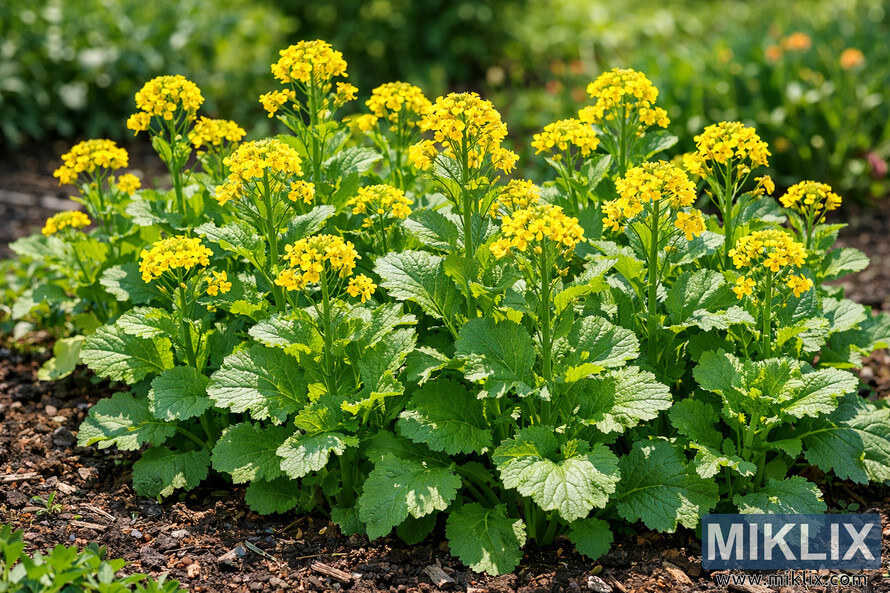
Mustard plants belong to the Brassica family. They produce edible leaves and seeds that become the classic yellow mustard and spicy brown mustard varieties we love. Home gardeners appreciate mustard for its quick growth cycle and minimal maintenance requirements.
This comprehensive guide walks you through everything needed to cultivate thriving mustard plants. You will learn about variety selection, optimal growing conditions, and harvest techniques. Whether you want fresh mustard greens for salads or seeds for homemade condiments, this guide provides the complete roadmap to success.
Understanding Mustard Plant Varieties and Types
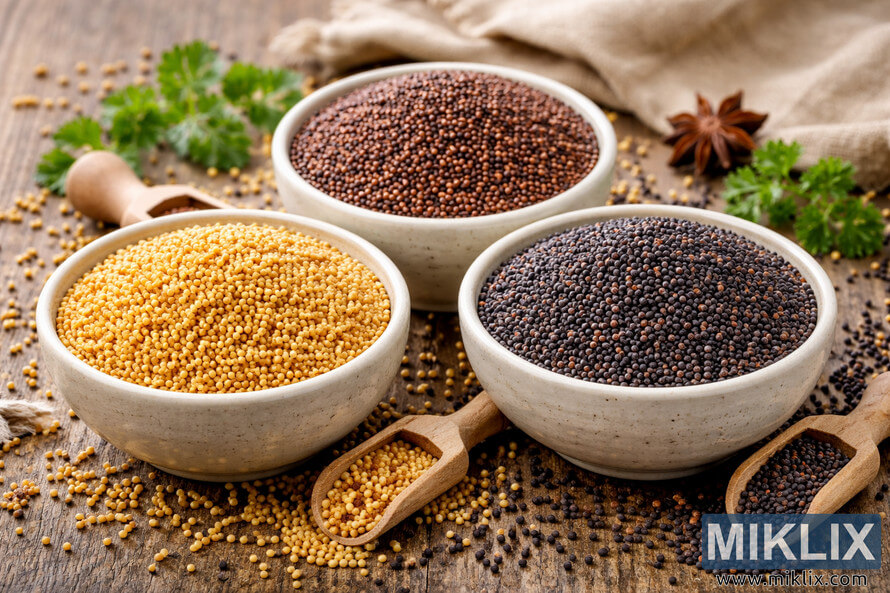
Mustard plants come in several distinct varieties. Each type offers unique characteristics for your garden. Understanding these differences helps you choose the right mustard for your growing goals and climate conditions.
Klik atanapi ketok gambar kanggo inpormasi lengkep sareng résolusi anu langkung luhur.
Yellow Mustard (Sinapis alba)
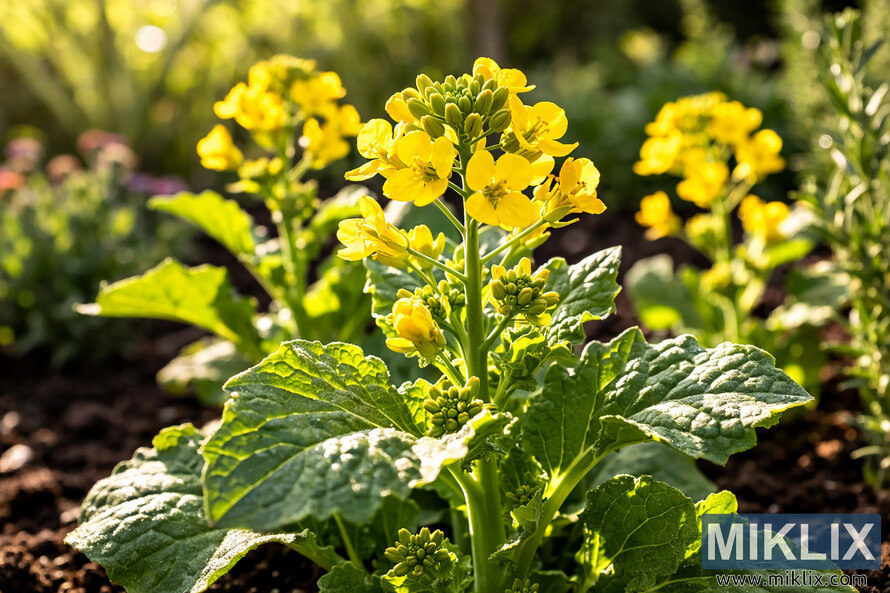
Yellow mustard produces the classic mild yellow mustard seeds. This variety grows quickly and tolerates heat better than other types. The plants reach 2-3 feet tall with bright yellow flowers. Seeds mature in 85-90 days and create the familiar original mild yellow mustard flavor.
Gardeners prefer yellow mustard for its forgiving nature. The leaves taste milder than other varieties. This makes them perfect for fresh salads and sandwiches. Yellow mustard adapts well to various soil types and growing conditions.
Klik atanapi ketok gambar kanggo inpormasi lengkep sareng résolusi anu langkung luhur.
Brown Mustard (Brassica juncea)
Brown mustard creates the spicy brown mustard seeds used in many gourmet preparations. These plants grow vigorously and produce large, textured leaves. The seeds pack more heat than yellow varieties and develop in 90-95 days.
This variety excels in cooler climates. The original spicy brown mustard flavor comes from these seeds. Brown mustard plants can reach 4-5 feet tall. Their robust growth makes them ideal for both seed and leaf production.
Klik atanapi ketok gambar kanggo inpormasi lengkep sareng résolusi anu langkung luhur.
Black Mustard (Brassica nigra)
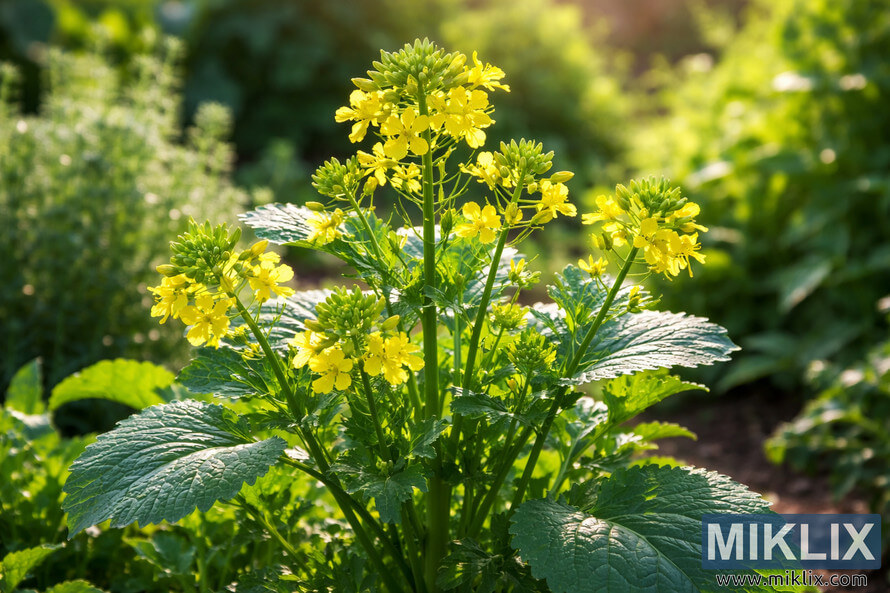
Black mustard produces the most pungent seeds with intense heat. These plants grow wild in many regions and reach impressive heights of 6-8 feet. The seeds are smaller but pack the strongest flavor punch of all mustard varieties.
Growing black mustard requires more space due to its tall stature. The plants produce abundant yellow flowers followed by seed pods. Seeds mature in 100-110 days and create traditional hot mustard preparations.
Klik atanapi ketok gambar kanggo inpormasi lengkep sareng résolusi anu langkung luhur.
Asian Mustard Greens
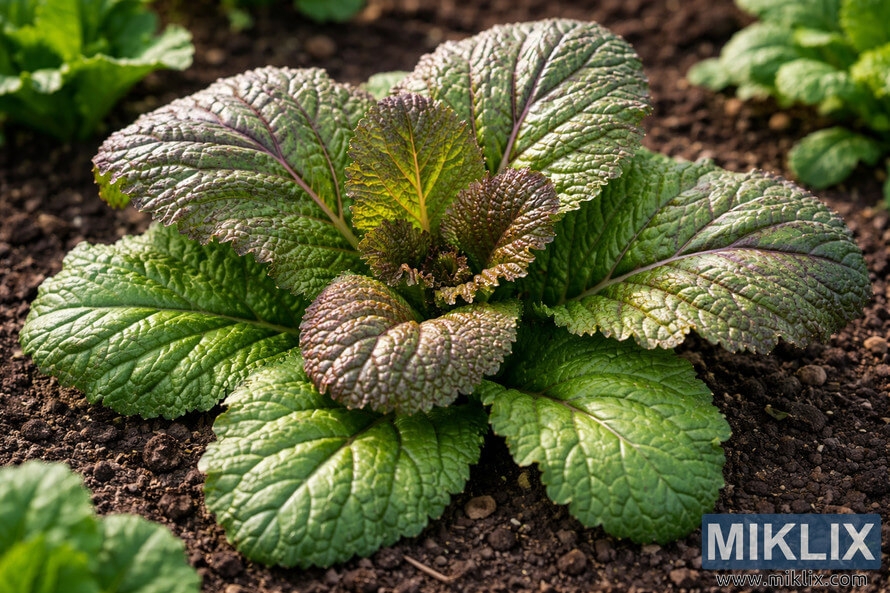
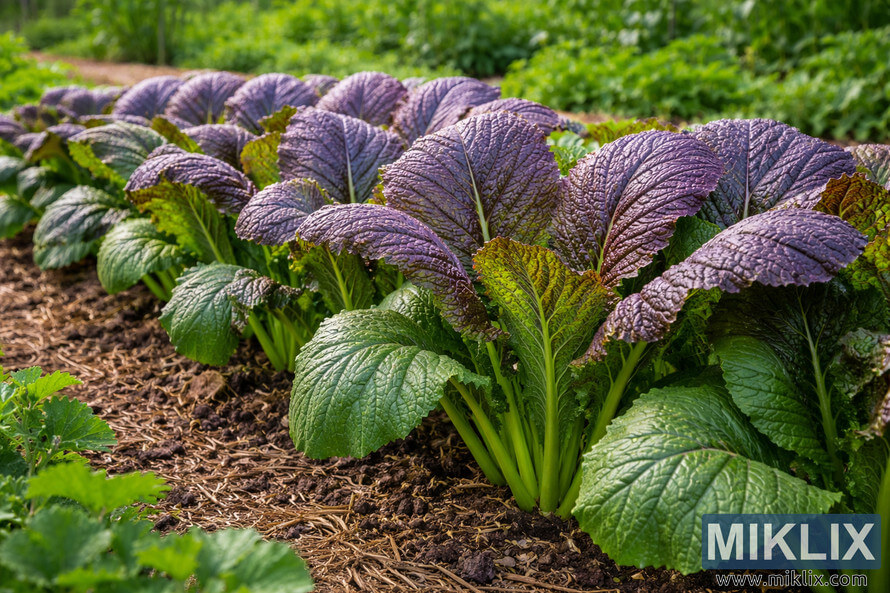
Asian mustard varieties focus on leaf production rather than seeds. Popular types include mizuna, komatsuna, and red giant mustard greens. These plants grow rapidly and provide multiple harvests throughout the season.
The flavors range from mild to spicy. Asian mustards tolerate both heat and cold better than traditional varieties. Many types add beautiful colors to your garden with purple, red, or variegated leaves.
Klik atanapi ketok gambar kanggo inpormasi lengkep sareng résolusi anu langkung luhur.
Creating Ideal Growing Conditions for Mustard Plants
Mustard thrives when provided with specific environmental conditions. These plants prefer cool weather and consistent moisture. Understanding their requirements ensures vigorous growth and abundant harvests from your mustard garden.
Climate and Temperature Requirements
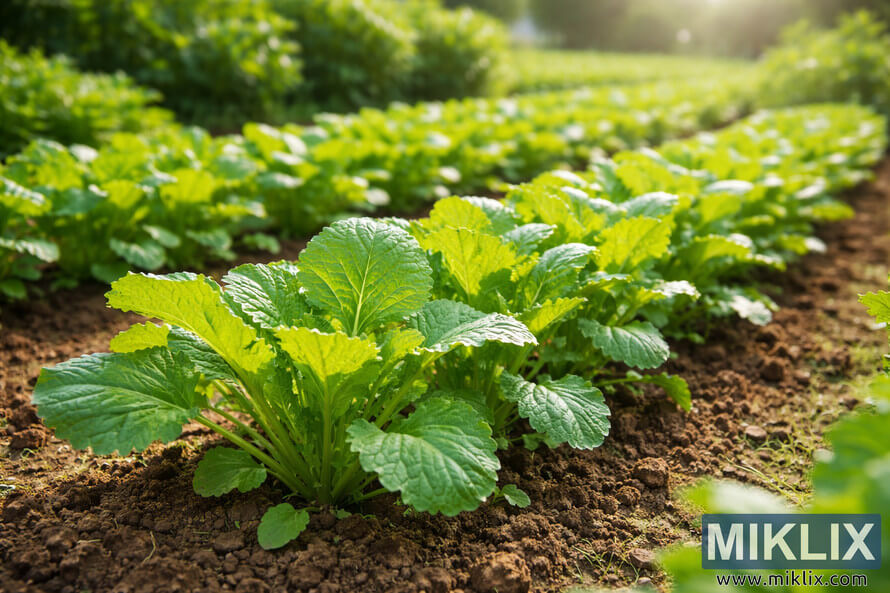
Mustard plants perform best in cool seasons. The ideal temperature range sits between 45-75°F. These plants bolt quickly when temperatures exceed 80°F consistently. This makes spring and fall the prime growing seasons in most regions.
Cold tolerance varies by variety. Most mustard types withstand light frosts down to 28°F. Some Asian varieties tolerate even colder temperatures. In mild climates, you can grow mustard throughout winter months for continuous harvests.
Hot weather causes several problems for mustard plants. The leaves become bitter and tough. Plants bolt rapidly and produce flowers instead of continuing leaf growth. Seeds also develop faster but may have reduced flavor in extreme heat.
Klik atanapi ketok gambar kanggo inpormasi lengkep sareng résolusi anu langkung luhur.
Sunlight Needs for Optimal Growth
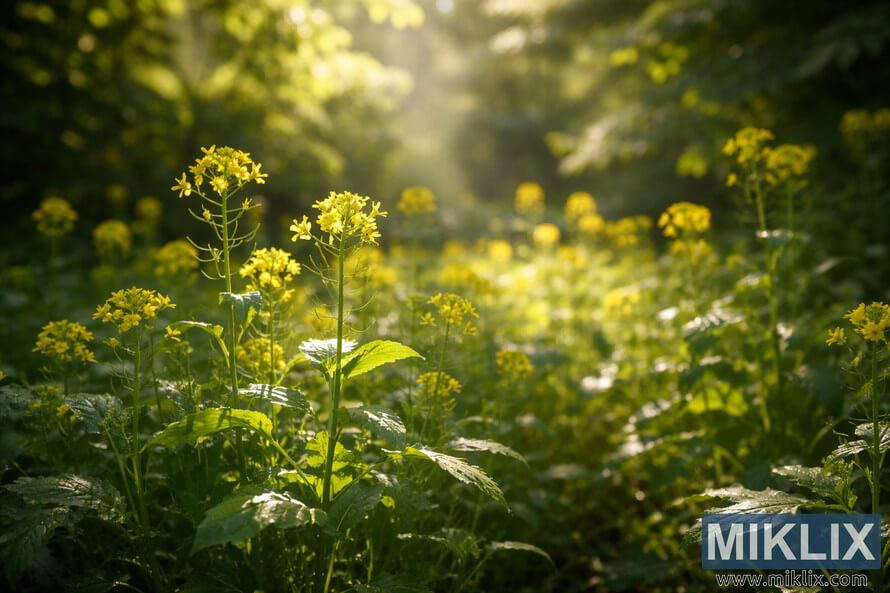
Full sun produces the best results for mustard cultivation. Plants need 6-8 hours of direct sunlight daily. This promotes strong stem development and robust leaf production. Full sun also helps prevent leggy growth and encourages compact plant forms.
Partial shade works acceptably in warmer climates. Afternoon shade can extend the growing season when temperatures rise. Plants receiving 4-6 hours of sun still produce good yields but may grow more slowly. Shade becomes particularly beneficial in summer plantings.
Klik atanapi ketok gambar kanggo inpormasi lengkep sareng résolusi anu langkung luhur.
Soil Composition and pH Levels
Mustard adapts to various soil types but prefers well-draining loamy soil. The plants grow successfully in sandy loam, clay loam, and standard garden soil. Good drainage prevents root rot and other moisture-related diseases.
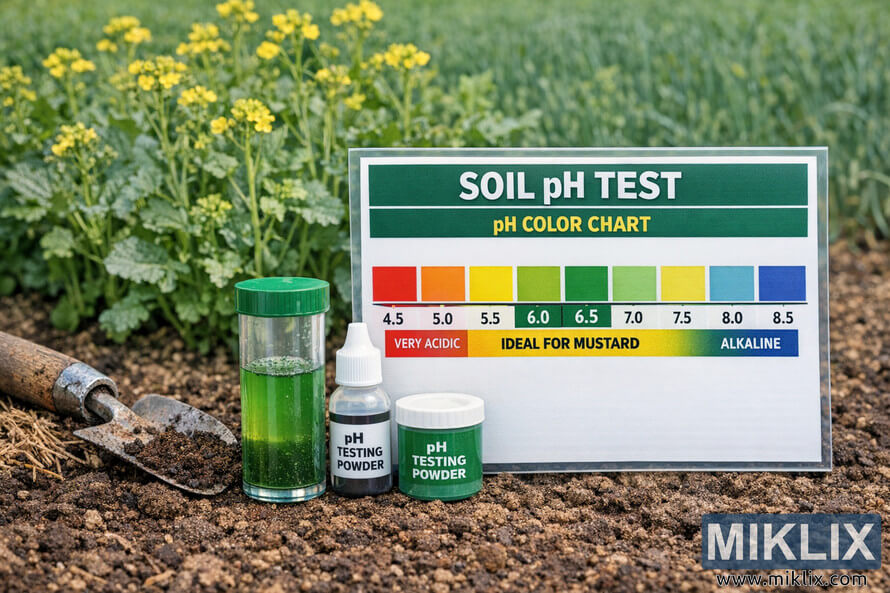
The optimal pH range for mustard cultivation falls between 6.0 and 7.5. Slightly acidic to neutral soil supports nutrient uptake. Test your soil before planting using a simple home test kit. Adjust pH if necessary using lime to raise or sulfur to lower levels.
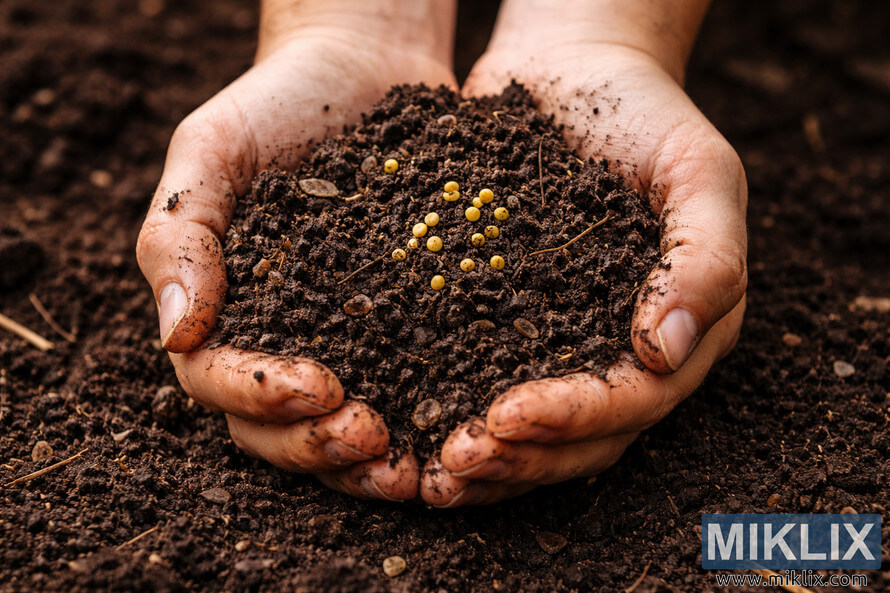
Soil preparation makes a significant difference in plant performance. Work compost or aged manure into the top 6-8 inches before planting. This improves soil structure and provides initial nutrients. Mustard plants are not heavy feeders but appreciate moderate fertility.
Avoid compacted soil that restricts root development. Till or turn the soil thoroughly before planting. Remove rocks, debris, and large clumps. The goal is loose, friable soil that roots can easily penetrate.
Klik atanapi ketok gambar kanggo inpormasi lengkep sareng résolusi anu langkung luhur.
Essential Soil Testing
Accurate soil testing reveals pH levels and nutrient content. This information guides your soil amendments and fertilizer choices. Test kits provide results in minutes without laboratory analysis.
Klik atanapi ketok gambar kanggo inpormasi lengkep sareng résolusi anu langkung luhur.
Climate Zone Considerations
- Zones 3-5: Plant mustard in late spring after last frost or late summer for fall harvest
- Zones 6-7: Enjoy spring and fall plantings with extended growing seasons
- Zones 8-9: Focus on fall through spring growing periods to avoid summer heat
- Zones 10-11: Grow mustard during winter months when temperatures stay cool
Cold frames and row covers extend the growing season in northern zones. These simple structures protect plants from early and late frosts. They also moderate temperature fluctuations that can stress mustard plants.
Southern gardeners benefit from succession planting during cool months. Sow new seeds every 2-3 weeks from fall through spring. This approach provides continuous harvests throughout the extended growing season.
Step-by-Step Mustard Planting Instructions
Proper planting techniques establish strong mustard plants from the start. Following these detailed steps ensures good germination and healthy seedling development. Mustard seeds germinate quickly and require minimal special treatment.
Klik atanapi ketok gambar kanggo inpormasi lengkep sareng résolusi anu langkung luhur.
Timing Your Mustard Planting
Spring planting begins 4-6 weeks before the last expected frost date. Soil temperature should reach at least 40°F for germination. Seeds germinate best when soil temperatures range between 45-85°F. Check your local frost dates and count backward for ideal timing.
Fall planting offers excellent results in many regions. Sow seeds 6-8 weeks before the first expected fall frost. Fall-planted mustard often produces superior flavor due to cooler temperatures. The plants also experience fewer pest problems during autumn months.
Direct Seeding Method
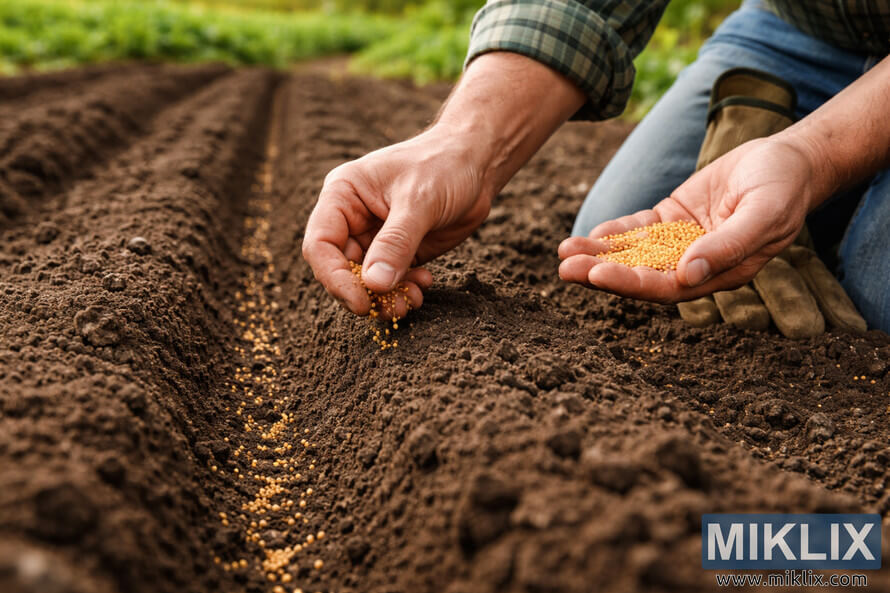
Direct seeding works best for mustard cultivation. These plants develop strong taproots that dislike transplanting. Prepare your garden bed by raking the soil smooth and removing any debris or clumps.
Create shallow furrows about 1/4 to 1/2 inch deep. Space rows 12-18 inches apart for easy maintenance access. Drop seeds along the furrow every 1-2 inches. This dense initial spacing allows for thinning later while ensuring good stand establishment.
Cover seeds lightly with fine soil. Press down gently to ensure good seed-to-soil contact. This contact is essential for moisture absorption and germination. Water the planted area gently using a fine spray to avoid washing away seeds.
Klik atanapi ketok gambar kanggo inpormasi lengkep sareng résolusi anu langkung luhur.
Proper Seed Depth and Spacing
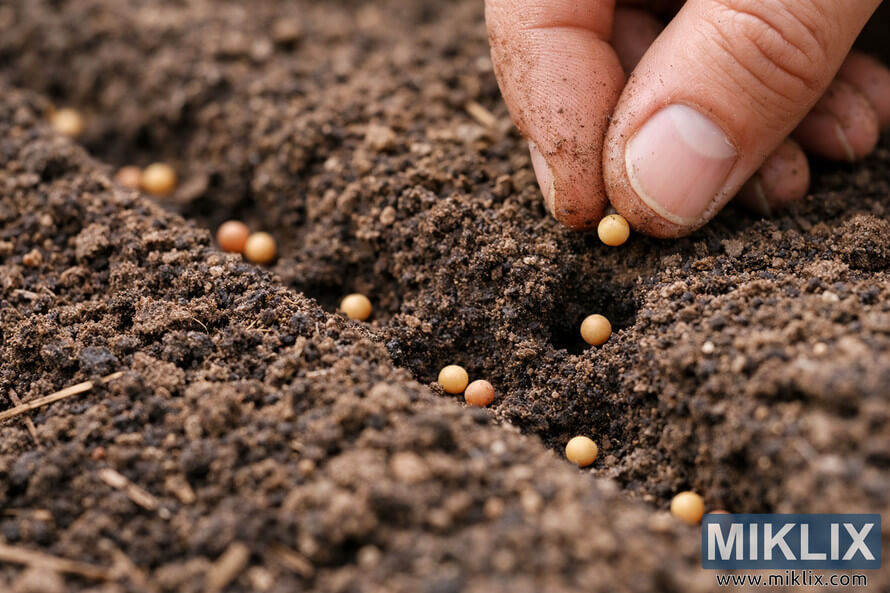
Seed depth directly affects germination success. Plant mustard seeds 1/4 inch deep in heavy clay soils. Use 1/2 inch depth in sandy or loamy soils. Deeper planting delays emergence while shallow seeds may dry out before germinating.
Initial spacing can be dense since you will thin seedlings later. Space seeds 1-2 inches apart within rows. This accounts for germination rates below 100 percent. Dense planting also helps suppress weeds during early growth stages.
Leaf Production Spacing
- Thin seedlings to 3-4 inches apart
- Allows multiple harvests of greens
- Promotes tender, mild-flavored leaves
- Reduces competition between plants
- Easier pest and disease management
Seed Production Spacing
- Thin seedlings to 8-12 inches apart
- Allows full plant development
- Maximizes seed pod production
- Improves air circulation between plants
- Produces larger, more robust plants
Container Growing Options
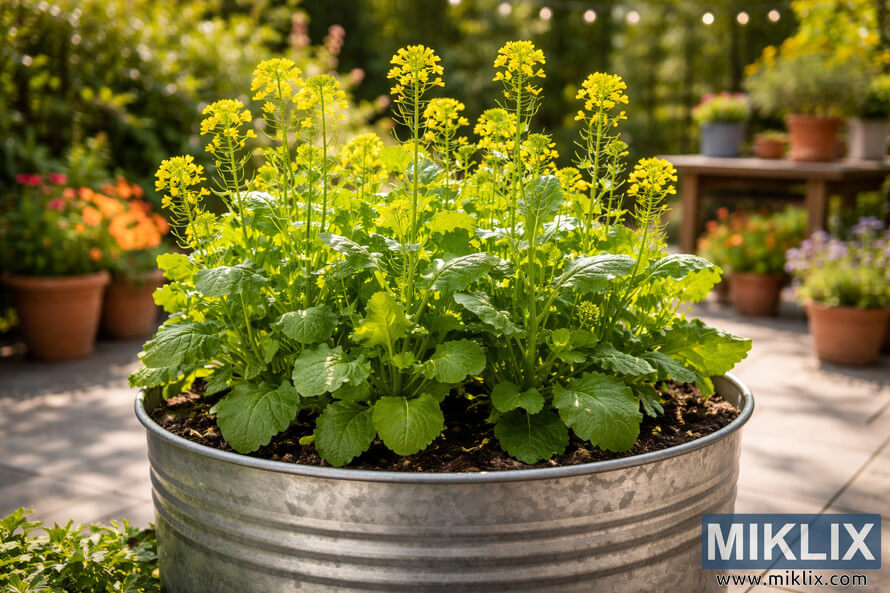
Container growing suits gardeners with limited space. Choose containers at least 8-10 inches deep for leaf production. Seed production requires deeper containers of 12-15 inches to accommodate mature root systems.
Select containers with adequate drainage holes. Fill with quality potting mix rather than garden soil. Potting mix provides better drainage and aeration for container conditions. Add slow-release fertilizer to the mix before planting.
Space seeds 2-3 inches apart in containers. This closer spacing works well for containers since you can control moisture and nutrients more precisely. Containers also allow you to move plants to optimal light conditions throughout the day.
Klik atanapi ketok gambar kanggo inpormasi lengkep sareng résolusi anu langkung luhur.
Germination Timeline and Expectations
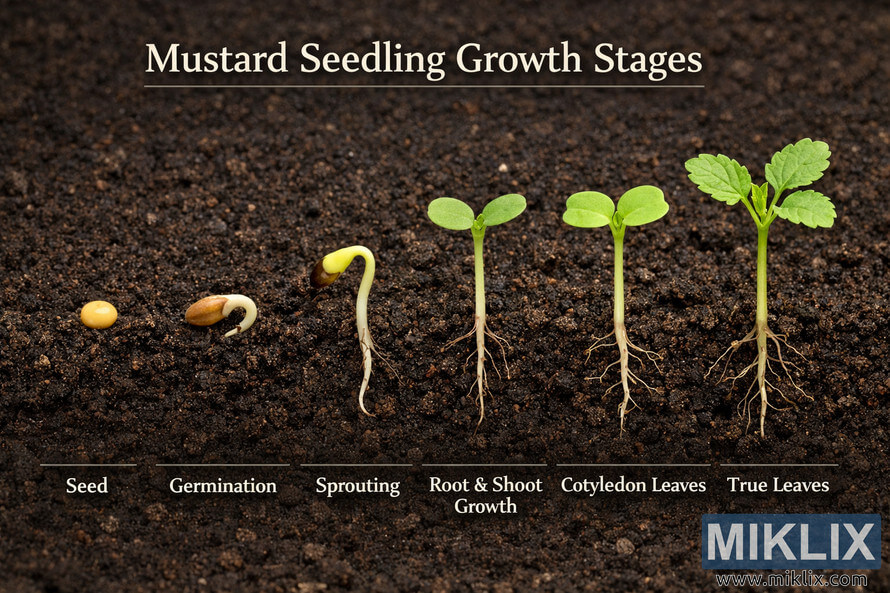
Mustard seeds germinate rapidly under proper conditions. Seedlings emerge in 3-7 days when soil temperatures range between 55-75°F. Cooler temperatures slow germination to 10-14 days. Warmer conditions speed the process to 3-4 days.
Watch for the first seedling leaves called cotyledons. These initial leaves look different from the true leaves that follow. True leaves appear within 7-10 days after germination. These jagged leaves indicate healthy development.
Thin seedlings when they reach 2-3 inches tall. Use scissors to cut unwanted seedlings at soil level rather than pulling them. Pulling disturbs the roots of nearby seedlings you want to keep. The thinned seedlings make excellent additions to salads with their mild, spicy flavor.
Klik atanapi ketok gambar kanggo inpormasi lengkep sareng résolusi anu langkung luhur.
Watering and Fertilizing Your Mustard Plants
Consistent moisture and appropriate nutrients keep mustard plants thriving. These fast-growing plants need regular attention to watering and feeding schedules. Proper care produces tender leaves and healthy seed development depending on your growing goals.
Klik atanapi ketok gambar kanggo inpormasi lengkep sareng résolusi anu langkung luhur.
Establishing a Watering Schedule
Mustard plants require consistent soil moisture throughout their growing period. The soil should stay evenly moist but never waterlogged. Check soil moisture daily by inserting your finger 1-2 inches deep. Water when the soil feels dry at this depth.
Young seedlings need more frequent watering than established plants. Water daily or every other day during germination and early growth stages. Once plants reach 4-6 inches tall, reduce frequency to 2-3 times per week depending on weather conditions.
Deep watering promotes strong root development. Apply enough water to moisten the soil 6-8 inches deep. This encourages roots to grow downward seeking moisture. Shallow, frequent watering creates weak surface roots vulnerable to heat stress.
Morning watering works best for mustard plants. This timing allows foliage to dry before evening. Wet leaves overnight can promote fungal diseases. Afternoon watering during hot weather causes excessive evaporation before plants absorb moisture.
Klik atanapi ketok gambar kanggo inpormasi lengkep sareng résolusi anu langkung luhur.
Irrigation Methods for Mustard Gardens
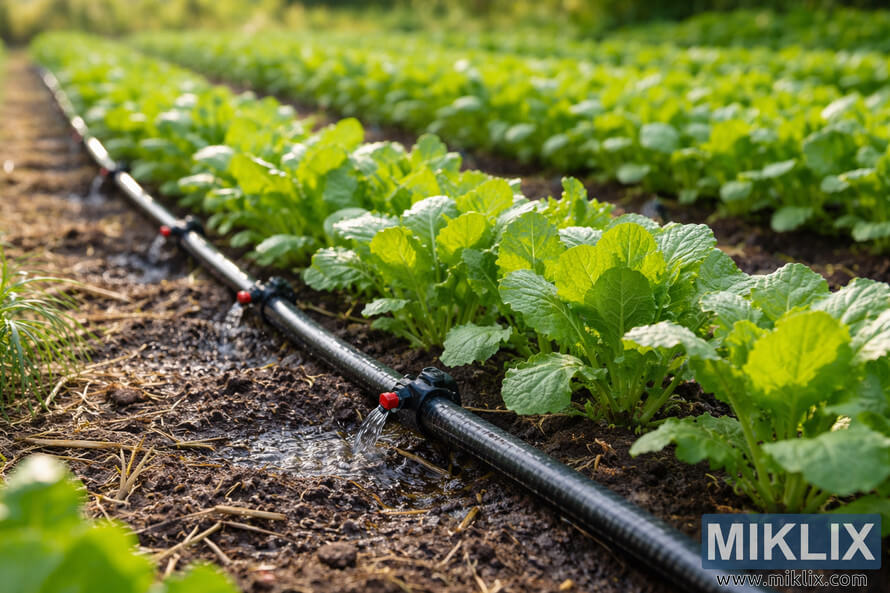
Drip irrigation provides the most efficient watering method. This system delivers water directly to root zones while keeping foliage dry. Drip lines also conserve water by reducing evaporation. Set timers to automate watering schedules for convenience.
Soaker hoses offer a budget-friendly alternative to drip systems. These porous hoses leak water along their entire length. Lay them along plant rows and cover with mulch. This setup provides steady moisture while conserving water resources.
Hand watering works well for small gardens and containers. Use a watering wand with a soft spray setting. Water at the base of plants rather than overhead. This method gives you direct control but requires daily attention and time commitment.
Fertilization Requirements and Schedule
Mustard plants benefit from moderate fertilization throughout the growing season. These plants are not heavy feeders but respond well to balanced nutrition. The fertilizer needs differ based on whether you grow for leaves or seeds.
Apply a balanced fertilizer at planting time. A 10-10-10 formulation works well for general mustard cultivation. Mix granular fertilizer into the soil before seeding following package directions. This provides initial nutrients for establishment.
Side-dress established plants every 3-4 weeks for leaf production. Apply nitrogen-rich fertilizer along plant rows staying 4-6 inches from stems. Water thoroughly after fertilizing to help nutrients reach root zones. This regular feeding promotes continuous tender leaf growth.
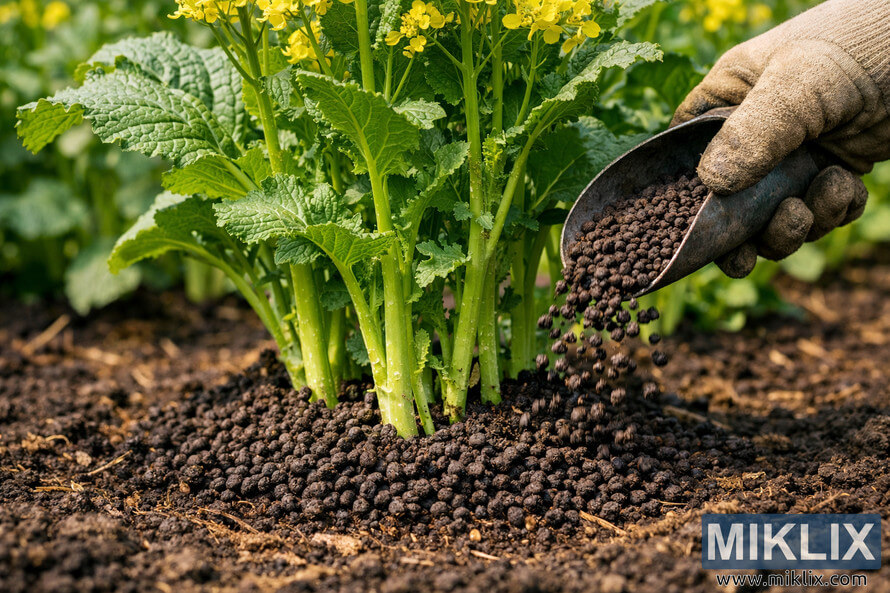
Klik atanapi ketok gambar kanggo inpormasi lengkep sareng résolusi anu langkung luhur.
Organic Fertilizer Options
- Compost tea: Dilute and apply every 2 weeks for gentle nutrition
- Fish emulsion: Provides nitrogen boost for leaf production
- Blood meal: High nitrogen organic option for rapid growth
- Aged manure: Work into soil before planting for slow-release nutrients
- Bone meal: Adds phosphorus for root and seed development
Signs of Nutrient Deficiency
- Yellow lower leaves indicate nitrogen deficiency
- Purple leaf tints suggest phosphorus shortage
- Brown leaf edges signal potassium deficiency
- Stunted growth indicates overall nutrient insufficiency
- Pale leaves throughout plant suggest iron deficiency
Mulching Benefits for Moisture Retention
Mulching conserves soil moisture and regulates temperature. Apply 2-3 inches of organic mulch around plants once they reach 4-6 inches tall. Keep mulch 2-3 inches away from plant stems to prevent rot and pest problems.
Straw and shredded leaves make excellent mustard mulches. These materials decompose gradually and add organic matter to soil. Grass clippings also work well but apply thin layers to prevent matting. Refresh mulch as it decomposes throughout the season.
Mulch reduces watering frequency by slowing evaporation. It also suppresses weed growth that competes for moisture and nutrients. Dark mulches warm soil in spring while light-colored mulches keep soil cooler in summer.
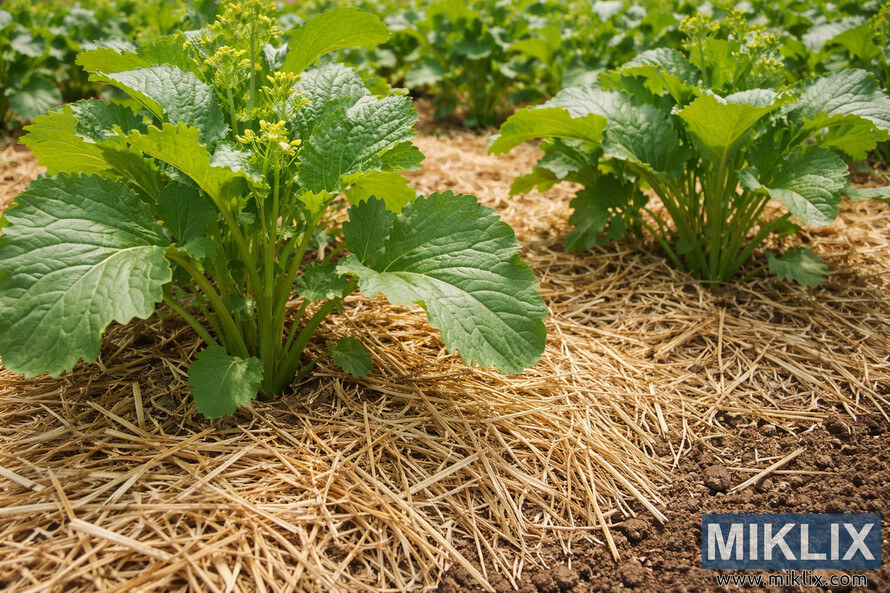
Klik atanapi ketok gambar kanggo inpormasi lengkep sareng résolusi anu langkung luhur.
Managing Common Mustard Pests and Diseases
Mustard plants face several common pests and diseases. Early identification and prompt treatment prevent serious damage to your crop. Many problems have simple organic solutions that protect both plants and beneficial insects.
Flea Beetles and Their Control
Flea beetles are the most common mustard pest. These tiny black insects create small holes in leaves giving a shot-hole appearance. Heavy infestations can damage young seedlings significantly. Adults jump when disturbed making them distinctive.
Row covers provide excellent flea beetle protection. Install covers immediately after planting and remove when plants grow larger and can tolerate damage. The physical barrier prevents beetles from reaching plants while allowing light and water penetration.
Diatomaceous earth offers organic control when dusted on foliage. Reapply after rain or heavy dew. Neem oil sprays also repel flea beetles effectively. Apply in early morning or evening to avoid leaf burn.
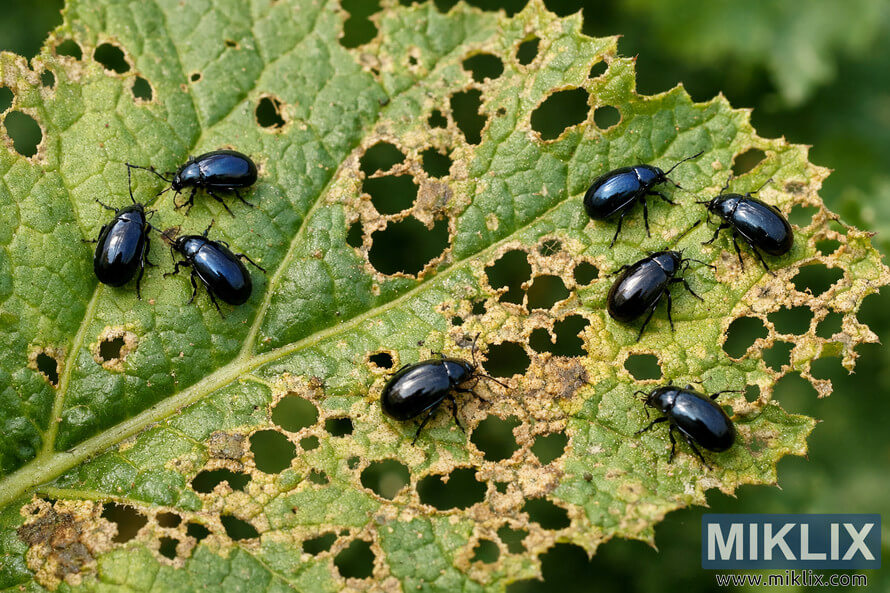
Klik atanapi ketok gambar kanggo inpormasi lengkep sareng résolusi anu langkung luhur.
Cabbage Worms and Loopers
Cabbage worms and loopers chew large holes in mustard leaves. These green caterpillars blend with foliage making them difficult to spot. Look for their dark droppings on leaves as a telltale sign of infestation.
Hand-picking works well for small gardens. Check plants daily and remove caterpillars by hand. Drop them into soapy water to prevent return. This method requires time but provides effective control without chemicals.
Bacillus thuringiensis (Bt) offers safe organic control. This natural bacteria affects only caterpillars without harming beneficial insects. Spray according to label directions when caterpillars are small for best results. Reapply after rain.
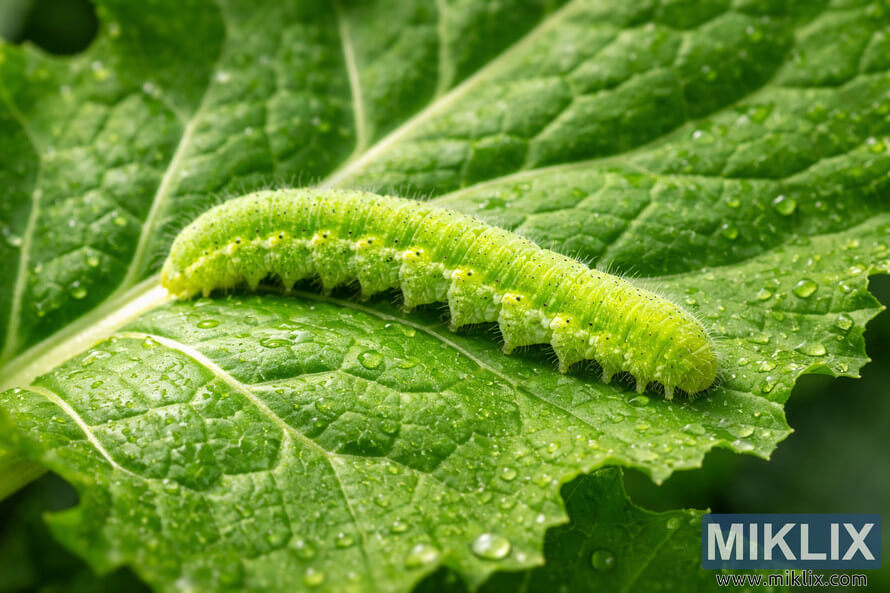
Klik atanapi ketok gambar kanggo inpormasi lengkep sareng résolusi anu langkung luhur.
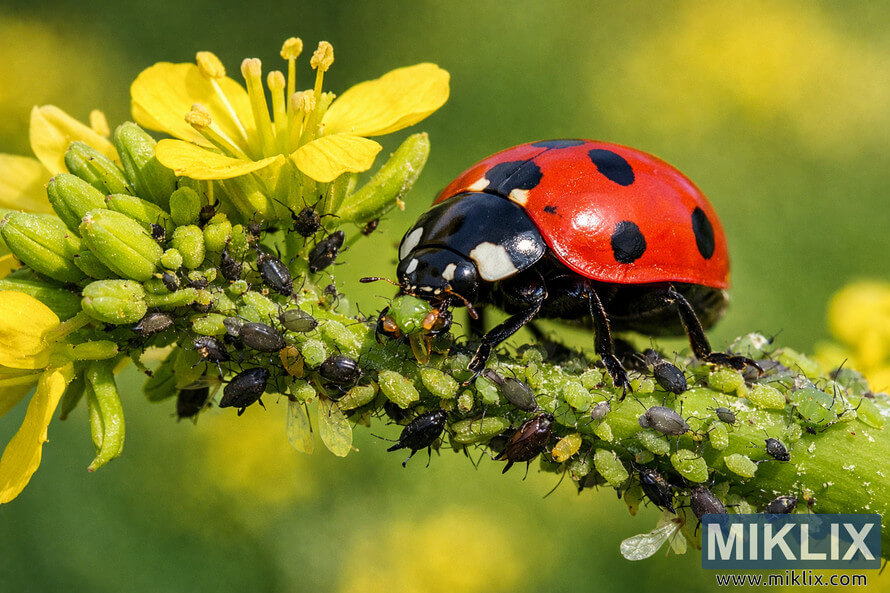
Aphid Infestations
Aphids cluster on new growth and leaf undersides. These small soft-bodied insects suck plant juices causing distorted growth. They also transmit plant viruses and excrete honeydew that attracts ants and promotes sooty mold.
Strong water sprays dislodge aphids from plants effectively. Use a garden hose to blast aphids off leaves in early morning. Repeat every few days until populations decrease. This method works best for light to moderate infestations.
Insecticidal soap provides safe aphid control. Mix according to directions and spray entire plant surfaces including undersides. Apply in early morning or late evening. Avoid spraying during hot midday sun to prevent leaf damage.
Klik atanapi ketok gambar kanggo inpormasi lengkep sareng résolusi anu langkung luhur.
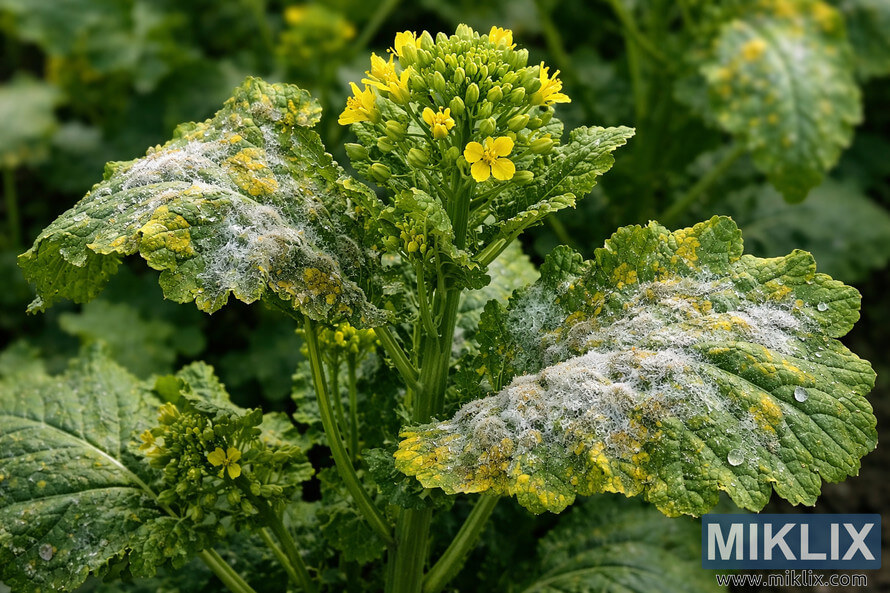
Downy Mildew Prevention
Downy mildew appears as yellow patches on upper leaf surfaces with fuzzy gray growth underneath. This fungal disease thrives in cool, wet conditions. Severe infections cause leaf yellowing and plant decline.
Proper spacing prevents downy mildew by improving air circulation. Avoid overhead watering that keeps foliage wet. Water in morning so leaves dry quickly. Remove infected leaves promptly to prevent disease spread.
Copper-based fungicides control downy mildew organically. Apply preventatively in cool, humid weather before symptoms appear. Follow label directions carefully. Rotate fungicides to prevent resistance development.
Klik atanapi ketok gambar kanggo inpormasi lengkep sareng résolusi anu langkung luhur.
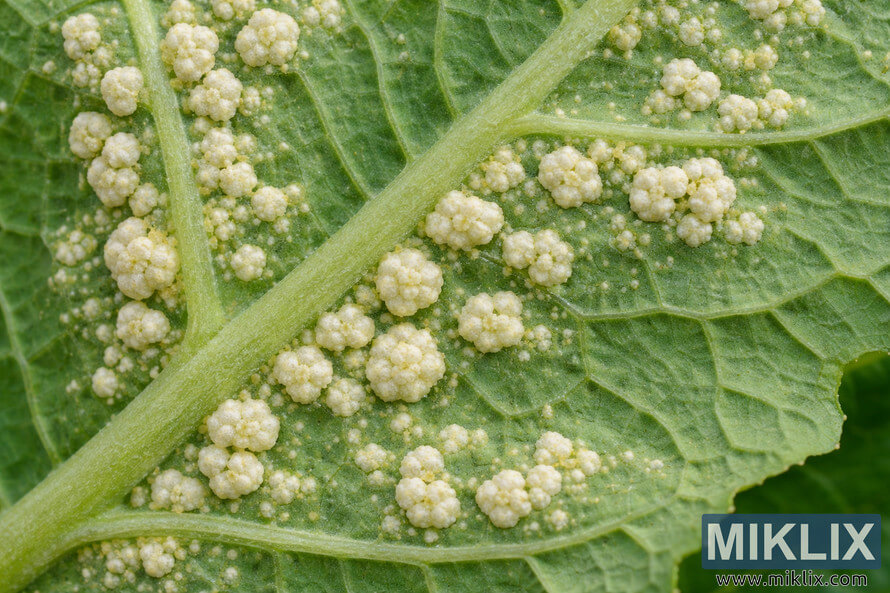
White Rust Management
White rust creates white pustules on leaf undersides. This fungal disease causes leaf distortion and stunting. Cool temperatures and high humidity favor disease development. Infected plants may produce deformed leaves and poor growth.
Plant resistant varieties when available. Space plants properly for good air flow. Remove infected plant parts immediately. Destroy diseased material rather than composting to prevent spore spread.
Sulfur fungicides provide organic white rust control. Apply at first sign of disease or preventatively in conditions favoring infection. Avoid sulfur applications when temperatures exceed 85°F as this can burn leaves.
Klik atanapi ketok gambar kanggo inpormasi lengkep sareng résolusi anu langkung luhur.
Integrated Pest Management Strategies
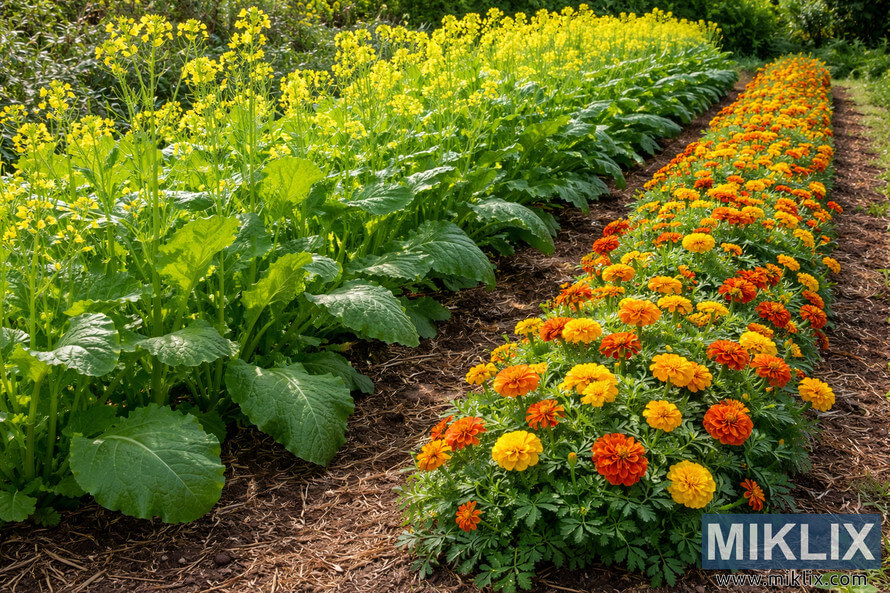
Companion planting deters many mustard pests naturally. Plant aromatic herbs like dill, cilantro, and fennel near mustard. These attract beneficial insects that prey on common pests. Marigolds also repel some harmful insects.
Crop rotation prevents soil-borne disease buildup. Avoid planting mustard or related crops in the same location more than once every three years. This simple practice breaks pest and disease cycles effectively.
Encourage beneficial insects by providing diverse habitat. Plant flowers that attract ladybugs, lacewings, and parasitic wasps. These predators control many mustard pests naturally. Avoid broad-spectrum pesticides that harm beneficial species along with pests.
Harvesting Your Mustard Crop Successfully
Proper harvesting techniques maximize your mustard yield and quality. The timing and method depend on whether you grow mustard for leaves or seeds. Understanding these details ensures you enjoy the best flavors and textures from your garden.
Klik atanapi ketok gambar kanggo inpormasi lengkep sareng résolusi anu langkung luhur.
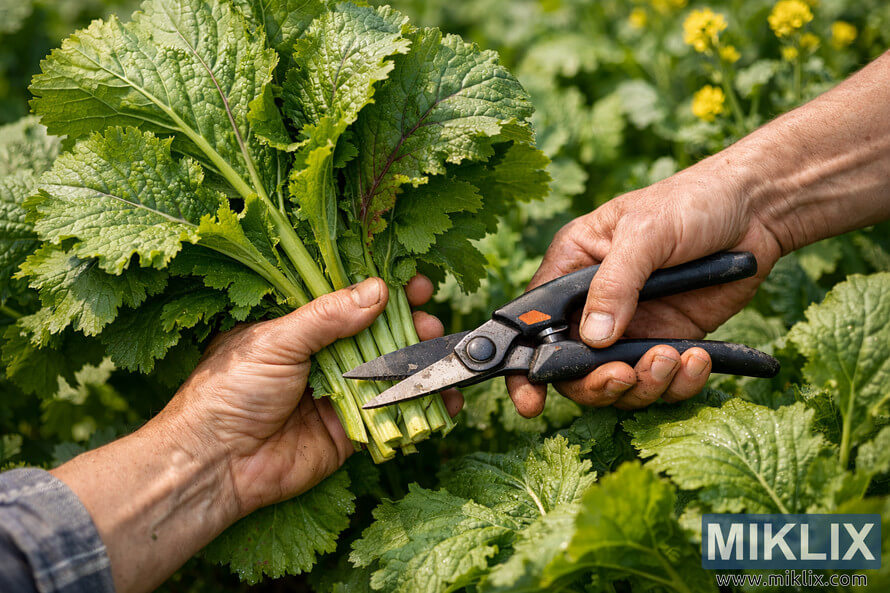
Harvesting Mustard Greens for Fresh Use
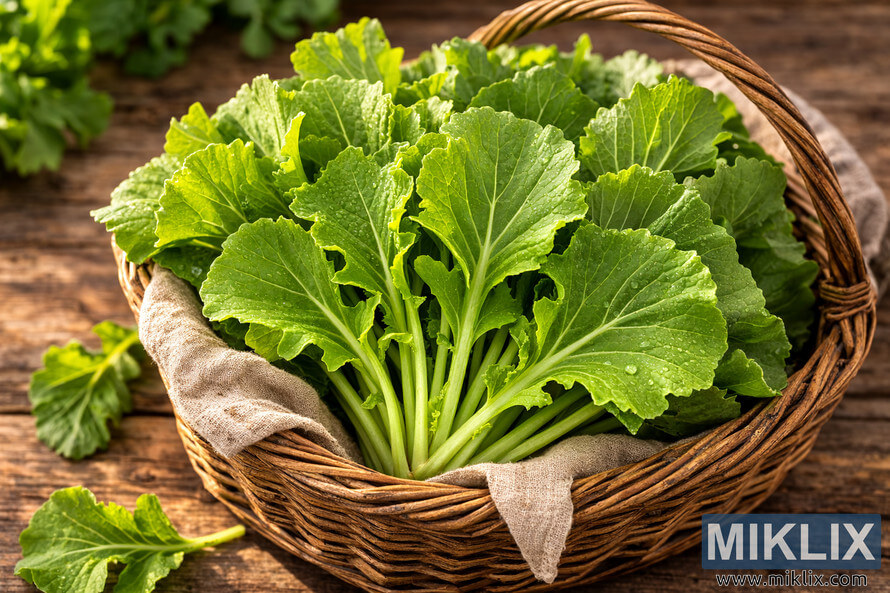
Mustard greens reach harvest size quickly. Young leaves become ready in just 30-40 days after planting. These tender leaves offer the mildest flavor perfect for fresh salads and sandwiches. Harvest young for the best taste and texture.
Cut outer leaves first using clean scissors or a sharp knife. Leave the central growing point intact for continued production. This cut-and-come-again method provides multiple harvests from the same plants throughout the season.
Harvest leaves in early morning when they are crisp and turgid. Morning picking ensures the best texture and storage quality. Leaves harvested during hot afternoon hours wilt quickly and may taste more bitter.
Leaf size affects flavor intensity. Small leaves of 3-4 inches taste mild and tender. Medium leaves of 5-7 inches develop more mustard flavor. Large mature leaves beyond 8 inches become quite spicy and tougher. Choose size based on your taste preferences.
Klik atanapi ketok gambar kanggo inpormasi lengkep sareng résolusi anu langkung luhur.
Timing Seed Harvest Properly
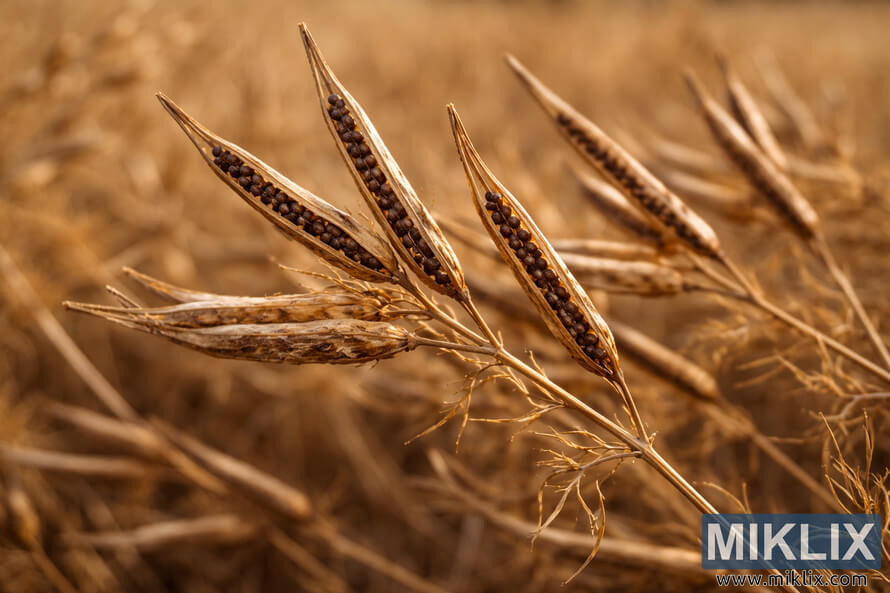
Seed production requires longer growing periods than leaf harvests. Allow plants to flower and form seed pods. This process takes 90-120 days depending on variety and weather conditions. The plants will naturally shift focus from leaf to seed production.
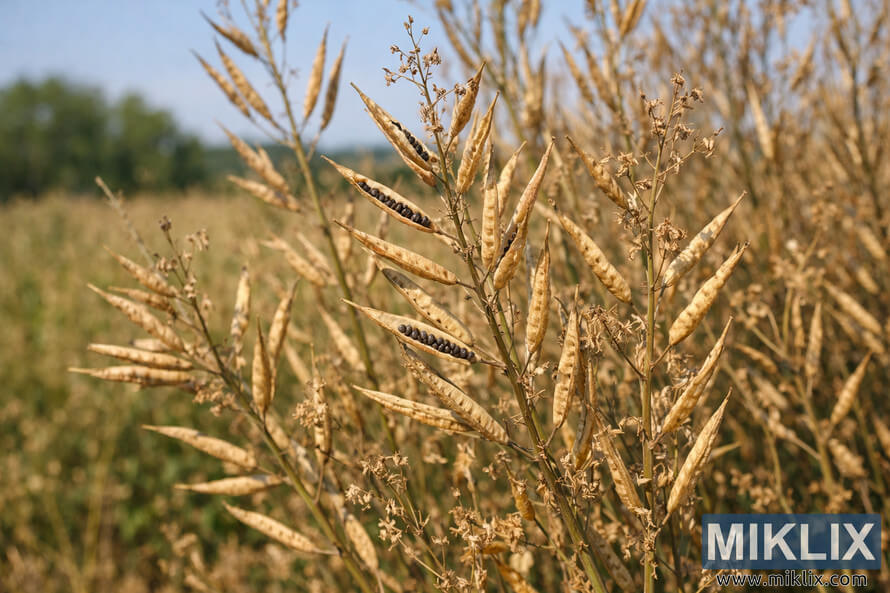
Watch for seed pod maturity carefully. Pods turn from green to brown or tan as seeds mature inside. The pods should feel dry and crispy when ready. Seeds inside change from green to brown, black, or yellow depending on variety.
Harvest seed pods before they shatter naturally. Check pods daily once they begin browning. Cut entire seed stalks when most pods on the plant have turned brown. Some green pods remaining is acceptable.
Bundle harvested stalks and hang upside down in a dry, well-ventilated area. Place paper bags or sheets underneath to catch seeds as pods shatter. Allow stalks to dry completely for 1-2 weeks before processing.
Klik atanapi ketok gambar kanggo inpormasi lengkep sareng résolusi anu langkung luhur.
Processing and Cleaning Mustard Seeds
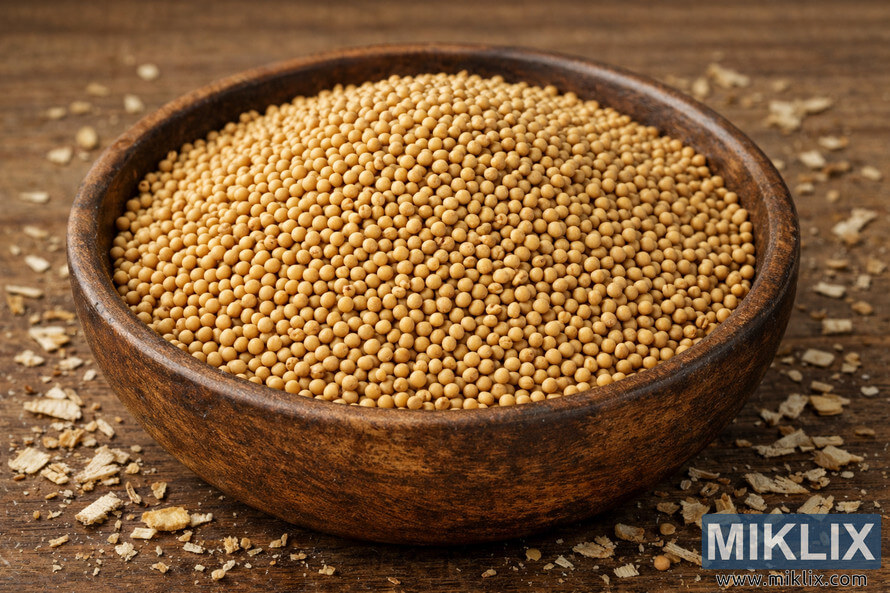
Once stalks are fully dry, remove seeds from pods. Rub dried pods between your hands over a container. The seeds separate easily from dried pod material. This threshing process releases seeds efficiently.
Winnowing removes chaff from seeds. Pour seeds slowly between containers outdoors on a breezy day. The wind carries away light chaff while heavier seeds fall into the lower container. Repeat until seeds are clean.
Screen seeds through fine mesh to remove any remaining debris. Store cleaned seeds in airtight containers in a cool, dark location. Properly processed and stored mustard seeds maintain quality for 2-3 years.
Klik atanapi ketok gambar kanggo inpormasi lengkep sareng résolusi anu langkung luhur.
Successive Harvesting Methods
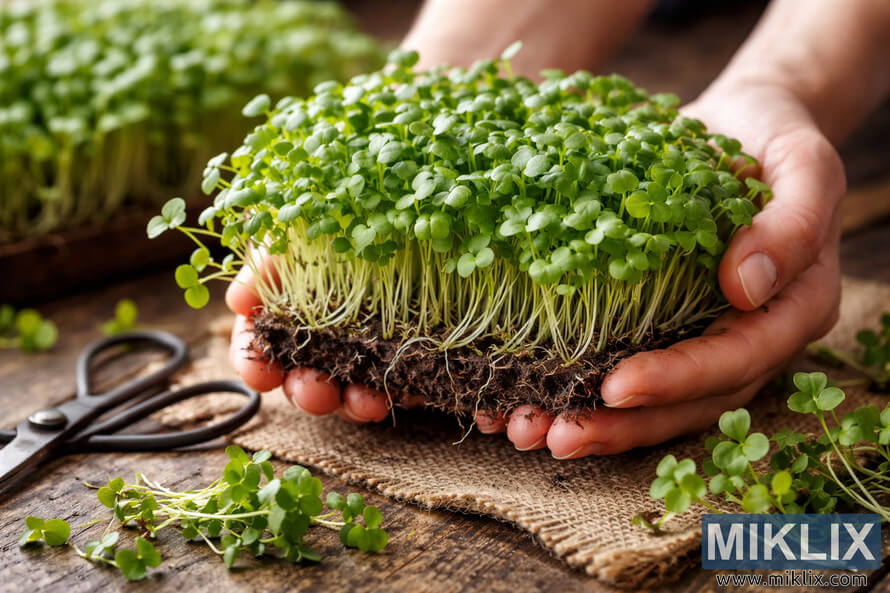
Baby greens harvest involves cutting entire plants at soil level when 3-4 inches tall. This microgreens approach provides tender, mild leaves perfect for salads. Replant every 2-3 weeks for continuous baby green production throughout the season.
Cut-and-come-again harvesting extends production from established plants. Remove outer leaves regularly while allowing the central crown to continue growing. This method provides harvests for several months from a single planting.
Single harvest involves cutting entire mature plants at once. This works best when growing for seeds or when weather turns hot. Pull entire plants when leaves reach desired size or when bolting begins.
Klik atanapi ketok gambar kanggo inpormasi lengkep sareng résolusi anu langkung luhur.
Baby Greens Harvest
Harvest at 20-30 days when plants reach 3-4 inches. Cut entire plants at soil level. Mild, tender leaves perfect for fresh salads.
Klik atanapi ketok gambar kanggo inpormasi lengkep sareng résolusi anu langkung luhur.
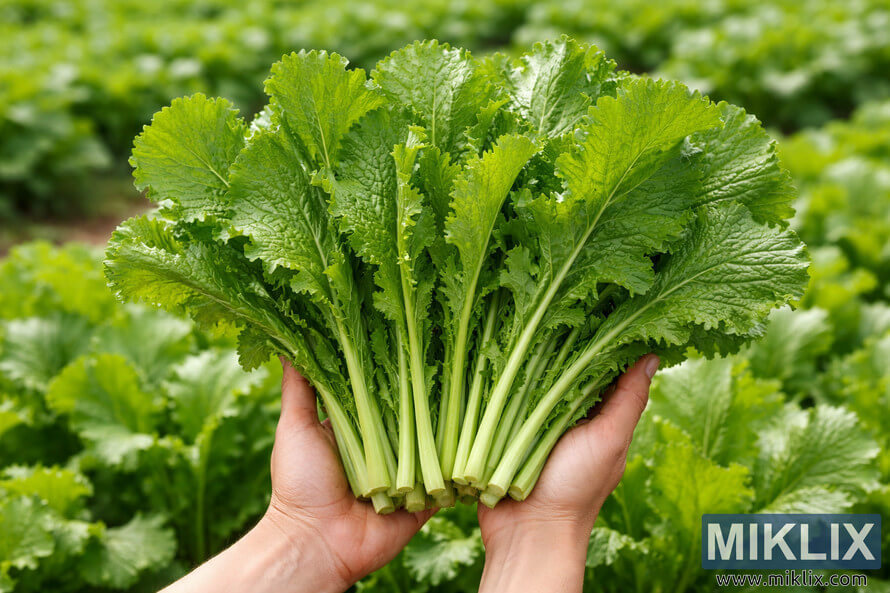
Mature Leaf Harvest
Harvest at 40-50 days when leaves reach 5-8 inches. Cut outer leaves leaving center growth. Developed mustard flavor for cooking.
Klik atanapi ketok gambar kanggo inpormasi lengkep sareng résolusi anu langkung luhur.
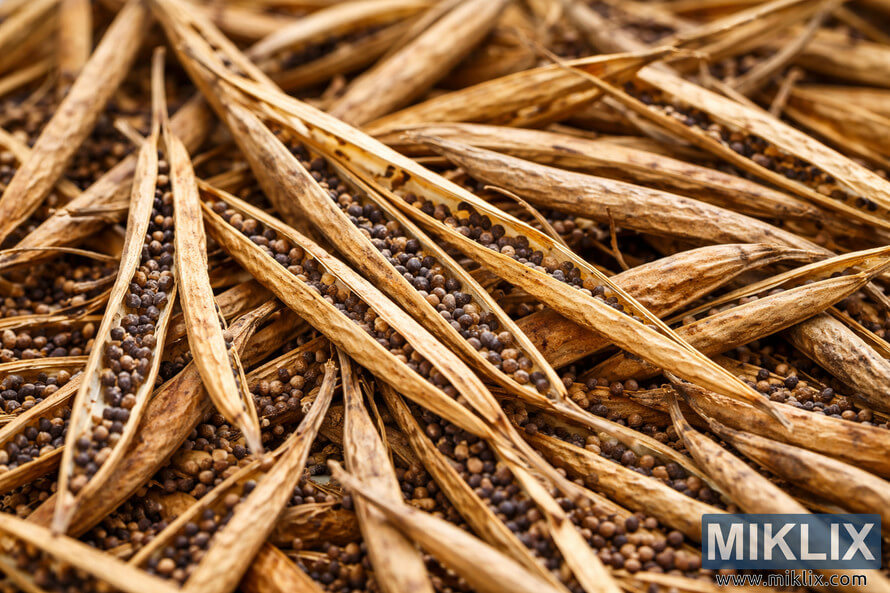
Seed Harvest
Harvest at 90-120 days when pods turn brown. Cut entire stalks and hang to dry. Process seeds for culinary use or replanting.
Storing and Using Your Homegrown Mustard
Proper storage extends the life of your mustard harvest. Fresh leaves and dried seeds each require specific handling. Following these storage guidelines preserves quality and flavor for maximum enjoyment of your homegrown crop.
Fresh Leaf Storage Methods
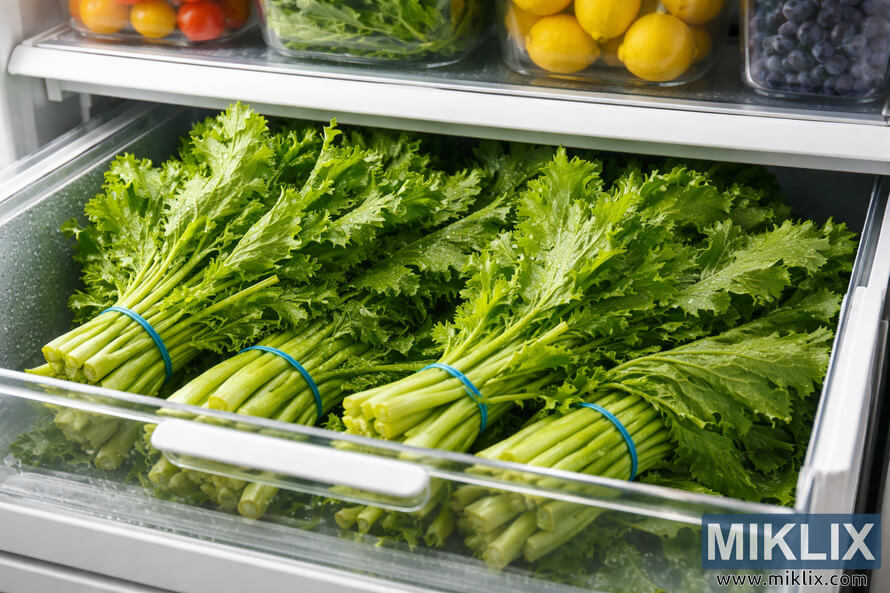
Fresh mustard greens stay crisp for 5-7 days with proper storage. Wash leaves thoroughly and shake off excess water. Pat dry gently with clean towels removing as much moisture as possible. Excess water promotes rapid deterioration.
Wrap cleaned leaves loosely in paper towels. Place wrapped bundles in perforated plastic bags or containers. Store in the refrigerator crisper drawer. The paper towels absorb moisture while the perforations provide air circulation.
Check stored greens daily and remove any yellowing or damaged leaves. Change damp paper towels as needed. This vigilance prevents spoilage from spreading to healthy leaves. Proper monitoring extends storage life significantly.
Klik atanapi ketok gambar kanggo inpormasi lengkep sareng résolusi anu langkung luhur.
Freezing Mustard Greens
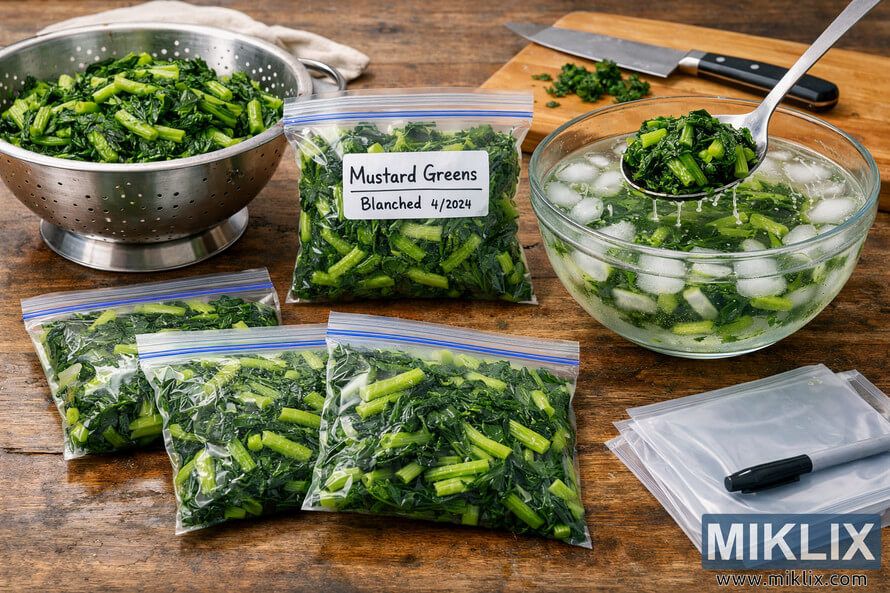
Freezing preserves mustard greens for 10-12 months. Blanch leaves first by plunging them into boiling water for 2-3 minutes. This step stops enzyme activity that causes flavor and texture loss. Transfer immediately to ice water to halt cooking.
Drain blanched greens thoroughly and squeeze out excess water. Chop leaves into desired sizes before freezing. Pack into freezer bags removing as much air as possible. Label bags with date and contents for easy identification.
Freeze flat bags in single layers initially. Once frozen solid, stack bags to save freezer space. Frozen mustard greens work excellently in cooked dishes like soups, stir-fries, and casseroles. The texture changes prevent use in fresh salads.
Klik atanapi ketok gambar kanggo inpormasi lengkep sareng résolusi anu langkung luhur.
Drying and Storing Mustard Seeds
Proper seed drying prevents mold growth during storage. Spread cleaned seeds on screens or trays in a single layer. Place in a warm, dry location with good air circulation. Avoid direct sunlight which can degrade seed quality.
Seeds require 1-2 weeks to dry completely. Test dryness by biting a seed. Properly dried seeds crack rather than dent. Under-dried seeds develop mold during storage. Over-dried seeds may lose viability for planting.
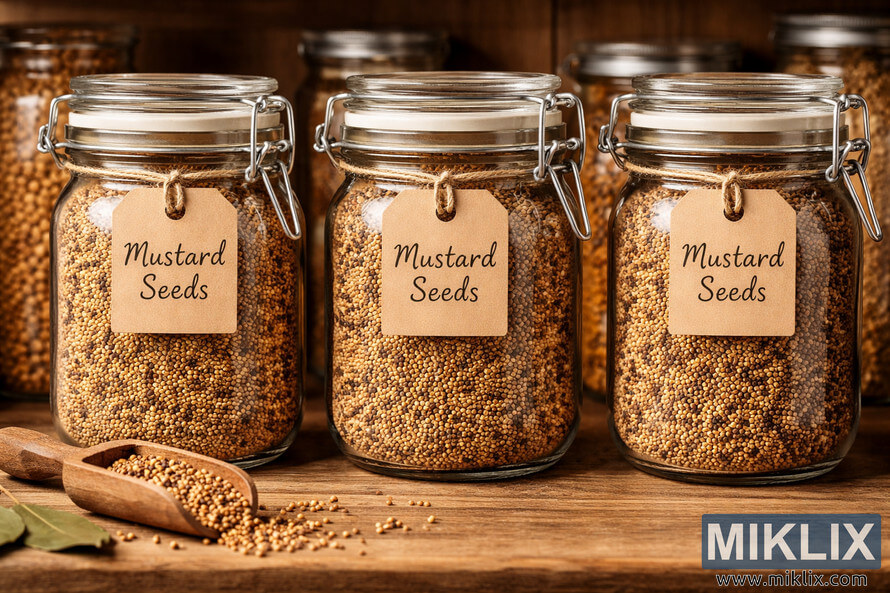
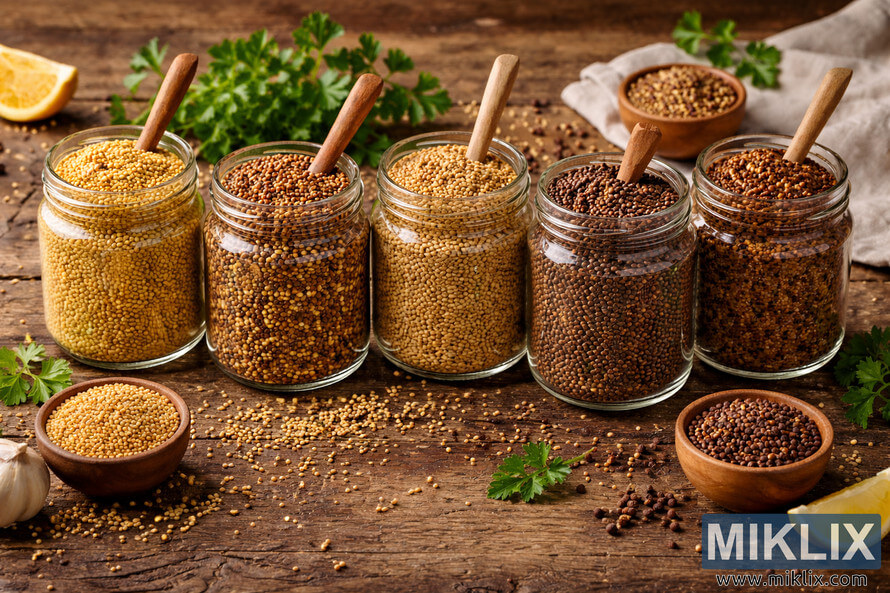
Store dried seeds in airtight glass jars or metal containers. Keep in a cool, dark, dry location. Ideal storage temperature ranges between 50-70°F. Properly stored brown mustard seeds, yellow mustard seeds, and black seeds maintain quality for 2-3 years.
Klik atanapi ketok gambar kanggo inpormasi lengkep sareng résolusi anu langkung luhur.
Making Your Own Mustard Condiments
Transform homegrown seeds into classic yellow mustard or spicy brown mustard. Grind seeds using a spice grinder or mortar and pestle. Mix ground seeds with vinegar, water, salt, and spices. Common additions include turmeric for yellow color and honey for sweet mustard variations.
The basic mustard recipe combines 1/2 cup ground mustard seeds with 1/2 cup liquid (water, vinegar, or wine). Add 1 teaspoon salt and desired spices. Let the mixture rest for 10 minutes to thicken. Adjust consistency by adding more liquid if needed.
Stone ground mustard preserves some whole seed pieces for texture. Use a mortar and pestle rather than fine grinding. This preparation creates the traditional grainy mustard texture popular on sandwiches and hot dogs. The coarser grind produces a milder flavor profile.

Klik atanapi ketok gambar kanggo inpormasi lengkep sareng résolusi anu langkung luhur.
Popular Mustard Variations to Try
- Original mild yellow mustard: Yellow mustard seeds, turmeric, white vinegar
- Original spicy brown mustard: Brown mustard seeds, apple cider vinegar, brown sugar
- Dijon mustard: White wine, brown seeds, garlic
- Honey mustard: Any seed variety, honey, mayonnaise
- Horseradish mustard: Yellow seeds, prepared horseradish, cream
- Dill pickle mustard: Yellow seeds, dill, pickle juice
Experiment with flavors to create custom blends. Add maple syrup for maple champagne mustard. Mix in champagne vinegar for elegant Maine maple champagne variations. Create sandwich pal sweet spicy mustard by combining honey with hot pepper flakes.
Culinary Uses for Fresh Mustard Greens
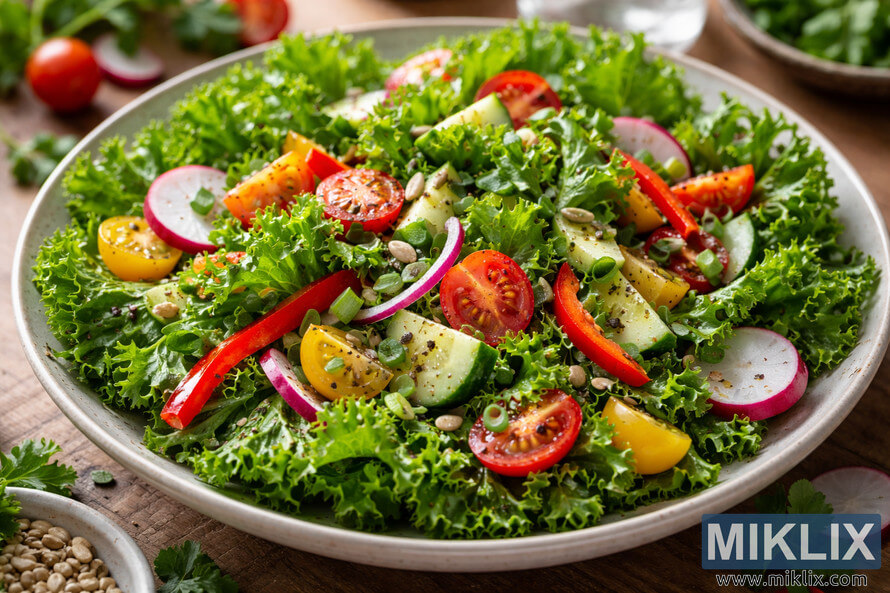
Young tender mustard leaves enhance fresh salads with peppery flavor. Mix with milder greens to balance the spiciness. The leaves pair excellently with sweet dressings that complement their natural heat. Add to sandwiches for a flavorful alternative to lettuce.
Cooked mustard greens develop a milder, sweeter taste. Sauté with garlic and olive oil for a simple side dish. Add to soups and stews in the last 10 minutes of cooking. The greens provide nutrition similar to kale and spinach with unique flavor.
Asian mustard varieties work perfectly in stir-fries. The leaves hold up well to high heat without becoming mushy. Combine with soy sauce, ginger, and sesame oil for traditional preparations. Add near the end of cooking to preserve color and texture.
Klik atanapi ketok gambar kanggo inpormasi lengkep sareng résolusi anu langkung luhur.
Troubleshooting Common Mustard Growing Problems
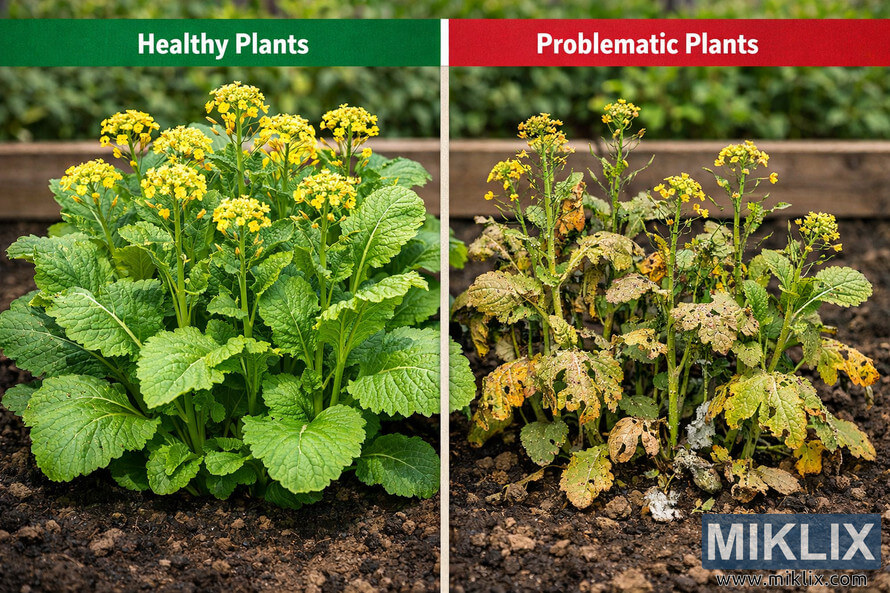
Even experienced gardeners encounter challenges growing mustard. Identifying problems quickly allows for effective solutions. These troubleshooting tips address the most common issues home gardeners face with mustard cultivation.
Klik atanapi ketok gambar kanggo inpormasi lengkep sareng résolusi anu langkung luhur.
Dealing with Bolting
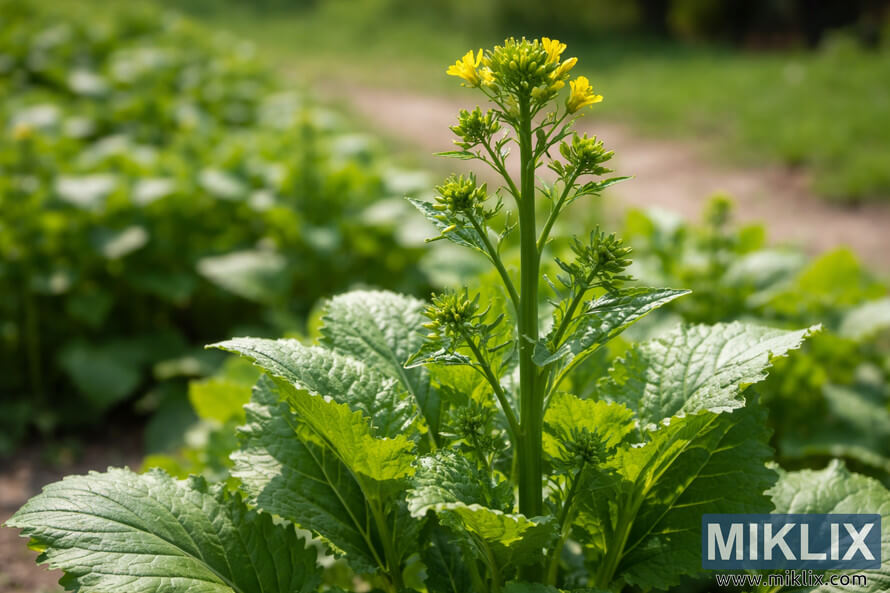
Bolting occurs when mustard plants shift from leaf production to flowering and seed formation. This natural process happens in response to heat stress or day length changes. Bolted plants produce tough, bitter leaves unsuitable for fresh eating.
Prevent bolting by planting at appropriate times. Spring plantings should mature before hot summer weather arrives. Fall plantings escape heat stress entirely. Choose bolt-resistant varieties for challenging climates or extended growing seasons.
Provide shade during heat waves to delay bolting. Use shade cloth providing 30-50 percent shade during the hottest part of the day. This simple intervention often extends the harvest window by several weeks during marginal weather.
Klik atanapi ketok gambar kanggo inpormasi lengkep sareng résolusi anu langkung luhur.
Addressing Poor Germination
Poor germination results from several factors including old seeds, improper planting depth, or unsuitable soil conditions. Mustard seeds remain viable for 3-5 years when stored properly. Test older seeds before planting by germinating a sample on damp paper towels.
Soil temperature significantly affects germination rates. Cold soil below 40°F prevents germination. Extremely hot soil above 95°F also reduces success. Use a soil thermometer to verify conditions before planting. Wait for optimal temperature ranges between 45-85°F.
Moisture consistency during germination is critical. Soil should stay evenly moist but not waterlogged. Dry conditions kill emerging seedlings. Cover planted areas with light mulch or burlap to retain moisture until seedlings emerge. Remove coverings once sprouts appear.
Solving Leaf Yellowing Issues
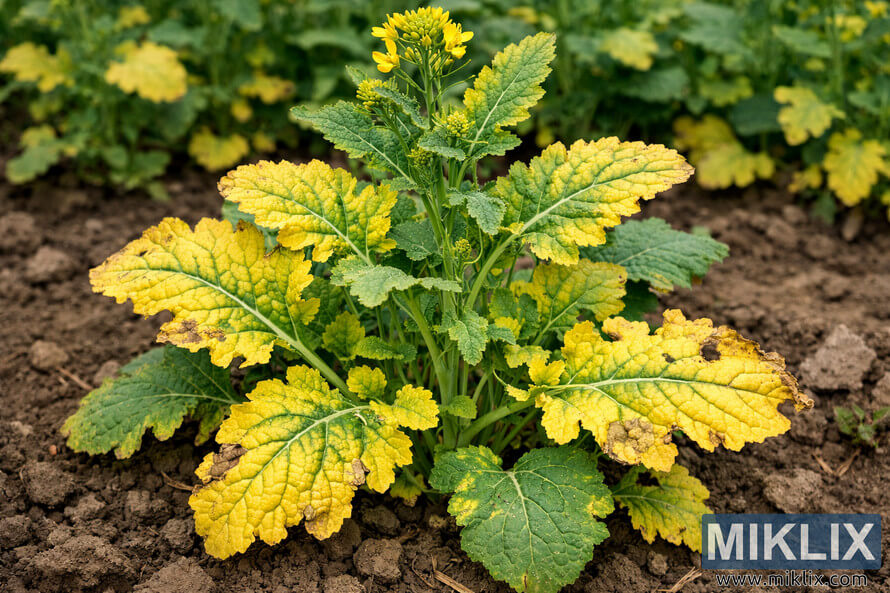
Yellow leaves indicate various problems depending on the pattern. Lower leaves turning yellow suggest nitrogen deficiency. Apply nitrogen-rich fertilizer or compost tea to correct this issue. Yellowing progresses upward if deficiency continues.
Overall leaf yellowing may indicate overwatering or poor drainage. Check soil moisture before watering. Allow soil to dry slightly between waterings. Improve drainage by amending heavy clay soils with compost or growing in raised beds.
Yellow patches between leaf veins indicate iron deficiency. This problem often appears in alkaline soils with pH above 7.5. Lower soil pH using sulfur amendments. Apply chelated iron as a temporary fix while adjusting pH for long-term correction.
Klik atanapi ketok gambar kanggo inpormasi lengkep sareng résolusi anu langkung luhur.
Managing Bitter Leaf Flavor
Bitter mustard leaves result from stress conditions or over-maturity. Heat stress is the primary cause of bitterness. High temperatures trigger defensive compounds that create unpleasant flavors. Harvest during cooler parts of the day to minimize this effect.
Water stress also produces bitter leaves. Inconsistent watering creates stress that affects taste. Maintain even soil moisture throughout the growing period. Deep watering promotes better flavor than shallow frequent watering.
Leaf age directly affects flavor intensity. Young leaves taste mild and sweet. Mature leaves develop stronger mustard flavor that can become bitter. Harvest leaves when small to medium size for the best flavor balance. Use larger, more pungent leaves in cooked preparations where strong flavors are desirable.
Signs of Healthy Mustard Plants
- Deep green leaf color throughout plant
- Steady, vigorous growth without sudden spurts
- Firm, crisp leaves without wilting
- New leaves emerging regularly from center
- No visible pest damage or disease symptoms
- Compact growth without excessive stretching
Warning Signs Requiring Action
- Yellowing leaves progressing up the plant
- Stunted growth or stopped development
- Wilting despite adequate watering
- Holes or chewing damage on leaves
- White, gray, or brown spots on foliage
- Central stalk elongating rapidly (bolting)
Succession Planting for Continuous Harvests
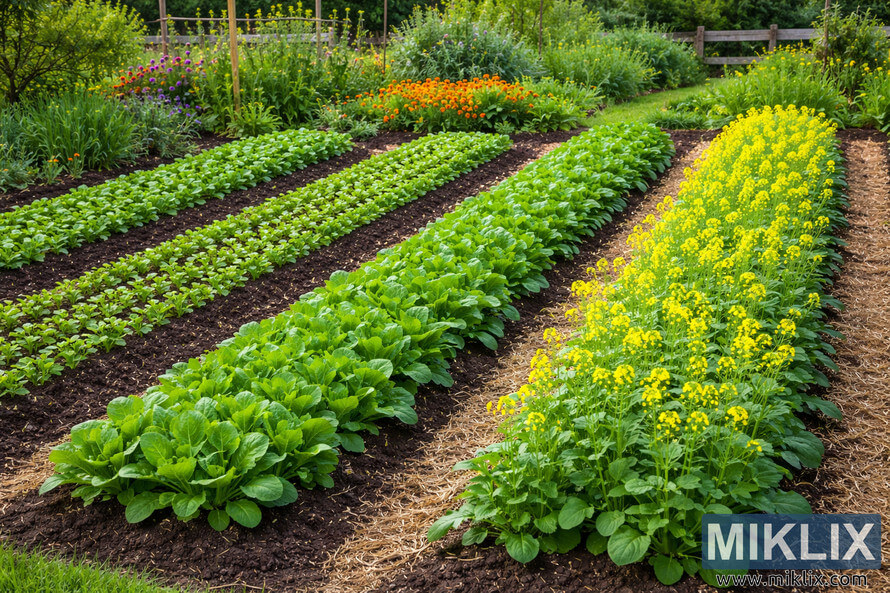
Succession planting provides fresh mustard throughout the growing season. This technique involves sowing small amounts of seeds at regular intervals. The result is continuous production rather than one large harvest followed by nothing.
Klik atanapi ketok gambar kanggo inpormasi lengkep sareng résolusi anu langkung luhur.
Planning Your Succession Schedule
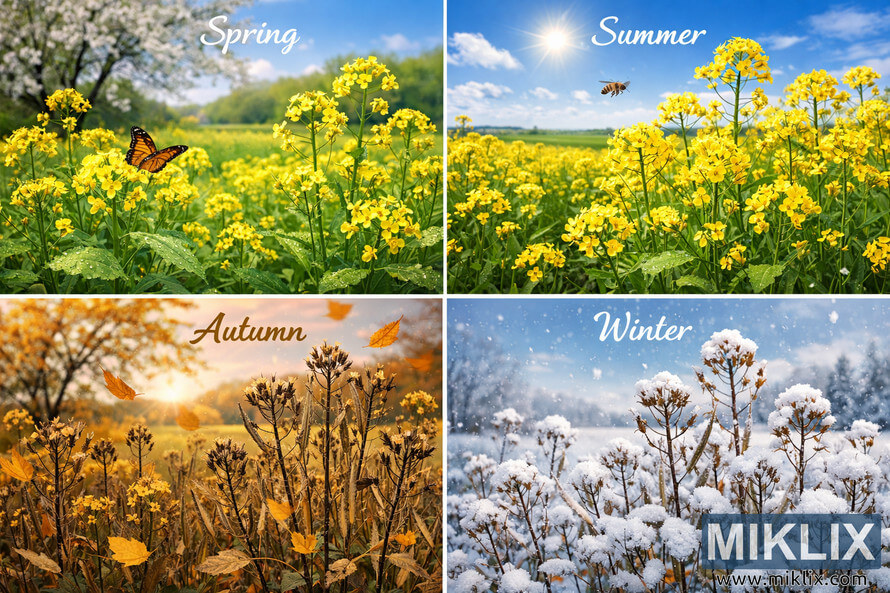
Start succession planting in early spring and continue through fall. Sow new seeds every 2-3 weeks for leaf production. This spacing ensures mature leaves become available as previous plantings decline. Adjust timing based on variety maturity dates and local climate.
Mark planting dates on a calendar to track succession timing. Record variety names and planting locations. This documentation helps you refine your schedule over multiple seasons. The content from your planting records guides future growing decisions.
Calculate backward from first expected frost for fall plantings. Mustard needs 40-60 days to mature depending on variety. Allow extra time in fall as cooler temperatures slow growth. This planning ensures harvests continue until hard frost arrives.
Klik atanapi ketok gambar kanggo inpormasi lengkep sareng résolusi anu langkung luhur.
Managing Multiple Plantings
Designate separate areas for each succession planting. This organization prevents confusion between planting dates. Use stakes or markers to label each section with variety and planting date. Clear identification helps track maturity and harvest timing.
Stagger row locations to make space for new plantings. As early plantings finish, remove plants and prepare soil for the next succession. This rotation keeps garden space productive throughout the entire season without bare spots.
Container growing simplifies succession planting management. Use multiple containers started at different times. Move containers to optimize sun exposure as seasons change. This flexibility helps extend growing seasons in challenging climates.
Variety Selection for Extended Seasons
Choose varieties with different maturity dates for diversity. Fast-maturing types like mustard greens reach harvest in 30-40 days. Slower varieties providing both leaves and seeds need 90-120 days. Combining both types extends your harvest window naturally.
Heat-tolerant varieties work better for late spring and early summer plantings. Look for descriptions mentioning slow-bolting or heat resistance. These selections withstand warmer temperatures without immediately flowering. They bridge the gap between spring and fall crops.
Cold-hardy varieties excel in fall and winter plantings. Some Asian mustards tolerate temperatures into the low 20s Fahrenheit. These tough varieties provide fresh greens well into winter in many climates. Combine with cold frames for even longer production.
| Planting Period | Best Varieties | Days to Harvest | Special Considerations |
| Early Spring | Green Wave, Southern Giant Curled | 40-45 days | Quick maturity before heat arrives |
| Late Spring | Red Giant, Ruby Streaks | 45-50 days | Better heat tolerance, colorful leaves |
| Late Summer | Mizuna, Komatsuna | 35-40 days | Fast growth in cooling temperatures |
| Fall | Giant Red, Osaka Purple | 50-60 days | Excellent cold tolerance, sweetens with frost |
Klik atanapi ketok gambar kanggo inpormasi lengkep sareng résolusi anu langkung luhur.
Companion Planting with Mustard
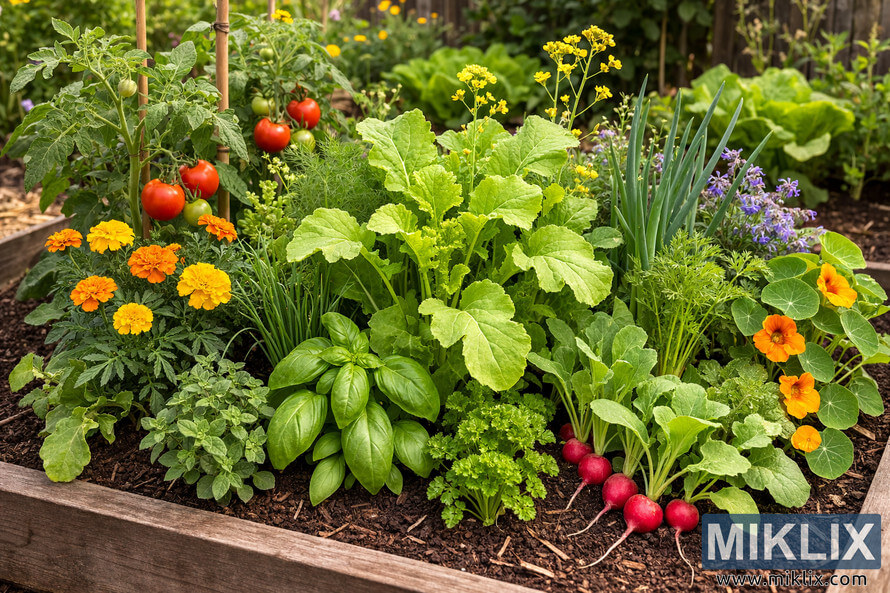
Companion planting enhances mustard growth while deterring pests naturally. Strategic plant combinations create healthier gardens requiring fewer interventions. Understanding beneficial plant relationships helps you design productive, low-maintenance growing spaces.
Klik atanapi ketok gambar kanggo inpormasi lengkep sareng résolusi anu langkung luhur.
Beneficial Companion Plants
Aromatic herbs repel many mustard pests effectively. Plant dill, cilantro, and fennel near mustard rows. These herbs attract beneficial insects that prey on harmful pests. Their strong scents also confuse pests searching for mustard plants by scent.
Nasturtiums work as trap crops drawing aphids away from mustard. Plant nasturtiums around garden edges. Aphids prefer nasturtiums over mustard creating a living barrier. Monitor trap crops and remove heavily infested plants to prevent pest migration back to mustard.
Alliums including onions, garlic, and chives repel aphids and flea beetles. Their strong odors mask mustard scent from pests. Plant in alternating rows or scattered throughout mustard plantings. The pest-repelling benefits extend several feet from each allium plant.
Klik atanapi ketok gambar kanggo inpormasi lengkep sareng résolusi anu langkung luhur.
Plants to Avoid Near Mustard
Avoid planting other brassicas near mustard. Cabbage, broccoli, kale, and cauliflower attract identical pests and diseases. Growing them together concentrates problems and makes management difficult. Separate these crops by at least 20 feet when possible.
Strawberries and mustard compete for similar nutrients. Both plants also prefer similar growing conditions. This competition can reduce yields of both crops. Plant strawberries in separate beds away from mustard plantings for best results.
Pole beans and mustard should remain separated. The tall bean plants shade lower-growing mustard excessively. Mustard also finishes its season before beans reach peak production. The timing mismatch makes them poor companions in the same growing space.
Creating Beneficial Insect Habitat
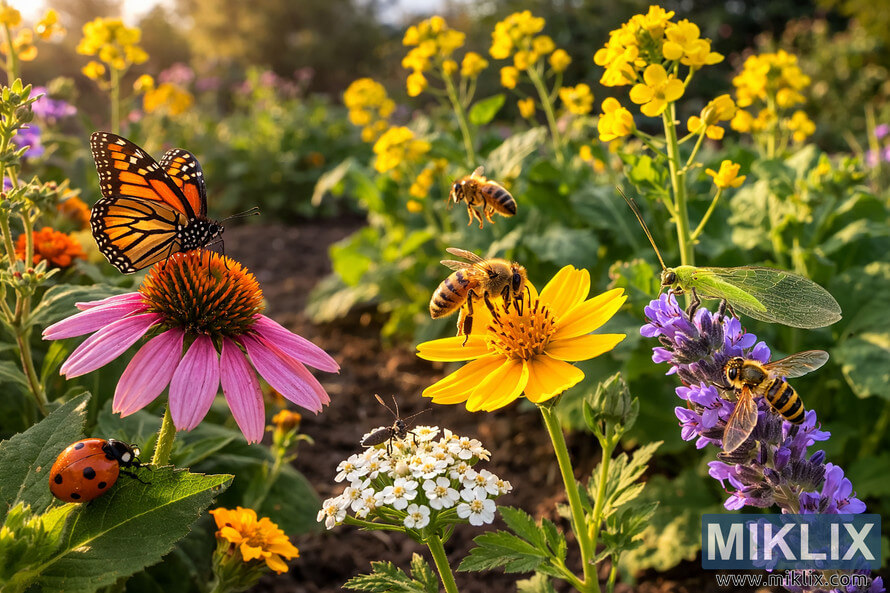
Flowering plants attract predatory insects that control mustard pests. Plant sweet alyssum, calendula, and yarrow nearby. These flowers provide nectar and pollen for beneficial species. Adult beneficial insects need flower resources even though their larvae eat pests.
Allow some mustard plants to flower if space permits. The yellow blooms attract numerous beneficial insects. This strategy works especially well when growing mustard for seeds. The flowers serve dual purposes providing pollinator food and eventual seed harvest.
Create permanent habitat areas near vegetable gardens. Plant perennial flowers and herbs that support beneficial insects year-round. This established population moves into annual vegetables like mustard when pests appear. The resulting natural pest control reduces need for interventions.
Klik atanapi ketok gambar kanggo inpormasi lengkep sareng résolusi anu langkung luhur.
Saving Mustard Seeds for Future Plantings
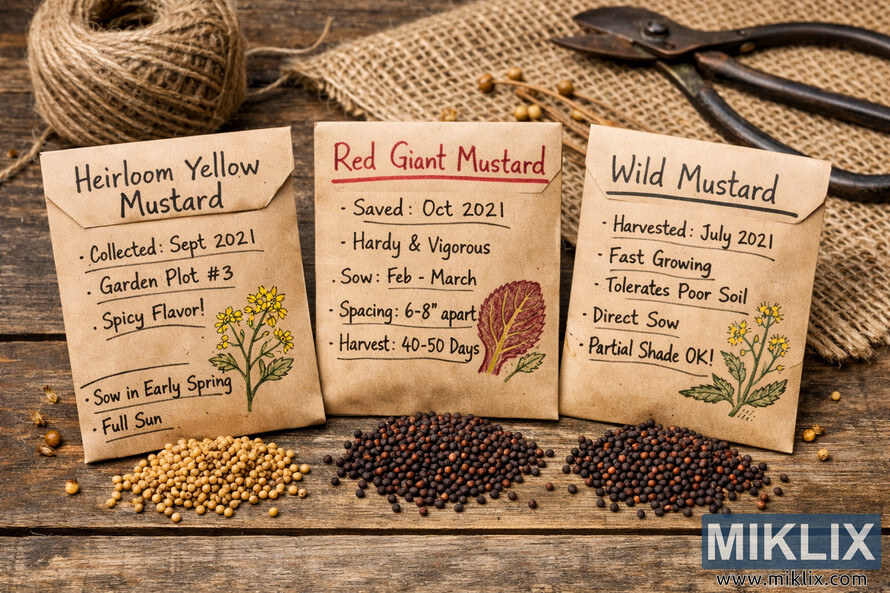
Saving seeds from your best mustard plants ensures future crops adapted to your specific conditions. This practice also preserves heirloom varieties and saves money on seed purchases. Understanding proper seed saving techniques maintains variety purity and high germination rates.
Klik atanapi ketok gambar kanggo inpormasi lengkep sareng résolusi anu langkung luhur.
Selecting Plants for Seed Saving
Choose your healthiest, most vigorous plants for seed production. Select plants showing desired characteristics like flavor, leaf color, or disease resistance. Mark chosen plants early in the season to avoid accidental harvest. Allow these plants to complete their full lifecycle undisturbed.
Isolate different mustard varieties to prevent cross-pollination. Mustard flowers are insect-pollinated and readily cross with other mustard types. Separate varieties by at least 1/2 mile for pure seed or grow only one variety. Physical barriers like row covers also prevent crossing if maintained throughout flowering.
Heirloom varieties provide the most reliable seed saving results. These open-pollinated types produce offspring matching parent plants. Hybrid varieties do not come true from saved seed and produce unpredictable results. Focus your seed saving efforts on heirloom or open-pollinated varieties only.
Klik atanapi ketok gambar kanggo inpormasi lengkep sareng résolusi anu langkung luhur.
Processing and Testing Saved Seeds
Clean saved seeds thoroughly to remove all plant debris. Chaff and debris can harbor diseases that affect future plantings. Store only completely clean, dry seeds in airtight containers. Label containers with variety name, characteristics, and harvest date for future reference.
Test germination rates before planting saved seeds. Place 10 seeds on damp paper towels in a sealed plastic bag. Keep warm and check daily for germination. Count sprouted seeds after one week. Germination rates above 70 percent indicate good viability. Lower rates suggest increased seeding density or seed replacement needs.
Store saved seeds in cool, dry, dark conditions. Ideal storage temperature ranges between 32-41°F. Refrigerators work excellently for seed storage. Add silica gel packets to containers to control moisture. Properly stored mustard seeds remain viable for 3-5 years.
Growing Mustard in Containers and Small Spaces
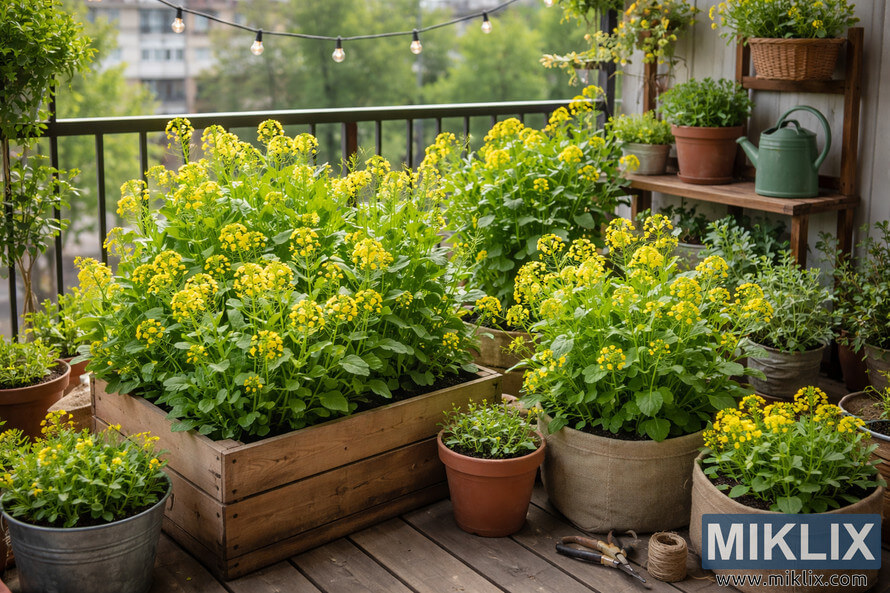
Container growing brings mustard cultivation to patios, balconies, and small yards. This method provides flexibility for gardeners with limited ground space. Containers also allow precise control over growing conditions producing excellent results in any setting.
Klik atanapi ketok gambar kanggo inpormasi lengkep sareng résolusi anu langkung luhur.
Choosing Appropriate Containers
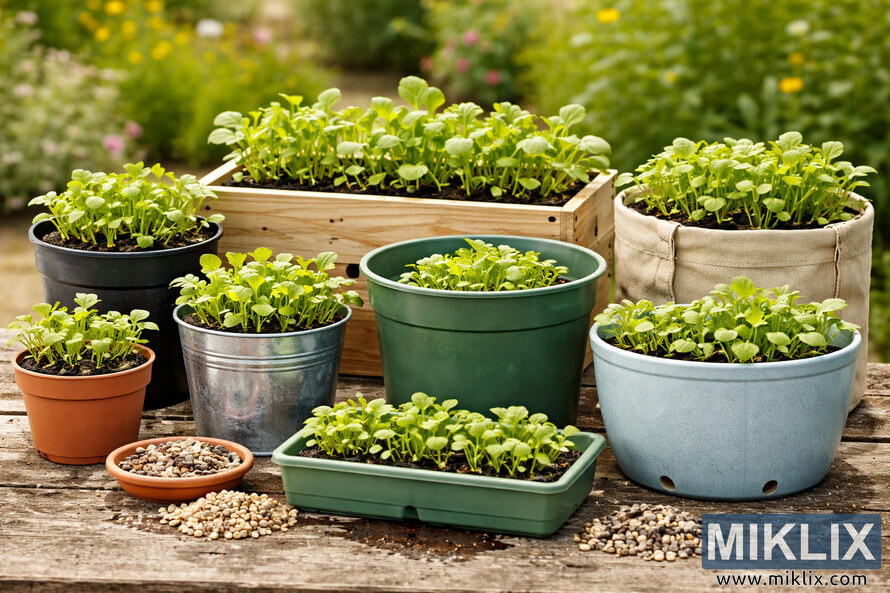
Container size determines plant success and harvest potential. Minimum container depth of 8 inches supports leaf production adequately. Deeper containers of 12-15 inches work better for seed production allowing full root development. Width matters less than depth for mustard cultivation.
Drainage is critical for container success. Containers must have multiple drainage holes preventing water accumulation. Elevate containers slightly using pot feet or bricks. This elevation ensures excess water drains completely away from roots preventing rot.
Material choice affects watering frequency and root temperature. Terracotta breathes well but dries quickly requiring frequent watering. Plastic retains moisture longer but may overheat in direct sun. Fabric grow bags provide excellent drainage and air pruning of roots. Choose materials matching your maintenance schedule and climate.
Klik atanapi ketok gambar kanggo inpormasi lengkep sareng résolusi anu langkung luhur.
Soil Mix for Container Mustard
Quality potting mix ensures container growing success. Never use garden soil in containers as it compacts and drains poorly. Purchase commercial potting mix or create custom blends using peat moss, compost, and perlite. The mix should feel light and fluffy when dry.
Add slow-release fertilizer to potting mix before planting. Container plants exhaust nutrients faster than ground plantings. The added fertilizer provides consistent nutrition for 2-3 months. Supplement with liquid fertilizer later in the season if plants show nutrient deficiency signs.
Moisture retention matters significantly in containers. Mix in coco coir or vermiculite to improve water holding capacity. These amendments prevent soil from drying too quickly between waterings. Proper moisture retention reduces daily watering requirements especially during hot weather.
Watering and Maintenance
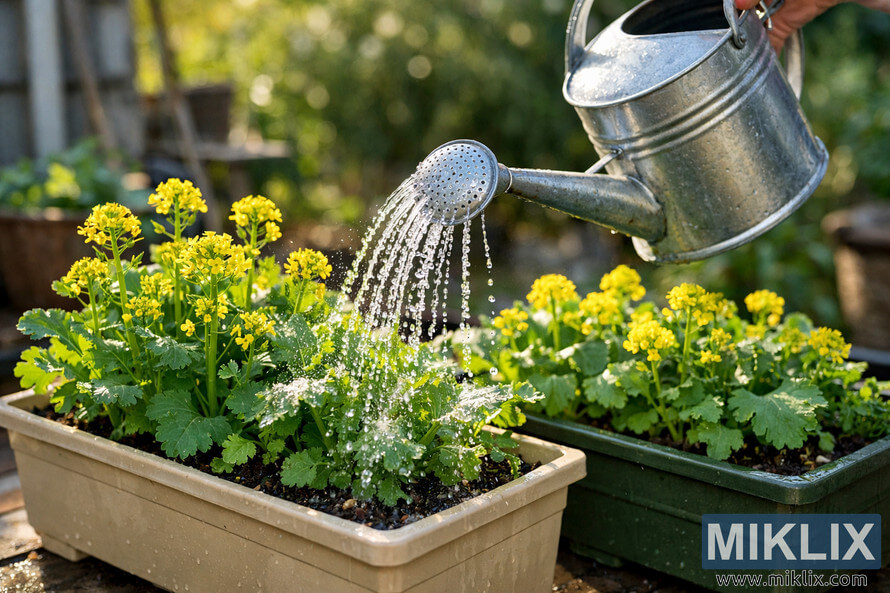
Container plants need more frequent watering than ground plantings. Check soil moisture daily by inserting your finger 2 inches deep. Water thoroughly when soil feels dry at this depth. Ensure water drains from bottom holes confirming complete soil saturation.
Container positioning affects water needs and plant growth. Full sun locations require daily watering during hot weather. Partial shade reduces watering frequency but may slow growth slightly. Rotate containers weekly ensuring even sun exposure on all sides promoting balanced growth.
Feed container mustard every 2-3 weeks with diluted liquid fertilizer. Container growing leaches nutrients faster than ground cultivation. Regular feeding maintains vigorous growth and tender leaf production. Follow fertilizer label directions for proper dilution rates.
Klik atanapi ketok gambar kanggo inpormasi lengkep sareng résolusi anu langkung luhur.
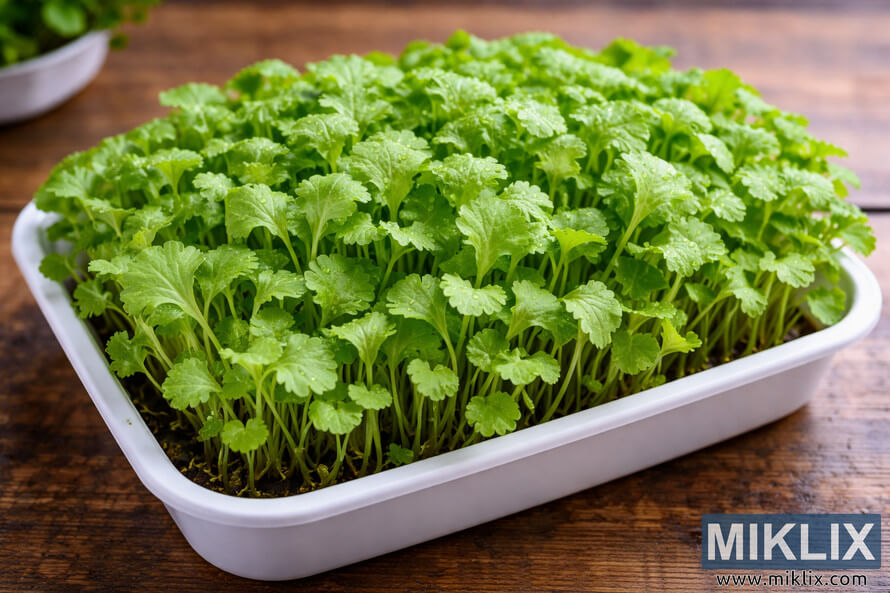
Small Containers (6-8 inches)
Perfect for baby greens and microgreens. Plant densely and harvest entire container when leaves reach 3-4 inches. Replant every 2-3 weeks for continuous production.
Klik atanapi ketok gambar kanggo inpormasi lengkep sareng résolusi anu langkung luhur.
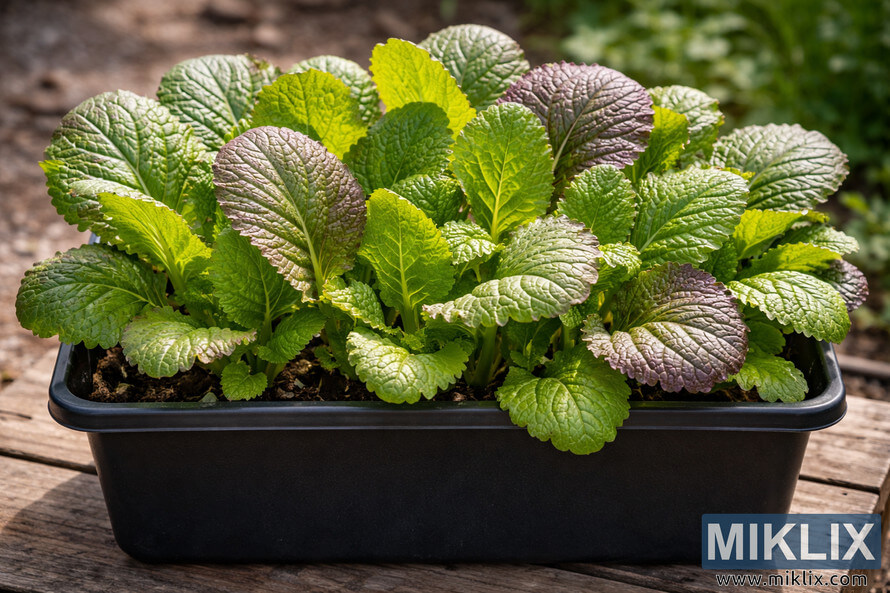
Medium Containers (10-12 inches)
Ideal for mature leaf production using cut-and-come-again method. Space plants 4-6 inches apart. Provides multiple harvests over 2-3 months from single planting.
Klik atanapi ketok gambar kanggo inpormasi lengkep sareng résolusi anu langkung luhur.
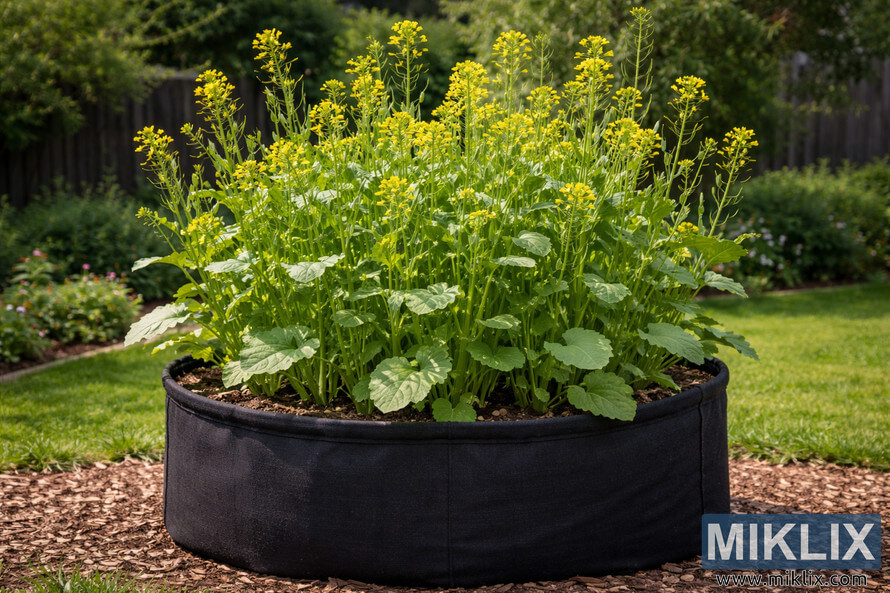
Large Containers (14+ inches)
Required for seed production allowing full plant development. Space plants 8-12 inches apart. Supports complete lifecycle from germination through seed harvest.
Klik atanapi ketok gambar kanggo inpormasi lengkep sareng résolusi anu langkung luhur.
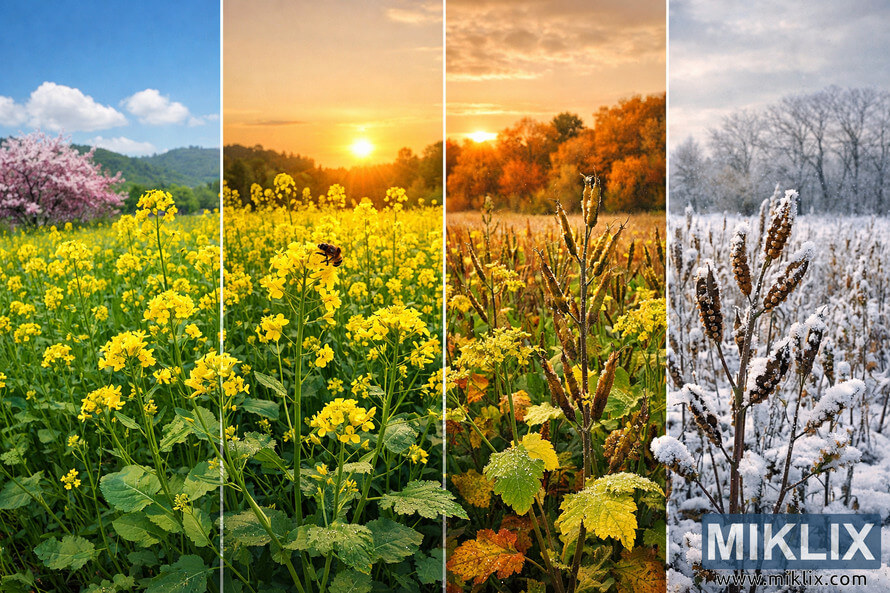
Seasonal Growing Considerations and Tips
Mustard grows differently across seasons requiring adjusted techniques. Understanding seasonal challenges and opportunities optimizes your results year-round. Strategic timing and variety selection extend production well beyond typical short growing windows.
Klik atanapi ketok gambar kanggo inpormasi lengkep sareng résolusi anu langkung luhur.
Spring Planting Strategies
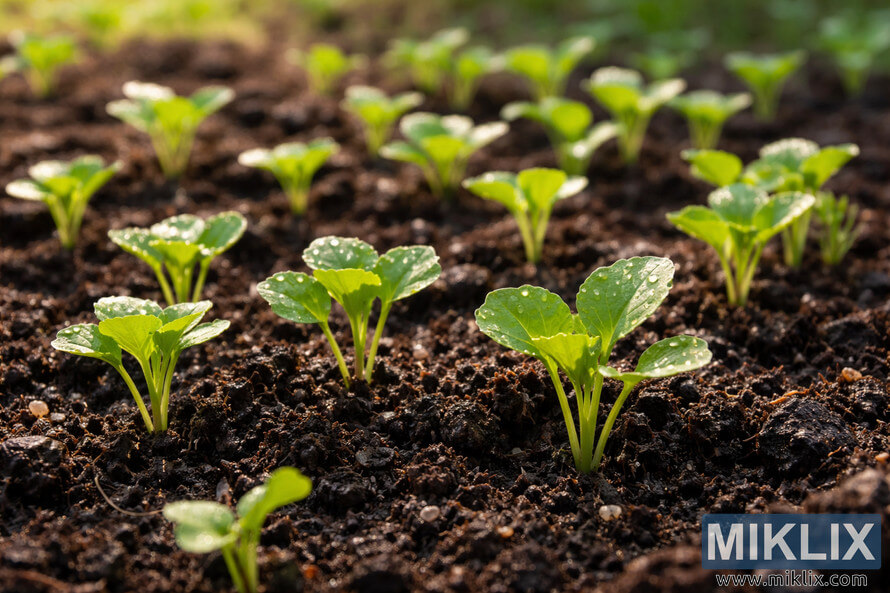
Spring offers ideal mustard growing conditions in most regions. Cool temperatures and increasing daylight promote rapid, tender growth. Start planting 4-6 weeks before last frost date when soil can be worked. Early spring plantings often produce the highest quality leaves.
Monitor weather forecasts for late frost events. Cover young seedlings with row covers or cloches if hard frost threatens. This simple protection prevents damage without affecting growth. Remove covers once danger passes to prevent overheating.
Watch for rapid bolting as spring progresses into summer. Plants sense increasing day length and warm temperatures triggering flowering. Harvest aggressively as weather warms. Switch to heat-tolerant varieties for late spring plantings or pause until fall.
Klik atanapi ketok gambar kanggo inpormasi lengkep sareng résolusi anu langkung luhur.
Summer Growing Challenges
Summer heat challenges mustard production in most regions. High temperatures cause bitter flavors and rapid bolting. Most gardeners skip summer mustard growing focusing efforts on other crops. However, some techniques allow limited summer production.
Afternoon shade extends summer growing in hot climates. Plant mustard where taller crops provide natural shade. Shade cloth reducing sun exposure by 30-50 percent also works effectively. These modifications lower temperatures enough for acceptable growth.
Choose heat-tolerant varieties specifically bred for summer conditions. These selections resist bolting longer than standard types. Asian mustard varieties often tolerate heat better than European types. Experiment with different varieties to find types succeeding in your specific conditions.
Fall Growing Advantages
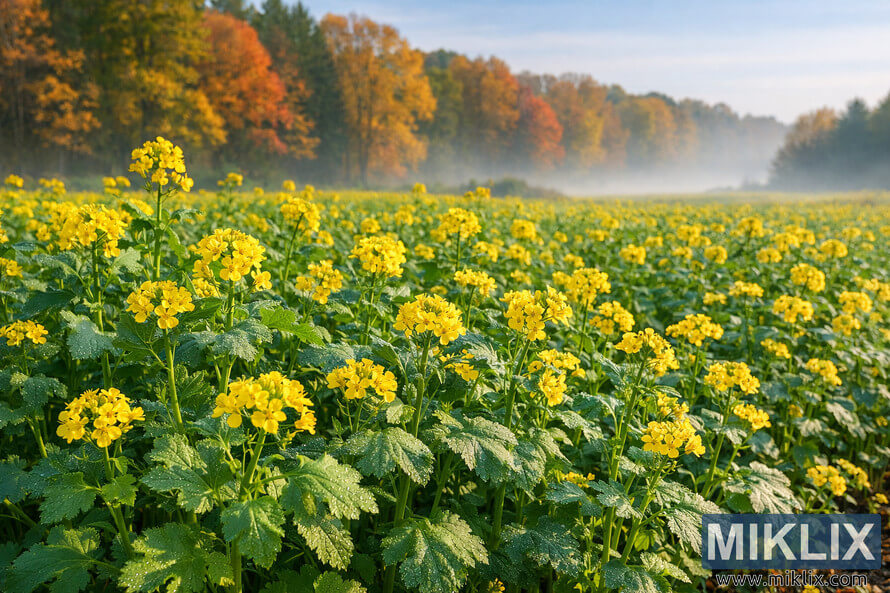
Fall provides the best mustard growing season in many areas. Cooling temperatures prevent bolting while promoting sweet, tender leaves. Fewer pests bother fall plantings reducing management needs. Many gardeners consider fall-grown mustard superior to spring crops.
Time fall plantings carefully for your region. Count backward from first expected frost allowing variety maturity time plus 2 weeks buffer. This timing ensures plants mature before killing frost. Cooler fall temperatures slow growth requiring extra time compared to spring.
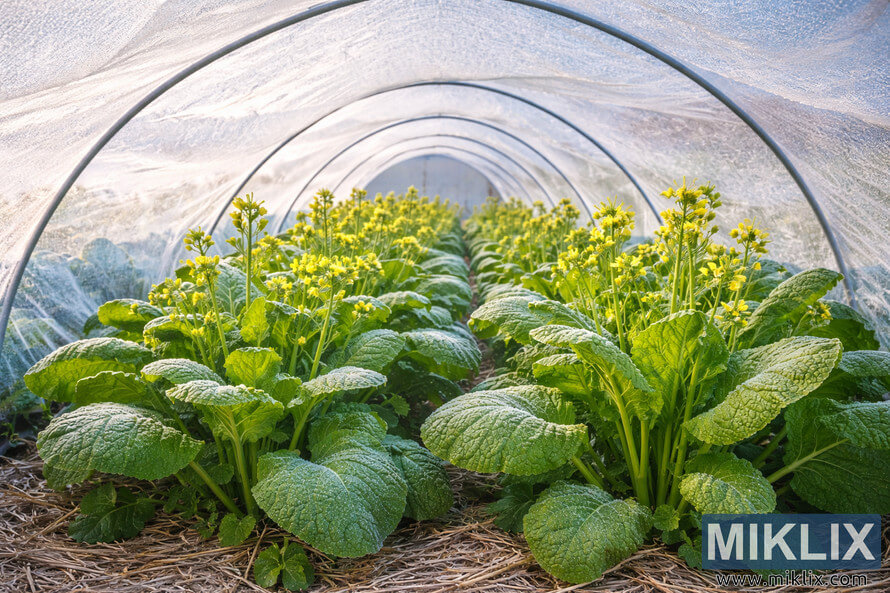
Extend fall harvests using simple season extension techniques. Row covers protect from light frosts allowing several extra weeks of production. Cold frames or low tunnels provide even better protection. These structures support harvests well into winter in mild climates.
Klik atanapi ketok gambar kanggo inpormasi lengkep sareng résolusi anu langkung luhur.
Winter Growing Possibilities
Winter mustard growing succeeds in mild climate zones 7-11. Temperatures above 20°F allow many Asian varieties to survive and even grow slowly. Winter plantings provide fresh greens when few other vegetables tolerate cold conditions.
Cold frames make winter growing possible in colder zones. These simple structures trap solar heat warming the growing area. Ventilate on sunny days to prevent overheating. Winter growth is slow but steady providing occasional fresh harvest even in cold months.
Overwintering plants resumes vigorous growth in early spring. Fall-planted mustard surviving winter produces the earliest spring harvest. These overwintered plants often bolt quickly as days lengthen. Harvest them early before new spring plantings mature.
Klik atanapi ketok gambar kanggo inpormasi lengkep sareng résolusi anu langkung luhur.
Starting Your Mustard Growing Journey
Growing your own mustard transforms your gardening experience. These fast-growing plants reward beginners with quick success while offering enough variety to challenge experienced growers. The journey from tiny seeds to fresh greens or homemade condiments connects you directly to your food.
Start small with a few plants to learn mustard's needs in your specific conditions. Expand your plantings as confidence grows. Experiment with different varieties discovering personal favorites. Each growing season teaches lessons improving future results.
The satisfaction of harvesting homegrown mustard for sandwiches or making your own spicy brown mustard exceeds any store-bought alternative. You control growing methods ensuring organic, pesticide-free production. The flavors of fresh-picked leaves and properly prepared seeds surpass commercial products.
Share your harvest with friends and neighbors introducing them to mustard's culinary possibilities. Save seeds from best plants creating locally adapted varieties. Join the community of gardeners rediscovering this underappreciated crop. Your mustard garden awaits with simple care rewarding you abundantly.

Klik atanapi ketok gambar kanggo inpormasi lengkep sareng résolusi anu langkung luhur.
Bacaan salajengna
Upami anjeun resep kana tulisan ieu, anjeun ogé tiasa resep saran ieu:
- Pituduh pikeun Variétas Cabé Pangsaéna pikeun Ngembangkeun Diri
- Pituduh pikeun Melak Tutuwuhan Lidah Buaya di Imah
- Pituduh pikeun Ngamelak Dill di Kebon Anjeun Sorangan