
Fermenting Beer with White Labs WLP004 Irish Ale Yeast
Published: December 20, 2025 at 11:10:00 PM UTC
White Labs WLP004 Irish Ale Yeast is a cornerstone in the White Labs collection, celebrated for its authenticity in British and Irish ales. Originating from a venerable stout brewery, this yeast is available in both standard and organic forms. It's a favorite for stouts, porters, and Irish reds.
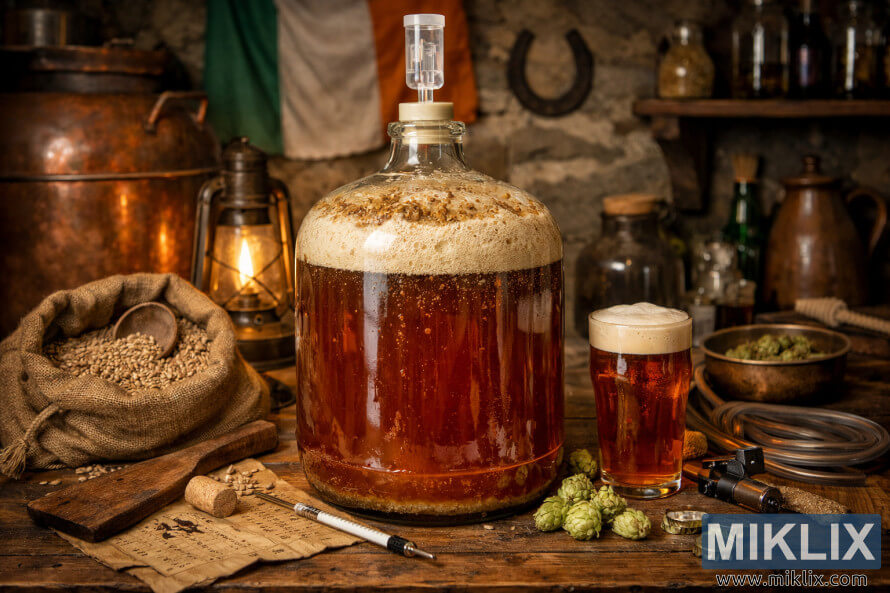
Click or tap the image for more information and higher resolutions.
Brewers often turn to WLP004 for its reliable attenuation and classic malt-forward profile, referencing reviews and community feedback.
This guide is a practical, data-driven resource on fermenting with WLP004. We'll delve into fermentation behavior, key specs like 69–74% attenuation and medium–high flocculation, and offer pitching and temperature advice. Additionally, we'll share real-world tips from homebrewers. Whether you're brewing on a small homebrew rig or in a craft brewery, this section will help set expectations for performance and flavor with this Irish ale yeast.
Key Takeaways
- White Labs WLP004 Irish Ale Yeast suits Irish red, stout, porter, and malt-forward ales.
- Typical attenuation runs 69–74% with medium–high flocculation.
- Recommended fermentation temperature is 65–68°F (18–20°C).
- WLP004 review consensus cites clean malt character and dependable fermentation.
- White Labs offers PurePitch formats and customer support for this strain.
Overview of White Labs WLP004 Irish Ale Yeast
WLP004 is a stout-origin strain, bred for malty British and Irish ales. It's a favorite among brewers for stouts, porters, browns, and red ales. The White Labs strain data is invaluable for recipe planning.
Key yeast specifications reveal an attenuation of 69%–74%. This means a moderate conversion of sugars, resulting in a slightly drier finish. The attenuation range helps predict the final gravity and body of classic Irish styles.
- Flocculation is medium to high, aiding in clarification by settling well after primary fermentation.
- Alcohol tolerance is in the medium band, roughly 5–10% ABV, fitting most standard gravity ales.
- Recommended fermentation temperature is 65°–68°F (18°–20°C) for clean, balanced esters.
White Labs strain data confirms STA1 QC negative, indicating no diastaticus activity. Packaging is available as White Labs PurePitch Next Gen products. These can be found through White Labs and specialty retailers. Product pages include reviews and Q&A for practical use.
WLP004 is a reliable choice for homebrewers and small craft brewers seeking predictable performance. Its strain pedigree from a long-established stout-producing brewery makes it ideal for malty, slightly roasty beers.
Use the WLP004 overview and White Labs strain data to match pitching rates, starter plans, and fermentation schedules to your desired style. Knowing WLP004 attenuation and WLP004 flocculation up front reduces guesswork during conditioning and packaging.
Why Choose White Labs WLP004 Irish Ale Yeast for Your Brew
Brewers select WLP004 for its consistent, traditional Irish and British flavors. It offers a balance of mild esters and clean fermentation. This makes it ideal for malt-forward stouts and porters, ensuring high drinkability. It answers the question of why choose WLP004 for authentic character.
WLP004's medium attenuation dries the finish, enhancing roast and chocolate malts. This drying preserves the body and nuance of the beer. It delivers the expected roast presence in stouts without losing complexity.
The yeast's medium-to-high flocculation ensures good beer clarity after conditioning. Clear beer is crucial for neat pours and stable packaging. This clarity is a significant benefit, allowing for lager-like clarity in ales without aggressive filtering.
White Labs' PurePitch format and quality control reduce yeast variability. This results in more consistent performance, reducing off-flavors and unpredictable attenuation. For brewers seeking reliable results, WLP004's consistency is a key reason to choose it.
Versatility is another virtue of WLP004. While it excels in stouts, porters, and brown ales, it also works well for English bitters, red ales, meads, and ciders. This adaptability makes it a versatile choice for brewers who like to experiment with different recipes.
- Style fit: malty British and Irish ales
- Fermentation behavior: steady, predictable attenuation
- Flavor impact: soft esters that round malt without dominating
- Practical use: clear conditioning and repeatable batches
For brewers aiming for authentic Irish-style character and a consistent profile, WLP004's strengths and benefits are clear. It ensures a true-to-style beer with a stable, drinkable finish.
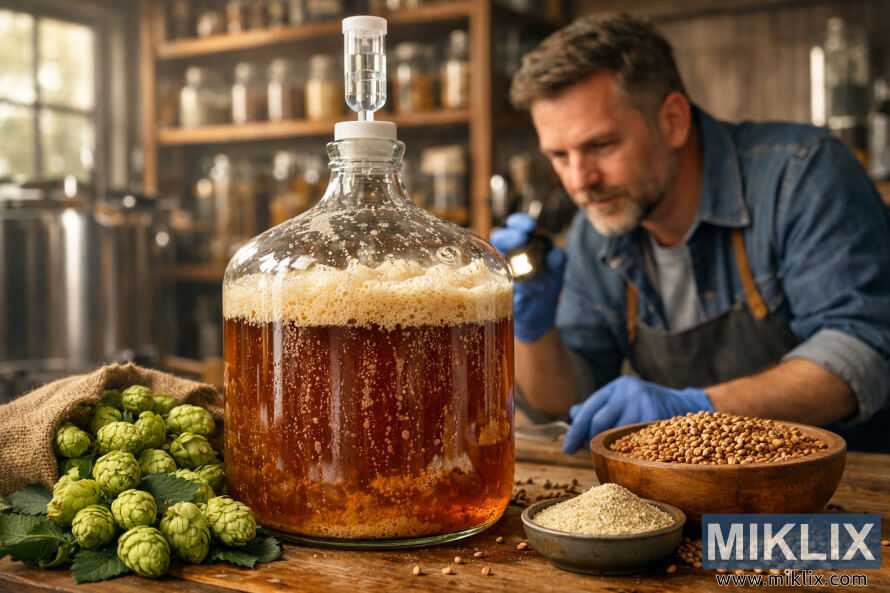
Click or tap the image for more information and higher resolutions.
Fermentation Temperature Recommendations for WLP004
White Labs suggests an ideal range of 65°–68°F (18°–20°C) for WLP004. This range is perfect for Irish ales, including reds and dry stouts. Homebrewers often prefer slightly cooler temperatures to preserve flavors.
To achieve a clean, classic finish, maintain a steady temperature of 64°–66°F during primary fermentation. This careful temperature control helps limit fruity esters, ensuring a clear malt character. Fermenting at 65°F typically results in the desired Irish ale clarity and mouthfeel.
Some brewers follow White Labs' advice to pitch the yeast at a warmer temperature, around 70°–75°F. Then, as fermentation begins, they let the temperature drop to the mid-60s. It's crucial to monitor the krausen and temperature closely to avoid excessive esters.
- Target for clean profile: 64°–66°F.
- Starter or warm pitch approach: pitch warmer, then drop to mid-60s as active fermentation starts.
- When fermenting at 65°F, take gravity readings to confirm progress. Airlock activity can mislead.
Temperature significantly impacts both fermentation speed and flavor. Warmer conditions accelerate fermentation and increase ester levels. Conversely, cooler temperatures slow down yeast activity, resulting in a cleaner flavor profile. Effective WLP004 temp control allows brewers to find the optimal temperature for their beer style, enhancing the yeast's character.
Pitching Rates and Starter Advice
White Labs ships WLP004 in PurePitch vials, perfect for standard 5-gallon batches. For ales with an average strength of 5–6% ABV, a single vial is often sufficient. This is true when sanitation, oxygenation, and temperature control are spot on.
Ensuring the right yeast cell counts is crucial, especially as gravity increases. White Labs offers a pitch rate calculator. It helps determine if a single PurePitch vial is enough for your batch's gravity and volume.
For higher original gravities, like 1.060 or above, or if yeast vitality seems low, a yeast starter is recommended. A starter of 1–2 L can significantly increase yeast cell counts. This leads to faster fermentation and reduces the risk of fermentation getting stuck.
Community brewers have found that a single vial on a 1.060 beer can show krausen within 24–48 hours. However, they suggest verifying gravity progression. If activity seems slow, consider making a starter.
- For 5–6% ABV ales: follow PurePitch advice and pitch a single vial.
- For 1.060+ or low-vitality yeast: build a yeast starter for WLP004 sized to desired cell counts.
- If lag exceeds 72 hours: warm the wort to the recommended range, then consider repitching with a fresh starter.
Look for a strong krausen within 24–72 hours at the right temperatures. This is a clear sign of a healthy fermentation. If fermentation is weak, repitching with a starter can often fix the issue without introducing off-flavors.
When tackling complex or high-gravity brews, precise yeast cell counts are essential. Accurate counts help decide whether to scale a starter or rely solely on PurePitch vials. This ensures predictable attenuation and flavor outcomes.
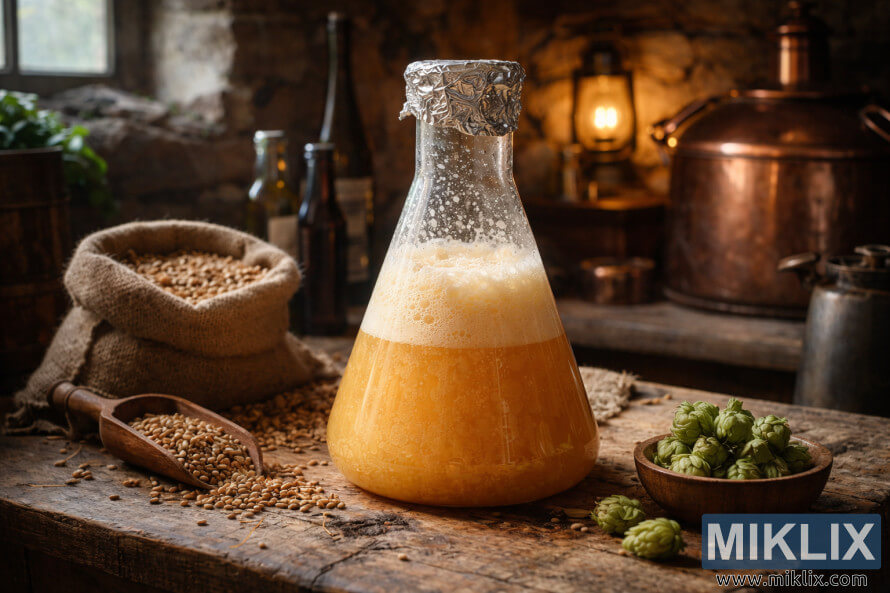
Click or tap the image for more information and higher resolutions.
Attenuation and How It Shapes Beer Styles
WLP004 attenuation typically ranges from 69-74% within the White Labs spectrum. This moderate level ensures a drier finish, surpassing many British strains. It also preserves enough malt presence to enhance roasty and caramel flavors in darker beers.
To estimate the finishing gravity, apply the yeast's attenuation to the original gravity. Use the 69-74% attenuation range to forecast the FG. Then, adjust the mash or recipe to achieve the desired mouthfeel and balance.
In stouts and porters, the 69-74% attenuation accentuates roast and bitterness. This increases drinkability without sacrificing malt character. For brown ales and amber styles, it maintains caramel notes while avoiding cloying sweetness.
To enhance perceived body, increase mash temperature or add dextrin malts and unfermentable sugars. For drier results, lower mash temperature or allow the culture to fully attenuate within the WLP004 range.
- Predict FG: OG × (1 − attenuation) = estimated finishing gravity.
- To increase body and malt sweetness, target higher mash temps or add maltodextrin.
- To reduce residual sweetness, mash lower or step ferment to encourage fuller attenuation.
Understanding beer body and attenuation empowers brewers to craft recipes that meet style goals. With WLP004, planning around its 69-74% attenuation ensures control over finishing gravity. This, in turn, influences the final balance of hop, roast, and malt flavors.
Alcohol Tolerance and High Gravity Considerations
White Labs indicates WLP004 has a medium alcohol tolerance, between 5%–10% ABV. This makes it suitable for standard ales and many strong beers. Brewers must focus on maintaining yeast health and proper fermentation conditions.
When planning recipes, keep the WLP004 ABV limit in mind. For beers aiming at 8%–10% ABV, increase the yeast pitching rate. Also, make a larger starter and ensure good oxygenation at the pitch. Yeast nutrient and steady fermentation temperatures are crucial to avoid stuck fermentations.
Community reports from batches around 1.060 OG show rapid visible activity early on. However, early krausen does not guarantee final attenuation. Cell count and nutrient availability are key to reaching the final gravity. Therefore, track gravity readings to confirm completion, rather than relying solely on visual cues.
- For high gravity brewing WLP004, consider step-feeding fermentables or oxygenating again during early active fermentation to support yeast metabolism.
- If targeting above the WLP004 ABV limit, blend with a higher-tolerance strain such as White Labs WLP099 or Saccharomyces bayanus to finish attenuation.
- Use staggered nutrient additions and temperature control to keep yeast active without producing hot alcohol-derived off-flavors.
Practical mitigation includes robust pitching, oxygenation, and monitoring. These steps help high gravity brewing WLP004 reach its full potential. They respect the practical WLP004 alcohol tolerance noted by White Labs and experienced brewers.
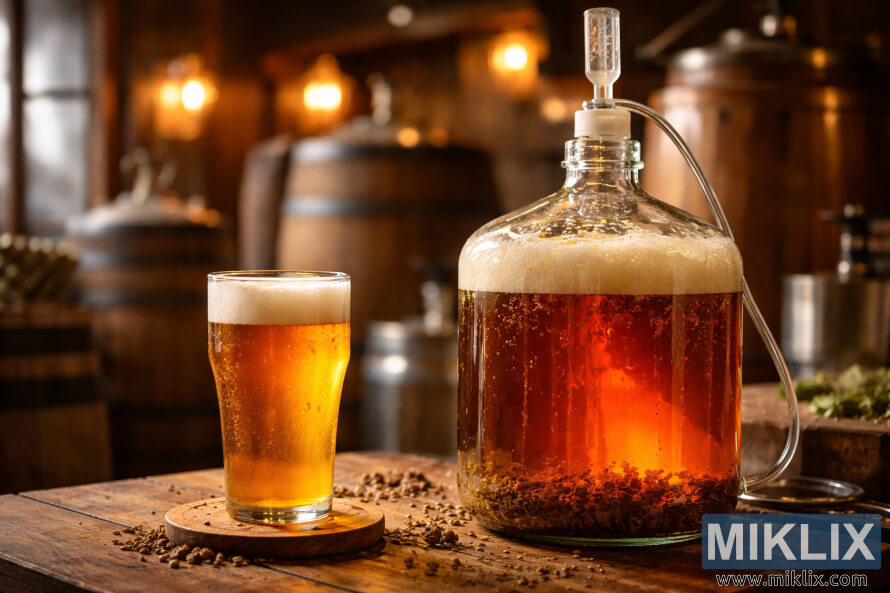
Click or tap the image for more information and higher resolutions.
Flocculation Behavior and Clarification
White Labs rates WLP004 flocculation as medium to high. This means the yeast will settle fairly well after primary fermentation. This aids in producing clearer beer with basic conditioning.
The timing of WLP004 clarification is crucial. A short cold crash of 24–48 hours can enhance yeast settling. Meanwhile, a longer conditioning period at cellar temperatures allows more particles to drop naturally.
- Allow at least a week of conditioned rest before packaging to improve yeast settling behavior.
- Cold-crash in the last 1–3 days to speed clarification when bottling or kegging soon.
- Rack gently to avoid disturbing the yeast cake and re-suspending trub.
To achieve ultra-clear beer, consider using fining agents like gelatin or Irish moss. Many brewers find that moderate WLP004 flocculation reduces the need for heavy fining in standard ales.
Remember, there's a trade-off between flavor and clarity. Higher flocculation can limit some long-term conditioning effects. This is because slow-settling strains allow for more maturation before yeast drop. So, plan your conditioning times accordingly if you prefer more maturation before yeast drop.
Here's a practical workflow: finish primary fermentation, then rest at fermentation temperature for diacetyl cleanup if needed. After that, cold-crash and condition. This sequence promotes consistent WLP004 clarification and predictable yeast settling behavior.
Recommended Beer Styles for WLP004
WLP004 excels in brewing classic Irish and British ales. It's perfect for Irish Red and Brown Ale, offering a clean malt profile and balanced esters. These highlight biscuit and caramel malts beautifully.
Stout and Porter also benefit from WLP004's neutral character. It supports roast flavors without compromising drinkability. This makes it ideal for achieving smooth roast flavors and a soft finish.
English Bitter and English IPA are natural matches for WLP004. This yeast strain keeps hop bitterness and malt balance in check. Expect restrained phenolics and excellent drinkability in session ales.
Blonde Ale and Red Ale showcase a bright, rounded finish with WLP004. Brewers seeking a mild ester profile will appreciate how grain and hop nuances are cleanly displayed.
For darker, malt-forward brews like Scotch Ale, WLP004 allows rich malt complexity to shine. It keeps fermentation character subtle, ensuring malt flavor takes center stage.
White Labs suggests using WLP004 for cider, dry mead, and sweet mead. When fermenting honey or apple must, monitor attenuation and fermentation closely. These substrates can behave uniquely compared to wort.
When brewing very high gravity beers above 10% ABV, WLP004 may face challenges. It might struggle to finish such beers alone. Consider adding nutrients, stepped feeding, or a more alcohol-tolerant strain for extreme strengths.
In summary, WLP004 is versatile, suitable for a wide range from Blonde Ale to Stout. The best beers for WLP004 are those that benefit from its clean, malt-forward yeast character typical of Irish ale yeast styles.
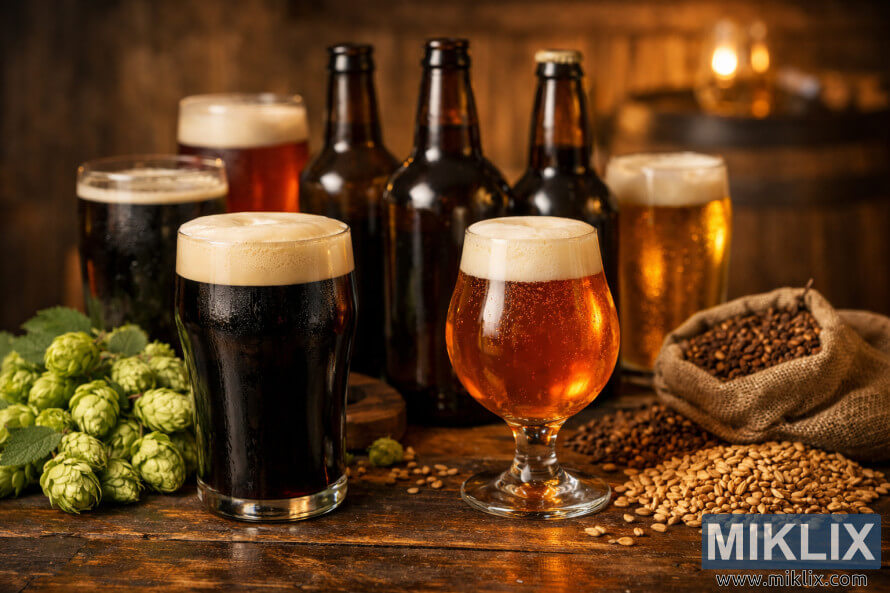
Click or tap the image for more information and higher resolutions.
Flavor Contributions and How to Manipulate Them
WLP004 flavor brings out gentle esters that enhance malt flavors without overpowering them. It has a medium attenuation, leaving enough sweetness for roast and chocolate malts in stouts and porters. This balance is perfect for brewers aiming to create a soft, drinkable stout that highlights malt depth.
Temperature plays a crucial role in managing WLP004 esters. Warmer temperatures during fermentation increase ester formation. On the other hand, cooler temperatures result in cleaner flavors, allowing roast notes to shine.
Some brewers start fermentation at 70°–75°F and then cool it to the mid-60s once fermentation is active. Others prefer a constant mid-60s temperature for consistency. The choice depends on the desired flavor profile.
Recipe and brewing process also influence yeast character. Increasing mash temperatures can enhance body and dextrins for a fuller mouthfeel. Conversely, lowering mash temperatures results in a drier finish, accentuating roast bitterness.
- Oxygenation: Proper aeration at pitch supports healthy fermentation and cleaner flavors.
- Pitch rate: Adequate cell counts reduce stress-related off-flavors and help express intended esters.
- Yeast health: Fresh, well-fed yeast delivers predictable attenuation and stable WLP004 esters.
When aiming for roastiness, WLP004's medium attenuation is key. It allows roast and chocolate malts to take center stage. If the beer becomes too dry, consider increasing mash temperatures or adding adjuncts like flaked oats to balance the finish.
By adjusting temperature, mash profile, and pitch practices, brewers can intentionally shape WLP004 flavor. Tracking changes in one variable at a time helps understand their impact on mouthfeel and roast perception.
Common Fermentation Issues and Troubleshooting
Many brewers notice a fast, tall krausen with WLP004 that collapses after two days. This can be normal for White Labs Irish ale yeast. However, it's crucial to confirm progress with a quick gravity check. Relying solely on airlock bubbling can lead to misinterpretation of fermentation status.
When activity seems to slow, take a hydrometer or refractometer reading. Briefly removing the airlock while vigorous bubbling continues is generally safe. This is because CO2 pressure keeps oxygen out. Frequent gravity checks help differentiate normal lag from a true WLP004 stuck fermentation.
- If fermentation stalls on higher gravity beers, inspect pitch viability and oxygenation. Underpitching and low dissolved oxygen are common causes of fermentation problems WLP004.
- Consider a fresh starter or an additional pack of active yeast if gravity stays high after 48–72 hours of minimal change.
- Raise fermentation temperature into the recommended mid-60s°F range for stressed or slow yeast. Avoid rapid jumps above safe limits.
- Gently swirl the fermenter to resuspend settled yeast and encourage renewed activity.
Preventive measures can reduce the risk of WLP004 stuck fermentation. Use an appropriate pitching rate or create a starter for high original gravities. Ensure proper wort oxygenation just before pitching. Keep fermentation temperature steady in the recommended range for consistent performance from WLP004.
When troubleshooting, work methodically: check gravity, verify yeast health, confirm oxygen levels, and adjust temperature if needed. This approach addresses most fermentation problems WLP004 users encounter. It gets beer back on track with minimal stress to the yeast.
Comparing WLP004 to Other Irish/British Ale Yeasts
WLP004 offers an attenuation range of 69–74%, placing it in a middle ground. This results in a moderately dry finish that preserves malt character. In contrast, some English strains attenuate lower, leading to a sweeter body. Others achieve higher attenuation, resulting in a leaner, drier beer.
Flocculation for WLP004 is medium-to-high. This characteristic allows for clearer ales than many British strains but remains more active than highly flocculent ones. Brewers aiming for clarity without extreme drop-out find WLP004 practical and forgiving for packaging and conditioning.
Flavor-wise, WLP004 produces modest ester levels, enhancing malt flavors in stouts, bitters, and Irish reds. Compared to other Irish ale yeasts, WLP004 leans towards balance rather than bold fruitiness. British ale yeast comparison reveals strains with stronger esters or phenolic notes, altering the beer's aroma and perceived sweetness.
For beers under higher gravity, strains with elevated alcohol tolerance are preferred for stronger attenuation. When comparing British ale yeasts, choose based on target ABV and desired dryness. Opt for WLP004 for its malt-forward character, moderate dryness, and reliable clarification.
- Use WLP004 for classic Irish and some British styles that benefit from restrained esters.
- Opt for other English strains to get fuller ester or phenolic expression.
- Select higher-tolerance strains for extreme attenuation and higher ABV beers.
When comparing WLP004 to other yeasts, consider the desired outcome: clarity, malt balance, or pronounced ester profile. This choice will guide your strain selection and align fermentation plans with style goals.
Practical Brewing Workflow with WLP004
Before heating the strike water, plan your WLP004 brewing workflow. Utilize the White Labs pitch rate calculator or create a starter for your desired original gravity. Store vials or slants according to the manufacturer's instructions and keep them chilled until use.
Ensure thorough oxygenation or aeration of the wort, especially for high-gravity batches. Adequate oxygen levels are crucial for a robust start to fermentation, reducing the risk of fermentation stalling.
- Pitch when the wort temperature falls within the recommended range.
- Target fermentation temperature: 65°–68°F (18°–20°C).
- Many brewers aim for the mid-60s (64°–65°F) for a classic Irish character.
Expect to see krausen within 24–72 hours. Monitor gravity readings to confirm fermentation activity, rather than relying on smell or bubbles. This approach ensures a consistent and repeatable brewing process.
Allow primary fermentation to complete before conditioning. WLP004 exhibits medium-high flocculation, so allow sufficient time for yeast to settle for clearer beer.
For faster clarification, consider cold crashing or adding finings. When packaging, rack gently to avoid disturbing the yeast cake. For bottle conditioning, calculate priming sugar based on expected attenuation to safely achieve target carbonation.
For high-gravity beers, prepare a larger starter and ensure extra oxygenation. Closely monitor fermentation during the WLP004 process if alcohol levels approach the yeast's tolerance limits.
Keep a simple log: record pitch date, starter size, temperatures, and gravity readings. A concise log enhances consistency and streamlines future brewing iterations with WLP004.
Real-World User Notes and Community Tips
On HomebrewTalk and Reddit, brewers share valuable insights from their test batches. They often mention fermenting Irish red ales and similar malty styles at ambient temperatures between 64°–65°F. This temperature range helps control esters and ensures predictable attenuation.
One brewer noted a vigorous krausen for two days that collapsed rapidly. Many suggest taking gravity readings over relying on airlock bubbles. This method helps avoid the uncertainty of rapid-looking activity.
White Labs documentation and PurePitch resources are frequently mentioned as essential references. Some brewers pitch at warmer temperatures, around 70°–75°F, before cooling to 65°–70°F. Others prefer maintaining a consistent mid-60s temperature for simplicity and consistency.
- Always take hydrometer or refractometer readings instead of relying solely on airlock activity.
- If OG is near 1.060, consider making a starter or using a second vial to avoid underpitching.
- Oxygenate wort properly before pitching to support yeast health and reduce fermentation stalls.
Forum advice often highlights the importance of standard brewing hygiene and precise measurements. Users agree that following these practices leads to consistent, malt-forward results. This makes WLP004 a reliable choice for British and Irish beer styles.
Keeping detailed records is a common recommendation. Track pitch rate, temperatures, OG, and FG to compare batches. Small variations in schedule or oxygenation can significantly impact the outcome, as users have found.
For troubleshooting, the community suggests checking yeast viability if fermentations are slow. Fresh White Labs vials and consulting PurePitch Q&A or product reviews can provide valuable insights. These practical tips complement formal lab guidance.
Conclusion
White Labs WLP004 Irish Ale Yeast is a valuable asset for homebrewers. It offers consistent attenuation of 69–74%, medium-to-high flocculation, and a fermentation range of 65°–68°F (18°–20°C). This yeast is particularly adept at enhancing roasty, malty flavors in British and Irish ales, while keeping esters in check and ensuring clarity. This summary serves as a guide to assess its suitability for your brewing projects.
To achieve the desired flavor, aim for a fermentation temperature in the mid-60s. For stouts, porters, or red ales with higher gravities, increase the pitching rate or create a starter. Ensure good oxygenation to prevent fermentation from stalling. Rely on gravity readings to monitor fermentation progress, rather than time, for optimal results.
Community feedback and White Labs PurePitch guidance affirm WLP004's reliability for traditional ales. The verdict on White Labs Irish Ale Yeast is clear: it's a versatile, authentic choice for brewers seeking balanced malt character and clean attenuation. It's an excellent option for both home and craft brewers aiming to create classic Irish and British ales.
Further Reading
If you enjoyed this post, you may also like these suggestions:
- Fermenting Beer with Bulldog B44 European Ale Yeast
- Fermenting Beer with Wyeast 1882-PC Thames Valley Ale II Yeast
- Fermenting Beer with Wyeast 3463-PC Forbidden Fruit Yeast