
Fermenting Beer with Wyeast 1272 American Ale II Yeast
Published: December 10, 2025 at 9:26:41 PM UTC
Wyeast 1272 American Ale II is a top choice for brewers aiming for consistent results in American-style beers. It's known for its reliable fermentation and ability to enhance hop and malt flavors without overpowering them.
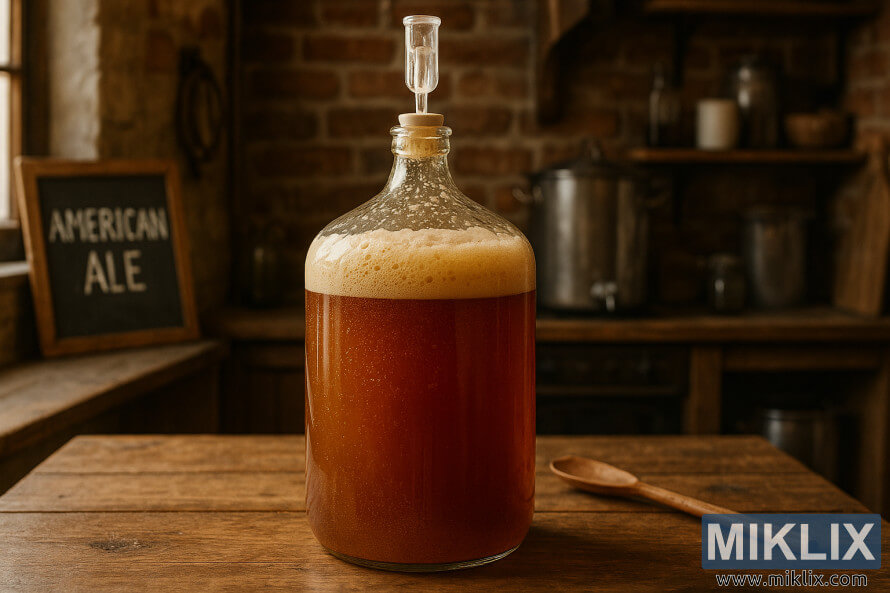
Click or tap the image for more information and higher resolutions.
This article delves into the use of Wyeast 1272 American Ale II Yeast for beer fermentation. It's a liquid ale yeast favored by brewers in the for its consistent attenuation and clean American ale flavor. Our guide offers practical, evidence-based advice based on Wyeast specifications and community feedback.
Wyeast 1272 is a versatile American ale yeast, suitable for a variety of styles. You'll find detailed guidance on fermentation performance, flavor contributions, and the best scenarios for use. We also cover troubleshooting, sourcing, and storage tips to ensure consistent brewing with Wyeast 1272.
Expect to find factual metrics like attenuation ranges, flocculation, and temperature recommendations. These are complemented by community-tested techniques. Whether brewing a hop-forward IPA or a crisp American amber, this section prepares you for reliable results with Wyeast 1272.
Key Takeaways
- Wyeast 1272 American Ale II Yeast is a reliable liquid ale yeast for American styles.
- It offers steady attenuation and neutral ester production for hop-forward recipes.
- Article provides evidence-based fermentation metrics and starter recommendations.
- Ideal as a house strain for consistent, repeatable fermentations.
- Includes troubleshooting, sourcing, and storage advice for U.S. brewers.
Why Choose Wyeast 1272 American Ale II Yeast for Your Brews
This yeast offers a soft, clean taste with hints of light nuttiness and a slightly tart finish. Its adaptability to temperature allows for varied outcomes: warmer temperatures enhance hop aroma and fruitiness, while cooler temperatures result in a clean, light citrus flavor.
Many brewers choose Wyeast 1272 as their go-to yeast for its balance of versatility and predictability. It produces bright beers with minimal processing, thanks to its good flocculation. This reduces the need for heavy filtration.
Retail reviews and recipe databases highlight the widespread use of Wyeast 1272. It's a favorite among homebrewers and professionals alike. Its consistent performance and flexible flavor control make it ideal for crafting reliable, enjoyable beers.
Strain Profile and Origins of Wyeast 1272 American Ale II Yeast
Wyeast 1272 American Ale II has its roots in American Ale II, a liquid ale yeast designed for U.S. style beers. It's chosen for its reliable fermentation and consistent attenuation. This yeast provides a clean base, enhancing both hops and malt.
The strain profile of Wyeast 1272 emphasizes balance over bold esters. It offers a mild, slightly nutty flavor with restrained fruitiness. This makes it ideal for American Pale Ale and IPA, where yeast should complement hop aromas without overpowering them.
Its versatility is why both hobbyists and professionals favor it. Recipe databases showcase Wyeast 1272 in a variety of beers, from amber ales to stouts and fruit beers. It adapts well to different grain bills and hopping rates.
- Form: liquid yeast suitable for starters and direct pitches.
- Character: balanced, less fruity, smooth finish.
- Use cases: ranges from clean American ales to some English-style interpretations.
Feedback from the brewing community praises its consistent performance and ease of use. The American Ale II branding indicates a focus on modern American ales. Yet, it also allows for subtle English notes, making it a versatile choice for many recipes.
Fermentation Temperature Range and Its Impact
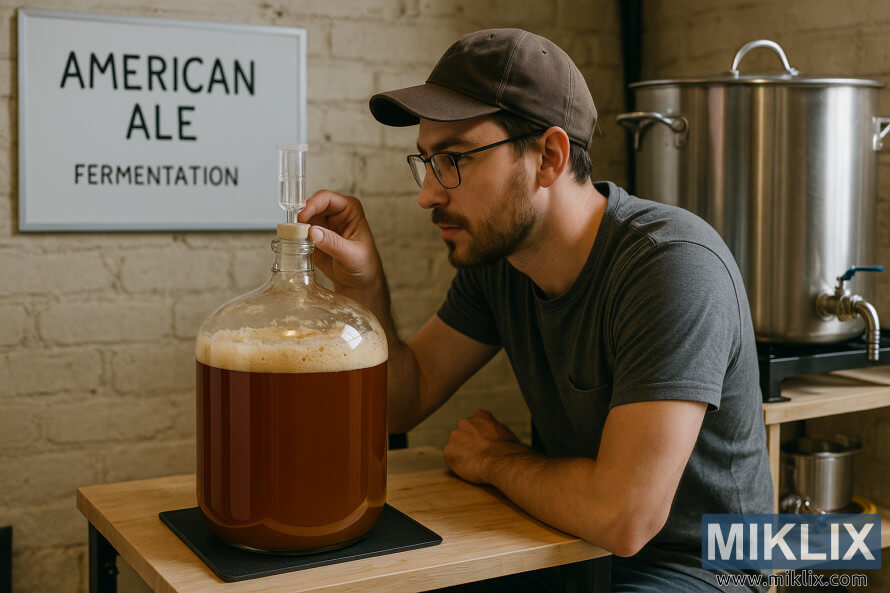
The Wyeast 1272 temperature range is typically 60–72°F (15–22°C). Some third-party sources suggest 16–22°C (60.8–71.6°F), which matches the manufacturer's advice. Keeping within this range ensures consistent results for American Ale II fermentation.
Running fermentations at the lower end, around 60–64°F (15–18°C), helps keep esters low. This promotes a clean taste with subtle citrus notes. Brewers aiming for a crisp, fruity-free ale will find cooler primary fermentation ideal.
Increasing temperatures to about 68–72°F (20–22°C) enhances hop character and fruity esters. This method is great for hop-forward ales, but it may shorten lager-like aging and quicken attenuation.
Temperature control significantly impacts attenuation speed, ester profile, and perceived hop bitterness. Proper management during American Ale II fermentation prevents unpredictable esters and off-flavors caused by yeast overheating.
- Target the stated Wyeast 1272 temperature range for consistent attenuation.
- Use a fermentation chamber or fridge with controller for steady temps.
- Stress yeast less by avoiding rapid swings; gradual increases can finish fermentation without harsh aromas.
Click or tap the image for more information and higher resolutions.
Attenuation, Flocculation, and Alcohol Tolerance
Wyeast 1272 has a reported attenuation range of 72–76% on manufacturer notes. The community value is around 74.0%. This attenuation level results in beers that finish moderately dry, yet still retain some malt presence when desired.
Brewers will find reliable flocculation with this strain. Sources vary, but practical experience shows consistent clearing without heavy filtration. This makes it ideal for both lagers and ales where a bright appearance is crucial.
The alcohol tolerance 1272 is approximately 10% ABV. This allows for use in standard-strength ales and many stronger styles up to about 10% without stressing the yeast. For very high-gravity brews, consider incremental feeding or restarts to maintain strong attenuation.
Practical steps to match these traits:
- Target mash and pitching practices that support 72–76% attenuation for predictable dryness.
- Give time for settling; reliable flocculation speeds clarification but conditioning still improves polish.
- Respect alcohol tolerance 1272 by managing wort gravity and oxygenation to avoid stalled fermentations near 10% ABV.
The attenuation Wyeast 1272, flocculation, and alcohol tolerance 1272 profile make this yeast versatile for many American ale styles. Plan conditioning and packaging timelines around its clearing behavior to achieve the desired balance of body and clarity.
Flavor and Aroma Contributions to Finished Beer
Wyeast 1272 offers a soft, clean base that enhances malt and hop flavors. Its flavor profile is balanced, avoiding bold esters. Brewers appreciate its mild, nutty yeast character, which subtly supports the beer's overall taste.
The fermentation temperature significantly influences the aroma of American Ale II. Cooler temperatures result in clean, light citrus notes that brighten pale ales. Warmer temperatures, however, bring out hop-forward character and gentle fruity esters, complementing citrusy and piney hops.
This strain is designed to complement, not overpower, grain and hop choices. Its nutty character adds a subtle depth to malty backbones. It's also ideal for adjunct or fruit beers, allowing added ingredients to take center stage while providing a hint of yeast-derived complexity.
Brewers value Wyeast 1272 for its ability to create smooth, drinkable beers with nuanced aromas. Its controlled ester production and clear flavor profile make it a go-to for showcasing American hops and beers that require a neutral yeast background.
Best Beer Styles to Brew with This Yeast
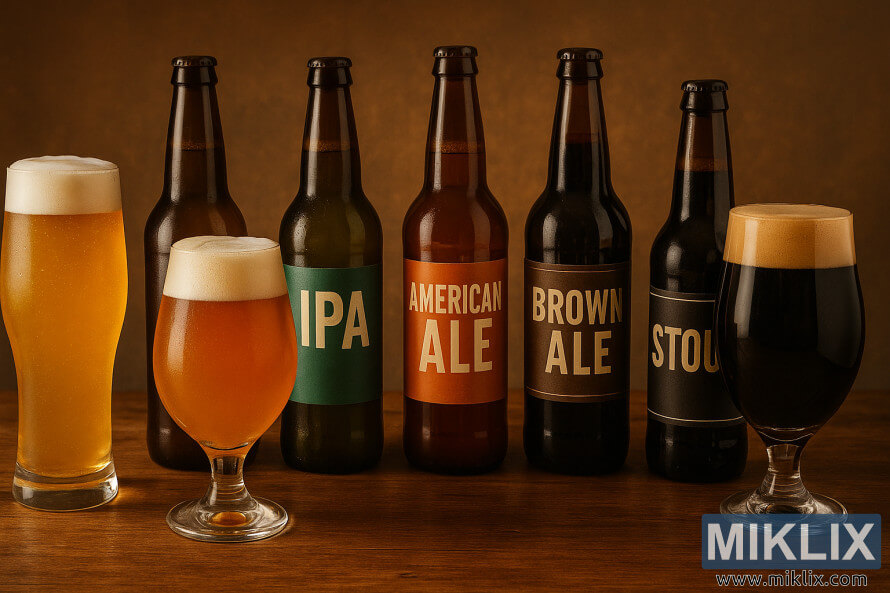
Wyeast 1272 excels in hop-forward American ales and malt-driven brews. Its clean fermentation and moderate attenuation make it ideal for American Pale Ale and American IPA. These styles benefit from clear hop expression.
For balanced malt character, consider American Amber Ale and American Brown Ale. The yeast provides enough body for caramel and toasty notes. It keeps the finish crisp and refreshing.
- American Pale Ale — bright hop expression and steady attenuation.
- American IPA — lets hop bitterness and aroma come through clearly.
- American Amber & Brown Ale — enhances malt complexity without masking hops.
- Blonde Ale — clean, drinkable base for subtle hop or malt focus.
- American Stout — supports roast malt while maintaining drinkability.
- Imperial IPA & Wood-Aged Beer — suitable with careful oxygen and yeast management for higher gravities.
- Fruit Beer & Adjunct Styles — restrained esters help fruit character shine.
This yeast also fits some English-style ales for a balanced, slightly nutty profile. Its versatility makes it perfect for brewers who enjoy both traditional and modern recipes.
When brewing higher-gravity batches, monitor oxygenation and pitching. This ensures healthy attenuation. The yeast's clarity and tolerance allow it to handle a wide range of recipes without muddying flavors.
Click or tap the image for more information and higher resolutions.
Pitching Rates and Starter Recommendations
Wyeast 1272, a liquid strain, requires precise pitching rates. Target 0.75–1.5 million cells per mL per °P for standard ales. For high-gravity beers, increase the pitch to prevent off-flavors from stressed yeast.
When brewing a 1.050 original gravity beer, a single Wyeast smack pack or vial might not suffice. Many brewers opt for yeast starters to achieve the desired cell count. This ensures consistent attenuation and flocculation.
- Make a starter when packs are several weeks old or when brewing above typical gravity.
- For Imperial styles or beers approaching 10% ABV, build a larger starter or use multiple packs.
- Oxygenate wort before pitching and maintain sanitation during starter prep.
Standard starter practices include creating a small wort, aerating well, and pitching the starter 12–24 hours before transferring to main wort. If initial growth is insufficient, step up with larger volumes.
Verify pack viability for older vials. Even for moderate gravities, consider making yeast starters if viability is uncertain. Proper liquid yeast pitching enhances fermentation vigor and final beer quality.
Fermentation Schedules and Monitoring
Start with a detailed fermentation schedule for Wyeast 1272. A healthy starter or a smack pack should show activity in 12–48 hours. Maintain the wort temperature between 60–72°F for consistent fermentation.
Primary fermentation typically lasts 4–7 days, with vigorous bubbling. Gravity and temperature influence the duration, especially for high-gravity beers. Monitor daily for the first week.
Use a hydrometer or refractometer to track fermentation. These tools help confirm when attenuation reaches 72–76%. Stable readings 24–48 hours apart signal fermentation completion.
Pay attention to visual signs as well. Krausen rise and fall, yeast flocculation, and clarity changes offer additional insights. Combining visual observations with instrument readings minimizes the risk of under-attenuation.
- Day 0–2: Active krausen, fast gravity drop.
- Day 3–7: Slowing activity, aim to reach target attenuation.
- Day 7–14: Conditioning and clarification; confirm stable gravity before packaging.
For high-gravity ales, extend primary and conditioning periods. Extra days are crucial to avoid bottling or kegging too soon. This patience ensures flavor preservation and prevents carbonation issues.
Keep a log to track fermentation and document the timeline for future batches. Consistent records aid in refining pitch rates, temperature control, and expected attenuation for Wyeast 1272.
Controlling Esters and Off-Flavors
To manage the esters Wyeast 1272 naturally produces, aim for fermentation temperatures between 60–65°F (15–18°C). This cooler range promotes clean fermentation. It also minimizes fruity esters that can overshadow the hop and malt flavors.
Begin with accurate pitching rates and ensure good oxygenation at the start. Healthy yeast counts and a brief oxygen pulse help yeast thrive early. This reduces the risk of off-flavors from stressed yeast. For high-gravity brews, adding yeast nutrient supports robust yeast growth.
Avoid sudden temperature changes and prolonged high temperatures. Warmer fermentation conditions can enhance ester formation, ideal for those seeking a fruitier taste. To prevent off-flavors, use a temperature controller, swamp cooler, or fermentation fridge to maintain stable ambient temperatures.
Sanitation is crucial for maintaining clean flavors. Ensure all equipment is clean and perform timely transfers to minimize bacterial contamination risks. If sulfur notes appear, extend the beer's time on the yeast and cold-condition before packaging.
- Ferment at 60–65°F to favor clean fermentation.
- Pitch correct cell counts and oxygenate well at the start.
- Use nutrients for high-gravity batches to reduce stress compounds.
- Keep temperatures consistent to prevent sudden ester spikes.
- Allow conditioning and cold-crash to clear sulfur and other off-notes.
Wyeast 1272’s medium to high flocculation aids in clearing compounds with conditioning time. Implement these strategies to prevent off-flavors and maintain the yeast’s neutral, beer-forward character.
Clarification, Flocculation, and Finishing Techniques
Wyeast 1272 is renowned for its reliable settling, aiding brewers in achieving bright beer with minimal processing. This strain naturally yields good clarity after primary fermentation, provided it is handled gently and given sufficient time.
To expedite clearing, cold-crash the fermenter to near-freezing for 24–72 hours. This temperature drop encourages yeast and haze particles to settle. Rack carefully to a secondary or keg to avoid stirring the lees.
Fining agents can be beneficial when needed. Gelatin or isinglass are effective for most ales and are straightforward to use. Use them sparingly and adhere to the manufacturer's guidance to maintain flavor and head retention.
Extended conditioning refines the beer's clarity by reducing residual yeast character. Kegging with 1–3 weeks of cold conditioning, or short lagering where suitable, often transforms hazy beer into a bright, ready-to-serve product.
Avoid excessive transfers that disturb the sediment. Minimize siphoning and leave the lees undisturbed when feasible. Gentle siphoning and the use of a racking cane with a valve reduce oxidation risk and preserve clarity.
- Cold-crash 24–72 hours to promote settling
- Use gelatin or isinglass for targeted clarification
- Condition in keg or secondary for 1–3 weeks for best results
- Limit racking to prevent disturbing the yeast bed
For commercial clarity, filtration or centrifugation yields the cleanest results. However, most homebrewers achieve satisfactory clarity by combining the strain's natural flocculation with cold conditioning and gentle handling.
Pairing Wyeast 1272 with Malts, Hops, and Adjuncts
Wyeast 1272 excels when combined with malts, hops, and adjuncts to craft well-balanced beers. Begin with a base of American pale malt or two-row for clean American ales. For an English-inspired taste, use malts similar to Maris Otter to add biscuity notes. Incorporate small amounts of crystal or amber malts for styles like amber and brown, allowing the yeast's subtle nuttiness to emerge.
The yeast preserves hop aroma and bitterness, making it ideal for pairing with various hop varieties. Classic American hops such as Cascade, Centennial, Citra, and Simcoe complement the strain well. Warmer fermentation conditions can enhance hop expression, perfect for hop-forward IPAs and pale ales.
Adjuncts like American Ale II pair well with Wyeast 1272, offering a clean canvas for additions. Fruit additions, such as citrus or stone fruit, will stand out without being overshadowed by yeast esters. The yeast's neutral profile also benefits wood-aging, allowing oak and barrel notes to shine while adding subtle yeast-derived nuances.
When brewing high-gravity or high-IBU beers, careful planning of yeast nutrition and oxygenation is crucial. Wyeast 1272's balanced attenuation supports both malt and hop-forward recipes. However, heavy grists and big hop bills require robust starters and nutrients to achieve a clean finish.
Recipe design allows for easy adjustments in sweetness, dryness, and ester presence. By tweaking fermentation temperature and pitching rate, you can favor a drier finish or a fruitier ester profile. Align these choices with your malt bill and hop schedule to achieve the perfect balance between grain, bitterness, and aroma.
- Base malt choices: American two-row, Maris Otter-like for depth.
- Specialty malts: Small doses of crystal or amber for color and nuttiness.
- Hops: Cascade, Centennial, Citra, Simcoe for bright aromas.
- Adjuncts: Fresh fruit additions and oak work best with the yeast’s neutrality.
- Process tips: Prioritize oxygenation, nutrition, and appropriate pitching for imperial or high-IBU beers.
Troubleshooting Common Fermentation Issues
When tackling Wyeast 1272 issues, begin with the fundamentals. Ensure the correct pitching rate, verify the yeast's freshness, and confirm adequate oxygenation before pitching. Often, poor yeast health manifests as slow or stuck fermentation.
For slow or stuck fermentation, monitor gravity readings to track progress. If readings plateau for over three days, warm the fermenter within the yeast's optimal range. Gently swirl to resuspend the yeast. If necessary, prepare a fresh starter or re-pitch active yeast to overcome the issue.
Off-flavors, such as fruity esters or solvent notes, indicate stressed yeast. Adjust the fermentation temperature and reassess oxygenation practices for future brews. Adding yeast nutrient during early fermentation is crucial for high-gravity worts.
Poor attenuation can stem from underpitching or weak starters. Verify the original and final gravities. For beers aiming at 72–76% attenuation, consider larger starters or step-feeding sugars in high-gravity brews to support yeast performance.
Clarity issues may persist despite high flocculation. Allow additional conditioning time and cold-crash before packaging. Consider using finings like isinglass or gelatin. Avoid disturbing the yeast cake during racking to maintain trub in the fermenter.
High final gravity in high-ABV beers signals alcohol stress. Respect the yeast's tolerance—Wyeast 1272 is suitable for many ales but may struggle beyond 10% ABV. Employ generous oxygenation, larger starters, or blend with a more tolerant strain for very strong brews.
Keep detailed records of temperature, pitch size, and timings for each batch. This log aids in quick troubleshooting of Wyeast 1272 issues and minimizes repeat fermentation problems.
Click or tap the image for more information and higher resolutions.
Comparisons to Other Popular American Ale Yeasts
Wyeast 1272 is a standout in ale yeast comparisons for its balance. It outshines many English strains with their strong esters. This yeast enhances the flavors of hops and malt, adding a subtle nutty note.
In comparing American ale yeasts, Wyeast 1272 vs others, it's clear that 1272 offers a moderate character. It has more personality than neutral, lager-like strains but less than some English strains. This yeast adds a slight tartness that enhances mouthfeel without overpowering the other ingredients.
Performance metrics are key when deciding between strains. Wyeast 1272 boasts 72–76% attenuation and medium–high flocculation. Its alcohol tolerance near 10% ABV makes it suitable for stronger ales that other yeasts can't handle.
Practical use cases guide the choice of yeast. Brewers often choose 1272 for its reliability in preserving recipe clarity. For those aiming for extreme ester profiles or complete neutrality, specialized English or neutral strains are better.
- Flavor profile: cleaner than fruity English strains, more character than ultra-neutral yeasts.
- Fermentation behavior: mid-to-high attenuation, reliable flocculation, good alcohol tolerance.
- Best fit: American-style ales where hop and malt notes should remain prominent.
Use this comparison to align yeast choice with recipe goals. For clean, drinkable beers with a touch of yeast-derived complexity, Wyeast 1272 vs others often hits the mark.
Real-World Recipe Examples and Brewing Notes
Wyeast 1272 recipes are found in many community collections. They are used in a variety of beers, including American IPA, APA, amber, brown ale, and stout. The brewing notes for American Ale II are crucial in translating lab specifications into practical brewing practices.
For a 5-gallon American Pale Ale, target OG 1.045–1.055. It's recommended to pitch a healthy starter or two packs for optimal results. Ferment at 62–66°F for a clean profile. Dry-hop late to enhance hop aroma without introducing yeast-driven esters.
When brewing Imperial IPA or other high-gravity beers, use larger starters or multiple yeast packs. Ensure thorough oxygenation before pitching. Ferment at 68–72°F to enhance hop character and push attenuation. Monitor ABV and yeast health to avoid alcohol tolerance issues.
Amber and brown ale recipes benefit from slightly warmer mash temperatures or specialty malts. Incorporate Munich, crystal, or brown malts for nutty depth. The yeast naturally contributes hints of nut and slight tartness, complementing these malts.
Fruit beers benefit from adding fruit after primary fermentation. Add fruit during secondary or tertiary fermentation to preserve fresh flavor. Wyeast 1272 recipes provide a clear base, allowing fruit notes to shine while the yeast offers subtle balance.
- Pitching: healthy starter or 2+ packs for 5 gallons at standard gravities.
- Temperature: 62–66°F for clean ales; 68–72°F for fuller attenuation in big beers.
- Oxygenation: vigorous for high-gravity example recipes to support yeast growth.
- Dry-hopping/fruit timing: late additions preserve aroma and fruit integrity.
Keep detailed brewing notes American Ale II with each batch. Record starter size, pitch temperature, fermentation duration, and final gravity. Small adjustments from one batch to the next refine results and build a reliable recipe library.
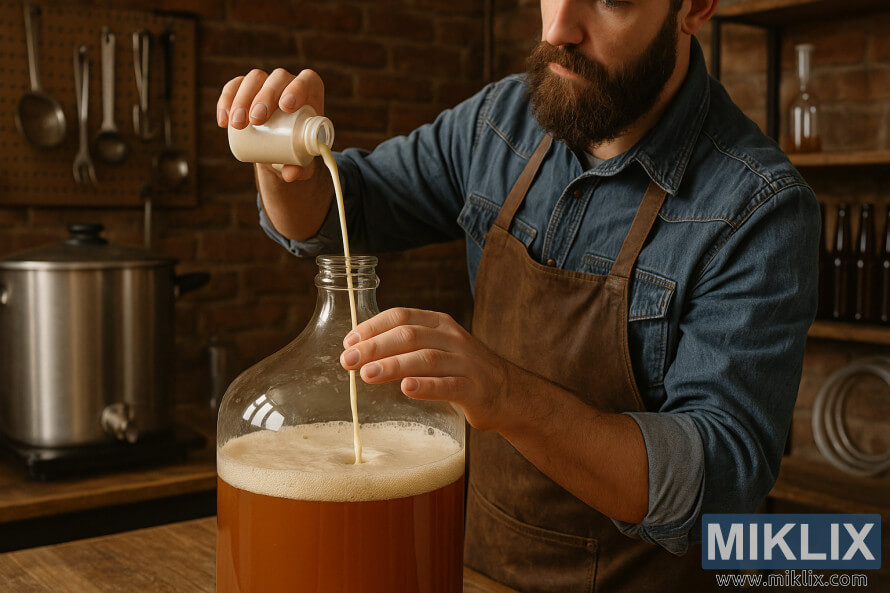
Click or tap the image for more information and higher resolutions.
Where to Buy, Storage, and Viability Tips
Wyeast 1272 is available at major homebrew suppliers across the United States and online stores. Before purchasing, examine product pages for stock updates, user feedback, and shipping details. Retailers often provide community feedback and Q&A sections to verify Wyeast 1272 availability.
When comparing prices, consider both local brew shops and national retailers. Look for free-shipping thresholds and any ongoing discounts. Some listings boast over a hundred reviews, offering insights into the yeast's performance across various brew styles.
Proper storage is crucial for consistent results. Store packs in the refrigerator and use them before the expiration date. For older packs or packs with unclear expiration dates, follow best practices for liquid yeast storage, including refrigeration and gentle handling.
If the pack's age is uncertain, consider creating a starter to boost cell count. For beers with average gravity, a small starter can significantly increase the chances of a clean fermentation. For more complex recipes, increase the starter size accordingly.
Improving yeast survival during transfer from fridge to wort involves cold-shock and careful handling. Allow the yeast to warm up slightly before pitching, but avoid prolonged exposure to room temperature. These precautions help maintain yeast vitality, especially when purchasing from vendors with slower shipping.
When shipping, opt for sellers that use cold-chain or expedited shipping methods. This ensures high viability and minimizes the need for large starters. Confirm Wyeast 1272 availability and shipping practices before completing your purchase to avoid delays that could compromise yeast quality.
- Check pack date and expiration on receipt.
- Refrigerate immediately and keep cold until pitching.
- Use a starter for older packs or uncertain storage history.
- Prefer vendors with cold-chain or fast shipping to protect viability.
Conclusion
Wyeast 1272 American Ale II stands out as a versatile and dependable liquid yeast for a broad spectrum of American styles. Its clean, soft profile, with subtle nutty and lightly tart notes, complements both hop-forward IPAs and malt-forward ambers. The strain's performance metrics—around 72–76% attenuation, medium–high flocculation, and a 60–72°F fermentation range—ensure consistent results for many recipes.
This Wyeast 1272 review underscores its strengths for brewers seeking consistency. It offers steady attenuation, a reasonable alcohol tolerance near 10% ABV, and a forgiving fermentation window. By managing temperature and pitching rates, you can control esters. Building a starter for high-gravity worts and leveraging its flocculation can help achieve clear beer without excessive fining.
In summary, the final thoughts on American Ale II suggest it as a top choice for American ales aiming for a balanced, drinkable profile. It allows for flavor adjustments through temperature and pitching practices. This yeast delivers consistent fermentation across a wide range of styles, from pale ales and IPAs to ambers, browns, stouts, and specialty or fruit beers.
Further Reading
If you enjoyed this post, you may also like these suggestions:
- Fermenting Beer with Bulldog B4 English Ale Yeast
- Fermenting Beer with Wyeast 3711 French Saison Yeast
- Fermenting Beer with Wyeast 3725-PC Bière de Garde Yeast