
Fermenting Beer with White Labs WLP007 Crisp English Ale Yeast
Published: March 3, 2026 at 10:10:01 PM UTC
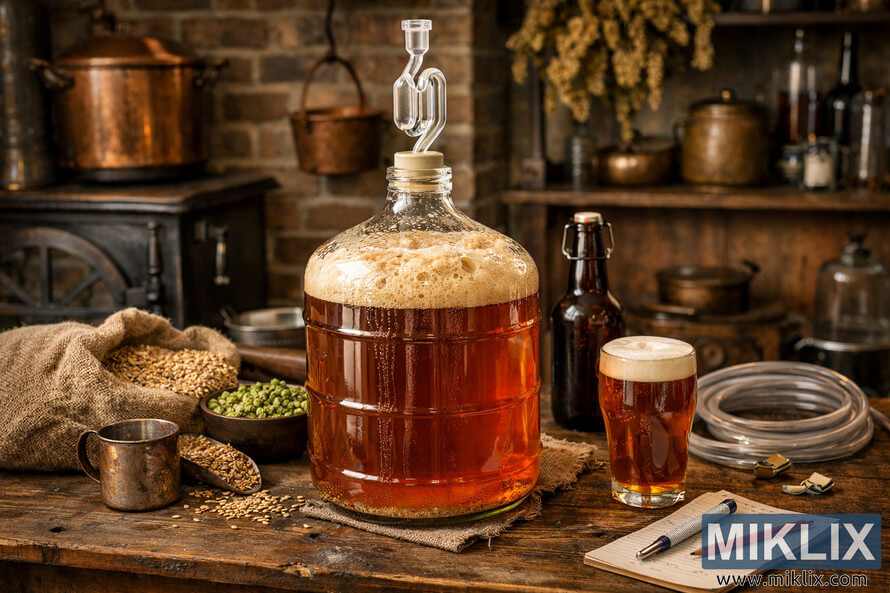
White Labs WLP007 Crisp English Ale Yeast is a core strain known for its consistent, high attenuation. It performs well across various styles. Brewers prefer this English ale yeast for its medium-to-high flocculation and reliable alcohol tolerance up to 10% ABV. It's a go-to house strain in many breweries, offering clean fermentations and gentle English esters based on temperature.
Click or tap the image for more information and higher resolutions.
When fermenting with WLP007, expect typical attenuation between 70–80%. The strain can reach about 80% even in 10% ABV beers. The recommended fermentation range of 65–70°F (18–21°C) allows you to adjust the character. Ferment cooler for a cleaner profile or warmer to enhance classic English esters. WLP007 review notes also highlight its organic availability and STA1 negative status, which are crucial for brewing decisions and recipe planning.
Key Takeaways
- White Labs WLP007 Crisp English Ale Yeast offers consistent 70–80% attenuation and medium–high flocculation.
- Fermenting with WLP007 at 65–70°F balances cleanliness and subtle English esters.
- Crisp WLP007 is available in organic form and tests STA1 negative.
- WLP007 review feedback praises its use as a reliable house strain for varied beer styles.
- The strain handles high-gravity beers well when paired with proper oxygen and nutrition strategies.
Why Choose White Labs WLP007 Crisp English Ale Yeast for Your Brew
WLP007 is renowned for its dry finish and consistent performance. It's the top choice for brewers aiming for a clean, well-attenuated beer. This yeast is ideal for showcasing malt and hops, making it perfect for a variety of recipes.
High attenuation and clean profile
- Attenuation often runs near 80%, which trims residual sweetness and produces a drier mouthfeel.
- Its character stays restrained when fermented cool, making it a trusted clean fermenting ale yeast for hop-forward beers.
- That dryness helps balance high-gravity worts, reducing the chance of cloying sweetness in big beers.
Versatility across beer styles
- WLP007 versatility shows in its wide usable temperature range and its ability to shift from neutral to mildly fruity depending on heat and pitch.
- It suits American and English IPAs, amber ales, brown ales, and many porter recipes where clarity and attenuation matter.
- Brewers can tune ester levels with fermentation control while keeping consistent attenuation for repeatable results.
Why many American breweries use WLP007 as a house strain
- Operational reliability drives adoption; house strain WLP007 finishes aggressively, which helps schedules and tank turnover for seasonal high-gravity productions.
- When paired with correct pitching, oxygenation, and nutrition, the strain lowers the risk of stuck or sluggish ferments in big beers.
- For commercial brewers focused on consistency, WLP007 provides a balance of predictable attenuation and flexible flavor expression, explaining its status as an American breweries yeast choice.
Key Technical Specs for WLP007
Below are the core technical details brewers rely on when choosing White Labs WLP007. These points cover performance in standard ales, reuse potential, and considerations for larger brews.
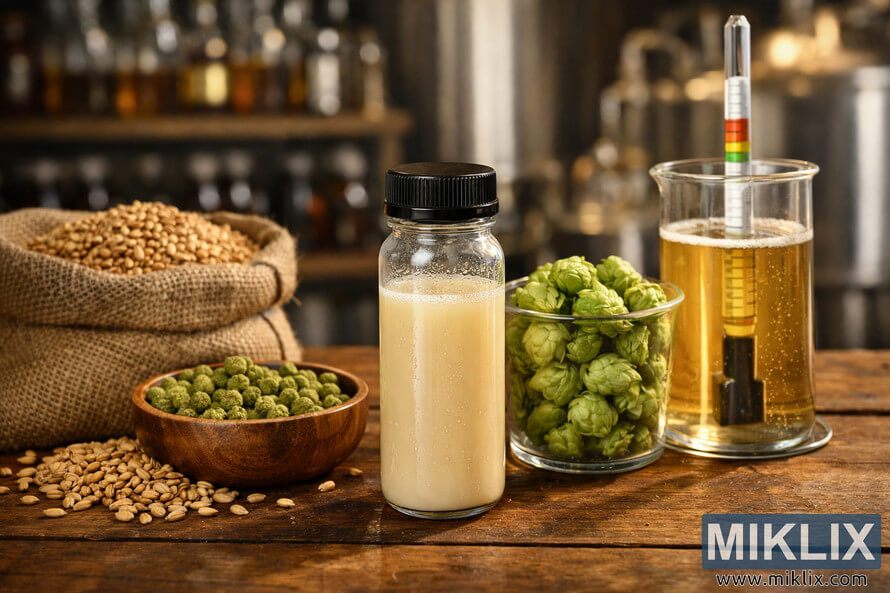
Attenuation sits in the 70–80% range, with the culture often reaching the high end. This results in a fairly dry finish. It makes WLP007 a strong candidate for beers where a lower final gravity is desired without adding harshness.
Flocculation is medium to high, which aids in clarity and ease of harvesting yeast. WLP007 flocculation may require gentle rousing in some fermentations. This is to keep cells in suspension for a complete finish or to capture active yeast for repitching.
- Alcohol tolerance is considered medium; typical WLP007 alcohol tolerance is about 5–10% ABV. Brewers pushing higher gravities should plan pitch rates and oxygenation accordingly.
- Recommended fermentation temperature range is 65–70°F (18–21°C) for a clean profile with subtle English character.
- STA1 status for this strain is STA1 negative, which reduces risks of unwanted dextrin fermentation and over-attenuation tied to STA1-positive strains.
- White Labs offers an organic option, so organic WLP007 is available for brewers working with certified ingredients.
These WLP007 specs favor reuse and finishing roles in many breweries. For high-gravity projects, attention to pitching rates, oxygenation, and nutrition is crucial. This helps the strain reach its attenuation and alcohol tolerance limits without stressing the culture.
Click or tap the image for more information and higher resolutions.
Best Beer Styles to Ferment with WLP007
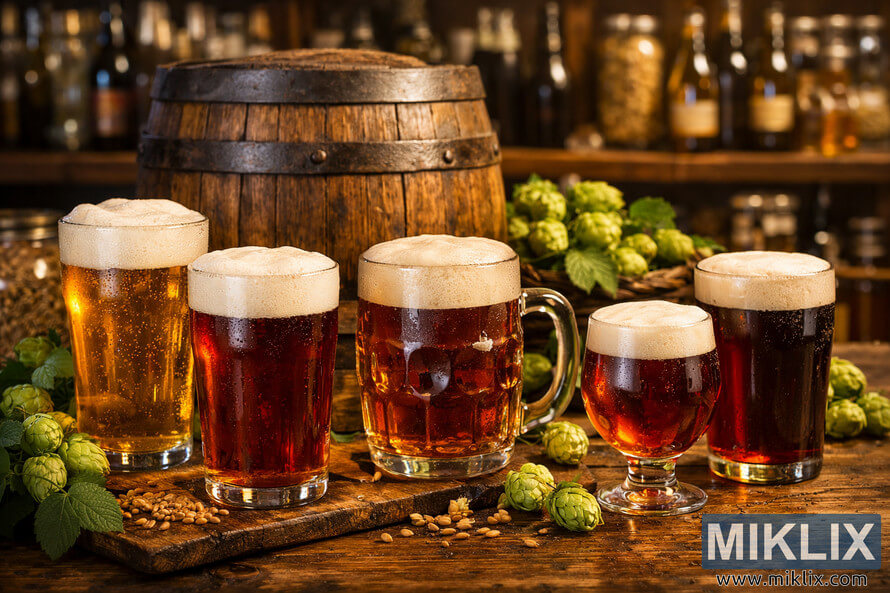
WLP007 is versatile, suitable for a variety of beer styles. It excels in hop-forward ales and rich, high-ABV warmers. This yeast is chosen for its clean finish at lower temperatures or for adding English character at warmer temperatures. Here are some practical style matches and tips to enhance your brewing experience with this yeast.
Hoppy beers: American and English IPAs
WLP007 IPAs showcase clean attenuation, enhancing hop bitterness and aroma. For American IPA, ferment at cooler temperatures to preserve hop clarity and dryness. For English-style IPA, slightly warmer temperatures can introduce mild esters that complement English hops.
Malty ales: brown ales, porters, and amber styles
WLP007 porters and brown ales offer a smooth, malt-forward profile with balanced attenuation. Use moderate mash temperatures to maintain body while allowing the yeast to ferment sugars cleanly. Amber and red styles will display clear malt definition without excessive sweetness.
High-gravity beers: barleywine, imperial stout, and old ale
WLP007 barleywine and other high-gravity beers thrive with proper care. Ensure enough pitch, oxygen, and nutrients. This strain maintains steady attenuation in high-ABV worts, making it ideal for imperial stout. Plan for extended fermentation times and staggered nutrient additions for the best results.
Click or tap the image for more information and higher resolutions.
Pitching Rates and Cell Counts for Successful Fermentation
Accurate WLP007 pitching rates are crucial for avoiding stalled fermentations and unwanted flavors. Begin with clear targets, verify slurry viability, and determine if a starter or direct pitch is best for your batch. Even small adjustments in yeast cell counts can significantly impact aroma, attenuation, and the beer's finish.
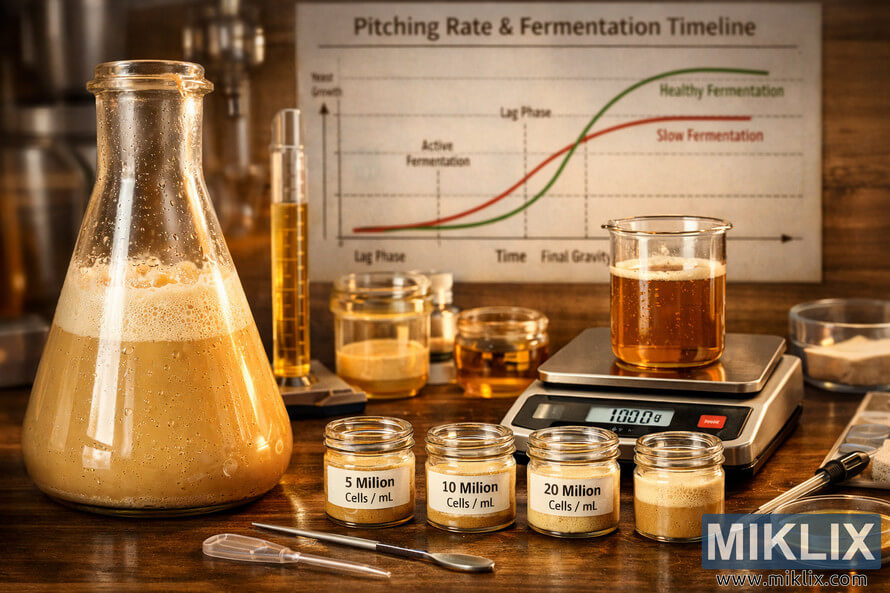
The standard ale pitching target is about one million cells per mL per degree Plato for most ales. This benchmark ensures predictable fermentation for session-strength and typical ales. It serves as a starting point for calculating the necessary harvested slurry or starter size.
For richer worts, increase the pitch rate. High-gravity beers benefit from 1.5–2.0 million cells per mL per degree Plato to alleviate yeast stress. This adjustment minimizes the risk of fusels and excessive esters in big beers.
- Estimate original gravity in °P and multiply by batch volume to calculate required yeast cell counts.
- For high-gravity recipes add an extra 50–100% to the ale pitching target depending on gravity.
Choose between a starter or direct pitch based on viability and target pitching density. Direct pitching is suitable when commercial packs have sufficient cells and the ale is standard strength. Opt for a starter when cell counts are low, viability is uncertain, or the wort is high gravity.
Monitor generations and viability when reusing WLP007. Older yeast often requires higher viable cell counts to match fresh culture performance. Adjust your calculations to ensure consistent attenuation and mouthfeel.
- Measure viable cells when possible; use methylene blue or a hemocytometer for accuracy.
- Scale a starter to produce the missing millions of cells rather than underpitching and risking stressed fermentation.
- For pitching for big beers, combine a larger starter with strong aeration and nutrient support at pitch time.
Document your pitch rates and fermentation results. Over time, you'll refine the WLP007 pitching rate for your specific processes. This will help you achieve the ideal ale pitching target for each recipe.
Click or tap the image for more information and higher resolutions.
Temperature Management and Flavor Outcomes
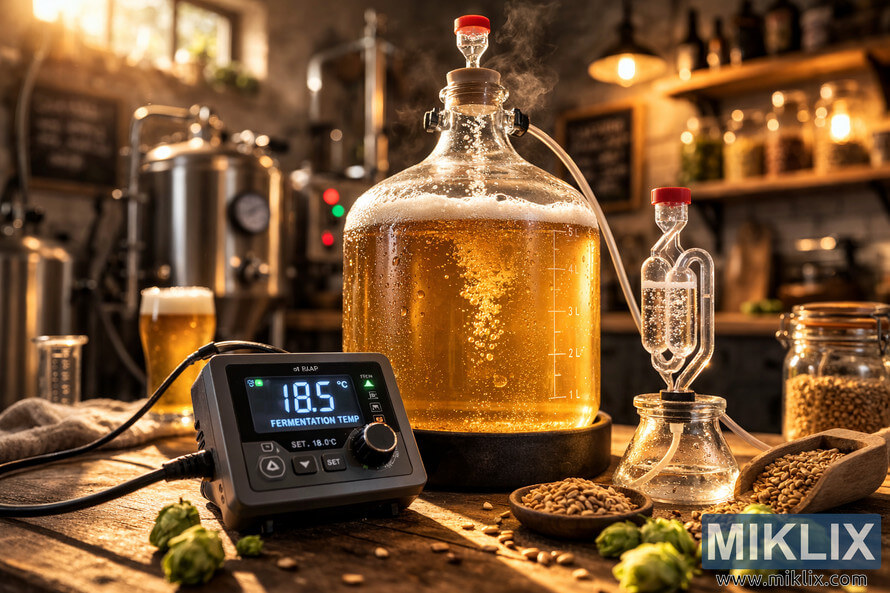
Temperature controls flavor with WLP007. The right WLP007 fermentation temp shapes ester production, attenuation, and the final aroma. Small shifts matter most during active fermentation and the tail end of the ferment.
Fermenting at the lower end for a clean finish
Keep the yeast near 65°F (18°C) for a lower temp clean finish. Cooler fermentation mutes esters and keeps the profile crisp. This allows hops and malt to speak clearly. It suits American-style pale ales and clean English bitters.
Warmer fermentation to bring out English esters
Push the tank toward 70°F (21°C) for character. Ferment warmer for esters to expect pronounced fruity notes typical of English ales. Brewers at Sierra Nevada and Theakston use controlled warmth to craft signature ester profiles.
How temperature rises help finish high-gravity ferments
For big beers, a gentle temperature ramp high-gravity brews can revive sluggish yeast and improve attenuation. Raise temperature gradually late in fermentation to help the yeast clean up byproducts and finish the beer. Monitor for fusels and diacetyl since excessive heat can create unwanted off-flavors.
- Target range: 65–70°F (18–21°C) for most batches.
- Start cooler for a lower temp clean finish, then consider a small rise if yeast stalls.
- Use a modest temperature ramp high-gravity batches; stagger increases by 1–2°F per day.
Click or tap the image for more information and higher resolutions.
Managing High-Gravity Fermentations with WLP007
High-gravity ales require careful planning. WLP007 can reach up to 80% attenuation, even near 10% ABV. However, yeast stress is a significant concern. To mitigate this, ensure proper pitching, manage oxygen levels, and add targeted nutrients.
Begin by determining the right pitching amount. Big beers need more cells and healthy generations. Aim for 3–5 generations when harvesting. Keep detailed records to avoid weakened cultures.
For high-strength worts, use 1.5–2 million cells per mL per degree Plato. Pitching for barleywine at the upper end of this range enhances fermentation vigor and flavor control.
Oxygenation is crucial at knockout and early activity. Apply a strong initial oxygen dose. Then, consider a modest secondary DO boost around the 12-hour mark. Follow DO recommendations of about 1 ppm dissolved oxygen per degree Plato.
Proper yeast nutrition is essential. FAN levels must be adequate to prevent sulfur and higher alcohols. Use proven nutrients like FANMax Bio® when FAN levels are low or adjunct bills are high. Monitor yeast activity closely after additions.
- Zinc supplementation often improves alcohol dehydrogenase activity, which helps push fermentations toward terminal gravity. Commercial zinc products like Zinc Buddy work well in controlled, measured doses.
- Brewzyme-D and similar enzymatic aids can free additional maltose and maltotriose for yeast uptake. This helps attenuate thick worts and reduces acetaldehyde and diacetyl risk.
Practical steps for a reliable high-gravity ferment:
- Calculate target cells using 1.5–2 million cells/mL/°P and prepare a starter or multiple vials to meet that count.
- Oxygenate to the DO recommendations at knockout and consider a small follow-up dose during early growth.
- Test FAN and add FANMax Bio® or similar if values are low. Dose zinc as recommended by the supplier, using products like Zinc Buddy.
- Add Brewzyme-D when mash or adjunct bills limit fermentable sugars, following manufacturer dosing.
- Track gravity and pH closely in the first three days to spot stress or sluggish rates early.
Managing yeast health reduces off-flavors and shortens time to terminal gravity. With WLP007 high-gravity planning, robust pitching for barleywine, clear DO recommendations, targeted FAN nutrition, and tools like Zinc Buddy and Brewzyme-D, big beers finish cleaner and more predictable.
Repitching and Yeast Harvesting Strategies
Reusing White Labs WLP007 for multiple brews can save money and maintain a consistent house character. Proper timing, clean techniques, and detailed records are key to keeping yeast healthy and reliable for future batches.
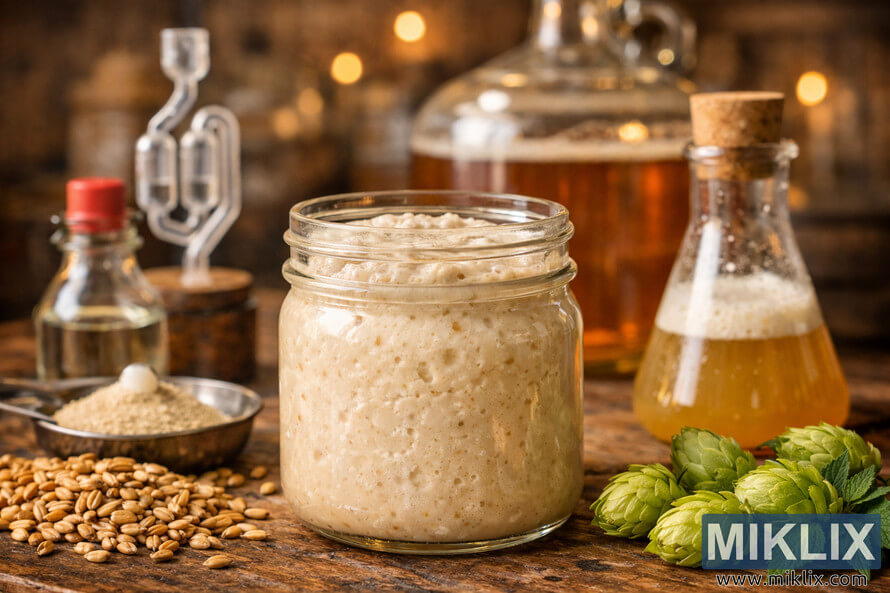
Harvest yeast from conicals when fermentation is almost done and the beer is about 1 °Plato above the expected gravity. This timing captures the most active cells before the diacetyl rest. The middle layer of yeast in a conical is where you'll find the best yield and vitality.
- When to collect: pull shortly before diacetyl rest, not after final krausen collapse.
- Which layer to take: always harvest middle layer to avoid bottom trub and top foamy material.
- Sanitation: use sterile vessels and limit oxygen exposure during transfer.
Keep track of yeast lineage for consistent results across batches. Log the original gravity, fermenter ID, harvest date, and generation count. Detailed notes help compare performance and identify any flavor or attenuation changes.
- Record fermenter, brew recipe, and final gravity at harvest.
- Note any stressors: high ABV, heavy hopping, or extended fermentation.
- Update yeast lineage sheets after each repitch to maintain traceability.
Use conservative generation targets for WLP007 repitching. Many breweries aim for three to five generations to preserve vitality and flavor. Only exceed this range with careful viability and pitching-rate adjustments.
High-gravity or heavily hopped beers can lower harvest quality. For these batches, avoid reusing the yeast for critical fermentations. Consider fresh WLP007 for the best results. When unsure, opt for the last-generation culture for demanding brews.
Before repitching, perform simple checks: visual cleanliness, a quick viability test, and an updated pitch calculation. These steps ensure each repitch maintains the strain’s strengths and keeps your production consistent.
Storing and Handling Harvested WLP007
Proper handling after harvest is crucial for maintaining the health of repitchable yeast. It minimizes risks to your next batch. Follow simple steps for temperature, headspace control, and sanitation to protect cell viability. Use clean, labeled containers and move harvested yeast to cold storage quickly.
Optimal storage temperatures and timelines
Keep harvested yeast at a cool WLP007 storage temp of 34–40°F (1–4°C). Cold slows metabolism and preserves energy reserves. Use yeast as soon as possible; aim for reuse within one week. With strict cleaning and monitoring, viable storage can extend to two or three weeks.
Minimizing oxygen and CO2 exposure
Limit oxygen contact after harvest. Oxygen damages cell membranes and drains glycogen needed for pitching. Avoid shaking and do transfers under minimal headspace.
Control yeast storage CO2 by venting storage vessels daily or allowing a neutral to slight head pressure. Excess CO2 can create anaerobic stress and shorten viability for high-gravity repitches.
Sanitation and container recommendations
Sanitize all sampling tools and yeast containers before contact. Proper yeast sanitation prevents contamination that can ruin a repitch. Use food-grade, airtight containers that seal well yet allow periodic venting.
- Label containers with strain, harvest date, and generation number.
- Store in dedicated racks or refrigeration zones to avoid cross-contamination with other cultures.
- When sampling, use sanitized spoons, funnels, and a sterile workflow to preserve viability.
Click or tap the image for more information and higher resolutions.
Monitoring Fermentation Performance
Careful monitoring gives brewers a clear picture of how a batch is progressing. Track core metrics like gravity, pH, and time to catch deviations early. Keep notes on aroma and taste to link sensory changes with measured data.
Keep fermentation logs for every batch and generation. Record original gravity, daily gravity readings, pH, temperature, and total fermentation time. These fermentation logs create benchmarks that reveal normal WLP007 activity and flag unusual trends.
- Log morning and evening gravity during active fermentation to spot slow declines.
- Note pH alongside gravity; a steady pH drop indicator often aligns with strong yeast performance.
- Include sensory notes so you can correlate off-flavors with stalled or rapid changes.
Use the pH drop in the first 48–72 hours as an activity check. A healthy WLP007 will show a measurable pH decline in that window. If the pH remains flat, that pH drop indicator suggests weak yeast health and may predict problems later.
Watch for stuck fermentation signs early. Long lag times, incomplete attenuation, and a slow gravity decline are common warnings. Flavor issues such as increased sulfur or solvent-like notes often accompany sluggish fermentations.
- Compare current fermentation logs to past batches of WLP007 to spot deviations.
- If stuck fermentation signs appear, prioritize oxygen, temperature control, and nutrient checks before making major interventions.
- For high-gravity worts, expect longer timelines but tighten monitoring of gravity, pH, and temperature ramps to support finish.
Consistent record keeping improves decision making. Well-kept fermentation logs make it easier to judge WLP007 activity and respond to problems quickly, protecting batch quality and reducing wasted time.
Yeast Health Checks Before Reuse
Effective yeast management begins with a quick health assessment before pitching. Simple tests confirm yeast vitality, determine the right pitch rates, and decide if a strain should be reused or if fresh WLP007 is needed for consistent batches.
Viability testing with methylene blue stain under a microscope quickly reveals live versus dead cells. Aim for at least 85% viability in harvested yeast. A lower percentage indicates the need for extra caution before reuse.
- Use a methylene blue stain and count at least a few hundred cells for a representative sample.
- Record viability alongside harvest date and generation to track trends over time.
Accurate cell counting is crucial for achieving the right pitch rates. For ales, aim for about 1 million viable cells per mL per degree Plato. Older generations often have lower viability, requiring higher effective pitching to meet the target.
- Perform cell counting with a hemocytometer or a flow cytometer when available.
- Adjust calculated pitch volume upward if viability falls below your baseline.
Look for signs that a culture should be retired. Inconsistent fermentations, longer lag times, rising off-flavors, poor flocculation, or steady drops in attenuation and fermentation speed indicate it's time to retire the yeast and order fresh WLP007.
Keep detailed records of viability, cell counting results, and sensory notes. This log will help you decide whether to reuse, refresh with a starter, or order fresh WLP007 to maintain beer quality and consistency.
Troubleshooting Common Issues with WLP007
When WLP007 deviates from its usual clean profile, quick diagnosis is key to salvaging a batch. Monitor temperature, pitch rate, oxygenation, and fermentation timing closely. Early signs like a sluggish pH drop or extended lag time indicate stress. This stress can lead to off-flavors or poor performance.
- Keep fermentations within the recommended temperature range to limit ester production. Warmer ferments push WLP007 toward English-style esters.
- For high-gravity worts, raise pitch rate and improve oxygenation at pitching to reduce fusel alcohols. Use yeast nutrients with free amino nitrogen and zinc to support healthy metabolism.
- Use gradual temperature ramps late in fermentation to help finish without spiking higher alcohols. Track specific gravity and aroma trends for esters fusel alcohols control.
Addressing poor flocculation or inconsistent attenuation
- If yeast drops out early and attenuation stalls, gently rouse the yeast during active fermentation to bring cells back into suspension.
- When harvesting, collect from the clean middle yeast layer rather than heavy trub to preserve yeast vitality and avoid carrying solids that reduce performance.
- Adjust pitch rates and consider fresh starter culture when attenuation becomes inconsistent. These poor flocculation solutions restore reliable ferment completion.
Contamination indicators and corrective actions
- Watch for unexpected sour, phenolic, acetic notes or unusual pellicles. Such contamination signs require immediate action.
- Stop repitching from any suspect slurry. Sanitize fermenters, valves, and transfer lines, then repitch from a verified clean vial or pack of WLP007.
- When contamination is confirmed, discard affected wort or beer, deep-clean equipment, and reorder fresh WLP007. Implement corrective actions brewing to prevent recurrence.
Routine monitoring and record keeping reveal trends before they become crises. Use logs of temperature, gravity, and pH to support timely interventions for WLP007 troubleshooting.
Recipe Tips and Mash Considerations for Best Results
WLP007's high attenuation can lower final gravity, making the beer taste thin. Plan your recipe accordingly. Use a malt bill that's aware of high attenuation, adding dextrin malts like Carapils or Munich to restore body when needed.
To control residual sweetness, choose specialty malts that add flavor without excess sugars. For high-gravity beers, include medium crystal malts and flaked barley or oats. This boosts mouthfeel while still expecting strong attenuation.
Match your mash profile to the mouthfeel you desire. A lower mash temperature yields a more fermentable wort and a drier finish. Raise mash temperature to preserve dextrins and improve mouthfeel for fuller-bodied ales.
- For hop-forward beers, set a conservative mash to keep a clean canvas. Cooler fermentation emphasizes hop character; this helps with hop balance WLP007 and keeps esters subdued.
- For English-style ales that benefit from yeast character, choose a slightly higher mash temp and ferment warmer. Let mild esters complement malt sweetness.
- When brewing big beers, target a mash program that produces ample FAN and fermentable sugars. Use nutrient aids like FANMax Bio® and zinc products to support healthy attenuation and consistent residual sweetness control.
Keep your malt bill high attenuation strategy simple and test one variable per batch. Small changes to mash temperature, specialty malt percentage, or hop timing reveal how WLP007 interacts with each element. Track results and refine your recipe tips WLP007 over successive brews.
Comparisons and Substitutions: WLP007 vs Other Strains
Choosing the right yeast is all about setting clear goals. The debate between WLP007 and WLP001 revolves around brewers seeking a clean finish with character. This guide will highlight the differences, when to use WLP007, and the benefits of blending yeast strains for added complexity.
WLP007 and WLP001 both provide reliable, clean fermentations. WLP001 California Ale Yeast® is known for its neutral character and consistent attenuation. WLP007 offers similar attenuation but with more flexibility. Ferment cooler for a cleaner profile or warmer to coax English ester yeast notes.
Consider WLP007 as a substitute when you need a strain that finishes dry but can show fruitiness if desired. Many breweries choose WLP007 over WLP001 for its high attenuation and the ability to control ester presence through temperature.
For a true English ester-forward strain, choose White Labs WLP002. It's ideal for traditional English ales where ester character is key. This approach ensures strong yeast-derived fruitiness and residual sweetness.
- When to swap: substitute WLP007 for WLP001 in recipes that benefit from higher attenuation but may need a touch of yeast character.
- When not to switch: keep WLP001 when absolute neutrality is essential to highlight hops or adjuncts.
Blending yeast strains offers balance. Blending WLP007 with an expressive English strain can result in efficient fermentation and layered esters. Ensure proper pitching rates, timing, and compatibility to avoid dominance by one strain.
- Decide flavor goal, then set yeast selection and temperature strategy.
- Plan pitching rates so each strain contributes, not competes.
- Test small batches before scaling blends into production.
Effective yeast selection and blending create beers that finish clean with controlled ester complexity. Use these strategies to bridge the gap between WLP007 vs WLP001 and tailor yeast performance to your recipe goals.
Click or tap the image for more information and higher resolutions.
Brewing Schedule Planning Around WLP007
Opting for a single versatile yeast can greatly simplify a brewery's operations. By carefully planning the use of WLP007, you can reduce the number of yeast cultures needed. This simplifies cleaning, pitching, and tracking, making the brewing process more efficient. A well-thought-out plan ensures batches move smoothly through conicals, yeast is harvested efficiently, and production remains consistent without adding unnecessary complexity.
Using WLP007 as a house strain to streamline production
WLP007 is ideal for a wide range of styles, including ales and hoppy beers. By adopting it as a house strain, you can brew pale ales, bitters, and IPAs using the same culture. This consistency not only reduces training time for cellar staff but also makes taproom offerings more reliable.
Scheduling batches to maximize harvested yeast use
- Plan sequential batches with similar gravity and fermentation temperatures to ease the burden on harvested yeast.
- Establish a clear yeast harvesting schedule to ensure the slurry is used promptly, minimizing storage-related viability loss.
- Rotate tanks to seed new batches with fresh yeast, reserving older harvests for less demanding beers.
Managing lineup for seasonal high-gravity beers
Seasonal high-gravity beers require careful planning due to their aging needs and strong fermentations. Reserve fresh or low-generation WLP007 for beers like barleywine and imperial stout. Avoid using post-high-ABV repitches for these beers, as they can stress the yeast.
Practical checklist for operational planning
- Create a weekly brew calendar that highlights which beers can use WLP007 to optimize yeast harvesting.
- Ensure at least one fresh culture run before starting a series of high-gravity beers to maintain yeast vigor.
- Keep track of yeast generation counts and cell viability to guide decisions on repitching and retiring yeast.
Consider scheduling as a dynamic document that evolves with each seasonal run and fermentation challenge. Effective WLP007 house strain planning and disciplined scheduling maximize yeast use while ensuring quality for seasonal releases.
Conclusion
WLP007 summary: White Labs WLP007 Crisp English Ale Yeast is a reliable strain. It has roughly 70–80% attenuation, medium–high flocculation, and a moderate alcohol tolerance. Its STA1-negative status and organic availability make it versatile for breweries and homebrewers. It's ideal for achieving a clean, dry finish in English and American styles.
When fermenting with WLP007, consistent pitching rates and good oxygenation are crucial. For standard ales, a normal pitch and 65–70°F fermentation yield a clean profile. For high-gravity beers, increase pitch rates to 1.5–2 million cells/mL/°P. Add FAN and zinc, and control the temperature ramp to avoid fusels and ensure full attenuation.
Brewers often choose WLP007 as a house strain due to its ability to repitch well. Manage it at three to five generations. Harvest middle layers from conicals, store cold with minimal oxygen exposure, and perform viability checks. These steps protect flavor consistency and reduce batch risk.
In short, WLP007 offers predictable attenuation and flexible flavor outcomes with proper yeast management. Use its clean character or nudge it toward English esters with warmer temps. Follow proven handling steps to maximize fermenting with WLP007.
FAQ
What are the key characteristics of White Labs WLP007 Crisp English Ale Yeast?
WLP007 typically attenuates 70–80% and often reaches ~80% even in 10% ABV beers. It has medium to high flocculation and a medium alcohol tolerance of roughly 5–10%. The suggested fermentation temperature range is 65–70°F (18–21°C). The strain is STA1-negative and White Labs offers an organic option.
How does fermentation temperature affect WLP007’s flavor profile?
Fermenting at the lower end (65°F / 18°C) produces a cleaner profile that highlights hops and malt. Warmer fermentation (toward 70°F / 21°C) brings out English-style esters. For high-gravity ferments, gradual temperature increases later in fermentation can help finish attenuation but must be managed to avoid excess fusel alcohols or diacetyl.
Which beer styles work best with WLP007?
WLP007 is versatile—suited for American and English IPAs, pale ales, blondes, hazy/juciy IPAs, double IPAs, porters, brown ales, red and amber ales, and high-gravity styles such as barleywine, imperial stout, and old ale. Its high attenuation delivers a drier finish useful across these styles.
Why do many breweries choose WLP007 as a house strain?
Breweries value WLP007 for consistent high attenuation, predictable flocculation behavior, and the ability to produce either a clean or ester-forward profile depending on temperature. Using one versatile strain reduces culture SKUs, simplifies harvest scheduling, and supports a wide range of beers.
What pitching rates should I use for standard ales with WLP007?
For standard-strength ales, target roughly 1 million viable cells per mL per °P. White Labs provides a pitch-rate calculator, but common practice is to aim for that 1M cells/mL/°P baseline and adjust based on cell counts and viability.
How should pitching rates be adjusted for high-gravity worts?
For high-gravity beers, increase pitching to about 1.5–2 million cells/mL/°P. Higher viable-cell counts reduce stress, lower lag time, and reduce off-flavors. If commercial pack viability or slurry counts are insufficient, prepare a starter to reach the needed cell mass.
When should I make a yeast starter versus direct pitching WLP007?
Make a starter when cell counts or viability in your pack or slurry are too low for target pitch rates—especially for high-gravity brews. Direct pitching is acceptable for standard-strength ales if you can meet the 1M cells/mL/°P target with healthy yeast.
What oxygenation and DO strategy works best for WLP007 in big beers?
High-gravity ferments benefit from robust oxygenation at knockout and sometimes a secondary DO boost around 12 hours after pitch. Aim to provide sufficient dissolved oxygen for the increased biomass needs—combine with proper pitching and nutrition to reduce stress.
What nutritional aids help WLP007 finish high-ABV ferments cleanly?
Provide adequate FAN and consider supplements like FANMax Bio®. Zinc supplements such as Zinc Buddy can support alcohol dehydrogenase activity and improve attenuation. Enzyme aids that improve maltotriose uptake (e.g., Brewzyme-D) can also help minimize stuck ferments and reduce acetaldehyde/diacetyl risk.
How should I harvest WLP007 from a conical fermenter?
Harvest from the middle layer where the most viable cells collect, avoiding bottom trub (dead cells and debris) and top layers. Collect when the beer is roughly 1 °Plato above expected terminal gravity and ideally just before the diacetyl rest to maximize viability.
How many generations of WLP007 can I repitch reliably?
Track lineage and aim to repitch within about 3–5 generations for consistent performance. Monitor viability and sensory trends; retire the culture if viability drops below ~85% or if you see inconsistent fermentations, extended lag times, or rising off-flavors.
How should harvested WLP007 be stored and handled?
Store harvested yeast cold at about 34–40°F (1–4°C) to slow metabolism. Use harvested yeast quickly—ideally within one week, with up to 2–3 weeks only under strict sanitation and monitoring. Minimize oxygen exposure and limit CO2 headspace or vent daily to preserve viability.
What testing should I do before reusing harvested WLP007?
Perform viability staining (methylene blue or methylene violet) and target minimum viability around 85% before reuse. Do cell counts to calculate the correct pitch rate, and adjust for older generations by increasing viable-cell numbers as needed.
What fermentation logs and metrics are most useful for tracking WLP007 performance?
Keep records of original gravity, terminal gravity, pH, fermentation duration, temperature profile, and sensory notes. Plot trends across generations to detect deviations. Monitor pH drop in the first 48–72 hours as an early indicator of yeast activity.
What are early signs of sluggish or stuck fermentation with WLP007?
Long lag times, slow or stalled gravity decline, incomplete attenuation, weak pH drop early in fermentation, and development of off-flavors (increased esters, fusels, or acetaldehyde) are red flags. High-gravity brews naturally run longer but require closer monitoring and corrective action if progress stalls.
How do I mitigate increased esters, fusel alcohols, or acetaldehyde when using WLP007?
Increase pitching rates, improve oxygenation, add targeted nutrition (FAN, zinc), and manage temperature ramps carefully. Avoid excessive early high temperatures and ensure robust cell counts to reduce stress-related off-flavor production.
What should I do if WLP007 shows poor flocculation or inconsistent attenuation?
Rouse yeast during active fermentation if premature flocculation causes attenuation issues. Harvest from the middle layer to avoid trub. Check viability and cell counts, and consider supplementing nutrients or adjusting pitch rates. If problems persist, retire the culture and source fresh WLP007.
How can recipe and mash design compensate for WLP007’s high attenuation?
Expect a drier finish and build body through dextrin malts or higher mash temperatures. To balance dryness in hoppy beers, ferment cooler for a cleaner yeast backdrop so hop character shines. For full-bodied high-gravity beers, raise mash temp to preserve dextrins and mouthfeel, or add specialty malts and dextrin malt.
Can WLP007 be used as a substitute for WLP001 California Ale Yeast®?
WLP007 can be a substitute in many cases because of its clean profile and high attenuation, but the strains have distinct characters. WLP001 is extremely clean; WLP007 offers clean finishes with the option for English esters at warmer temps. Choose based on the desired yeast character.
When might I choose an English ester-forward strain instead of WLP007?
Choose an ester-forward strain (for example, WLP002 English Ale Yeast) when you want pronounced fruity esters and yeast-derived sweetness. Use WLP007 when you need higher attenuation and a drier finish or when you want the option to dial in esters via temperature control.
Is blending WLP007 with another strain a good strategy?
Blending can combine WLP007’s efficient attenuation with a more expressive English strain to achieve complexity plus dryness. Plan pitching rates carefully, consider strain compatibility, and test blends at small scale before production to ensure the desired balance.
How should I plan my brewhouse schedule around using WLP007 as a house strain?
Schedule consecutive batches that can share harvested yeast to minimize storage time and preserve viability. Reserve fresh or last-generation culture for demanding high-gravity seasonal beers. Coordinate long-lead seasonal brews like barleywine or imperial stout well in advance.
When should I retire a WLP007 culture and order fresh yeast?
Retire and request fresh WLP007 when viability drops below ~85%, when you see increasing off-flavors or inconsistent attenuation, when lag times lengthen, or when generations exceed your repitching target. Also avoid repitching after particularly harsh, high-ABV or heavily hopped fermentations.
What contamination signs should prompt me to stop repitching WLP007?
Unexpected sour or acetic notes, pronounced phenolic off-flavors, unusual pellicles, rapid pH anomalies, or visual microbial growth indicate contamination. Stop repitching from suspect sources, sanitize equipment thoroughly, and consider replacing the culture.
What practical steps reduce the risk of stuck fermentation with WLP007?
Use correct pitching rates, ensure adequate oxygenation and nutrition, monitor pH and gravity trends, and manage temperature ramps. For high-gravity worts, plan higher pitch rates, prepare a starter if needed, and consider brewing aids that support maltose/maltotriose uptake and redox balance.
Are there special storage or sanitation recommendations for harvested WLP007?
Store at 34–40°F (1–4°C) and use rapidly. Sanitize all sampling tools and storage vessels. Minimize oxygen exposure, vent CO2 as needed, and label harvests with date, generation, original gravity, and fermenter to support traceability and safe reuse.
Which additional keywords are relevant to WLP007 topics?
Relevant brewing terms include attenuation, flocculation, alcohol tolerance, fermentation temperature, pitching rate, cell counts, dissolved oxygen (DO), FAN, zinc supplements, brewing aids (Brewzyme-D, FANMax Bio®), starter, repitching, generation tracking, viability testing, conical harvesting, high-gravity, barleywine, imperial stout, house strain, and organic yeast.
Further Reading
If you enjoyed this post, you may also like these suggestions:
- Fermenting Beer with White Labs WLP565 Belgian Saison I Yeast
- Fermenting Beer with Wyeast 1010 American Wheat Yeast
- Fermenting Beer with Fermentis SafAle WB-06 Yeast