
Fermenting Beer with White Labs WLP568 Belgian Style Saison Ale Yeast Blend
Published: July 14, 2026 at 5:56:03 PM UTC
White Labs WLP568 offers a distinct saison flavor profile, ideal for both traditional and modern recipes. It balances fruity esters with spicy phenolics, ensuring clean, expressive results for brewers.
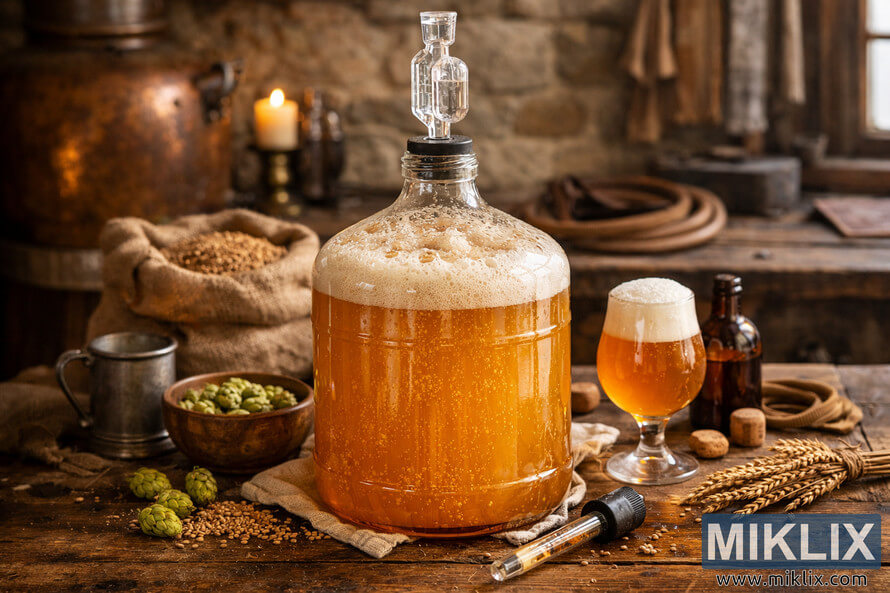
Click or tap the image for more information and higher resolutions.
This review combines practical advice with technical details. You can expect sections on fermentation profiles, pitching rates, temperature control, troubleshooting, and recipe ideas that showcase WLP568. Whether you're aiming for a traditional farmhouse saison or a modern twist, this review provides the actionable data you need for fermenting with this Belgian saison yeast.
Key Takeaways
- WLP568 is a White Labs liquid blend designed for classic saison character.
- It produces fruity esters, peppery phenolics, and high attenuation.
- This review targets U.S. homebrewers and small-scale professionals.
- Expect practical guidance on pitching, temps, and troubleshooting.
- Use WLP568 in vials or slurries to achieve authentic Belgian saison yeast profiles.
Why Choose White Labs WLP568 Belgian Style Saison Ale Yeast Blend for Your Saison
Choosing the right yeast is crucial for a beer's character. White Labs WLP568 offers a distinct saison flavor profile, ideal for both traditional and modern recipes. It balances fruity esters with spicy phenolics, ensuring clean, expressive results for brewers.
Signature flavor and aroma profile
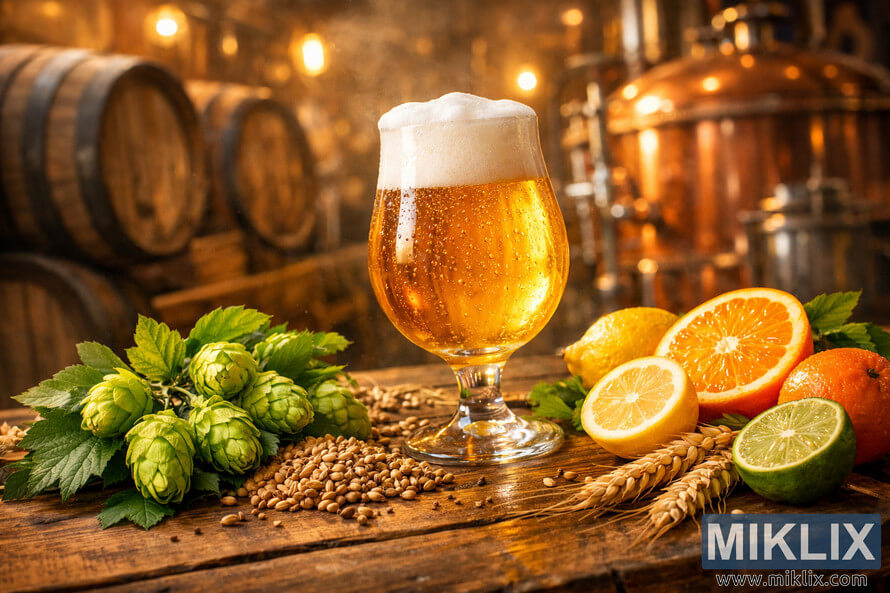
The aroma of WLP568 is defined by ripe pear, apple, and stone-fruit esters, complemented by a subtle peppery clove note. Some brews may also exhibit earthy barnyard or hay-like notes, yet avoid wild funk. This yeast ensures a dry, crisp finish, enhancing hop character and malt restraint.
Versatility across saison recipes
WLP568's versatility is a standout feature. It excels in both lean, dry farmhouse saisons and hoppier, modern interpretations. The yeast adapts well to adjuncts like citrus, spices, and fruit, allowing brewers to experiment while maintaining a yeast-driven core.
How it compares to other saison yeast strains
Compared to other saison yeasts, WLP568 strikes a balance between phenolic, funky strains and very fruity ones. It offers a more balanced fruit-and-spice profile than strains like Wyeast 3724 or White Labs WLP565. Its reliable attenuation and consistent performance make it a reliable choice for brewers seeking predictability.
Click or tap the image for more information and higher resolutions.
Understanding the Science Behind Saison Fermentation
The essence of a saison lies in the art of controlled biology and the selection of specific elements. This section delves into the fermentation science, focusing on how to manipulate dryness, spice, and aroma using WLP568. It's crucial to understand the impact of sugar composition, temperature, and yeast handling on the final product.
Fermentation kinetics and attenuation
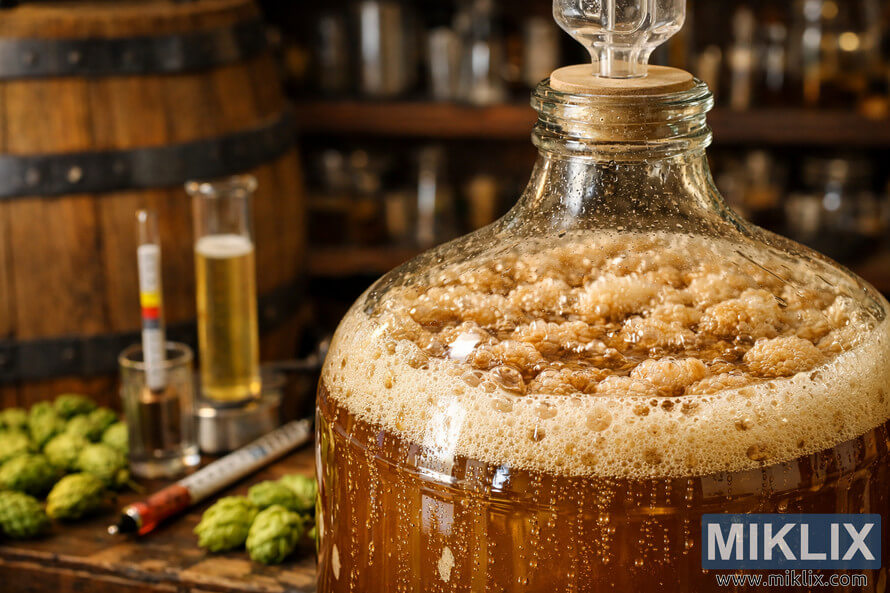
Ale fermentation progresses through three phases: lag, exponential growth, and stationary. In the lag phase, yeast adjusts and consumes oxygen. The exponential growth phase is marked by rapid sugar consumption and CO2 production. The stationary phase begins when simple sugars are depleted, and alcohol levels increase.
Saison strains, including WLP568, exhibit medium to high attenuation levels. Attenuation typically ranges from 75–90%, influenced by mash fermentability and profile. A wort with simpler, fermentable sugars will result in a drier beer. Conversely, a wort with more complex dextrins will reduce attenuation and retain body.
Temperature influence on ester and phenol production
Fermentation temperature significantly impacts flavor. Cooler temperatures, around 60–65°F (15–18°C), suppress ester and phenol production, leading to a cleaner beer. Higher temperatures, commonly 70–90°F (21–32°C) for saisons, enhance metabolic rates, resulting in fruity esters and spicy phenols.
WLP568 is highly responsive to temperature changes. Increasing temperatures can accentuate farmhouse character and peppery phenolics. Conversely, maintaining lower temperatures can result in a more restrained and neutral beer. Monitoring temperature is key to achieving the perfect balance between fruit and spice.
Role of yeast health and pitching rates
Yeast health and proper pitching rates are essential for predictable fermentation. Ensure adequate viable cell counts, oxygen for the first hour, and nutrients to prevent stress. Underpitching can lead to increased ester and phenol levels, as well as higher fusel alcohols.
- Start with standard ale pitching rates and adjust for WLP568’s tendency to express saison character under stress.
- Overpitching can mute farmhouse notes and result in a cleaner finish.
- Monitor yeast viability and consider a starter or multiple vials for high-gravity saisons.
Striking the right balance between yeast pitching rates and desired character is crucial. This approach helps control aroma intensity and fermentation health. By applying these principles, you can master saison fermentation science and achieve the desired results without surprises.
Click or tap the image for more information and higher resolutions.
Packaging and Storage of WLP568
Proper packaging and storage are crucial when working with WLP568. Brewers need to understand the available formats, best cold storage practices, and yeast viability expectations. This knowledge helps in planning starters and batches confidently.
Formats available from White Labs
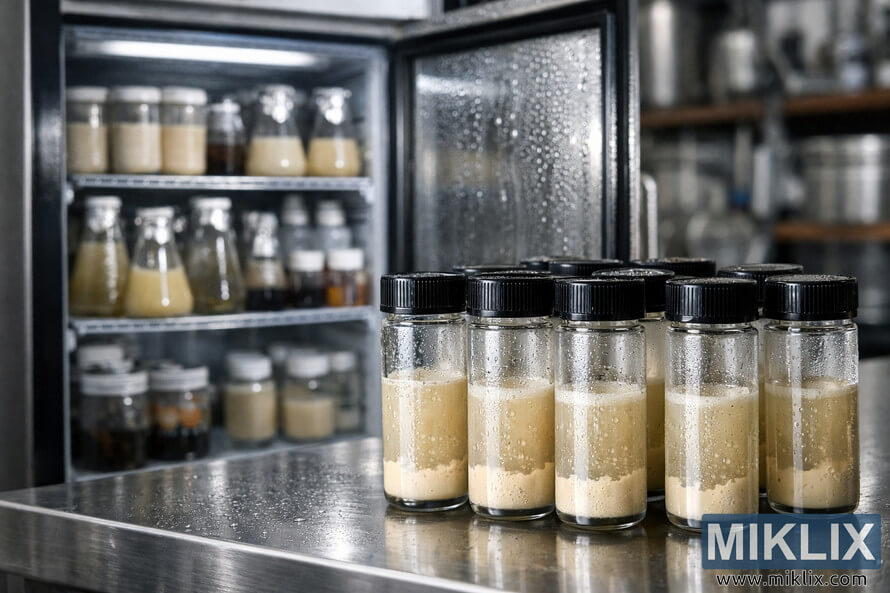
- White Labs vials: single-pitch liquid yeast vials in 10 mL and 100 mL sizes for homebrewers and small batches.
- Bulk slurries: larger volume options for professional breweries or high-volume propagation.
- Frozen and packaged options: White Labs occasionally supplies strains in frozen PurePitch or sealed pouches; availability varies by retailer.
Recommended cold storage practices
Store WLP568 refrigerated at 34–40°F (1–4°C). Keep packaging sealed and out of direct light to reduce stress on cells. Minimize time out of refrigeration during handling and transfers.
For vials intended for starters, use fresh product within a week when refrigerated to avoid drops in cell counts. Treat cold storage yeast gently and bring vials to pitch temperature gradually to maintain cell health.
How long WLP568 remains viable
Typical shelf life for White Labs vials ranges from several weeks to a few months, depending on lot and storage conditions. Yeast viability WLP568 declines over time, so check dates and plan starters for older vials.
When using older vials, make a starter or combine multiple vials to reach target cell counts. Freezing and cryopreservation are specialist options best left to labs; homebrewers should rely on refrigeration and timely use for consistent results.
Click or tap the image for more information and higher resolutions.
Preparing Your Wort for Optimal WLP568 Performance
Preparing the wort is crucial for WLP568's performance. Ensure it's clean and well-clarified. Plan your mash and boil to create fermentable sugars without excessive tannins. This approach reduces yeast stress, allowing the strain's bright, spicy character to shine.
Preferred original gravity ranges for saisons
Classic dry saisons typically have an original gravity of 1.044–1.060 (11–14°P). This range produces light, highly attenuated beers with lively carbonation. Larger farmhouse saisons and bière de garde variants may reach 1.060–1.075 or higher. WLP568 can handle this range, but high-gravity recipes need careful planning to avoid stress and off-flavors.
Nutrient and oxygen considerations
- Oxygenation for saison is vital. Aggressive aeration before pitching is essential, using pure oxygen or vigorous aeration to supply sterols and fatty acids for healthy cell membranes.
- For high-gravity worts, add yeast nutrient or energizer—diammonium phosphate (DAP) and balanced blends help fermentation finish cleanly.
- Be cautious not to overuse nutrients that might mute saison spice. Sanitation and clear wort reduce secondary stresses that complicate fermentation.
Adjuncts and specialty malts that complement WLP568
Base the grain bill on Pilsner or pale malt for a crisp, fermentable backbone. Use specialty malts for saison sparingly: small amounts of Munich, Vienna, or light crystal add bread and honey notes without weighing the beer down.
Saison adjuncts can add bright aromatics and gentle complexity. Consider orange peel, coriander, chamomile, or ginger. Fruit adjuncts such as peach, apricot, or citrus work well when added late or in conditioning to preserve aroma.
For body and head retention, include modest flaked oats or wheat. Hops should remain supportive; choose noble or citrusy varieties at low to moderate IBUs so yeast character stays central. Thoughtful selection of specialty malts for saison and measured use of saison adjuncts will showcase WLP568 at its best.
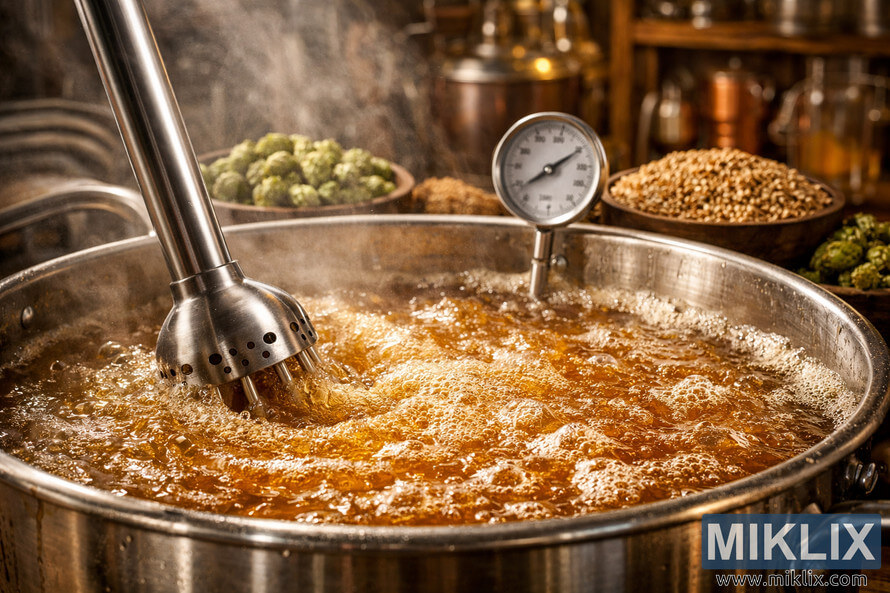
Click or tap the image for more information and higher resolutions.
Pitching Rates and Yeast Propagation Strategies
Accurate WLP568 pitching rates and effective yeast propagation are crucial for successful saison fermentations. Here, we outline steps for determining cell counts, creating yeast starters, and deciding on multiple vial use or slurry harvesting.
Calculating appropriate cell counts for ales
For ales, standard pitching rates range from 0.75 to 1.5 million cells per mL per degree Plato. A precise yeast cell count calculation is essential to ensure the right amount for your beer's gravity.
- Example: a 5-gallon (19 L) batch at 12°P (approx. OG 1.048). At 1.0 million cells/mL/°P, you need: 19,000 mL × 12 = 228 million cells.
- For a stronger beer at 16°P (approx. OG 1.064) in the same batch, you'll need 304 million cells at 1.0 million cells/mL/°P.
- Pitch at the higher end (1.25–1.5) to reduce lag time and off-flavor risks. Pitch at the lower end for farmhouse character, but accept higher phenolics and fusels risk.
Making a starter with WLP568
When vial viability is uncertain or your target cell count is high, making a yeast starter is the safest choice. Use a starter wort of 1.040–1.050 gravity, made from DME, to support rapid growth.
- Match starter size to vial age and desired final cell count. Fresh vials need smaller starters than older or refrigerated ones.
- Oxygenate the cooled starter wort before pitching. Keep the starter at a moderate fermentation temperature to encourage robust growth.
- For large batches, perform a step-up starter: grow in stages, decant spent wort between steps if you want less carryover.
When to pitch multiple vials or propagate slurries
Use multiple vials for high-gravity beers, lagers, or when viability is unknown. Combining vials reduces the need for very large starters and speeds fermentation onset.
For repeat brewing, harvest yeast slurry from healthy fermentations and propagate yeast slurry into a fresh starter to build a yeast bank. Keep detailed records of repitch count, storage time, and performance.
- Avoid too many generations to maintain yeast vitality. Replace cultures after several repitches or when attenuation drops.
- Sanitize all gear used for harvesting, storing, or propagating to limit contamination risks.
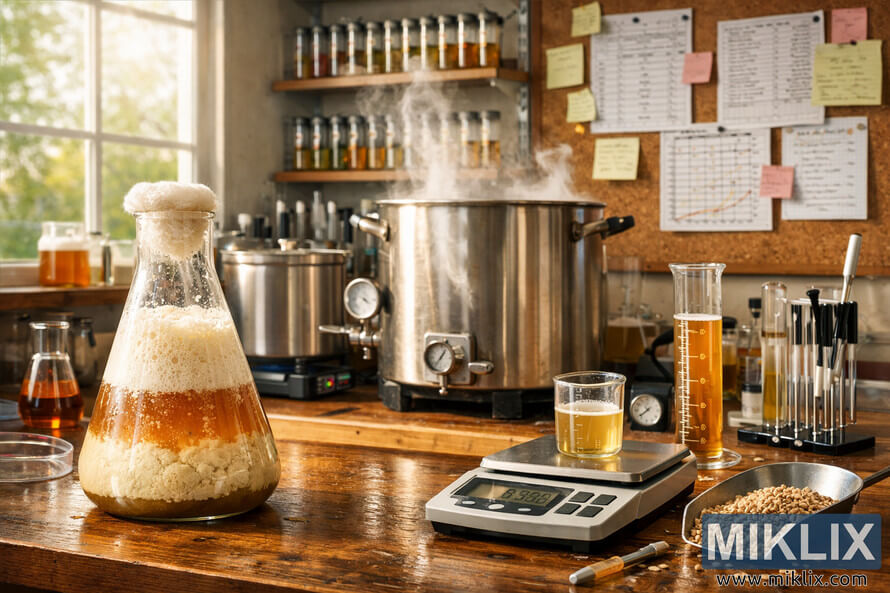
Click or tap the image for more information and higher resolutions.
Fermentation Temperature Profiles for Best Results
Temperature is key in shaping a saison's character. Before pitching, set your target temperature. This will influence ester and phenol production, control attenuation, and manage fermentation vigor. A clear plan for initial temperatures, ramps, and rest periods ensures predictable results with WLP568.
Low-temperature vs higher-temperature character
Fermenting at 60–65°F (15–18°C) yields a cleaner finish. It restrains esters and presents subtle peppery phenols. This approach enhances drinkability and crispness.
Warmer fermentation, between 70–85°F (21–29°C), amplifies fruity esters and bolder phenolics. It introduces a rustic farmhouse complexity. Opt for cooler temps for a delicate saison and warmer temps for pronounced fruit and spice.
Diacetyl management and temperature ramping
Many ale yeast strains, including WLP568, produce diacetyl during growth. If given time at warmer conditioning temps, they reabsorb these compounds. A gentle ramp late in fermentation encourages cleanup.
To manage diacetyl, raise the temperature 2–5°F per day toward mid-to-high fermentation temps. For heavier worts, a diacetyl rest by increasing the temperature 5–10°F for 24–48 hours can speed up the reduction of buttery off-flavors.
Using temperature control equipment effectively
Effective fermentation temperature control is crucial for repeatable results. Homebrewers often use a fermentation fridge with a controller. Others opt for temperature jackets or immersion heaters with PID controllers. Professional setups might employ glycol chillers for precise cooling.
- Program an initial lower temp to limit excessive esters and control krausen height.
- Monitor wort temperature rather than ambient cellar temp for accurate readings.
- Schedule a planned ramp or diacetyl rest in your controller so adjustments happen automatically.
Consistent temperature control paired with an appropriate WLP568 temperature profile ensures the exact saison fermentation temp you aim for.
Monitoring Fermentation Progress with WLP568
Monitoring fermentation closely is key to achieving the best results with White Labs WLP568. Simple checks and a detailed fermentation log are essential for identifying issues early. Accurate gravity readings and visual signs guide your decisions during fermentation.
How to take and interpret gravity readings
Use a hydrometer or refractometer for measuring. With a hydrometer, draw a sample, float the instrument, and read at eye level. Adjust for sample temperature if it varies from the hydrometer's calibration temperature.
Refractometers are accurate before fermentation but need correction after alcohol forms. Utilize a refractometer correction calculator or apply the plumber's formula to adjust readings post-fermentation.
For saisons with WLP568, target final gravity ranges from 1.002 to 1.010, based on original gravity. Take at least two consistent gravity readings, 48–72 hours apart, to confirm fermentation completion.
Signs of stuck or sluggish fermentation
Common signs of stuck fermentation include no gravity drop for 24–72 hours after initial activity. A weak krausen that collapses quickly or a prolonged lag time before activity also indicate sluggish yeast.
Persistent residual sweetness that doesn't match expected attenuation suggests incomplete fermentation. If you encounter these signs, check the temperature, revisit oxygen and nutrient history, and consider gently rousing the yeast.
Troubleshooting involves raising the temperature slightly within the yeast's range, adding a vigorous starter or fresh yeast, and avoiding aggressive aeration late in fermentation. Early gentle aeration can be beneficial only in the first hours after pitching.
Tools and logs to track fermentation health
- Keep a fermentation log with details like date, pitch, temperature, and each gravity reading.
- Record visible signs such as krausen height, clarity, and airlock activity for context when reviewing gravity readings.
- Utilize digital tools: temperature data loggers, Tilt hydrometers, and Bluetooth fermentation monitors for continuous monitoring.
Apps and spreadsheets are great for logging. A consistent fermentation log helps identify patterns across batches, leading to better outcomes over time.
Conditioning and Bottle/Package Considerations
After primary fermentation with White Labs WLP568, the choice of conditioning impacts clarity, carbonation, and shelf life. Brewers must decide between extended conditioning in the primary or transferring the beer for further work. Each option affects handling risk, flavor development, and the final character of the saison.
Secondary conditioning vs extended primary
Leaving the beer on the yeast in primary until gravity stabilizes allows WLP568 to clean up diacetyl and residual sugars. This method reduces the risk of racking and oxidation. It is the safest choice when no additional ingredients are planned.
Secondary conditioning is necessary when adding fruit, spices, or requiring extra clarification. This approach involves more handling and a slight risk of oxygen pickup during transfers. For delicate farmhouse aromas, limit secondary time and minimize transfers.
Carbonation targets for saisons
Saisons typically benefit from high carbonation levels. Aim for 2.5–3.0+ volumes CO2 to achieve the lively mouthfeel and foam characteristic of the style. Adjust the target based on your recipe and serving vessel.
- For bottling: calculate priming sugar using bottle volume and desired CO2 volumes. Use standard priming calculators based on temperature and residual CO2.
- For kegging: set CO2 pressure according to keg temperature to reach desired carbonation levels. Consult a pressure-temperature table to match 2.5–3.0 volumes.
Shelf stability and aging potential
Dry, highly attenuated saisons made with WLP568 age well in the short to medium term. Bright esters and hop aromatics fade over months. Drink hoppy or delicate saisons within a few months to preserve their farmhouse character.
Higher-alcohol or more complex saisons can develop tertiary notes over 1–2 years. Store all bottles and kegs in a cool, dark place. Avoid heat and light to protect flavor during aging.
Troubleshooting Common Issues with WLP568
When a batch with White Labs WLP568 veers off course, quick diagnosis keeps malt, yeast, and spice in balance. Use this compact guide to troubleshoot WLP568 problems and decide whether adjustment or repitching is best. First, check temperature logs, pitch rates, and sanitation records.
Excessive phenols or solvent notes can come from several causes. Fermenting at excessively high temps often pushes phenolic and solvent off-flavors. Underpitching or nutrient deficiency stresses yeast, raising phenol production. Contamination by wild microbes may add medicinal or harsh phenolic characters.
- Lower or stabilize fermentation temperature immediately when possible.
- For future batches, ensure adequate oxygenation at pitch and use yeast nutrients such as Fermaid K or diammonium phosphate where appropriate.
- If contamination is suspected, taste and smell carefully. Repitching with a healthy White Labs vial or a fresh slurry can salvage some ferments, but severe solvent off-flavors may mean discarding the batch.
- Remember that a mild spicy phenolic note suits many saisons; set expectations for saison character before making changes.
Incomplete attenuation or perceived sweetness often traces to underpitching, low fermentation temperature, or insufficient oxygen at the start. A mash with high dextrin content from a warm mash schedule will yield less fermentable wort. Old or low-viability yeast worsens the issue.
- Check cell counts and viability. Consider making a starter or ordering fresh WLP568 to repitch.
- Raise temperature into the yeast’s optimal range for a few days to encourage finishing. Monitor gravity every 24–48 hours.
- Review mash schedule for fermentability: lower mash temperature or add a long saccharification rest to improve attenuation next time.
Sanitation lapses and oxygen exposure create distinct off-flavors. Bacterial infection can produce sour, phenolic, or medicinal notes. Oxidation yields stale, papery, cardboard flavors that worsen with time.
- Adopt proven cleaning and sanitizing routines using PBW for cleaning and Star San for sanitizing stainless steel and fermenters.
- Minimize oxygen pickup after primary fermentation. Use closed transfers, CO2 purging for kegs, and gentle racking techniques.
- If infection or severe oxidation is confirmed, the safest option is to dispose of the batch and tighten procedures for the next brew.
Use this checklist to troubleshoot WLP568 batches quickly. Track each change so you can link actions to results and reduce repeat problems. Good records speed diagnosis and improve brewing consistency.
Recipe Ideas and Mash Profiles That Highlight WLP568
WLP568 recipes come alive with a lean grain bill and a fermentation plan that highlights peppery spice and bright esters. Below, you'll find practical blueprints and mash guidance for crafting a classic saison, a fruit saison, or a spiced variant that showcases this yeast strain.
The first blueprint is a classic saison recipe designed for drinkability. Use 90–100% Pilsner or pale malt, with an optional 5–10% Vienna or light Munich for added malt complexity. Aim for an original gravity of 1.048–1.058 for a session-strength finish. Hop bitterness should be modest, 20–30 IBU, using Styrian Golding, Saaz, or East Kent Goldings. Warm the yeast to 70–80°F to coax farmhouse character and push attenuation toward a low final gravity.
For fruit-forward and spiced variations, add late fruit purees like peach, apricot, or raspberry after primary fermentation or during conditioning. This preserves fresh fruit aroma. Spices such as coriander, orange peel, grains of paradise, or fresh ginger work well when used sparingly. Sanitize fruit and adjuncts carefully to avoid contamination. Adjust final gravity and carbonation level to balance sweetness and fruit brightness for a satisfying fruit saison.
Grain bill saison suggestions favor fermentability and light body. Use a predominantly pale base malt with small amounts of wheat or flaked oats to improve head retention. Add crystal malts very sparingly to avoid residual sweetness that fights the yeast’s natural dryness. The grain bill should be simple to let WLP568 dominate the flavor.
Mash schedule for saison typically targets fermentability. A single infusion mash at 148–150°F (64–66°C) provides a good balance of fermentable sugars and body. Mash at the lower end, around 148°F, for a drier finish that suits the classic saison recipe. If you want more dextrins and mouthfeel, raise the mash toward 152°F, but use restraint to keep the beer lively.
- Classic blueprint: 95% Pilsner, 5% Vienna, OG 1.048–1.058, 20–30 IBU, ferment 70–80°F.
- Fruit saison: add 6–12% fruit puree post-primary or in secondary; sanitize and monitor gravity changes.
- Mash schedule for saison: single infusion 148–150°F for 60 minutes; protein rest only if using a high adjunct load.
When scaling recipes, keep the yeast health and pitching rate in mind. Richer grain bills or higher OGs may call for larger starters or multiple vials. Track gravity and taste as fermentation finishes; WLP568 recipes respond well to gentle temperature ramps and time in conditioning to round edges without losing freshness.
Comparing WLP568 to Other Belgian and Saison Yeasts
Choosing the right yeast is crucial for a saison's character. This guide compares WLP568 to other popular strains. It helps you select the right yeast for your desired dryness or spice level. It also explains when blending or using mixed cultures is beneficial for your brew.
Flavor differences with Wyeast and other White Labs strains
WLP568 offers bright fruit esters and a clean, dry finish. When comparing WLP568 to Wyeast, note that Wyeast 3724 has more bready and phenolic notes. It also ferments aggressively, sometimes at unpredictable temperatures. White Labs strains like WLP565 or WLP590 provide different balances of fruit and spice. This allows brewers to choose based on their desired ester or phenolic warmth.
Choosing yeast based on desired dryness and spice
- For a very dry, crisp saison, choose high-attenuating options like WLP568 or other saison blends.
- For peppery phenolics or clove-like spice, select strains known for phenol production. Run the ferment on the warmer side to enhance these notes.
- Always match yeast choice to the grain bill and your planned temperature profile. This ensures the balance of fruitiness, spice, and dryness you expect.
When to blend strains or use mixed cultures
Blending a yeast blend saison with an ester-forward strain adds complexity. It layers fruitiness over spice. Adding Brettanomyces or bacteria turns the brew toward a mixed culture saison. This gives wild funk, acidity, and long-term development.
- Use blends for controlled complexity without unpredictable long aging.
- Choose mixed culture saison approaches for farmhouse beers. These will age for months or years, gaining character over time.
- Exercise caution: Brett and bacteria can contaminate equipment. Consider dedicating fermenters or using strict sanitation and extended conditioning when working with wild organisms.
Tune fermentation temperature, pitching rate, and oxygen management to steer any strain toward your target profile. When comparing saison yeasts, remember that management often matters more than the label on the vial. Practical trial batches and careful notes will reveal which yeast or blend best matches your recipe goals.
Safety, Legal, and Best Practices for Home Brewers in the United States
Homebrewing is a blend of art and precision. It demands adherence to safety protocols to safeguard your brew and home environment. Adherence to sanitation standards, meticulous record-keeping, and familiarity with local laws are paramount.
Sanitation stands as the cornerstone of homebrewing. Begin by cleaning equipment with an alkaline solution, such as PBW. Then, sanitize with an EPA-registered product, like Star San, before introducing yeast. Yeast handling must be scrupulously sanitized, especially when creating starters or harvesting slurry. Utilize sanitized containers and tools, ensuring hand hygiene and preventing cross-contamination. White Labs advocates for covering starters and employing fresh, sanitized containers for temporary storage.
Proper labeling and storage are crucial for maintaining beer quality and traceability. Mark all fermenters and bottles with pertinent details such as strain, pitch date, and gravity readings. Store finished products in a cool, dark environment to slow flavor degradation and prevent lightstruck or oxidized beer. For yeast slurries, adhere to safe storage guidelines, refresh or repitch before viability diminishes, and dispose of outdated slurry appropriately.
- Keep a batch log with dates, temperatures, and sanitation steps.
- Rotate stock so older bottles are used first.
- Store yeast in sanitized, labeled containers and limit storage time to maintain viability.
Before engaging in beer sharing or sales, familiarize yourself with local regulations. Federal law permits homebrewing for personal or family use, but state laws vary regarding distribution or sales. Many states mandate licensing and inspections for legal beer sales. Informal sharing with friends is generally acceptable, but some municipalities impose restrictions. Consult your state's alcohol control board for specific regulations applicable to your area.
In cases of uncertainty, refrain from selling unlicensed alcoholic beverages. Adhere to sharing homebrew regulations and local ordinances to circumvent fines or legal repercussions. Harmonizing safe sanitation practices with clear labeling and compliance ensures a lawful and enjoyable brewing experience.
Conclusion
This WLP568 review concludes that White Labs' saison blend is a top pick for homebrewers. It offers consistent high attenuation and a balanced flavor profile. This includes fruity esters and peppery phenolics. It also performs well in a variety of saison recipes.
Getting your hands on WLP568 is straightforward, thanks to its availability from White Labs and other retailers. This makes it a convenient choice for your next brewing project.
When fermenting with WLP568, careful management is key. Ensure the right cell count, control temperature, and provide oxygen and nutrients early. These steps will influence the final flavor, whether it's a dry farmhouse taste or a more subtle spice.
For those looking for a reliable and versatile saison yeast, WLP568 is a great choice. Start with a classic saison recipe to understand its base flavor. Then, experiment with different temperatures, adjuncts, and original gravities to broaden your brewing horizons.
Before brewing, always check White Labs' technical sheets and consult with local homebrew retailers. They can provide the latest information on viability, attenuation ranges, and optimal temperature windows.
FAQ
What is White Labs WLP568 Belgian Style Saison Ale Yeast Blend and who is this review for?
WLP568 is a liquid yeast blend from White Labs, designed to bring out classic saison flavors. It offers fruity esters, subtle peppery notes, and earthy farmhouse aromas. This review is for U.S. homebrewers and small-scale professional brewers. It covers fermentation profiles, pitching strategies, and recipe ideas.
What signature flavors and aromas can I expect from WLP568?
Expect fruity esters and gentle peppery notes. Some saisons may have earthy or hay-like flavors. The high attenuation results in a crisp, dry finish, with a warm alcohol presence in higher-gravity beers.
How versatile is WLP568 across different saison recipes?
WLP568 is highly adaptable. It works well in classic dry saisons, hopped saisons, and versions with fruit or spices. It can handle a wide OG range, from session saisons to larger farmhouse saisons, with proper pitching and oxygenation.
How does WLP568 compare to other saison yeasts like Wyeast 3724 or White Labs WLP565?
WLP568 balances fruitiness and pepper without extreme funk. Wyeast 3724 can have unpredictable phenolics, while WLP565 focuses on different ester/phenol balances. WLP568 is known for reliable attenuation and consistent results.
What fermentation temperatures should I use to shape ester and phenol production?
Temperature affects character. Cooler temperatures (60–65°F) suppress esters and phenols for a cleaner profile. Warmer temperatures (70–85°F or higher) increase fruity esters and peppery phenolics, accelerating fermentation.
What pitching rate and yeast health practices are recommended for WLP568?
Use standard ale pitching rates (0.75–1.5 million cells/mL/°P). Ensure high viability with fresh vials or a starter. Provide oxygen at pitch and consider yeast nutrient for high-gravity worts. Avoid underpitching to prevent unwanted flavors.
In what formats is WLP568 available and how should I store it?
White Labs supplies WLP568 in pre-pitched vials (10 mL, 100 mL) and larger slurries for professionals. Store it refrigerated at 34–40°F, keep packaging sealed, and out of light. Use active starters within a week for best viability.
How long does WLP568 remain viable and when should I make a starter?
Viability depends on lot age and storage. Fresh vials may last weeks to months; viability declines over time. For unknown viability, a step-up starter is a safe choice.
What original gravity ranges work best with WLP568?
Classic session saisons: OG 1.044–1.060. Larger farmhouse saisons or bière de garde styles: OG 1.060–1.075 or higher. Adjust pitching, oxygenation, and nutrient strategies for higher OGs.
What wort preparation steps help WLP568 perform optimally?
Provide adequate oxygen at pitch, use yeast nutrients for high-gravity worts, and keep mash fermentability appropriate. Use pale Pilsner or pale malt bases; small additions of Munich, Vienna, or light crystal add complexity. Adjuncts like fruit or spices complement the yeast when handled hygienically.
How do I calculate the correct cell count for a 5-gallon batch and when should I use multiple vials?
Use the guideline of ~0.75–1.5 million cells/mL/°P for ales. For a 5-gallon batch, calculate total required cells from OG and volume. Use multiple vials or a larger starter for higher-gravity beers or older vials.
How do I make a starter for WLP568 and when is a step-up starter needed?
Prepare starter wort at ~1.040–1.050 (DME), oxygenate, and pitch the vial. Incubate at a moderate temperature and swirl daily. A step-up starter is useful for large cell counts or older/low-viability vials.
What temperature profile and ramping strategy minimizes diacetyl and encourages clean fermentation?
Begin at a chosen baseline and consider a gentle ramp of 2–5°F/day toward mid-to-high fermentation. For diacetyl cleanup, raise temperature by 5–10°F for 24–48 hours near the end of fermentation.
How should I monitor fermentation progress and know when fermentation is complete?
Take regular gravity readings with a hydrometer or refractometer, applying temperature corrections as needed. Target FG for saisons with WLP568 is often quite low. Confirm stability with consistent readings over 2–3 days, and track temperature, krausen, and visible activity in a fermentation log.
What are signs of stuck or sluggish fermentation and how do I troubleshoot?
Signs include no gravity change after active activity, weak or collapsed krausen, long lag time, or residual sweetness. Troubleshoot by checking temperature, rousing yeast, providing oxygen early if appropriate, pitching a healthy starter or fresh yeast, and verifying that nutrients were adequate. Adjust mash fermentability in future batches if necessary.
Should I use secondary conditioning or extended primary with WLP568?
Extended primary is often preferred to allow the yeast to finish fermentation and clean up off-flavors. Use secondary only for additions (fruit, spices) or clarification needs, and take care to maintain sanitation when racking.
What carbonation level is typical for saisons fermented with WLP568?
Saisons are typically highly carbonated—commonly 2.5–3.0+ volumes CO2. Adjust bottle priming or keg pressure/temperature to reach the desired volumes. Higher carbonation enhances perceived dryness and accentuates yeast-driven aromatics.
How well do WLP568 saisons age and what storage conditions preserve quality?
Dry, highly attenuated saisons generally remain stable short to medium term. Bright, fruity esters and hop aromatics decline over months; higher-ABV saisons can develop tertiary complexity over 1–2 years. Store in a cool, dark place and avoid heat and light to preserve character.
What causes excessive phenols or solvent notes and how can I fix them?
Causes include overly high fermentation temperatures, underpitching, nutrient deficiencies, or contamination. Remedies include stabilizing temperatures, improving oxygenation and nutrient practices in future batches, and repitching with healthy yeast if the current batch is severely compromised. Keep in mind a measured phenolic component is normal in saisons.
Why might my beer show incomplete attenuation or residual sweetness and how do I address it?
Incomplete attenuation can stem from underpitching, low fermentation temperatures, insufficient oxygen at pitch, high mash temperature producing unfermentable dextrins, or old/low-viability yeast. Solutions: verify cell counts, raise temperature into the strain’s active range, make and pitch a starter or fresh yeast, and adjust mash schedule for greater fermentability next time.
How do I prevent off-flavors from sanitation failures or oxygen exposure?
Maintain rigorous cleaning and sanitizing practices (alkaline cleaners like PBW and sanitizers like Star San), minimize oxygen pickup after fermentation, and use sanitized equipment for transfers and additions. For infections or severe oxidation, discarding the batch and tightening processes is often the safest choice.
What grain bills and mash profiles highlight WLP568’s strengths?
Classic dry saisons favor a pale malt base (Pilsner/pale malt) with small additions of Vienna or Munich. Mash at ~148–150°F (64–66°C) for good balance of fermentability and body; lower mash temps (~148°F) help produce a drier finish. Use crystal malts sparingly and consider small amounts of wheat or oats for head retention.
What fruit-forward or spiced variations work well with WLP568?
Fruit purees such as peach, apricot, or raspberry, and spices like coriander, orange peel, grains of paradise, or ginger complement WLP568. Additions can be made post-primary or during conditioning; ensure adjuncts are sanitized and account for their impact on final gravity and carbonation.
When should I consider blending strains or using mixed cultures with WLP568?
Blending can add complexity by combining ester-forward and phenol-forward strains or introducing Brettanomyces for wild character. This approach suits experienced brewers; mixed cultures require long aging, strict sanitation, and often dedicated equipment to avoid contaminating other beers.
What sanitation and labeling best practices should U.S. homebrewers follow when handling yeast?
Sanitize all gear with EPA-registered sanitizers and clean with alkaline cleaners. Label fermenters and packages with strain, pitch date, OG/FG, and additions. Store yeast and beer properly, maintain batch records, and follow White Labs’ handling recommendations to protect yeast health and product safety.
Are there legal considerations for sharing or selling homebrew in the United States?
Homebrewing for personal use is federally legal, but selling beer or commercial distribution requires appropriate licensing and inspections per state law. Sharing small quantities informally is common but check local regulations and municipal ordinances before selling or distributing homebrew.
Further Reading
If you enjoyed this post, you may also like these suggestions:
- Fermenting Beer with Wyeast 2247-PC European Lager Yeast
- Fermenting Beer with Wyeast 1388 Belgian Strong Ale Yeast
- Fermenting Beer with Fermentis SafBrew LA-01 Yeast