
Fermenting Beer with Wyeast 3763 Roeselare Ale Blend
Published: January 7, 2026 at 9:29:09 PM UTC
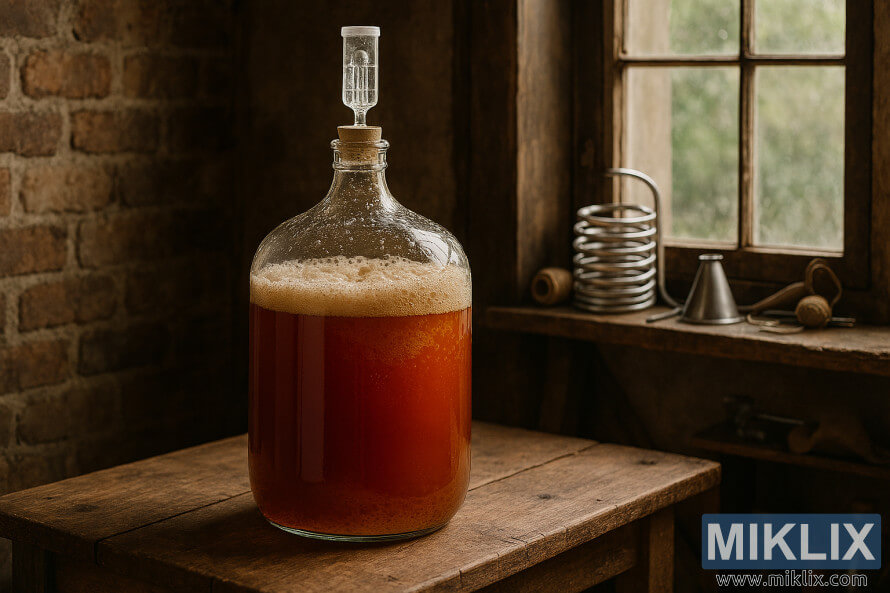
Brewing sour beers has become increasingly popular among craft beer enthusiasts, and one of the key ingredients in this process is the Wyeast 3763 Roeselare Ale Blend. This unique yeast blend is specifically designed to produce complex, sour flavors that are characteristic of traditional Belgian-style ales.
Click or tap the image for more information and higher resolutions.
The Roeselare Ale Blend is a multi-strain yeast blend that contributes to the development of sour beer flavors over time. Its use has simplified the brewing process for sour beers, making it more accessible to brewers who want to experiment with this style.
Key Takeaways
- The Wyeast 3763 Roeselare Ale Blend is a key ingredient in brewing sour beers.
- This yeast blend is designed to produce complex, sour flavors characteristic of Belgian-style ales.
- Using Roeselare Ale Blend simplifies the brewing process for sour beers.
- Sour beer brewing with this yeast requires patience as flavors develop over time.
- The result is a unique, complex beer that appeals to craft beer enthusiasts.
What is Wyeast 3763 Roeselare Ale Blend
With its rich Belgian heritage, Wyeast 3763 Roeselare Ale Blend offers brewers a unique opportunity to craft traditional and innovative sour beers. This yeast blend has become a staple in the brewing community for its complex characteristics and ability to produce a wide range of sour beer styles.
Origin and Belgian Heritage
The Wyeast 3763 Roeselare Ale Blend originates from the Roeselare region in Belgium, known for its traditional sour beer production. This heritage is reflected in the yeast blend's composition, which is designed to replicate the complex flavor profiles of Belgian sour ales. Breweries in this region have perfected the art of sour beer production over centuries, and the Wyeast 3763 blend captures this expertise.
Composition of the Blend
The Roeselare Ale Blend is a multi-component yeast blend that includes various strains of Brettanomyces, Lactobacillus, and other microorganisms. This complex composition allows for a nuanced fermentation process, contributing to the development of complex flavors and aromas in the finished beer. Key components include:
- Brettanomyces bruxellensis and other Brettanomyces strains for funky, earthy flavors
- Lactobacillus for lactic acid production and sourness
- Pediococcus for additional complexity and acidity
Microbiological Profile
The microbiological profile of Wyeast 3763 is characterized by its diverse microbial community. This blend is not just a single strain of yeast but a cocktail of microorganisms working together to produce the desired sour beer characteristics. The presence of multiple microbial strains allows for a dynamic fermentation process that evolves over time, contributing to the beer's complexity and depth.
Key Characteristics and Flavor Profile
Wyeast 3763 Roeselare Ale Blend is a powerhouse for creating complex, sour beers with unique characteristics. This yeast blend is particularly known for its ability to produce a wide range of flavor compounds, contributing to the complexity and depth of the beer.
Aroma Contributions
The Roeselare Ale Blend contributes a variety of aromas to the beer, including fruity, earthy, and funky notes. The presence of Brettanomyces in the blend is responsible for the funky, earthy aromas, while the other microorganisms contribute to the fruitiness.
Flavor Development Timeline
The flavor development timeline for beers brewed with Roeselare Ale Blend can be quite long. Initially, the beer may present with fruity and sweet flavors, but as it ages, the sourness and complexity increase. This timeline can vary depending on factors like fermentation temperature and specific gravity.
Acidity and Sourness Levels
The acidity and sourness levels in beers fermented with Wyeast 3763 are significant due to the presence of lactic acid bacteria in the blend. The level of sourness can be managed through careful control of fermentation conditions and aging time.
Attenuation and Alcohol Tolerance
The Roeselare Ale Blend is known for its high attenuation capabilities, often resulting in dry, complex beers. The blend's alcohol tolerance is moderate, typically handling beers up to 12% ABV without issue.
| Characteristic | Description | Influence on Beer |
| Aroma | Fruity, earthy, funky | Complex nose with varied notes |
| Flavor Development | Long timeline | Evolves from fruity to sour and complex |
| Acidity/Sourness | Significant lactic acid production | Managed through fermentation and aging |
| Attenuation/Alcohol Tolerance | High attenuation, moderate alcohol tolerance | Dry beers, handles up to 12% ABV |
Beer Styles Perfect for Roeselare Blend
With its unique blend of microorganisms, Wyeast 3763 Roeselare Ale Blend is suitable for brewing several traditional and experimental sour beer styles. This versatility makes it a favorite among brewers who want to create complex, sour beers with distinct flavor profiles.
Flanders Red Ales
Flanders Red Ales are known for their balanced blend of sourness, fruitiness, and oak character. The Wyeast 3763 Roeselare Ale Blend is well-suited for this style, as it produces a complex mix of flavors that include cherry and other fruit notes, along with a pleasant acidity.
Oud Bruin
Oud Bruin, or "Old Brown," is another traditional Flemish style that benefits from the Roeselare Blend. This style is characterized by its malty, brown sugar flavors balanced by a moderate acidity. The yeast blend contributes to a rich, complex flavor profile that is both sour and sweet.
American Wild Ales
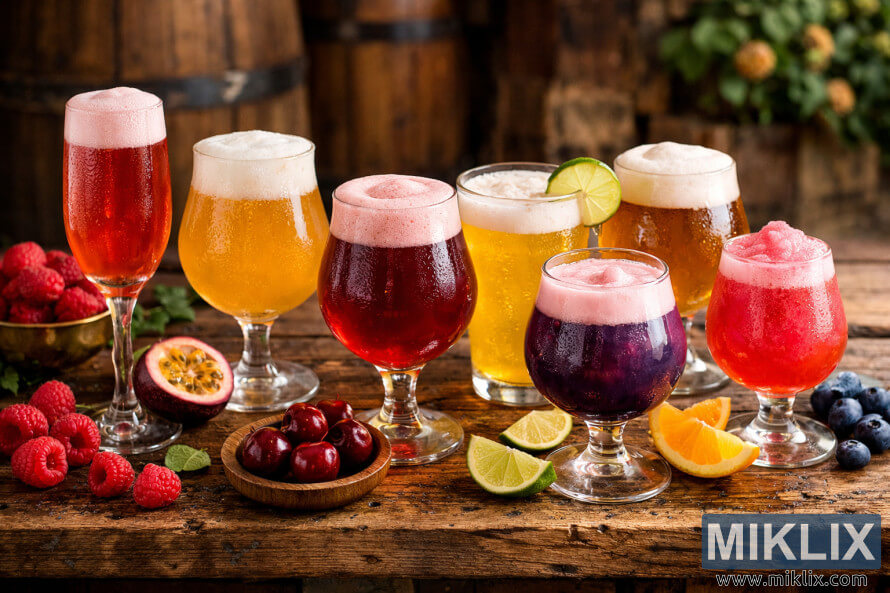
American Wild Ales often blend traditional Belgian sour beer techniques with American creativity. The Wyeast 3763 Roeselare Ale Blend is ideal for brewers looking to create American Wild Ales with a unique blend of fruit and funk. This style allows for a lot of experimentation with different fruits, spices, and aging techniques.
Click or tap the image for more information and higher resolutions.
Experimental Sour Styles
Beyond traditional styles, the Roeselare Blend is also perfect for brewers who want to experiment with new sour beer styles. By adjusting factors like fruit additions, aging times, and blend ratios, brewers can create entirely new flavor profiles. Some key considerations include:
- Choosing the right fruit to complement the sourness
- Aging the beer in different types of wood to enhance complexity
- Blending beers of different ages to achieve the desired flavor
The flexibility of Wyeast 3763 Roeselare Ale Blend makes it an excellent choice for brewers looking to explore the world of sour beers, whether they're brewing traditional styles or creating their own innovative recipes.
Recipe Formulation for Wyeast 3763 Roeselare Ale Blend
The art of brewing with Wyeast 3763 Roeselare Ale Blend lies in balancing its complex blend of microorganisms with the right recipe formulation. This balance is crucial for creating sour beers that are both complex and balanced.
Malt Selection and Considerations
Malt selection plays a critical role in the flavor profile of sour beers brewed with Wyeast 3763 Roeselare Ale Blend. Specialty malts can add depth and complexity, while base malts provide the necessary fermentable sugars.
For Flanders Red Ales, a combination of Pilsner and Munich malts is often used, with a small proportion of specialty malts like Special B or Biscuit malt to enhance complexity.
Hop Selection and IBU Targets
Hop selection for sour beers brewed with Wyeast 3763 Roeselare Ale Blend tends to focus on flavor and aroma rather than bitterness. Noble hops or aged hops are preferred for their subtle character.
IBU targets are typically lower for sour beers, as the perceived bitterness can be masked by the sourness. A target IBU range of 10-20 is common.
Water Chemistry for Sour Beers
Water chemistry is vital for brewing sour beers, as it affects the overall character and stability of the beer. Calcium and magnesium levels are particularly important for yeast health and fermentation performance.
A water profile with a balance of these ions can help to support a healthy fermentation and enhance the beer's complexity.
Sample Recipes
Here's a sample recipe for a Flanders Red Ale using Wyeast 3763 Roeselare Ale Blend:
| Ingredient | Quantity |
| Pilsner Malt | 50% |
| Munich Malt | 30% |
| Special B Malt | 10% |
| Biscuit Malt | 10% |
| Noble Hops (e.g., Hallertau) | 1 oz/5 gal |
Brewing with Wyeast 3763 Roeselare Ale Blend offers a world of possibilities for creating complex and balanced sour beers. By carefully selecting malts, hops, and managing water chemistry, brewers can craft unique and delicious beers.
https://www.youtube.com/watch?v=J4QLc4xEIv4
Equipment and Preparation for Brewing
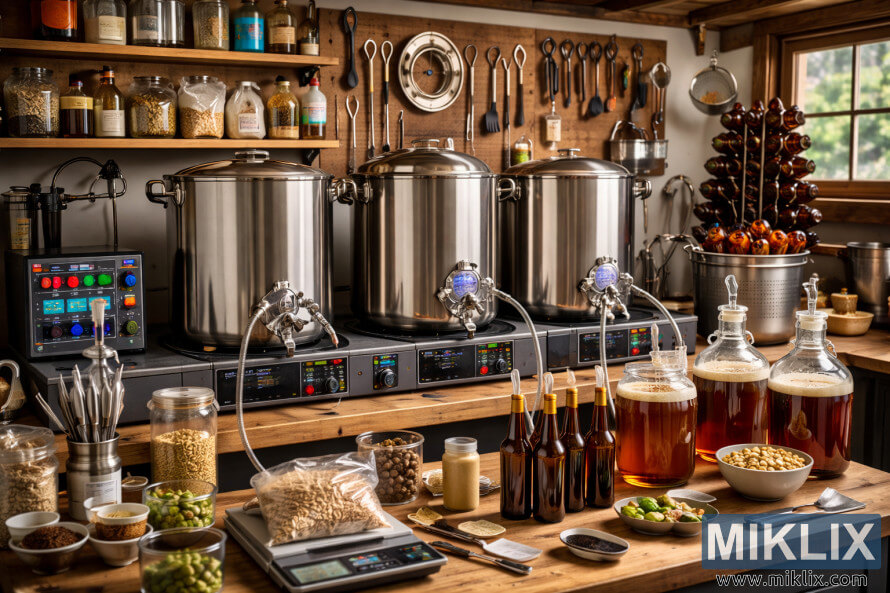
Brewing sour beers with Wyeast 3763 Roeselare Ale Blend requires careful preparation and the right equipment. To ensure a successful fermentation process, brewers must consider several key factors.
Dedicated Sour Beer Equipment
Using dedicated equipment for sour beer production is crucial to prevent contamination of other yeast strains. This includes having separate brewing kettles, mash tuns, and fermentation vessels specifically for sour beers.
Sanitation Considerations
Sanitation is paramount when brewing with Wyeast 3763 Roeselare Ale Blend. Proper sanitation practices help prevent unwanted bacteria and wild yeast from affecting the fermentation process. Regularly cleaning and sanitizing all equipment is essential.
Fermentation Vessel Selection
The choice of fermentation vessel can significantly impact the character of the sour beer. Options include stainless steel, glass, or food-grade plastic vessels. Each material has its advantages, and the choice depends on the brewer's preference and the specific requirements of the yeast blend.
| Vessel Material | Advantages | Considerations |
| Stainless Steel | Durable, easy to clean | Can be expensive |
| Glass | Inert, easy to sanitize | Risk of breakage |
| Food-Grade Plastic | Lightweight, cost-effective | May scratch or harbor bacteria |
Click or tap the image for more information and higher resolutions.
Step-by-Step Brewing Process
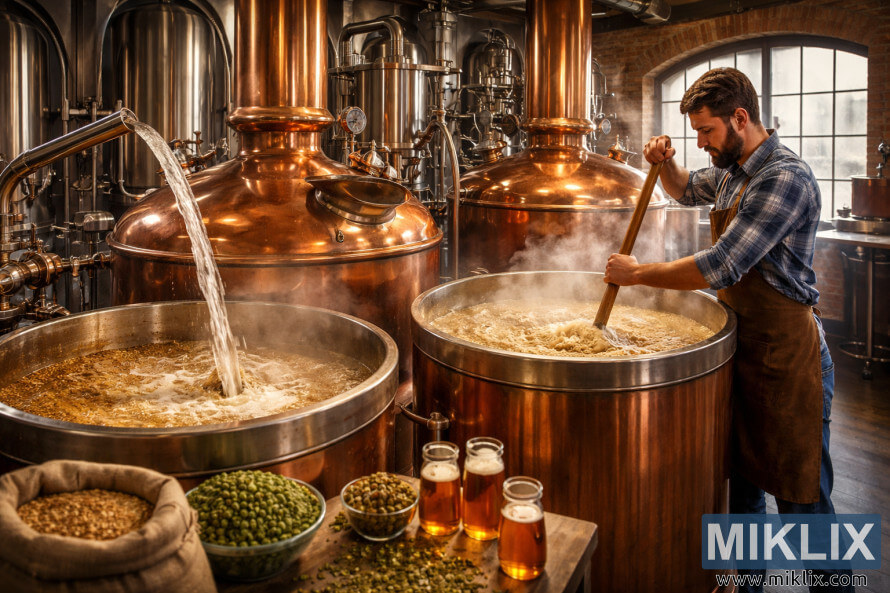
To brew exceptional sour beers using Wyeast 3763 Roeselare Ale Blend, follow this detailed guide. The brewing process involves several critical steps, from wort production to fermentation and aging.
Wort Production Techniques
The foundation of a great sour beer lies in the wort production. Use a combination of specialty malts to achieve the desired complexity and flavor profile. For Flanders Red Ales, consider using a mix of Pilsner, Munich, and specialty malts like Aromatic and Special B.
- Select high-quality grains that are suitable for sour beer production.
- Mash at the optimal temperature to ensure proper enzyme activity.
- Sparge with enough water to reach your desired pre-boil volume.
Yeast Handling and Pitching
Proper yeast handling is crucial for a successful fermentation. Rehydrate the Wyeast 3763 Roeselare Ale Blend according to the manufacturer's instructions to ensure optimal viability.
- Pitch the rehydrated yeast into the cooled wort.
- Ensure the wort is at the correct temperature for pitching.
- Monitor the fermentation temperature to maintain consistency.
Primary Fermentation Management
During primary fermentation, the yeast will begin to break down the sugars and produce the initial flavors. Monitor the fermentation progress and adjust the temperature as necessary to control the fermentation rate.
Secondary Fermentation and Aging
After primary fermentation, transfer the beer to a secondary vessel for aging. This stage is critical for developing the complex flavors associated with sour beers. Allow the beer to age for several months, monitoring its flavor development and acidity levels.
- Use oak barrels or other suitable vessels for aging.
- Monitor the beer's flavor profile and acidity regularly.
- Blend the beer as needed to achieve the desired final character.
Click or tap the image for more information and higher resolutions.
Long-Term Aging and Maturation
Long-term aging and maturation are crucial steps in developing the complex flavors associated with Wyeast 3763 Roeselare Ale Blend. This yeast blend is known for its ability to produce sour beers with deep, layered flavors, but achieving these characteristics requires patience and careful management during the aging process.
Optimal Aging Conditions
To optimize aging, brewers should maintain a consistent, cool temperature between 60°F to 65°F (15°C to 18°C). This temperature range allows the yeast and bacteria in the Roeselare blend to work harmoniously, developing the desired flavor compounds. It's also crucial to minimize oxygen exposure during aging to prevent unwanted oxidation flavors.
Wood Aging Options
Wood aging is a popular choice for sour beers, as it adds unique flavors and complexity. When using Wyeast 3763 Roeselare Ale Blend, brewers can opt for oak barrels or add oak chips/staves to the fermentation vessel. The type of wood and level of toast can significantly impact the final flavor, so brewers should experiment to find their preferred profile. As Jeff Alworth, a renowned brewer, once said, "The art of barrel aging is in the subtlety of its influence."
Fruit Additions and Timing
Fruit additions can enhance the flavor profile of sour beers brewed with Roeselare Ale Blend. The timing of fruit additions is critical; brewers can add fruit during secondary fermentation or later in the aging process. The choice of fruit and its preparation (e.g., puree, whole fruit) will affect the final flavor, so it's essential to consider these factors when planning fruit additions.
Monitoring Flavor Development
Regular tasting is essential during the aging process to monitor flavor development. Brewers should track changes in acidity, fruitiness, and overall complexity, adjusting their aging strategy as needed.
By carefully managing the aging and maturation process, brewers can unlock the full potential of Wyeast 3763 Roeselare Ale Blend, producing sour beers with rich, complex flavors that delight the palate.
Comparing Wyeast 3763 Roeselare Ale Blend to Other Sour Cultures
Brewing sour beers requires a deep understanding of the different yeast cultures and their effects on the final product. Wyeast 3763 Roeselare Ale Blend is a popular choice among brewers, but how does it compare to other sour cultures?
Versus Single Strain Brettanomyces
Single-strain Brettanomyces can produce complex flavors, but they can also be unpredictable. In contrast, Roeselare Ale Blend offers a more balanced approach, combining Brettanomyces with other microorganisms for a more rounded flavor profile.
Versus Lactobacillus-Only Souring
Lactobacillus-only souring can result in beers that are too tart or funky. Roeselare Blend, on the other hand, balances acidity with other flavor components, creating a more harmonious sour beer experience.
Versus Other Commercial Blends
Other commercial blends may offer similar characteristics, but Roeselare Ale Blend is renowned for its specific balance of yeast and bacteria. This balance contributes to its popularity among brewers seeking consistent results.
When to Choose Roeselare Blend
Brewers should choose Roeselare Ale Blend when they want a complex, balanced sour beer without the unpredictability of single-strain cultures. It's ideal for brewers looking to create traditional Flemish-style ales or experimental sour beers.
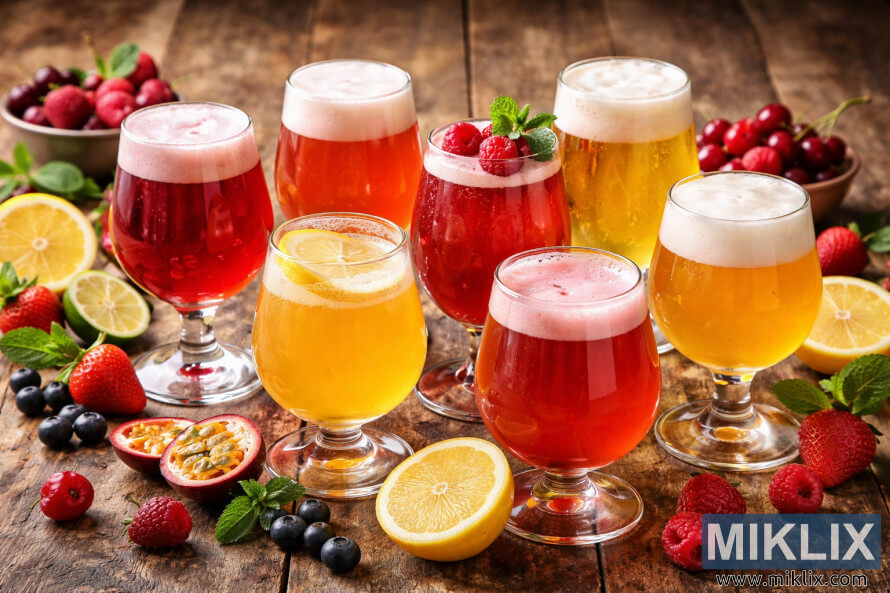
Click or tap the image for more information and higher resolutions.
Troubleshooting Common Issues
Troubleshooting is an essential skill for brewers using Wyeast 3763 Roeselare Ale Blend to overcome common issues. This yeast blend, known for its complexity, can sometimes present challenges such as stalled fermentation, acidity problems, and unwanted off-flavors.
Stalled Fermentation
Stalled fermentation can occur due to under-pitching, poor yeast health, or inadequate nutrients. To address this, ensure proper pitching rates and consider adding yeast nutrients.
Excessive or Insufficient Acidity
Acidity levels can be managed by adjusting the amount of yeast pitched, the fermentation temperature, and the aging time. Monitoring pH levels is crucial.
Unwanted Off-Flavors
Off-flavors can result from contamination or improper sanitation. Ensure that all equipment is properly sanitized, and consider the impact of oxygen exposure on flavor.
Pellicle Formation and Management
A pellicle is a sign of healthy fermentation with Wyeast 3763. However, its formation should be monitored to prevent over-oxidation.
| Issue | Cause | Solution |
| Stalled Fermentation | Under-pitching, poor yeast health | Adjust pitching rate, add yeast nutrients |
| Excessive Acidity | Over-pitching, high fermentation temp | Adjust pitching rate, lower fermentation temp |
| Unwanted Off-Flavors | Contamination, poor sanitation | Improve sanitation practices |
FAQ
What is Wyeast 3763 Roeselare Ale Blend?
Wyeast 3763 Roeselare Ale Blend is a mixed yeast and bacteria culture used for brewing sour beers, particularly styles like Flanders Red Ale and Oud Bruin.
How do I use Wyeast 3763 Roeselare Ale Blend in brewing?
To use Wyeast 3763 Roeselare Ale Blend, pitch the yeast into your wort and allow it to ferment. The yeast blend will contribute to the development of complex flavors and acidity in your beer.
What are the optimal conditions for fermenting with Wyeast 3763 Roeselare Ale Blend?
The optimal fermentation temperature for Wyeast 3763 Roeselare Ale Blend is between 65°F to 75°F (18°C to 24°C). It's also important to monitor and control the fermentation environment to achieve the desired flavor profile.
How long does it take for Wyeast 3763 Roeselare Ale Blend to ferment?
Fermentation time with Wyeast 3763 Roeselare Ale Blend can vary, but it typically takes several weeks to a few months for primary fermentation to complete. Secondary fermentation and aging can take several months to a year or more.
Can I use Wyeast 3763 Roeselare Ale Blend for other beer styles?
Yes, Wyeast 3763 Roeselare Ale Blend can be used for a variety of sour beer styles beyond traditional Flanders Red Ale and Oud Bruin, including American Wild Ales and experimental sour styles.
How do I troubleshoot stalled fermentation with Wyeast 3763 Roeselare Ale Blend?
To troubleshoot stalled fermentation, check the fermentation temperature, yeast health, and nutrient availability. You may need to adjust the fermentation conditions or add nutrients to restart fermentation.
What are the benefits of using Wyeast 3763 Roeselare Ale Blend compared to other sour cultures?
Wyeast 3763 Roeselare Ale Blend offers a complex blend of yeast and bacteria that can contribute to a richer, more complex flavor profile compared to single-strain cultures. It's also a convenient, pre-blended culture that simplifies the brewing process.
Can I blend Wyeast 3763 Roeselare Ale Blend with other yeast or bacteria cultures?
Yes, brewers can experiment with blending Wyeast 3763 Roeselare Ale Blend with other yeast or bacteria cultures to create unique flavor profiles. However, be cautious when blending cultures, as it can be unpredictable and may require adjustments to the brewing process.
Conclusion
Wyeast 3763 Roeselare Ale Blend is a versatile and complex yeast blend that offers brewers a unique opportunity to create a wide range of sour beer styles. With its rich microbiological profile, this yeast blend is capable of producing complex flavors and aromas that are characteristic of traditional Belgian sour beers.
Throughout this article, we've explored the key characteristics, brewing process, and aging techniques involved in using Wyeast 3763 Roeselare Ale Blend. By understanding the composition and behavior of this yeast blend, brewers can unlock the potential for creating complex, sour beers that showcase the unique qualities of this blend.
In summary, Wyeast 3763 Roeselare Ale Blend is an excellent choice for brewers looking to create sour beers with depth and complexity. Whether you're brewing a Flanders Red Ale, Oud Bruin, or American Wild Ale, this yeast blend is sure to deliver. By following the guidelines outlined in this article, you can successfully brew a wide range of sour beer styles using Wyeast 3763 Roeselare Ale Blend.
Further Reading
If you enjoyed this post, you may also like these suggestions:
- Fermenting Beer with Lallemand LalBrew Voss Kveik Yeast
- Fermenting Beer with Wyeast 1469 West Yorkshire Ale Yeast
- Fermenting Beer with Bulldog B19 Belgian Trapix Yeast