
Fermenting Beer with Wyeast 1098 British Ale Yeast
Published: October 23, 2025 at 9:40:10 PM UTC
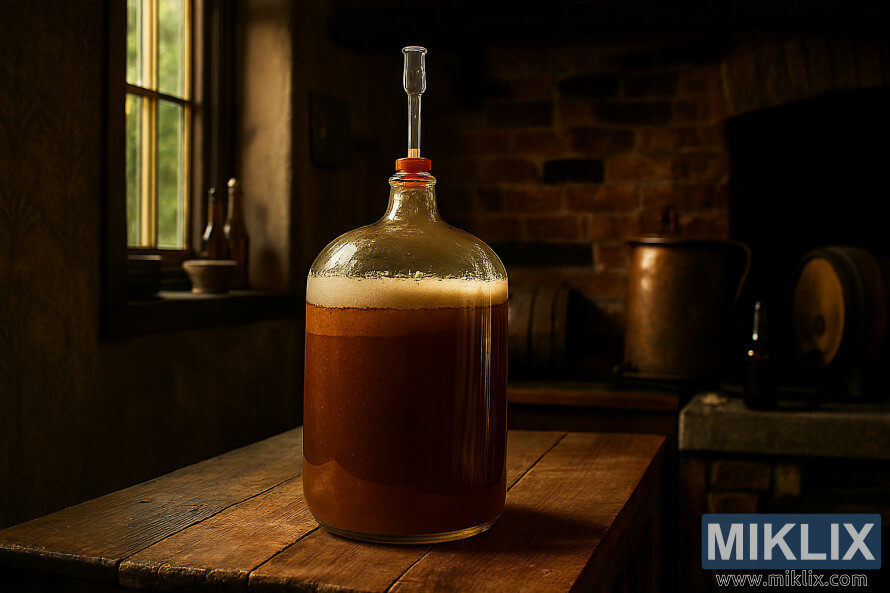
Wyeast 1098 British Ale Yeast is a commercial strain sold by well-known suppliers. It's frequently reviewed by homebrewers for its ability to produce clear, cask-style English ales. This strain was developed to create authentic British character. It has a clean malt profile and subtle fruitiness when handled correctly. Fermenting with Wyeast 1098 works best when you treat it like a specialized English ale yeast.
Click or tap the image for more information and higher resolutions.
Wyeast 1098 can ferment quickly under favorable conditions. Monitoring gravity readings helps confirm progress and when final attenuation is reached. If you're homebrewing Wyeast 1098 for the first time, follow starter recommendations. Keep a fermentation log to track performance and flavor outcomes. Pay attention to temperature, pitch rate, and conditioning to reach the clear, cask-conditioned finish many brewers expect.
Key Takeaways
- Wyeast 1098 British Ale Yeast is marketed by major homebrew suppliers with reviews and buyer resources.
- Fermenting with Wyeast 1098 yields clear, traditional English ale character when managed attentively.
- Monitor gravity regularly to confirm fast fermentations and proper attenuation.
- Homebrewing Wyeast 1098 benefits from correct pitching rates and temperature control.
- Read Wyeast 1098 product review notes and supplier Q&A to prepare for best results.
Why Choose English Ale Yeasts for Authentic British Ales
English ale yeast benefits include a distinct set of traits that fit traditional British brewing. Brewers seeking authentic British ale yeast often prefer strains that favor high flocculation and clear cask-conditioned results. These traits help reproduce the visual and mouthfeel cues expected from a classic pint.
English yeast esters play a central role in flavor. These esters yield fruity, rounded notes that define many British styles. Choosing an English strain means embracing those estery characteristics rather than trying to mask them. For homebrewers, this leads to beers that taste true to style.
Wyeast 1098 uses highlight why many stores stock it and why consumer reviews steer purchases. This strain is known for fast fermentation and dependable attenuation when managed properly. Fast fermentations can shorten turnarounds, which benefits small-batch brewers who want drinkable ales sooner.
British ale authenticity rests on balancing yeast behavior with recipe choices. High flocculation creates a star-bright finish prized in cask ales, but brewers must manage fermentation and oxygen levels to avoid low attenuation. When matched to the right malt bill, English strains produce the clean, malt-forward profile drinkers expect.
- Good for cask and bottle-conditioned ales.
- Promotes traditional ester profiles tied to English styles.
- Offers clear beer with classic British character.
Wyeast 1098 British Ale Yeast
The Wyeast 1098 profile showcases a classic English character, perfect for cask-style ales. Retail listings provide detailed Wyeast 1098 product information, including attenuation ranges and flocculation levels. Customer reviews are also available to guide brewers in their choices. Vendor pages offer technical data, Q&A, and brewing notes, catering to both new and experienced brewers.
This British Ale yeast strain 1098 was crafted to produce bright, clear cask ales with balanced esters. Its high flocculation and ability to create a clean finish make it ideal for real ale and bitter styles. Its historical use in pub ales has solidified its reputation for delivering reliable, traditional English flavors.
Practical details about the Wyeast 1098 highlight its quick fermentation start when pitched correctly. Under-pitching can lead to an increase in esters or unusual dynamics. Achieving the desired Wyeast 1098 profile and steady attenuation requires adequate cell counts and temperature control.
Matching yeast choice with recipe goals is key. For cask, bitters, and pale ales, this strain enhances traditional malt and hop interactions. For experimental batches, adjusting pitching and temperature can reveal new facets of the Wyeast 1098 profile, altering flavor and body.
Click or tap the image for more information and higher resolutions.
Attenuation and Flocculation Characteristics
Wyeast 1098 attenuation is generally moderate for English ale recipes. Brewers typically observe terminal gravity between 1.012 and 1.014 in malt-forward beers. This occurs when fermentation proceeds smoothly without interruption.
Wyeast 1098 is known for its high flocculation, resulting in a clear beer. This characteristic is beneficial when clarity is a key concern.
High flocculation yeasts, such as 1098, 1099, and 1187, can settle prematurely. This early settling may cause premature flocculation. It can also lead to yeast attenuation issues if not enough cells remain active.
To differentiate between true attenuation and a stall, take consecutive gravity readings over a few days. Consistent readings signify the final gravity. If the beer tastes under-attenuated despite stable gravity, premature flocculation might be the culprit.
- Creating a healthy starter can boost cell count and mitigate yeast attenuation issues.
- Maintaining consistent fermentation temperatures helps keep the yeast active for a longer period.
- Gently rousing the yeast can help resume sugar consumption if premature flocculation is suspected.
Understanding the interaction between Wyeast 1098 attenuation and its flocculation profile aids brewers in managing both clarity and attenuation. Small adjustments in pitching and handling can often prevent incomplete attenuation due to early drop-out.
Pitching Rate and Starter Recommendations
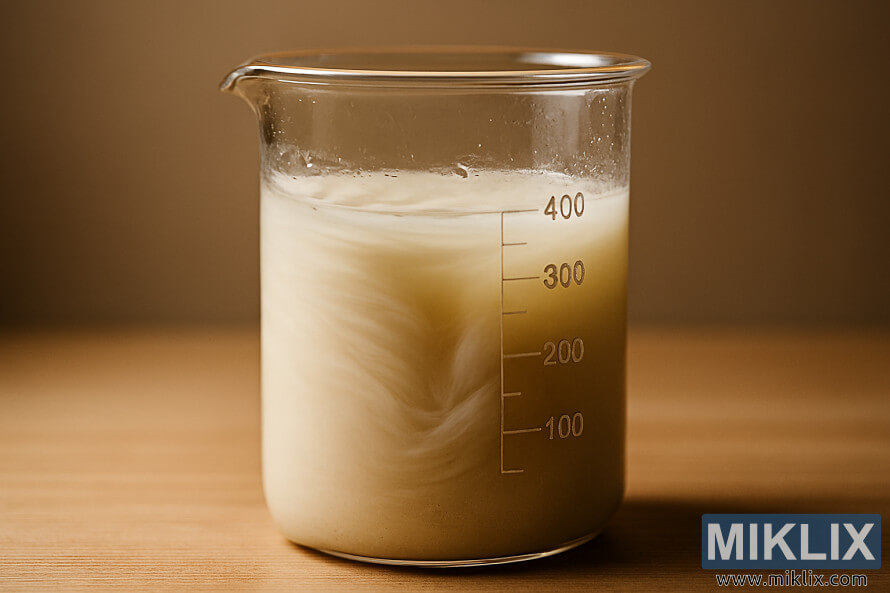
Accurate Wyeast 1098 pitching rates are crucial to prevent early flocculation and ensure proper attenuation. For most original gravities, a yeast starter for Wyeast 1098 or a grown slurry is necessary to achieve the desired yeast cell counts.
Start by calculating the required cells for your OG and batch size. Utilize common pitching calculators or published charts to estimate the needed cells per milliliter. Ensure your starter size or reused slurry matches this target to avoid underpitching.
If you're planning a yeast starter for Wyeast 1098, prepare it at least 12–24 hours before brew day. Stirring or a small shake is essential to keep the flocculent nature of this strain in suspension. This reduces the risk of premature drop-out.
- For average ales near 1.050 OG, aim for standard ale pitching rates and confirm yeast cell counts before pitching.
- For higher OGs, increase starter volume or combine packs and grow a slurry to hit higher cell targets.
- When using Wyeast packs, consider making a starter rather than relying solely on the pack volume.
The method of pitching 1098 is as important as the cell numbers. Aerate the wort to support the larger cell population. Pitch the starter when it is active but not completely dormant. This promotes even fermentation and helps the strain express its English ale character.
Tracking yeast cell counts is beneficial. A hemocytometer or lab service can confirm your starter achieved the desired population. This step eliminates guesswork and enhances batch-to-batch consistency with Wyeast 1098 pitching rate planning.
Click or tap the image for more information and higher resolutions.
Temperature Management for Optimal Fermentation
Wyeast 1098 fermentation temperature is crucial for British ale development. This strain thrives in warm ale temperatures, best above 68°F (20°C). This ensures reliable attenuation.
Many brewers aim for an ideal temperature of 70–72°F (21–22°C) for Wyeast 1098. At this range, the yeast remains active, finishes clean, and produces mild esters. This suits classic English styles. Fermenting too cool can lead to poor metabolism and low attenuation.
Controlling fermentation temperature is key due to the yeast's fast fermentation tendencies. A rapid rise can introduce solvent-like off-flavors. Maintaining a steady temperature range keeps yeast healthy and predictable.
- Set primary fermentation near the recommended ideal temp Wyeast 1098 for the style.
- Use a temperature controller or a warm room to control fermentation temperature.
- Monitor airlock activity and gravity to catch stalls early.
Small, planned temperature steps during active fermentation can help. Start at the lower end of the English ale fermentation temp, then raise a couple degrees as activity slows. This encourages cleanup and full attenuation. It balances ester profile with complete fermentation.
For homebrewers without precise gear, insulation wraps, heat belts, or even a warmed cabinet can regulate Wyeast 1098 fermentation temperature. Regular checks and gentle adjustments prevent stress on the yeast. This improves final beer quality.
Aeration and Oxygen Needs for Strong Fermentations
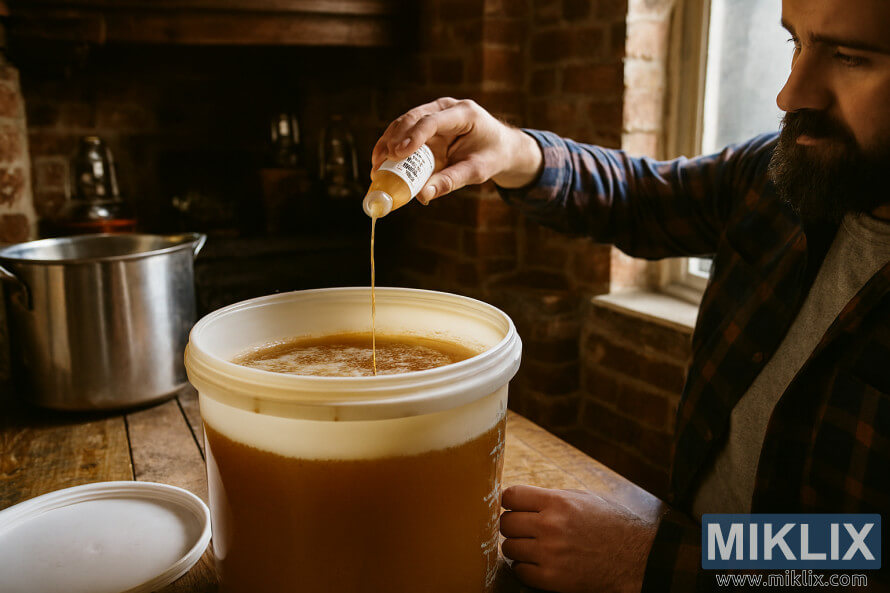
Wyeast 1098 requires careful attention to oxygen before pitching. English strains, known for their strong flocculation, need oxygen to build cell walls and reproduce. Without sufficient O2, cells may flocculate too early, leaving the beer under-attenuated.
To ensure active, even fermentation, follow best practices for aeration with Wyeast 1098. Gentle shaking, sterile air pumps, or pure oxygen systems are effective when used correctly. It's crucial to aerate the wort before pitching to ensure yeast encounter dissolved oxygen immediately.
Adjust yeast oxygen requirements based on batch size and gravity. Higher original gravities require more oxygen to support the larger biomass needed for full attenuation. Underestimating these needs can result in stalled or sluggish fermentations.
- Measure dissolved oxygen when possible; target ranges differ by method and gravity.
- Create good oxygen transfer before yeast addition rather than relying on later aeration.
- Use a starter for older or low-count packs to reduce the oxygen burden in the main wort.
Proper aeration handling is key to maintaining yeast health and consistency across batches. Ensure sanitation during aeration, avoid over-aeration after pitching, and closely monitor fermentation signs for optimal results.
Click or tap the image for more information and higher resolutions.
Fermentation Timeline and Expected Behavior
Wyeast 1098 fermentation timeline typically begins swiftly. You might see active bubbling and krausen within 24–48 hours. This is when yeast health, pitch rate, and temperature are optimal.
The speed of Wyeast 1098 fermentation varies based on wort gravity and pitching rate. For low- to moderate-gravity pale ales, expect strong activity for three to five days. They then quickly reach their terminal gravity.
English ale fermentation speed can differ from batch to batch. Some brewers achieve drinkable beers in as little as eight days. This is when fermentation and conditioning favorably align.
Be cautious of early flocculation, which might suggest fermentation is complete. This strain can clear before full attenuation. Thus, it's crucial to rely on gravity readings rather than visual cues.
- Take an initial gravity reading at pitch.
- Check gravity after active fermentation slows, around day 3–5.
- Confirm final gravity near 1.012–1.014 for many ales, or stabilize over several days.
If gravity stalls above expected levels, consider boosting yeast health with a starter. A slight increase in temperature can also help. These small interventions usually avoid harsh flavors.
Keep a record of timing and temperatures for each batch. Tracking these variables enhances your understanding of Wyeast 1098 fermentation. It also improves the predictability of English ale fermentation speed in future brews.
Dealing with Stalled Fermentations and Low Attenuation
Stalled fermentation with Wyeast 1098 can occur due to early yeast flocculation or insufficient pitching and oxygenation. Monitor specific gravity readings over several days to confirm fermentation progress before making adjustments.
If specific gravity remains high, attempt to rouse the yeast gently. Gently lift and swirl the fermenter or stir with a sanitized spoon to resuspend cells. This method avoids introducing contaminants. Small, careful movements can awaken dormant yeast, restarting fermentation.
Increasing the fermentation temperature by a few degrees can enhance yeast activity. Wyeast 1098 benefits from a modest warm-up, which can prevent premature flocculation and address low attenuation in many cases.
- Verify gravity twice daily to track changes.
- Rouse yeast before more drastic steps.
- Consider a light oxygenation only if the beer is very early in fermentation and safe to do so.
If gentle rousing and temperature adjustments do not work, repitching with an active strain can salvage the batch. Use a healthy starter of a neutral ale strain or fresh Wyeast 1098 to match the beer's character. Pitch carefully to restart fermentation.
Prevention is key. Ensure adequate yeast pitching, proper aeration, and target temperatures to prevent stalled fermentation with Wyeast 1098 in future brews. If you prefer low-maintenance ales, consider strains more forgiving than Wyeast 1098.
Flavor Adjustment Through Fermentation Choices
English strains naturally form esters that shape a classic British ale flavor profile. Embrace that estery character when using Wyeast 1098 esters rather than treating it as a flaw.
To adjust ale flavor fermentation, use temperature and pitching rate as your primary tools. Modest rises in fermentation temperature increase fruity esters. Pitching a healthy yeast starter or the correct cell count keeps fermentation strong and predictable.
Do not push temperatures unusually low to suppress esters. Cooling too far stalls yeast metabolism and risks poor attenuation. That tactic can harm mouthfeel and final gravity.
- Keep fermentation in the yeast’s recommended range to control esters Wyeast 1098 produces while preserving attenuation.
- Increase oxygen and nutrients during wort preparation to support clean, balanced ester formation.
- Use slightly lower pitch rates when you want more ester character. Use higher pitch rates to tame ester levels without drastic cooling.
Small adjustments yield subtle shifts in the British ale flavor profile. Track temperature, pitching, and oxygening across batches to learn how Wyeast 1098 esters respond in your system.
Conditioning, Clarity, and Packaging Considerations
Wyeast 1098 conditioning is all about a traditional finish. Its high flocculation ensures yeast settles, resulting in a bright beer. This means brewers often don't need to force clarification.
When brewing cask-conditioned ale, handle it gently. Use a modest amount of priming sugar. Let the beer settle at cellar temperatures. Monitor CO2 levels to keep the beer's delicate profile intact.
English yeast like Wyeast 1098 offers predictable clarity. A short cold storage or brief isinglass use can fine the beer. This leaves it star-bright without harsh filtration.
Packaging Wyeast 1098 ales requires careful consideration. Choose containers that match your conditioning goals. Kegs are great for immediate service. Casks allow for secondary conditioning. Bottle conditioning is possible but requires precise priming and conditioning time.
- Cold condition for 5–10 days to encourage flocculation and drop haze.
- Use minimal agitation when racking to protect settled yeast and retain clarity.
- Consider isinglass for final fining on cask-conditioned ale if transport clouding occurs.
Retail notes and brewer reviews highlight the importance of packaging Wyeast 1098 ales. It's crucial to plan conditioning steps that align with the yeast's traits. This ensures consistent clarity and mouthfeel.
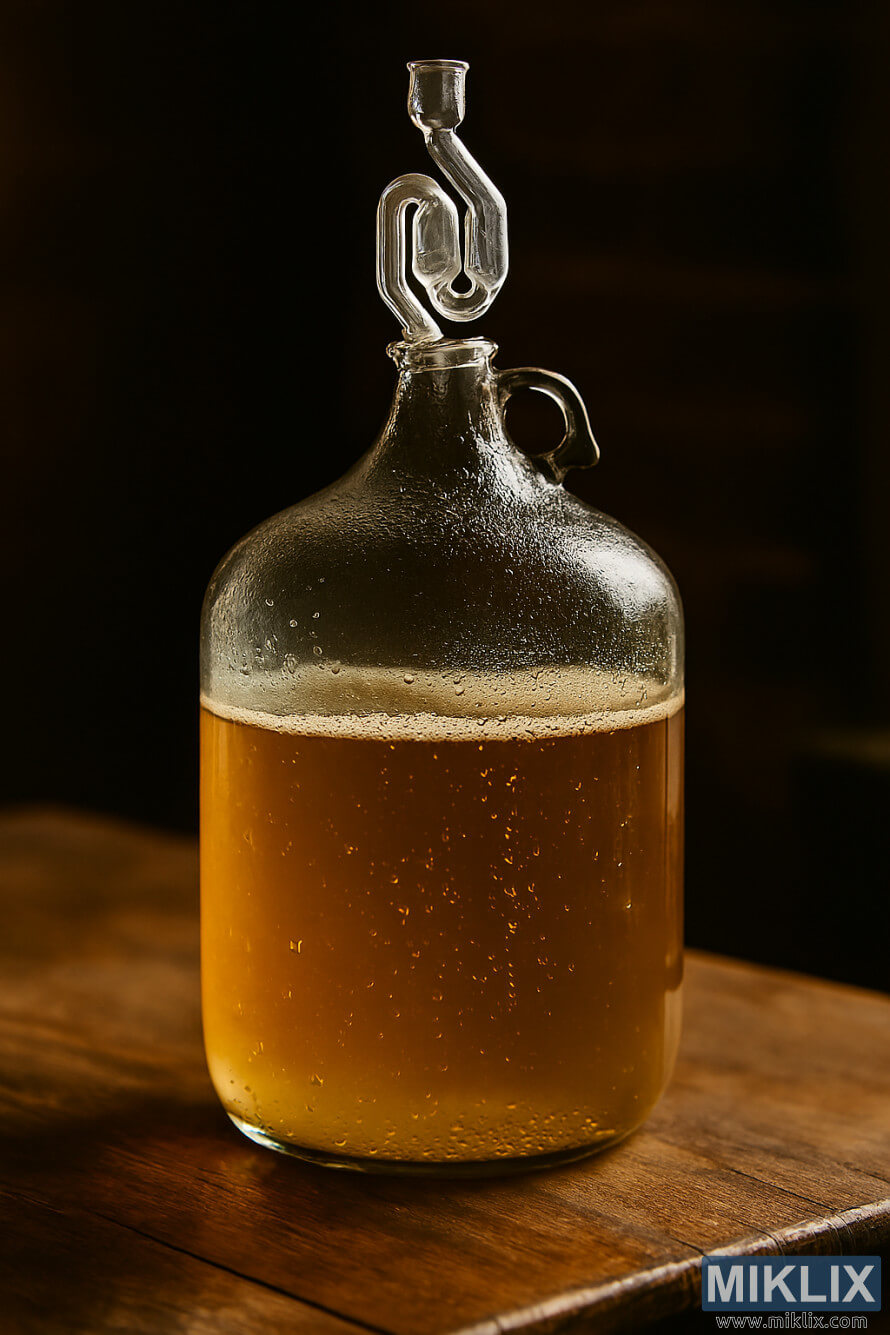
Click or tap the image for more information and higher resolutions.
Common Recipes and Styles That Shine with Wyeast 1098
Wyeast 1098 is perfect for traditional British ales and cask-conditioned beers. It excels in beers where a clean malt profile and light esters are desired. Homebrewers often choose this strain for ordinary bitters, English pale ales, and classic English bitters. These beers require bright, drinkable results.
Recipes that emphasize Maris Otter or British crystal malts and restrained hopping work well. These ingredients allow the yeast's gentle fruitiness and malt clarity to shine. Cask ale recipes benefit from this approach, offering cellarman-friendly conditioning and a rounded mouthfeel.
- Session bitters: low ABV, malt-forward, quick turnaround — ideal for beers for Wyeast 1098.
- English pale ales: moderate bitterness, pronounced malt backbone — among the best styles Wyeast 1098 supports.
- Cask-conditioned milds: low-hop, soft carbonation — classic examples within British ale recipes.
For brewers seeking a stronger profile, an English-style IPA with restrained American or English hops is a good choice. The strain adds subtle esters that complement hop fruit without overpowering the malt structure.
Community-shared formulations and product pages offer tested templates for Wyeast 1098. These templates show how the yeast handles various mash profiles and conditioning schedules. Use them as starting points and adjust hop rates or malt percentages to fit your target beer.
When planning batches, consider fermentation speed and attenuation. This yeast tends to finish clean and predictable. This trait is ideal for cask ale recipes and other British ale recipes where clarity and drinkability are key.
Maintaining Yeast Health and Repitching Practices
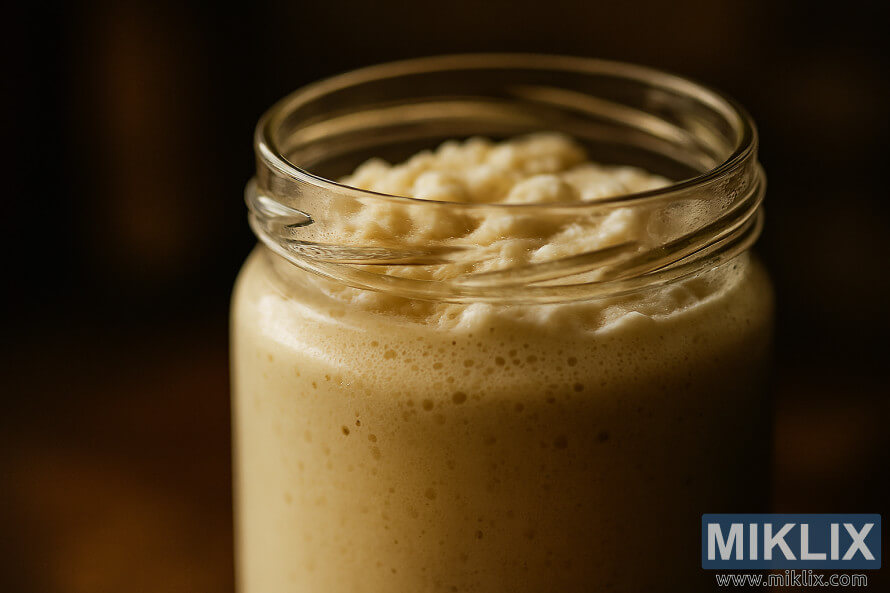
Healthy yeast is key to clean, reliable fermentations. When repitching Wyeast 1098, focus on yeast vitality as much as cell count. Wyeast 1098 tends to flocculate, so maintaining yeast health depends on building strong starters or harvesting slurry before it drops out.
Harvesting and storing yeast slurry requires careful attention. Store it cold and oxygen-free to slow metabolism. Label jars with date and batch gravity to judge viability later. Poor yeast slurry management shortens its usable life and increases the risk of stressed cells.
Before reusing, check viability with a simple microscope stain or a small test starter. If viability looks low, create a fresh starter to hit the recommended pitching rate for the batch's original gravity. This step reduces lag and avoids off-flavors from sluggish fermentations.
- Make starters sized for cell-building, not just topping up.
- Use sanitary, airtight containers when storing yeast slurry.
- Keep a rotation: older slurry for high-gravity beers, fresher slurry for delicate ales.
Timing is crucial when repitching Wyeast 1098. Harvest while active yeast are still in suspension. If yeast has flocculated out during storage, resuspend gently and assess before pitching. Good yeast slurry management prevents surprises in the fermenter.
Track performance across generations. Note attenuation and ester profile after each reuse to decide when to retire a strain. For consistent results, prioritize yeast health Wyeast 1098 and build fresh starters when in doubt about slurry viability.
Conclusion
Wyeast 1098 summary: This strain is a go-to for brewers aiming for traditional English ale flavors. It offers estery, bright notes and clears well with proper handling. Northern Brewer and MoreBeer provide support and resources, boosting new brewers' confidence.
final thoughts Wyeast 1098: Active management is key. Use a starter or slurry, ensure good aeration, and ferment at the right warm temperature. This prevents early flocculation and low attenuation. Gravity readings, not airlock activity, confirm fermentation completion.
review Wyeast 1098 British Ale Yeast: Following pitching and temperature guidelines, it produces classic cask and bottled ales. These ales have clean esters and excellent clarity. If you seek a more forgiving yeast, there are alternatives. Yet, for authentic British ales, Wyeast 1098 stands out as a top choice.
Further Reading
If you enjoyed this post, you may also like these suggestions:
- Fermenting Beer with Wyeast 3822 Belgian Dark Ale Yeast
- Fermenting Beer with Mangrove Jack's M36 Liberty Bell Ale Yeast
- Fermenting Beer with White Labs WLP566 Belgian Saison II Ale Yeast