
Fermenting Beer with White Labs WLP645 Brettanomyces Claussenii Yeast
Published: October 9, 2026 at 10:23:12 PM UTC
White Labs WLP645 Brettanomyces claussenii stands as one of the most fascinating yeast strains available to homebrewers today. This unique liquid yeast offers brewers the opportunity to create complex, funky beers with distinctive character that simply cannot be achieved with standard brewing yeast.
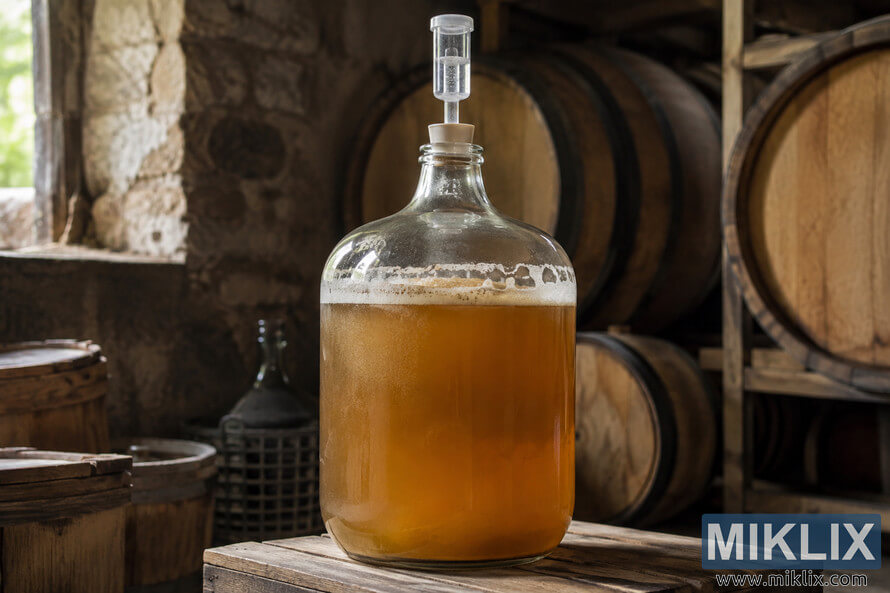
Click or tap the image for more information and higher resolutions.
Whether you are an experienced brewer looking to expand your fermentation repertoire or a curious beginner ready to explore wild yeast, understanding this particular Brett strain opens new creative possibilities.
Originally isolated from strong English stock beer in the early 20th century, WLP645 brings a piece of brewing history into modern craft beer production. The strain delivers a pineapple-like aroma alongside subtle funkiness that has made it popular among homebrewers and commercial breweries alike. This guide walks you through everything you need to know about working with this remarkable yeast.
Understanding Brettanomyces claussenii and the WLP645 Strain
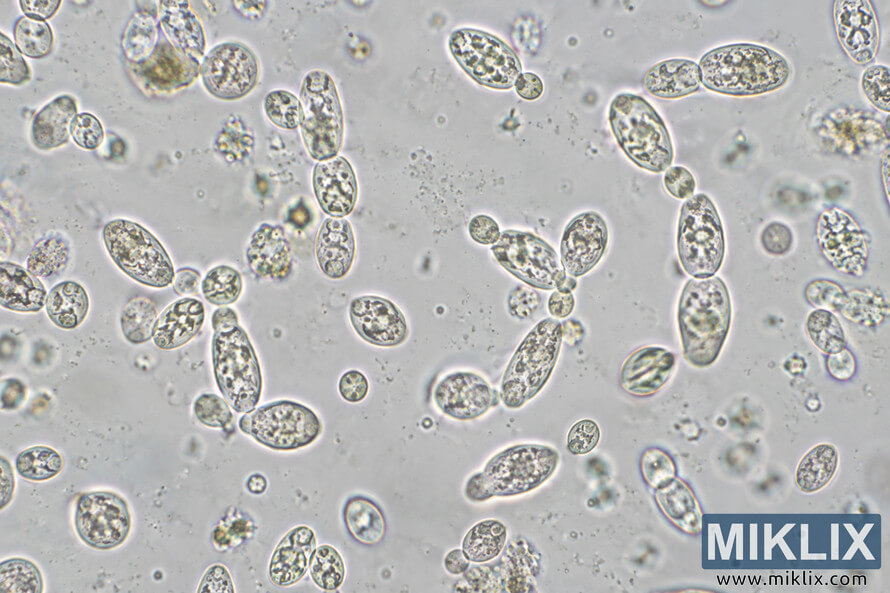
Brettanomyces claussenii represents a specific species within the Brettanomyces genus. This wild yeast differs significantly from Saccharomyces cerevisiae used in traditional brewing. The WLP645 strain from White Labs captures the essence of classic Brett character while remaining manageable for homebrewers.
The history of this yeast traces back to its isolation from strong English stock beer during the early 20th century. Brewers discovered that these beers developed unique flavors during extended aging periods. Scientists later identified Brettanomyces as the source of these distinctive characteristics.
Click or tap the image for more information and higher resolutions.
What Makes WLP645 Special
White Labs WLP645 Brettanomyces claussenii stands out for several reasons. The strain produces moderate levels of characteristic Brett funkiness without overwhelming other flavor components. This balance makes it ideal for brewers experimenting with wild yeast for the first time.
Primary Characteristics
- Pineapple-like aroma development
- Subtle barnyard funk notes
- Clean fermentation at proper temperatures
- Predictable attenuation patterns
- Compatibility with various beer styles
Technical Specifications
- Temperature range: 65-80°F (18-27°C)
- Attenuation: 70-85% typical
- Flocculation: Low to medium
- Alcohol tolerance: Moderate to high
- Fermentation time: 2-12+ weeks
Closely Related Brettanomyces Strains
Brettanomyces claussenii is closely related to Brettanomyces anomalus. These species share similar genetic characteristics and fermentation behaviors. However, WLP645 expresses unique flavor compounds that distinguish it from related Brettanomyces anomalus strains.
Understanding these relationships helps brewers predict fermentation outcomes. The knowledge also assists in troubleshooting unexpected flavor development during the brewing process.
WLP645 Brettanomyces claussenii Flavor Profile and Aroma Characteristics
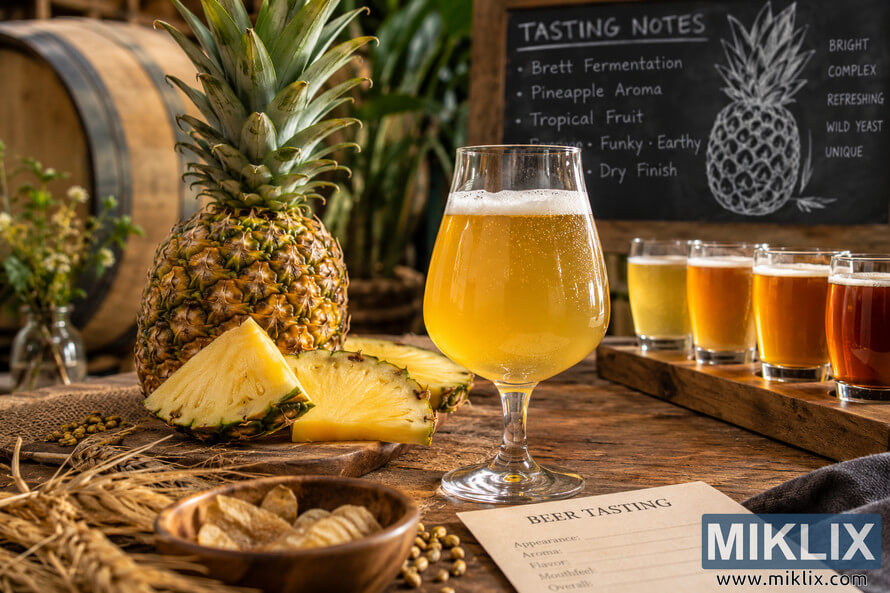
The flavor profile of WLP645 sets it apart from other Brettanomyces strains. Brewers consistently report a distinctive pineapple-like aroma that develops during fermentation. This tropical fruit character creates an inviting introduction to Brett beers for those unfamiliar with wild yeast.
Primary Flavor Components
White Labs WLP645 produces a complex array of flavors and aromas. The pineapple character typically dominates in the early stages of fermentation. As the beer ages, additional layers of complexity emerge. These include subtle earthy notes and gentle funk that adds depth without becoming aggressive.
Pro Tip: The intensity of Brett character in your beer depends heavily on fermentation temperature and time. Lower temperatures and shorter fermentation periods produce cleaner, fruitier profiles. Higher temperatures and extended aging develop more pronounced funk and complexity.
Click or tap the image for more information and higher resolutions.
Aroma Development Timeline
| Fermentation Stage | Time Period | Dominant Aromas | Flavor Notes |
| Early Primary | Days 1-7 | Fruity esters, mild sulfur | Clean, sweet, developing |
| Late Primary | Weeks 2-4 | Pineapple, tropical fruit | Bright fruit, light funk |
| Secondary/Aging | Weeks 4-12 | Complex fruit, earthy, hay-like | Balanced funk, dry finish |
| Extended Aging | 3+ months | Developed funk, leather, barnyard | Complex, dry, refined |
Temperature Impact on Character
Temperature control significantly influences the final character of beers fermented with WLP645 Brettanomyces claussenii. Fermentation at the lower end of the temperature range produces cleaner, fruitier beers. The pineapple-like aroma remains prominent with minimal funkiness.
Higher fermentation temperatures encourage more aggressive Brett character development. The yeast produces increased levels of phenolic compounds at warmer temperatures. This results in stronger barnyard and earthy notes alongside the fruit components.
Many brewers start fermentation at cooler temperatures to establish clean fruit character. They then raise the temperature during secondary fermentation to develop additional complexity. This technique provides excellent control over the final flavor profile.
Ideal Fermentation Conditions for WLP645 Success
Success with liquid yeast like WLP645 requires attention to specific fermentation parameters. White Labs provides general guidelines, but understanding the nuances helps achieve your desired results. Temperature, time, and attenuation all play crucial roles in the final beer quality.
Temperature Management
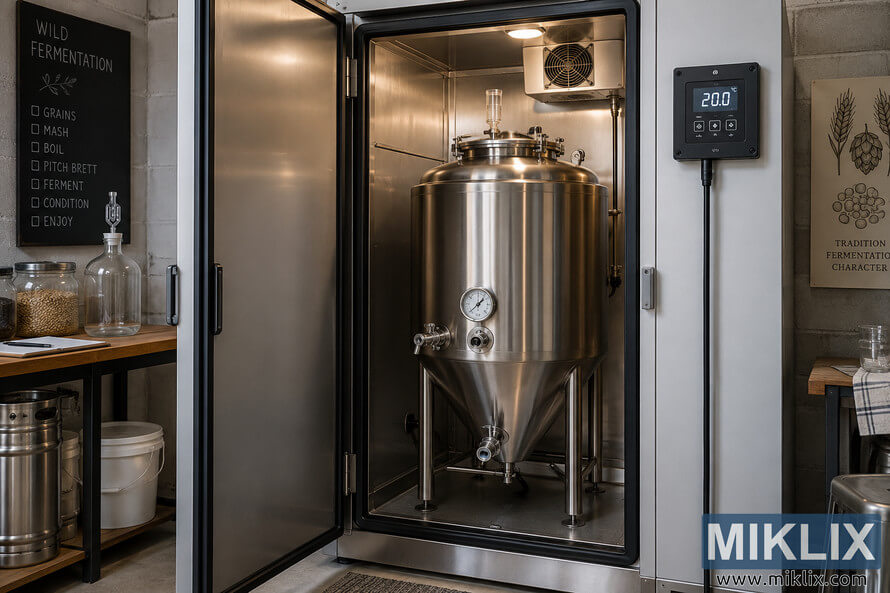
The recommended temperature range for WLP645 Brettanomyces claussenii spans from 65°F to 80°F. This wide range offers flexibility but requires strategic planning. Most homebrewers achieve best results between 68°F and 75°F for primary fermentation.
Temperature Strategies
Different temperature approaches yield different results with this Brett strain. Consider your flavor goals when selecting fermentation temperature.
Cool fermentation between 65-68°F emphasizes fruit character and minimizes funk. This approach works well for first-time Brett brewers or those seeking subtler wild yeast character.
Moderate temperatures from 70-75°F provide balanced results. Both fruit and funk develop in harmony. This range represents the sweet spot for many brewers working with WLP645.
Temperature Ranges
- 65-68°F: Maximum fruit, minimal funk
- 70-75°F: Balanced character development
- 76-80°F: Strong funk, complex esters
- Temperature consistency matters more than exact degrees
- Avoid temperature swings exceeding 5°F
Click or tap the image for more information and higher resolutions.
Fermentation Timeline and Attenuation
Brettanomyces fermentation proceeds differently than standard yeast fermentation. WLP645 works slowly and methodically. Primary fermentation typically completes within two to four weeks. However, the beer continues developing character for months afterward.
Attenuation with this Brett strain typically reaches 70-85%. The yeast consumes complex sugars that Saccharomyces cannot ferment. This capability produces exceptionally dry beers with complex flavor profiles. Final gravity often drops lower than expected, sometimes reaching 1.002 or below.
Important: Brettanomyces can continue fermenting in the bottle. Always account for potential over-carbonation when bottling Brett beers. Many brewers reduce priming sugar by 25-30% or opt for kegging to avoid bottle bombs.
Pitch Rate and Viability
Proper pitching ensures healthy fermentation. Liquid yeast from White Labs contains billions of viable cells. However, checking the production date on your yeast vial helps ensure adequate viability. Fresh yeast produces the most reliable results.
Many brewers create a starter when working with WLP645. A starter increases cell count and confirms yeast viability before pitching. This extra step significantly improves fermentation performance, especially with older yeast packets.
Starter Recommendations
- 1-2L starter for standard 5-gallon batches
- Use DME at 1.040 gravity
- Ferment starter for 2-3 days
- Decant or pitch entire starter
Direct Pitch Guidelines
- Best with fresh yeast (under 4 months old)
- Adequate for normal gravity beers
- Requires proper oxygenation
- May show slower initial activity
Oxygenation Needs
- Standard aeration sufficient for most beers
- Pure oxygen helpful for high gravity
- Brett requires less oxygen than Saccharomyces
- Avoid over-oxygenation
Best Beer Styles for WLP645 Brettanomyces claussenii
WLP645 works beautifully across numerous beer styles. The yeast adapts to different brewing approaches while contributing its signature character. Understanding which styles showcase this Brett strain helps you plan successful brewing projects.
Traditional Brett Beer Styles
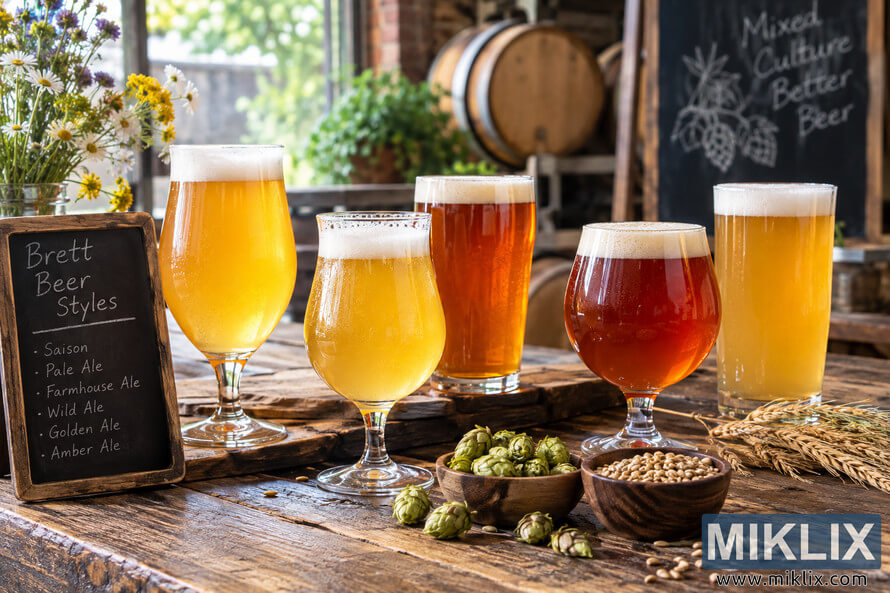
Several classic beer styles rely on Brettanomyces character. These traditional approaches provide proven frameworks for using WLP645. Saisons represent perhaps the most popular application for this yeast strain.
Belgian-style saisons benefit tremendously from the pineapple-like aroma and dry finish that WLP645 provides. The yeast complements spicy phenolics from Belgian yeast strains. Many brewers use WLP645 in combination with traditional saison yeast for complex results.
Click or tap the image for more information and higher resolutions.
Saison and Farmhouse Ales
Classic farmhouse styles showcase WLP645 exceptionally well. The yeast creates rustic character perfect for these traditional beers.
- Use WLP645 as primary yeast or in secondary
- Ferment warm for enhanced character
- Add Brett early for more integration
- Expect very dry, refreshing finish
Wild Pale Ales
Modern American wild ales benefit from WLP645 tropical fruit character. These beers balance Brett funk with hop aromatics.
- Moderate hopping complements fruit esters
- Ferment with clean ale yeast first
- Add Brett for secondary fermentation
- Age 6-12 weeks for best results
Fruit Beers
The pineapple-like aroma pairs beautifully with actual fruit additions. Brett character enhances fruit complexity.
- Stone fruit works exceptionally well
- Tropical fruits create layered aromatics
- Brett ferments fruit sugars completely
- Results show remarkable depth
Sour Beers
WLP645 contributes to mixed fermentation sours. The strain works alongside Lactobacillus and Pediococcus cultures.
- Add Brett after souring bacteria
- Contributes complexity without harsh acid
- Requires extended aging time
- Creates balanced funky sours
Modern Applications
Contemporary brewers push boundaries with WLP645 in unexpected styles. IPAs, pale ales, and even lagers see Brett treatment. These experimental approaches create unique beers that challenge traditional style guidelines.
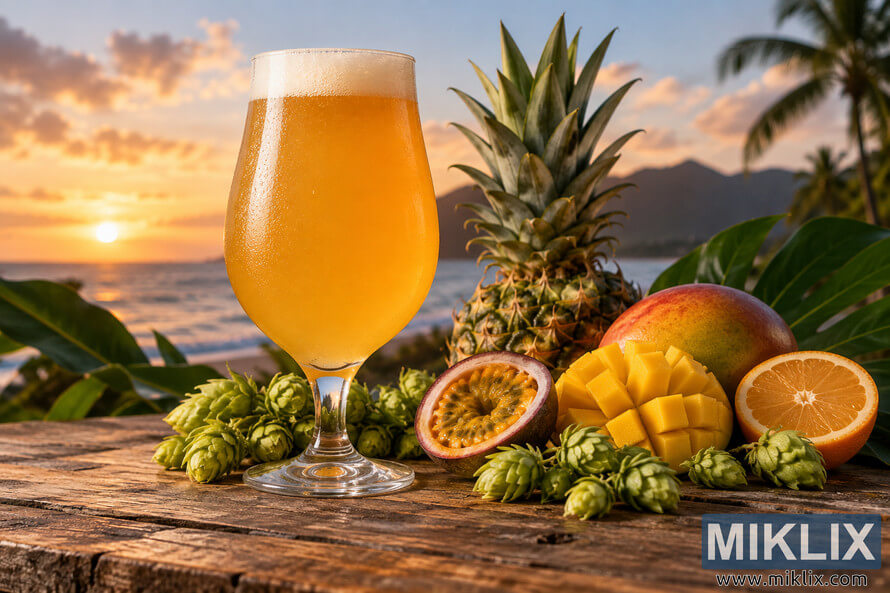
Brett IPAs have gained popularity in craft brewing. The combination of tropical hop character and pineapple-like Brett aromas creates synergy. WLP645 works particularly well in this application due to its fruity profile.
Click or tap the image for more information and higher resolutions.
Essential Homebrewing Techniques for WLP645 Success
Working with Brettanomyces requires some adjustments to standard brewing practices. These techniques help homebrewers achieve consistent, high-quality results with WLP645. Experience level matters less than attention to detail and patience.
Primary vs Secondary Fermentation Approaches
Brewers use WLP645 in two main ways. Primary fermentation with Brett alone creates 100% Brett beers. This approach showcases the yeast character most prominently. Alternatively, secondary fermentation with Brett adds complexity to beers fermented primarily with Saccharomyces.
100% Brett Primary Fermentation
- Maximum Brett character expression
- Clean, focused flavor profile
- Excellent for saisons and pale ales
- Requires patience for full attenuation
- Creates very dry finished beer
Challenges to Consider
- Slower initial fermentation activity
- May take 3-4 weeks for primary
- Requires careful temperature control
- Less forgiving than mixed fermentation
- Character can become too aggressive
Mixed Fermentation Strategies
Many homebrewers prefer mixed fermentation for their first Brett beers. This approach combines traditional brewing yeast with WLP645. The Saccharomyces yeast completes primary fermentation. Brett then adds complexity during secondary aging.
Start with a clean-fermenting ale yeast for primary fermentation. Allow the beer to reach final gravity. Then transfer to secondary and pitch WLP645 Brettanomyces claussenii. This method provides insurance against stuck fermentation while allowing Brett character development.
Sanitation and Equipment Considerations
Brettanomyces requires careful sanitation practices. The yeast can persist in scratches and imperfections in plastic equipment. Many experienced brewers dedicate separate equipment specifically for Brett beers. This prevents cross-contamination with clean beer batches.
Equipment Recommendations: Consider maintaining separate plastic equipment (buckets, tubing, autosiphons) for Brett beers. Glass carboys and stainless steel can be sanitized effectively for both clean and Brett beers. Replace soft plastic components regularly.
Monitoring Fermentation Progress
Tracking fermentation progress helps ensure complete attenuation. Take regular gravity readings throughout fermentation. Brett often appears finished but continues working slowly. Wait until gravity remains stable for at least one week before packaging.
- Take initial gravity reading at pitching
- Check gravity after one week of fermentation
- Monitor weekly until gravity stabilizes
- Confirm stable gravity across three readings
- Taste beer to assess flavor development
- Consider extended aging for complexity
Packaging Considerations
Packaging Brett beers requires extra caution. The yeast can continue fermenting residual sugars after packaging. This leads to over-carbonation in bottles. Kegging provides better control over carbonation levels for Brett beers.
If bottling, reduce priming sugar amounts by 25-30% compared to standard beers. Some brewers use only half the normal priming sugar. Heavy bottles designed for Belgian beers provide additional safety margin against over-pressure.
Brett Bottling Safety Checklist
- Confirm gravity stable for minimum two weeks
- Reduce priming sugar by 25-30%
- Use heavy Belgian-style bottles
- Store bottles in contained area initially
- Check carbonation after one week
- Refrigerate if carbonation increases rapidly
Common Pitfalls When Using WLP645 and How to Avoid Them
Even experienced homebrewers encounter challenges when working with Brettanomyces for the first time. Understanding common problems helps you avoid frustration. Most issues with WLP645 stem from unrealistic expectations or inadequate patience.
Click or tap the image for more information and higher resolutions.
Slow or Stuck Fermentation
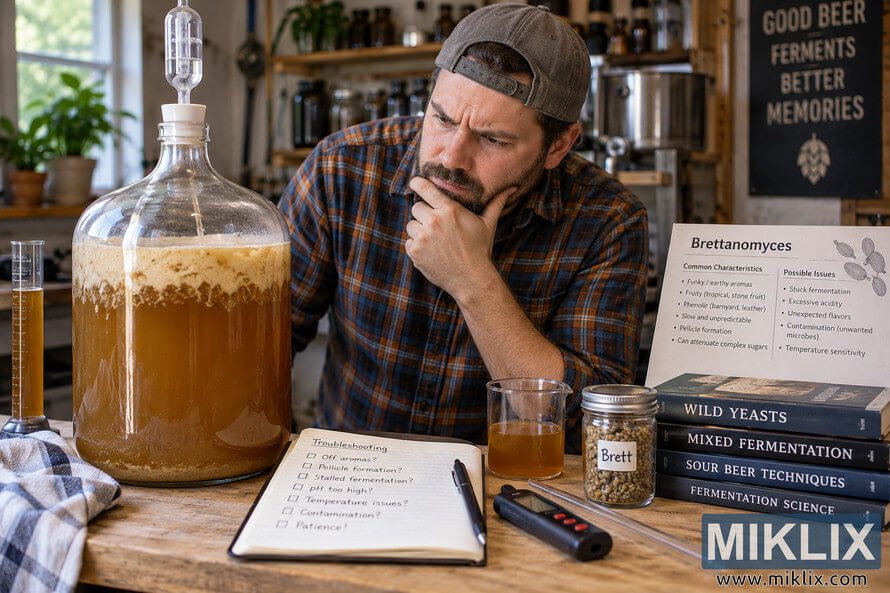
New Brett brewers often worry about slow fermentation activity. WLP645 Brettanomyces claussenii works more slowly than standard brewing yeast. What appears as a stuck fermentation may simply be normal Brett behavior. The yeast produces subtle activity that escapes casual observation.
Why does my WLP645 fermentation seem stuck?
Brettanomyces ferments much slower than Saccharomyces. Primary fermentation can take 3-4 weeks. The yeast continues working even when visible activity stops. Check gravity readings rather than relying on airlock activity. As long as gravity continues dropping slowly, fermentation is progressing normally.
How long should I wait before considering fermentation stuck?
Give Brett fermentation at least four weeks before worrying. Take gravity readings weekly. If gravity remains unchanged for two consecutive weeks and stays above expected final gravity, then investigate potential issues. Most apparent stuck fermentations simply need more time.
What can I do if fermentation truly stops early?
First, ensure temperature remains within the proper range. Raise temperature slightly to encourage activity. Gently rouse the yeast by swirling the fermenter. If gravity remains high, consider pitching fresh WLP645. Make a small starter with the new yeast before adding to the main batch.
Excessive Funkiness or Off-Flavors
Sometimes WLP645 produces more aggressive flavors than desired. Excessive barnyard character or harsh phenolic notes indicate potential problems. Temperature control represents the most common culprit behind these issues.
Fermentation temperatures above 80°F can create harsh, unpleasant flavors. The yeast produces elevated levels of phenolic compounds at high temperatures. These create medicinal or Band-Aid-like aromas. Maintain proper temperature control throughout fermentation to avoid this problem.
Prevention Tips: Start fermentation at the cool end of the temperature range. Allow temperature to rise gradually during fermentation. Never expose fermenting Brett beer to temperatures exceeding 82°F. Sudden temperature spikes cause the most problematic flavor development.
Cross-Contamination Issues
Brettanomyces can contaminate subsequent clean beer batches if proper precautions are not followed. The yeast survives in microscopic scratches in plastic equipment. Tubing, buckets, and plastic autosiphons present the highest contamination risk.
High-Risk Equipment
- Plastic fermentation buckets
- Transfer tubing and hoses
- Plastic racking canes and autosiphons
- Bottle fillers and bottling wands
- Plastic airlocks and bungs
Lower-Risk Equipment
- Glass carboys and fermenters
- Stainless steel equipment
- Metal kegs and keg components
- Glass bottles (if properly sanitized)
- Solid metal or glass airlocks
Over-Carbonation and Bottle Bombs
Brett beers pose higher risk for over-carbonation compared to standard beers. WLP645 continues fermenting very slowly over extended periods. Any residual fermentable sugars in packaged beer create carbonation. Without proper precautions, this leads to dangerous over-pressure in bottles.
Always confirm gravity stability before packaging. Take three gravity readings over three weeks. Readings should remain identical. Even then, reduce priming sugar amounts as a safety measure. Many brewers skip bottle conditioning entirely and force carbonate in kegs.
WLP645 Compared to Other Brettanomyces Strains
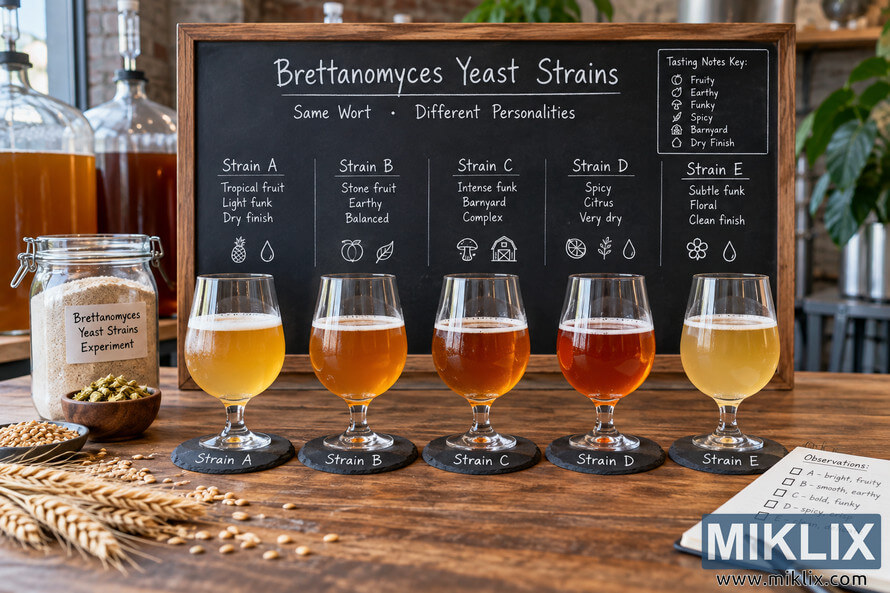
White Labs and other yeast suppliers offer several Brettanomyces strains. Each brings unique characteristics to finished beer. Understanding these differences helps you select the appropriate strain for your brewing goals. WLP645 occupies a specific niche within the Brett family.
Click or tap the image for more information and higher resolutions.
Common Brett Strains for Homebrewing
Several Brettanomyces strains see regular use in craft brewing and homebrewing. Each strain expresses different flavor compounds. Some produce intense funk while others remain relatively subtle. WLP645 Brettanomyces claussenii sits toward the moderate end of this spectrum.
| Strain | Primary Character | Intensity Level | Best Applications | Attenuation |
| WLP645 B. claussenii | Pineapple, tropical fruit | Moderate | Saisons, pale ales, fruit beers | 70-85% |
| WLP650 B. bruxellensis | Intense barnyard, leather | High | Lambics, strong sours | 85-100% |
| WLP653 B. lambicus | Pie cherry, moderate funk | Moderate-High | Fruit lambics, Flanders red | 80-90% |
| Wyeast 5112 Brettanomyces | Earthy, mild funk | Low-Moderate | Belgian styles, subtle wild ales | 70-80% |
Why Choose WLP645 Over Other Strains
WLP645 offers distinct advantages for specific brewing situations. The pineapple-like aroma provides an approachable introduction to Brett beers. This makes the strain ideal for brewers new to wild yeast fermentation. The moderate funk level won't overwhelm delicate beer recipes.
The strain also works exceptionally well in mixed fermentation applications. WLP645 complements rather than dominates other yeast flavors. This makes it valuable for complex fermentations involving multiple yeast and bacteria strains.
When to Choose WLP645
- First experience with Brett fermentation
- Fruit-forward beer styles desired
- Moderate funk level preferred
- Mixed fermentation applications
- Tropical hop pairings planned
- Saisons and farmhouse ales
Consider Other Strains For
- Maximum barnyard character wanted
- Traditional lambic production
- Extended aging projects (1+ years)
- Extremely dry finish required
- Cherry or stone fruit character desired
- Aggressive sour beer production
Blending Brett Strains
Advanced brewers sometimes blend multiple Brettanomyces strains. This creates complexity impossible with single strains. WLP645 works well in such blends. The fruity character provides a pleasant foundation while other strains add additional layers.
Consider combining WLP645 with WLP650 for a fruit-forward beer with enhanced funk. The 645 provides initial fruit character while 650 develops deeper barnyard notes over time. This combination offers excellent results in saisons and wild pale ales.
Homebrewer Reviews and Real-World Experiences with WLP645
The homebrewing community has extensively documented experiences with WLP645 Brettanomyces claussenii. Reviews consistently praise the strain for its reliability and pleasant character. These real-world accounts provide valuable insights for brewers planning to use this yeast.
Common Positive Feedback
Homebrewers frequently mention the approachable nature of WLP645 character. The pineapple-like aroma receives particular praise. Many reviews note that this Brett strain converts skeptics who previously avoided wild yeast. The moderate funk level allows the strain to enhance rather than dominate beer recipes.
Customer reviews emphasize the importance of fresh yeast. Those who received yeast with proper viability report excellent fermentation performance. Proper shipping with ice pack maintains yeast quality during transit. This ensures high cell viability at pitching time.
Learning Curves and Challenges
Some reviews mention initial concerns about slow fermentation. Brewers unfamiliar with Brett behavior sometimes worry unnecessarily. Most customer reviews advise patience and recommend taking regular gravity readings rather than relying on visible activity.
Temperature control receives frequent mention in reviews. Brewers who maintained consistent fermentation temperatures report the best results. Those who experienced temperature fluctuations sometimes encountered unexpected flavor development.
Conclusion
White Labs WLP645 Brettanomyces claussenii opens exciting possibilities for adventurous homebrewers. This versatile liquid yeast brings unique character to numerous beer styles. The approachable flavor profile makes it ideal for first-time Brett experiments. Experienced brewers appreciate the reliability and consistent performance.
Success with WLP645 requires patience and attention to detail. Temperature control, proper fermentation time, and careful packaging prevent most common problems. The investment in time rewards you with complex, interesting beers that stand out from standard homebrew offerings.
The brewing community continues discovering new applications for this remarkable yeast strain. Originally isolated from strong English stock beer in the early 20th century, WLP645 now finds its way into modern craft beer styles. The pineapple-like aroma and moderate character work beautifully in both traditional and contemporary recipes.
Whether you ferment 100% Brett beers or use WLP645 in mixed fermentation, the results showcase what makes Brettanomyces special. Each batch teaches valuable lessons about yeast behavior and flavor development. The knowledge gained translates to improved brewing skills across all styles.
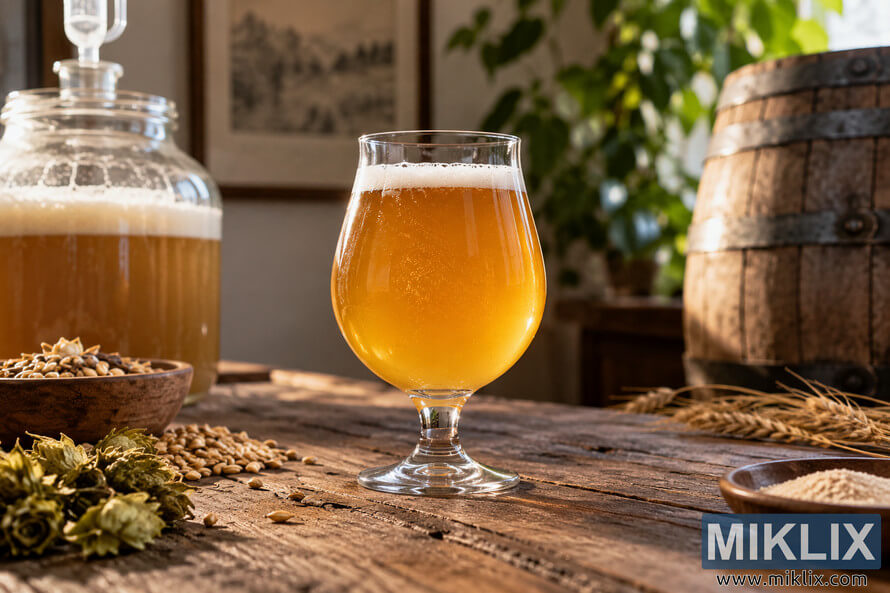
Click or tap the image for more information and higher resolutions.
Further Reading
If you enjoyed this post, you may also like these suggestions:
- Fermenting Beer with Mangrove Jack's M54 Californian Lager Yeast
- Fermenting Beer with Wyeast 2247-PC European Lager Yeast
- Fermenting Beer with Wyeast 3278 Belgian Lambic Blend