
Fermenting Beer with White Labs WLP672 Lactobacillus Brevis
Published: October 12, 2026 at 4:32:58 PM UTC
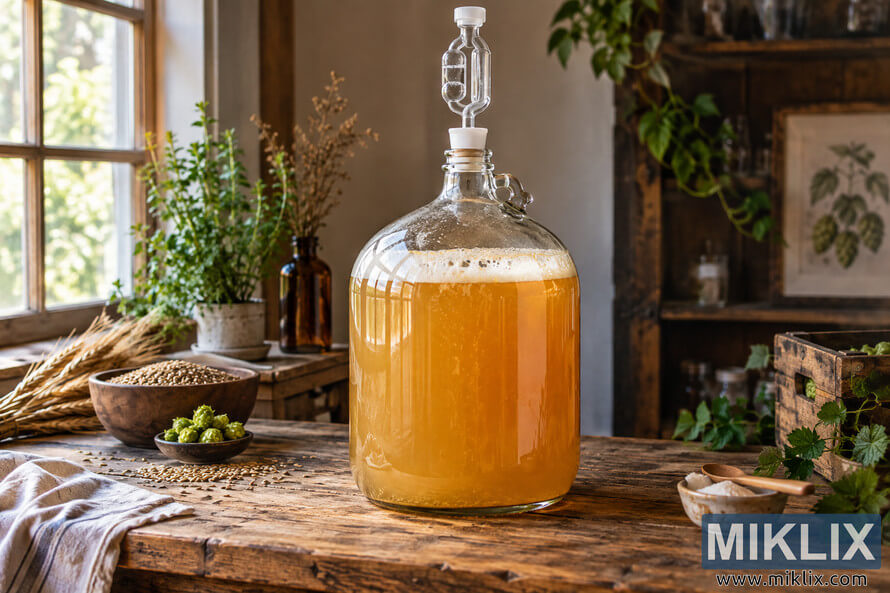
Crafting exceptional sour beers requires precision, patience, and the right bacteria. White Labs WLP672 Lactobacillus brevis stands as one of the most reliable lactic acid bacteria strains for homebrewers seeking consistent, controlled sourness.
Click or tap the image for more information and higher resolutions.
Whether you're experimenting with traditional kettle souring techniques or developing complex mixed-fermentation ales, understanding this powerful strain transforms your brewing outcomes.
This guide covers everything from basic characteristics to advanced fermentation strategies. You'll learn proper dosage, ideal temperature ranges, and how WLP672 Lactobacillus compares to other popular strains like WLP677 Lactobacillus delbrueckii.
What Is WLP672 Lactobacillus Brevis?
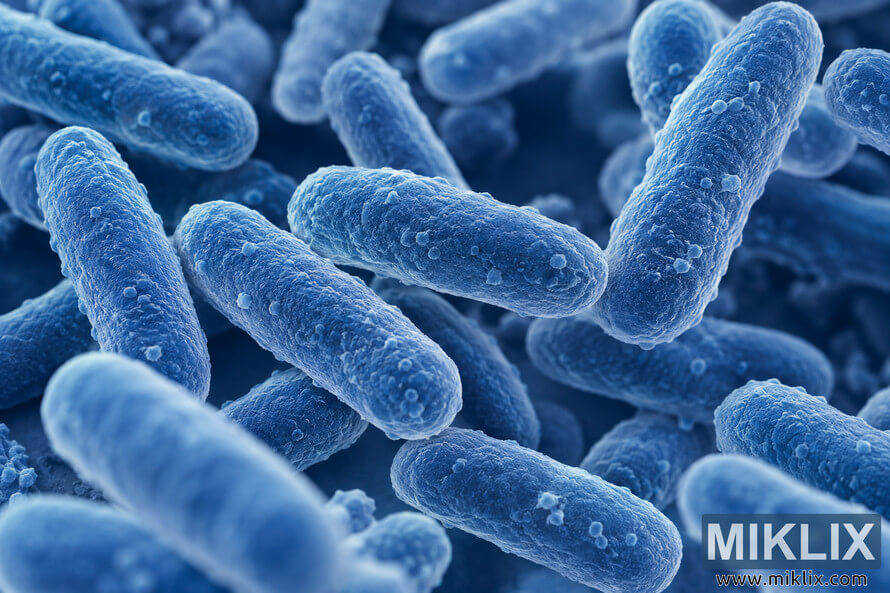
WLP672 Lactobacillus brevis is a lactic acid bacteria specifically cultured by White Labs for souring beers. Unlike yeast, this bacteria produces lactic acid rather than alcohol during fermentation. The result is a clean, crisp sourness without the harsh acetic acid bite found in some wild fermentations.
Key Characteristics
This Lactobacillus strain offers predictable performance for both novice and experienced brewers. White Labs isolates and maintains pure cultures to ensure consistency batch after batch.
- Produces clean lactic acid without off-flavors
- Works efficiently at ale fermentation temperatures
- Compatible with traditional kettle souring methods
- Available in PurePitch Next Generation format
- Commercially recommended pitching rate of 7.5 million cells per milliliter
Click or tap the image for more information and higher resolutions.
How Lactobacillus Brevis Functions in Fermentation
Lactobacillus bacteria convert sugars into lactic acid through anaerobic metabolism. This process lowers the pH of your wort, creating that signature sour taste. The bacteria work best before yeast pitching in kettle souring, or alongside yeast in mixed fermentation ales.
The fermentation process begins when you pitch WLP672 into warm wort. The bacteria multiply rapidly, consuming simple sugars and producing lactic acid. Temperature control becomes critical during this phase, as heat accelerates acid production while potentially introducing unwanted flavors.
Proper Usage and Dosage Recommendations
Recommended Pitching Rates
White Labs provides specific guidance for WLP672 Lactobacillus brevis pitching rates. The commercially recommended pitching rate ensures rapid acidification while minimizing contamination risks. Following these standards helps you pitch like pros at commercial breweries.
Standard Pitching Rate
7.5 million cells per milliliter represents the baseline for five-gallon batches. One PurePitch package contains sufficient cells for standard homebrew volumes. Larger batches require proportional scaling of cell counts.
Click or tap the image for more information and higher resolutions.
Recommended Usage Guidelines
The recommended usage for WLP672 depends on your chosen souring technique. Traditional kettle souring requires different cell counts than mixed fermentation programs. Understanding these distinctions improves your results significantly.
| Technique | Batch Size | Pitching Rate | Duration |
| Traditional Kettle Souring | 5 gallons | 1 PurePitch package | 24-48 hours |
| Quick Kettle Sour | 5 gallons | 1-2 packages | 12-24 hours |
| Mixed Fermentation Ale | 5 gallons | 0.5-1 package | 2-6 months |
| Berliner Weisse Style | 5 gallons | 1 package | 24-36 hours |
Kettle Souring Techniques
Kettle souring techniques with WLP672 Lactobacillus offer homebrewers fast, controlled acidification. This method involves souring wort before boiling, then adding yeast for primary fermentation. The process creates clean sour beers without extended aging.
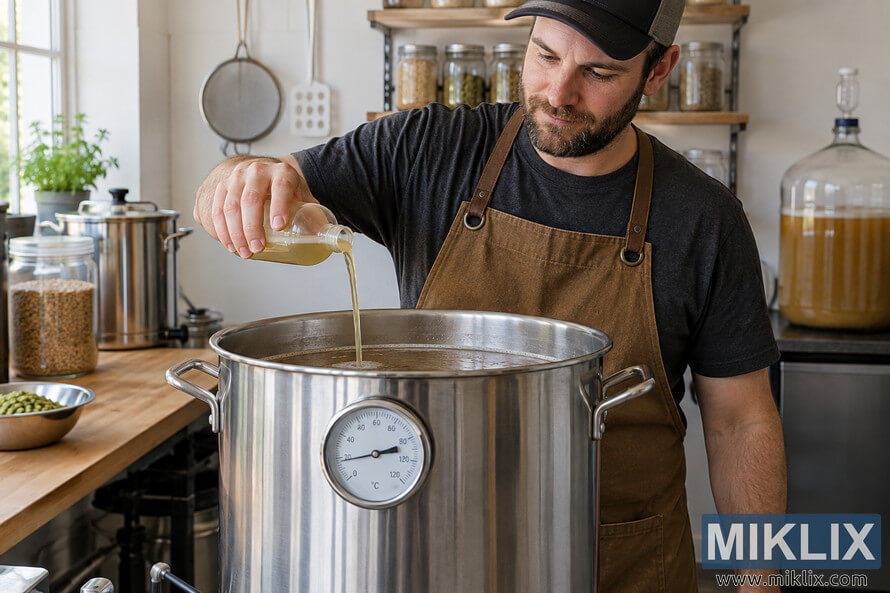
Traditional kettle souring begins after your initial mash. Transfer hot wort to your kettle and cool to the target temperature range. Purge with CO2 to minimize oxygen exposure, then pitch your Lactobacillus brevis culture. Maintain steady temperature throughout the souring program.
Ideal Fermentation Conditions and Temperature Ranges
Optimal Temperature Settings
Temperature profoundly affects Lactobacillus brevis performance. White Labs recommends specific ranges for WLP672 to maximize acid production while maintaining flavor quality. Most homebrewers target temperatures higher than standard ale fermentation.
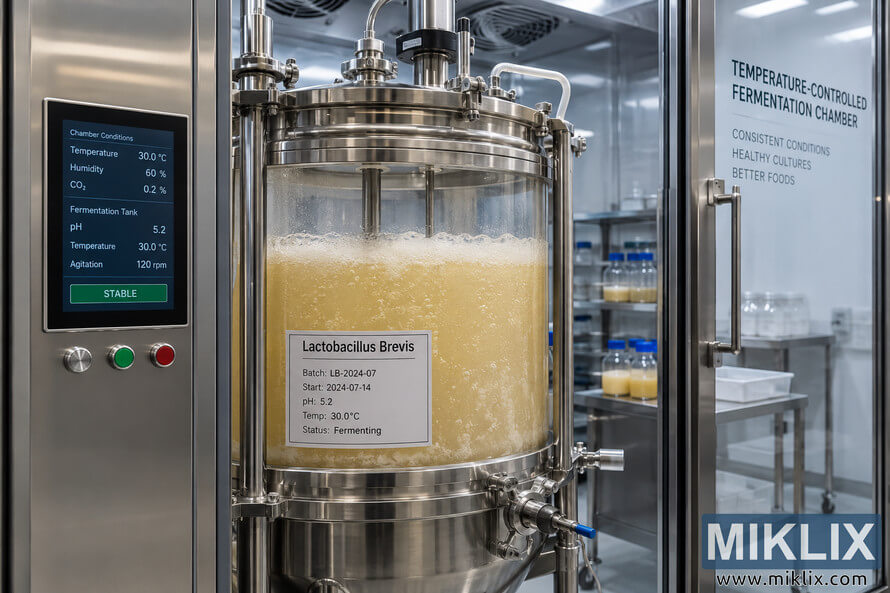
Ideal Temperature Range: 85-95°F (29-35°C)
This range accelerates acid production without generating excessive off-flavors. Lower temperatures slow the process, while higher temperatures risk undesirable characteristics.
Click or tap the image for more information and higher resolutions.
pH Monitoring and Control
Tracking pH levels helps you determine when sufficient lactic acid has developed. Most sour beer styles target a pH between 3.2 and 3.6. Regular testing prevents over-souring and helps maintain consistent flavor profiles across batches.
- Initial wort pH typically measures 5.2-5.8
- Target final pH of 3.3-3.5 for most sour styles
- Test pH every 12 hours during kettle souring
- Stop souring when desired acidity is achieved
- Boil immediately after reaching target pH
Oxygen Management
Lactobacillus bacteria perform best in low-oxygen environments. Excessive oxygen exposure during souring can lead to unwanted acetic acid production or spoilage organisms. Proper technique minimizes these risks significantly.
Purge your kettle with CO2 before pitching WLP672. Create a blanket of carbon dioxide above the wort surface. This simple step prevents oxygen ingress while maintaining anaerobic conditions the bacteria prefer.
Compatibility with Different Beer Styles
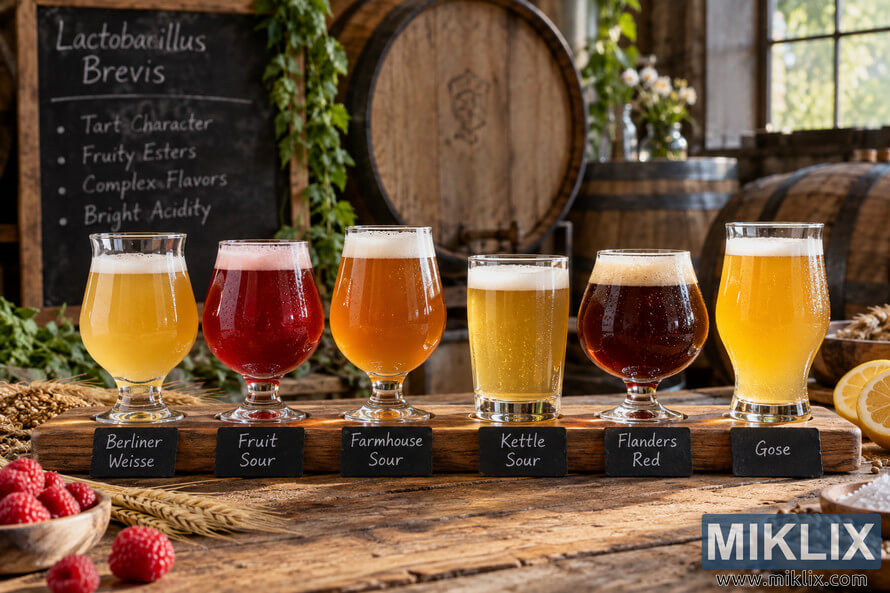
WLP672 Lactobacillus brevis works exceptionally well across numerous beer styles. The bacteria's clean acid profile makes it ideal for traditional sour styles and modern experimental ales. Understanding which styles benefit most helps you plan your brewing calendar.
Click or tap the image for more information and higher resolutions.
Traditional Sour Styles
Berliner Weisse
This light, refreshing wheat beer showcases WLP672's clean acidity perfectly. Quick kettle souring produces authentic flavor profiles without the extended aging traditional methods require.
- Target pH: 3.3-3.5
- Souring time: 24-36 hours
- Low hop rates preserve delicate sourness
- Serve with fruit syrups traditionally
Gose
German-style wheat beers with coriander and salt benefit from Lactobacillus brevis sourness. The bacteria complements rather than overwhelms the subtle spice additions.
- Target pH: 3.4-3.6
- Moderate salt additions balance acidity
- Coriander added during late boil
- Crisp, refreshing summer beer
Modern Sour Ale Applications
Contemporary brewers apply WLP672 Lactobacillus to innovative styles beyond traditional categories. The bacteria's versatility enables creative expression while maintaining flavor consistency.
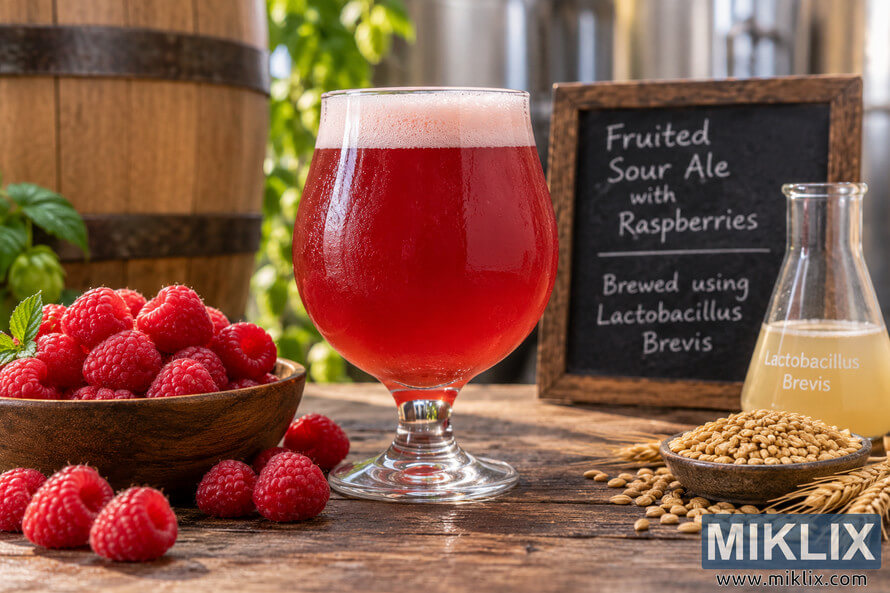
Fruited Sour Ales
Addition of fruit purées or whole fruit during fermentation creates complex flavor layers. The lactic acid backbone supports fruit characteristics beautifully.
Popular Style
Click or tap the image for more information and higher resolutions.
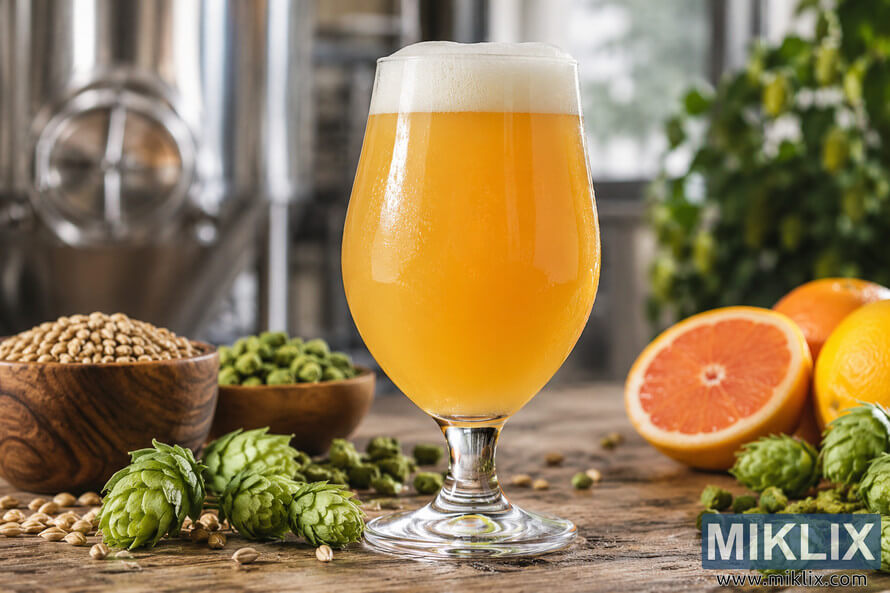
Sour IPAs
Combining hop-forward profiles with gentle acidity produces refreshing contemporary ales. Quick kettle souring preserves hop aromatics effectively.
Trending
Click or tap the image for more information and higher resolutions.
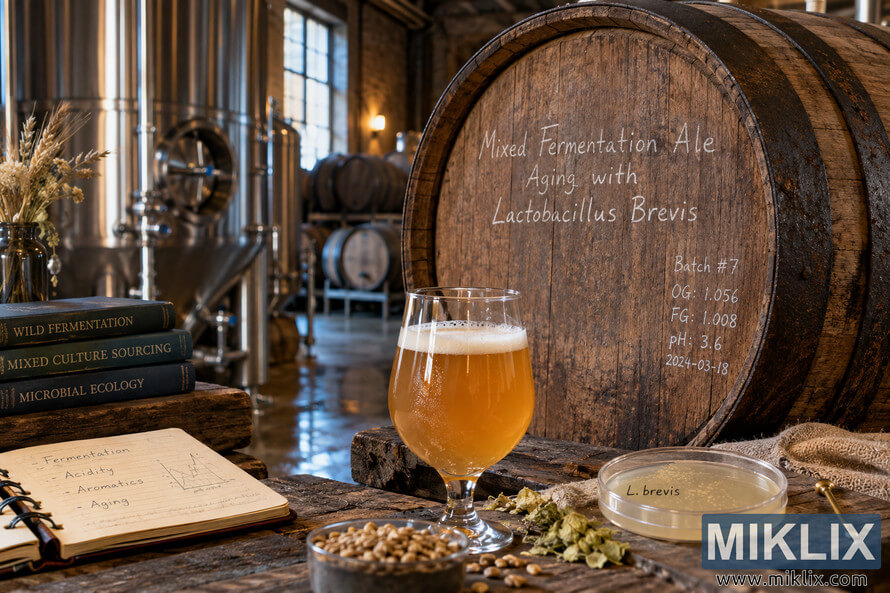
Mixed Fermentation Beers
Long-term aging with WLP672 alongside Brettanomyces and other organisms creates layered complexity. Patience rewards adventurous brewers.
Advanced
Click or tap the image for more information and higher resolutions.
Tips and Best Practices for Homebrewers
Sanitation and Contamination Prevention
Working with Lactobacillus requires heightened sanitation awareness. While the bacteria itself is desirable, preventing unwanted organisms remains critical. Clean equipment and proper techniques protect your investment and effort.
Critical Sanitation Points
Lactobacillus bacteria compete poorly against certain wild microorganisms. Maintain impeccable cleanliness throughout the souring process to ensure WLP672 dominates your fermentation.
- Sanitize all equipment contacting wort after mash
- Avoid plastic equipment showing scratches or wear
- Dedicate separate equipment for sour beer production
- Purge vessels with CO2 before adding bacteria
- Cover kettle opening with sanitized aluminum foil
- Monitor souring progress without opening vessel unnecessarily
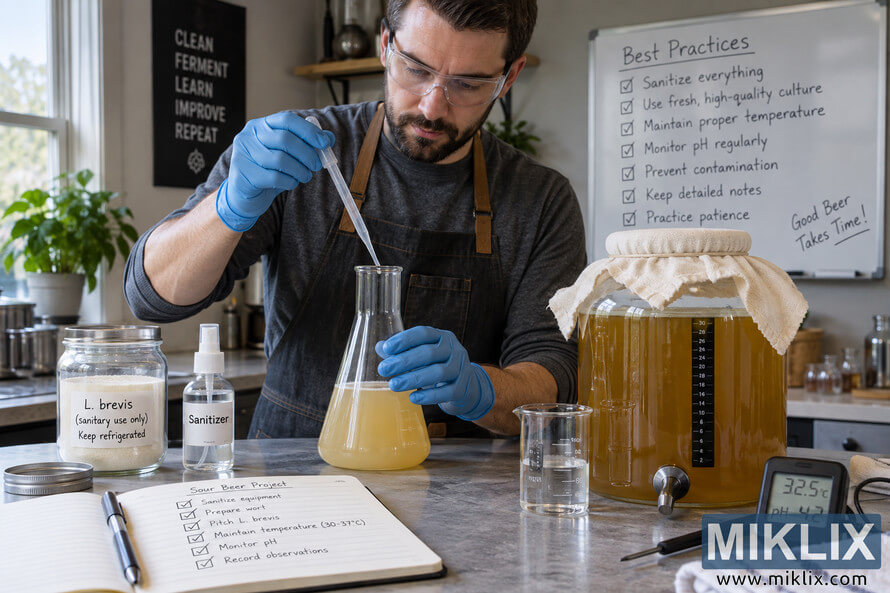
Click or tap the image for more information and higher resolutions.
Maximizing Fermentation Efficiency
- Several factors influence how quickly and effectively WLP672 Lactobacillus brevis produces lactic acid. Optimizing these variables shortens souring time while improving flavor quality.
- Pitch bacteria into wort between 90-100°F for fastest start
- Maintain consistent temperature throughout souring period
- Use simple grain bills with high percentage wheat or pilsner malt
- Avoid excessive hops in wort before souring
- Consider adding small amounts of unmashed grain for bacteria nutrients
- Track pH with reliable meter or strips
Storage and Handling
Proper storage of WLP672 before use ensures maximum viability. The PurePitch Next Generation packaging from White Labs maintains cell health, but following best practices extends shelf life.
Refrigerate bacteria immediately upon receipt. Check expiration dates before purchasing. Newer stock provides higher cell counts and more predictable performance. Allow refrigerated packages to warm slightly before pitching for best results.
Common Troubleshooting Advice
Slow or Stalled Acidification
Sometimes WLP672 Lactobacillus brevis fermentation proceeds slower than expected. Several factors cause delayed acid production. Identifying the issue helps you correct course quickly.
Why isn't my pH dropping?
Temperature represents the most common culprit. Verify your wort maintains 85-95°F consistently. Cold wort dramatically slows bacterial activity. Old or improperly stored bacteria also struggle to acidify effectively. Consider pitching fresh WLP672 if no progress occurs after 48 hours.
What if my beer tastes too sour?
Over-acidification happens when souring extends too long or temperature runs too high. Blending with non-soured beer dilutes excessive tartness. Prevention works better than correction. Monitor pH carefully and stop souring at your target acidity level.
Can I reuse WLP672 from previous batches?
Harvesting and repitching Lactobacillus brevis is possible but risky. The bacteria mutate more readily than brewer's yeast. Cross-contamination from wild organisms poses significant challenges. Most homebrewers purchase fresh cultures for consistent results batch after batch.
How do I prevent pellicle formation?
WLP672 typically doesn't form heavy pellicles during kettle souring. If white film develops, verify you're maintaining anaerobic conditions. Excessive oxygen allows aerobic organisms to compete. CO2 purging and proper vessel sealing prevent most pellicle issues.
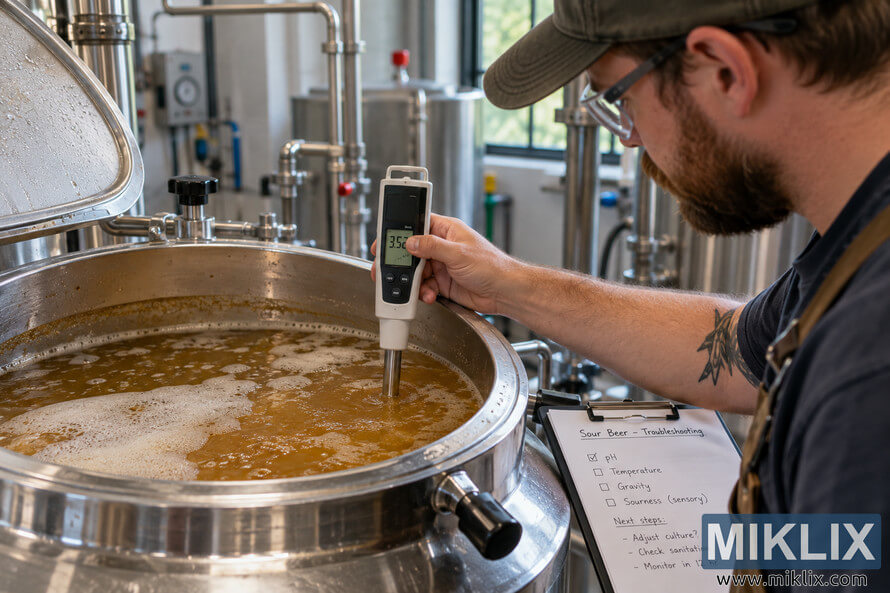
Click or tap the image for more information and higher resolutions.
Off-Flavor Management
Clean lactic acid characterizes properly executed WLP672 fermentations. Off-flavors indicate problems requiring attention. Recognizing these issues early enables corrective action.
Desirable Characteristics
- Clean, crisp tartness
- Yogurt-like lactic notes
- Bright, refreshing acidity
- No harsh vinegar character
- Balanced pH in target range
Warning Signs
- Vinegar or nail polish aromas (acetic acid)
- Cheesy or vomit-like smells (butyric acid)
- Excessive barnyard funk (contamination)
- Ropy, viscous texture (exopolysaccharides)
- Extended over-souring (pH below 3.0)
How WLP672 Compares to Other Lactobacillus Strains
White Labs offers multiple Lactobacillus strains for brewing applications. Understanding differences between WLP672 Lactobacillus brevis and alternatives like WLP677 Lactobacillus delbrueckii helps you select the ideal bacteria for your project.
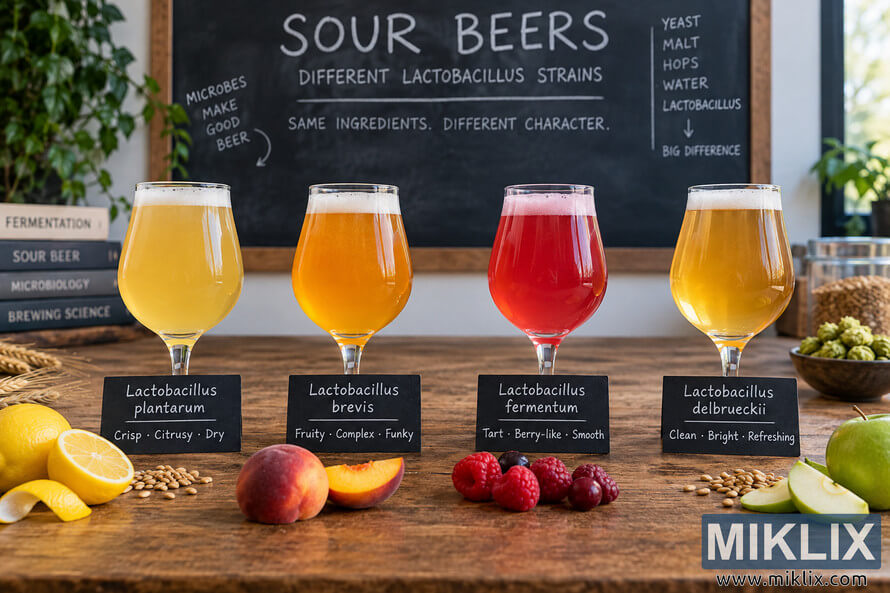
Click or tap the image for more information and higher resolutions.
WLP672 vs WLP677 Lactobacillus Delbrueckii
These two lactic acid strains represent White Labs' most popular souring options. Both produce clean acidity but differ in fermentation characteristics and ideal applications. Choosing between them depends on your specific brewing goals.
| Characteristic | WLP672 Lactobacillus Brevis | WLP677 Lactobacillus Delbrueckii |
| Optimal Temperature | 85-95°F (29-35°C) | 95-105°F (35-40°C) |
| Acidification Speed | Moderate (24-48 hours) | Fast (12-24 hours) |
| Flavor Profile | Clean, mild lactic character | Bold, assertive sourness |
| Hop Tolerance | Moderate sensitivity | More hop tolerant |
| Best Applications | Berliner Weisse, Gose, gentle sours | Quick kettle sours, intense tartness |
| Temperature Control Demands | More forgiving range | Requires higher heat |
Selection Recommendations
Choose WLP672 Lactobacillus brevis when you want controlled, predictable sourness with traditional kettle souring techniques. The bacteria works well for homebrewers with limited temperature control equipment. Its moderate acidification speed allows comfortable monitoring and adjustment.
Select WLP677 Lactobacillus delbrueckii for aggressive, rapid souring programs. This strain excels when you need intense tartness quickly or work with higher-hopped worts. The bacteria demands precise temperature management but rewards skilled brewers with bold acidity.
Other Lactic Acid Strains
Beyond WLP672 and WLP677, additional Lactobacillus bacteria offer specialized characteristics. Advanced brewers experiment with multiple strains to achieve specific flavor profiles or fermentation behaviors.
- WLP605 Lactobacillus plantarum - Very aggressive, quick souring
- Omega Lactobacillus blend - Multiple strains for complexity
- Imperial Yeast Sour Batch Kidz - Convenient blend packaging
- Escarpment Labs strains - Specialized Canadian offerings
Advanced Souring Techniques with WLP672
Experienced homebrewers push beyond basic kettle souring to explore sophisticated applications. These advanced techniques demand additional equipment and knowledge but unlock creative possibilities.
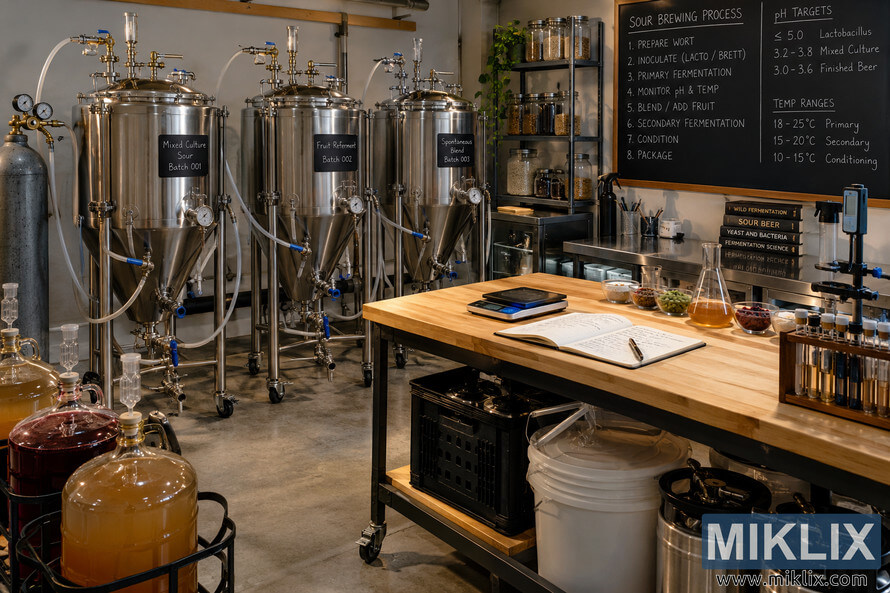
Click or tap the image for more information and higher resolutions.
Sour Worting
Sour worting involves adding unmashed grain to your kettle alongside WLP672 Lactobacillus brevis. The grain introduces additional bacteria and nutrients, accelerating acid production. This technique creates complex flavor layers beyond pure culture fermentation.
Add two to three pounds of unmashed base malt directly to your cooling wort. The grain husks harbor naturally occurring Lactobacillus bacteria that supplement your pitched culture. Making this ideal addition to your sour program requires careful contamination management.
Blending and Balancing
Professional brewers frequently blend soured and non-soured beers to achieve precise acidity levels. This technique provides exceptional control over final flavor profiles. Homebrewers adapt commercial practices effectively with simple calculations.
- Sour one batch aggressively to low pH (3.0-3.2)
- Brew matching batch without acidification
- Measure pH of both batches accurately
- Calculate blend ratios for target final pH
- Mix batches during packaging or in serving keg
- Carbonate blended beer to style specifications
Mixed Culture Fermentations
Combining WLP672 Lactobacillus with Brettanomyces yeast and traditional Saccharomyces creates extraordinarily complex beers. These mixed fermentation ales require months or years to develop fully. Patience becomes the brewer's most valuable ingredient.
Pitch Lactobacillus brevis first to establish acidity. After reaching target pH, add your primary ale yeast for fermentation. Introduce Brettanomyces during late primary or secondary stages. The organisms interact over time, producing evolving flavor characteristics.
Conclusion
WLP672 Lactobacillus brevis empowers homebrewers to create professional-quality sour beers with reliable, repeatable results. Understanding proper usage, fermentation conditions, and comparison to other strains like WLP677 Lactobacillus delbrueckii enables informed brewing decisions.
Success with Lactobacillus bacteria demands attention to temperature control, sanitation, and pH monitoring. Following recommended pitching rates and either traditional kettle souring techniques or advanced methods produces beers rivaling commercial examples. The bacteria's versatility across styles from Berliner Weisse to complex mixed fermentations offers endless creative opportunities.
Fresh, properly stored cultures make the difference between mediocre and exceptional outcomes. Purchasing from reputable suppliers ensures you pitch like pros with commercially recommended cell counts. The 7.5 million cells per milliliter standard provides sufficient viable organisms for complete five-gallon batches.

Click or tap the image for more information and higher resolutions.
Further Reading
If you enjoyed this post, you may also like these suggestions:
- Fermenting Beer with Wyeast 3739-PC Flanders Golden Ale Yeast
- Fermenting Beer with Wyeast 1028 London Ale Yeast
- Fermenting Beer with White Labs WLP066 London Fog Ale Yeast