
Fermenting Beer with Wyeast 2782-PC Staro Prague Lager Yeast
Published: February 26, 2026 at 5:35:30 PM UTC
Wyeast 2782-PC Staro Prague Lager Yeast is a liquid lager strain designed for brewers aiming at authentic Bohemian character. It tends towards medium to full body, offering moderate fruitiness and bready malt notes. These traits are perfect for classic Czech and Munich lagers.
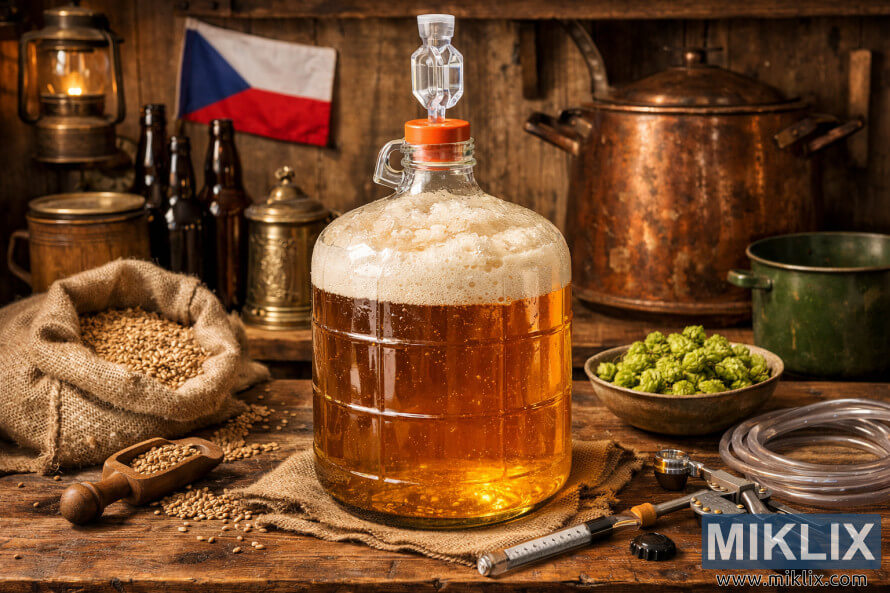
Click or tap the image for more information and higher resolutions.
Practical reports on fermenting Czech lager with this strain highlight pronounced sulfur (SO2) production during active fermentation. This is a characteristic to anticipate, especially when compared to other Wyeast lager strains like 34/70 or Munich Lager. Understanding its behavior is crucial for planning starters, pitching rates, and diacetyl rests. This ensures the final beer exhibits clarity, balanced malt sweetness, and the subtle fruitiness Staro Prague is renowned for.
Key Takeaways
- Wyeast 2782-PC Staro Prague Lager Yeast is a liquid lager strain suited for Czech and Munich-style beers.
- The strain leans malt-forward with moderate fruit and bready notes, producing medium–full body lagers.
- Expect possible sulfur (SO2) during active fermentation; manage with proper lager fermentation practices.
- Adjust starter size and pitch rate to support reliable attenuation and a clean finish.
- Use controlled temperatures and a diacetyl rest to reduce off-flavors and improve clarity.
Why Choose Wyeast 2782-PC Staro Prague Lager Yeast for Czech and Munich Lagers
Wyeast 2782-PC offers a classic Bohemian lager character, a hallmark for traditional Czech and Bavarian brews. It showcases a malt-forward profile, with bready malt and subtle fruit esters. These characteristics are perfect for full-bodied, drinkable lagers.
Both homebrewers and professional breweries favor this strain for its warm, rounded malt expression. It supports a medium-to-full body, making it ideal for recipes with Vienna, Munich, or Pilsner malts. Achieve a balanced finish by using measured hopping to counter residual sweetness.
- Authentic Bohemian lager character: Produces the slightly fruity, bready notes expected in traditional Czech pours.
- Balance of malt sweetness and subtle fruitiness: Best for recipes where malt complexity should lead, not vanish behind hops.
- Recommended beer styles: Ideal for Czech Lager, Munich Helles, and Oktoberfest/Marzen; it also suits Maibock, Festbier, and Dunkles Bock.
Compared to other Czech Pilsner yeast options, 2782 is notable for its malt emphasis. It doesn't dry out the beer. Brewers aiming for a Munich Helles yeast character will find it complements Munich malts without masking delicate grain flavors.
Use 2782 as an Oktoberfest yeast for a richer mid-palate and restrained ester presence. Be mindful of sulfur during active ferment. Proper conditioning reduces these notes, revealing the intended malt-forward lager yeast personality.
Wyeast 2782-PC Staro Prague Lager Yeast
Wyeast 2782 is a lager yeast, celebrated for its medium to full body. It supports malt-forward beers well. This strain offers moderate fruitiness and bready malt notes, with a clean backbone. It's ideal for Bohemian lagers and Munich-style ales. The Wyeast 2782 strain profile showcases its adaptability to various malt bills and hopping styles.
The yeast flocculation is high, facilitating rapid clearing of beers. This results in bright lagers without the need for aggressive fining. Lager yeast attenuation ranges from 70–74%, leaving a modest finishing gravity. This balance is perfect for styles that benefit from malt presence rather than thin dryness.
With an alcohol tolerance of 11% ABV, brewers can create stronger lagers like Maibock or Helles Bock. While pitching rates and nutrient care are still crucial, the strain's resilience is noteworthy. It stands out compared to typical lager limits.
The recommended fermentation temperature is 50–58°F. Within this range, you'll experience clean ester control and reliable attenuation. Active fermentations may initially show transient sulfur (SO2) odors. These scents usually fade during conditioning and lagering.
- Strain type: lager-type producing medium to full body and moderate fruit.
- Flocculation: high, aids clarity and settling.
- Attenuation: 70–74%, contributes to a malt-forward finish.
- Alcohol tolerance: 11% ABV, suitable for stronger lagers.
- Fermentation behavior: best at 50–58°F, with occasional sulfur notes early on.
Preparing and Hydrating Liquid Yeast Packs
Working with Wyeast liquid cultures demands attention and strategy. The yeast transforms sugars into alcohol and CO2. Proper techniques ensure its viability and preserve the strain's flavor for Czech and Munich lagers.
Before starting, follow essential handling steps. Warm the pack to the pitching temperature to prevent shock. If it's older, rehydrate or create a starter instead of direct-pitching. Sanitize all equipment and hands with a brewery-grade sanitizer.
Choose a yeast starter size based on wort gravity and desired cell count. For typical lager gravities, a 1–2 liter starter is often sufficient. However, stronger worts may require larger volumes. Refer to Section 10 for precise calculations. It's better to have more cells for cleaner fermentation and reliable results.
- Bring starter wort to a boil, cool, and pitch the pack into the cooled starter.
- Allow the starter to ferment fully, then cold-crash and decant before pitching the slurry.
- When scaling up, step up in volume to avoid stressing the culture.
Oxygen is crucial in the early stages of fermentation. For lagers, oxygenate the wort right before pitching. This ensures healthy cell membranes and robust growth. Use pure oxygen or vigorous shaking to achieve the right dissolved oxygen levels for lager pitching.
Keep everything clean throughout the process. Sanitize surfaces, airlocks, and tools. Proper sanitation minimizes contamination risk and allows the Wyeast 2782 strain to showcase its medium–full body and expected attenuation.
Finally, document temperatures, starter volumes, and observed activity. Detailed notes enhance future batches. They help refine yeast starter size and pitch rate for lagers with confidence.
Ideal Fermentation Temperatures and Schedule
Temperature control is crucial when using Wyeast 2782. A well-planned lager fermentation schedule is key to managing ester levels, attenuation, and mouthfeel. Begin with a 50–58°F fermentation range and include a brief warm-up period before cold conditioning.
Primary fermentation thrives in the middle of this range. Target the low to mid 50s for a clean fermentation. Moving to the upper 50s introduces moderate fruitiness and bready notes.
Temperature management is essential for balancing esters and clean flavors. Hold at 50–52°F for a neutral character. For a hint of fruity complexity, aim for 56–58°F.
A diacetyl rest is vital for removing buttery off-flavors before lagering. Raise the beer to mid-60s for 24–48 hours to allow yeast to reabsorb diacetyl. Then, start the cool-down process.
- Day 0–7: Active fermentation around low to mid 50s for a standard lager fermentation schedule.
- After visible finish: Raise to mid-60s for a 24–48 hour diacetyl rest.
- Step-down lagering: Drop temperature gradually into cold conditioning over several days to weeks.
Step-down lagering enhances clarity and flavor maturity. Gradually lower the temperature from the rest temperature to near-freezing over days. Store the beer at cold conditioning temperatures for weeks or months, depending on the style.
Documenting temperatures and timing is crucial. Small adjustments in timing and temperature allow for control over esters and diacetyl. This ensures a clean, malt-forward profile.
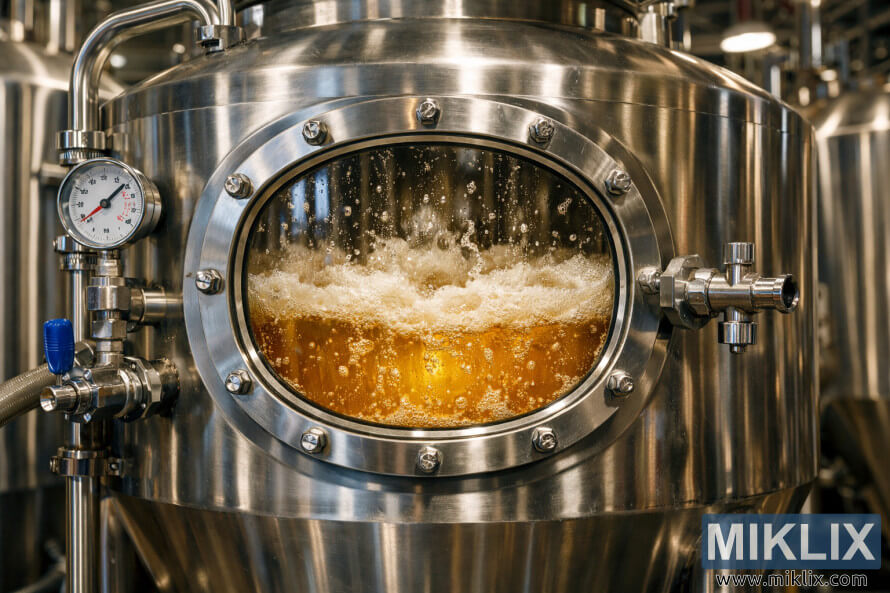
Click or tap the image for more information and higher resolutions.
Attenuation, Flocculation, and Mouthfeel Expectations
The Staro Prague lager strain exhibits consistent attenuation and settling patterns, impacting both body and clarity. Brewers must align their recipes and conditioning processes with the yeast's fermentation and flavor maturation timelines.
Typical attenuation: 70–74% and implications for final gravity
Attenuation ranges from 70–74%, indicating a yeast that leaves a moderate amount of residual sugars. This results in higher final gravities than those of very dry lager strains. Expect final gravities a few points higher, leading to a sweeter finish that enhances malt character.
High flocculation and clarity outcomes
This yeast strain is known for its high flocculation, efficiently clearing once fermentation slows. Rapid settling ensures bright lagers after cold conditioning. Adequate time for flavor maturation is crucial while the yeast settles, enhancing beer clarity.
How the strain contributes to medium–full body lagers
The strain is geared towards medium-full body lagers, offering a round, bready malt impression and subtle fruitiness. This mouthfeel is ideal for Czech and Munich styles, which emphasize malt weight over extreme dryness. Adjusting mash profile or hopping can fine-tune the balance if a lighter finish is preferred.
- Expect slightly higher final gravities compared with drier strains.
- High flocculation yeast speeds clearing, but allow conditioning time for sulfur and diacetyl to dissipate.
- Use mash temperature and hop bitterness to fine-tune lager mouthfeel and perceived sweetness.
Flavor and Aroma Contributions from the Yeast
The yeast strain is more than just a fermentation speed indicator. It shapes the beer's subtle aromas and the balance between malt sweetness and hop bitterness. Brewers can see the yeast's impact in classic Czech and Munich lagers. This insight helps them adjust mash bills and hopping to achieve the desired flavor profile.
This yeast strain is known for its moderate ester production, adding a gentle fruitiness without dominating the malt. Expect to find light notes of stone-fruit and pear during fermentation. These esters enhance the beer's complexity while allowing the bready malt notes to shine through.
As a non-phenolic lager yeast, it does not produce clove or medicinal phenols, keeping the aroma clean and lager-like. Sulfur (SO2) might appear early in fermentation. However, proper conditioning and lagering usually minimize sulfur levels, ensuring it doesn't overshadow the other flavors.
Choosing the right yeast is crucial when working with Munich, Vienna, and Pilsner malts. The yeast brings out the bready malt notes, making the beer feel malt-forward and rounded. To balance this, brewers often increase the hop bittering to counteract the perceived sweetness from the grain-yeast blend.
- Moderate ester yeast: contributes delicate fruit without masking malt.
- Bready malt notes: highlighted by the yeast, especially with Munich and Vienna malts.
- Non-phenolic lager yeast: keeps clove-like phenols out of the aroma.
By understanding yeast and grain interaction, brewers can fine-tune their recipes. For drier finishes, aim for higher attenuation or sharper bittering. For malt-centric lagers, pair Pilsner and Munich malts. This allows the yeast to deliver nuanced bread and fruit characters in perfect balance.
Click or tap the image for more information and higher resolutions.
Common Fermentation Challenges and How to Solve Them
Wyeast 2782 can offer great lager character, but brewers report a few recurring issues during fermentation. This short guide covers practical steps to manage sulfur notes, restart a stuck batch, and keep off-flavors under control.
Many brewers notice sulfur in lager fermentation during active stages. To reduce SO2, give the beer time in conditioning and a proper diacetyl rest before extended cold lagering. Healthy yeast and correct oxygenation at pitching speed the initial fermentation and help the yeast clear volatile sulfur compounds as they reabsorb or allow them to off-gas.
Stuck or slow fermentations happen when yeast are underpitched, stressed, or chilled too low. For a stuck fermentation restart, gently raise the fermenter to the upper end of the strain’s range, swirl or rouse the yeast, and consider adding a viable starter if activity doesn’t resume. Only apply oxygen early in fermentation; late oxygenation risks oxidation.
Off-flavors can mask the yeast’s desired profile. To prevent off-flavors, maintain a steady temperature between 50–58°F, pitch the right cell count, and oxygenate wort before pitching. Avoid large temperature swings and follow sanitation practices to keep infections and unwanted tastes at bay.
- Monitor pitching rate for lagers to ensure vigorous, timely fermentation.
- Use targeted starters sized to wort gravity to reduce risk of stuck fermentation restart.
- Plan a longer cold conditioning phase to further reduce sulfur in lager fermentation and stabilize flavor.
Following these steps keeps Wyeast 2782 working well and improves consistency from batch to batch. Brewers who control oxygening, temperature, and pitching rate for lagers typically see fewer sulfur complaints and faster clears.
Pairing Wyeast 2782 with Malt Bills and Hops
Wyeast 2782 offers bready malt and gentle fruit notes, best when the grain bill supports, not competes. Create a base that ensures crispness and light color. Then, add specialty malts for depth and aroma. Keep hops restrained to let yeast and malt shine.
- Malt foundations
- Start with Pilsner malt for a pale backbone in Czech lagers, providing bright, clean fermentables. Blend Vienna and Munich malts in modest amounts for toasted and biscuit notes. This enhances the yeast's profile without overpowering it.
- Color and sweetness control
- Add cara-amber at 2–6% for an amber hue and soft caramel touch. Increase Munich or Vienna percentages for a fuller body. Lower them or boost pale base for a drier finish if fermentation is slow or sweetness builds.
- Hop choices
- Traditional noble hops are best. Saaz offers delicate herbal spice and low bitterness, complementing the malt-forward bias. Hallertau provides floral, peppery notes that sit lightly. Tettnang or Spalt are good for a subtler aroma.
- Balancing bitterness
- Target modest bitterness to counter 70–74% attenuation and any residual sweetness. Use early kettle additions or a neutral bittering hop for a crisp finish. Reserve late hop additions for aroma in pilsner-forward examples.
- Practical adjustments
- For a drier lager, mash lower for more fermentable wort or increase base Pilsner malt. For more mouthfeel, raise mash temperature slightly and boost Munich malt. Keep specialty malts like cara-amber in check to avoid cloying sweetness.
Use conservative hop rates to preserve the yeast–malt interplay in classic Czech and Munich styles. Small tweaks in the grain bill and hop schedule yield clear differences while keeping the Staro Prague character intact.
Click or tap the image for more information and higher resolutions.
Pitching Rates and Starter Recommendations for Best Results
Ensuring the right lager pitching rate is crucial for clean fermentation and the desired attenuation in Czech and Munich lagers. A precise yeast cell calculation is essential to avoid underpitching, which can lead to increased ester or sulfur production. Below, you'll find practical steps and guidelines for planning and propagating your starters effectively.
To calculate cells, consider the wort gravity and volume. For typical 5-gallon lagers with moderate OG, aim for 0.75–1.0 million viable cells per milliliter per degree Plato. This calculation helps determine if a single pack or a larger starter is required.
For low-OG batches or when refreshing a single Wyeast or White Labs pack, a 1–2 liter starter is often sufficient. This size starter is ideal for small batches and short lag phases. However, for standard 5-gallon lagers, consider larger starters or multiple packs to achieve optimal pitching rates.
- Low-gravity lagers: 1–2 liter starter often sufficient.
- Standard 5-gallon lagers: 3–4+ liter starter or two packs recommended.
- High-gravity or bock styles: scale starter volume up or use multiple starters.
To preserve yeast strain character through repitches, follow simple propagation tips. Use sanitized vessels and fresh, low-IBU starter wort. Ensure good oxygenation at the start to promote healthy cell growth and reduce stress on the yeast.
Excessive serial repitching can alter flavor and reduce yeast vigor. To preserve yeast strain traits, plan to build a starter only as large as necessary and limit repitching.
- Measure original gravity and batch size, then perform yeast cell calculation.
- Choose yeast starter size to meet the calculated cell count.
- Prepare starter wort, oxygenate, and keep sanitation strict during propagation.
If unsure, it's better to have more healthy cells than fewer. A correct lager pitching rate shortens lag time and ensures the yeast achieves the expected attenuation and clean flavor. Proper starter planning is key to maintaining fermentation performance and long-term strain quality.
Conditioning, Lagering, and Bottling with Staro Prague
Wyeast 2782 requires a careful cooling and conditioning plan. Begin with a diacetyl rest near primary's end, then adhere to a lagering schedule fitting the style. High flocculation ensures yeast settles quickly during cold conditioning, making handling easier.
- Diacetyl rest timing and temperature
- Raise fermentation to mid-60s °F for 24–48 hours near primary's end to clean diacetyl. Choose a diacetyl rest temperature that's comfortable for the strain. Then, gradually lower the beer into the lagering range to avoid temperature shock.
- Cold conditioning for clarity and maturity
- Post-diacytel rest, cool the beer to typical lagering temperatures for conditioning. Helles and Czech lagers benefit from 2–6 weeks of cold conditioning for balanced flavors. Stronger styles like Maibock or Dunkles Bock require several months to mature fully.
- Bottling vs. kegging after lagering
- Choose between bottling or kegging based on your service needs. Bottling can result in very clear beer due to the strain's flocculation. Ensure minimal residual SO2 and diacetyl before sealing. Kegging allows precise carbonation control and quicker service with consistent clarity.
Adhere to a gentle lagering schedule and taste regularly. If diacetyl or sulfur notes linger, extend conditioning before packaging. Adjust carbonation to traditional levels when bottling or kegging to showcase the yeast's malt-forward, bready character.
Tasting Notes and Style Examples Brewed with This Yeast
The Staro Prague strain consistently delivers when used in traditional lager recipes. It offers a medium to full body, a clear bready malt backbone, and moderate fruity esters. Early fermentation may introduce noticeable sulfur, but proper conditioning and lagering usually eliminate this.
Classic examples of Czech pilsners and Bohemian lagers showcase these traits. Czech Lager tasting notes often highlight biscuit and bread crust malt, restrained noble hop presence, and gentle fruitiness. Clarity and malt balance are key, not hop drama.
Munich Helles flavor reveals the yeast's softer side. It brings a rounded malt sweetness with subtle esters and a smooth mouthfeel. Brewers aiming for a gentle malt-forward profile find the yeast supports Munich Helles without pushing phenolics.
Stronger examples like Maibock and Helles bock varieties showcase the yeast's ability to handle higher gravity. The Maibock tasting profile emphasizes rich malt, toffee notes, and restrained fruit from the yeast. It retains enough body to carry the alcohol, keeping the malt profile central.
- Festbier and Oktoberfest/Marzen show warm malt aromas with a crisp finish.
- Dunkles Bock highlights roasty and caramel malts with a rounded yeast character.
- Ongoing Staro Prague tasting across batches often notes consistent clarity and malt focus.
Real-world brewer reports often mention sulfur during active fermentation. This sulfur is more common than with strains like Wyeast 34/70 or WY Munich Lager. However, it usually dissipates during cold conditioning and time in the cellar.
When planning recipes, expect the yeast to favor malt sweetness and body. Adjust mash temperatures and attenuation targets if a drier finish is desired. With proper pitch rate, oxygen, and a patient lagering schedule, beers fermented with this strain deliver classic Bohemian and Bavarian profiles. They offer reliable clarity and flavor balance.
Comparisons to Other Lager Strains and When to Use Them
When brewers compare lager yeasts, small differences in attenuation, ester profile, and sulfur character are crucial. Wyeast 2782-PC Staro Prague is known for its malt-forward characteristics, offering a medium–full body and gentle fruitiness. This makes it ideal for Bohemian and Munich-style lagers, where malt presence is key.
- How 2782 differs from WY Munich Lager and other Wyeast strainsWyeast 2782 vs WY Munich Lager highlights a contrast in finish and sulfur tendency. 2782 often brings more malt sweetness and a noticeable sulfur note during fermentation. In contrast, WY Munich Lager ferments cleaner and may yield a slightly drier finish. Wyeast 34/70 falls in between, offering neutral esters and reliable attenuation.
- Choosing 2782 for malt-forward vs. dryer lagersOpt for 2782 for a fuller mouthfeel and a malt-forward yeast character. Use richer Munich or Vienna malts to enhance this profile. For crisp, dry lagers, choose higher-attenuating strains that limit residual sweetness and reduce sulfur risk.
- When to substitute and when to replicate the original strainSubstitute lager yeast strains only when stylistic trade-offs are acceptable. If aiming for a historic Czech profile, stick with 2782. For a cleaner fermentation or drier finish, swap to WY Munich Lager or Wyeast 34/70. Always make conservative substitutions and adjust pitching rates and temperature to preserve balance.
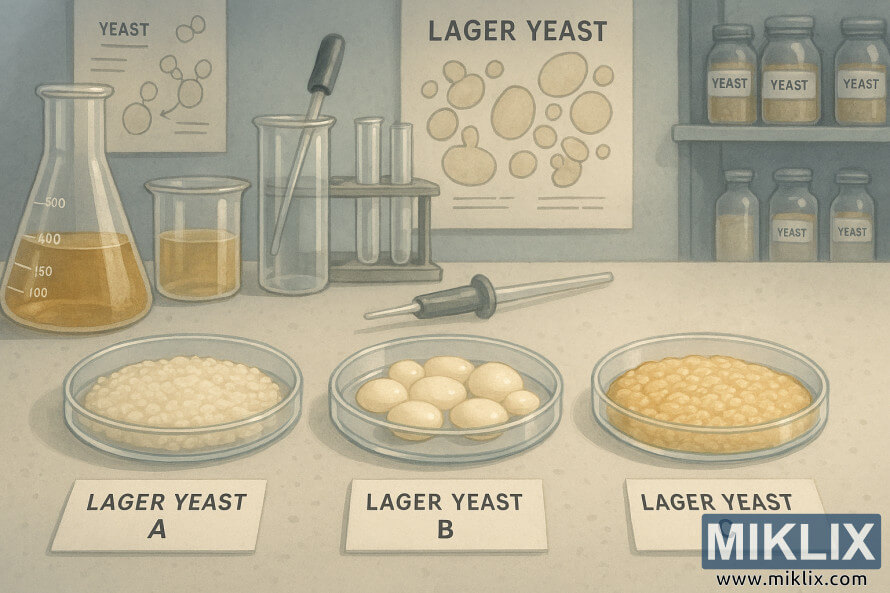
Click or tap the image for more information and higher resolutions.
Conclusion
Wyeast 2782-PC Staro Prague Lager Yeast is praised for its ability to create authentic Bohemian and Munich-style lagers. It offers a medium-to-full body, moderate fruit esters, and a bready malt character. This yeast is known for its strong flocculation and typical 70–74% attenuation. These traits result in clear, malt-forward beers, perfect for Czech Lager, Munich Helles, Oktoberfest/Marzen, and bock variants.
When using 2782, it's crucial to plan for proper pitching rates and generous starters. Fermentations should be kept in the 50–58°F range to control esters. Brewers often note transient sulfur during active fermentation. A firm diacetyl rest and extended cold conditioning usually resolve SO2 notes, polishing the final beer. These steps are key to managing off-flavors and achieving clarity.
For U.S. homebrewers and professionals aiming for the best lager yeast for Czech lagers, 2782 is a reliable option. However, it requires disciplined lager practices. Pair it with conservative hopping and malts like Pilsner, Vienna, Munich, and cara-amber. This combination complements its malt-forward bias, resulting in classic, drinkable lagers.
FAQ
What is Wyeast 2782-PC Staro Prague Lager and what styles is it best for?
Wyeast 2782-PC Staro Prague Lager is a liquid lager strain designed for traditional Czech and Munich-style lagers. It's ideal for Czech Lager, Munich Helles, Oktoberfest/Marzen, Maibock/Helles Bock, Festbier, and Dunkles Bock. These styles benefit from its bready, malt-forward profile and moderate fruity esters.
What are the key fermentation specs — attenuation, flocculation, alcohol tolerance, and temperature range?
This strain typically attenuates 70–74%, resulting in a moderately full finish. It has high flocculation, aiding in clarity. Alcohol tolerance is up to 11% ABV, suitable for stronger lagers. Ferment at 50–58°F for the best results.
How does Wyeast 2782 affect mouthfeel and final gravity?
With 70–74% attenuation, the strain leaves moderate residual sugars, creating a medium to full body. Expect a slightly sweeter, malt-forward mouthfeel. Adjust mash and hopping for a drier finish if desired.
What flavor and aroma contributions should I expect from this yeast?
Expect moderate fruity esters and pronounced bready/malty notes. The strain leans slightly toward malt sweetness while adding gentle fruit complexity. It is non-phenolic, so clove-like phenols are not typical.
Brewers report sulfur (SO2) during fermentation — how common is that and how do I manage it?
Some brews exhibit noticeable SO2 during active fermentation; this can be stronger than with strains like Wyeast 34/70 or WY Munich Lager. Proper diacetyl rest, extended cold conditioning, good oxygenation at pitching, and healthy pitch rates typically allow SO2 to dissipate before packaging.
What starter sizing and pitching rates should I use for healthy fermentations?
For typical 5-gallon lagers, plan a starter sized to your gravity and desired pitch rate. Small/low-OG batches may need 1–2 liter starters; standard lagers commonly use 3–4+ liter starters or multiple packs to reach lager pitching rates. Scale up further for high-gravity lagers to ensure vigorous fermentation.
How should I handle and hydrate Wyeast liquid cultures before pitching?
Treat Wyeast 2782 as a living liquid culture: build an appropriate starter rather than direct-pitching old packs, temper the pack to pitching temperature to avoid shock, use sanitized starter equipment, and oxygenate starter wort to promote healthy cell growth.
What is the recommended fermentation schedule including diacetyl rest and lagering?
Ferment primary at 50–58°F. Toward the end of primary perform a diacetyl rest by raising temperatures into the mid-60s °F for 24–48 hours to prompt diacetyl cleanup. Then step down gradually into cold conditioning. Shorter lagering (2–6 weeks) suits Helles/Czech lagers; longer conditioning benefits Festbier and Bock styles.
If fermentation is slow or stuck, what are practical restart steps?
Check pitch viability and oxygenation history first. Gently warm to the upper end of the strain range, rouse yeast, and ensure no sanitation issues. If needed, pitch a fresh, healthy starter of a compatible lager strain. Avoid oxygenating late in fermentation; only oxygenate early when propagating a starter.
How does the yeast interact with malt and hop choices?
The strain accentuates bready and malty characters from Vienna, Munich, and Pilsner malts. For fuller body, use more Munich/Vienna or cara-amber. Traditional noble hops like Saaz, Hallertau, and Tettnang complement the profile; consider slightly firmer bittering to balance residual malt sweetness.
How do I minimize off-flavors besides sulfur, such as diacetyl or unwanted esters?
Maintain proper temperature control within 50–58°F, pitch adequate viable yeast, oxygenate wort before pitching, and avoid temperature swings. Perform the diacetyl rest as recommended and allow sufficient lagering time for the yeast to reabsorb diacetyl and for esters to integrate.
Should I bottle or keg beers fermented with 2782 and are there special considerations?
Both are viable. High flocculation usually yields clear bottled beer, but ensure conditioning time is sufficient to reduce SO2 and diacetyl before bottling. Kegging allows faster service and easier clarity control. Follow style-appropriate carbonation levels.
How does Wyeast 2782 compare to WY Munich Lager or Wyeast 34/70?
2782 leans more toward malt-forward, bready character with moderate fruitiness and higher SO2 during active fermentation in some brews. WY Munich Lager and Wyeast 34/70 can ferment cleaner or drier depending on strain; choose 2782 to replicate authentic Bohemian profiles and pick alternatives if you need a drier or lower-sulfur fermentation.
When should I choose Wyeast 2782 versus another lager strain?
Choose 2782 for authentic Czech/Munich malt-forward beers with medium–full body and gentle esters. If you require a very dry finish, minimal sulfur during fermentation, or a different ester profile, consider a cleaner, higher-attenuating lager strain instead.
Further Reading
If you enjoyed this post, you may also like these suggestions:
- Fermenting Beer with Mangrove Jack's M10 Workhorse Yeast
- Fermenting Beer with White Labs WLP099 Super High Gravity Ale Yeast
- Fermenting Beer with White Labs WLP023 Burton Ale Yeast