
Fermenting Beer with Wyeast 5526 Brettanomyces Lambicus Yeast
Published: November 17, 2026 at 7:20:34 PM UTC
Brettanomyces Lambicus transforms ordinary beer into extraordinary experiences. This wild yeast strain creates complex funky flavors that define Belgian lambic styles. Homebrewers who master Wyeast 5526 unlock a world of unique brewing possibilities.
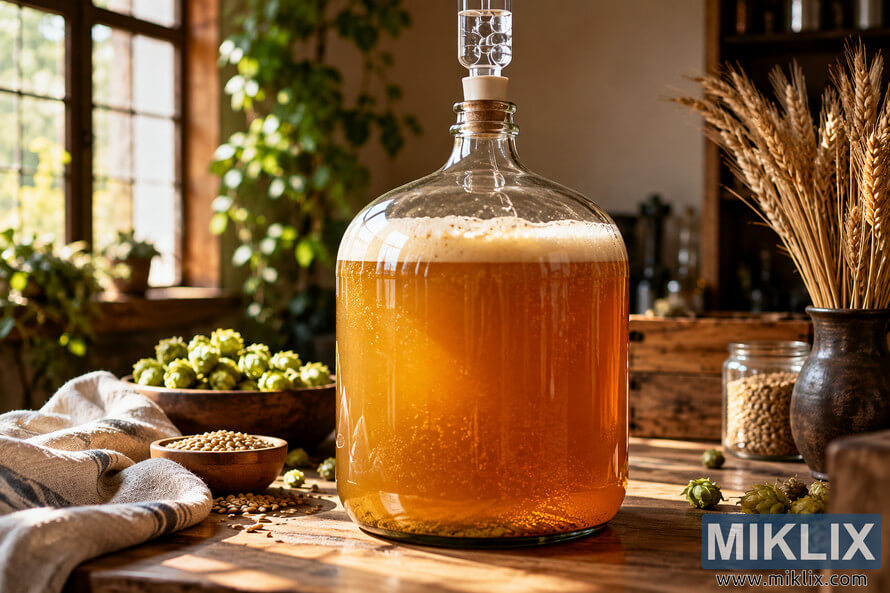
Click or tap the image for more information and higher resolutions.
Many brewers hesitate to work with Brett. They worry about contamination and unpredictable results. Understanding this yeast removes those fears and opens doors to remarkable beers.
This guide covers everything you need to know about Wyeast 5526. You will learn proper handling, fermentation techniques, and how to achieve consistent results. Whether you are brewing your first lambic or refining your process, these insights help you succeed.
Understanding Wyeast 5526 Brettanomyces Lambicus Characteristics
Wyeast 5526 Brettanomyces Lambicus is a wild yeast strain originally isolated from Belgian lambic breweries. This particular Brett character delivers the authentic funk found in traditional sour beers. The yeast produces distinct aromatic compounds that set it apart from clean ale strains.
The strain comes as a liquid yeast in an activator smack pack. Each pack contains 100 billion cells at manufacture. This cell count ensures healthy fermentation when properly activated and pitched.
Temperature control matters greatly with this yeast. Wyeast 5526 performs best between 60-75°F. Higher temperatures accelerate fermentation but may produce harsh flavors. Lower temperatures slow the process while developing more refined characteristics.
Important: Wyeast 5526 requires proper storage at refrigeration temperatures. Always order with an ice pack during warm months. Yeast viability decreases rapidly above 50°F during shipping.
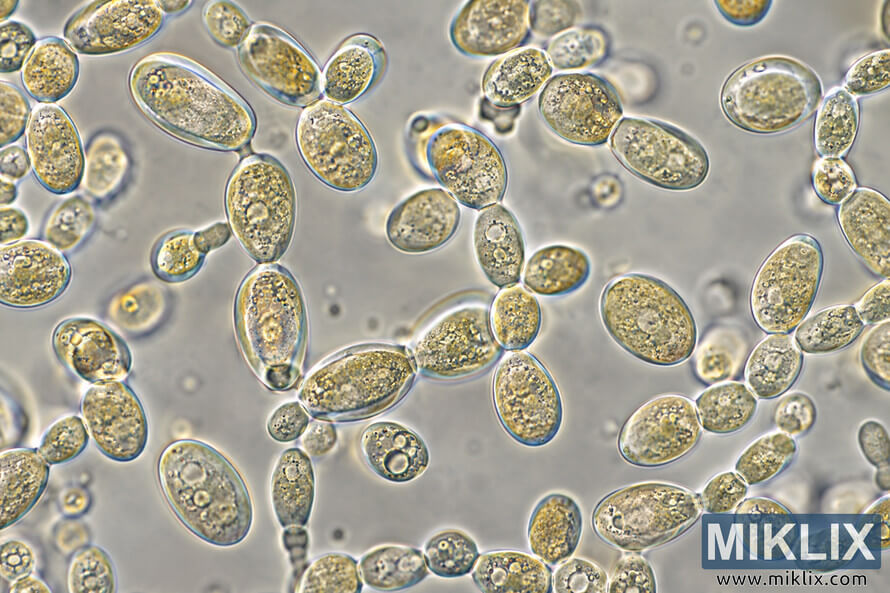
Click or tap the image for more information and higher resolutions.
Flavor Profile Development
Brettanomyces Lambicus creates distinctive flavors in beer. The primary characteristics include:
- Funky, barnyard-like aromas reminiscent of hay and horse blanket
- Fruity esters including pineapple, mango, and stone fruit notes
- Earthy, rustic complexity that develops over time
- Mild acidity and dry finish typical of lambic styles
- Subtle spicy phenolics when fermented at warmer temperatures
The funk develops gradually. Initial fermentation produces fruity esters. Extended aging brings out the characteristic Brett character that defines the style. Most beers need three to six months for full flavor development.
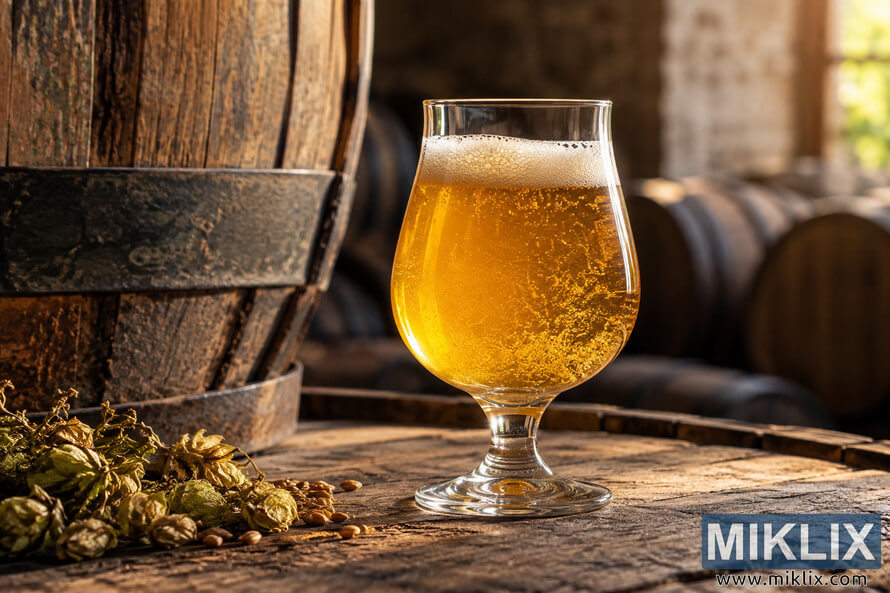
Click or tap the image for more information and higher resolutions.
Fermentation Performance
Wyeast 5526 exhibits unique fermentation behavior compared to Saccharomyces strains. The yeast ferments slowly and steadily. Primary fermentation typically takes two to four weeks. However, the yeast continues working for months during extended aging.
This wild yeast demonstrates high attenuation. Final gravity often reaches 1.002 or lower. The yeast consumes complex sugars that regular brewing yeast cannot process. This creates the characteristic dry finish of lambic-style beers.
Attenuation Range
Expect 65-85% apparent attenuation with Wyeast 5526. The actual percentage depends on several factors:
- Fermentation temperature
- Aging duration
- Wort composition
- Presence of other microorganisms
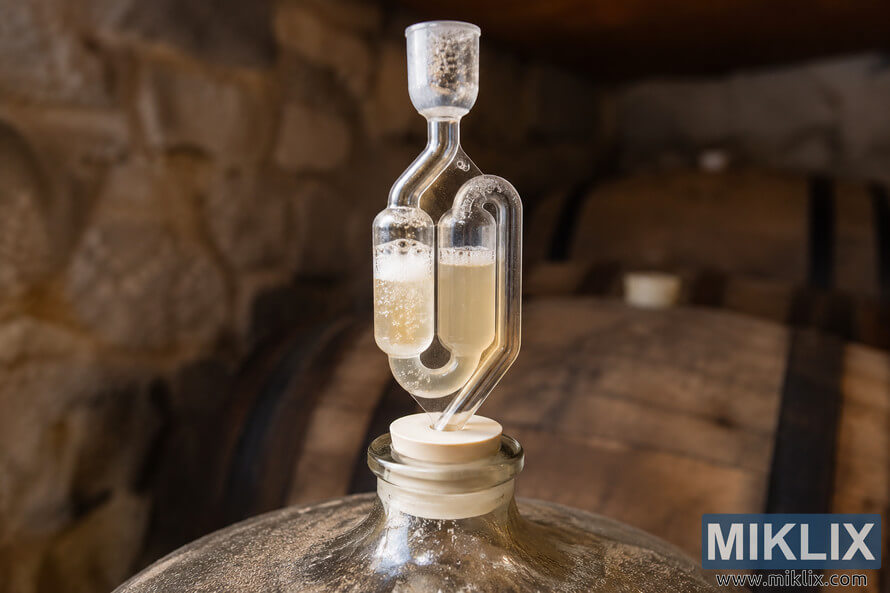
Click or tap the image for more information and higher resolutions.
Fermentation Requirements and Temperature Control
Successful Brett fermentation starts with proper temperature management. Wyeast 5526 Brettanomyces Lambicus thrives in specific temperature ranges. Understanding these requirements prevents common fermentation problems.
Optimal Temperature Ranges
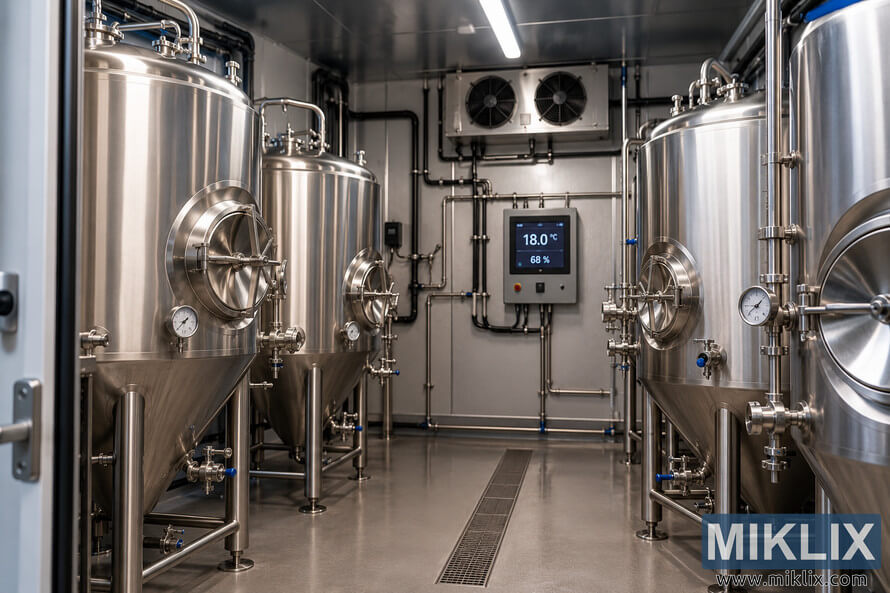
The ideal fermentation temperature for Wyeast 5526 falls between 65-72°F. This range balances fermentation speed with flavor development. Lower temperatures within this range produce cleaner Brett character. Higher temperatures accelerate fermentation while intensifying funk.
Click or tap the image for more information and higher resolutions.
| Temperature Range | Fermentation Speed | Flavor Profile | Recommended Use |
| 60-65°F | Slow (3-5 weeks) | Clean funk, refined esters | Delicate lambic styles |
| 65-72°F | Moderate (2-3 weeks) | Balanced funk, fruit forward | Traditional Belgian lambic |
| 72-75°F | Fast (1-2 weeks) | Intense funk, aggressive character | Highly funky experimental beers |
| Above 75°F | Very fast | Harsh phenolics, solvent-like | Not recommended |
Temperature stability matters as much as the range itself. Fluctuations stress the yeast and create off-flavors. Maintain consistent temperatures throughout primary fermentation. A dedicated fermentation chamber provides the best control.
Pitch Rate and Yeast Preparation
Proper pitching ensures healthy fermentation. Wyeast 5526 requires adequate cell counts for timely fermentation. The standard smack pack contains 100 billion cells. This works well for most five-gallon batches.
Activate the smack pack three to six hours before pitching. The pack swells as yeast cells wake up and multiply. This activation step jumpstarts fermentation. Room temperature activation works best.
Standard Pitch Rate
For 5-gallon batches with original gravity below 1.060:
- One smack pack provides sufficient cells
- Activate pack 3-6 hours before brewing
- Pitch at target fermentation temperature
- Expect visible activity within 24-48 hours
Higher Gravity Batches
For beers above 1.060 original gravity:
- Use two smack packs or build a starter
- Starter volume: 1-2 liters on stir plate
- Propagate for 24-48 hours before pitching
- Decant and pitch yeast slurry
Oxygen Requirements
Brettanomyces exhibits different oxygen needs than Saccharomyces. Initial oxygenation supports cell growth during early fermentation. However, Brett can ferment without oxygen once established.
Aerate wort thoroughly before pitching Wyeast 5526. Standard aeration techniques work well. Shake the fermenter vigorously for two minutes. Alternatively, use an aeration stone with oxygen for sixty seconds.
Pro Tip: Brett continues working even after primary fermentation completes. This yeast consumes oxygen slowly during aging. Avoid excessive headspace in fermenters during extended aging periods. The yeast produces better flavors with limited oxygen exposure after primary fermentation.
Monitoring Fermentation Progress
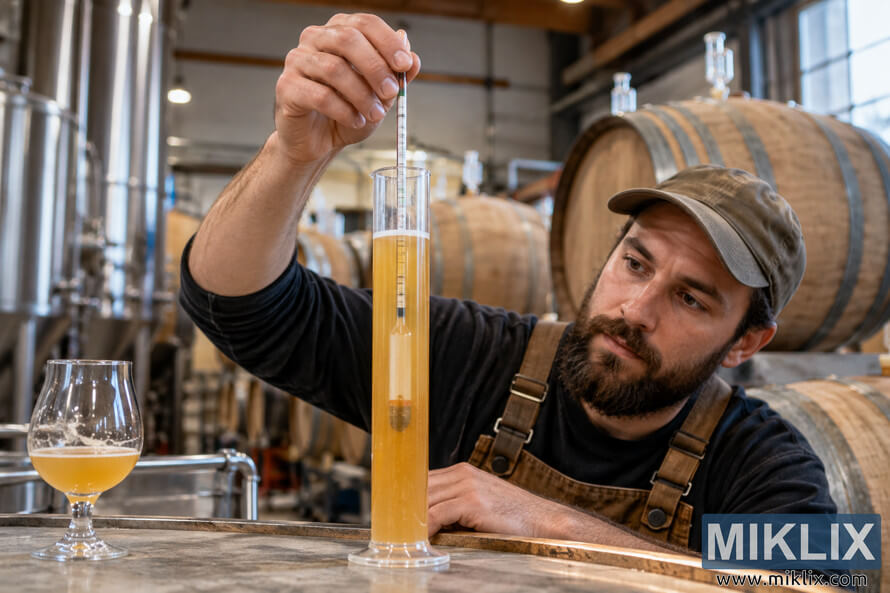
Track fermentation through regular gravity readings. Brett fermentation proceeds slower than traditional ale yeast. Take initial gravity readings after pitching. Check again after one week, then every three to four days.
Primary fermentation completes when gravity stabilizes for three consecutive readings. This typically takes two to four weeks. Final gravity often reaches 1.008 or lower with Wyeast 5526.
- Day 1-3: Lag phase with minimal visible activity
- Day 4-7: Active fermentation begins, krausen forms
- Day 8-14: Vigorous fermentation, steady CO2 production
- Day 15-28: Fermentation slows, yeast begins settling
- Months 2-6: Extended conditioning and flavor development
Click or tap the image for more information and higher resolutions.
Brewing Techniques and Best Practices for Homebrewers
Brewing with Wyeast 5526 requires specific techniques that differ from standard ale production. These practices ensure successful fermentation and optimal flavor development. Following proven methods prevents common mistakes.
Wort Composition for Brett Fermentation
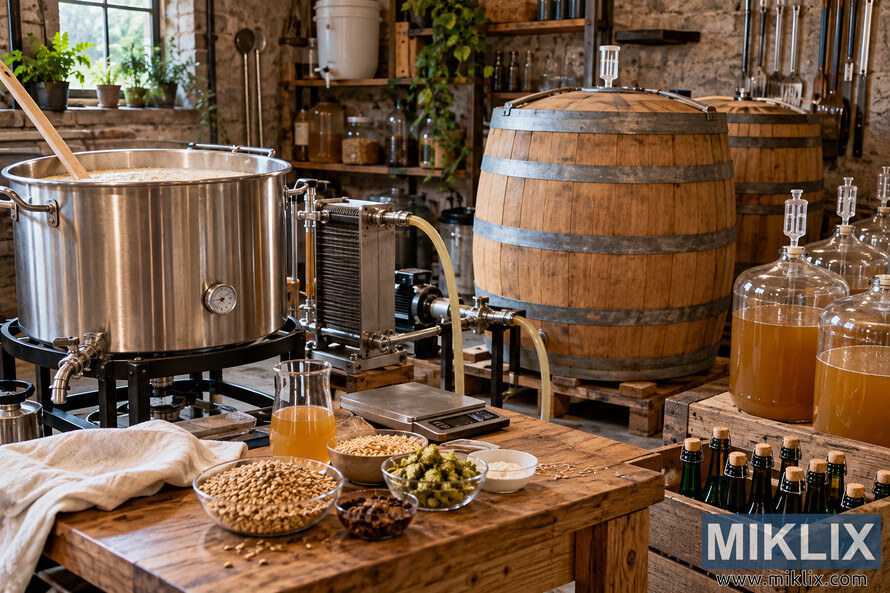
Brettanomyces Lambicus performs best with certain wort characteristics. The grain bill impacts final beer flavor significantly. Traditional Belgian lambic uses wheat along with pilsner malt. This combination provides the right fermentable sugar profile.
Click or tap the image for more information and higher resolutions.
Recommended Grain Bill
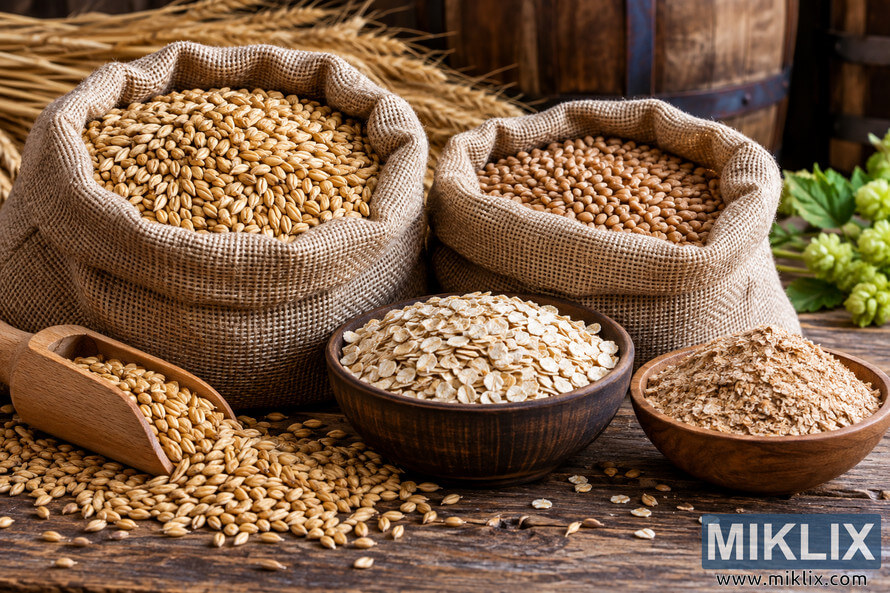
A classic lambic-inspired grain bill includes:
- 60-70% Belgian Pilsner malt for fermentable base
- 30-40% unmalted wheat for body and haze
- Optional: 5-10% aged hops for preservation
- Target original gravity: 1.045-1.055
Lower gravity worts ferment more predictably with Brett. Higher gravity beers need longer aging periods. The yeast handles complex sugars better in moderate-strength beers.
Click or tap the image for more information and higher resolutions.
Hop Selection and Usage
Traditional lambic beers use aged hops rather than fresh ones. Aged hops provide preservation without contributing bitterness or hop flavor. This allows Brett character to dominate the flavor profile.
Purchase hops that have been aged for one to three years. Alternatively, age fresh hops yourself in paper bags at room temperature. The alpha acids deteriorate over time while preserving antibacterial properties.
Warning: Fresh high-alpha hops inhibit Brettanomyces activity. Limit fresh hop additions when brewing with Wyeast 5526. Aged hops with degraded alpha acids work best for authentic lambic character.
Mash Schedule Considerations
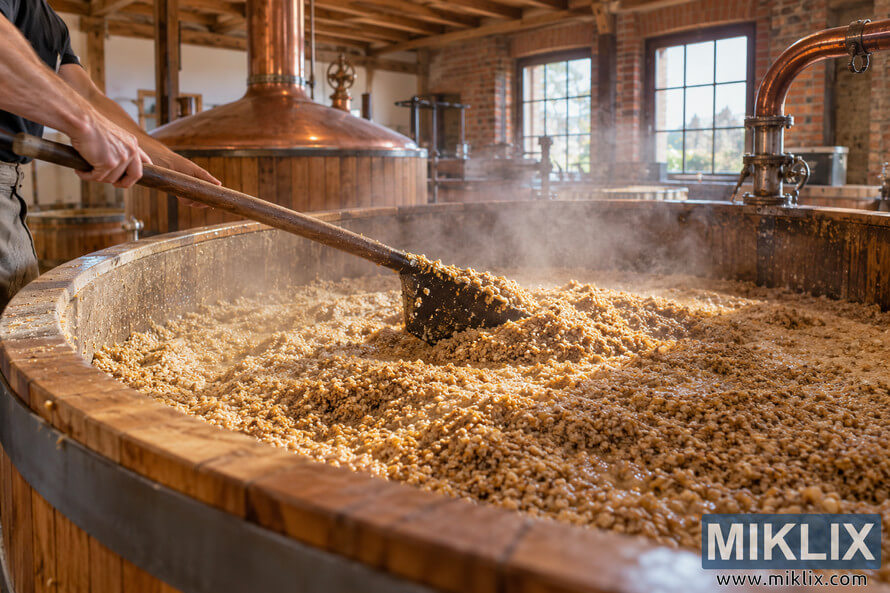
Brett prefers highly fermentable wort. A simple single-infusion mash works well. Mash at 148-152°F for sixty minutes. This temperature range creates maximum fermentable sugars.
Avoid mash temperatures above 156°F. Higher temperatures create more dextrins. Brettanomyces ferments these eventually, but the process takes much longer. Lower mash temperatures speed overall fermentation.
Click or tap the image for more information and higher resolutions.
Sanitation and Equipment Dedication
Proper sanitation prevents unwanted contamination. However, Brett requires a different approach than clean ale strains. Many homebrewers dedicate specific equipment to wild yeast fermentation.
Dedicated Brett Equipment
- Separate plastic fermentation buckets
- Dedicated siphoning equipment and tubing
- Glass carboys that can be thoroughly cleaned
- Separate bottling equipment and bottle filler
- Clearly labeled to prevent cross-contamination
Shared Equipment (Safe to Use)
- Stainless steel brew kettles and pots
- Stainless steel mash tuns
- Glass hydrometers and thermometers
- Stainless steel kegging equipment
- Any item that can withstand heat sanitization
Clean all equipment thoroughly after Brett fermentation. Use hot water and brewery cleaner first. Then sanitize with Star San or iodophor solution. This removes most Brett cells from non-porous surfaces.
Primary Fermentation Management
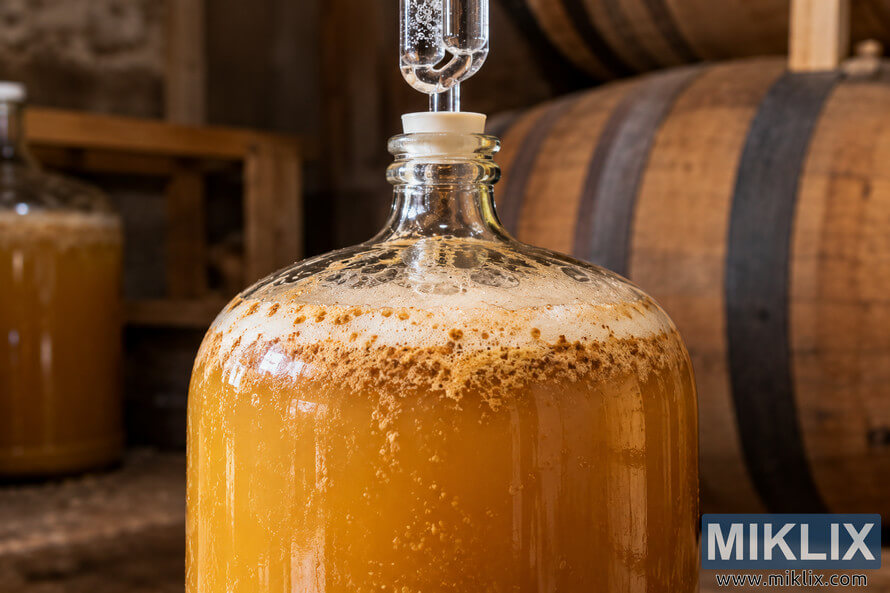
Transfer cooled wort to your sanitized fermenter. Pitch activated Wyeast 5526 at target temperature. Seal the fermenter with an airlock filled with sanitizer or vodka.
Place the fermenter in a temperature-controlled space. Maintain steady temperatures throughout fermentation. Avoid opening the fermenter unnecessarily during the first two weeks.
Monitor fermentation through airlock activity and gravity readings. Take samples carefully to avoid introducing oxygen or contaminants. Record all measurements to track fermentation progress.
Click or tap the image for more information and higher resolutions.
Extended Aging and Conditioning
Brett beers improve significantly with aging. After primary fermentation completes, begin extended conditioning. This aging period develops the characteristic funk that defines lambic styles.
Aging Timeline: Most Brett beers need three to six months of aging. Some complex beers benefit from twelve months or longer. The funk intensifies during the first three months. Subsequent aging rounds out harsh edges and integrates flavors.
Maintain cool temperatures during aging. Store fermenters at 55-65°F if possible. This temperature range allows slow flavor development without creating off-flavors. Check gravity monthly during aging.
- Month 1-2: Primary funk development begins
- Month 3-4: Flavors integrate and mellow
- Month 5-6: Peak flavor complexity achieved
- Month 7-12: Subtle continued improvement for patient brewers
Flavor Profiles and Compatible Beer Styles
Wyeast 5526 creates distinctive flavors that define specific beer styles. Understanding these characteristics helps brewers design recipes that showcase Brett at its best. The yeast produces different flavor profiles depending on fermentation conditions and beer composition.
Primary Flavor Characteristics
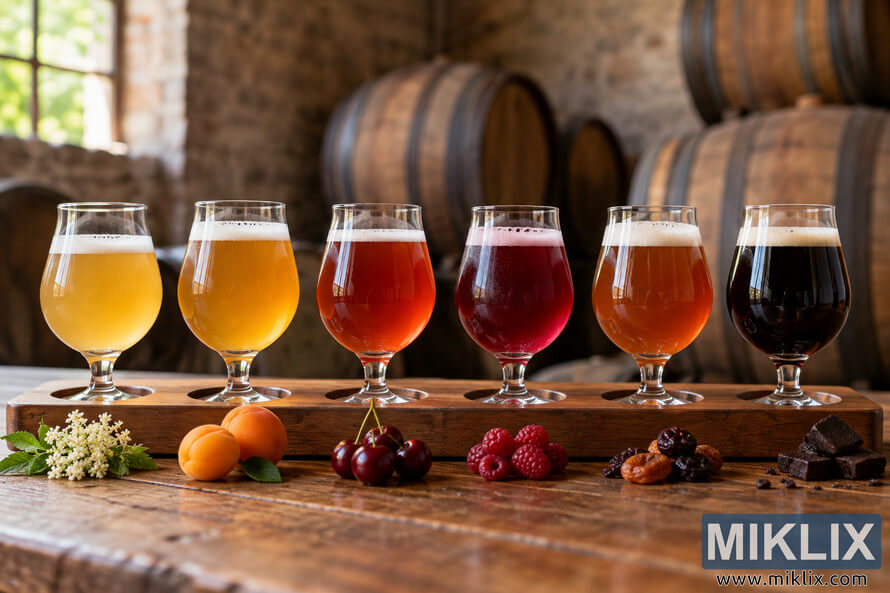
Brettanomyces Lambicus generates complex aromatic compounds. The signature funk comes from volatile phenols and organic acids. These compounds develop throughout fermentation and intensify during aging.
The most prominent flavors include barnyard funk and fruity esters. Initial fermentation produces tropical fruit notes like pineapple and mango. Extended aging brings out earthy, hay-like characteristics. This evolution creates depth and complexity.
Click or tap the image for more information and higher resolutions.
Traditional Belgian Lambic
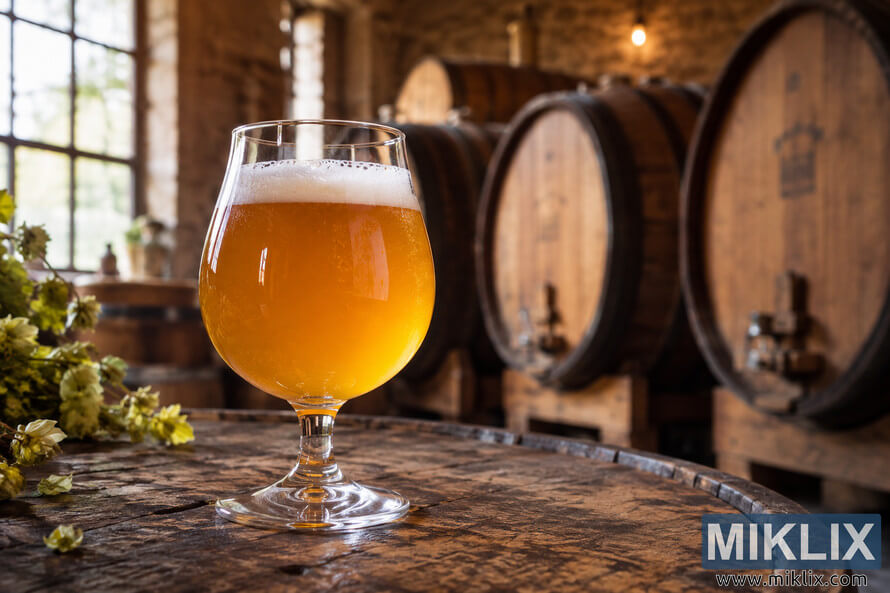
Classic Belgian lambic showcases Wyeast 5526 perfectly. These beers feature moderate funk balanced with wheat character. The style emphasizes drinkability rather than extreme sourness.
Lambic beers typically ferment with mixed cultures. However, Wyeast 5526 alone produces excellent results. The yeast creates sufficient complexity without additional bacteria. This simplified approach works well for homebrewers.
Target an original gravity between 1.045-1.052 for traditional lambic. Use the grain bill described earlier with 60% pilsner malt and 40% wheat. Ferment at 68-72°F and age for at least six months. The resulting beer displays authentic lambic character.
Click or tap the image for more information and higher resolutions.
Fruit Lambic Variations
Fruit additions complement Brett flavors beautifully. Traditional choices include cherries, raspberries, and peaches. The fruit provides additional fermentables while contributing complementary flavors.
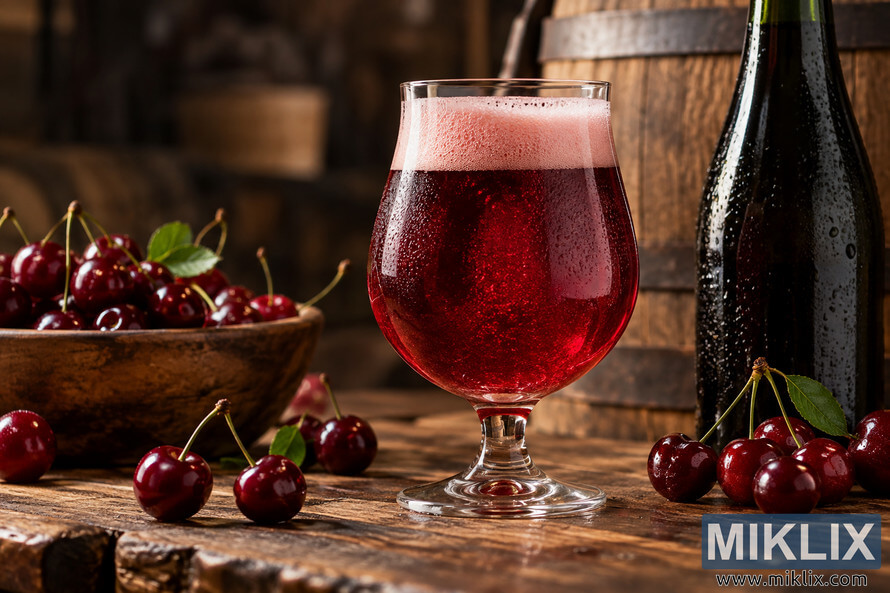
Kriek (Cherry Lambic)
Add 1-2 pounds of tart cherries per gallon after primary fermentation completes. Fresh or frozen fruit works equally well. The cherries provide additional sugars for Brett to ferment.
Age the fruit beer for three to six months. The extended conditioning integrates cherry and funk flavors. The result is a complex, dry beer with fruity and funky character.
Click or tap the image for more information and higher resolutions.
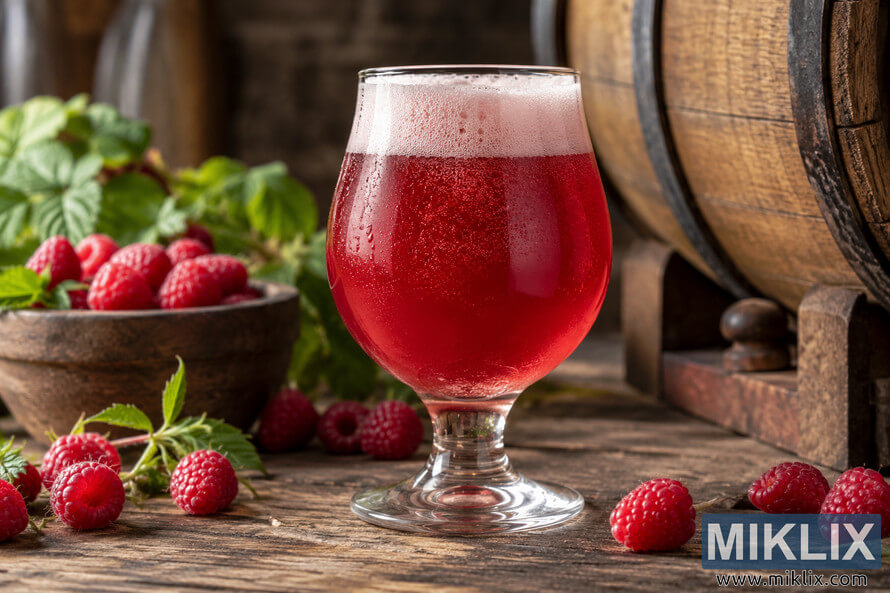
Framboise (Raspberry Lambic)
Raspberries create vibrant pink hues and tart flavors. Use 0.75-1.5 pounds per gallon depending on desired intensity. Add fruit after primary fermentation stabilizes.
The raspberries ferment quickly with Wyeast 5526. Monitor gravity during fruit fermentation. Age for four to eight months for peak flavor integration.
Click or tap the image for more information and higher resolutions.
American Wild Ale Interpretations
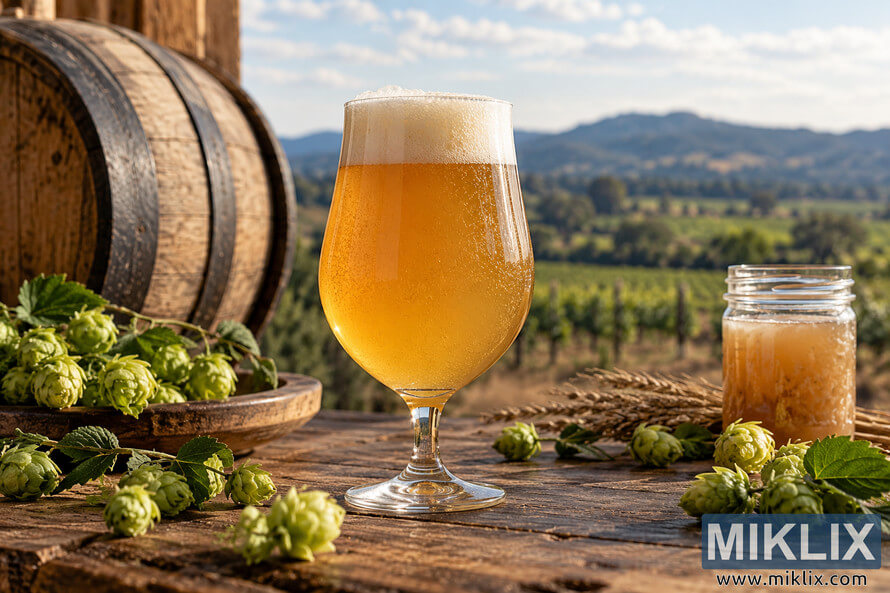
American brewers have adapted Brett to create new styles. These beers often feature more aggressive hop character than traditional lambics. The combination of Brett funk and American hops creates unique flavor profiles.
Use Wyeast 5526 in hoppy pale ales or IPAs for interesting results. The Brett consumes residual sugars while adding complexity. Ferment initially with clean ale yeast like Wyeast 1056. Add the Brett during secondary fermentation or aging.
This technique produces beer with hop aroma and Brett complexity. The wild yeast softens hop bitterness while adding funky undertones. Age these beers for two to four months for optimal balance.
Click or tap the image for more information and higher resolutions.
Saison and Farmhouse Ales
Saisons benefit from Brett character additions. Traditional farmhouse ales often contained wild yeast naturally. Wyeast 5526 recreates these historical flavor profiles.
Ferment saisons with Belgian saison yeast first. Examples include Wyeast 3724 or White Labs WLP565. Complete primary fermentation before adding Brettanomyces Lambicus. The Brett adds complexity during extended aging.
- Primary fermentation with saison yeast at 75-85°F
- Transfer to secondary fermenter after two weeks
- Add Wyeast 5526 to secondary for Brett character
- Age at 65-70°F for two to four months
- Bottle or keg when gravity stabilizes
The combination creates highly attenuated, complex farmhouse ales. The saison yeast provides spicy phenolics. The Brett contributes funk and additional dryness. Together they produce exceptional rustic beers.
Blending and Mixed Fermentation
Advanced brewers often blend Brett beers with clean ales. This technique balances funk with more approachable flavors. Blend ratios vary from 10% to 50% Brett beer depending on desired intensity.
Some brewers combine Wyeast 5526 with other wild yeast strains. Popular combinations include Brettanomyces Bruxellensis and Lambicus together. Each strain contributes different flavor compounds. The result is greater complexity than single strains produce.
Blending Tip: Blend small test batches before committing full volumes. Mix samples in known ratios and taste each combination. This approach helps dial in the perfect balance. Keep detailed notes on successful ratios for future brewing.
Troubleshooting Common Issues with Brettanomyces Fermentation
Brett fermentation sometimes presents challenges. Recognizing common problems early prevents batch failures. Most issues have straightforward solutions when addressed promptly.
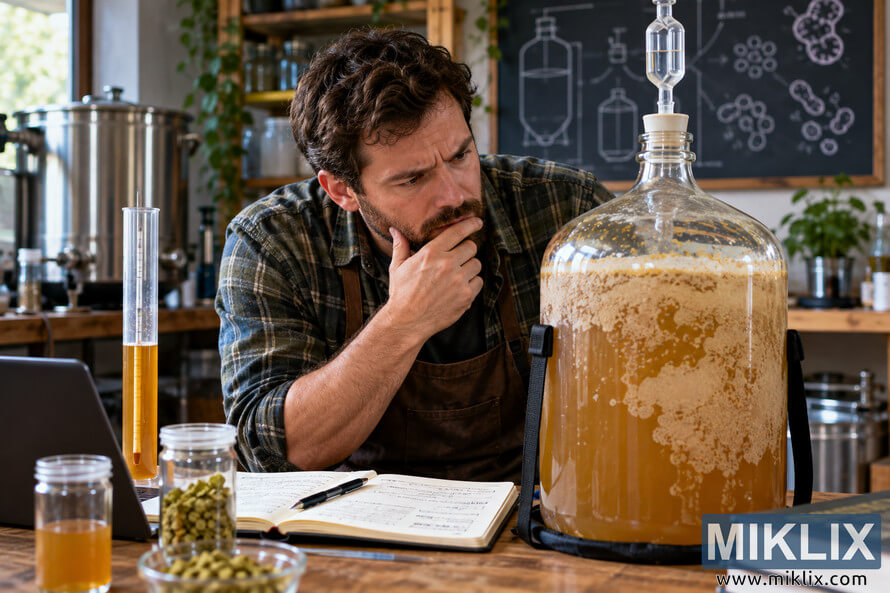
Slow or Stuck Fermentation
Wyeast 5526 ferments slower than standard ale yeast. However, truly stuck fermentation requires intervention. Several factors cause fermentation to stall completely.
Click or tap the image for more information and higher resolutions.
Normal Slow Fermentation
- Steady gravity drops over days or weeks
- Occasional airlock activity visible
- Yeast still in suspension or loosely settled
- Temperature remains in optimal range
- Gravity continues declining with time
Stuck Fermentation Warning Signs
- No gravity change for two consecutive weeks
- Complete absence of airlock activity
- Yeast compacted tightly on fermenter bottom
- Gravity significantly above expected final gravity
- Beer tastes overly sweet or unbalanced
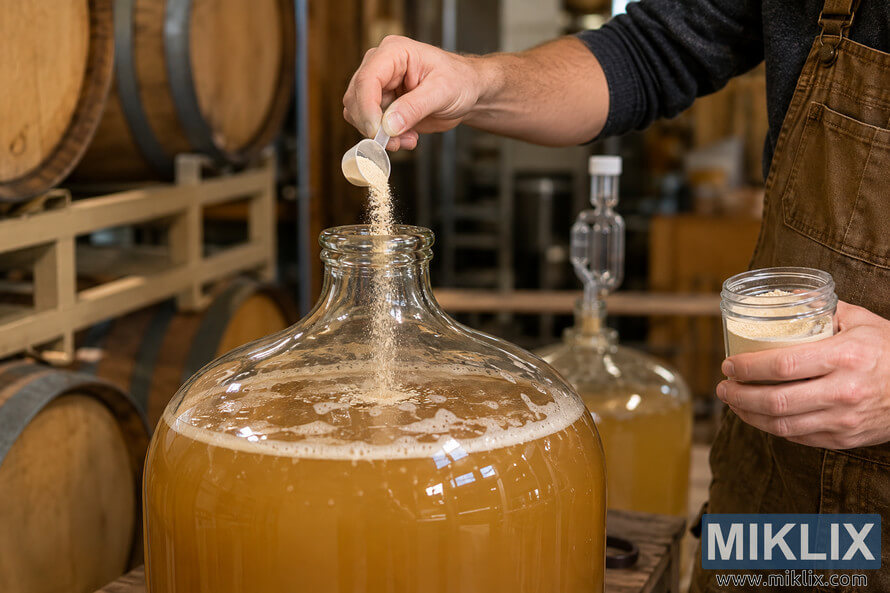
Revive stuck fermentation by rousing the yeast. Gently swirl the fermenter to resuspend settled cells. This provides renewed contact between yeast and remaining sugars. Many stuck fermentations restart after this simple intervention.
Temperature adjustments also help restart fermentation. Raise temperature by 3-5 degrees if the beer ferments too cold. Warmer temperatures activate dormant yeast cells. Monitor gravity daily after temperature increases.
Add yeast nutrient if other methods fail. Brett responds well to nitrogen and mineral additions. Use standard brewing yeast nutrient at recommended rates. Swirl the fermenter after adding nutrients to distribute them throughout the beer.
Click or tap the image for more information and higher resolutions.
Excessive or Unpleasant Funk
Some batches develop harsh, unpleasant flavors instead of pleasant funk. This usually results from fermentation temperature problems or contamination. The issue appears most commonly in warmer fermentations.
Harsh phenolic flavors indicate fermentation temperatures too high. These flavors taste medicinal or plastic-like. They differ from the pleasant barnyard character of proper Brett fermentation.
Prevention Strategy: Maintain strict temperature control throughout fermentation. Never let temperature exceed 75°F during active fermentation. Install a temperature controller if brewing in warm environments. The investment prevents many common Brett fermentation problems.
Contamination with unwanted bacteria sometimes causes off-flavors. These infections produce acetic acid or other unpleasant compounds. The beer smells vinegary or develops ropy texture. Proper sanitation prevents most contamination issues.
Insufficient Brett Character
Some beers fail to develop expected Brett flavors. The finished beer tastes clean rather than funky. Several factors cause this disappointing result.
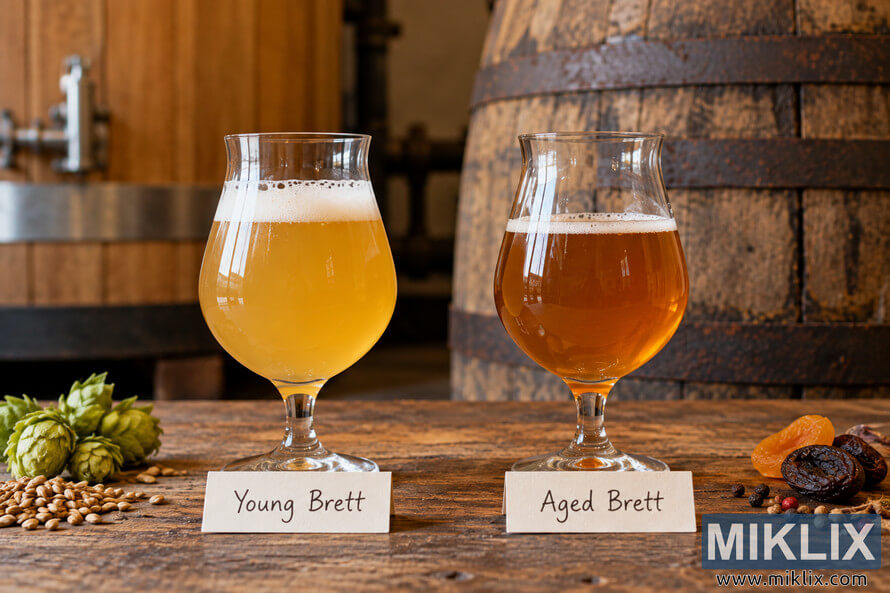
Insufficient aging time is the most common cause. Brett character develops slowly over months. Young Brett beers often taste clean and fruity. The characteristic funk emerges only after extended conditioning. Patience solves this problem in most cases.
Low fermentation temperatures also limit funk development. Brett produces more phenolic compounds at warmer temperatures. If your beer lacks character, consider fermenting your next batch 3-5 degrees warmer. The increased temperature enhances funk production.
- Age beer at least three months before evaluating funk levels
- Ensure fermentation temperature stayed in optimal 65-72°F range
- Verify yeast viability was good when pitched
- Consider the grain bill provided enough fermentables
- Check that fresh hops did not inhibit Brett activity
Click or tap the image for more information and higher resolutions.
Over-Attenuation and Thin Body
Brettanomyces Lambicus produces very dry beer. Final gravity often drops below 1.005. Some batches become excessively thin and watery. This happens when Brett consumes nearly all available sugars.
Adjust grain bills to prevent over-attenuation. Include 10-15% specialty malts that resist complete fermentation. Crystal malts or Munich malt add body without excess sweetness. These additions create more satisfying mouthfeel.
Mash temperature also affects final body. Mash at the higher end of the recommended range. A 152-154°F mash creates more unfermentable dextrins. Brett still produces characteristic flavors while leaving appropriate body.
Pellicle Formation Concerns
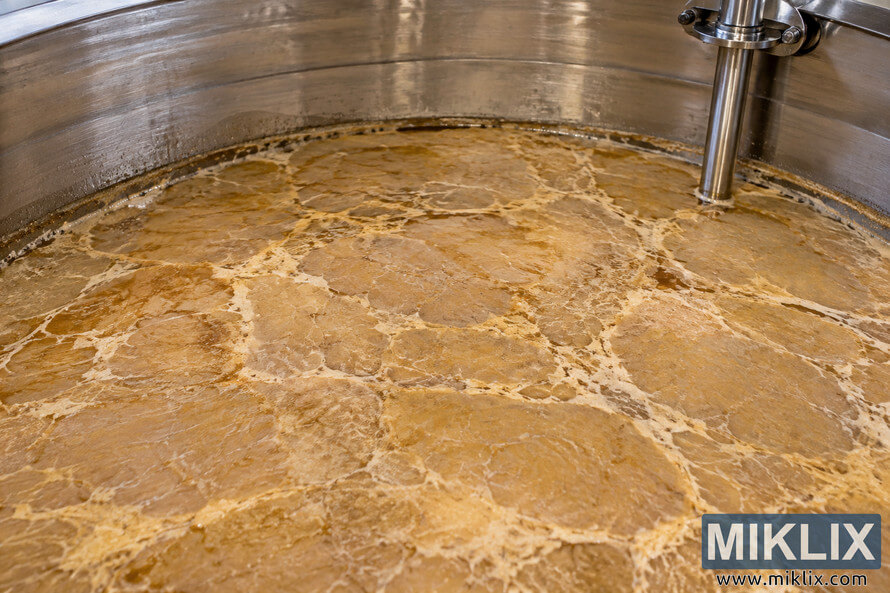
Brett sometimes forms a pellicle on the beer surface. This thin film appears wrinkled or lumpy. Many brewers worry the pellicle indicates contamination. However, pellicle formation is normal with Brettanomyces.
The pellicle consists of yeast cells and proteins. It protects the beer from oxygen and contamination. Do not disturb or remove the pellicle during fermentation. The film naturally incorporates back into beer during aging.
Pellicle appearance varies between batches. Some fermentations produce thick, prominent films. Others show barely visible coverage. Both are normal. The pellicle presence or absence does not indicate fermentation quality.
Click or tap the image for more information and higher resolutions.
Packaging and Carbonation Challenges
Brett remains active even after packaging. This creates challenges when bottling. The yeast continues fermenting residual sugars in bottles. Over-carbonation sometimes results.
Test final gravity stability before bottling. Take readings one week apart for three weeks. Only bottle when gravity remains constant. This ensures fermentation has truly completed.
Safe Bottling Practice: Reduce priming sugar by 20-25% when bottling Brett beers. The yeast continues slow fermentation in bottles. This activity produces additional carbonation beyond priming sugar contribution. Lower priming rates prevent over-carbonation and bottle bombs.
Kegging provides more control than bottling. Force carbonate Brett beers to desired levels. This eliminates over-carbonation risks. The beer remains stable in the keg at refrigeration temperatures.
Advanced Techniques and Recipe Formulation
Experienced brewers can push Brettanomyces Lambicus beyond traditional applications. Advanced techniques create unique beers that showcase Brett versatility. These methods require more skill but produce exceptional results.
Click or tap the image for more information and higher resolutions.
Mixed Culture Fermentation Strategies
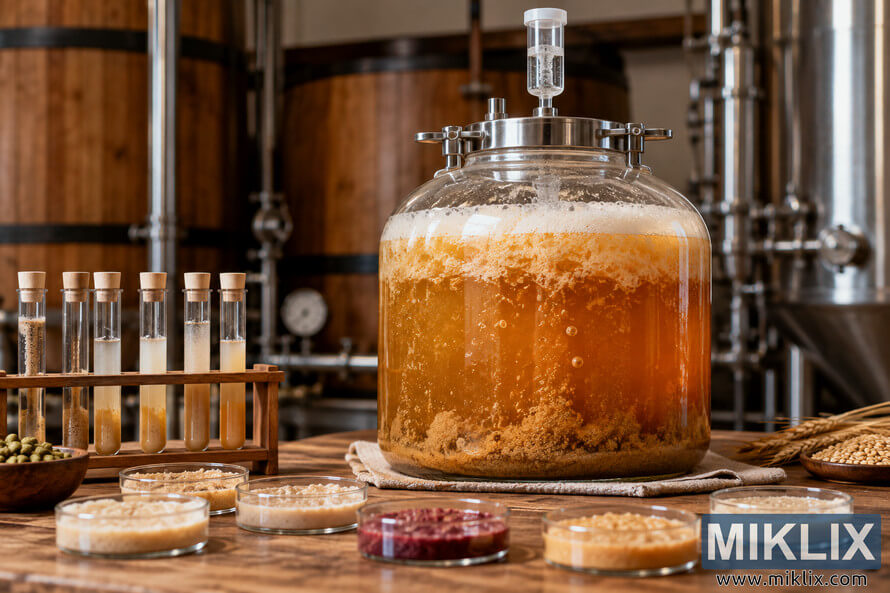
Combining multiple yeast strains creates greater complexity than single strains alone. Wyeast 5526 works well with both Saccharomyces and other Brettanomyces strains. The key is understanding how different organisms interact.
Primary fermentation with clean ale yeast establishes the base beer character. Use neutral strains like Wyeast 1056 or White Labs WLP001. These yeasts ferment quickly and create clean flavor foundations.
Add Wyeast 5526 after primary fermentation completes. Transfer beer to secondary fermenter first. Pitch the Brett into this vessel. This staged approach gives each yeast optimal conditions.
Click or tap the image for more information and higher resolutions.
Sequential Fermentation Method
- Primary fermentation with Saccharomyces (1-2 weeks at 68°F)
- Transfer to secondary fermenter after gravity stabilizes
- Pitch Wyeast 5526 into secondary (do not aerate)
- Ferment at 65-72°F for extended period
- Age minimum three months before packaging
Co-Pitch Method
- Pitch Saccharomyces and Brett together into primary
- Higher ale yeast pitch rate (2:1 ratio over Brett)
- Ferment at standard ale temperatures (68-70°F)
- Extended aging as Brett works through residuals
- Results in more integrated flavor profile
Barrel-Aging Simulation
Traditional lambic ferments in wooden barrels. The wood contributes tannins and allows micro-oxygenation. Homebrewers can simulate these effects without actual barrels.
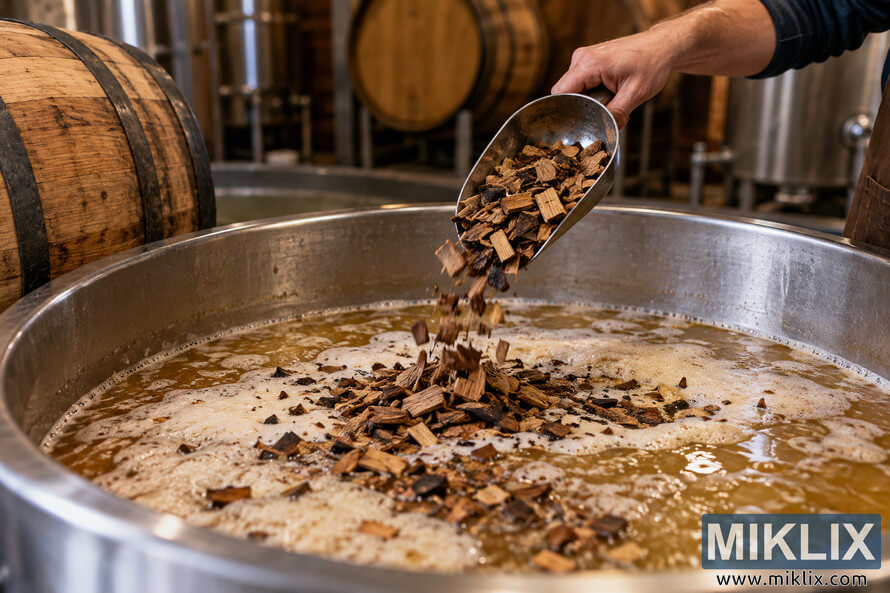
Oak chips or cubes provide wood character to Brett beers. Add 1-2 ounces of medium toast American oak per five gallons. The oak contributes vanilla, caramel, and tannin notes. These flavors complement Brett funk beautifully.
Soak oak in bourbon or wine before adding to beer. This technique adds additional complexity. Use 2-4 ounces of spirit per ounce of oak. Soak for 24 hours then add both oak and liquid to the fermenter.
Micro-oxygenation affects Brett fermentation significantly. Small amounts of oxygen encourage certain flavor compound production. Use oak cubes in mesh bags suspended in the beer. This allows some oxygen exchange while the oak contributes flavor.
Click or tap the image for more information and higher resolutions.
Recipe Development Principles
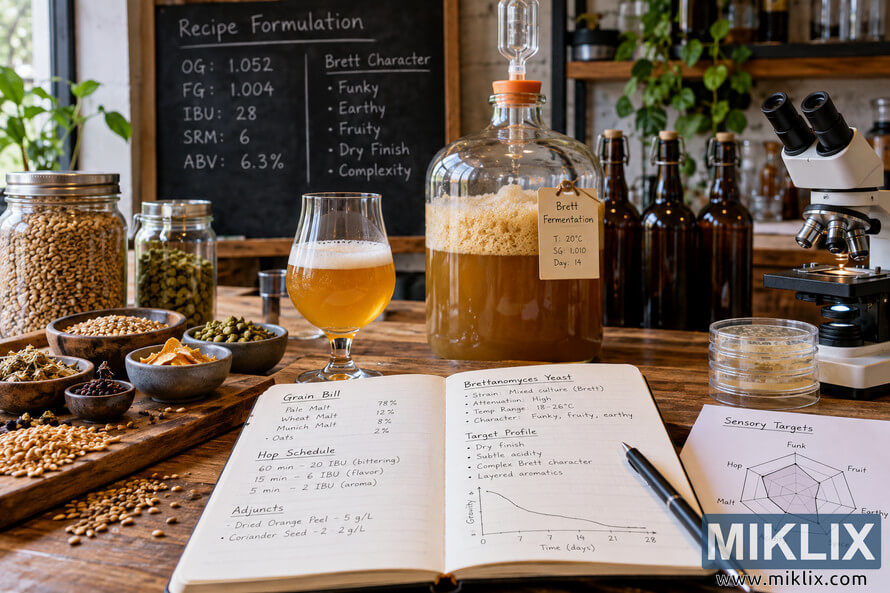
Designing recipes specifically for Wyeast 5526 requires different thinking than clean beer recipes. Brett-focused recipes emphasize fermentability and simplicity. Overly complex grain bills mask the yeast character.
| Recipe Element | Traditional Lambic | American Wild Ale | Brett Saison |
| Base Malt | Belgian Pilsner (60-70%) | American 2-Row (70-80%) | Belgian Pilsner (80-90%) |
| Secondary Grain | Unmalted Wheat (30-40%) | White Wheat (10-20%) | Wheat or Oats (5-10%) |
| Specialty Malts | None | Munich, Vienna (5-10%) | Munich (5-10%) |
| Original Gravity | 1.045-1.055 | 1.050-1.065 | 1.048-1.060 |
| Hop Additions | Aged hops only | Moderate bittering, aroma hops | Low bittering, optional late hops |
| Fermentation Approach | 100% Brett primary | Sequential (ale yeast + Brett) | Sequential (saison + Brett) |
| Aging Duration | 6-12 months | 3-6 months | 2-4 months |
Water Chemistry Optimization
Water profile impacts Brett fermentation and flavor development. Lambic traditionally uses soft water with low mineral content. This allows yeast character to shine without competing mineral flavors.
Target these water parameters for optimal results:
- Calcium: 50-75 ppm for yeast health
- Sulfate: Below 50 ppm to avoid harsh bitterness
- Chloride: 50-75 ppm for subtle mouthfeel enhancement
- Bicarbonate: Below 50 ppm for proper mash pH
- Mash pH: 5.2-5.4 for maximum fermentability
Soft water profiles work best with Wyeast 5526. Hard water contributes minerally flavors that clash with Brett character. Use reverse osmosis water or dilute tap water if your source is hard.
Adjunct and Specialty Ingredient Usage
Brett ferments sugars beyond typical brewing ingredients. Adventurous brewers can incorporate various adjuncts. These additions create unique flavor combinations.
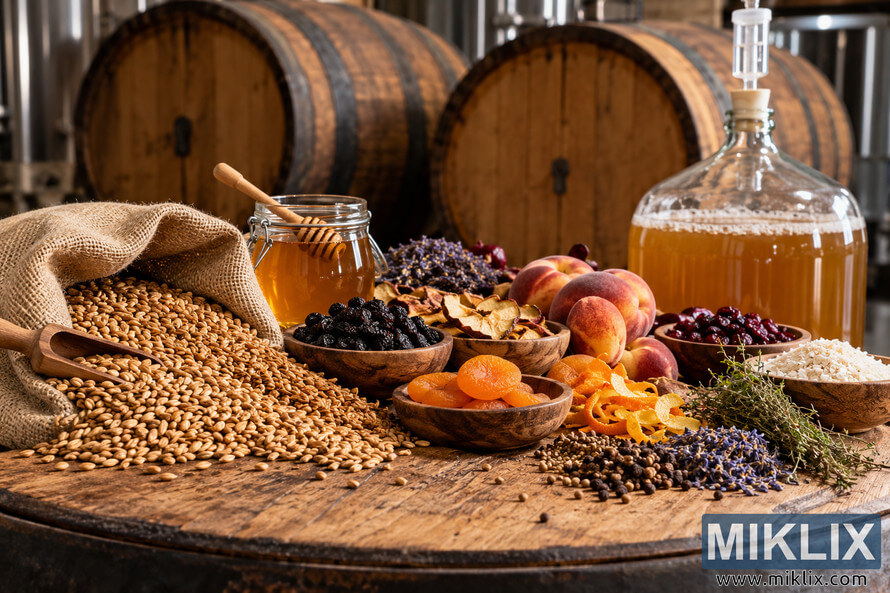
Honey works exceptionally well with Brettanomyces. Add 1-2 pounds per five gallons during secondary fermentation. The Brett ferments honey completely dry while preserving floral aromatics. The combination creates elegant, complex beers.
Dark Belgian candi sugar adds color and subtle flavor. Use 0.5-1 pound per five gallons. The sugar boosts alcohol without excessive sweetness. Brett ferments the candi sugar completely. This maintains the characteristic dry finish.
Experimentation Tip: Start with small additions when trying new ingredients. Brew a standard Brett beer, then divide into separate vessels. Add different adjuncts to each portion. This approach allows direct comparison while limiting risk. Scale up successful experiments in future batches.
Click or tap the image for more information and higher resolutions.
Competition-Focused Brewing
Brett beers compete successfully in homebrew competitions. Wyeast 5526 produces award-winning beers when used properly. Understanding competition standards helps formulate winning recipes.
Enter Brett beers in appropriate categories. Most competitions include Wild Specialty Beer or American Wild Ale categories. Traditional lambics may fit Belgian Lambic categories. Match your beer to the correct style guidelines.
Judges evaluate Brett beers on balance and complexity. The funk should complement rather than overwhelm. Successful competition beers show integration between Brett character and base beer qualities. Age beers adequately before entering competitions.
Conclusion
Wyeast 5526 Brettanomyces Lambicus opens doors to exceptional beer styles. This guide covered the fundamentals of working with this wild yeast strain. You learned proper handling, fermentation requirements, and flavor development principles.
Success with Brett requires patience and attention to detail. Temperature control prevents off-flavors. Adequate aging develops the characteristic funk. Proper sanitation protects your investment in time and ingredients.
Start with traditional lambic-style recipes. Master the basics before experimenting with advanced techniques. Each batch teaches valuable lessons about Brett behavior. Your skills improve with every fermentation.
The craft of Brett brewing rewards persistent brewers. These unique beers impress friends and win competitions. The complex flavors cannot be replicated with clean ale strains. Brettanomyces Lambicus truly offers something special.
Click or tap the image for more information and higher resolutions.
Further Reading
If you enjoyed this post, you may also like these suggestions:
- Fermenting Beer with White Labs WLP001 California Ale Yeast
- Fermenting Beer with White Labs WLP566 Belgian Saison II Ale Yeast
- Fermenting Beer with Wyeast 1007 German Ale Yeast