
The Remarkable Health Benefits of Quince: Nature's Forgotten Superfruit
Vydáno:
Poslední aktualizace: 6. června 2026 v 14:30:17 UTC
While quince fruit has been cherished for centuries across Mediterranean and Middle Eastern cultures, it remains largely unknown in many Western countries. This ancient fruit packs an impressive nutritional punch and offers remarkable health benefits that modern science is only beginning to fully understand.
The Remarkable Health Benefits of Quince: Nature's Forgotten Superfruit
Kliknutím nebo klepnutím na obrázek získáte další informace a vyšší rozlišení.
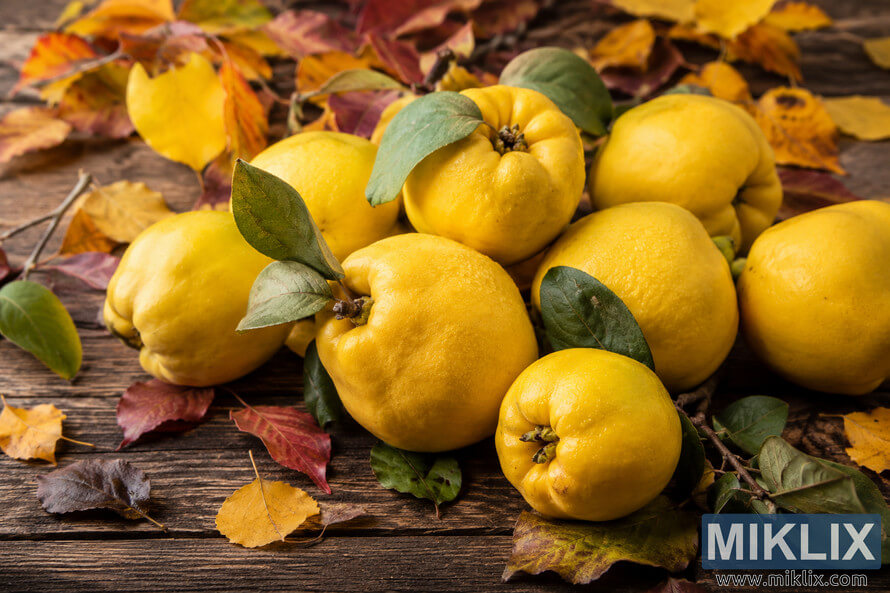
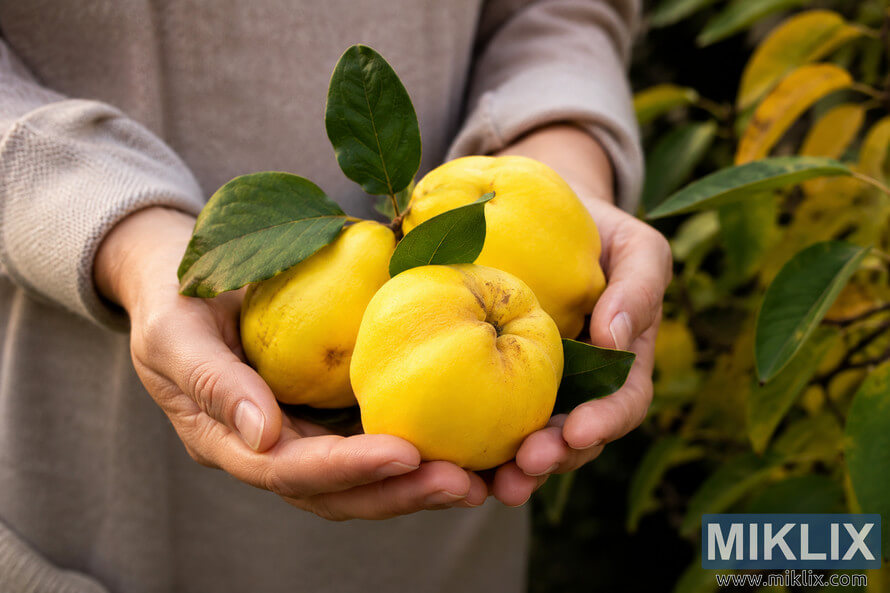
Have you ever walked past a peculiar yellow fruit at your local market and wondered what it was? That golden, bumpy fruit resembling a cross between an apple and a pear might just be quince, one of nature's most underrated superfoods.
Unlike fruits you can bite into directly, quince requires cooking to unlock its sweet, aromatic flavor and therapeutic properties. The transformation from hard, astringent flesh to tender, fragrant delicacy mirrors the hidden potential within this extraordinary fruit. From supporting digestive health to strengthening your immune system, the health benefits of quince extend far beyond its unique taste profile.
In this comprehensive guide, we'll explore everything you need to know about quince fruit. You'll discover its impressive nutritional content, learn about its science-backed health benefits, and find practical ways to incorporate this versatile fruit into your diet. Whether you're seeking natural remedies for common health concerns or simply want to expand your culinary horizons, quince deserves a place in your kitchen.
What Is Quince? Understanding This Ancient Fruit
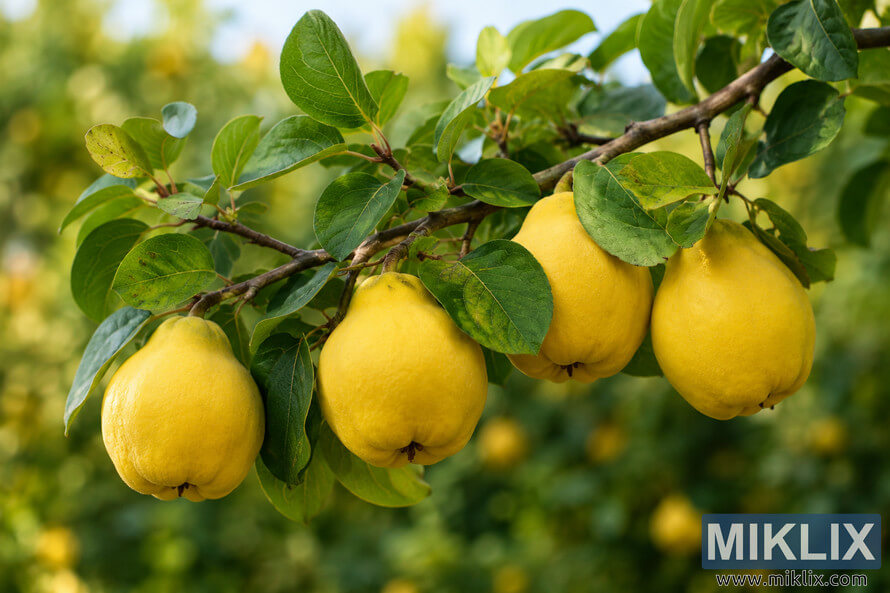
Quince (Cydonia oblonga) is a golden-yellow pome fruit that grows on small deciduous trees native to Southwest Asia, particularly regions around the Caucasus Mountains. The fruit has been cultivated for over 4,000 years, predating even apples in many ancient texts. Ancient Greeks associated quince with love and fertility, often featuring it in wedding ceremonies and mythology.
The quince tree produces fragrant white or pale pink flowers in spring, followed by fruits that ripen in autumn. When fully mature, quince fruit develops a fuzzy skin similar to peaches and releases an intensely sweet, floral aroma that can perfume an entire room. This distinctive fragrance comes from natural compounds that hint at the fruit's complex chemical composition.
Raw quince flesh is extremely hard, dry, and astringent due to high tannin content. The astringency makes eating fresh quince unpleasant for most people. However, cooking transforms the fruit completely. Heat breaks down the tannins and releases natural sugars, turning the cream-colored flesh into a beautiful pink or deep red color while developing a sweet, complex flavor reminiscent of apple, pear, and tropical fruits combined.
Quince is believed to be the "golden apple" mentioned in Greek mythology, not the common apple we know today. The fruit's scientific name, Cydonia oblonga, comes from Kydonia (modern-day Chania) in Crete, where some of the finest quince were cultivated in ancient times.
Kliknutím nebo klepnutím na obrázek získáte další informace a vyšší rozlišení.
Quince Varieties and Growing Regions
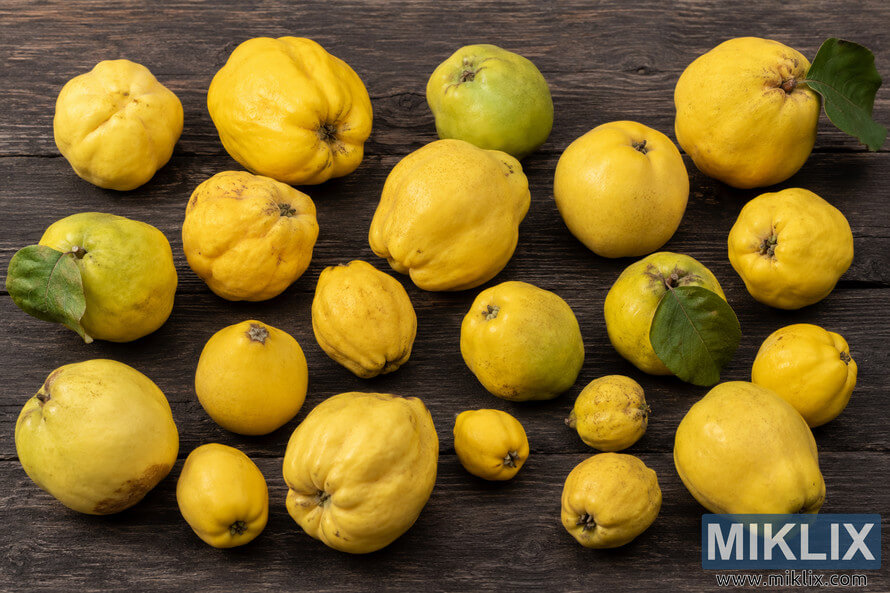
Several quince varieties exist worldwide, each with subtle differences in flavor, texture, and use. The most common types include Champion, Pineapple, Smyrna, and Orange quince. These varieties differ primarily in fruit size, shape, and the intensity of their fragrance. Some varieties work better for jam and jelly production, while others excel in savory dishes or when made into quince paste.
Today, quince grows in temperate regions across Europe, Asia, North and South America, and Australia. Major producing countries include Turkey, China, Iran, Argentina, and Morocco. In the United States, quince cultivation remains limited but has seen renewed interest among small-scale farmers and home gardeners seeking unusual fruits with culinary value.
Kliknutím nebo klepnutím na obrázek získáte další informace a vyšší rozlišení.
Nutritional Profile of Quince: A Powerhouse of Essential Nutrients
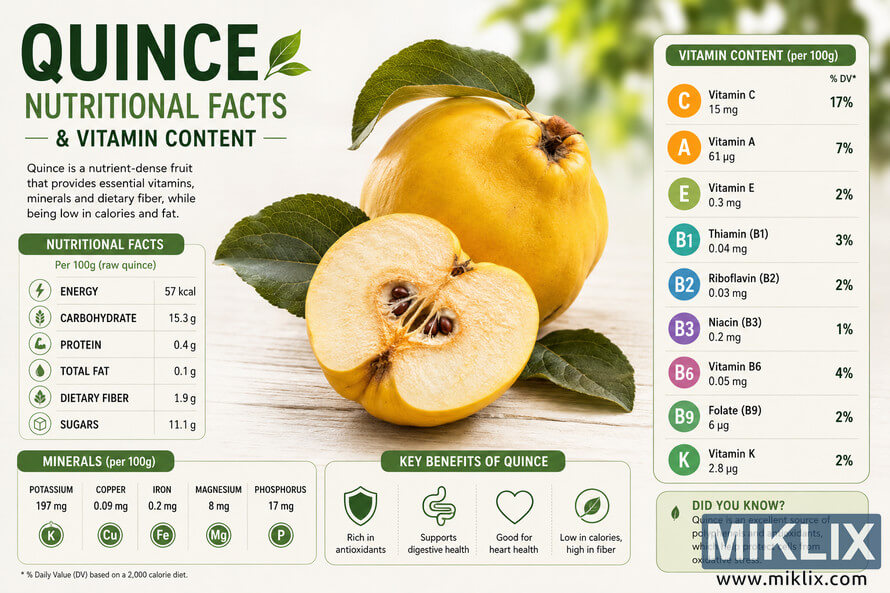
Despite its modest calorie content, quince fruit delivers an impressive array of vitamins, minerals, and beneficial plant compounds. A medium-sized quince (approximately 92 grams) contains only about 52 calories, making it an excellent choice for those watching their caloric intake. The fruit's low energy density comes from its high water content, which comprises roughly 84% of its weight.
Vitamins and Minerals in Quince
Quince stands out as an excellent source of vitamin C, providing approximately 15% of the daily recommended intake in one medium fruit. This powerful antioxidant vitamin supports immune system function, aids collagen production for healthy skin, and enhances iron absorption from plant-based foods. The vitamin C content in quince remains relatively stable even after cooking, unlike some other fruits.
The fruit also contains meaningful amounts of copper, an essential trace mineral involved in iron metabolism, nerve function, and connective tissue formation. Additionally, quince provides smaller amounts of potassium, magnesium, vitamin K, and several B vitamins including thiamine, riboflavin, and vitamin B6. These nutrients work synergistically to support various bodily functions, from energy metabolism to bone health.
Kliknutím nebo klepnutím na obrázek získáte další informace a vyšší rozlišení.
Fiber Content and Digestive Benefits
One of the most significant nutritional attributes of quince is its fiber content. A single serving provides nearly 2 grams of dietary fiber, contributing to the recommended daily intake of 25-30 grams. The fiber in quince consists of both soluble and insoluble types, each offering distinct health advantages.
Soluble fiber forms a gel-like substance in the digestive tract, helping to slow digestion and promote feelings of fullness. This property makes quince particularly useful for weight management and blood sugar control. Insoluble fiber adds bulk to stool and promotes regular bowel movements, supporting overall digestive health and potentially reducing the risk of certain gastrointestinal conditions.
Antioxidant Compounds and Phytonutrients
Beyond basic vitamins and minerals, quince contains numerous bioactive compounds with antioxidant properties. These include phenolic compounds, flavonoids, and organic acids. Research has identified specific antioxidants in quince such as quercetin, kaempferol, and caffeic acid, all of which help protect cells from oxidative damage caused by free radicals.
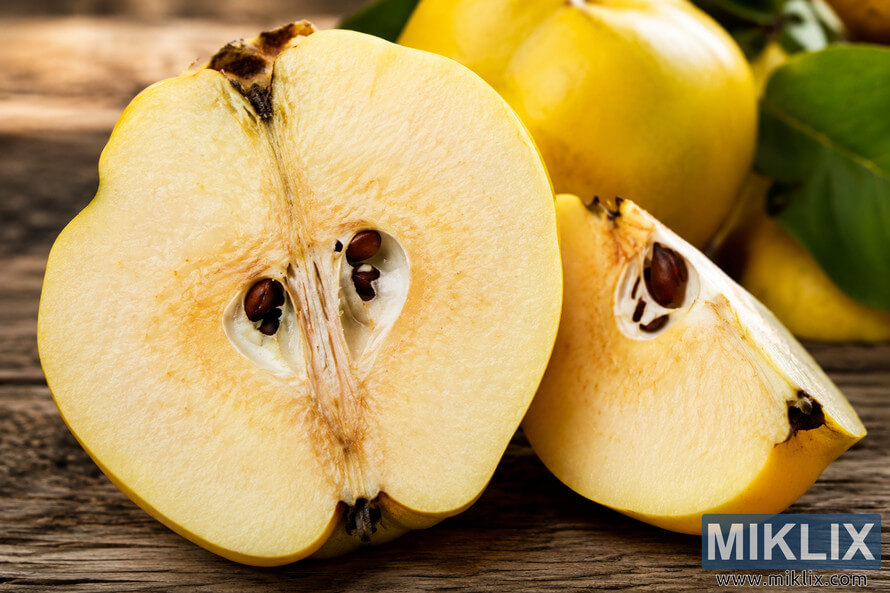
The seeds of quince contain mucilage, a gel-like substance with soothing properties traditionally used in herbal medicine. However, quince seeds also contain small amounts of cyanogenic glycosides, which can release cyanide when chewed or crushed. For this reason, whole seeds should never be consumed, though the flesh surrounding them is perfectly safe.
Kliknutím nebo klepnutím na obrázek získáte další informace a vyšší rozlišení.
Digestive Health Benefits: How Quince Supports Your Gut
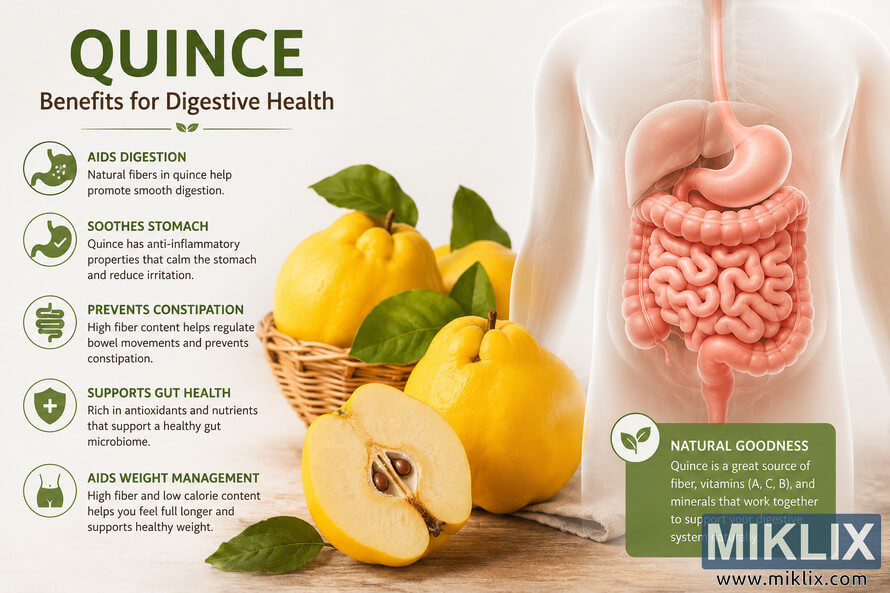
The digestive health benefits of quince have been recognized for millennia. Modern research now validates many traditional uses, revealing the scientific mechanisms behind this fruit's gut-supporting properties. The combination of fiber, tannins, and mucilaginous compounds makes quince particularly effective for various digestive complaints.
Relief from Gastric Ulcers and Stomach Issues
Research suggests that quince may help protect the stomach lining and reduce symptoms associated with gastric ulcers. The fruit contains compounds that can help neutralize stomach acid and form a protective coating over irritated tissue. Studies have shown that quince extract demonstrates anti-ulcer properties, potentially reducing damage caused by excessive acid production or bacterial infections like Helicobacter pylori.
The pectin and other soluble fibers in quince create a soothing gel when mixed with digestive fluids. This gel-like consistency may help coat and protect the stomach and intestinal walls, providing relief from irritation and inflammation. Traditional medicine systems have long used quince syrup as a gentle remedy for stomach discomfort, nausea, and digestive upset.
Kliknutím nebo klepnutím na obrázek získáte další informace a vyšší rozlišení.
Managing Acid Reflux and GERD Symptoms
Many people report that quince helps manage symptoms of acid reflux and gastroesophageal reflux disease (GERD). The fruit's natural compounds may help strengthen the lower esophageal sphincter, the muscle that prevents stomach acid from backing up into the esophagus. Additionally, quince's alkaline properties can help neutralize excess acid, providing relief from heartburn and related discomfort.
Quince syrup, made by slowly cooking the fruit with sugar or honey, has been traditionally used to soothe reflux symptoms. The syrup's thick consistency coats the throat and esophagus, providing immediate relief from burning sensations. While more research is needed to fully understand the mechanisms, preliminary studies and centuries of traditional use support quince's role in managing reflux symptoms.
Benefits for Digestive Health
- Forms protective coating on stomach lining
- May help reduce acid reflux symptoms
- Supports regular bowel movements
- Soothes inflammatory bowel conditions
- Promotes beneficial gut bacteria growth
Considerations
- Should be cooked before consumption for best results
- May interact with certain medications
- Excessive consumption may cause digestive discomfort
- Not a replacement for medical treatment of serious conditions
Promoting Healthy Bowel Movements and Preventing Constipation
The fiber content in quince plays a crucial role in maintaining regular bowel movements and preventing constipation. Both soluble and insoluble fiber work together to improve stool consistency and promote healthy transit time through the digestive system. Regular consumption of fiber-rich foods like quince can help prevent common digestive problems and support long-term gut health.
Insoluble fiber adds bulk to stool, making it easier to pass and reducing the strain associated with constipation. Meanwhile, soluble fiber helps retain moisture in the stool, preventing it from becoming too hard or dry. This combination makes quince particularly effective for individuals struggling with irregular bowel movements or chronic constipation issues.
Supporting Beneficial Gut Bacteria
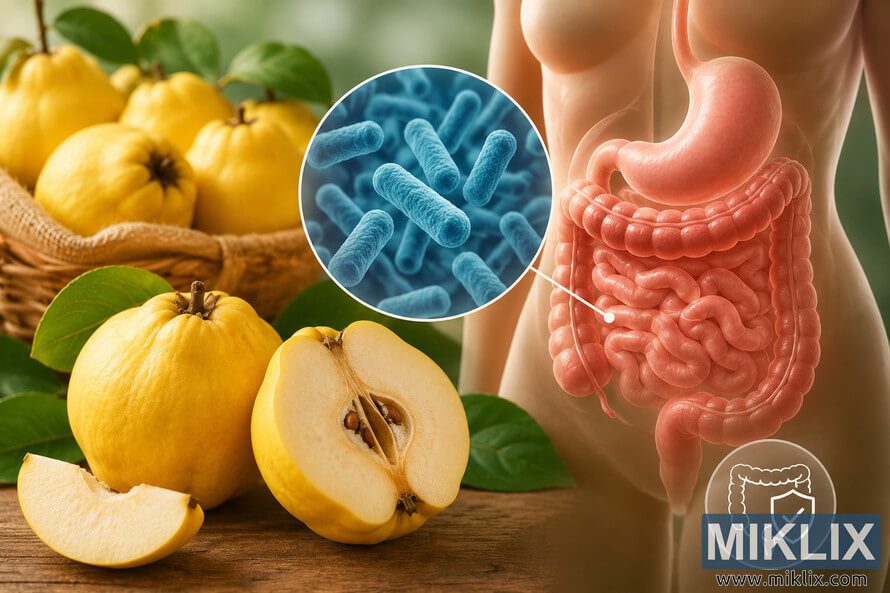
Emerging research suggests that the compounds in quince may act as prebiotics, feeding beneficial bacteria in the gut microbiome. A healthy, diverse gut microbiome is essential for optimal digestion, immune function, and even mental health. The fiber and phenolic compounds in quince provide nourishment for helpful bacteria like Lactobacillus and Bifidobacterium species.
By supporting a balanced gut microbiome, quince may help prevent dysbiosis, an imbalance in gut bacteria associated with numerous health problems. These beneficial bacteria produce short-chain fatty acids when they ferment fiber, which provide energy for intestinal cells and have anti-inflammatory effects throughout the body.
Kliknutím nebo klepnutím na obrázek získáte další informace a vyšší rozlišení.
Immune System Support: Strengthening Your Body's Natural Defenses
The immune system benefits of quince stem primarily from its rich vitamin C content and powerful antioxidant compounds. These nutrients work synergistically to enhance immune function, helping your body fight off infections and maintain optimal health throughout the year. Regular consumption of vitamin C-rich fruits like quince may help reduce the duration and severity of common illnesses.
Vitamin C and Immune Function
Vitamin C is perhaps the most well-known immune-supporting nutrient, and quince provides a significant amount in each serving. This essential vitamin enhances the production and function of white blood cells, which are critical for identifying and eliminating pathogens. Vitamin C also acts as a powerful antioxidant, protecting immune cells from damage caused by free radicals generated during immune responses.
Beyond supporting white blood cell function, vitamin C helps maintain the integrity of skin and mucous membranes, which serve as the body's first line of defense against pathogens. These barrier tissues prevent bacteria, viruses, and other harmful organisms from entering the body. Adequate vitamin C intake ensures these protective barriers remain strong and effective.
Antioxidants and Free Radical Protection
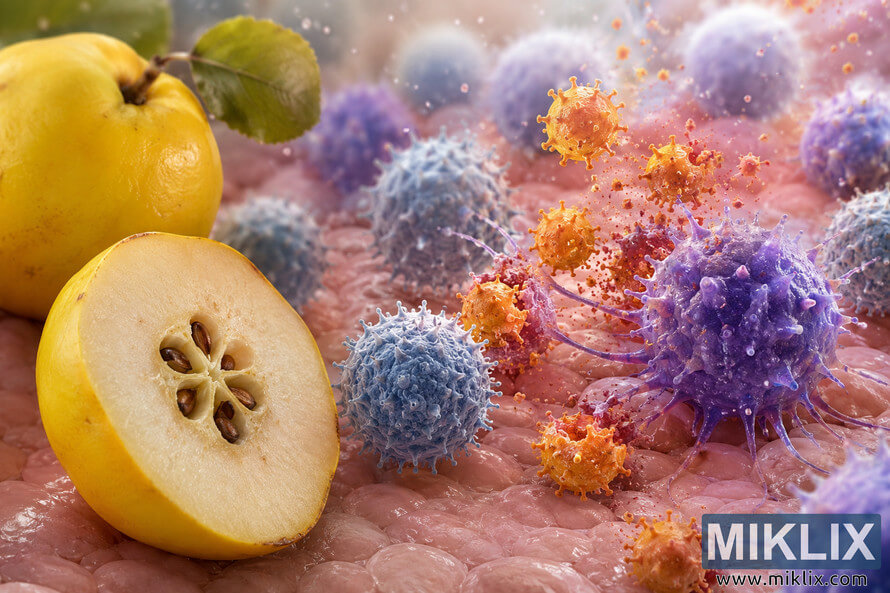
The antioxidants in quince extend beyond vitamin C to include numerous polyphenols and flavonoids. These compounds neutralize free radicals, unstable molecules that can damage cells and weaken immune function. Oxidative stress from excessive free radical activity has been linked to chronic inflammation, accelerated aging, and increased susceptibility to disease.
Studies have identified specific antioxidants in quince, including quercetin and kaempferol, which demonstrate significant anti-inflammatory and immune-modulating properties. These compounds may help reduce inflammation in the body, allowing the immune system to function more efficiently and respond more appropriately to threats without causing excessive collateral damage to healthy tissues.
Kliknutím nebo klepnutím na obrázek získáte další informace a vyšší rozlišení.
Antimicrobial Properties
Research suggests that extracts from quince fruit and seeds possess natural antimicrobial properties. Laboratory studies have demonstrated activity against various bacteria and fungi, including some that commonly cause infections in humans. While eating quince fruit may not replicate the concentrated effects seen in laboratory settings, these findings suggest potential immune-supporting benefits worth exploring further.
The antimicrobial effects appear to come from multiple compounds working together, including organic acids, tannins, and phenolic substances. This multi-component action may make it more difficult for bacteria to develop resistance, a growing concern with conventional antibiotics. However, quince should be viewed as a complementary dietary approach rather than a replacement for medical antimicrobial treatments.
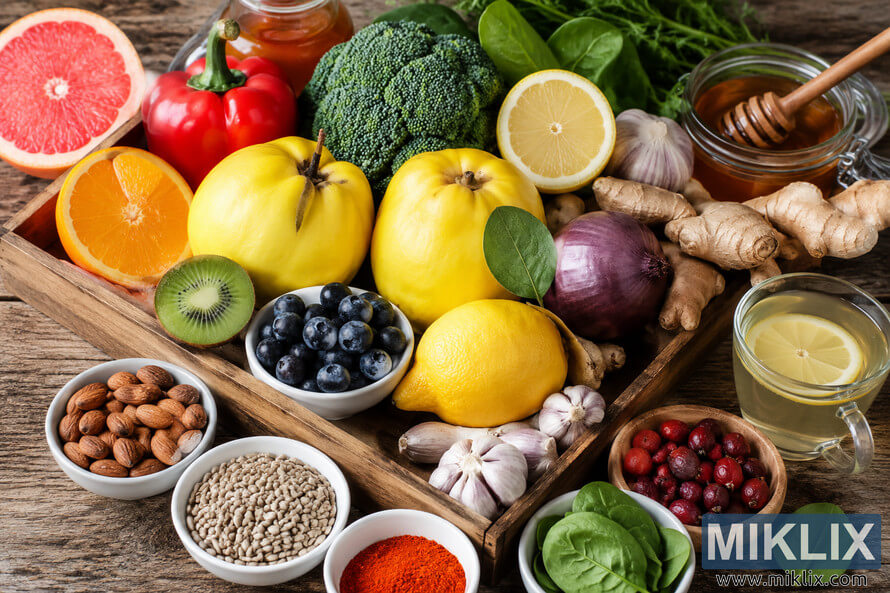
Immune-Boosting Tip: For maximum immune system support, combine quince with other vitamin C-rich foods like citrus fruits, bell peppers, and leafy greens. A varied diet provides diverse antioxidants and nutrients that work together to optimize immune function.
Kliknutím nebo klepnutím na obrázek získáte další informace a vyšší rozlišení.
Heart Health Benefits: Supporting Cardiovascular Function
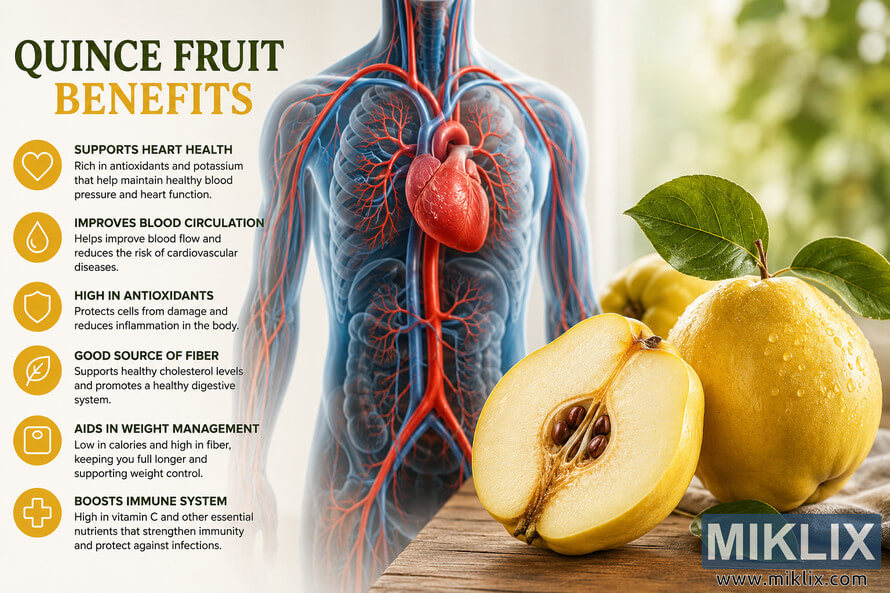
Cardiovascular disease remains the leading cause of death globally, making heart health a priority for many individuals. The health benefits of quince extend to cardiovascular support through multiple mechanisms, including cholesterol management, blood pressure regulation, and inflammation reduction. Incorporating heart-healthy fruits like quince into your diet may help reduce risk factors associated with heart disease.
Cholesterol Management and Arterial Health
The soluble fiber in quince plays a crucial role in managing cholesterol levels. This type of fiber binds to cholesterol and bile acids in the digestive tract, preventing their absorption and promoting their excretion. By reducing cholesterol absorption, regular consumption of fiber-rich foods like quince may help lower total cholesterol and LDL (bad) cholesterol levels over time.
Research indicates that the pectin content in quince may be particularly effective for cholesterol management. Pectin has been shown to reduce cholesterol absorption and support healthy lipid profiles. Additionally, the antioxidants in quince help prevent the oxidation of LDL cholesterol, a critical step in the development of atherosclerosis and arterial plaque formation.
Blood Pressure Regulation
Quince contains potassium, a mineral essential for maintaining healthy blood pressure levels. Potassium works in opposition to sodium, helping to relax blood vessel walls and promote proper fluid balance in the body. Adequate potassium intake has been associated with reduced blood pressure and lower risk of stroke and heart disease.
The anti-inflammatory compounds in quince may also contribute to blood pressure management by improving endothelial function, the health and flexibility of blood vessel linings. Healthy endothelial function allows blood vessels to dilate and constrict properly in response to the body's needs, maintaining optimal blood flow and pressure levels.
Kliknutím nebo klepnutím na obrázek získáte další informace a vyšší rozlišení.
Reducing Inflammation and Oxidative Stress
Chronic inflammation and oxidative stress are key contributors to cardiovascular disease development and progression. The powerful antioxidants in quince help combat both of these harmful processes. By neutralizing free radicals and reducing inflammatory signaling molecules, quince compounds may help protect the cardiovascular system from damage.
Studies have shown that the polyphenolic compounds in quince demonstrate significant anti-inflammatory effects. These substances may help reduce inflammation in blood vessels, decrease the risk of plaque formation, and improve overall cardiovascular health. While quince alone cannot prevent heart disease, it can be a valuable component of a heart-healthy diet and lifestyle.
Kliknutím nebo klepnutím na obrázek získáte další informace a vyšší rozlišení.
Anti-Inflammatory Properties: Natural Relief from Chronic Inflammation
Chronic inflammation underlies many modern health conditions, from arthritis to metabolic syndrome. The anti-inflammatory properties of quince offer a natural approach to managing inflammation and potentially reducing the risk of inflammation-related diseases. The fruit's unique combination of antioxidants, phenolic compounds, and fiber work together to modulate inflammatory responses throughout the body.
Mechanisms of Anti-Inflammatory Action
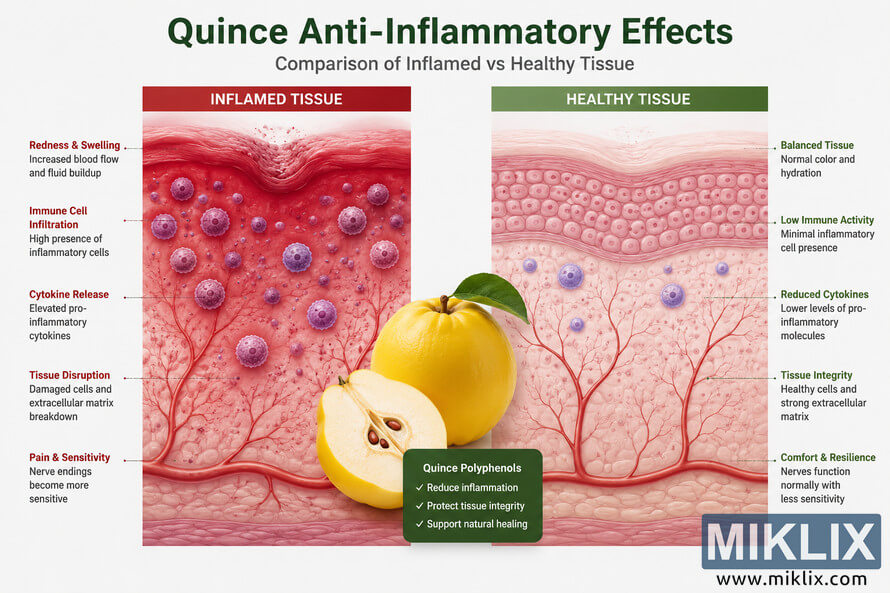
The anti-inflammatory effects of quince operate through multiple pathways. The fruit's polyphenolic compounds inhibit the production of pro-inflammatory cytokines and enzymes such as COX-2 and TNF-alpha. These molecules play central roles in initiating and perpetuating inflammatory responses. By modulating their activity, quince compounds may help reduce inflammation without completely suppressing the immune system.
Research has demonstrated that quince extract can reduce inflammation in various experimental models. The flavonoids and phenolic acids in the fruit appear particularly important for these effects. These compounds work synergistically with vitamin C and other antioxidants to provide comprehensive anti-inflammatory support throughout the body.
Kliknutím nebo klepnutím na obrázek získáte další informace a vyšší rozlišení.
Benefits for Joint Health and Arthritis
While more research is needed, preliminary studies suggest that the anti-inflammatory properties of quince may benefit individuals with inflammatory joint conditions like arthritis. The compounds in quince may help reduce joint pain, swelling, and stiffness by decreasing inflammatory markers in joint tissues. Regular consumption of anti-inflammatory foods like quince, combined with other lifestyle modifications, may provide complementary support for managing arthritis symptoms.
The antioxidants in quince also help protect joint cartilage from oxidative damage, which can accelerate joint degradation. By neutralizing free radicals and reducing inflammation, quince may help preserve joint structure and function over time. However, it should be viewed as part of a comprehensive approach to joint health rather than a standalone treatment.
Supporting Respiratory Health
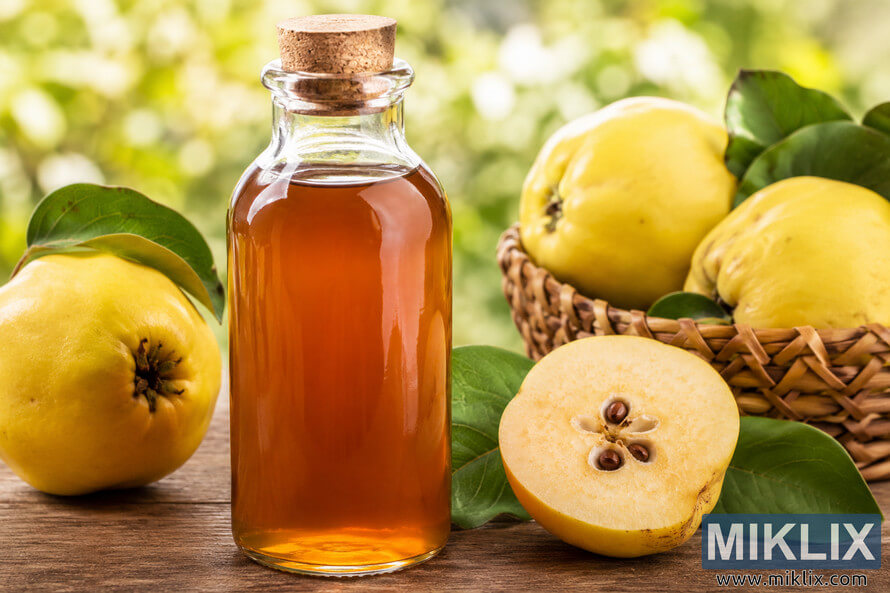
Traditional medicine systems have long used quince to address respiratory conditions characterized by inflammation. The fruit's anti-inflammatory and soothing properties may help reduce symptoms of conditions like bronchitis, asthma, and chronic cough. Quince syrup has been particularly popular for relieving throat irritation and cough, both in adults and children.
The mucilaginous compounds in quince create a protective coating over irritated respiratory tissues, providing immediate relief from discomfort. Combined with the fruit's anti-inflammatory effects, this soothing action may help calm inflamed airways and reduce excessive mucus production. While not a replacement for medical treatment, quince can complement conventional therapies for respiratory conditions.
Kliknutím nebo klepnutím na obrázek získáte další informace a vyšší rozlišení.
Antioxidant Benefits: Protecting Cells from Oxidative Damage
Oxidative stress occurs when free radicals overwhelm the body's antioxidant defenses, leading to cellular damage and contributing to aging and disease development. The robust antioxidant profile of quince fruit provides powerful protection against this damage, supporting long-term health and potentially reducing the risk of chronic diseases.
Understanding Free Radicals and Oxidative Stress
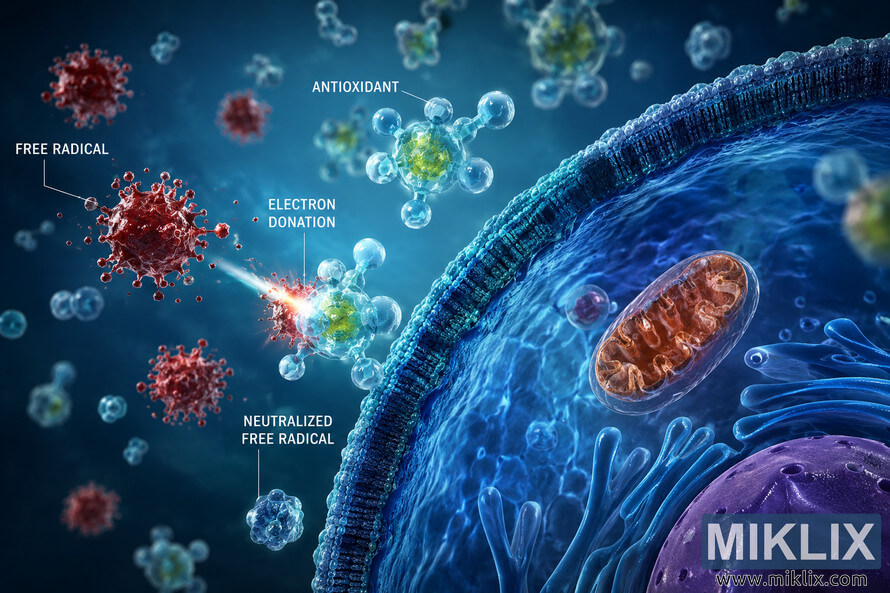
Free radicals are unstable molecules produced naturally during metabolism and in response to environmental stressors like pollution, UV radiation, and poor diet. These reactive molecules seek to stabilize themselves by stealing electrons from other molecules, potentially damaging DNA, proteins, and cell membranes in the process. While some free radical production is normal and necessary, excessive levels create oxidative stress that accelerates aging and disease.
Antioxidants neutralize free radicals by donating electrons without becoming unstable themselves. This protective action prevents free radicals from damaging cellular components. The body produces some antioxidants internally, but dietary sources like quince provide essential additional protection. A diet rich in diverse antioxidants from various fruits and vegetables offers the most comprehensive defense against oxidative stress.
Kliknutím nebo klepnutím na obrázek získáte další informace a vyšší rozlišení.
Key Antioxidant Compounds in Quince
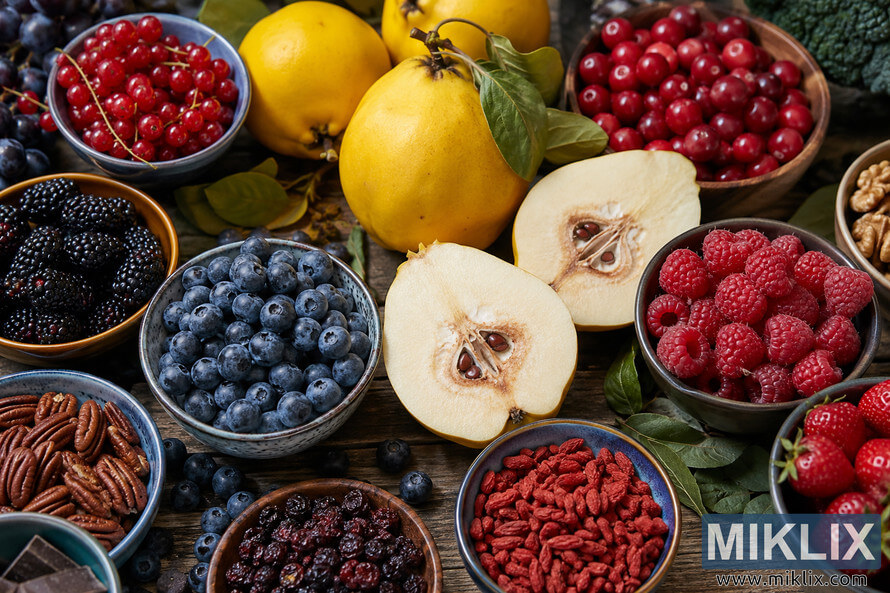
Quince contains an impressive array of antioxidant compounds, each contributing unique protective benefits. Major antioxidants in quince include vitamin C, phenolic acids (such as caffeic acid and chlorogenic acid), and flavonoids (including quercetin, kaempferol, and rutin). These compounds work synergistically, often providing greater protection together than individually.
Research has quantified the total antioxidant capacity of quince, finding it comparable to or exceeding that of many common fruits. The concentration of antioxidants varies depending on growing conditions, ripeness, and preparation methods. Interestingly, some studies suggest that cooking quince may actually increase the bioavailability of certain antioxidants, making them easier for the body to absorb and utilize.
Disease Prevention and Longevity
The antioxidants in quince may help prevent or slow the development of various chronic diseases associated with oxidative stress. Research links antioxidant-rich diets to reduced risk of cardiovascular disease, certain cancers, neurodegenerative conditions, and metabolic disorders. While no single food can prevent disease, regular consumption of antioxidant-rich foods like quince contributes to overall protective effects.
Beyond disease prevention, antioxidants support healthy aging by protecting cells from accumulated damage over time. Some research suggests that dietary antioxidants may help maintain cognitive function, preserve skin health, and support overall vitality as we age. The diverse antioxidant profile of quince makes it a valuable addition to an anti-aging dietary approach.
Kliknutím nebo klepnutím na obrázek získáte další informace a vyšší rozlišení.
Weight Management Benefits: Supporting Healthy Body Composition
Maintaining a healthy weight involves numerous factors, from caloric intake to metabolic function. Quince fruit offers several properties that may support weight management efforts when incorporated into a balanced diet and healthy lifestyle. The fruit's low calorie content, high fiber, and beneficial effects on metabolism make it an excellent choice for those working toward weight goals.
Kliknutím nebo klepnutím na obrázek získáte další informace a vyšší rozlišení.
Low Calorie Density and Satiety
With only about 52 calories per medium fruit, quince provides satisfying volume and flavor without excessive calories. This low energy density makes it easier to feel full and satisfied while maintaining a caloric deficit necessary for weight loss. The high water and fiber content further enhance satiety, helping to reduce overall calorie intake throughout the day.
Foods with low calorie density allow you to eat larger portions without consuming excessive calories. This psychological benefit shouldn't be underestimated, as feeling deprived often leads to dietary non-compliance. Incorporating satisfying, low-calorie foods like quince can make weight management feel less restrictive and more sustainable long-term.
Blood Sugar Regulation and Reduced Cravings
The fiber in quince helps slow the absorption of sugar into the bloodstream, preventing the rapid spikes and crashes that can trigger cravings and overeating. Stable blood sugar levels support consistent energy throughout the day and reduce the likelihood of reaching for high-calorie snacks between meals. This blood sugar-stabilizing effect may be particularly beneficial for individuals with insulin resistance or prediabetes.
Studies suggest that the compounds in quince may help improve insulin sensitivity, allowing cells to respond more effectively to insulin signals. Better insulin sensitivity supports efficient glucose metabolism and may reduce fat storage. While quince alone won't dramatically improve insulin resistance, it can contribute to the overall dietary patterns that support metabolic health.
Metabolism and Fat Oxidation
Some research indicates that certain compounds in quince may support fat metabolism and energy expenditure. The fruit contains organic acids and polyphenols that may influence metabolic pathways related to fat breakdown and utilization. While these effects are modest and require further study, they suggest potential benefits beyond simple calorie reduction.
The vitamin C in quince also plays a role in fat metabolism. This essential nutrient is required for the synthesis of carnitine, a compound that transports fatty acids into cells' mitochondria where they're burned for energy. Adequate vitamin C intake supports optimal fat oxidation, potentially enhancing weight loss efforts when combined with caloric restriction and physical activity.
Weight Management Support
- Low calorie content (52 calories per fruit)
- High fiber promotes fullness and satiety
- Helps stabilize blood sugar levels
- May support healthy metabolism
- Reduces cravings and snacking
- Provides satisfying volume without excess calories
Incorporating Quince into a Weight Loss Diet
- Use in place of higher-calorie desserts
- Add to breakfast for sustained morning energy
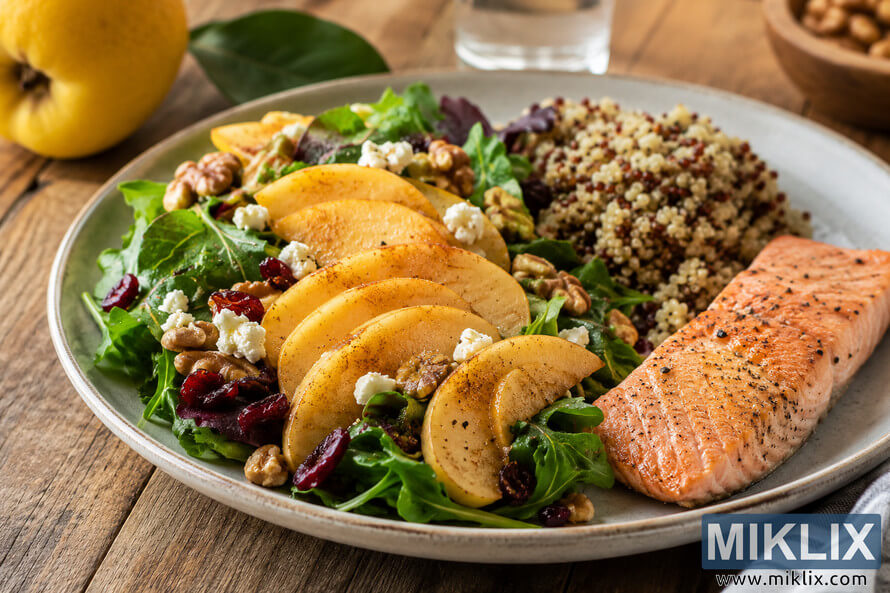
- Include in salads for flavor and texture
- Prepare as a healthy snack option
- Combine with protein for balanced meals
- Use in place of sugar in recipes

Kliknutím nebo klepnutím na obrázek získáte další informace a vyšší rozlišení.
How to Incorporate Quince into Your Diet: Practical Tips and Delicious Ideas
While quince requires cooking before consumption, this preparation opens up numerous culinary possibilities. From traditional preserves to innovative savory dishes, quince adds unique flavor and nutrition to your diet. Understanding proper preparation techniques ensures you can fully enjoy the health benefits of quince while creating delicious meals and treats.
Selecting and Storing Quince
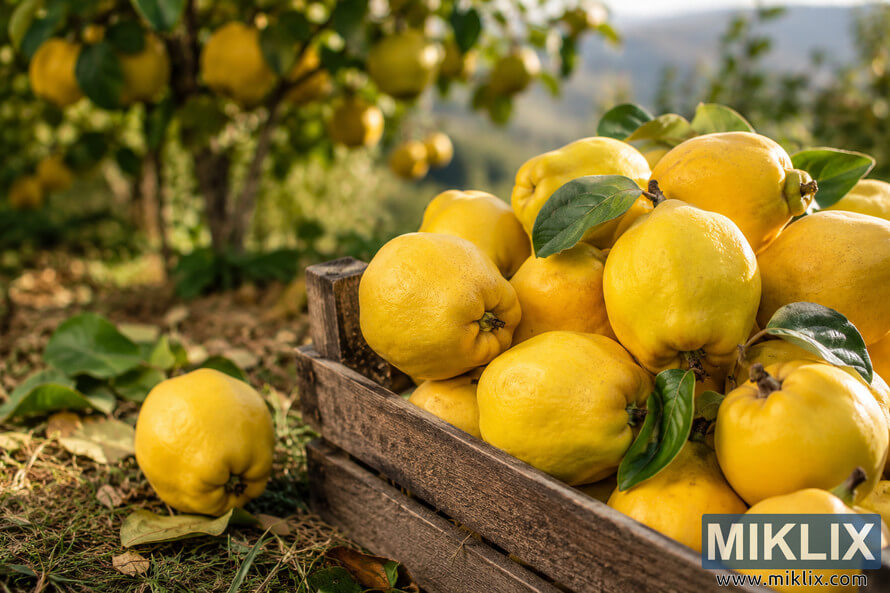
Choose quince that feels firm and heavy for its size, with bright golden-yellow skin and minimal blemishes. The fruit should release a sweet, floral fragrance when ripe. Avoid quince with soft spots, bruises, or green coloring, as these may not have reached optimal ripeness. The fuzzy coating on the skin is natural and can be removed by gentle rubbing or washing.
Store ripe quince at room temperature for 3-5 days or in the refrigerator for up to two weeks. The fruit continues to develop its characteristic aroma as it sits. Quince can also be frozen after cooking, making it convenient to prepare larger batches and store for future use. Properly stored cooked quince maintains its quality for several months in the freezer.
Kliknutím nebo klepnutím na obrázek získáte další informace a vyšší rozlišení.
Basic Preparation Methods
Always wash quince thoroughly before use to remove the fuzzy coating and any surface residue. Peel the skin with a vegetable peeler or sharp knife, as the skin becomes tough during cooking. Cut the fruit into quarters, remove the core and seeds (which should never be eaten), and slice or chop as needed for your recipe.
The most common cooking method involves simmering quince pieces in water with sugar until tender. This process typically takes 30-60 minutes, depending on the size of the pieces. As quince cooks, it transforms from cream-colored to beautiful pink or red, developing a sweet, complex flavor. The cooking liquid can be reserved and used as a flavorful syrup or base for beverages.
- Wash and dry the quince fruit thoroughly
- Peel the skin using a vegetable peeler
- Cut in half and remove the core and seeds
- Slice or dice according to your recipe
- Cook in water or syrup for 30-60 minutes until tender
- Use immediately or store for later use
Popular Quince Preparations
Quince Jam and Preserves
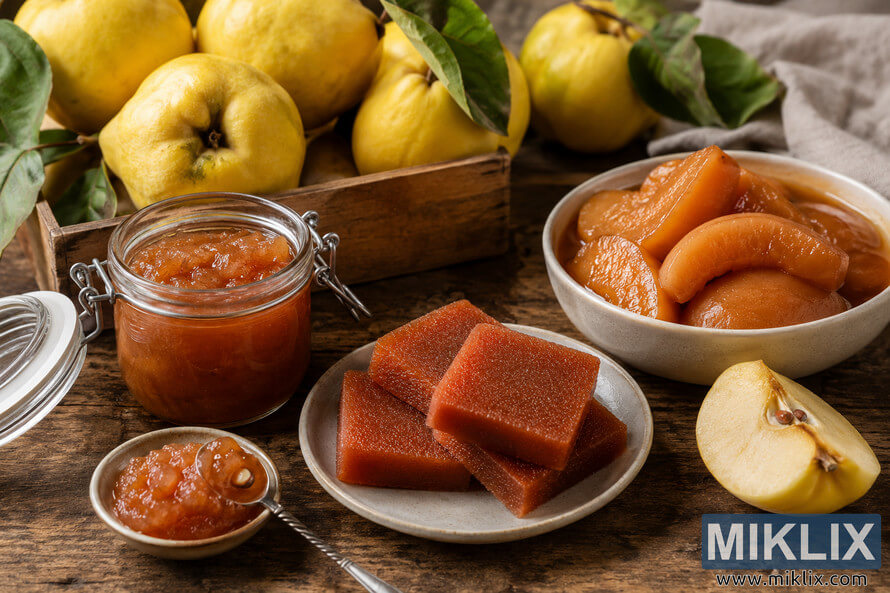
Quince jam represents one of the most popular preparations worldwide. The high pectin content in quince makes it ideal for jam-making, creating a thick, spreadable preserve with minimal added pectin. Quince jam pairs beautifully with cheese, particularly aged varieties, and makes an excellent filling for pastries and desserts.
To make basic quince jam, combine peeled and chopped quince with sugar and lemon juice, then simmer until the fruit breaks down and the mixture thickens. The ratio typically calls for equal weights of fruit and sugar, though this can be adjusted based on taste preferences. The jam develops a rich, ruby color and complex flavor that improves with aging.
Quince Paste (Membrillo)
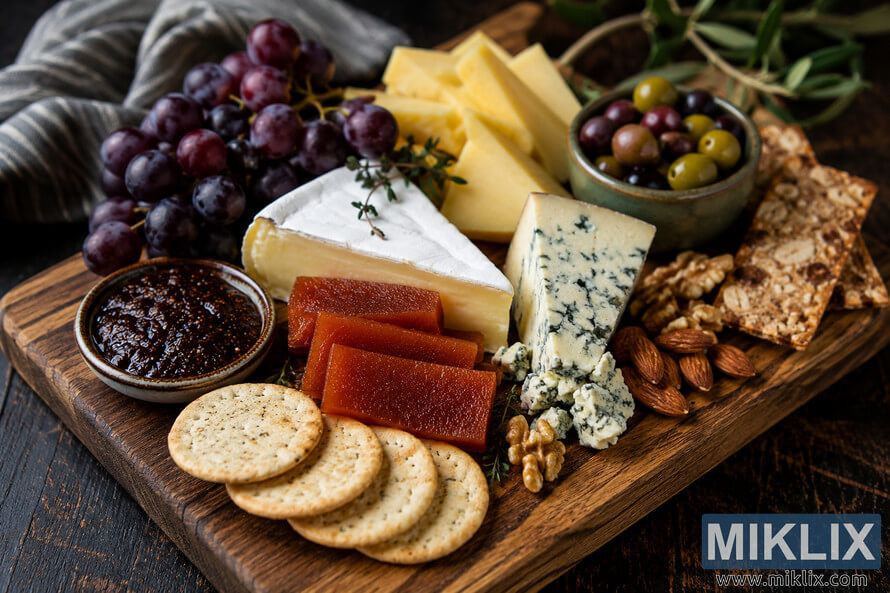
Quince paste, known as membrillo in Spanish cuisine, is a thick, sliceable confection traditionally served with cheese. The preparation involves cooking quince with sugar until very thick, then spreading the mixture in pans to set. Once firm, the paste can be sliced and served alongside cheese boards or used as a sweet accompaniment to savory dishes.
Making quince paste requires patience and constant stirring to prevent burning, but the result is a versatile product that stores well for months. The concentrated sweetness and unique flavor make it a prized delicacy in Mediterranean and Latin American cuisines.
Quince Syrup
Quince syrup offers both culinary and therapeutic applications. Made by simmering quince in water and straining the liquid before adding sugar or honey, this aromatic syrup can be used to sweeten beverages, drizzle over desserts, or take by the spoonful for digestive or respiratory support. Traditional medicine often recommends quince syrup for coughs and stomach discomfort.
Savory Quince Dishes
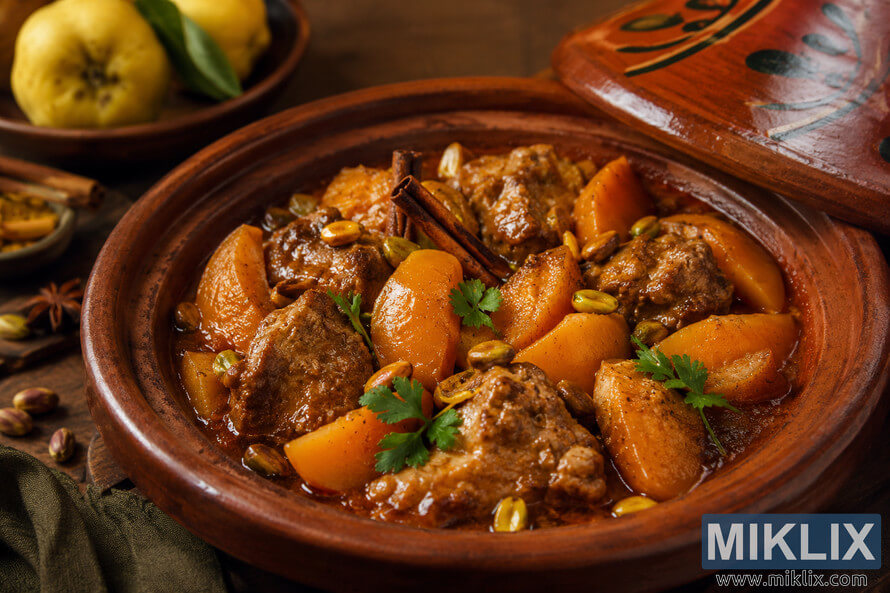
Beyond sweet preparations, quince excels in savory applications. The fruit pairs beautifully with meat, particularly lamb, pork, and poultry. Middle Eastern and Mediterranean cuisines frequently incorporate quince into stews and tagines, where the fruit's tartness balances rich, savory flavors. The fruit caramelizes beautifully when roasted, developing complex, savory-sweet notes.
Kliknutím nebo klepnutím na obrázek získáte další informace a vyšší rozlišení.
Creative Recipe Ideas
Breakfast Ideas
- Quince compote over oatmeal
- Quince jam on whole grain toast
- Baked quince with yogurt and granola
- Quince smoothie bowls
- Quince pancake topping
Lunch & Dinner
- Roasted quince and chicken
- Quince and lentil salad
- Pork chops with quince glaze
- Quince and cheese quesadillas
- Lamb stew with quince
Desserts & Snacks
- Quince tart or pie
- Poached quince with ice cream
- Quince paste with cheese
- Quince crumble
- Baked quince with honey
Kliknutím nebo klepnutím na obrázek získáte další informace a vyšší rozlišení.
Potential Side Effects and Precautions: What You Need to Know
While quince fruit offers numerous health benefits and is generally safe for most people, certain precautions should be observed. Understanding potential side effects and contraindications ensures you can enjoy quince safely and maximize its benefits without unwanted consequences.

Kliknutím nebo klepnutím na obrázek získáte další informace a vyšší rozlišení.
General Safety Considerations
For most healthy adults, consuming cooked quince fruit in reasonable amounts poses no significant risks. The fruit has been consumed safely for thousands of years across many cultures. However, as with any food, moderation is key. Excessive consumption may lead to digestive discomfort due to the high fiber content, particularly for individuals unaccustomed to fiber-rich diets.
Always cook quince before eating. Raw quince flesh is extremely astringent and unpleasant to eat, though not typically dangerous in small amounts. The cooking process breaks down tannins and makes the fruit digestible and enjoyable. Never consume quince seeds, as they contain compounds that can release cyanide when chewed or crushed.
Allergic Reactions and Sensitivities
Quince allergies are rare but possible, particularly in individuals with allergies to related fruits like apples, pears, peaches, or apricots. These fruits belong to the Rosaceae family and share similar proteins that may trigger cross-reactive allergic responses. Symptoms of fruit allergy may include itching or tingling in the mouth, hives, swelling, or in severe cases, difficulty breathing.
If you have known allergies to other fruits in the Rosaceae family, consult with an allergist before trying quince. Start with a small amount and monitor for any adverse reactions. Individuals with oral allergy syndrome may experience milder symptoms, particularly when consuming raw or lightly cooked quince.
Medication Interactions
Quince may interact with certain medications, though documented interactions are limited. The fruit's effect on blood sugar levels means individuals taking diabetes medications should monitor their blood glucose carefully when adding quince to their diet. The fruit may enhance the blood sugar-lowering effects of medications, potentially leading to hypoglycemia.
The fiber content in quince can affect the absorption of some medications if consumed at the same time. If you take medications that require specific timing for optimal absorption, consider spacing quince consumption at least two hours apart from medication doses. Always consult your healthcare provider before making significant dietary changes if you take prescription medications.
Important Safety Warning: Never eat quince seeds. While the flesh of the fruit is safe and beneficial, the seeds contain amygdalin, a compound that breaks down into cyanide when chewed or crushed. Always remove and discard all seeds when preparing quince.

Kliknutím nebo klepnutím na obrázek získáte další informace a vyšší rozlišení.
Special Populations
Pregnancy and Breastfeeding
Limited research exists regarding quince consumption during pregnancy and breastfeeding. While cooked quince fruit in food amounts is generally considered safe, pregnant and nursing women should exercise caution with quince supplements or extracts. The seeds should definitely be avoided during pregnancy due to their cyanide content.
Traditional medicine has used quince syrup for morning sickness and digestive discomfort during pregnancy. However, pregnant women should consult their healthcare provider before using quince therapeutically. In food amounts, cooked quince provides beneficial nutrients that support maternal and fetal health.
Children
Cooked quince is safe for children and provides valuable nutrients for growing bodies. Quince syrup has been traditionally used to soothe children's coughs and digestive issues. However, ensure all seeds are completely removed before offering quince to children, as the cyanide risk poses particular danger to smaller bodies.
Introduce quince gradually to children's diets to monitor for any allergic reactions or digestive sensitivities. The fruit's sweet flavor when cooked often appeals to children, making it an excellent way to increase fruit consumption and dietary variety.
Can I eat quince raw?
No, raw quince is extremely astringent and unpleasant to eat due to high tannin content. While not typically dangerous in small amounts, raw quince should always be cooked before consumption to break down tannins and make the fruit palatable and digestible.
Are quince seeds safe to eat?
No, quince seeds should never be eaten. They contain amygdalin, which releases cyanide when chewed or crushed. Always remove and discard all seeds when preparing quince. Only the cooked flesh is safe for consumption.
Can diabetics eat quince?
Diabetics can enjoy quince in moderation as part of a balanced meal plan. The fiber in quince helps slow sugar absorption, but the fruit does contain natural sugars. Monitor blood glucose levels and consult your healthcare provider about incorporating quince into your diet, especially if taking diabetes medications.
How much quince can I eat per day?
Most people can safely enjoy 1-2 servings of cooked quince (about 100-200 grams) per day as part of a varied diet. Start with smaller amounts if you're new to quince or have sensitive digestion, then gradually increase as tolerated.
Can quince cause allergic reactions?
While rare, quince allergies can occur, particularly in people allergic to related fruits like apples, pears, or peaches. Symptoms may include mouth itching, hives, or swelling. If you have fruit allergies, consult an allergist before trying quince.
Kliknutím nebo klepnutím na obrázek získáte další informace a vyšší rozlišení.
Conclusion: Embracing the Health Benefits of Quince
Quince fruit deserves recognition as a valuable addition to a health-promoting diet. This ancient superfruit offers an impressive range of health benefits, from supporting digestive health and strengthening immune function to providing powerful antioxidants and anti-inflammatory compounds. The research-backed benefits combined with thousands of years of traditional use demonstrate quince's therapeutic potential.
The nutritional profile of quince provides essential vitamins, minerals, and dietary fiber while remaining remarkably low in calories. The fruit's unique combination of soluble and insoluble fiber supports digestive health, promotes satiety, and may help manage blood sugar and cholesterol levels. Rich in vitamin C and diverse antioxidant compounds, quince strengthens immune defenses and protects cells from oxidative damage.
Beyond these well-established benefits, emerging research continues to reveal new therapeutic applications for quince. Studies exploring its anti-inflammatory properties, antimicrobial effects, and potential role in chronic disease prevention suggest we've only begun to understand this fruit's full health potential. As scientific investigation progresses, quince may prove even more valuable than currently recognized.
Incorporating quince into your diet requires some preparation effort, as the fruit must be cooked before consumption. However, this cooking requirement opens up countless culinary possibilities, from traditional jams and preserves to innovative savory dishes. The transformation of hard, astringent fruit into tender, fragrant delicacy reflects the rewarding nature of working with this unique ingredient.
Whether you're seeking natural approaches to digestive concerns, looking to strengthen your immune system, or simply want to explore new flavors and expand your nutritional repertoire, quince offers something valuable. The fruit works best as part of a comprehensive healthy lifestyle that includes varied whole foods, regular physical activity, adequate sleep, and stress management.
As with any dietary addition, start gradually and pay attention to how your body responds. Most people tolerate quince well and enjoy its unique flavor and health-supporting properties. Remember to remove all seeds before consumption and always cook the fruit thoroughly. If you have existing health conditions or take medications, consult your healthcare provider before making significant dietary changes.
The health benefits of quince extend beyond individual nutrition to connect us with culinary traditions spanning millennia and cultures worldwide. Embracing this forgotten superfruit honors both ancient wisdom and modern scientific understanding, bringing together the best of traditional food knowledge and contemporary nutritional research.
Kliknutím nebo klepnutím na obrázek získáte další informace a vyšší rozlišení.
Další čtení
Pokud se vám tento příspěvek líbil, mohly by se vám líbit i tyto návrhy:
- Přírodní uklidňující pilulka: Proč doplňky stravy s tryptofanem získávají na popularitě pro úlevu od stresu
- Mocné mango: Přírodní tropické superovoce
- Palivo pro mozek v kapsli: Jak acetyl L-karnitin dodává energii a soustředění