
A Complete Guide to the Health Benefits of Sage
Nai-publish:
Huling na-update: Hunyo 8, 2026 nang 6:49:51 PM UTC
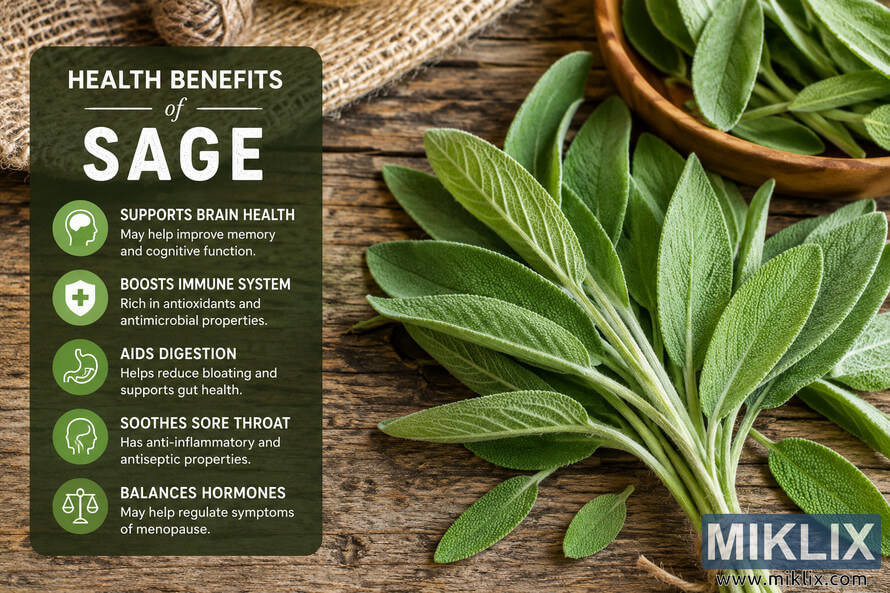
Sage has been treasured for thousands of years. Ancient civilizations used this powerful herb for healing and spiritual practices. Today, modern science confirms what traditional healers always knew.
A Complete Guide to the Health Benefits of Sage
I-click o i-tap ang larawan para sa karagdagang impormasyon at mas mataas na resolution.
This aromatic herb offers remarkable health benefits. From supporting brain function to managing blood sugar levels, sage proves its worth as more than just a kitchen spice.
Scientific research reveals the impressive properties of Salvia officinalis. Studies show its potential to fight inflammation, protect cells from damage, and support overall wellness. Whether you seek natural remedies or want to enhance your daily health routine, understanding sage can transform your approach to wellness.
Understanding Sage: Nature's Ancient Remedy
The Origins and Traditional Uses of Salvia Officinalis
Salvia officinalis, commonly known as common sage, belongs to the mint family. This perennial herb originated in the Mediterranean region. Ancient Romans considered it sacred and used it in religious ceremonies.
The name "sage" comes from the Latin word "salvere." This translates to "to save" or "to heal." This etymology reflects the herb's long-standing reputation as a medicinal plant.
Traditional medicine systems employed sage for various purposes. Practitioners used it to treat digestive complaints, memory problems, and inflammatory conditions. Native American tribes burned sage bundles for purification rituals.
Sage Throughout History
Medieval European monks cultivated sage in monastery gardens. They believed the herb could extend life and improve wisdom. The saying "Why should a man die whilst sage grows in his garden?" became popular during this era.
Chinese traders valued European sage so highly they exchanged their prized tea leaves for it. The trade ratio was often three cases of tea for one case of sage.
Modern herbalists continue to recommend sage. The herb maintains its position in natural medicine practices worldwide. Today, scientific research validates many traditional uses of this remarkable plant.
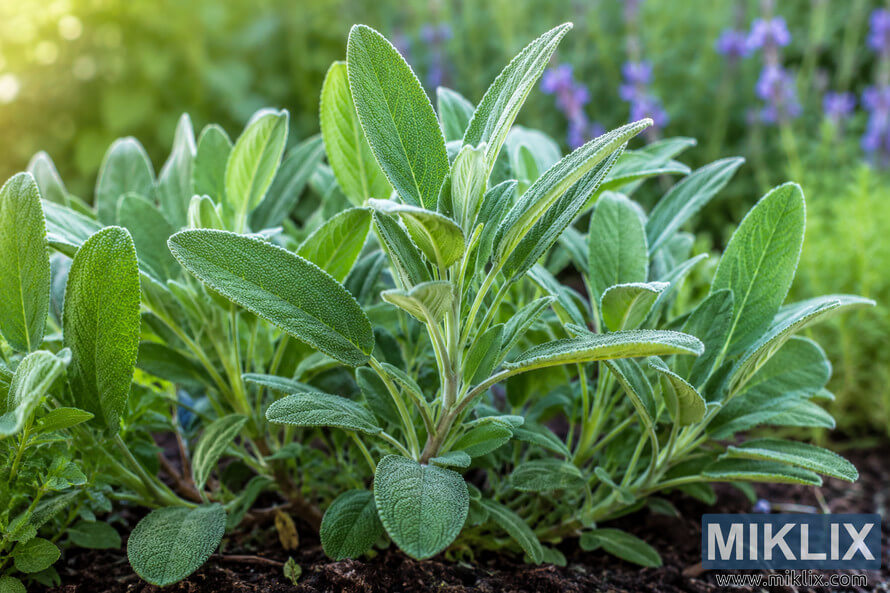
Quick Fact: Sage contains over 160 different plant compounds. These include flavonoids, phenolic acids, and essential oils that contribute to its therapeutic properties.
I-click o i-tap ang larawan para sa karagdagang impormasyon at mas mataas na resolution.
Nutritional Composition: What Makes Sage So Powerful
Essential Vitamins and Minerals
Sage delivers an impressive array of nutrients. A single tablespoon of fresh sage leaves provides vitamin K, vitamin A, and vitamin C. It also contains folate, calcium, iron, and magnesium.
The herb supplies small amounts of vitamin E and B vitamins. These include thiamin, riboflavin, and vitamin B6. Each nutrient plays a role in maintaining body functions.
Despite its small serving size, sage contributes meaningful nutrition. The concentrated vitamin K content supports bone health and blood clotting. Iron aids oxygen transport throughout the body.
Active Compounds in Sage
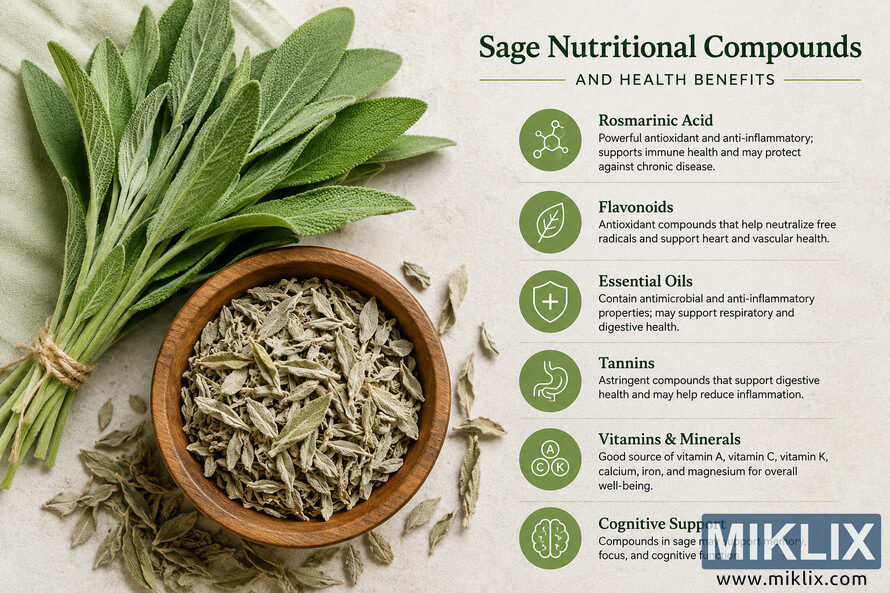
The real power of sage lies in its bioactive compounds. These plant chemicals provide most of the herb's health benefits. Research identifies several key components that make sage special.
Primary Active Compounds
- Rosmarinic acid - powerful antioxidant and anti-inflammatory agent
- Carnosic acid - neuroprotective properties
- Chlorogenic acid - blood glucose regulation
- Caffeic acid - cellular protection
- Ellagic acid - anti-cancer potential
Essential Oil Components
- Thujone - antimicrobial effects
- Camphor - respiratory support
- 1,8-cineole - anti-inflammatory
- Alpha-pinene - bronchodilator
- Beta-pinene - antimicrobial properties
Antioxidant Capacity
Sage ranks among the herbs with highest antioxidant activity. The Oxygen Radical Absorbance Capacity (ORAC) value for sage exceeds many common vegetables and fruits. This measurement indicates the herb's ability to neutralize harmful free radicals.
Studies show that sage extract demonstrates remarkable antioxidant effects. The compounds in sage protect cells from oxidative stress. This protection may reduce the risk of chronic diseases.
Fresh and dried sage both contain antioxidant compounds. However, the concentration varies between forms. Dried sage often contains more concentrated levels of certain beneficial compounds.
I-click o i-tap ang larawan para sa karagdagang impormasyon at mas mataas na resolution.
Science-Backed Health Benefits of Sage
Powerful Antioxidant Properties
Free radicals damage cells and contribute to aging and disease. Sage combats these harmful molecules through its rich antioxidant content. Research demonstrates that sage extract neutralizes various types of free radicals.
The rosmarinic acid in sage shows particularly strong antioxidant effects. This compound protects lipids, proteins, and DNA from oxidative damage. Studies indicate that regular consumption of sage may reduce oxidative stress markers in the body.
One study found that drinking sage tea increased antioxidant defenses. Participants showed improved antioxidant status after just two weeks. The effects persisted even after discontinuing sage consumption.
Anti-Inflammatory Effects
Chronic inflammation links to numerous health conditions. These include heart disease, diabetes, and autoimmune disorders. Sage contains compounds that reduce inflammation throughout the body.
Research shows sage extract inhibits inflammatory pathways. The herb reduces the production of inflammatory molecules like cytokines and prostaglandins. Animal studies demonstrate that sage extracts decrease markers of inflammation in various tissues.
Human research supports these findings. People taking sage supplements showed reduced inflammatory markers in blood tests. The anti-inflammatory effects appear dose-dependent, with higher amounts producing stronger results.
Research Insight: A study published in scientific journals found that sage extract reduced inflammation markers by up to 30% in participants with inflammatory conditions.
I-click o i-tap ang larawan para sa karagdagang impormasyon at mas mataas na resolution.
Cognitive Function and Brain Health
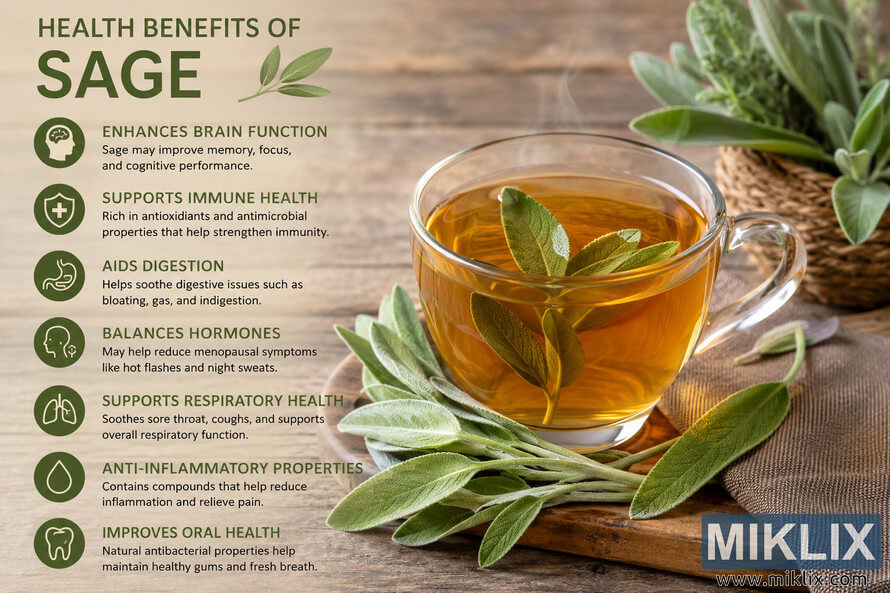
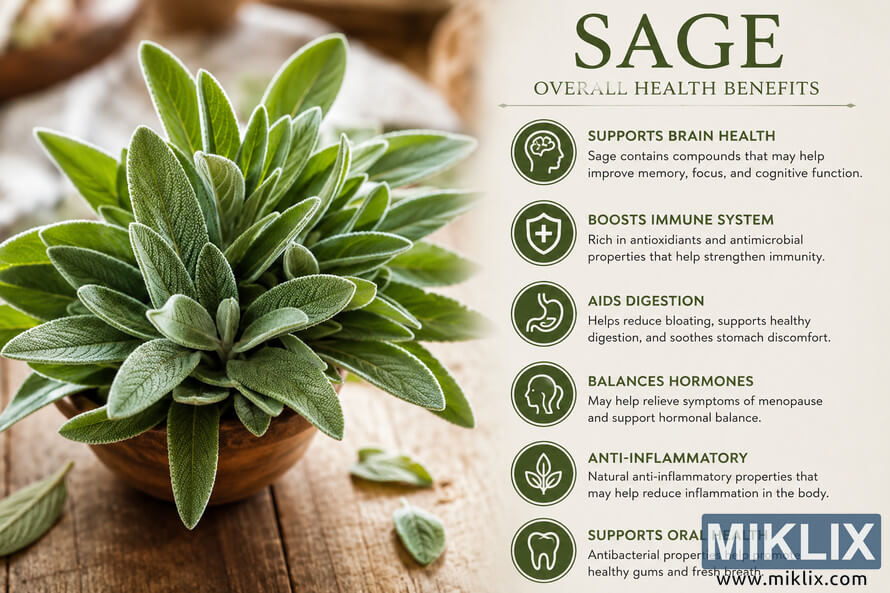
Sage earned its reputation as the "brain herb" for good reason. Multiple studies examine sage's effects on memory, focus, and cognitive performance. The results consistently show promising benefits.
Research on healthy adults reveals that sage improves memory recall. Study participants performed better on memory tests after taking sage extract. The improvements appeared within hours of consumption.
Scientists investigate sage for Alzheimer disease treatment. The herb contains compounds that may protect brain cells from damage. Acetylcholinesterase inhibition by sage extracts helps maintain neurotransmitter levels crucial for memory.
Studies show sage essential oil aromatherapy improves alertness. Participants exposed to sage aroma demonstrated enhanced cognitive performance. The scent alone appears to stimulate brain function.
Long-term sage consumption may provide neuroprotective effects. Animal research indicates that sage extracts reduce brain cell death. The compounds in sage protect neurons from oxidative damage and inflammation.
Digestive Health Support
Traditional use of sage for digestive complaints finds support in modern research. The herb contains compounds that soothe the digestive tract. Studies show sage reduces gastrointestinal spasms and discomfort.
Sage tea helps relieve bloating and gas. The carminative properties of sage promote the expulsion of intestinal gas. Many people report improved digestion after consuming sage with meals.
The antimicrobial compounds in sage may benefit gut health. Research demonstrates that sage extract inhibits harmful bacteria growth. This action potentially supports a healthier balance of gut microorganisms.
Sage stimulates bile production and secretion. This effect aids fat digestion and nutrient absorption. People with sluggish digestion may experience improvements from regular sage consumption.
Immune System Enhancement
Sage strengthens the body's natural defenses. The herb contains antimicrobial and antiviral compounds. These substances help the immune system fight infections more effectively.
Research shows sage extract inhibits various bacteria and viruses. Studies demonstrate activity against common pathogens including E. coli and Salmonella. The essential oils in sage show particularly strong antimicrobial effects.
Sage may reduce the duration and severity of colds. The herb's compounds support immune cell function. White blood cells work more efficiently in the presence of sage extracts.
Gargling with sage tea soothes sore throats. The antimicrobial properties help eliminate throat infections. Many natural practitioners recommend sage throat sprays for respiratory infections.
Blood Sugar Regulation
People with diabetes or prediabetes may benefit from sage. Research indicates that sage helps regulate blood glucose levels. Multiple studies examine this important property.
Sage extract improves insulin sensitivity. This effect helps cells respond better to insulin signals. Better insulin function means more stable blood sugar throughout the day.
Studies show sage reduces fasting blood glucose. Participants with type 2 diabetes experienced lower blood sugar readings. The glucose-lowering effects appeared comparable to some diabetes medications.
One study found that sage extract reduced blood glucose levels by up to 20%. Participants took sage supplements for three months. The improvements occurred without significant side effects.
Sage may prevent blood sugar spikes after meals. The herb appears to slow carbohydrate digestion and absorption. This action results in more gradual blood glucose increases.

I-click o i-tap ang larawan para sa karagdagang impormasyon at mas mataas na resolution.
Cholesterol and Heart Health
Cardiovascular health benefits emerge from sage consumption. Studies indicate that sage positively influences cholesterol levels. The herb's compounds affect lipid metabolism in beneficial ways.
Research demonstrates that sage lowers total cholesterol. Study participants showed reduced LDL (bad) cholesterol levels. HDL (good) cholesterol often remained stable or increased slightly.
Sage extract reduces triglyceride levels. High triglycerides increase heart disease risk. Regular sage consumption may help maintain healthier lipid profiles.
The antioxidant properties of sage protect blood vessels. Oxidized cholesterol damages arterial walls. Sage prevents this oxidation process, supporting vascular health.
Animal studies show that sage improves overall cardiovascular function. The herb reduces blood pressure in hypertensive subjects. These effects contribute to better heart health outcomes.
Menopausal Symptom Relief
Women experiencing menopause often find relief with sage. Research specifically examines sage for hot flashes and night sweats. The results show significant improvements.
Studies reveal that sage reduces hot flash frequency. Women taking sage supplements experienced fewer episodes per day. The intensity of hot flashes also decreased noticeably.
Sage appears particularly effective for night sweats. Participants reported better sleep quality after using sage. The reduction in sweating allowed more restful nights.
One clinical trial found that sage reduced hot flashes by up to 64%. Women took sage tablets daily for eight weeks. The improvements continued throughout the study period.
Spanish sage shows especially strong effects on menopausal symptoms. This variety contains specific compounds that influence hormonal responses. Many women prefer sage to conventional hormone therapy.

I-click o i-tap ang larawan para sa karagdagang impormasyon at mas mataas na resolution.
Different Forms of Sage and Their Uses
Fresh Sage Leaves
Fresh sage offers the most vibrant flavor. The leaves contain active compounds in their natural state. Many people grow sage plants at home for easy access.
Culinary uses dominate fresh sage applications. The herb enhances poultry dishes, pasta, and vegetables. Fresh leaves provide both flavor and health benefits.
Fresh sage makes excellent tea. Simply steep several leaves in hot water for 5-10 minutes. The resulting infusion delivers beneficial compounds in an easily absorbed form.
Store fresh sage in the refrigerator. Wrap the stems in damp paper towels and place in a plastic bag. Properly stored sage lasts up to one week.
Dried Sage
Dried sage concentrates the herb's active compounds. The drying process removes water while preserving beneficial substances. Some compounds become more concentrated in dried form.
Dried sage works well for cooking and tea preparation. The herb stores for extended periods without losing potency. Most commercial sage products use dried leaves.
Quality varies among dried sage products. Look for bright green color and strong aroma. Avoid sage that appears brown or has little scent.
Dried sage typically contains higher levels of certain compounds than fresh. However, some volatile oils may decrease during drying. Both forms offer distinct advantages.
Sage Essential Oil
Sage essential oil provides highly concentrated plant compounds. Steam distillation extracts the volatile components from sage leaves. The resulting oil contains powerful active substances.
Essential oils should never be consumed undiluted. Always dilute sage essential oil in carrier oils before topical use. Aromatherapy applications involve diffusing or inhaling the scent.
Sage essential oil demonstrates strong antimicrobial properties. The concentrated compounds kill bacteria and fungi effectively. Many natural cleaning products include sage oil.
Different types of sage produce distinct essential oils. Common sage oil differs from Spanish sage oil. Each variety contains unique compound profiles.
Important Safety Note: Sage essential oil contains high levels of thujone. This compound can be toxic in large amounts. Never ingest essential oils without professional guidance.
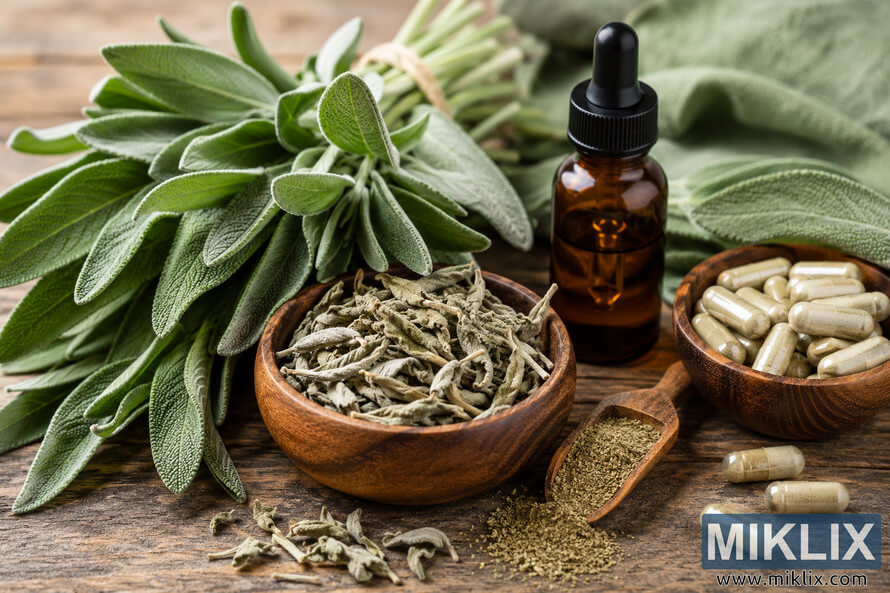
I-click o i-tap ang larawan para sa karagdagang impormasyon at mas mataas na resolution.
Sage Supplements and Extracts
Supplements provide standardized doses of sage compounds. Manufacturers concentrate specific beneficial substances in extract form. This standardization ensures consistent effects.
Sage supplements come in various forms. Capsules, tablets, and liquid extracts are common. Each delivery method offers different advantages.
Clinical studies typically use sage extract supplements. Researchers can control dosages precisely with extracts. The results from these studies guide usage recommendations.
Look for supplements that specify their compound content. Products standardized for rosmarinic acid or other key compounds ensure quality. Third-party testing provides additional assurance.
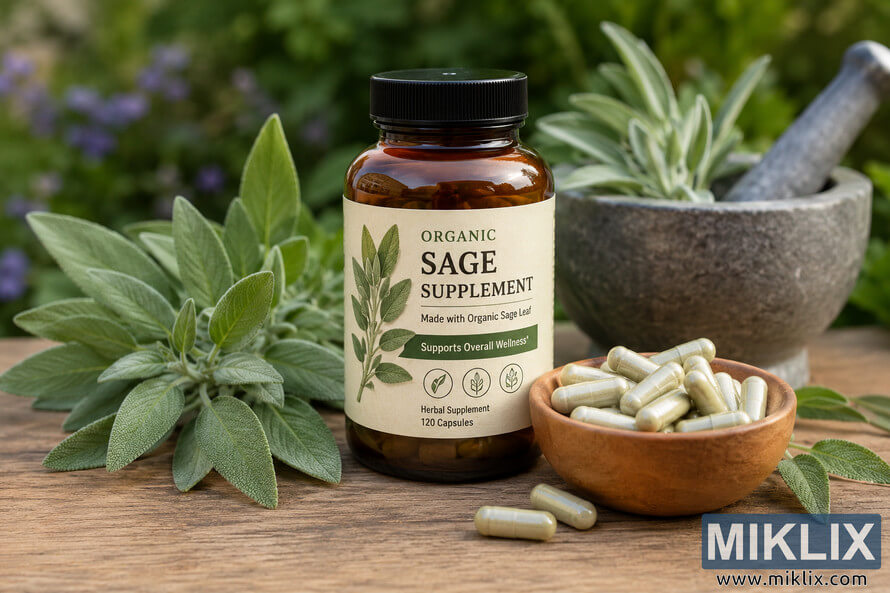
Sage Extract Supplements
Concentrated sage extract in easy-to-take capsules. Standardized for consistent potency and maximum benefits. Ideal for those seeking therapeutic doses.
- Standardized extract concentration
- Precise dosage control
- Convenient daily use
- Long shelf life
I-click o i-tap ang larawan para sa karagdagang impormasyon at mas mataas na resolution.
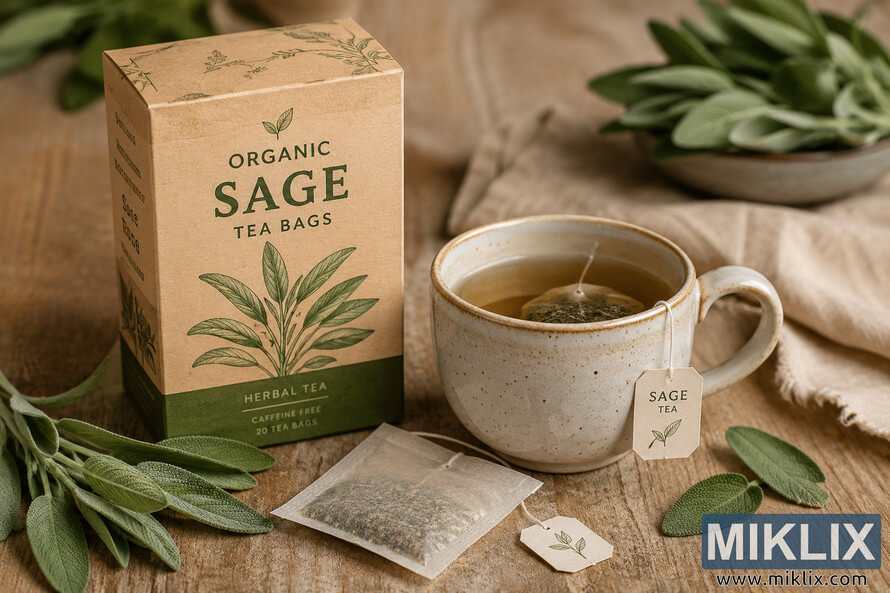
Organic Sage Tea
Premium dried sage leaves for brewing therapeutic tea. Pure and organic with no additives. Perfect for daily wellness rituals.
- 100% organic sage leaves
- Easy preparation
- Pleasant taste
- Versatile use
I-click o i-tap ang larawan para sa karagdagang impormasyon at mas mataas na resolution.
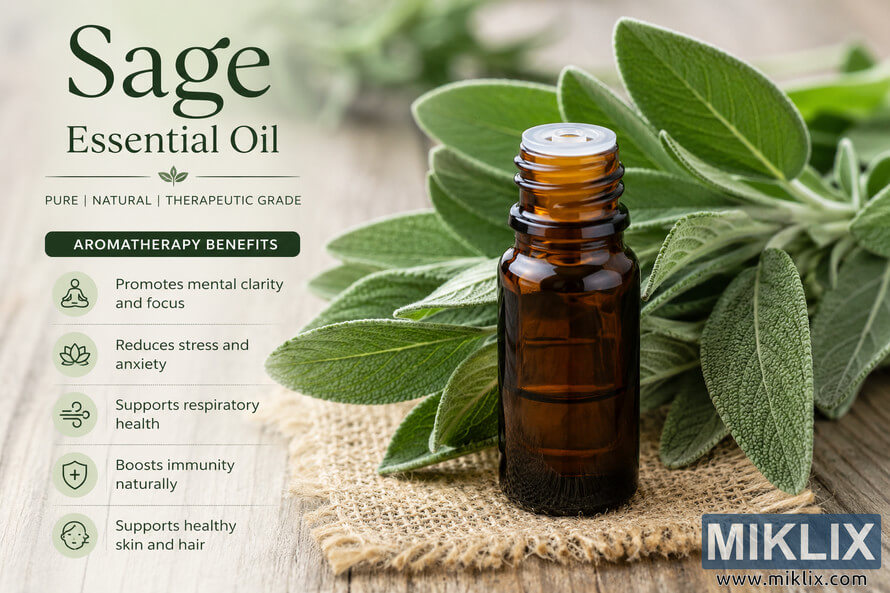
Pure Sage Essential Oil
Therapeutic grade sage essential oil for aromatherapy and topical use. Steam-distilled for maximum purity. Ideal for diffusion and diluted applications.
- 100% pure essential oil
- Therapeutic grade quality
- Aromatherapy benefits
- Versatile applications
I-click o i-tap ang larawan para sa karagdagang impormasyon at mas mataas na resolution.
How to Incorporate Sage into Your Daily Routine
Culinary Applications
Adding sage to meals provides both flavor and health benefits. The herb complements many dishes while delivering therapeutic compounds. Start with small amounts to assess your taste preference.
Sage pairs excellently with fatty meats. The herb aids digestion of rich foods. Try sage with pork chops, chicken, or turkey.
Pasta dishes benefit from sage's earthy flavor. Classic brown butter and sage sauce requires just butter, sage leaves, and pasta. This simple preparation highlights the herb's taste.
Vegetables taste better with sage. Roasted root vegetables with sage offer delicious nutrition. Butternut squash and sage create a perfect autumn combination.
Quick Sage Recipe Ideas
- Sage and white bean soup
- Roasted chicken with sage butter
- Butternut squash sage risotto
- Sage-crusted pork tenderloin
- Sage and apple stuffing
- Fried sage leaves as garnish
Cooking Tips for Sage
- Add fresh sage near the end of cooking
- Fry sage leaves for crispy garnish
- Use dried sage in longer-cooking dishes
- Combine with complementary herbs
- Store properly to maintain freshness
- Start with small amounts

I-click o i-tap ang larawan para sa karagdagang impormasyon at mas mataas na resolution.
Preparing Sage Tea
Sage tea offers a simple way to obtain health benefits. The preparation process takes just minutes. Many people drink sage tea daily for wellness support.
Use 1-2 teaspoons of dried sage or 5-7 fresh leaves per cup. Pour boiling water over the sage and cover. Steep for 5-10 minutes depending on desired strength.
Strain the tea before drinking. Add honey or lemon if desired. Some people prefer sage tea slightly sweet to balance the herb's natural bitterness.
Drink sage tea up to three times daily. Morning consumption may support cognitive function throughout the day. Evening sage tea promotes relaxation.
Cold-brewed sage tea works well in summer. Steep sage leaves in cold water overnight. The resulting infusion tastes milder than hot-brewed tea.
Supplementation Guidelines
Supplements provide consistent doses of sage compounds. Follow product instructions for proper use. Start with the lowest recommended dose.
Most studies use sage extract doses between 300-600 mg daily. Effects typically appear within several weeks of consistent use. Some benefits manifest more quickly.
Take sage supplements with food. This practice reduces potential stomach upset. The fat content in meals may enhance absorption of fat-soluble compounds.
Timing matters less than consistency. Choose a time you'll remember daily. Morning supplementation works well for most people.
Cycling on and off sage supplements may prevent tolerance. Some practitioners recommend taking breaks every few months. However, research on this practice remains limited.
Aromatherapy Applications
Sage essential oil provides cognitive and mood benefits through aromatherapy. Diffusing the oil fills rooms with therapeutic compounds. The scent alone produces measurable effects.
Add 3-5 drops of sage oil to a diffuser. Run the diffuser for 30-60 minutes in occupied spaces. The aromatic molecules stimulate olfactory receptors and affect brain function.
Create a personal inhaler for on-the-go benefits. Add sage oil to a cotton wick in an aromatherapy inhaler. Breathe deeply when you need mental clarity.
Dilute sage oil for topical application. Mix 2-3 drops of sage essential oil with one tablespoon of carrier oil. Apply to temples or wrists for aromatherapy benefits.
Precautions and Potential Side Effects
General Safety Considerations
Sage is generally safe when used appropriately. Culinary amounts in food pose no concerns for most people. Medicinal doses require more attention to safety.
Short-term use of sage supplements appears safe in most studies. Research participants typically experience no significant side effects. However, long-term safety data remains limited.
Individual responses to sage vary. Some people tolerate large amounts easily. Others experience effects from small doses. Start conservatively and adjust based on your response.
Quality matters significantly with sage products. Choose reputable brands that test for contaminants. Poor-quality products may contain adulterants or excessive thujone.
Common Side Effects
Most people tolerate sage well. Side effects occur infrequently and usually remain mild. Understanding potential reactions helps you use sage safely.
Digestive upset represents the most common complaint. Some people experience mild nausea or stomach discomfort. Taking sage with food typically prevents these issues.
Dry mouth may occur with sage consumption. The herb's astringent properties cause this effect. Drinking water resolves the symptom quickly.
Allergic reactions to sage are rare but possible. People allergic to other plants in the mint family face higher risk. Stop using sage if you develop rash, itching, or breathing difficulties.
Safe Uses of Sage
- Culinary amounts in cooking
- 1-3 cups of sage tea daily
- Recommended supplement doses
- Diluted essential oil topically
- Aromatherapy diffusion
- Short-term therapeutic use
Uses Requiring Caution
- Undiluted essential oil internally
- Very high supplement doses
- Long-term continuous use
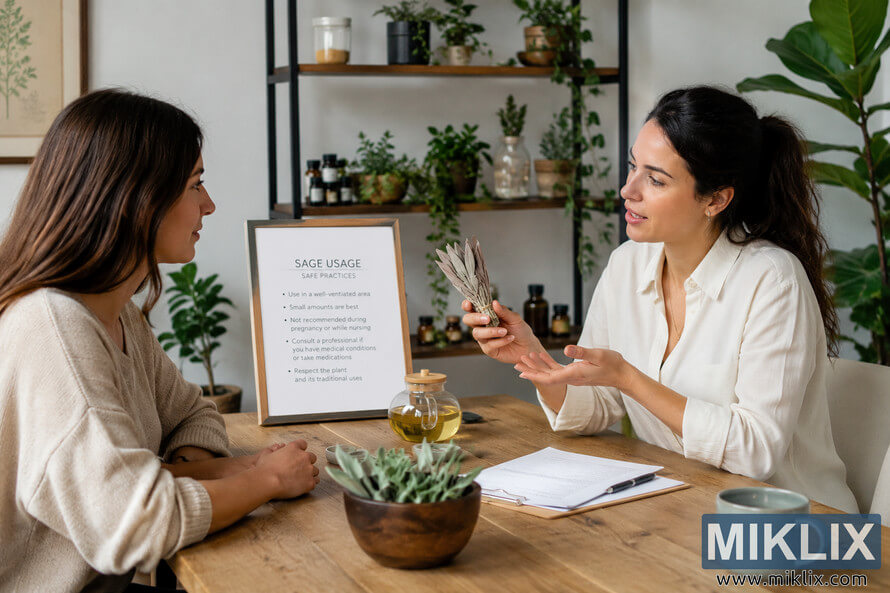
- Use during pregnancy
- Use while breastfeeding
- Combining with certain medications
I-click o i-tap ang larawan para sa karagdagang impormasyon at mas mataas na resolution.
Special Populations and Contraindications
Certain groups should exercise extra caution with sage. Medical conditions or life stages create specific concerns. Always consult healthcare providers before starting sage.
Pregnant women should avoid medicinal amounts of sage. The herb may stimulate uterine contractions. Small culinary amounts appear safe during pregnancy.
Breastfeeding mothers should limit sage intake. The herb traditionally reduced milk production. While occasional use seems fine, regular consumption may affect milk supply.
People with seizure disorders require special caution. High doses of thujone in sage may lower seizure threshold. Avoid sage essential oil and large supplement amounts.
Individuals with hormone-sensitive conditions should consult doctors. Sage affects estrogen activity. This property creates concerns for certain cancers and conditions.
Diabetics using sage must monitor blood glucose closely. The herb lowers blood sugar significantly. Medication adjustments may become necessary.
Drug Interactions
Sage interacts with several medication types. These interactions sometimes produce serious effects. Discuss sage use with your healthcare provider if you take any medications.
Diabetes medications combined with sage may cause hypoglycemia. Both lower blood glucose levels. The combined effect sometimes becomes excessive.
Sedative medications may interact with sage. The herb enhances sedation effects. This combination could cause excessive drowsiness.
Anticonvulsant drugs require careful consideration. Sage might reduce medication effectiveness. People with epilepsy should avoid sage supplements.
Blood pressure medications may interact with sage. The herb affects blood pressure regulation. Monitor your blood pressure regularly if using both.
Medical Disclaimer: This information does not replace professional medical advice. Consult qualified healthcare providers before using sage therapeutically, especially if you have medical conditions or take medications.
Dosage Guidelines and Limits
Appropriate doses depend on several factors. Your age, health status, and intended use affect optimal amounts. No universal dosage applies to everyone.
For cognitive benefits, studies typically use 300-600 mg of sage extract daily. Blood sugar management studies employed similar doses. These amounts showed effects without significant side effects.
Sage tea drinkers generally consume 1-3 cups daily. Each cup contains approximately 1-2 teaspoons of dried sage. This amount provides therapeutic benefits for most people.
Essential oil use requires particular caution. Never consume undiluted sage essential oil. For topical use, dilute 1-2 drops in a tablespoon of carrier oil.
Children should not receive medicinal sage doses. Small amounts in food pose no concern. Supplements and concentrated forms remain inappropriate for pediatric use.
Listen to your body when using sage. Reduce doses if you experience any adverse effects. Some people require less than typical recommended amounts.
Scientific Research on Sage
Major Clinical Studies
Numerous studies investigate sage's health effects. Clinical trials on humans provide the strongest evidence. Research continues to expand our understanding of this herb.
One landmark study examined sage for cognitive function. Healthy adults received sage extract or placebo. The sage group showed significant improvements in memory tasks and attention.
Research on Alzheimer disease patients yielded promising results. A four-month study found that sage extract improved cognitive function. Participants experienced better outcomes than placebo groups.
Studies on blood glucose control demonstrate sage's effectiveness. Type 2 diabetes patients taking sage showed reduced fasting blood glucose. The improvements occurred within three months of daily use.
Hot flash research supports sage's benefits for menopausal women. Multiple studies document significant reductions in frequency and severity. The effects appear within weeks of starting sage supplementation.
Mechanisms of Action
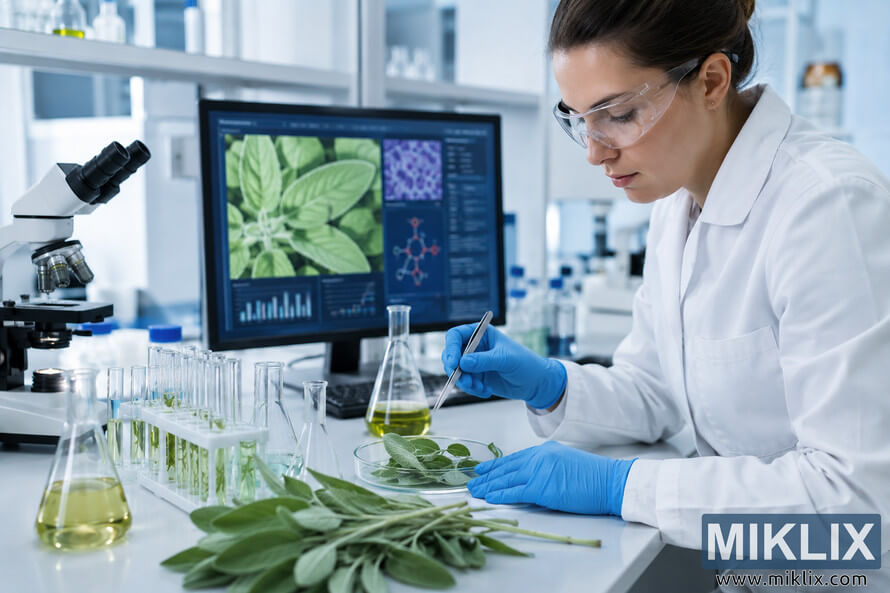
Scientists identify multiple ways sage produces health effects. Understanding these mechanisms explains the herb's diverse benefits. Research reveals complex interactions at cellular and molecular levels.
Antioxidant compounds in sage neutralize free radicals. This action protects cells throughout the body. The protection extends to DNA, proteins, and cell membranes.
Sage inhibits acetylcholinesterase enzyme. This inhibition increases acetylcholine levels in the brain. Higher acetylcholine improves memory and cognitive function.
Anti-inflammatory effects occur through multiple pathways. Sage compounds reduce inflammatory molecule production. This action decreases chronic inflammation linked to disease.
Glucose metabolism improvements stem from several mechanisms. Sage enhances insulin secretion and sensitivity. The herb also slows carbohydrate digestion and absorption.
Ongoing Research Directions
Current research explores new applications for sage. Scientists investigate the herb for various conditions. Future studies will expand our knowledge further.
Cancer research examines sage's potential. Laboratory studies show that sage extracts inhibit cancer cell growth. Human trials have not yet confirmed these effects.
Cardiovascular research continues to develop. Scientists study sage's effects on heart function and blood vessels. Early results suggest multiple beneficial mechanisms.
Gut health research investigates sage's antimicrobial properties. Studies examine how sage affects gut bacteria balance. This research may reveal new digestive health applications.
Mental health applications receive increasing attention. Preliminary research suggests sage may benefit mood disorders. More comprehensive studies will clarify these potential effects.
I-click o i-tap ang larawan para sa karagdagang impormasyon at mas mataas na resolution.
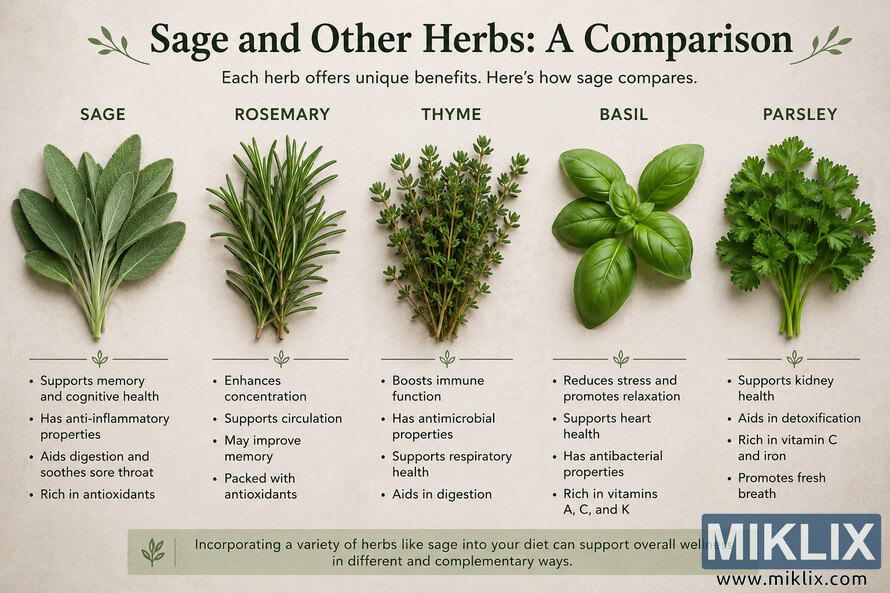
Sage Compared to Similar Herbs
Sage vs Rosemary
Both sage and rosemary contain rosmarinic acid. This shared compound provides antioxidant benefits. However, the herbs differ in other ways.
Rosemary shows stronger effects on hair growth. The herb stimulates circulation to the scalp. Sage demonstrates superior cognitive enhancement properties.
Flavor profiles distinguish these herbs clearly. Rosemary tastes more pungent and pine-like. Sage offers earthier, slightly bitter notes.
Both herbs support memory function. Studies show slightly different mechanisms. Combining both may provide synergistic benefits.
Sage vs Thyme
Thyme contains thymol as its primary active compound. Sage relies more on rosmarinic acid and other polyphenols. These chemical differences create distinct therapeutic profiles.
Thyme shows stronger antimicrobial effects. The herb excels at fighting infections. Sage provides better cognitive and hormonal benefits.
Respiratory conditions respond well to thyme. The herb loosens congestion effectively. Sage works better for digestive complaints.
Both herbs offer antioxidant protection. The compounds differ but achieve similar results. Each herb has its place in natural medicine.
Different Types of Sage
Multiple sage species exist beyond common sage. Each type offers unique properties. Understanding these differences helps you choose appropriately.
Spanish sage (Salvia lavandulifolia) contains less thujone. This characteristic makes it safer for extended use. Research shows particular effectiveness for menopausal symptoms.
White sage (Salvia apiana) serves primarily ceremonial purposes. Native Americans use this variety for smudging. It contains different compounds than culinary sage.
Clary sage (Salvia sclarea) produces distinct essential oil. This type shows strong effects on hormones. Women often prefer clary sage for menstrual issues.
Common sage (Salvia officinalis) remains the most studied variety. Most research uses this type. It's the sage typically found in kitchens and supplement stores.
I-click o i-tap ang larawan para sa karagdagang impormasyon at mas mataas na resolution.
Growing Your Own Sage
Cultivation Basics
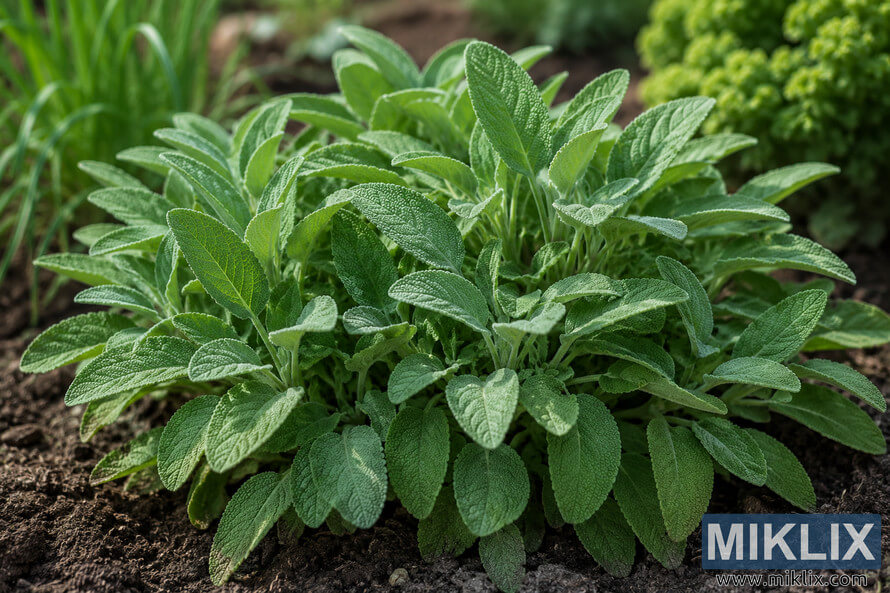
Growing sage at home ensures fresh supply year-round. The plant requires minimal maintenance. Even beginners succeed with sage cultivation.
Sage prefers full sun exposure. Provide at least six hours of direct sunlight daily. The plant tolerates partial shade but grows less vigorously.
Well-draining soil prevents root problems. Sage dislikes wet feet. Add sand or perlite to improve drainage if needed.
Water sage moderately once established. The plant tolerates drought better than excess moisture. Allow soil to dry between waterings.
Sage grows well in containers or gardens. Pots should have drainage holes. Choose containers at least 12 inches in diameter.
Harvesting and Storage
Harvest sage leaves before flowering for best flavor. Morning picking after dew dries captures peak essential oil content. Cut stems rather than individual leaves.
Avoid harvesting more than one-third of the plant. This practice allows continued growth. Regular light harvesting encourages bushier plants.
Dry sage by hanging bundles upside down. Choose a warm, dry, dark location. Proper drying takes 1-2 weeks.
Store dried sage in airtight containers. Keep away from light and heat. Properly stored sage maintains quality for one year.
Fresh sage refrigerates well for short periods. Wrap in damp paper towels and place in bags. Use within one week for best quality.
Best Varieties for Home Gardens
Several sage varieties suit home cultivation. Each offers slightly different characteristics. Choose based on your primary use.
Common garden sage provides culinary and medicinal benefits. This variety grows 2-3 feet tall. Purple-flowered varieties add ornamental value.
Dwarf sage varieties work well in small spaces. These compact plants offer full sage flavor. Container gardening suits dwarf types perfectly.
Golden sage features variegated yellow-green leaves. The flavor matches common sage closely. This variety adds visual interest to gardens.
Tricolor sage displays purple, white, and green foliage. While primarily ornamental, it's edible. The mild flavor works in delicate dishes.
I-click o i-tap ang larawan para sa karagdagang impormasyon at mas mataas na resolution.
Frequently Asked Questions About Sage
How much sage should I consume daily?
The appropriate amount depends on the form. For sage tea, 1-3 cups daily using 1-2 teaspoons of dried sage per cup works well. Supplement doses typically range from 300-600 mg of sage extract daily. Culinary amounts in cooking pose no restrictions. Always start with lower doses and increase gradually while monitoring your response.
Can sage help with memory and concentration?
Yes, multiple studies demonstrate sage's cognitive benefits. Research shows improved memory recall, enhanced attention, and better concentration after taking sage extract. The herb works by increasing acetylcholine levels in the brain and protecting neurons from damage. Effects typically appear within hours of consumption, with cumulative benefits from regular use.
Is sage safe during pregnancy?
Pregnant women should avoid medicinal amounts of sage. The herb may stimulate uterine contractions and affect hormone levels. Small culinary amounts in food appear safe. However, sage supplements, concentrated tea, and essential oil should be avoided during pregnancy. Always consult your healthcare provider before using any herbs during pregnancy.
Does sage interact with medications?
Sage can interact with several medication types. Diabetes medications combined with sage may cause excessively low blood sugar. Sedative drugs may produce enhanced drowsiness. Anticonvulsant medications might become less effective. Blood pressure medications may interact with sage's cardiovascular effects. Discuss sage use with your doctor if you take any medications regularly.
What's the difference between sage tea and sage supplements?
Sage tea provides a gentler, less concentrated dose of sage compounds. You control strength by adjusting steeping time and leaf quantity. Supplements offer standardized, consistent doses of specific compounds. They provide more concentrated effects and precise dosing. Tea suits daily wellness use, while supplements work better for therapeutic applications requiring specific amounts.
Can I use sage essential oil internally?
Never consume undiluted sage essential oil. The oil contains very high concentrations of thujone, which can be toxic. Internal use requires extreme dilution and professional guidance. Most safe applications involve aromatherapy through diffusion or topical use when properly diluted in carrier oils. Stick to sage tea or supplements for internal consumption.
How long does it take to see benefits from sage?
Timeline varies by benefit sought. Cognitive improvements may appear within hours of a single dose. Digestive benefits often occur immediately after consumption. Blood sugar regulation typically shows measurable effects within days to weeks. Menopausal symptom relief generally requires 2-4 weeks of consistent use. Long-term benefits like cardiovascular improvements develop over months.
What's the best form of sage for hot flashes?
Research shows the most success with sage extract supplements standardized for active compounds. Spanish sage (Salvia lavandulifolia) demonstrates particularly strong effects on hot flashes. Studies typically used 300-500 mg daily. Some women prefer sage tea, though effects may be less dramatic. Consistency matters more than form - choose the format you'll use regularly.
Embracing Sage for Better Health
The health benefits of sage extend far beyond its culinary applications. This remarkable herb offers science-backed support for cognitive function, blood sugar control, inflammation reduction, and much more. Salvia officinalis has earned its place as a therapeutic powerhouse.
Modern research validates traditional uses while uncovering new applications. From managing menopausal symptoms to supporting cardiovascular health, sage demonstrates versatility. The active compounds in sage work through multiple mechanisms to promote wellness.
Incorporating sage into your routine can be simple. Whether you choose fresh leaves in cooking, sage tea for daily wellness, or supplements for therapeutic doses, options abound. Each form delivers beneficial compounds that support your health goals.
Remember to use sage responsibly. Start with small amounts and monitor your response. Consult healthcare providers before using medicinal doses, especially if you have health conditions or take medications. Quality matters - choose reputable sources for sage products.
The journey to better health often begins with simple steps. Adding this ancient herb to your wellness routine represents one such step. Let sage's proven benefits support your path to optimal health.
I-click o i-tap ang larawan para sa karagdagang impormasyon at mas mataas na resolution.
Karagdagang Pagbasa
Kung nasiyahan ka sa post na ito, maaari mo ring magustuhan ang mga mungkahing ito:
- Pagganap ng Pag-unlock: Paano Mapapalakas ng Mga Supplement ng HMB ang Iyong Lakas, Pagbawi, at Kalusugan ng Muscle
- Mga Selenium Superstar: Ang Nakakagulat na Kapangyarihan ng Brazil Nuts
- Ang Lihim ng Serotonin: Ang Napakahusay na Mga Benepisyo ng 5-HTP Supplementation