
A Complete Guide to Growing Desert Five-Spot in Your Own Garden
Published: October 2, 2026 at 8:09:43 PM UTC
Desert Five-Spot (Eremalche rotundifolia) brings soft pink petals and a deep red spot to dry-climate gardens. Give this native wildflower the right season, drainage, and early moisture, and it can reward you with bright spring flowers and useful habitat for pollinators.
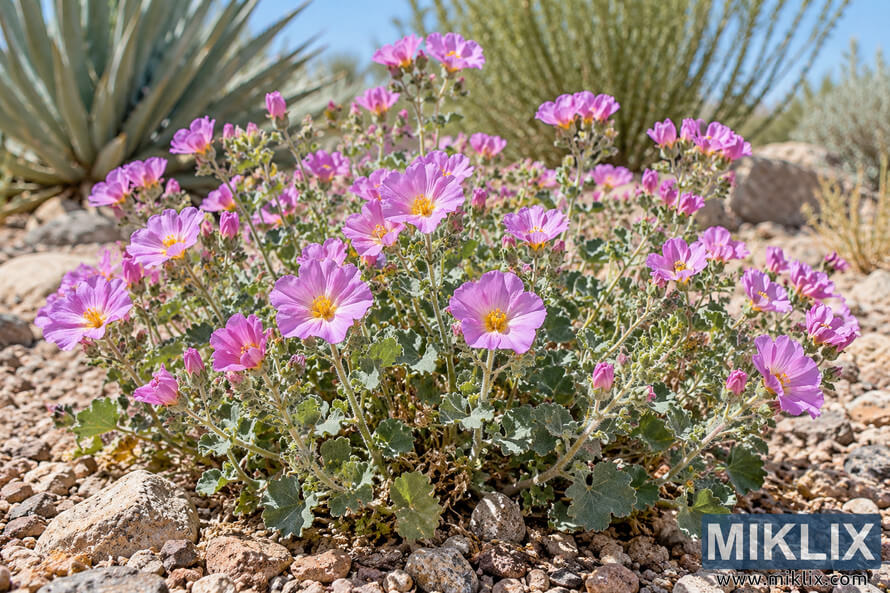
Click or tap the image for more information and higher resolutions.
Eremalche rotundifolia is a desert wildflower in the mallow family. The species grows naturally in parts of the southwestern United States, where seasonal rain supports short periods of active growth. Its exact behavior can change with elevation, winter cold, and spring moisture.
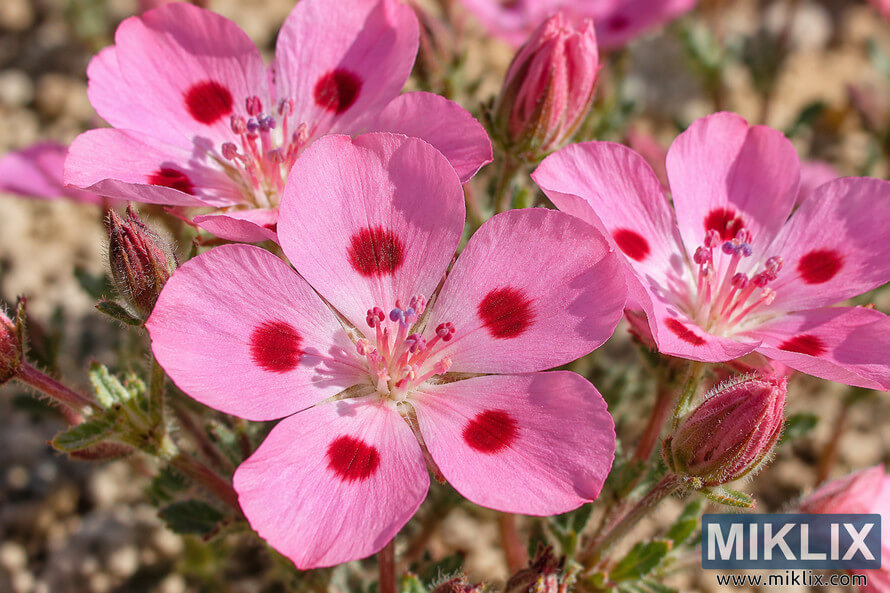
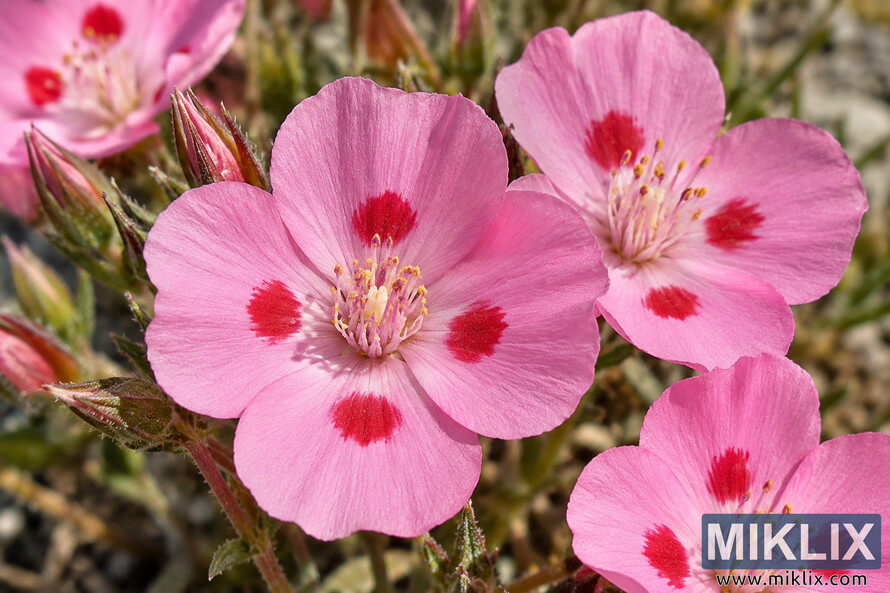
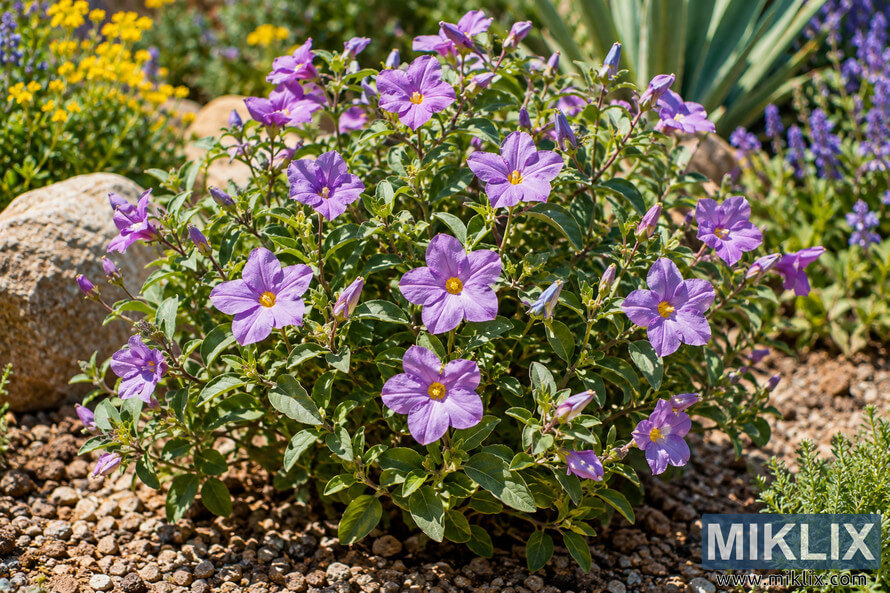
The plant often forms a low, open shape. Rounded leaves sit below slender flower stems. The cup-shaped flowers have five petals, usually in shades of pink or lavender. Each petal has a contrasting red or maroon spot near the base. This spot gives the plant its common name.
Growth habit and season
In many gardens, desert fivespot acts as a winter or spring annual. In favorable sites, it may reseed and return without being replanted. Flowering commonly follows cool-season growth and may continue into spring when soil moisture lasts.
Wildlife value
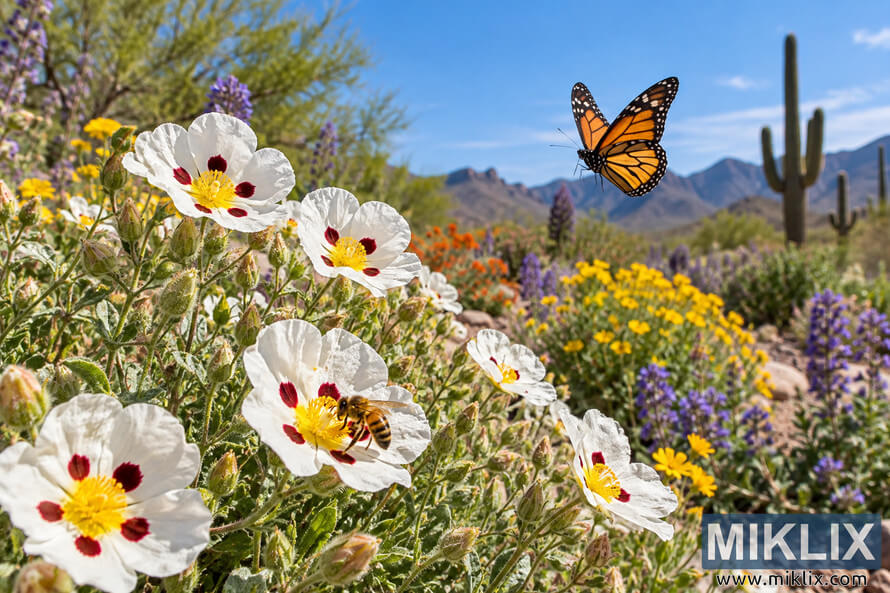
The flowers can attract native bees and other small pollinators. Seeds may also contribute to local food webs. Its value is greatest when grown with other native plants that offer shelter and bloom at different times.
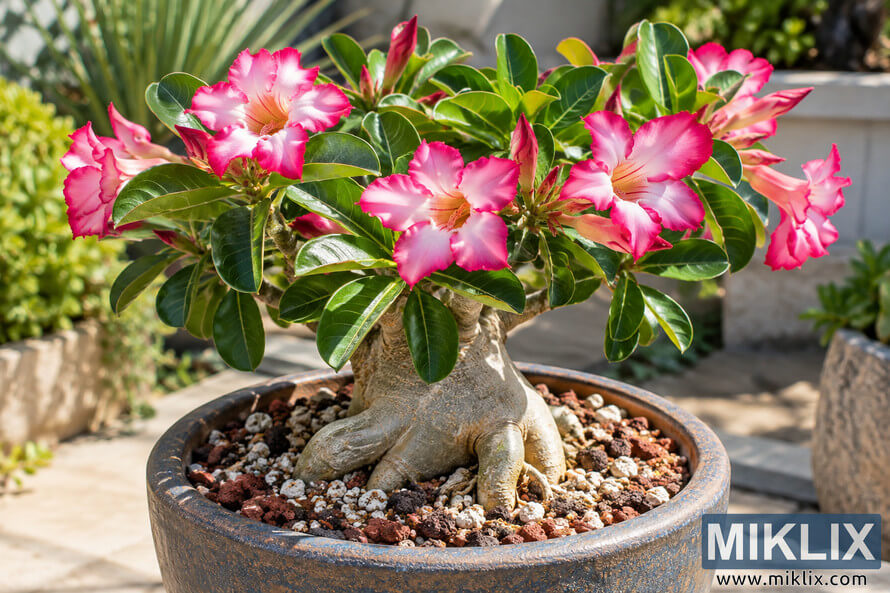
Use it in a rock garden, xeriscape, native-plant border, or open pollinator bed. It also works in a container if the pot drains quickly and is deep enough for healthy roots. Do not assume every desert plant needs little water immediately after planting. Young plants need steady moisture while roots develop.
Click or tap the image for more information and higher resolutions.
Click or tap the image for more information and higher resolutions.
Site Selection and Step-by-Step Seed Growing
Choose sun, soil, and drainage first
Select a site with full sun or strong afternoon light. A minimum of six hours of direct sun is a useful starting point. In very hot areas, light afternoon protection may reduce stress, but too much shade can cause weak stems and fewer flowers.
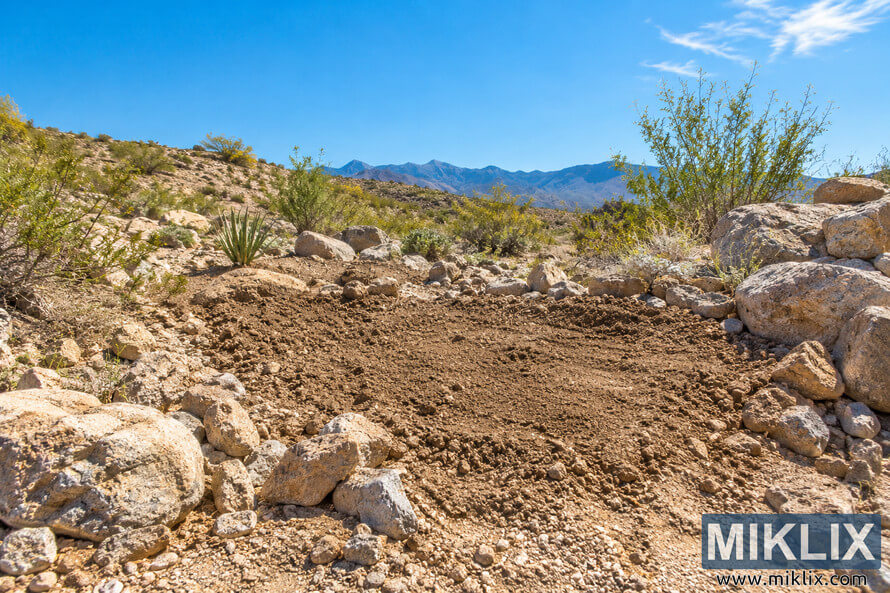
Use gritty, lean soil with excellent drainage. Sandy loam, decomposed granite, or a rocky native soil may work well. Improve heavy clay with a raised planting area rather than adding large amounts of rich compost. Constantly wet soil is a greater risk than modestly poor soil.
Click or tap the image for more information and higher resolutions.
Source, prepare, and sow the seed
- Buy seed from a reputable native-plant supplier, or collect mature seed from a legal, healthy garden population. Never collect from protected land without permission.
- Sow in fall in mild-winter regions. In colder areas, sow after the main summer heat has passed, or follow local native-plant guidance. Cool seasonal moisture often supports natural germination.
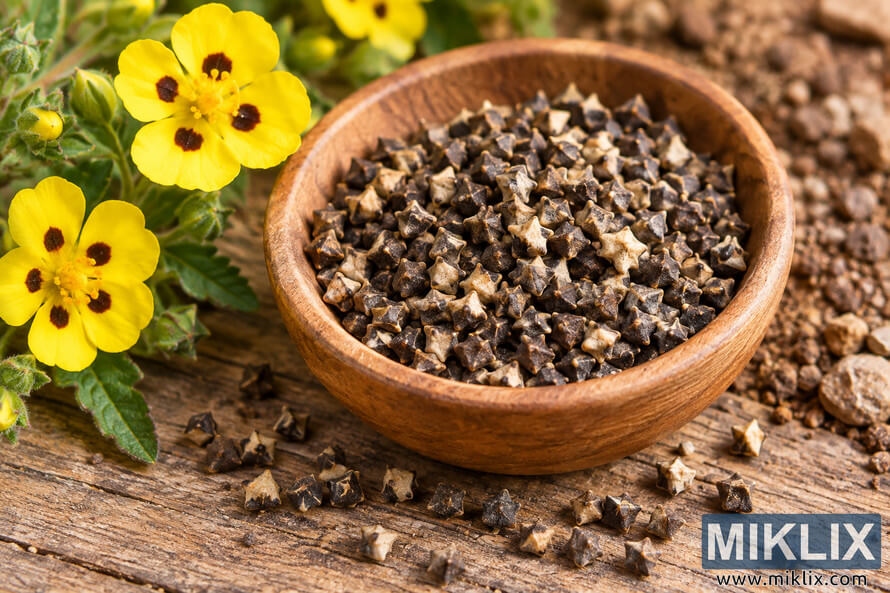
- Do not bury the seed deeply. Press it into prepared soil and cover it with only a very thin layer of fine soil or grit. Small seed can fail when planted too far down.
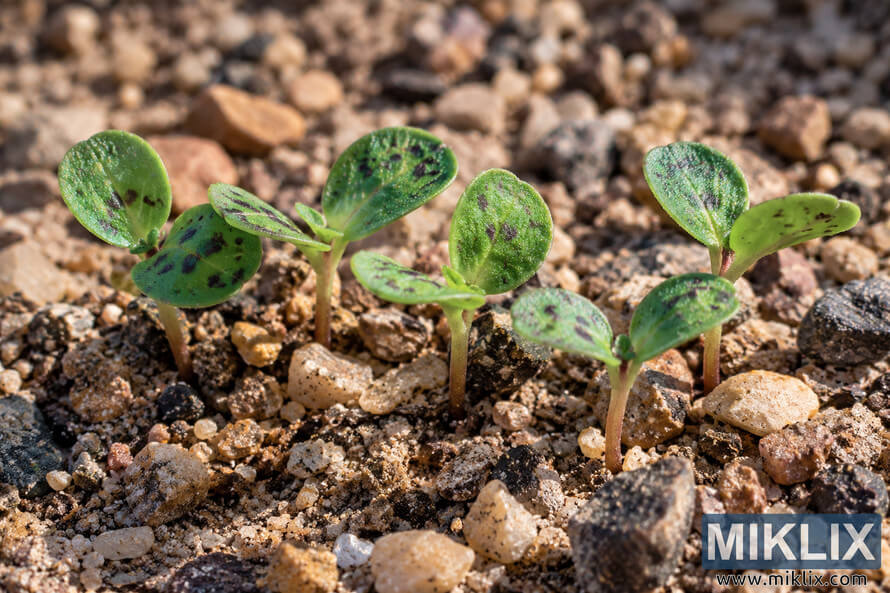
- Space seed several inches apart, then thin crowded seedlings after emergence. Final spacing depends on the local form, but open spacing improves air movement.
- Water gently after sowing. Keep the upper soil surface lightly and evenly moist during germination, never muddy.
- Germination timing varies with seed freshness, temperature, moisture, and local genetics. If seedlings emerge thickly, thin them with small scissors instead of pulling nearby roots. Direct sowing is usually safer than transplanting because young roots dislike disturbance.
Click or tap the image for more information and higher resolutions.
Click or tap the image for more information and higher resolutions.
Ongoing Care, Climate Tips, and Common Problems
Watering and feeding
Water newly sown areas when the top layer begins to dry. Once seedlings establish several true leaves, water more deeply but less often. Let the soil partially dry between sessions. The correct schedule depends on rain, temperature, soil, container size, and wind.
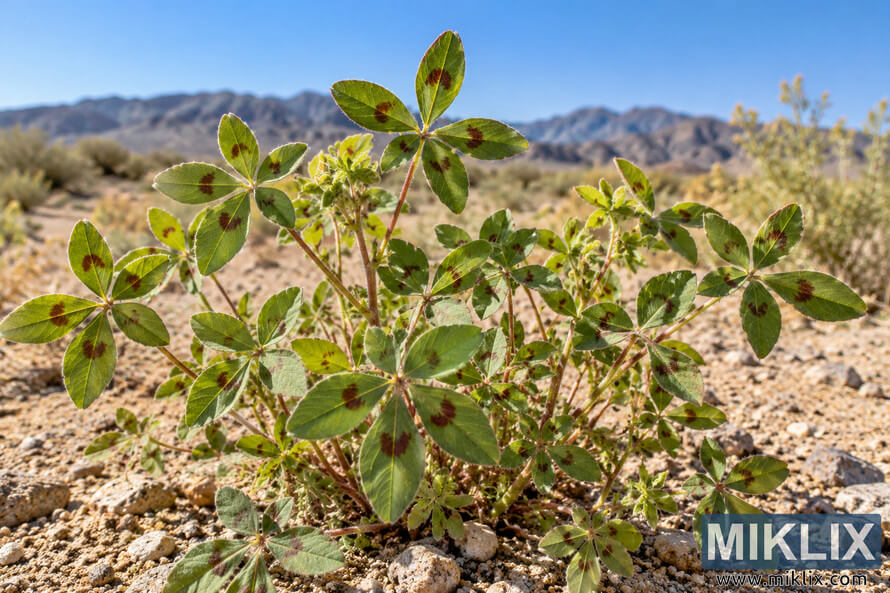
Established plants in a suitable desert habitat may need little supplemental water after seasonal growth ends. That does not make every garden installation low-water. In humid, hot, or unusually dry regions, inspect the soil and respond to actual conditions.
Skip routine fertiliser in most native beds. Rich feeding can produce soft growth and fewer flowers. A thin gravel mulch can reduce splash and weeds, but keep it away from the stems. Avoid thick organic mulch that holds moisture against the crown.
Climate and container guidance
Dry and hot areas
- Sow when seasonal temperatures are moderate.
- Use morning irrigation during establishment.
- Provide temporary shade during extreme heat.
Cold areas
- Follow local frost and sowing guidance.
- Protect containers from repeated freeze-thaw cycles.
- Expect annual behavior where winters are severe.
Humid areas
- Use a raised, airy planting site.
- Increase spacing around leaves.
- Reduce irrigation after rain.
Click or tap the image for more information and higher resolutions.
Pests, diseases, and troubleshooting
Watch for aphids, chewing insects, and slugs in wetter gardens. Start with a water spray for aphids and remove badly damaged leaves. Avoid broad insecticide use when flowers are open, since it can harm pollinators.
Yellow leaves, collapsing stems, or a sour soil smell usually point to excess moisture or poor drainage. Move container plants to a brighter, drier position and check that drainage holes are open. Thin dense seedlings when air movement is poor.
Click or tap the image for more information and higher resolutions.
Seed Saving, Natural Reseeding, and Seasonal Checklist
Collect and store seed
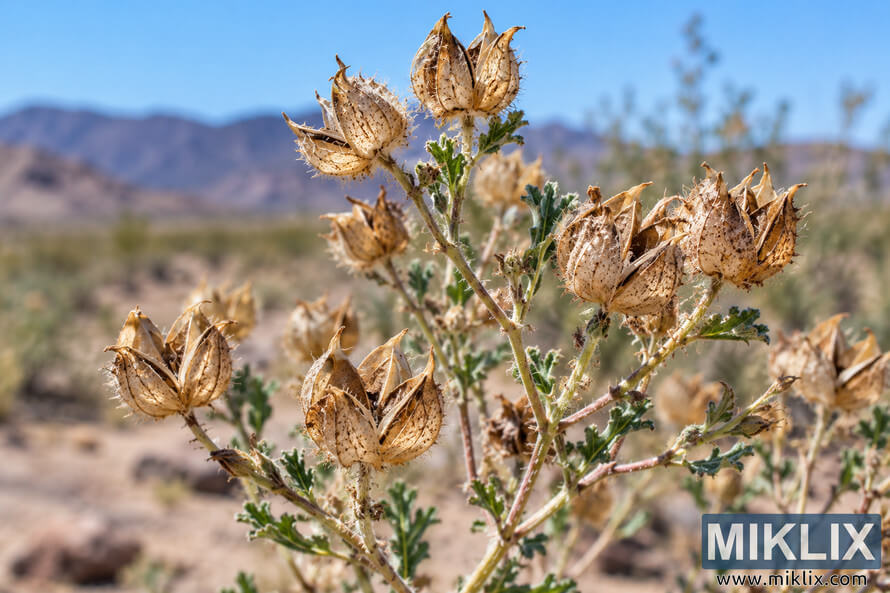
Allow flowers to fade naturally. Seed capsules should dry on the plant and change from green to brown. Collect on a dry day, then place the material in a paper envelope for several days. Rub or shake the capsules gently to release mature seed.
Label the envelope with the species, collection date, and garden location. Store clean, dry seed in a cool, dark place. A sealed container with a moisture absorber can help, but never store damp seed. Test a small batch before depending on it for a full planting.
To encourage reseeding, leave some spent flowers in place and keep the surrounding soil open. Remove unwanted seedlings while small. Eremalche rotundifolia is not generally treated as an aggressive invasive garden plant, but local behavior can differ. Do not spread seed beyond suitable habitat.
Click or tap the image for more information and higher resolutions.
Quick-reference care summary
| Need | Practical starting point |
| Light | Full sun, with limited relief in extreme heat. |
| Soil | Lean, gritty, fast-draining soil. |
| Water | Even moisture for seedlings; less water after establishment when conditions support it. |
| Fertiliser | Usually unnecessary in native soil. |
| Best use | Rock gardens, containers, xeriscapes, and native borders. |
Click or tap the image for more information and higher resolutions.
Seasonal growing checklist
- Fall: prepare drainage, sow seed, label the planting, and water gently.
- Winter: check seedlings, reduce irrigation after rain, and protect pots from severe exposure.
- Spring: thin crowded plants, watch for pests, and enjoy the flowers.
- Late spring: let selected capsules mature for seed collection.
- Summer: remove unwanted dry material and keep dormant plants from sitting in wet soil.
Desert Five-Spot (Eremalche rotundifolia) is a rewarding choice when its seasonal rhythm matches your garden. Start with sun and drainage, give seedlings careful moisture, and let local conditions guide later care. For the most reliable result, compare this advice with native-plant or extension resources in your part of the United States.
Click or tap the image for more information and higher resolutions.
Further Reading
If you enjoyed this post, you may also like these suggestions:
- 12 Stunning Delphinium Varieties to Transform Your Garden
- A Guide to the Most Beautiful Sunflower Varieties to Grow in Your Garden
- A Guide to the Most Beautiful Tulip Varieties for Your Garden